How To Use Mulch To Save Your North Carolina Garden Roots Before The Heat Advisory Peaks
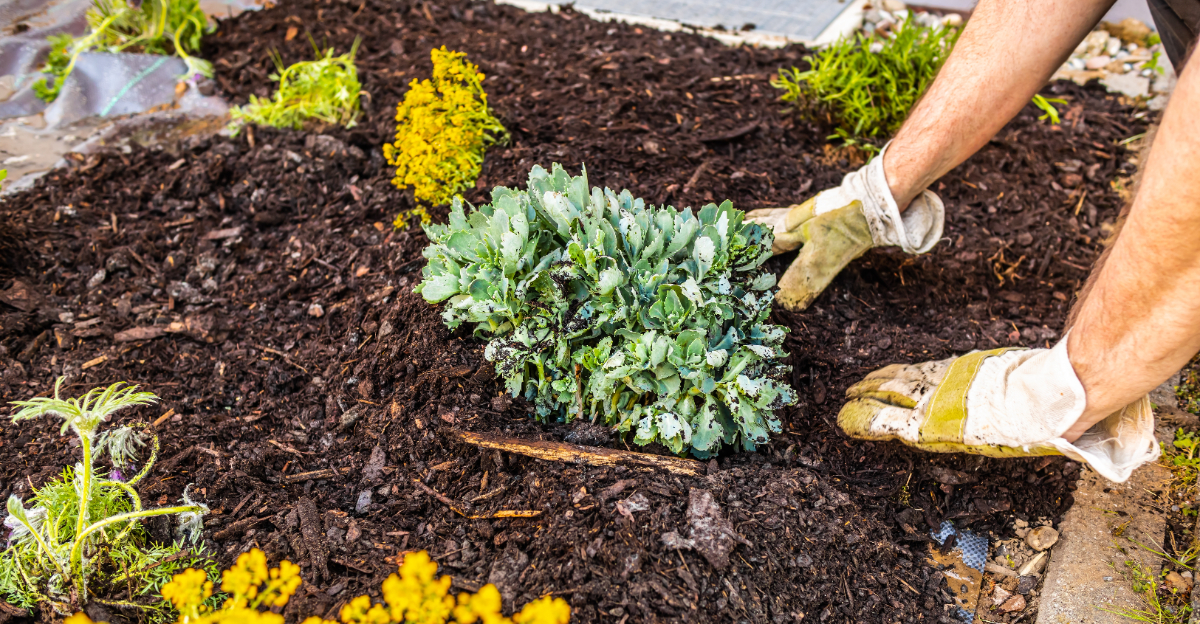
Bare soil can heat up fast in a North Carolina summer.
That matters more than many gardeners realize. Roots may be underground, but they still feel the stress when the soil surface bakes, moisture disappears, and hot air settles over the garden for days at a time.
A heat advisory turns that stress into a race.
Vegetables wilt sooner. Young shrubs struggle harder. Flower beds dry unevenly. Newly planted trees lose their buffer before their roots have spread far enough to handle the pressure.
Mulch helps change that.
A good organic layer shields the soil, slows evaporation, softens temperature swings, and gives roots a better chance to stay steady while the hottest stretch passes.
But mulch only works well when it is applied correctly.
Too little leaves soil exposed. Too much can block air and water. Mulch pressed against stems can create new problems right when plants are already under stress.
So how can North Carolina gardeners use mulch before the heat advisory peaks?
Start with deep water, clean material, the right depth, full root-zone coverage, open space around stems, and regular moisture checks beneath the layer.
1. Water Deeply Before Mulching
Mulch works best over soil that already has moisture.
Spreading a fresh layer over bone-dry ground can slow evaporation, but it cannot help roots much when there is no water in the root zone to protect. That is one of the easiest mistakes to make before a heat wave.
Water first. Give the bed a slow, steady soak before mulch goes down.
The moisture needs to reach deeper than the surface. For many vegetable beds and annual plantings, aim for water to move at least several inches into the soil.
Check the depth. Push a finger, trowel, screwdriver, or soil probe into the bed after watering to see how far the moisture traveled.
Dry soil below the top layer means more water is needed. A damp surface alone will not support roots through extreme heat.
Morning watering is best. The soil has time to absorb moisture before the hottest hours start pulling it away.
Slow water beats fast water. Drip irrigation, a soaker hose, or a gentle hose flow lets moisture soak in instead of running across the surface.
Avoid splashing leaves when possible. Wet foliage in humid North Carolina weather can create extra disease pressure.
Let the water settle. Give the bed a short pause after irrigation so the soil can absorb moisture evenly before you mulch.
Mulch conserves water, it does not create it.
A well-watered bed under organic mulch gives roots a real buffer before the heat peaks.
2. Choose Clean Organic Materials
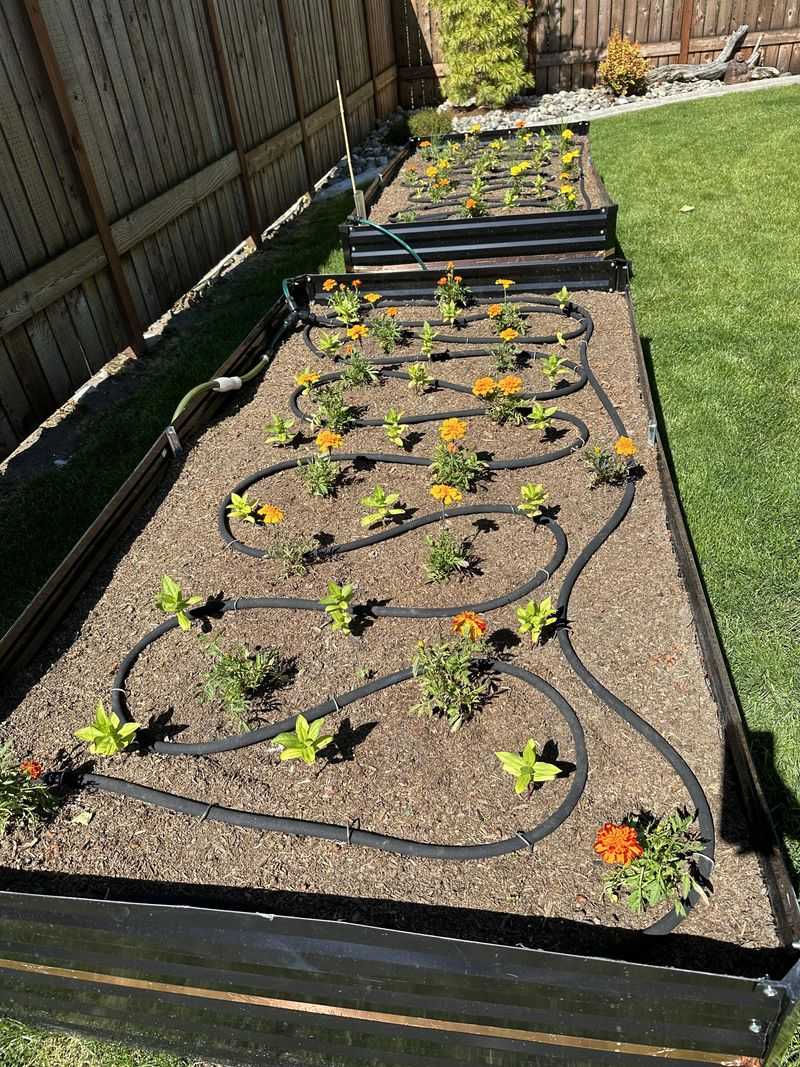
The right mulch material protects roots without adding problems.
Clean organic mulch breaks down slowly, supports soil life, and keeps the surface cooler than exposed ground. Poor material can bring weeds, contamination, pests, or compaction into a garden that is already facing heat stress.
Shredded leaves are useful. They work well around vegetables, perennials, and mixed beds when spread lightly enough to avoid matting.
Your North Carolina Garden Changes Every Week. Your Plan Should Too.
Gardening in North Carolina changes quickly throughout the season. Every Friday you’ll receive a simple weekly plan showing exactly what to plant, prune, fertilize, harvest, and protect so you never miss the right timing.
Clean straw is another good choice. It is especially helpful in vegetable gardens because it is light, breathable, and easy to pull back from stems.
Pine bark works well around shrubs. It lasts longer than leaves or straw and helps create a tidy layer in ornamental beds.
Aged wood chips are useful for trees and larger shrubs. Their chunkier texture allows better airflow and lasts through repeated rains.
Pine straw fits many Carolina landscapes. It is light, easy to spread, and especially common around azaleas, camellias, blueberries, and other acid-loving plants.
Avoid weedy hay. Hay often carries seed that can turn a mulch job into a weeding project.
Be careful with grass clippings. Only use clippings from untreated lawns, and apply them in very thin layers so they do not turn slimy.
Skip questionable yard waste. Diseased plants, invasive weeds, thorny debris, and material sprayed with herbicides do not belong around stressed garden roots.
Clean mulch is protection.
The goal is to cool and cover the soil, not introduce a new problem right before the weather gets harder.
3. Spread Two To Three Inches
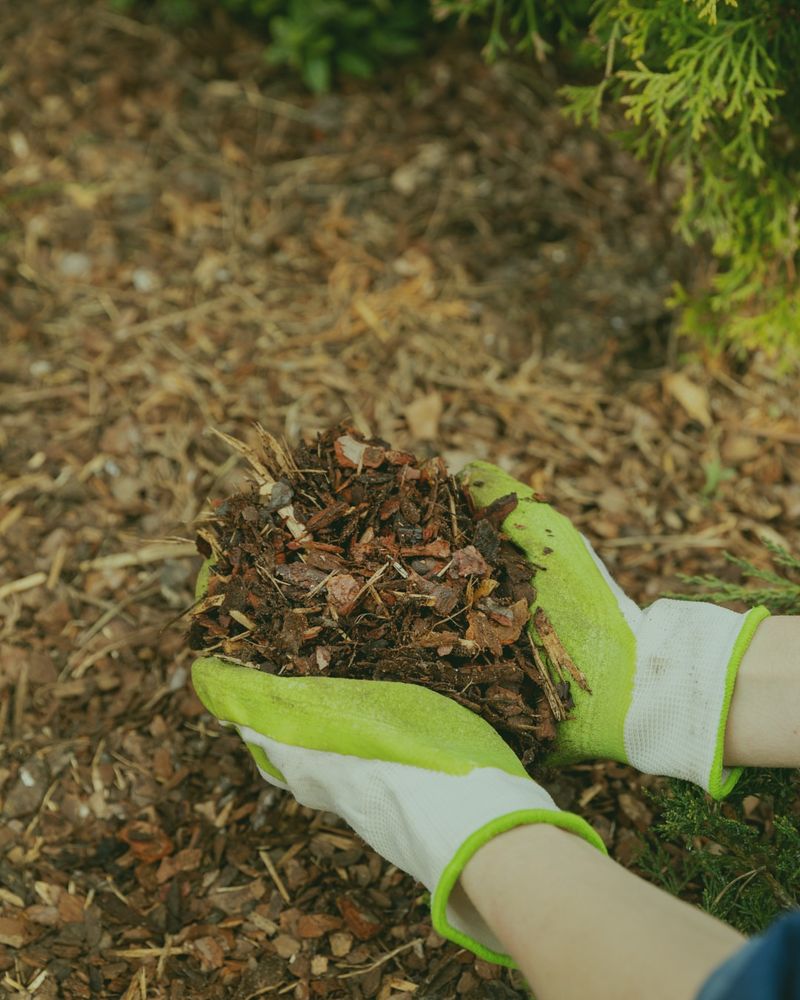
Mulch depth makes the difference between helpful and harmful.
A thin dusting may look finished, but it does not protect the soil well. A thick pile may look generous, but it can block air and water from reaching the root zone.
Two to three inches is the sweet spot for many beds. That depth shades the soil, slows evaporation, and still allows rainfall and irrigation to move through.
Measure before guessing. Use your fingers or a ruler to check the actual depth after spreading.
Fine mulch needs a lighter touch. Shredded leaves, compost, and grass clippings compact faster than chunky bark or wood chips.
One to two inches may be enough for fine material. After settling, it can behave like a deeper layer.
Chunkier mulch can go deeper. Pine bark nuggets or aged wood chips around shrubs and trees can usually hold a two-to-three-inch layer more comfortably.
Do not bury small seedlings. Tiny vegetables and annuals need light, airflow, and visible crowns.
Refresh only where needed. Adding a full new layer every time the bed looks tired can create buildup.
Check old mulch first. Pull it back in a few spots and see how much is already there before adding more.
Too much mulch can hold excess moisture. During humid weather, that can create root and crown stress instead of relief.
Depth should be steady, not dramatic.
A moderate, even layer protects North Carolina garden roots better than a heavy mound applied in a rush.
4. Cover The Full Root Zone
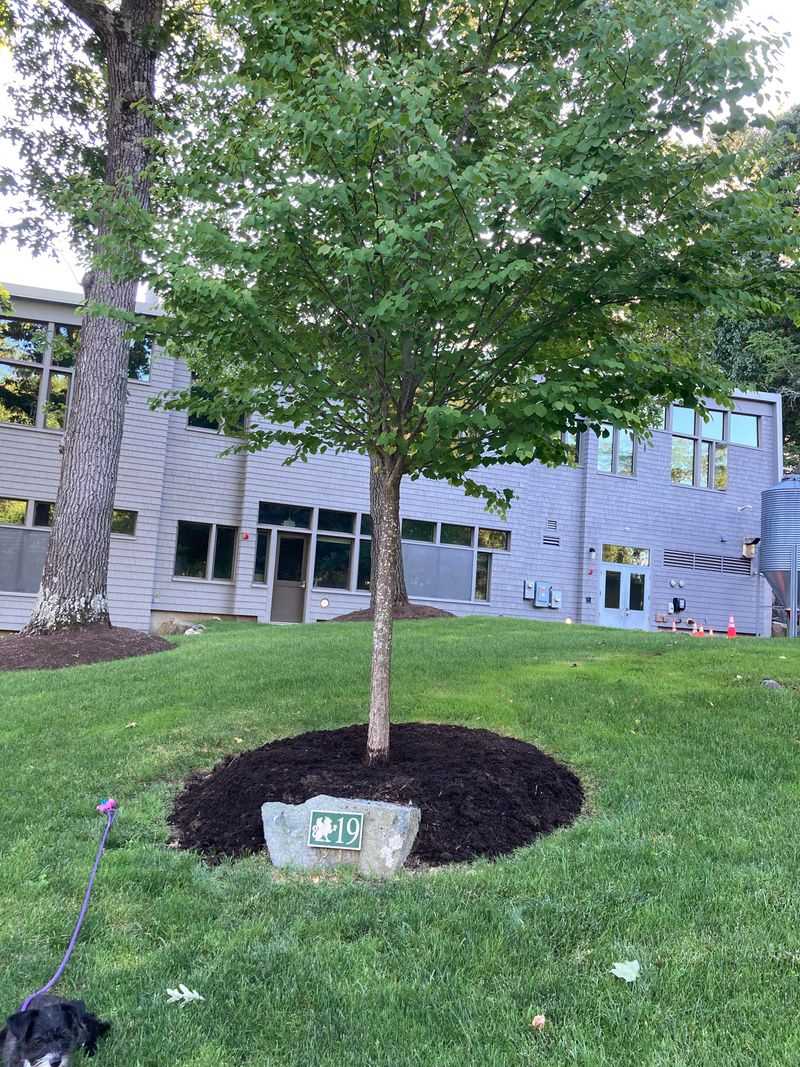
A tiny mulch ring does not protect enough soil.
Roots spread farther than the base of the plant. In summer heat, the entire active root zone needs cover, not just the spot right around the stem.
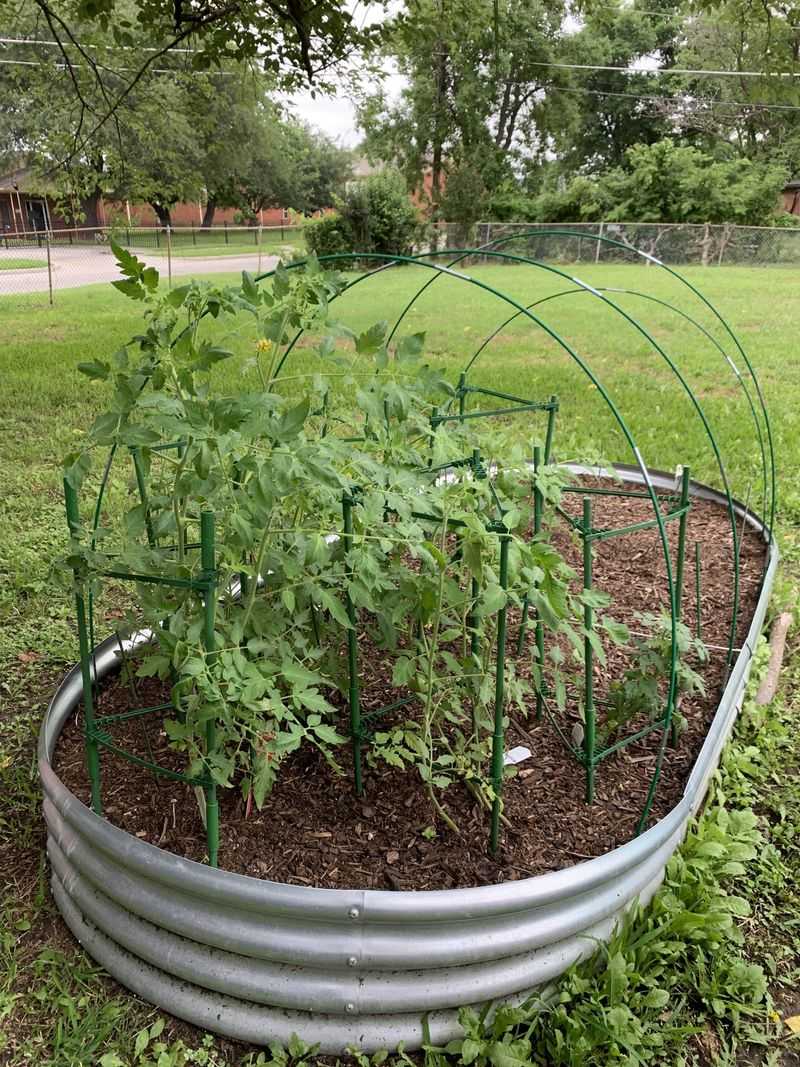
Vegetable beds need broad coverage. Bare soil between tomato plants, peppers, beans, squash, and flowers can heat quickly and lose moisture fast.
Cover the spaces between plants. Leave room at the stems, but shade as much open soil as possible.
Shrubs need wider mulch areas. Their feeder roots often extend out toward the drip line, which is the outer edge of the canopy.
Young trees need even more room. A wide, shallow mulch area helps protect developing roots better than a narrow collar at the trunk.
Think saucer, not necklace. Mulch should spread outward like a broad protective blanket.
Do not stop at drip lines or tubing. Tuck material around irrigation lines carefully so water can still reach the soil beneath.
Cover bed edges too. Edges dry first, especially near sidewalks, driveways, brick borders, and concrete paths.
Watch slopes. Mulch may slide or wash downhill, leaving upper root zones exposed.
Use coarser material where washout is likely. Wood chips or pine bark may stay in place better than loose dry leaves on sloped beds.
Bare patches become heat entry points.
The more evenly you cover the root zone, the more stable the soil stays when the heat advisory reaches its worst hours.
5. Keep Mulch Away From Stems
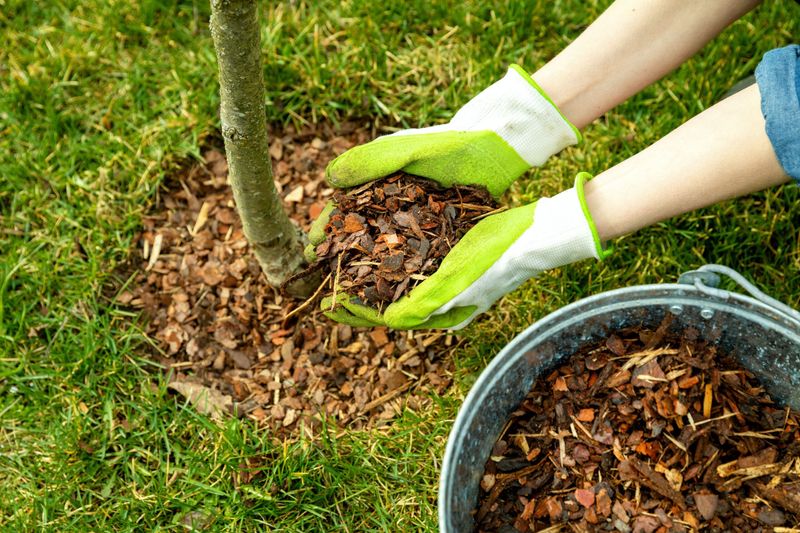
Mulch should protect roots, not smother stems.
Piling organic material directly against plant bases is one of the most common mulching mistakes. It looks tidy for a moment, but it traps moisture where bark and stems need air.
Leave a clear gap. Pull mulch back two to three inches from vegetable stems, shrub crowns, tree trunks, and perennial bases.
The open collar matters. It lets the base dry between rain, irrigation, and humid nights.
Avoid mulch volcanoes. A mound stacked against a tree trunk can soften bark, invite insects, and hide developing problems.
Young trees are especially vulnerable. Bark at the soil line needs protection from trapped moisture and heat.
Vegetables need space too. Tomato, pepper, squash, cucumber, and basil stems can all struggle when wet mulch sits directly against them.
Ornamental grasses need open crowns. Mulch packed into the center can hold moisture where new shoots emerge.
Shrubs should not be buried. Boxwoods, hydrangeas, hollies, azaleas, and blueberries all benefit from mulch around the roots, not piled into the stems.
Check after rain. Downpours can push mulch back against plant bases even after you placed it correctly.
Pull material back during each refresh. Mulch tends to creep inward over time.
This detail costs nothing.
A small open ring around each plant lets mulch do its best work without creating a damp collar during North Carolina heat and humidity.
6. Refresh Thin And Bare Patches
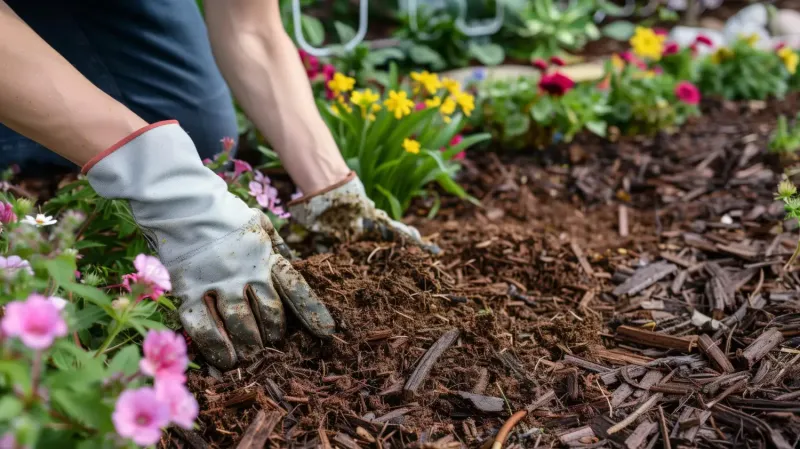
Mulch moves more than gardeners expect.
Wind shifts it. Heavy rain flattens it. Birds scratch through it. Dogs dig in it. Watering pulls it away from emitters. By midsummer, a bed that looked perfect in spring can have exposed soil again.
Walk the garden before the heat peaks. Look for bare spots where sunlight hits the soil directly.
Check bed edges first. Edges near paths, patios, lawn borders, and driveways often thin out faster than the middle.
Look around drip lines. Irrigation can create small channels where mulch moves aside.
Check beneath large leaves. Squash, tomatoes, and hydrangeas can hide bare soil until the plant wilts and exposes the problem.
Fluff compacted areas. A rake or gloved hand can loosen matted mulch so air and water move through again.
Add only what is missing. Do not bury the whole bed under fresh material when only a few patches need help.
Even out high spots. Move excess mulch from deep areas into thin areas before opening a new bag.
Watch for crusting. Fine mulch that forms a mat may need to be broken up so water can soak through.
Refresh early in the day. Working before the worst heat protects both the plants and the gardener.
A mulch layer is not permanent once it lands.
A quick touch-up before extreme heat can close the gaps where roots lose moisture fastest.
7. Check Moisture Beneath The Layer
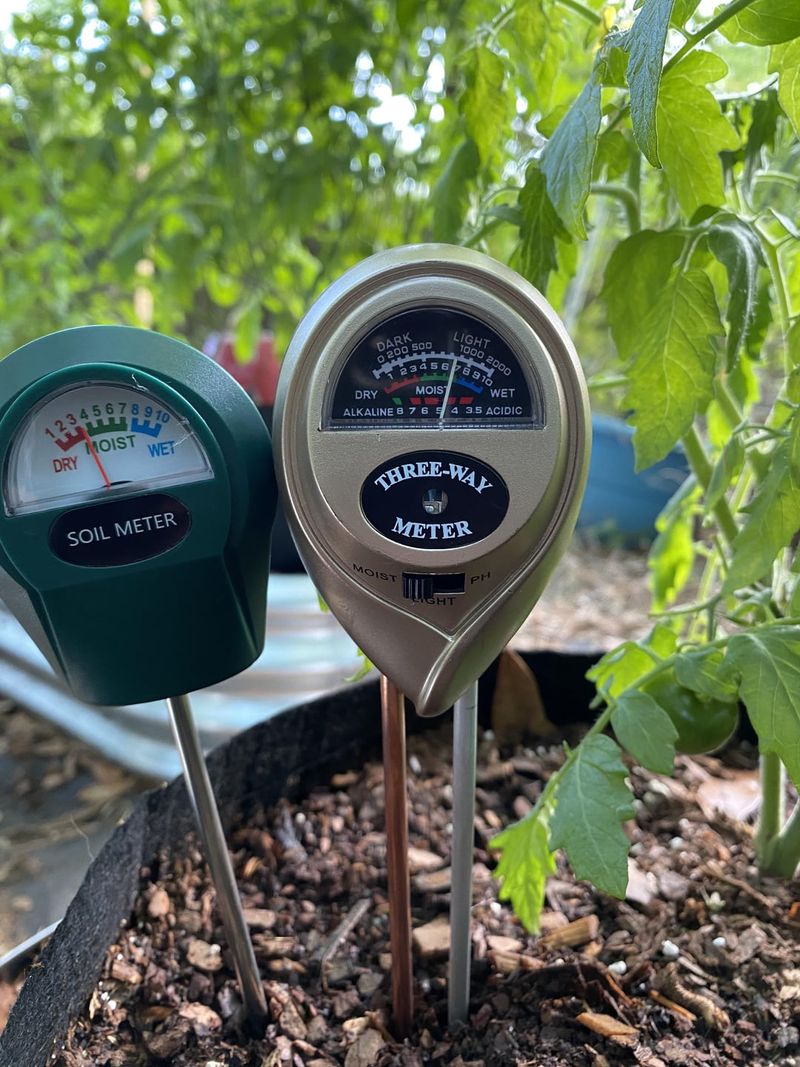
A dry-looking mulch surface can fool you.
The top of the mulch may feel hot and crisp while the soil beneath is still moist. Watering based on that surface alone can lead to overwatering, especially when organic mulch is doing its job well.
Pull the mulch aside before watering. Check the soil itself, not just the material on top.
Use your finger for a quick test. Press one to two inches into the soil beneath the mulch.
Moist soil should feel cool and slightly clingy. That means roots may still have enough water for the moment.
Dry soil feels powdery or loose. That is your signal to irrigate before stress builds.
Check more than one spot. A bed can be moist near the hose and dry near the edge.
Pay attention to containers and raised beds. They dry faster than in-ground beds, even when mulched.
Do not follow a rigid schedule blindly. Cloud cover, wind, plant size, soil type, and rainfall all change the watering need.
Water at the root zone. Drip lines, soaker hoses, or careful hand watering work better than splashing the whole bed.
Recheck after irrigation. Make sure water passed through the mulch and reached the soil below.
Mulch gives you more time between waterings.
It does not replace the need to check what the roots are actually experiencing.
8. Skip Heat Trapping Plastic Covers
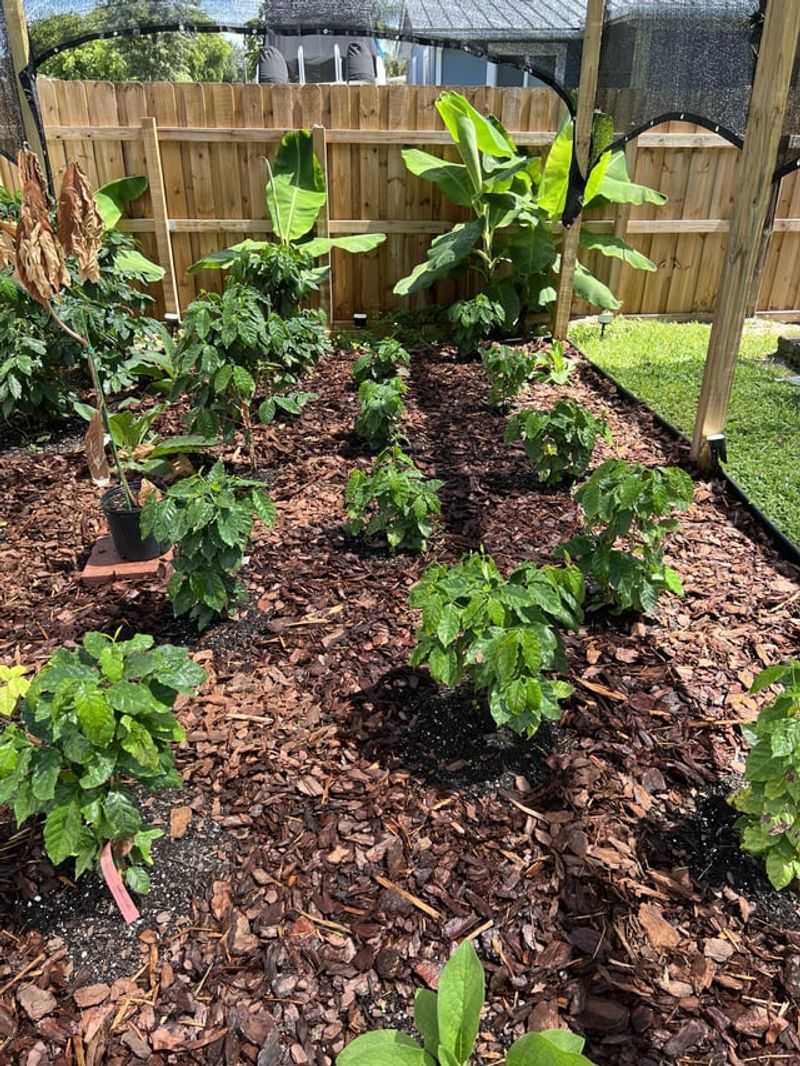
Plastic can make summer root stress worse.
Black plastic has uses in certain growing situations, especially when gardeners want to warm soil earlier in the season. During a North Carolina heat advisory, that same heat-trapping quality works against many garden roots.
Dark plastic absorbs heat. Under strong sun, it can drive soil temperatures higher instead of buffering them.
It does not breathe like organic mulch. Air movement and water movement can be restricted, especially when plastic is tight against the soil.
Water can run off the edges. Roots beneath the center may stay dry while the gardener assumes the cover is helping.
Weed fabric can create similar issues. It may block some weeds, but it can also trap heat, restrict soil life, and become difficult to remove once soil and roots work into it.
Organic mulch is safer for heat protection. Straw, leaves, pine bark, wood chips, and pine straw contain air spaces that help moderate soil temperature.
Reflective materials are different. Some agricultural systems use specialized plastic mulches for specific crops, but that is not the same as throwing dark plastic over a home garden before a heat advisory.
Do not cover wet stems with plastic. Trapped humidity around plant bases can create extra problems.
Use shade above plants instead. Shade cloth can reduce heat load without sealing the soil.
Choose materials that cool and breathe.
For most home gardens, organic mulch is the better emergency tool when roots need protection from extreme summer heat.