What North Carolina Gardeners Should Be Doing In June Before The Heat Becomes Brutal
There is a narrow stretch of time at the start of June in North Carolina when the garden is fully awake but the worst of the heat has not yet arrived. It does not last long.
Within a few weeks the temperatures settle into a range that makes certain tasks harder, slows establishment for anything newly planted, and turns small problems into larger ones faster than most gardeners expect.
The things worth doing in early June are not complicated, but they are time-sensitive in a way that is easy to underestimate when the weather still feels manageable.
Getting ahead of the season during this window means spending the rest of summer maintaining a garden that is in good shape rather than constantly reacting to one that got away from you.
1. Mulch Garden Beds To Conserve Moisture
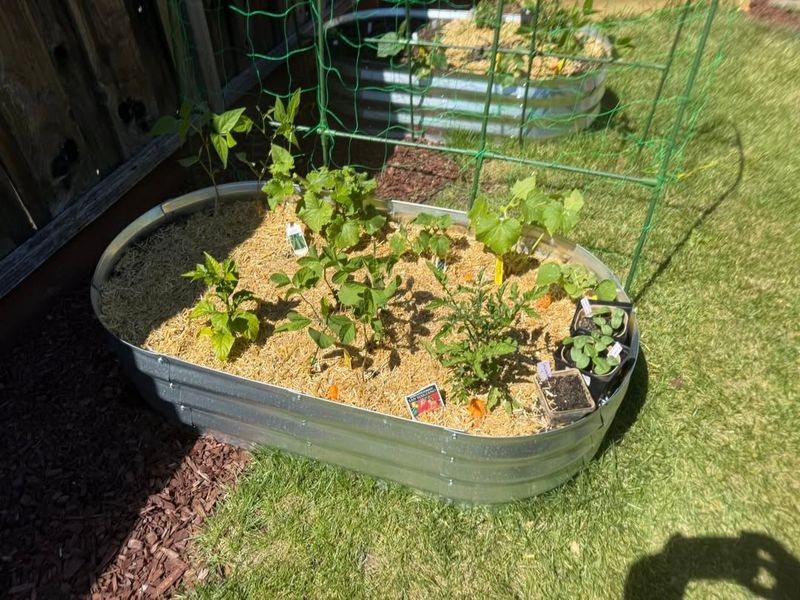
Think of mulch as a cozy blanket for your soil, one that actually keeps things cooler instead of warmer. Laying down two to three inches of organic mulch in June is one of the smartest things you can do before North Carolina’s summer heat really kicks in.
It slows down evaporation so the soil holds onto water much longer between watering sessions.
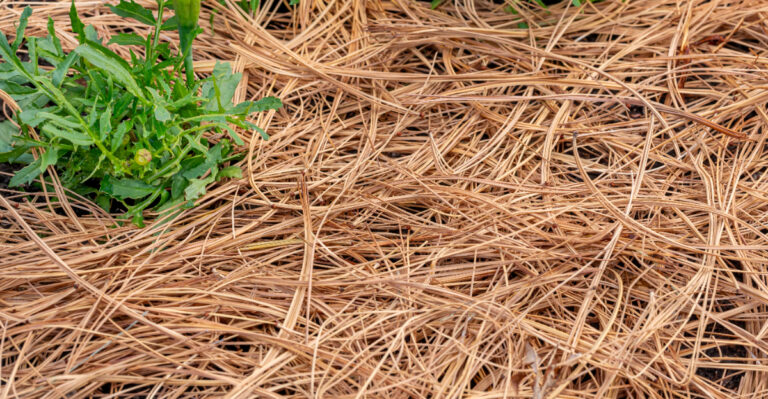
Good mulch options include shredded hardwood, pine straw, straw, or wood chips. Pine straw is especially popular in the Carolinas because it breaks down slowly and stays in place well.
For vegetable beds, straw or shredded leaves work great and add nutrients to the soil as they decompose over time.
Make sure to keep mulch about two inches away from plant stems to avoid rot and pest problems. Spread it evenly across the bed, getting full coverage between plants.
Weeds have a much harder time pushing through a solid mulch layer, which saves you hours of pulling later in the season.
Recheck your mulch depth every few weeks, since it breaks down and compacts over time. Topping it off mid-summer keeps the benefits going strong.
Mulching ornamental beds works just as well, protecting shallow roots on azaleas, hydrangeas, and other flowering shrubs from the intense heat coming ahead.
2. Deep Watering Early In The Morning
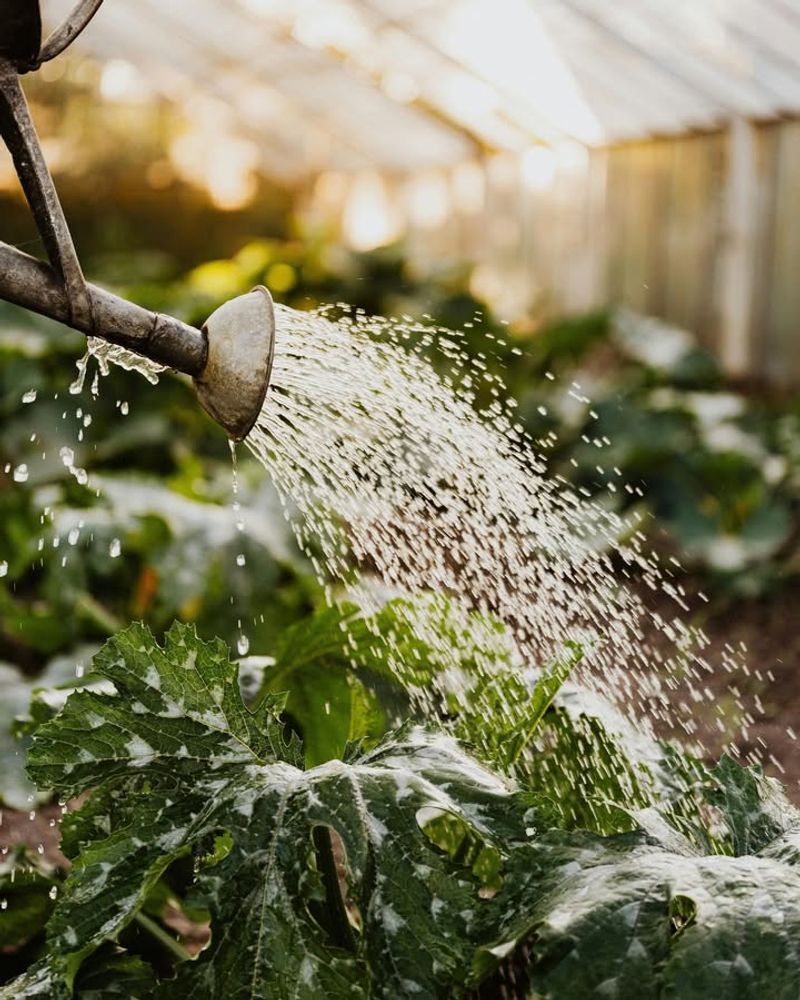
Most gardeners water their plants, but not everyone waters them the right way. Shallow, quick watering only wets the top inch or two of soil, which encourages roots to stay near the surface where they are most vulnerable to heat.
Deep watering pushes moisture down six to eight inches, giving roots a reason to grow deeper and stronger.
Morning is hands-down the best time to water in North Carolina during June. The temperatures are cooler, which means less water evaporates before it reaches the roots.
Watering in the evening can leave foliage wet overnight, creating the perfect conditions for fungal diseases to take hold on tomatoes, squash, and other vegetables.
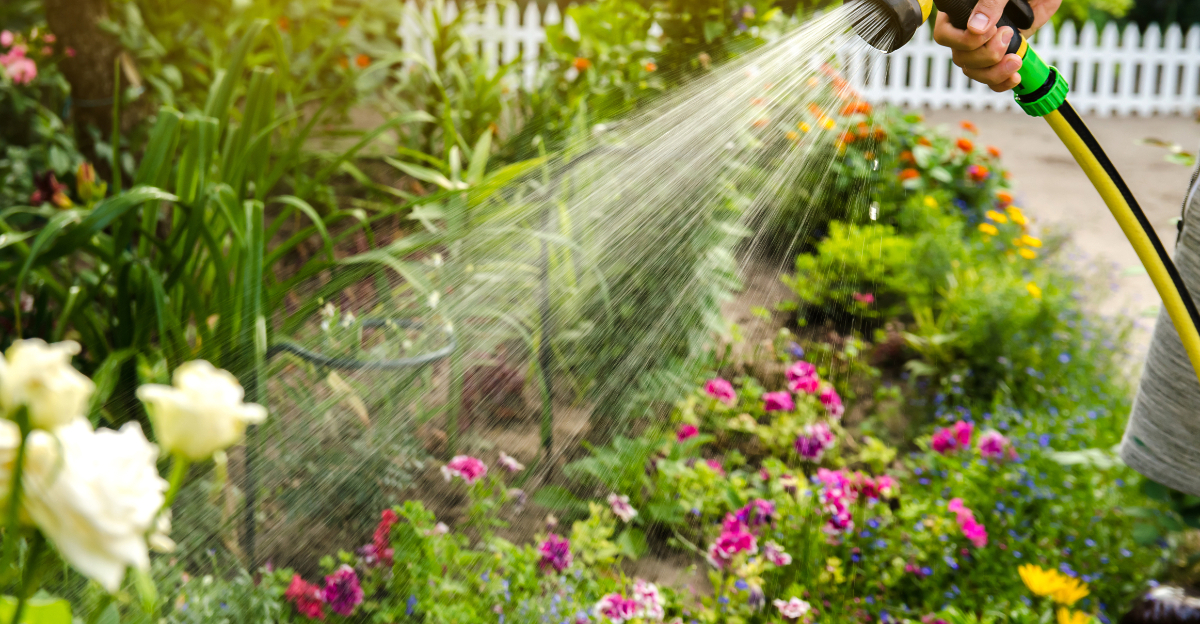
For in-ground garden beds, water slowly and thoroughly, letting the water soak in rather than run off. Soaker hoses and drip irrigation are excellent tools because they deliver water directly to the root zone without wetting the leaves.
Your North Carolina Garden Changes Every Week. Your Plan Should Too.
Gardening in North Carolina changes quickly throughout the season. Every Friday you’ll receive a simple weekly plan showing exactly what to plant, prune, fertilize, harvest, and protect so you never miss the right timing.
Raised beds tend to dry out faster than in-ground beds, so they may need watering every day or two during hot spells.
Container plants are the neediest of all. They can dry out completely within a single hot afternoon.
Check containers daily by sticking your finger about an inch into the soil, and water whenever it feels dry. Consistent morning watering now builds resilient, heat-tough plants that handle the brutal weeks ahead much better.
3. Thin And Stake Tall Or Vining Plants
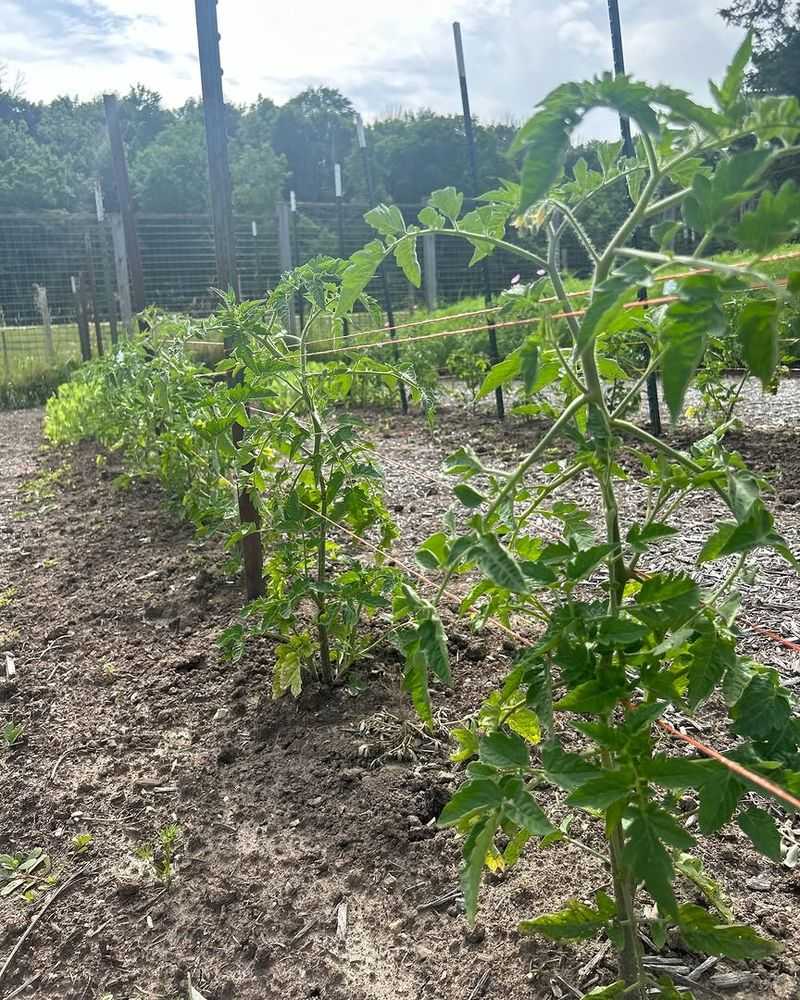
Tomatoes flop, cucumbers sprawl, and peppers snap under the weight of their own fruit if you do not give them support. June is the perfect window to get your staking and trellising done before plants grow too large or the heat makes working outside uncomfortable.
Getting this right now sets your garden up for a productive and manageable summer.
For tomatoes, sturdy wooden stakes, metal cages, or Florida weave systems all work well. Tie stems loosely with soft garden twine or strips of fabric, leaving enough room for the stem to grow without being pinched.
Indeterminate tomato varieties especially need consistent support because they keep growing taller all season long.
Cucumbers, pole beans, and squash vines benefit enormously from trellising. A simple A-frame trellis or cattle panel keeps vines off the ground, improving airflow around the foliage.
Better airflow means less humidity around the leaves, which directly reduces the risk of powdery mildew and other common fungal issues in North Carolina summers.
Thinning is just as important as staking. Crowded plants compete for water, nutrients, and light, which weakens all of them.
Pull or snip the smallest or weakest plants from crowded areas, giving remaining plants the space they need to thrive. A little tough love in June pays off with bigger harvests and healthier plants through the hottest part of the year.
4. Prune Faded Spring Blooms
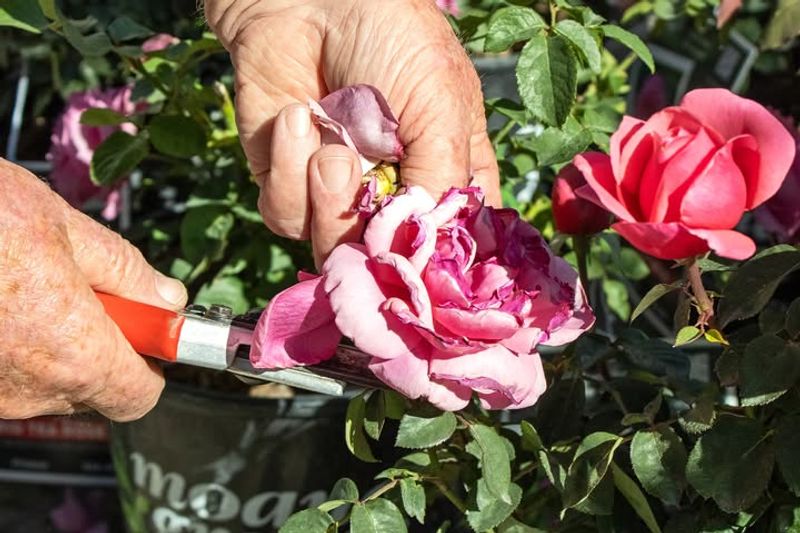
Once those gorgeous spring flowers fade, many gardeners are not sure what to do next. Leaving spent blooms on azaleas, peonies, viburnums, and other spring shrubs actually wastes the plant’s energy on seed production instead of new growth.
A little strategic pruning in early June redirects that energy in the right direction.
Azaleas should be pruned right after blooming, ideally before the end of June. Cutting them back too late risks removing the buds that are already forming for next spring’s flowers.
Use clean, sharp pruning shears and make cuts just above a leaf node or healthy bud to encourage bushy, compact growth rather than leggy stems.
Peonies are a bit different. Once blooms are finished, snip off the flower heads but leave the foliage completely intact through the rest of the season.
The leaves continue photosynthesizing and storing energy in the roots for next year’s bloom. Removing the leaves too early weakens the plant significantly over time.
Always clean up fallen petals and any diseased-looking foliage from around the base of the plant. Leaving debris on the ground creates a habitat for fungal spores and insects that can cause problems later.
Bag up diseased material rather than composting it, and compost healthy pruned stems and petals instead. Fresh airflow around your shrubs after a good pruning session makes a noticeable difference in plant health as summer temperatures build.
5. Fertilize Vegetables And Annuals Lightly
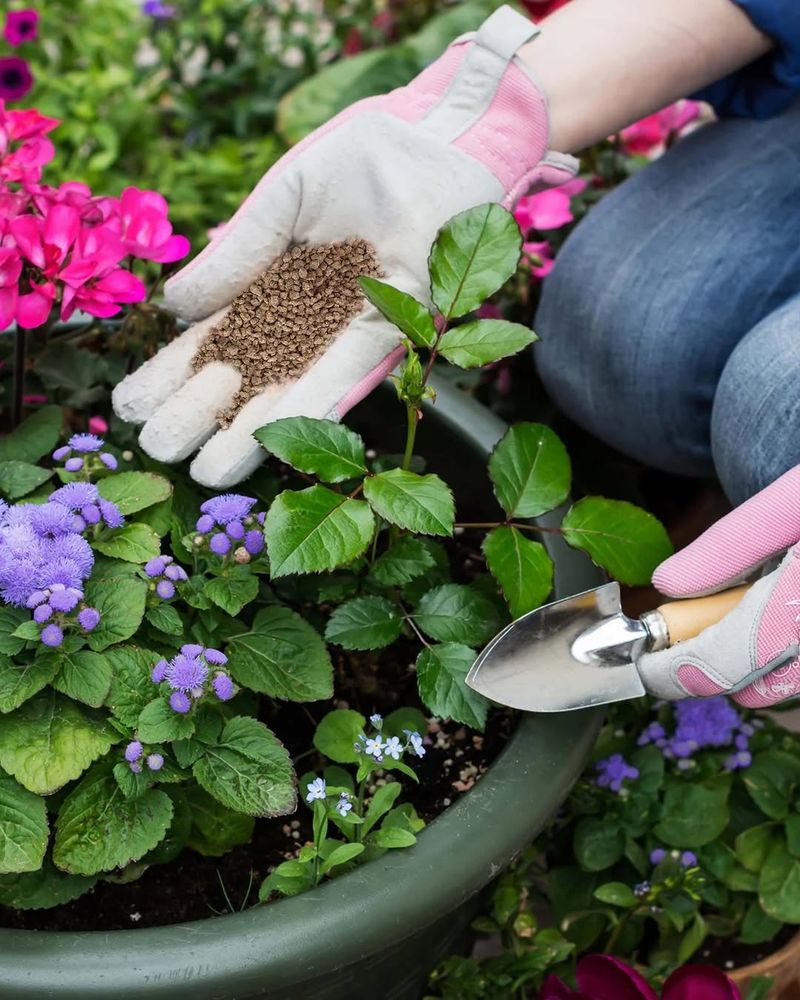
Feeding your garden in June is a balancing act. Plants are actively growing and need nutrients to keep producing, but overdoing it with fertilizer at this time of year can backfire badly.
Too much nitrogen pushes plants to produce lots of soft, lush new growth that wilts and struggles when temperatures spike.
A balanced, slow-release granular fertilizer works really well for most vegetable gardens in June. Look for products with roughly equal numbers on the label, like a 10-10-10 or similar blend.
Slow-release formulas feed plants gradually over several weeks, which is much gentler and more effective than a sudden surge of nutrients from liquid fertilizers applied too heavily.
Tomatoes and peppers benefit from a fertilizer with slightly higher phosphorus and potassium once they start flowering and setting fruit. These nutrients support strong root systems and fruit development rather than excessive leafy growth.
Side-dress plants by sprinkling fertilizer a few inches away from the stem and watering it in well.
Annuals like zinnias, marigolds, and impatiens appreciate a light feeding in June to keep blooms coming through the season. A water-soluble fertilizer applied every two to three weeks works well for containers and flower beds.
Always water your plants before fertilizing to avoid burning roots, especially when the soil is dry and the sun is already intense.
6. Monitor For Pests And Early Disease
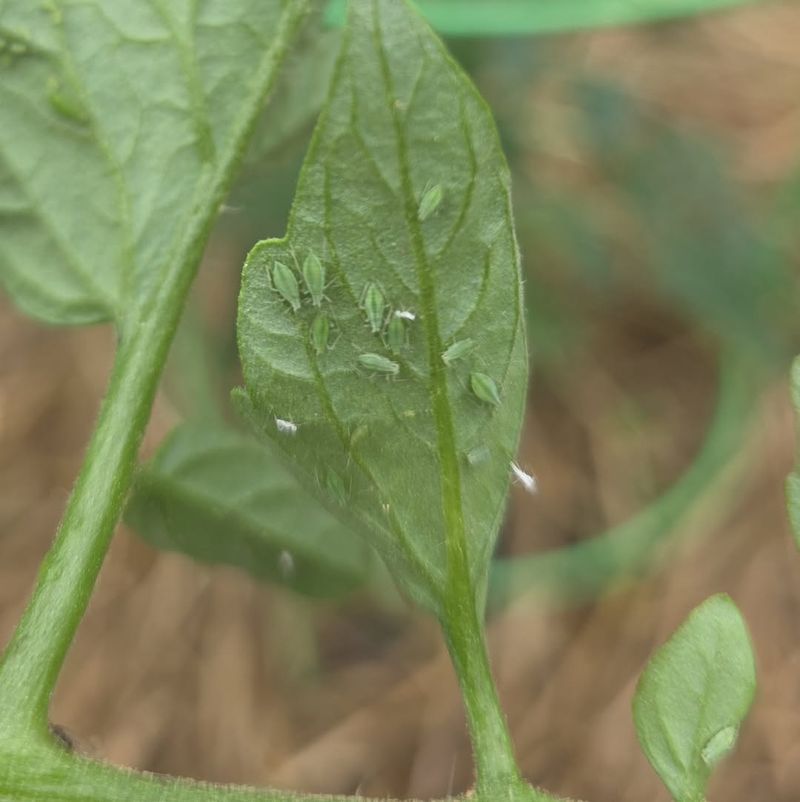
Catching problems early is everything in the garden. A small aphid colony spotted in early June is easy to handle with a strong spray of water or a bit of insecticidal soap.
That same colony left unchecked for two weeks can explode into thousands of insects covering your tomatoes, peppers, and squash almost overnight.
Walk through your garden at least two or three times a week in June, checking both the tops and undersides of leaves. Aphids, thrips, and spider mites love to hide on the undersides where you might not notice them at first glance.
Squash vine borers are another big concern in North Carolina, with adult moths laying eggs at the base of squash stems starting in late June.
Fungal diseases like powdery mildew, early blight, and downy mildew thrive when humidity is high and airflow is poor. Yellow spots, white powdery coatings, or brown lesions on leaves are early warning signs worth addressing immediately.
Remove affected leaves and treat with an appropriate organic or conventional fungicide before the problem spreads to neighboring plants.
Integrated pest management, or IPM, is the smartest approach. Start with the least invasive options first, like hand-picking, water sprays, or beneficial insects such as ladybugs and lacewings.
Only step up to stronger treatments if the problem persists. Keeping detailed notes about what you find and when helps you spot patterns and stay one step ahead each season.
7. Shade Young Or Sensitive Plants If Needed
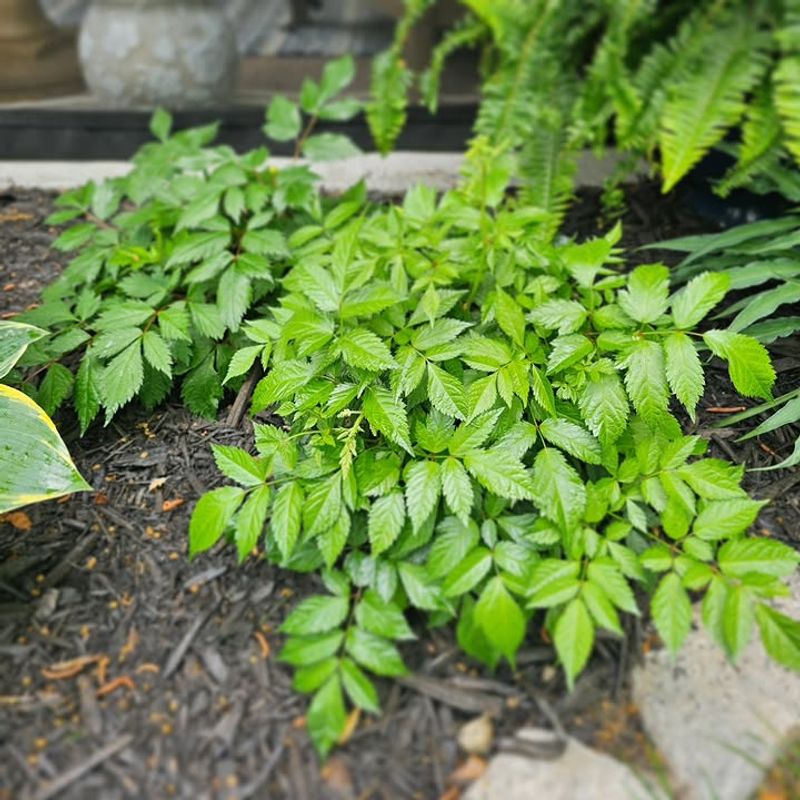
Not every plant in your garden is built for full blazing sun in June. Cool-season crops like lettuce, spinach, and cilantro bolt almost immediately when temperatures climb above 80 degrees Fahrenheit.
Basil seedlings and recently transplanted vegetables can also show signs of heat stress, with wilting and scorched leaf edges, long before the worst summer days arrive.
Shade cloth is one of the most useful tools a North Carolina gardener can have on hand. A 30 to 40 percent shade cloth cuts enough sunlight to make a real difference without blocking the light plants still need to grow.
You can drape it over simple hoops made from PVC pipe or metal conduit, creating a quick tunnel that protects an entire raised bed.
Row covers are another solid option for blocking intense afternoon sun while still letting air and a little moisture through. Position shade structures on the south and west sides of sensitive plants, since that is where the most intense afternoon light comes from.
Even a temporary shade from a tall neighboring plant or a strategically placed pot can give a struggling seedling the relief it needs.
Check shaded plants regularly to make sure they are still getting enough light to grow well. Adjust the height or angle of your shade cloth as needed throughout the month.
The goal is protection from the harshest rays, not total darkness. A little creative problem-solving in June keeps these tender plants producing well into the summer months.
8. Harvest Early And Regularly
There is a rhythm to a summer garden, and harvesting regularly is a big part of keeping that rhythm going. When vegetables stay on the plant too long, they signal the plant to slow down production since the mission of making seeds is already accomplished.
Picking produce at its peak actually encourages the plant to keep flowering and setting more fruit throughout the season.
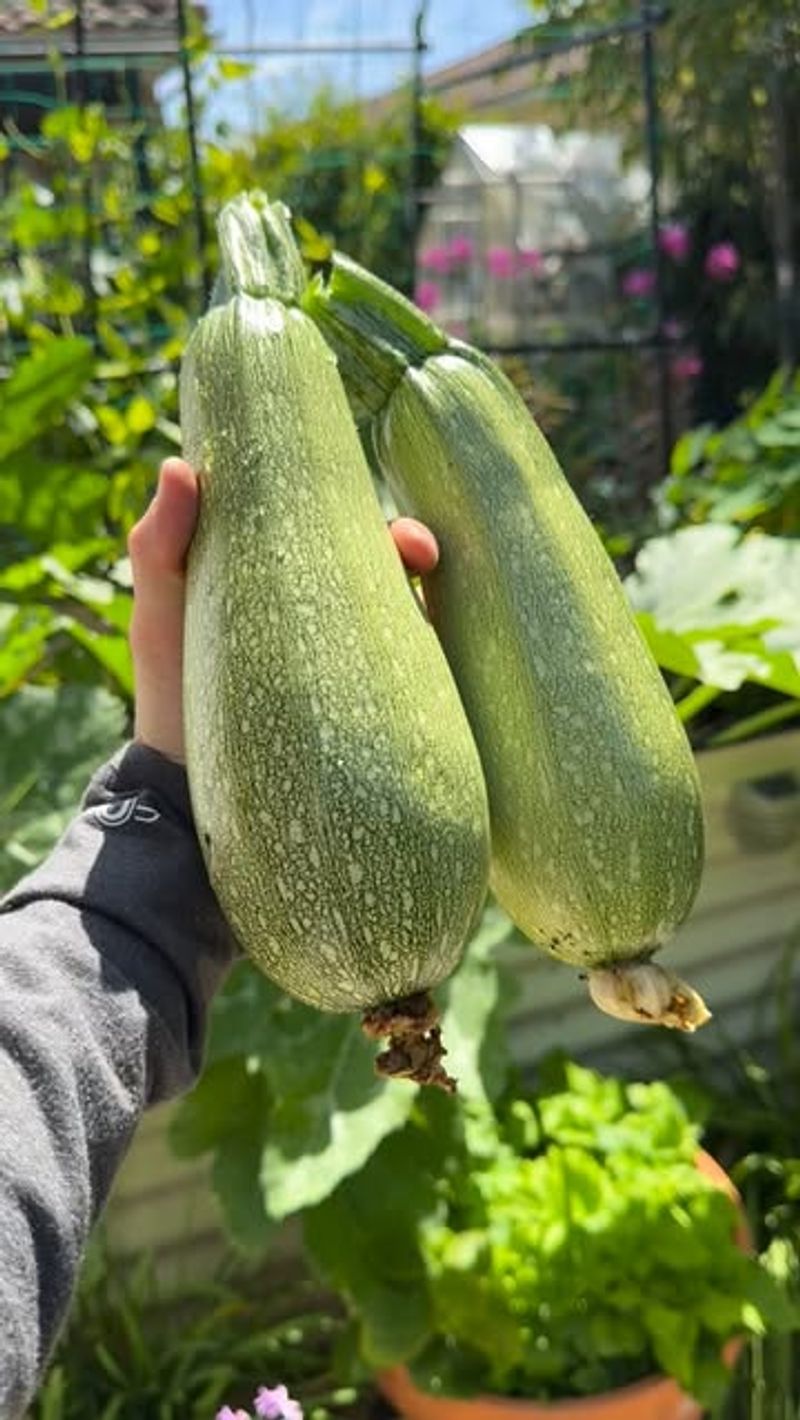
Zucchini is a perfect example. Left on the plant for even a few extra days, it goes from a perfect tender squash to an oversized, seedy club that the plant has poured enormous energy into.
Harvest zucchini when it is six to eight inches long, cucumbers before they yellow, and tomatoes as soon as they are fully colored and slightly soft to the touch.
June mornings are the best time to harvest. The produce is cool, firm, and at its most flavorful before the heat of the day sets in.
Herbs like basil, parsley, and mint should be snipped regularly to prevent them from flowering, which changes their flavor and signals the plant to focus on reproduction rather than leafy growth.
Consistent harvesting also reduces the weight load on plant stems and branches, which helps prevent breakage during afternoon thunderstorms that are common across North Carolina in June.
Keep a harvest basket handy and make a quick loop through the garden every morning. You will be amazed how much more productive your garden becomes when you stay on top of it.
9. Adjust Irrigation Systems
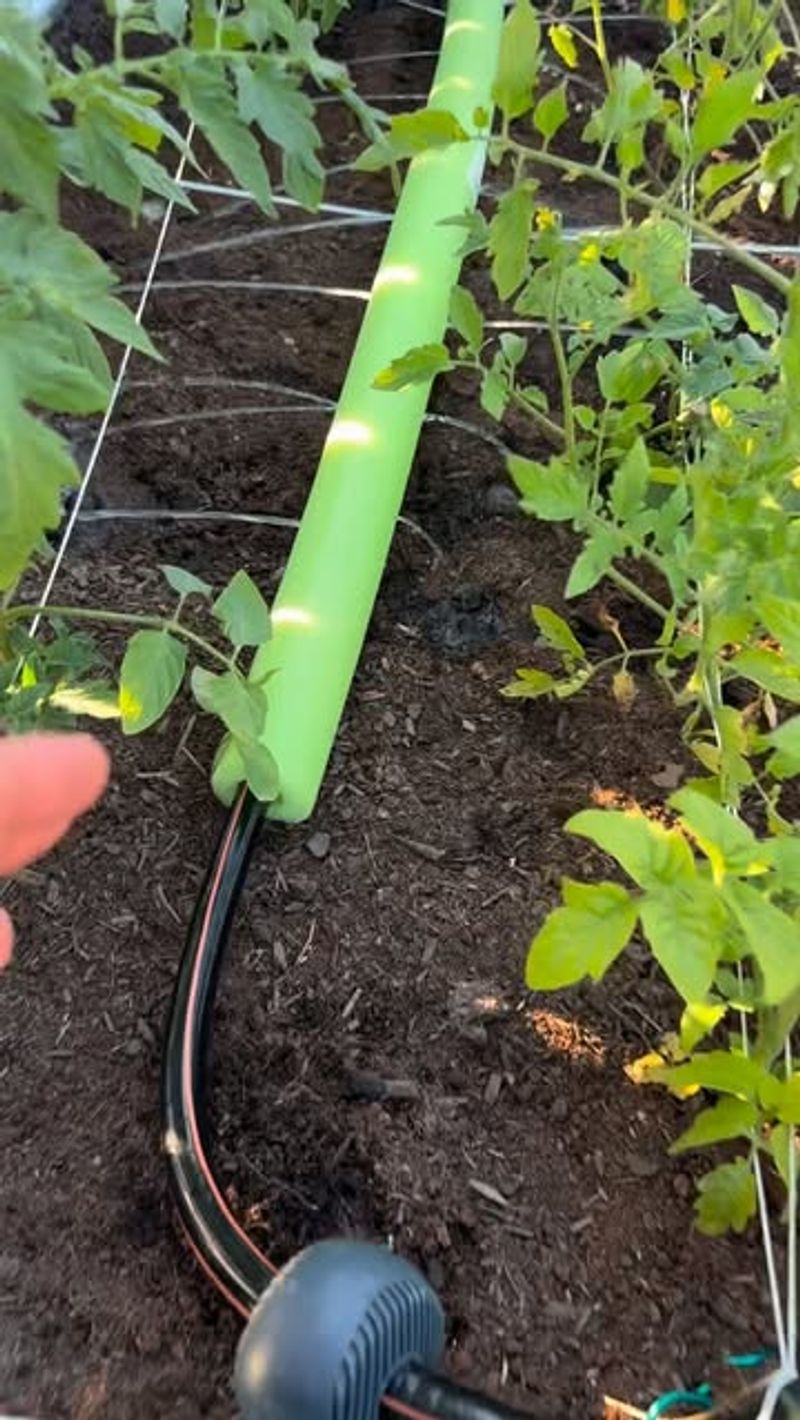
An irrigation system set up in April does not automatically work perfectly in June. Plant sizes change, water needs increase, and the system itself can develop clogged emitters, misaligned sprinkler heads, or small leaks that add up to big problems over time.
Taking an hour in early June to check everything over is time very well spent before the real heat arrives.
Walk through the entire system while it runs and watch carefully for any dry spots, puddles, or areas where water is clearly not reaching.
Drip emitters can get clogged with mineral deposits or debris, leaving individual plants without water even when everything looks fine from a distance.
A quick flush of the lines and inspection of each emitter fixes most of these issues fast.
Soaker hoses are worth checking for kinks, splits, or sections that have shifted out of position over the growing season. Even a small kink can significantly reduce water flow to an entire section of your garden.
Repositioning hoses and securing them with landscape staples keeps coverage consistent and even across the bed.
Sprinkler coverage should be evaluated carefully too, especially if you have added new plants or moved things around since spring. Adjust spray heads so water reaches the root zones of all plants without excessive overspray onto paths or structures.
Setting your irrigation timer to run in the early morning rather than midday or evening makes the whole system dramatically more efficient and effective all summer long.
10. Remove Weeds And Debris Promptly
Weeds in June are not just an eyesore. They are actively competing with your vegetables and flowers for water, nutrients, and sunlight, and they are winning if you let them go unchecked.
A weed that looks small and harmless today can develop a deep root system and set hundreds of seeds within just a few weeks if you ignore it.
Early morning is the best time to weed, when the soil is still slightly moist from the previous evening and roots pull out more cleanly. A good hoe or hand weeder makes quick work of shallow-rooted weeds like chickweed and hairy bittercress.
For taprooted weeds like dandelions or wild garlic, a long-handled weeder that reaches deep into the soil is worth every penny.
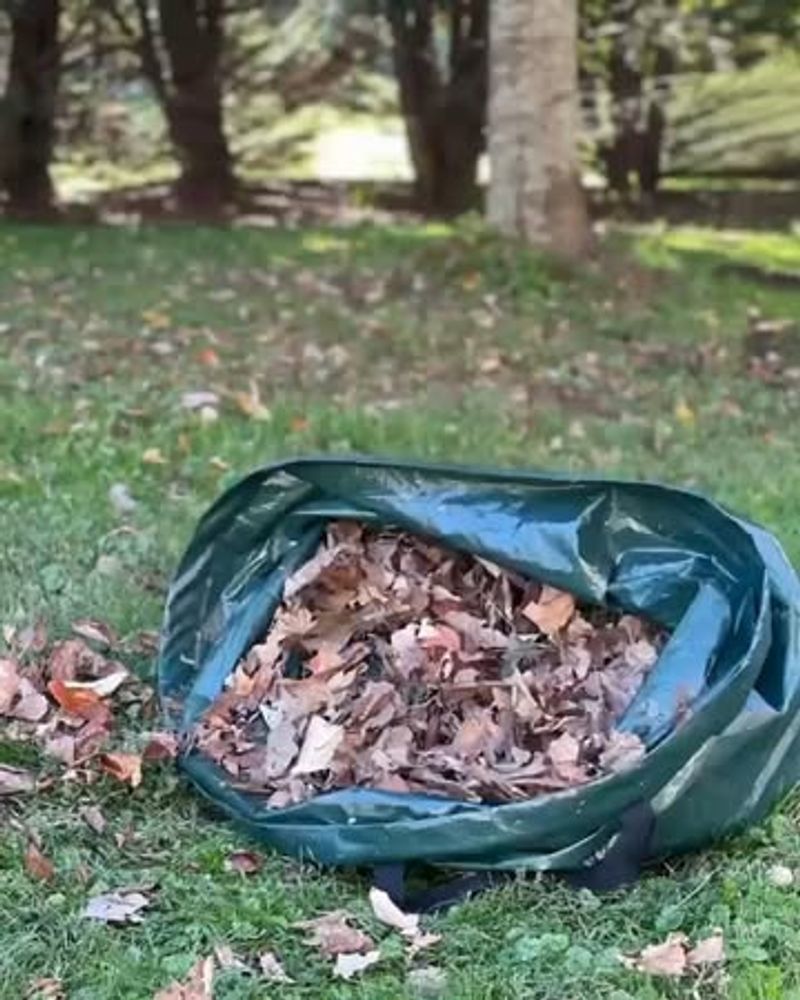
Fallen leaves, spent blooms, and other debris on the soil surface create hiding spots for slugs, earwigs, fungal spores, and other problems that you really do not want building up in your garden.
Clearing debris regularly keeps the environment clean and makes it much easier to spot pest activity before it gets out of hand.
Compost healthy plant material and bag up anything that looks diseased or pest-ridden so it does not reintroduce problems back into the garden. After weeding, top off your mulch layer to discourage new weed seeds from germinating in the freshly disturbed soil.
Staying consistent with this task every week keeps the workload manageable and your garden looking sharp all season.