That Neatly Stacked Firewood Next To Your Indiana Home Might Already Have Residents
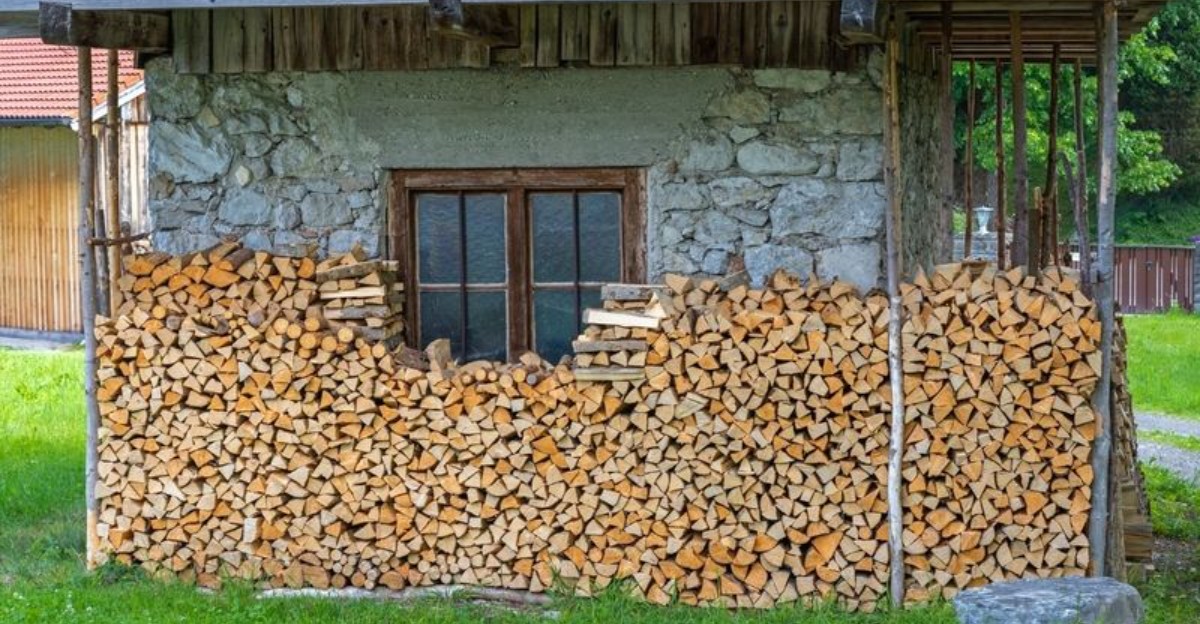
Some of the logs stacked beside your house may hold sleeping insects that wake up as soon as they feel indoor heat. I was surprised to learn that a few warm days by the fireplace can be enough to stir them.
Across Indiana, tiny wood-eating insects live in the soil and often travel into wood that rests on the ground. A woodpile leaning on siding can give those hungry travelers a hidden bridge right up to your house.
Fall also sends mice, spiders, and other small critters looking for dry, sheltered gaps before the first hard freeze. The spaces between split logs are exactly the kind of cozy hideout they hunt for in October.
You stack that wood with plans for crackling fires, warm socks, and slow evenings with the people you love. So who else in your Indiana neighborhood has already moved into that tidy pile while you were busy?
A Woodpile Against The House Gives Pests A Shortcut Indoors
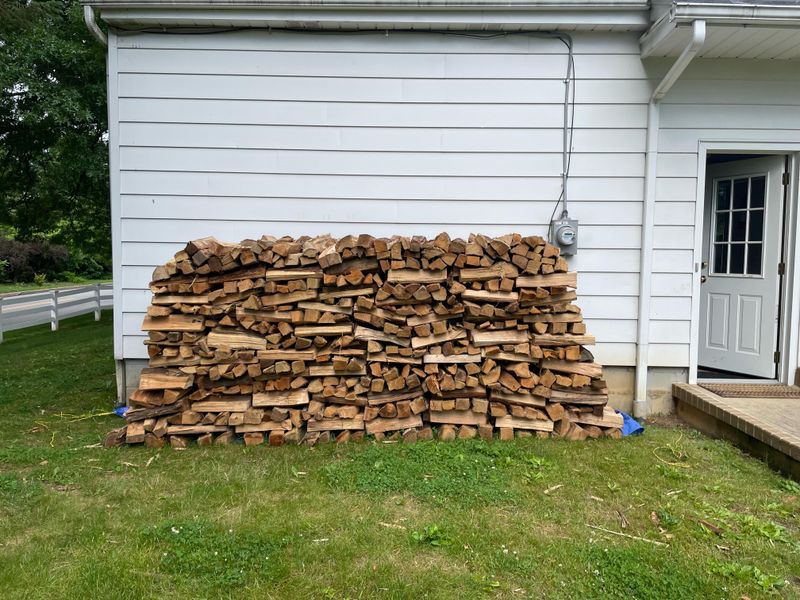
Eastern subterranean termites are the most common termites in Indiana, and Purdue entomologists say they live mostly underground. They build mud tubes to reach wood, and a firewood stack touching your foundation saves them plenty of effort.
Carpenter ants are another common resident, especially in logs that hold moisture or already show signs of soft rot. These large black ants do not eat wood, but they carve smooth tunnels through damp timber to make nests.
A pile pressed against siding also traps moisture, which can soften nearby trim and sills over many seasons. Softened wood around windows and doors is exactly what both termites and carpenter ants find easiest to enter.
Mice, rats, and even snakes use tight woodpiles as cover, and a stack beside the house leads them closer. From there, a mouse only needs a gap about the width of a pencil to slip inside your walls.
Spiders often follow the insects, since a busy woodpile offers them a steady supply of easy meals all fall. Most of these spiders are harmless, though a few can still give a painful bite when trapped against skin.
To be fair, many insects living in firewood cannot survive in the dry, finished lumber inside your home. The real worry is the shortcut a stacked pile creates for termites, ants, and rodents that do cause trouble.
If your woodpile already sits against the house this October, moving it soon is a smart weekend project. Wear sturdy gloves while shifting logs, because stinging insects and spiders often hide in the shaded lower rows.
A Safer Distance From Exterior Walls
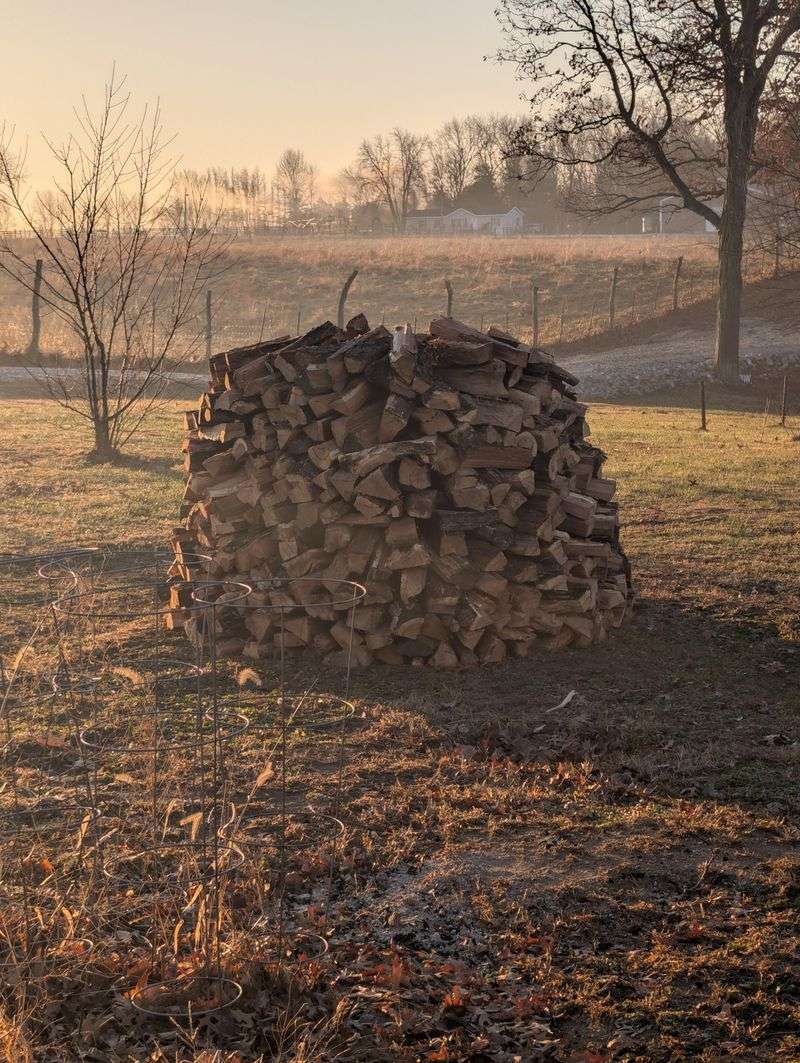
Moving a woodpile feels like a chore, but a few extra steps to the backyard can spare you real headaches. Many university extension services suggest keeping firewood at least 20 feet away from your house and garage.
Some guides list a shorter minimum of about five feet, which still beats a stack leaning on siding. The farther the wood sits from your walls, the longer the trip becomes for any insect or mouse.
Your Indiana Garden Changes Every Week. Your Plan Should Too.
Gardening in Indiana changes quickly throughout the season. Every Friday you’ll receive a simple weekly plan showing exactly what to plant, prune, fertilize, harvest, and protect so you never miss the right timing.
I like picking a spot that gets afternoon sun, since sunlight helps logs dry faster after fall rains. Dry wood burns cleaner and hotter, and it is less inviting to carpenter ants searching for damp timber.
Keep the pile away from fences, sheds, and decks too, since those wooden structures can also attract termites. A woodpile under a deck is especially risky, because shade and trapped moisture create ideal termite conditions.
Plan for snowy Indiana mornings before choosing a spot, because a long trudge gets old by January. A simple stepping stone path or a cleared walkway makes the 20-foot trip easier in slush and ice.
Neighbors matter as well, so avoid stacking right along a shared property line where pests could reach their home. A quick chat about placement keeps things friendly and helps both houses stay a little better protected this winter.
Once the new spot is chosen, rake away fallen leaves and mulch so the ground underneath stays drier. Bare gravel or packed soil gives fewer hiding places than a thick layer of damp autumn leaves.
Raised Racks Keep The Bottom Logs Off Damp Soil
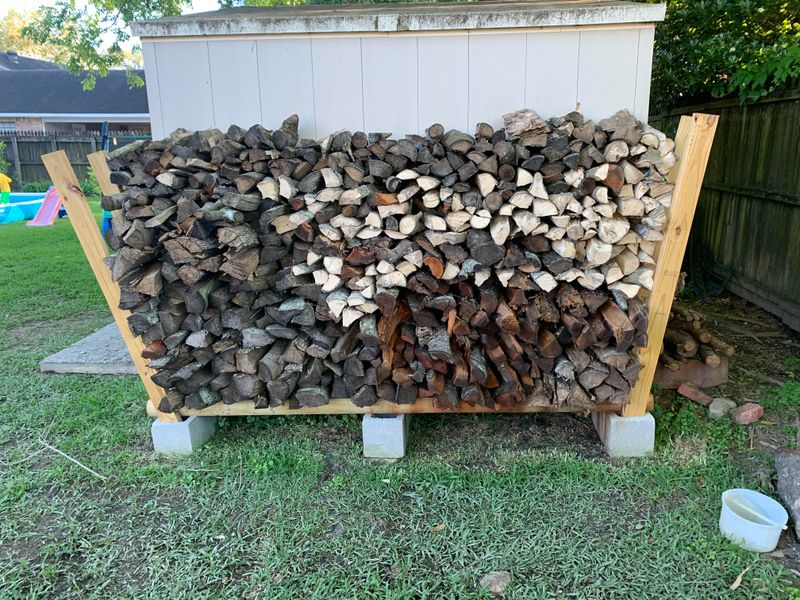
The bottom row of a woodpile matters most, because that is where moisture and insects tend to collect first. Logs resting right on Indiana soil soak up water, soften over time, and become an easy target for termites.
Many extension guides recommend raising firewood at least several inches off the ground to break that soil contact. Air can then move under the stack, which helps the wood dry and makes it less appealing to pests.
A metal firewood rack is a popular choice, since steel does not rot or attract wood-eating insects. Many store-bought racks lift logs a few inches and come in sizes that hold a small or large supply.
On a budget, you can build a base from cinder blocks topped with treated lumber or old metal pipes. Wooden pallets work in a pinch, though they eventually soften and may need replacing every few seasons.
I believe the gravel trick is underrated, so try spreading a layer of gravel beneath your rack for drainage. Gravel sheds rainwater quickly and gives weeds and leaf litter fewer chances to build up around the logs.
Stack the wood loosely in single rows, with bark side up, so air can pass between the pieces. Tight, jumbled heaps hold moisture inside, while neat rows dry more evenly through the cool fall weeks.
Fun fact, well-seasoned firewood usually has a moisture content below about 20 percent, according to many forestry experts. An inexpensive moisture meter lets you test a split log and see whether your rack is doing its job.
A Top Cover That Still Lets The Sides Breathe
Wrapping a woodpile in a tarp like a birthday present seems smart, yet it often backfires by trapping moisture. Water vapor rising from the logs gets stuck under plastic, creating damp conditions that insects and mold both enjoy.
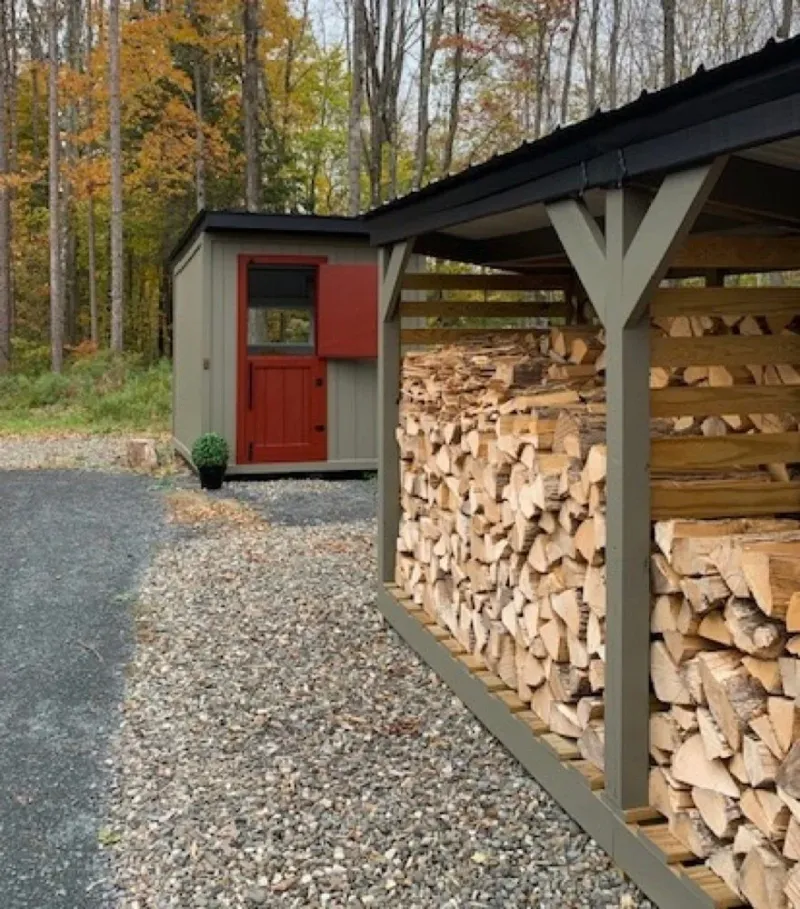
The better approach is covering only the top of the stack, leaving the sides open to wind and air. Rain and snow stay off the upper logs, while breezes keep pulling moisture out from the lower rows.
A fitted firewood rack cover works well, especially styles that drape down only a foot or so on each side. A sheet of metal roofing or a small lean-to shed roof also does the job for many years.
If you use a tarp, tie it down so the edges stop well above the ground on every side. A few bricks or bungee cords keep strong November winds from turning that tarp into a flapping sail.
Freshly split wood needs the most airflow, so leave newer stacks uncovered on dry days if you can. Seasoning takes anywhere from six months to two years depending on the species, so wood cut this fall is often best saved for next winter.
Check under the cover once or twice a month for musty smells, white fungus, or clusters of sawdust. Fine piles of sawdust near the stack can point to carpenter ants or wood-boring beetles working inside.
Honestly, a good cover feels like a small hat for your woodpile, protecting the top while letting it breathe. Drier logs light faster, smoke less, and give unwanted guests fewer reasons to settle in for the winter.
A Quick Log Check Before Anything Comes Indoors
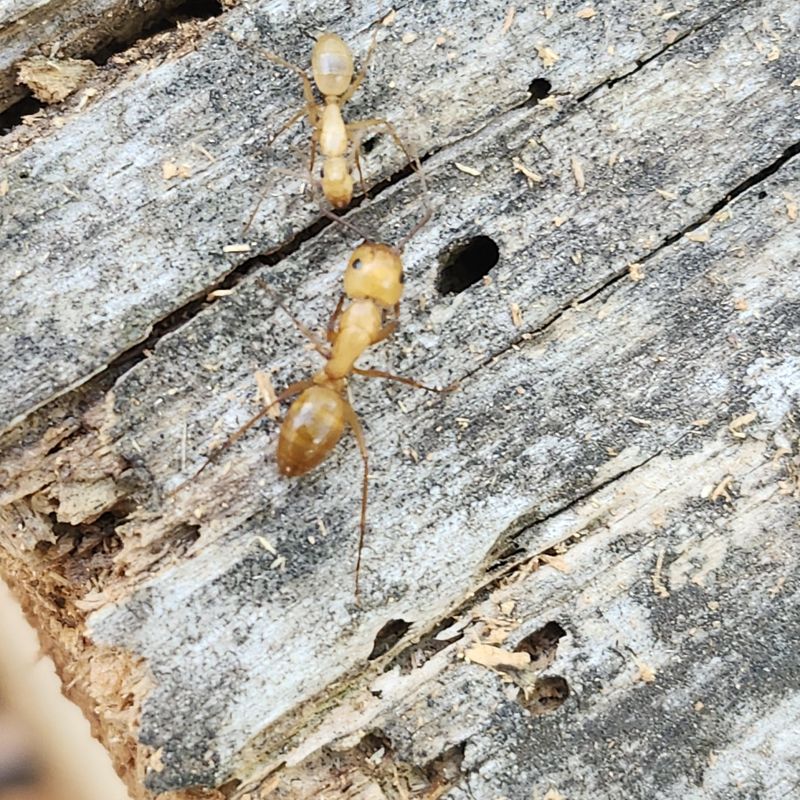
Every log you carry inside is like a suitcase, and you might not know who packed along for the ride. Before bringing wood indoors, knock each piece against the ground or another log to shake loose any hitchhikers.
Look closely at the bark for small round holes, loose sections, or sawdust spilling from cracks and crevices. Those clues often mean wood-boring beetles are inside, and warm indoor air may coax them out within days.
Thankfully, most beetles that emerge from firewood are a nuisance rather than a threat to your furniture or floors. Extension entomologists note that these insects usually need moist bark and fresh wood, not dry finished lumber.
Brush off spiders, egg cases, and cocoons, which often cling to the underside of loose bark in fall. A stiff brush kept near the door makes this step quick, and it keeps bark crumbs off your rug.
Where your firewood came from matters too, because invasive pests like emerald ash borer travel easily in logs. Indiana DNR and Purdue experts encourage buying or gathering firewood close to where you plan to burn it.
Heat-treated firewood with a certification label is another option, since proper heat treatment reduces the chance of hidden insects. Skip spraying insecticides on firewood, because burning treated logs can release harmful fumes into your living space.
If a few beetles still appear near the fireplace, a vacuum handles them quickly without any chemicals at all. That thirty-second check at the woodpile can save you from chasing surprise visitors across the living room.
Small Armloads Instead Of A Winter Supply By The Door
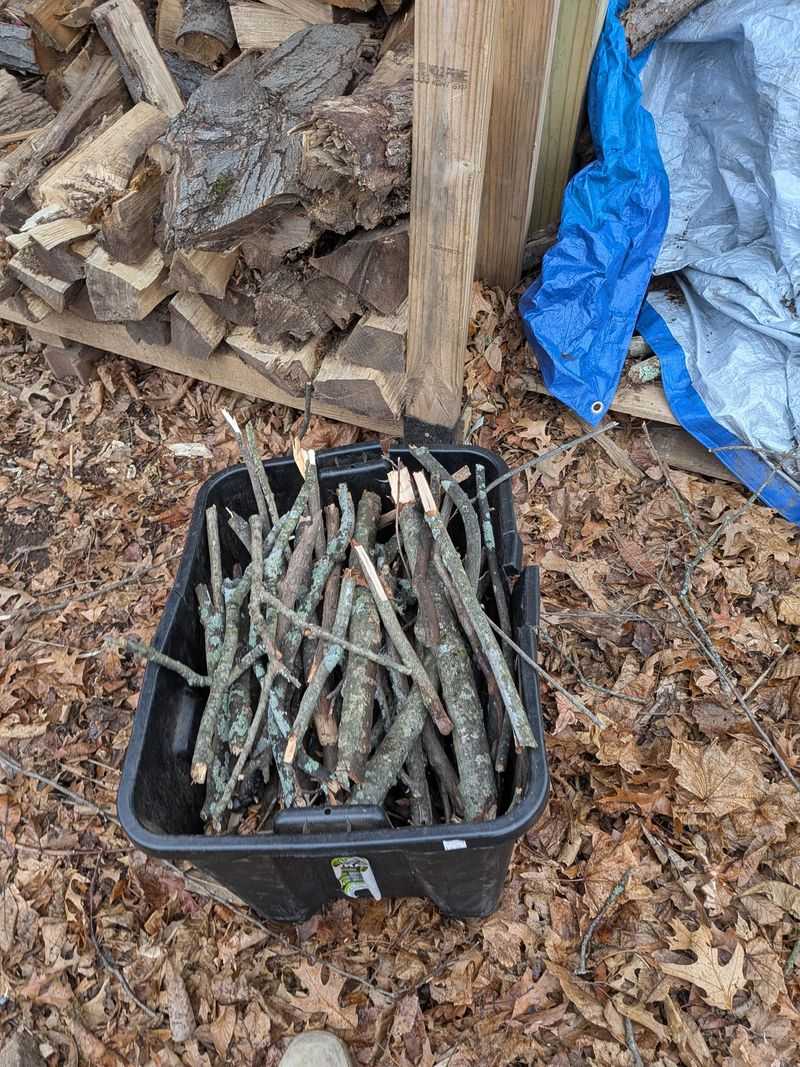
Many Indiana households follow a simple rule, bring in only the wood you plan to burn today. That old habit still holds up, and extension services commonly recommend carrying in just a day or two of logs.
Wood stored indoors for weeks warms up, which can wake insects that would otherwise stay dormant until spring. A small basket near the fireplace holds plenty for an evening without turning your living room into an insect nursery.
Garages and basements feel like handy storage spots, but they can trap pests close to your home’s wooden framing. A big stack on a porch or by the back door brings the same risks as a pile against siding.
You need a rhythm that works for your household, such as grabbing one armload each afternoon before dark. Kids can help with this chore, and checking logs for bugs often turns into a fun mini science lesson.
Keep the indoor basket clean by emptying bark bits and debris every few days during the heating season. Loose bark on the floor can hide spiders and gives tiny beetles a cozy place to rest.
When spring arrives, burn or move leftover indoor wood back outside instead of letting it sit all summer. Old logs left in a warm house through the off-season can become a quiet home base for pests.
Small, frequent trips may feel like extra work at first, yet they quickly become part of your fall routine. Your fireplace stays cozy, your house stays tidy, and the critters outside get to keep their woodpile to themselves.