9 Gorgeous Window Box Flower Pairings For California Homes
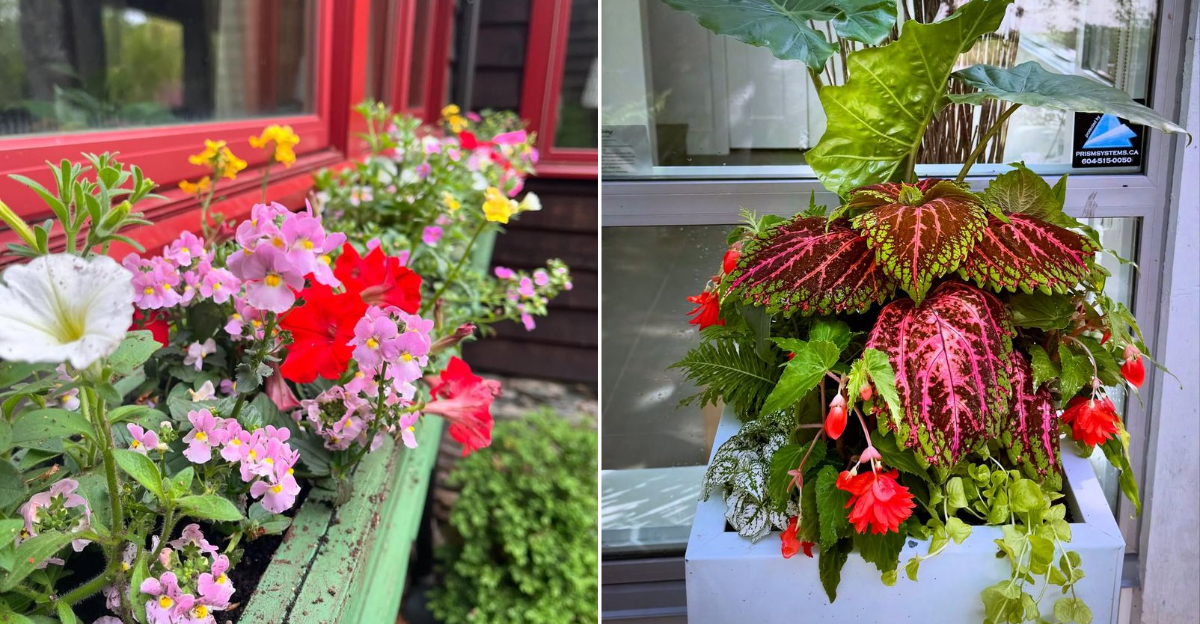
Window boxes are one of the easiest ways to make a California home feel more alive. With all that sunshine and long growing seasons, even a small space can stay colorful for months.
The magic really happens when you pair the right flowers together. It’s not just about picking pretty blooms.
The best combinations balance color, texture, and growth habits so everything looks full and intentional instead of crowded or uneven.
A good pairing keeps blooming through the heat, handles dry conditions, and still looks fresh day after day.
Once you get the mix right, your window boxes can completely change how your home looks from the street. They add instant charm, boost curb appeal, and give you a vibrant display that keeps going long after spring fades.
1. Petunias And Lobelia
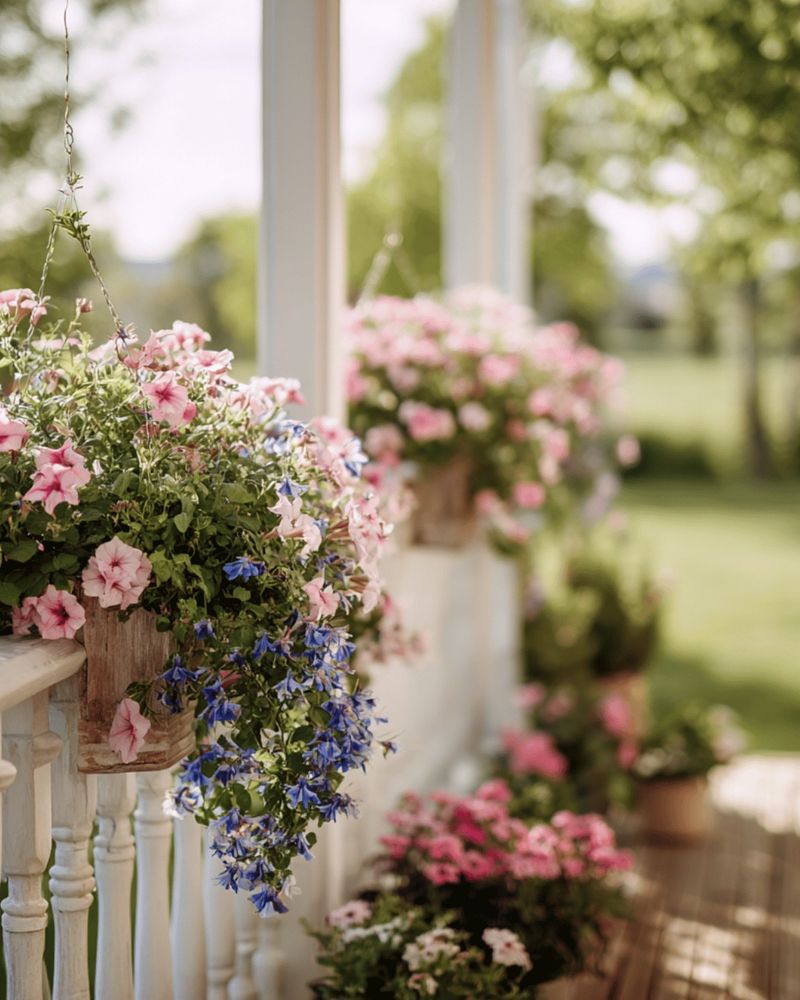
Few flower combinations stop people in their tracks quite like petunias paired with lobelia. The bold, trumpet-shaped blooms of petunias come in nearly every color imaginable, from hot pink to deep burgundy, and they spill beautifully over the edges of a window box.
Lobelia adds a soft, feathery contrast with its tiny blue or violet flowers that trail downward like a waterfall. Together, they create a layered look that feels lush and full without much effort.
California gardeners love this pairing because both plants thrive in full sun and warm temperatures.
Plant petunias in the center or back of the box and let the lobelia fill in the front and sides. Water them regularly, especially during hot inland summers.
Deadhead your petunias every few days to keep new blooms coming. Lobelia prefers slightly cooler roots, so adding mulch or placing the box in a spot with afternoon shade during peak summer can help it stay healthy.
Coastal California areas like Santa Barbara or Monterey are especially perfect for this combination. With a little care, this pairing will reward you with nonstop color from spring all the way through fall.
2. Geraniums And Alyssum
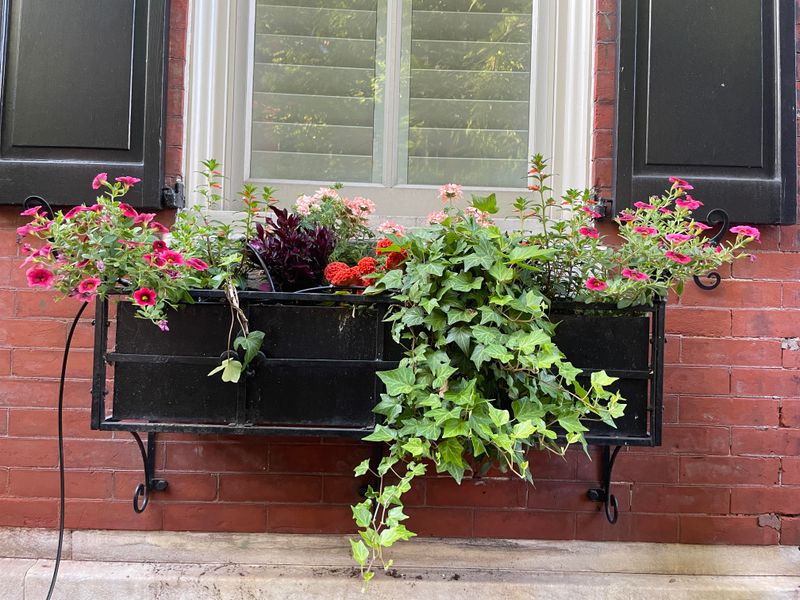
Geraniums have been a window box favorite for generations, and it is easy to see why. Their round, cheerful flower heads in shades of red, coral, salmon, and white stand tall and proud, making them natural showstoppers.
When you pair them with sweet alyssum, the effect is nothing short of magical.
Alyssum grows low and spreads like a soft, white or purple carpet around the base of the geraniums. It also smells faintly of honey, which makes sitting near an open window an absolute treat.
This combination works wonderfully across California, from the warm streets of Los Angeles to the breezy neighborhoods of San Francisco.
Geraniums love full sun and well-drained soil, so make sure your window box has drainage holes at the bottom. Alyssum is forgiving and can handle both sun and partial shade, making it a flexible partner.
Pinch back the alyssum occasionally to encourage fresh growth and prevent it from getting leggy. Water the box deeply but allow the soil to dry slightly between waterings.
Both plants are relatively low-maintenance, which makes this pairing ideal for busy homeowners who still want a gorgeous display outside their windows.
Your California Garden Changes Every Week. Your Plan Should Too.
Gardening in California changes quickly throughout the season. Every Friday you’ll receive a simple weekly plan showing exactly what to plant, prune, fertilize, harvest, and protect so you never miss the right timing.
3. Calibrachoa And Verbena
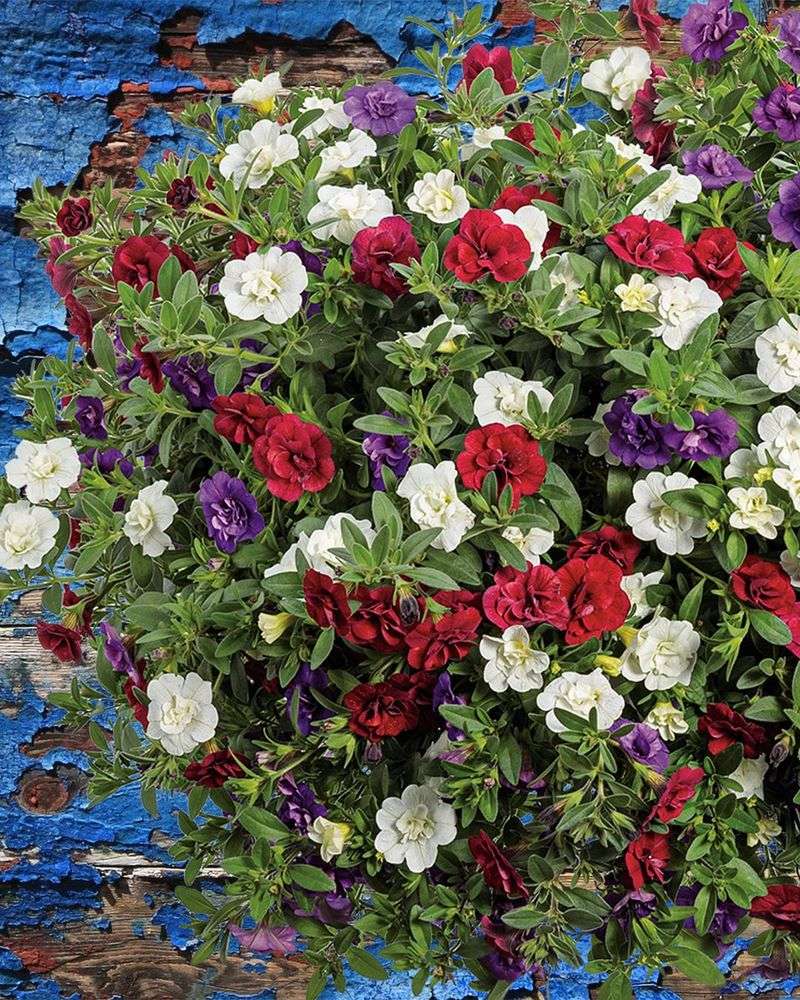
Sometimes called million bells, calibrachoa is a plant that earns its nickname every single day. It produces hundreds of tiny, petunia-like flowers in every shade from yellow to magenta, and it just keeps blooming without much fuss.
Pair it with verbena, and you have a window box that practically glows.
Verbena adds long, trailing stems covered in clusters of small flowers, usually in shades of purple, red, or pink. The two plants complement each other beautifully because they have similar care needs and a naturally cascading growth habit.
For California homes, this is one of the most heat-tolerant combinations you can choose.
Both calibrachoa and verbena love full sun and warm temperatures, which makes them a natural fit for inland areas like Sacramento or the San Fernando Valley. They are also fairly drought-tolerant once established, which is a big bonus in a state where water conservation matters.
Water them consistently during the hottest months and feed them with a balanced liquid fertilizer every two weeks. Pinch back verbena stems occasionally to encourage bushier growth.
This pairing looks especially stunning when you mix warm and cool tones together, creating a rainbow effect that will impress every neighbor who walks by.
4. Pansies And Sweet Alyssum
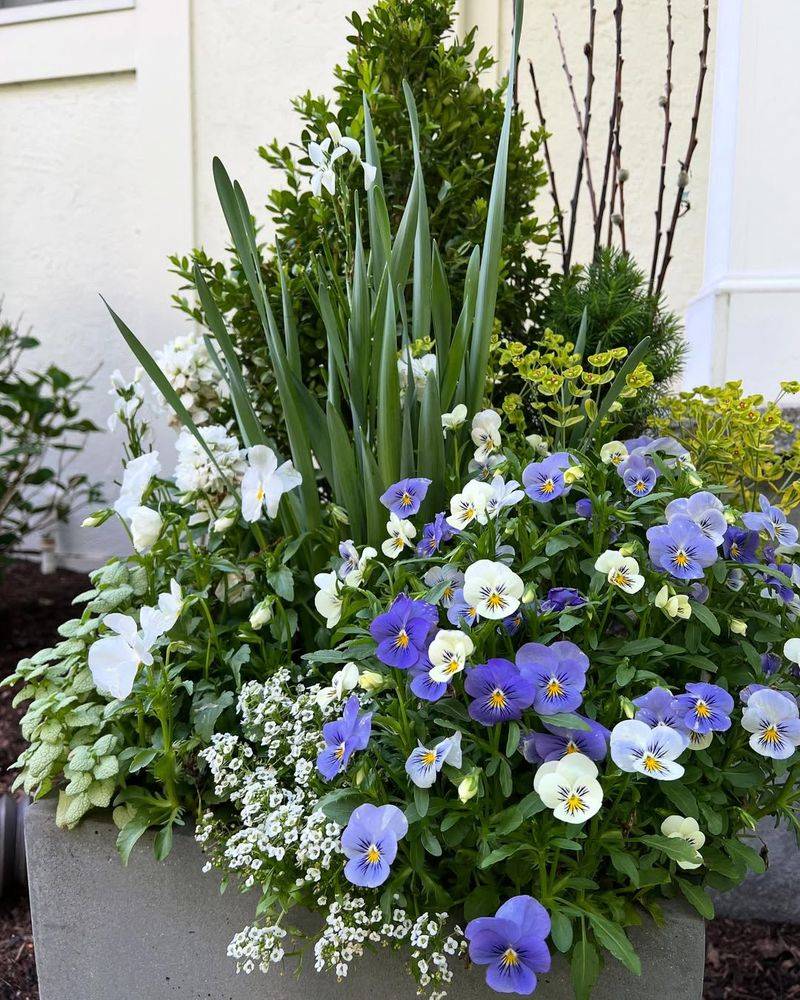
Pansies are the friendly faces of the flower world. Their round blooms with distinctive markings look almost like little painted portraits, and they come in a dazzling range of colors including purple, yellow, orange, and deep blue.
Pairing them with sweet alyssum creates a window box that feels both whimsical and elegant.
Sweet alyssum fills in the gaps between pansy plants with clusters of tiny white or lavender flowers that spill over the edges of the box. The honey-like fragrance of alyssum is a bonus that makes your window area smell as good as it looks.
In California, this combination shines brightest during the cooler months of fall and winter.
Unlike many other flowers, pansies actually prefer mild temperatures and can handle a light frost, making them ideal for California winters in areas like the Central Coast or the foothills. Plant them in a quality potting mix with good drainage, and place the box where it gets morning sun and afternoon shade.
Water consistently but avoid soaking the soil. Remove faded pansy blooms regularly to keep new flowers coming.
This combination is a wonderful way to keep your window boxes looking lively and colorful even when the rest of the garden has slowed down for the season.
5. Begonias And Coleus
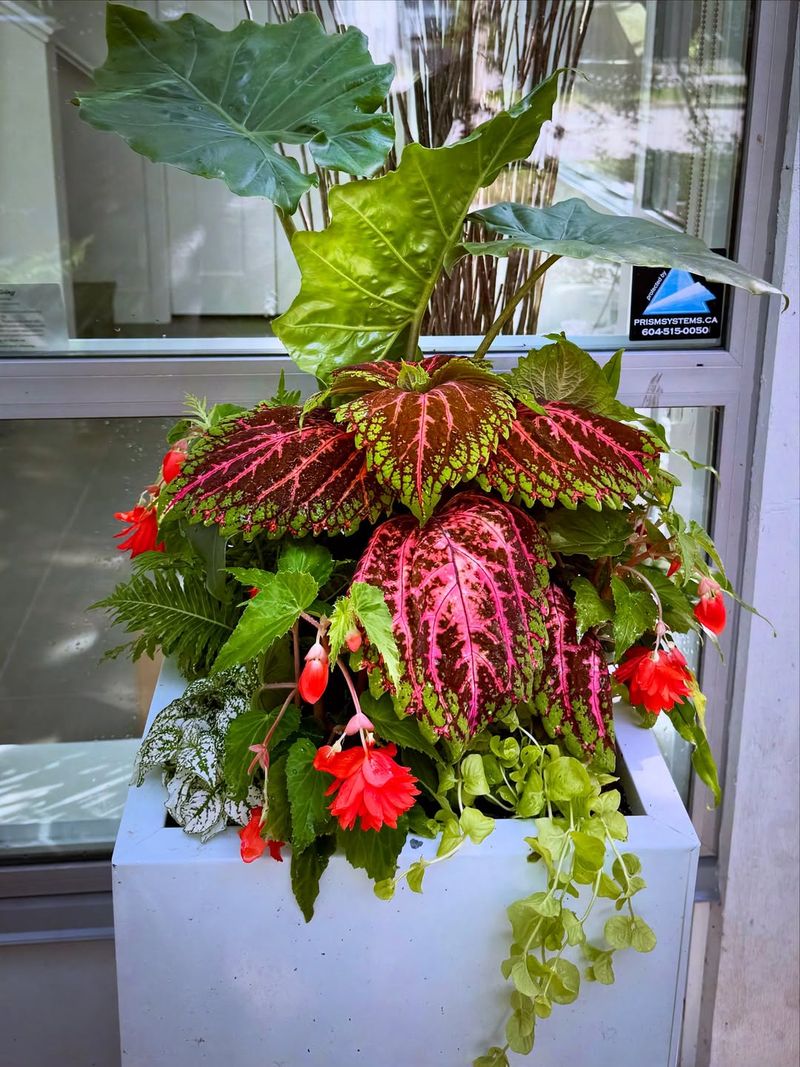
Not every window in a California home gets full sun, and that is where begonias and coleus come in to save the day. Begonias produce waxy, rounded flowers in shades of pink, red, orange, and white, and they thrive in partial shade where other blooms might struggle.
Coleus brings something different to the mix: bold, patterned foliage in combinations of red, purple, lime green, and deep burgundy.
Together, they create a window box that is just as much about texture and leaf color as it is about flowers. The contrast between begonia blooms and coleus leaves is visually striking and keeps the display interesting even when flowers are between bloom cycles.
This pairing works especially well in shaded spots common in older California neighborhoods with large trees.
Both plants prefer indirect light and moist, well-drained soil. Avoid placing them in direct afternoon sun, which can scorch the coleus leaves and stress the begonias.
Water them regularly and mist the leaves occasionally in dry inland areas. Feed with a balanced fertilizer every two to three weeks to keep growth strong.
Pinch coleus tips back to prevent it from getting too tall and overshadowing the begonias. With this combination, even the shadiest window on your California home can look like a colorful masterpiece.
6. Snapdragons And Dusty Miller
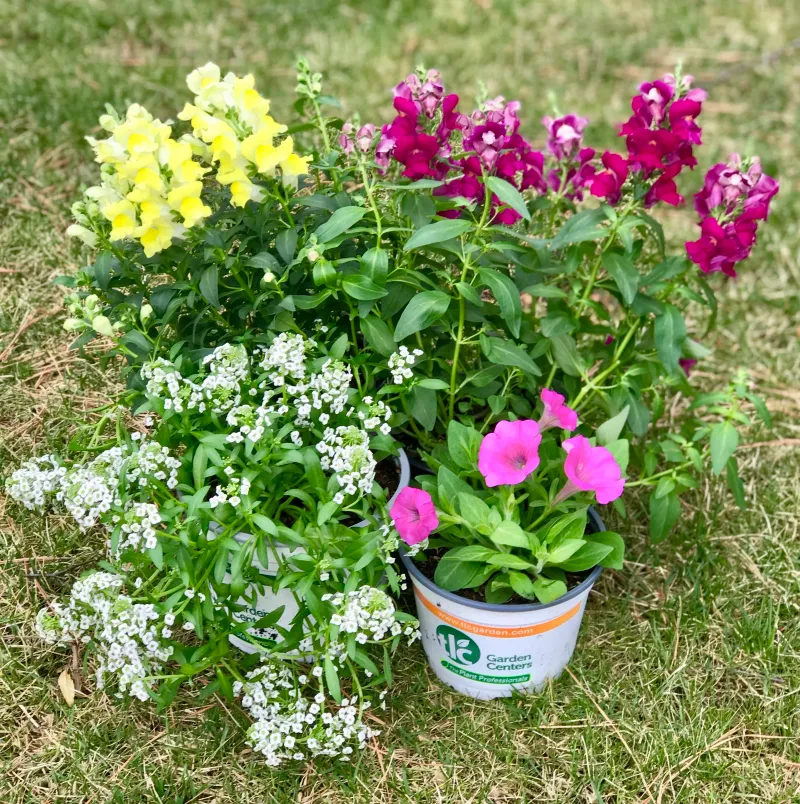
Snapdragons have a personality all their own. Their tall, spiky flower stalks come in almost every color of the rainbow, and the individual blooms have a fun, mouth-like shape that kids and adults alike find irresistible.
When you pair them with dusty miller, the combination takes on a sophisticated, almost vintage look.
Dusty miller is grown for its soft, silver-gray foliage rather than its flowers. The silvery leaves act like a natural highlighter, making the bright colors of the snapdragons pop even more.
It also adds a cool, textural contrast that keeps the window box looking polished from every angle.
California gardeners in coastal and inland areas alike will find this pairing reliable and rewarding. Snapdragons prefer cooler temperatures and actually do their best blooming in fall and early spring, which makes them perfect for California winters.
Dusty miller is tough and drought-tolerant once established, a real plus in drier parts of the state. Plant snapdragons toward the back of the box so their height adds drama, and let dusty miller fill in the front and sides.
Deadhead snapdragons regularly to promote continuous blooming. Water moderately and make sure the box drains well to keep both plants at their healthiest.
7. Marigolds And Blue Salvia
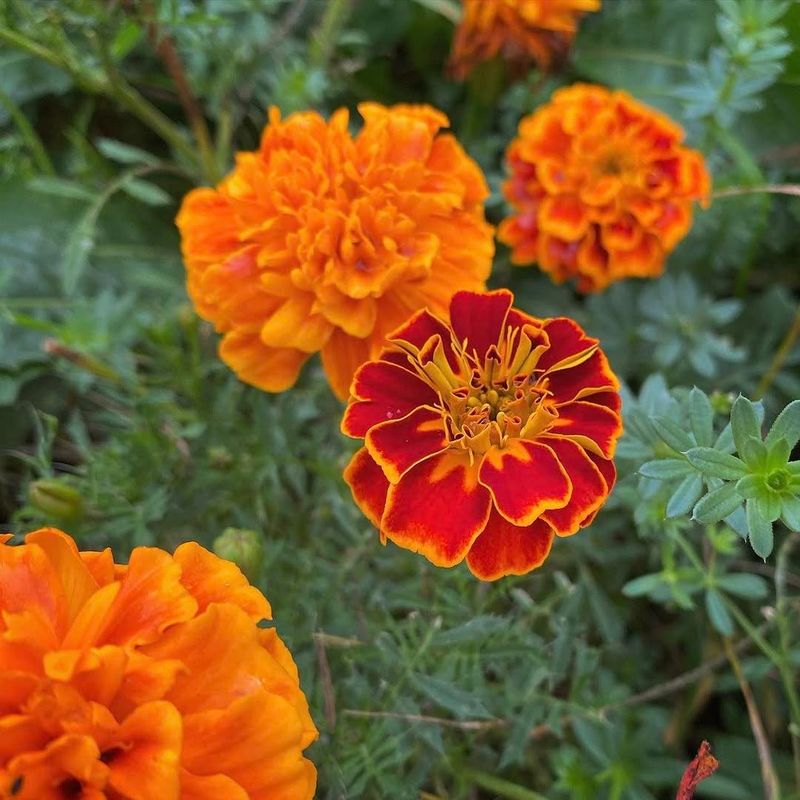
There is something undeniably cheerful about a window box packed with marigolds. Their bold orange and yellow blooms practically radiate warmth, and their slightly spicy scent is known to keep aphids and other garden pests away naturally.
Add blue salvia to the mix, and you get one of the most visually striking color contrasts in all of gardening.
Blue salvia sends up tall, slender spikes of deep blue or violet flowers that stand beautifully alongside the round, compact heads of marigolds. The warm-cool color contrast between orange and blue is a classic combination that designers use again and again because it simply works.
In California, where summers can be long and intensely sunny, both of these plants hold up remarkably well.
Marigolds and blue salvia both love full sun and heat, making them a natural fit for hot inland areas like Bakersfield, Riverside, or the Central Valley. They are also relatively drought-tolerant, which is always a bonus in California.
Water them deeply but allow the soil to dry out slightly between waterings. Deadhead marigolds regularly to prevent them from going to seed too quickly.
This combination also attracts pollinators like bees and butterflies, turning your window box into a tiny, buzzing ecosystem right outside your window.
8. Impatiens And Bacopa
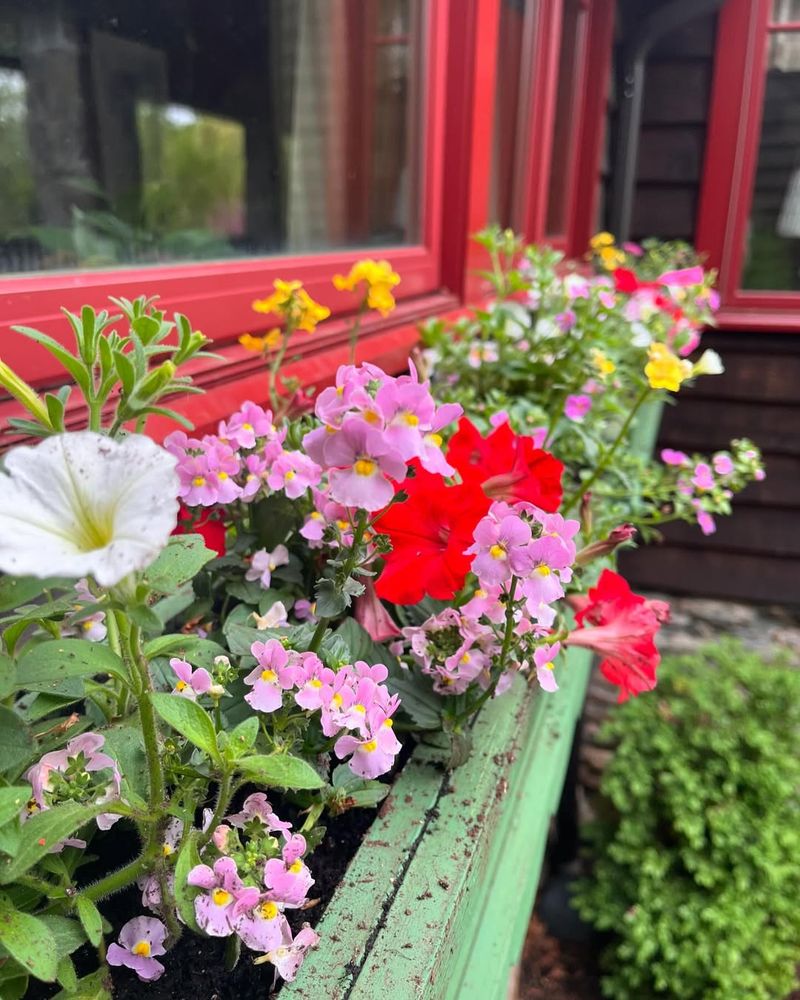
Impatiens are one of those plants that just never seem to stop giving. They bloom continuously from spring through fall, producing a steady stream of flat, cheerful flowers in shades of pink, red, white, orange, and coral.
Pair them with bacopa, and you have a shade-loving window box combination that looks effortlessly pretty.
Bacopa is a trailing plant covered in tiny star-shaped white or lavender flowers. It weaves and spills over the edges of the window box, softening the overall look and adding a delicate, lacy texture that complements the fuller blooms of impatiens perfectly.
Together, they create a layered, garden-fresh display that works beautifully in shaded or partially shaded spots.
In California, impatiens and bacopa are a great choice for north-facing windows or spots beneath large trees where sunlight is limited. They both prefer consistently moist soil, so check the box more frequently during warm inland summers.
Avoid letting the soil dry out completely, as impatiens will wilt quickly in dry conditions. Feed every two weeks with a balanced liquid fertilizer to keep the blooms coming strong.
This combination is especially lovely in cooler coastal California communities like Carmel or Half Moon Bay, where the mild temperatures help both plants thrive well into the fall season.
9. Nasturtiums And Trailing Ivy
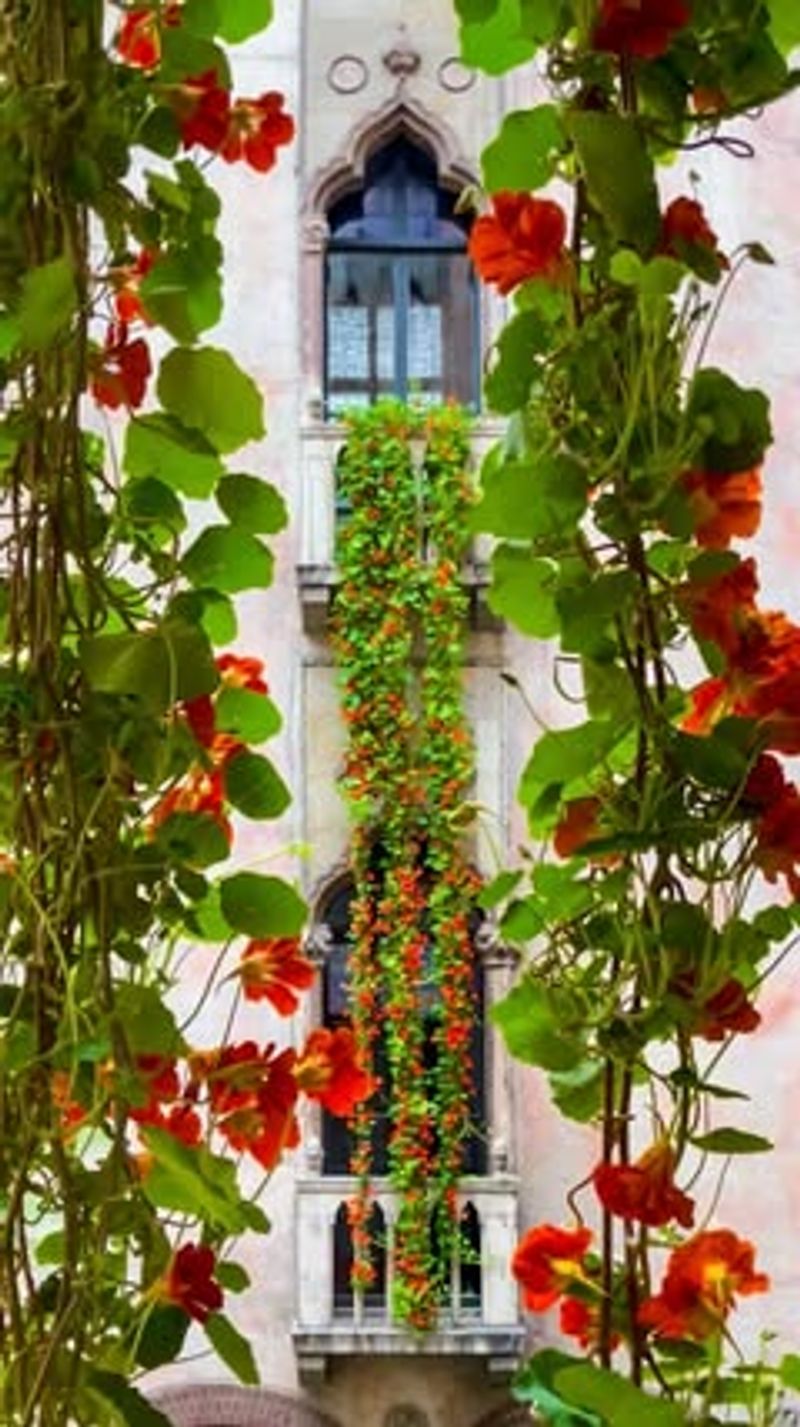
Nasturtiums are one of the most underrated window box flowers out there. Their round, lily-pad-shaped leaves and bold orange, red, or yellow blooms have a relaxed, cottage-garden charm that feels right at home on a California porch or balcony.
What makes them even more interesting is that the flowers and leaves are both edible, making this combination as practical as it is pretty.
Trailing ivy provides the perfect green backdrop for nasturtiums. Its rich, deep green leaves cascade over the edges of the box, creating a full and lush look that makes the bright nasturtium blooms pop even more.
Ivy grows quickly and fills in gaps fast, which means your window box will look full and established within just a few weeks of planting.
Nasturtiums actually prefer slightly poor soil and do not need much fertilizer. In fact, too much fertilizer will push them to grow more leaves than flowers.
Ivy, on the other hand, benefits from occasional feeding and consistent moisture. Water the box regularly but ensure good drainage to prevent root rot.
Both plants handle the mild, year-round climate of California coastal towns like Malibu or Santa Cruz beautifully. This is a combination that feels lively, natural, and full of personality every single day.