California Gardeners Should Not Plant Rosemary Near These 7 Plants
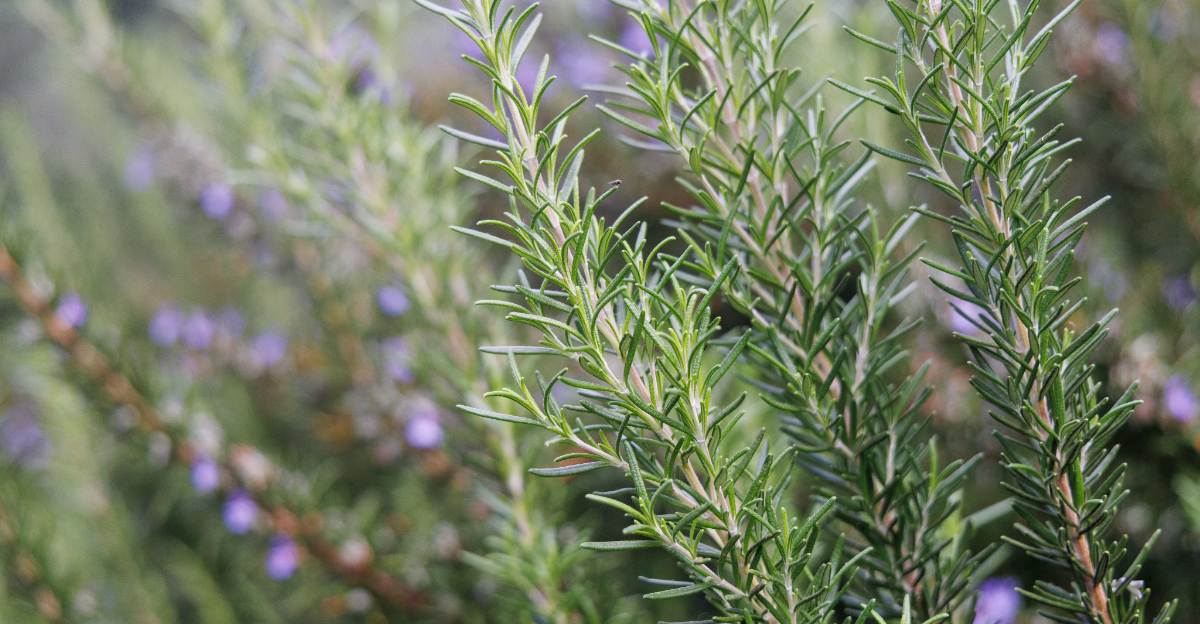
Rosemary is basically the golden child of the California garden. Drought tolerant, stupidly low maintenance, and thriving in heat that would destroy most other plants.
It’s easy to love. It’s also easy to get way too comfortable about where you plant it, and that’s exactly where things start going wrong.
Most gardeners assume that because rosemary is so easygoing, it plays nicely with everything around it. It doesn’t.
This herb produces natural compounds that actively suppress the growth of certain nearby plants, and its obsession with dry, well-drained soil puts it in direct conflict with plenty of vegetables and flowers that need consistent moisture to do their thing.
The damage isn’t always obvious right away either, which makes it even trickier to catch. A few bad placement decisions can quietly stress out everything growing nearby before you even realize rosemary is the culprit.
Knowing which plants to keep at a safe distance is one of the easiest ways to protect your garden this season.
1. Ferns
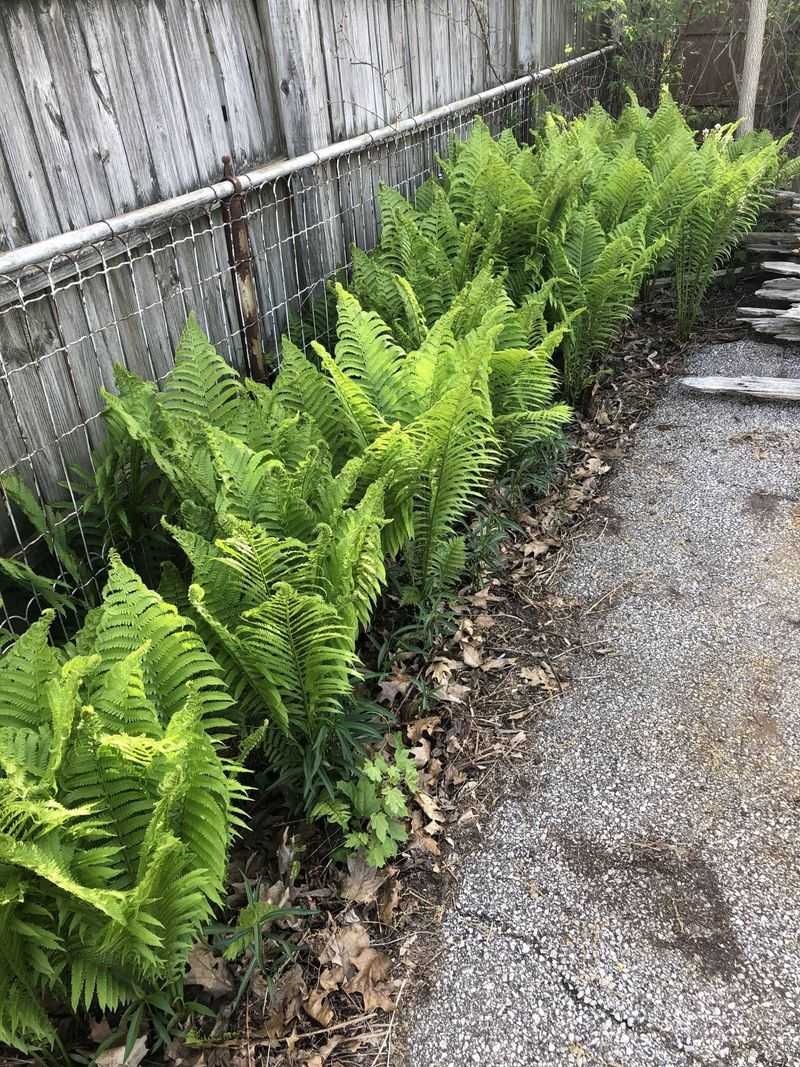
Picture a shady corner of a California backyard filled with soft, feathery ferns swaying in a gentle breeze. It looks peaceful, right?
The problem starts when someone decides to plant rosemary nearby. Ferns love moisture.
They thrive in cool, shaded spots with consistently damp soil. Rosemary is basically the opposite.
It wants full sun, dry conditions, and well-drained soil.
When these two plants share the same space, one of them always loses. Usually, it is the rosemary.
Overwatering to keep ferns happy will cause rosemary roots to rot. In California, where gardeners often deal with water restrictions and drought conditions, it makes even less sense to force these two to coexist.
Ferns also prefer slightly acidic soil, while rosemary does best in neutral to slightly alkaline conditions. Planting them together creates a constant tug-of-war over soil chemistry.
If you love ferns and rosemary equally, give them their own separate spaces in your yard. Put ferns in a shaded, moist corner and let your rosemary bask in a sunny, dry spot.
Both plants will reward you with healthier growth when they have the right conditions all to themselves.
2. Impatiens
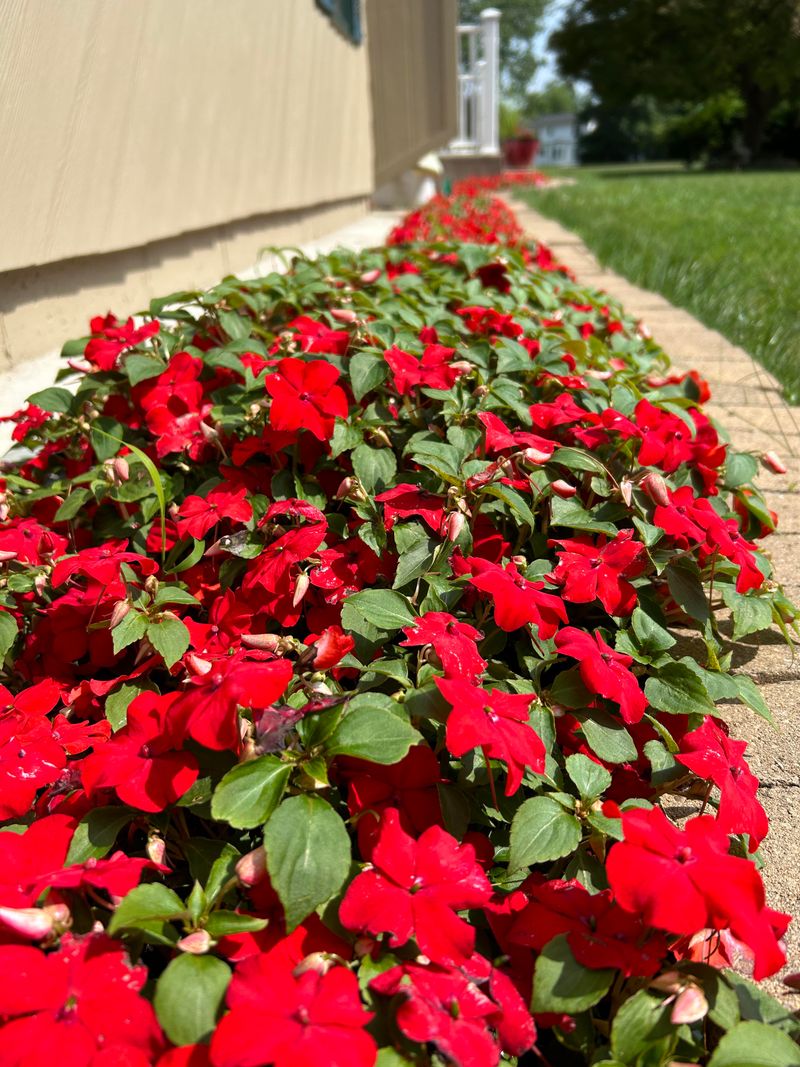
Impatiens are a favorite in California gardens because of their bright, cheerful colors. They pop up in shades of pink, red, orange, and white, making any garden bed look festive and full of life.
But as pretty as they are, impatiens and rosemary make terrible neighbors. The reason comes down to one simple thing: water.
Impatiens need a lot of it. They wilt fast in dry conditions and need regular watering to stay vibrant.
Rosemary, on the other hand, was practically built for drought. California gardeners who grow rosemary know that too much water is one of the fastest ways to cause problems for this herb.
When you water impatiens enough to keep them happy, you are essentially overwatering your rosemary at the same time.
Soggy soil around rosemary roots leads to root rot, which weakens the plant and reduces its aromatic oils. Beyond water needs, impatiens prefer shaded areas, while rosemary craves direct sunlight.
Your California Garden Changes Every Week. Your Plan Should Too.
Gardening in California changes quickly throughout the season. Every Friday you’ll receive a simple weekly plan showing exactly what to plant, prune, fertilize, harvest, and protect so you never miss the right timing.
These two plants want completely different environments. Trying to meet both of their needs in the same garden bed is a losing battle.
Keep your impatiens in a shady, moist section of your California yard and let rosemary enjoy a sunny, well-drained spot on its own.
3. Hostas
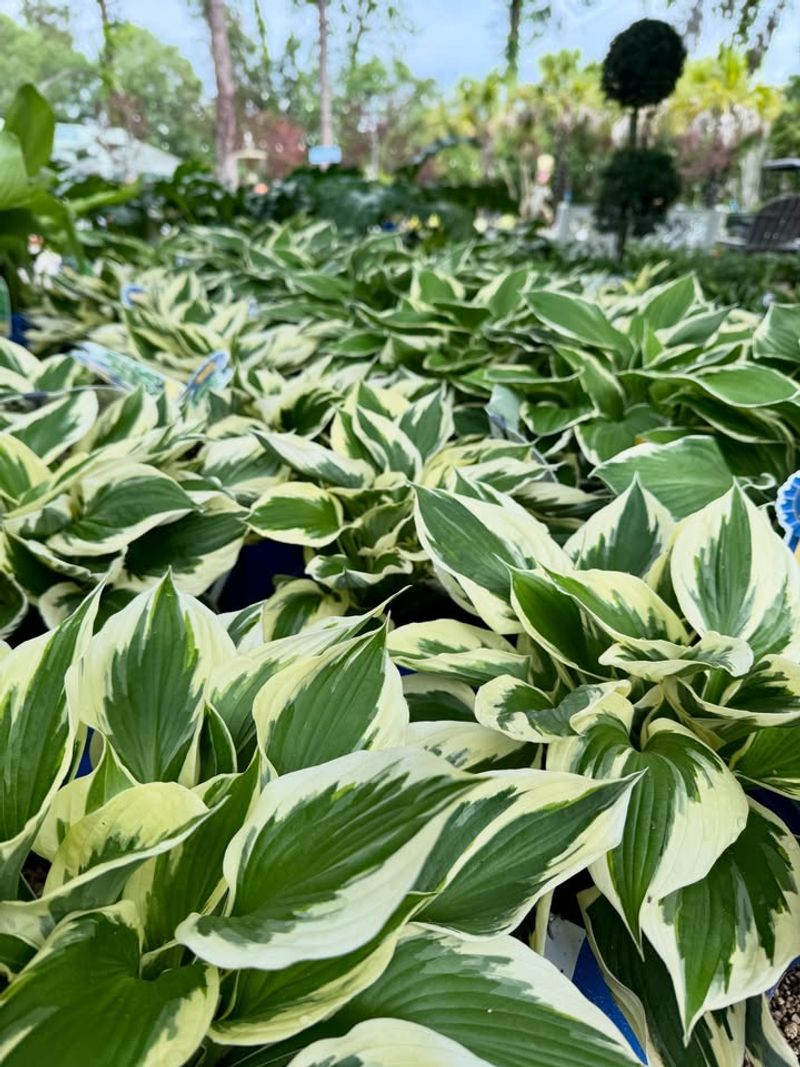
Hostas are bold, beautiful, and incredibly popular among California gardeners who want lush greenery in low-light areas. Their wide, dramatic leaves come in shades of deep green, blue-green, and even gold.
They are stunning plants, but they have very specific needs that clash directly with what rosemary requires to stay healthy.
Hostas need shade and consistent moisture to look their best. They struggle in hot, dry, sunny spots.
Rosemary, meanwhile, thrives in exactly those conditions. Planting them side by side in a California garden almost guarantees that one plant will suffer.
If you water enough for the hostas, the rosemary gets waterlogged. If you hold back water for the rosemary, the hostas start looking sad and droopy.
There is also a competition issue. Hostas are heavy feeders and can spread their roots aggressively, competing with rosemary for nutrients in the soil.
Over time, this nutrient competition weakens both plants. The good news is that hostas do wonderfully in shaded garden beds near fences or under trees, where rosemary would never want to grow anyway.
Give each plant its own zone in your yard and you will get the best out of both without the constant struggle of incompatible growing conditions.
4. Hydrangeas
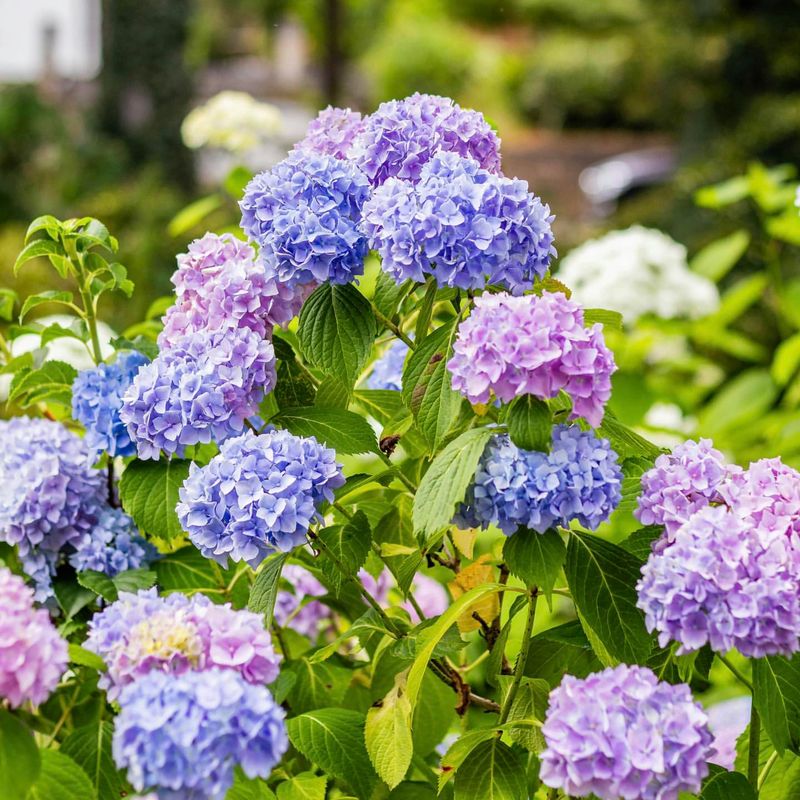
Few plants make a California garden look as impressive as hydrangeas in full bloom. Those giant clusters of blue, purple, pink, or white flowers are absolutely show-stopping.
But as gorgeous as they are, hydrangeas and rosemary are a mismatch that California gardeners should avoid. The conflict between these two plants is all about water and soil.
Hydrangeas are thirsty plants. They need regular, deep watering to produce those famous blooms, especially during California’s hot summers.
Rosemary simply cannot handle that level of moisture. Constant watering around rosemary’s roots encourages root rot and can quickly weaken the plant.
Beyond watering, hydrangeas prefer rich, well-amended soil with good organic matter. Rosemary actually prefers leaner, less fertile soil.
Amending the soil for hydrangeas makes it too rich for rosemary to feel at home.
Soil pH is another point of conflict. Many gardeners in California adjust soil pH to get specific hydrangea bloom colors, often making the soil more acidic.
Rosemary does not perform well in acidic conditions. Placing these two plants together creates an environment where neither one truly thrives.
Hydrangeas deserve a dedicated, well-watered garden bed. Rosemary deserves a dry, sunny corner.
Keeping them separate is the smartest move for any California gardener who wants both plants to look their absolute best.
5. Cilantro
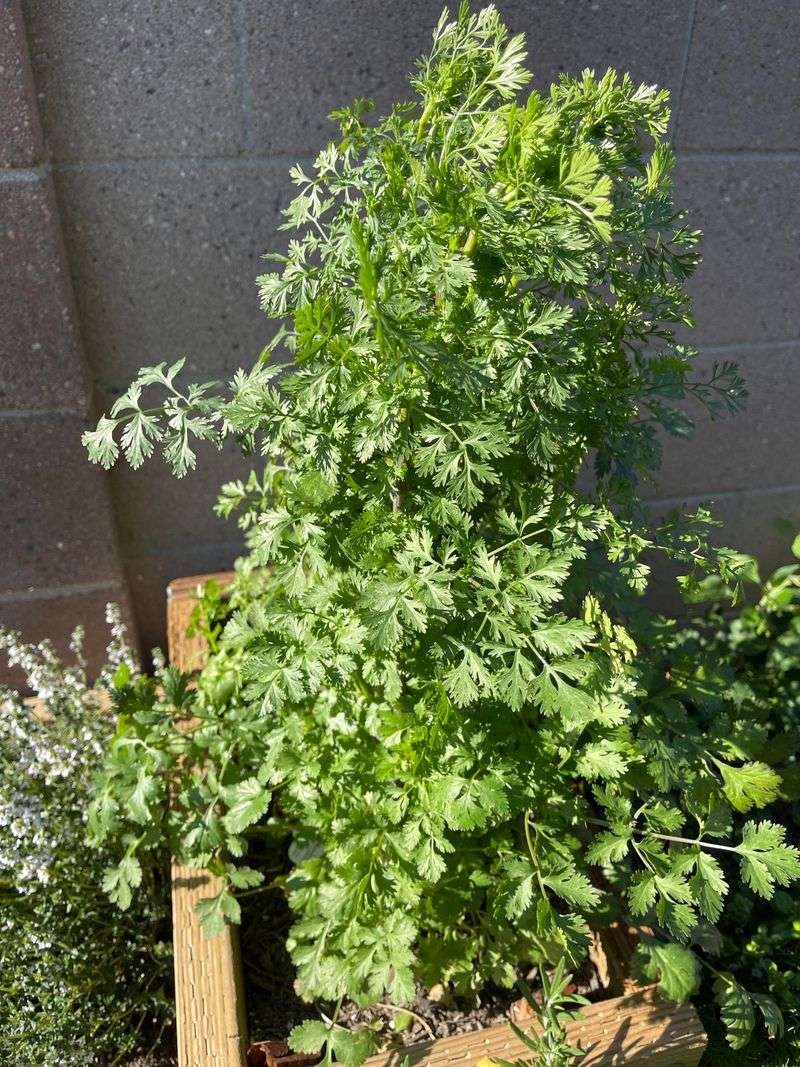
Cilantro is a staple herb in California kitchens, and it is easy to see why. It adds a bright, fresh flavor to salsas, tacos, and so many other dishes that California cooks love.
Growing it at home seems like a great idea, but planting it right next to rosemary is a combination that tends to backfire. These two herbs have very different personalities when it comes to growing conditions.
Cilantro is a cool-season herb that bolts quickly in California’s heat. It needs regular watering and does best in moist, well-drained soil with plenty of organic matter.
Rosemary thrives in heat, handles drought with ease, and actually prefers soil that is a bit on the lean side. When you water cilantro enough to keep it from bolting, you end up giving rosemary far more moisture than it wants.
There is also a growth habit issue. Cilantro grows fast and can crowd nearby plants.
Its feathery leaves can shade the base of rosemary, trapping moisture and reducing air circulation around the stems. Poor air circulation around rosemary in California’s sometimes humid coastal conditions can lead to fungal problems.
Keep your cilantro in its own container or a separate herb bed so both herbs can grow freely without competing for space, water, or nutrients.
6. Parsley
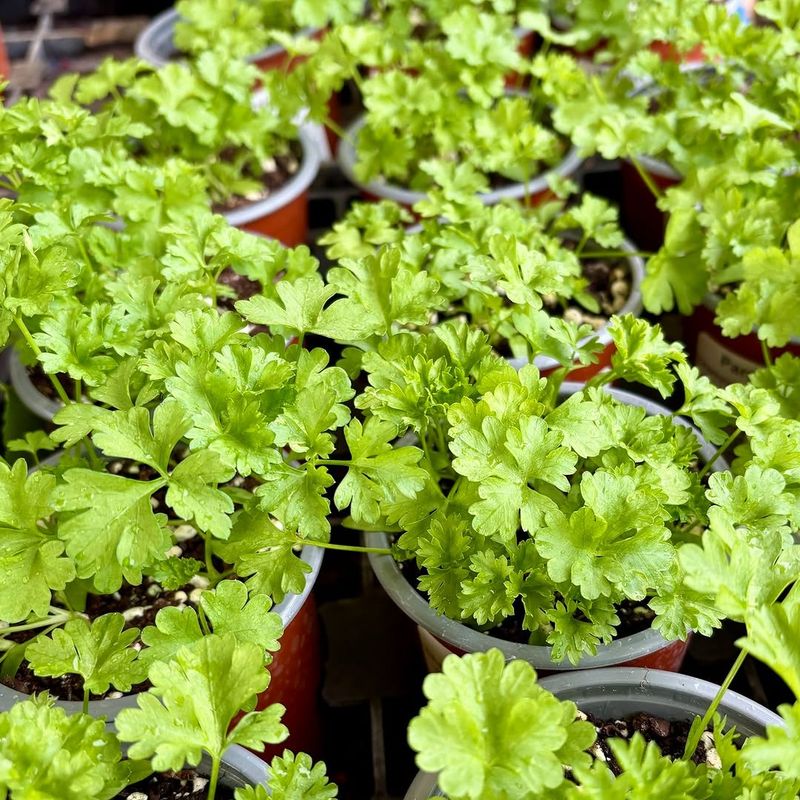
Parsley is one of those herbs that almost every California gardener has tucked into a corner of their garden or a pot on the patio. It is versatile, easy to grow, and useful in so many recipes.
But here is something worth knowing: parsley and rosemary are not the best of friends in the garden. Placing them side by side can slow down the growth of both herbs over time.
Parsley needs consistently moist soil and does well with regular fertilizing. Rosemary prefers dry conditions and actually grows better in soil that is not overly rich in nutrients.
When you feed and water parsley to keep it lush and productive, you are creating conditions that rosemary finds uncomfortable. Too much nitrogen from fertilizer can make rosemary grow lots of soft, floppy stems instead of the firm, aromatic growth it is known for.
Some gardeners and horticulturists also note that rosemary can release compounds through its roots and leaves that may inhibit the growth of nearby plants, including parsley. In California, where herb gardens are often packed into small raised beds or containers, this kind of chemical interaction can become a real problem fast.
Growing parsley in its own container or a separate section of your garden bed gives both herbs the room and the right conditions they each need to produce flavorful, healthy growth all season long.
7. Mint
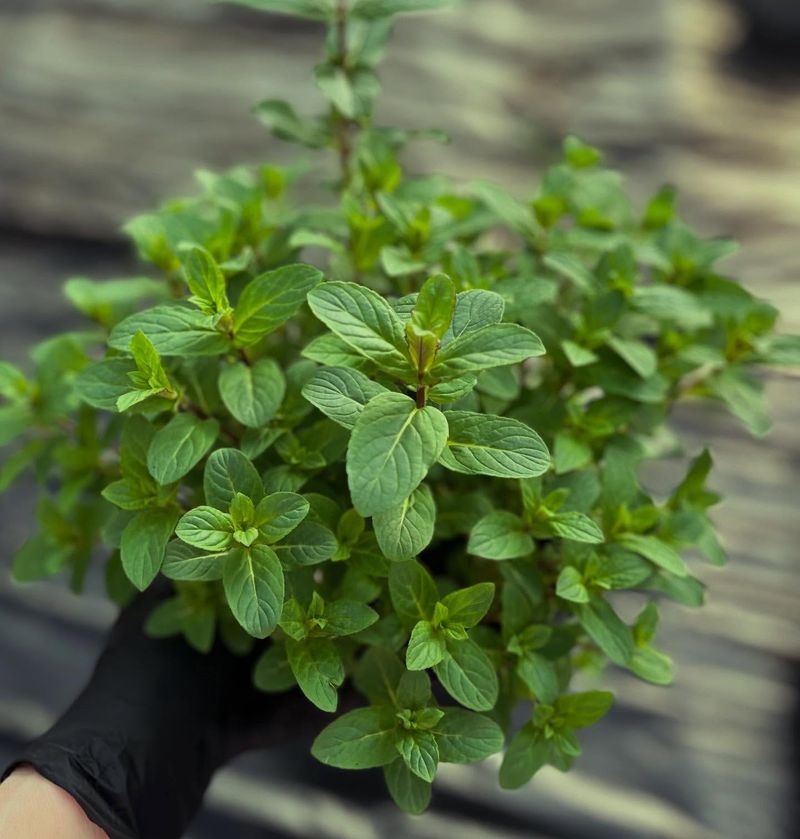
Anyone who has ever grown mint knows it has a bit of a wild side. Left unchecked, mint spreads quickly and aggressively, sending runners in every direction and taking over whatever space it can find.
That alone makes it a risky neighbor for any plant, but mint and rosemary have additional reasons to be kept apart in a California garden.
Mint loves moisture. It thrives in cool, damp conditions and needs regular watering to stay fresh and productive.
Rosemary is practically built for California’s dry summers and needs very little water once it is established. Pairing these two herbs in the same bed means you will always be compromising on watering.
Water enough for the mint and your rosemary suffers. Water for the rosemary and your mint turns brown and scraggly.
Beyond water needs, mint’s aggressive spreading habit means it can physically crowd out rosemary, blocking sunlight and competing for root space in the soil. Mint also tends to alter the soil around it as it spreads, which can affect the nutrient balance that rosemary relies on.
The smartest way to grow mint in a California garden is in a container, either on its own or surrounded by other moisture-loving herbs. This keeps its spreading habit under control and protects your rosemary from an unwanted takeover.