Grass Growing Right Up Against Your Ohio Tree? Fall Is A Good Time To Change That
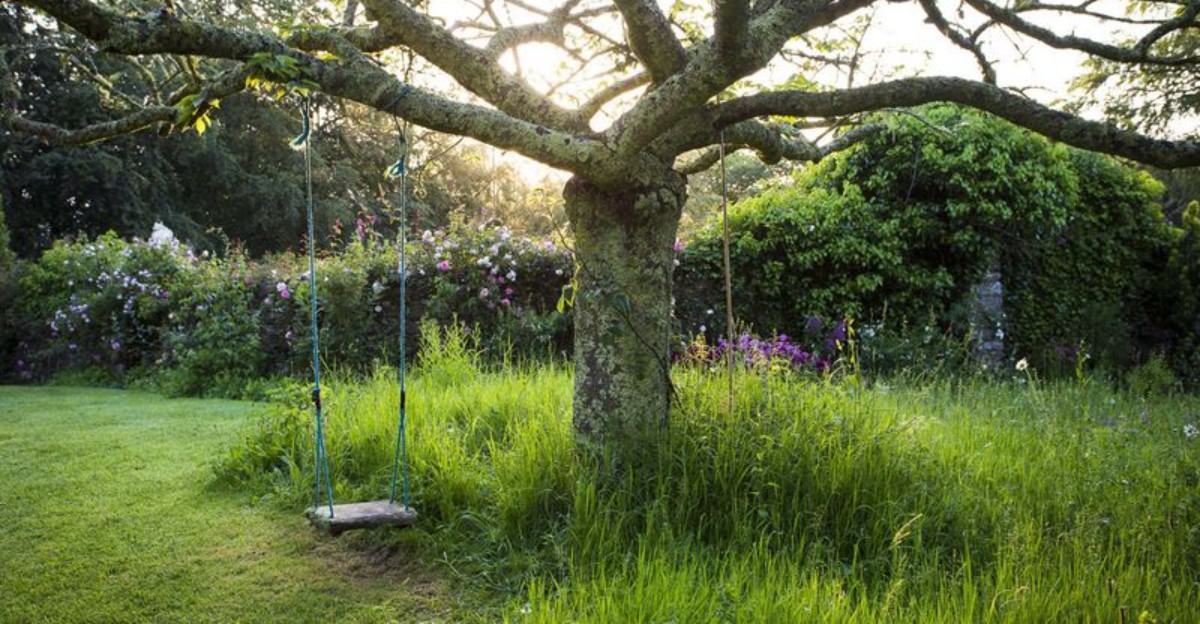
Turfgrass roots compete with young tree roots for water and nitrogen, and studies show grass can slow tree growth noticeably. I find it surprising that a simple lawn can compete with a young tree for water and nutrients.
Most feeder roots of a tree sit in the top twelve inches of soil, right where grass roots spread. You rarely see that underground competition, but the tree feels it through dry summers in Ohio.
Mower and trimmer bumps at the base of the trunk often cause wounds that let decay fungi move inside. Extension specialists across Ohio regularly see this kind of bark damage on lawn trees.
You can walk outside this month and look at the base of your own tree with fresh eyes. It has probably put up with this quietly for years and has yet to file a single complaint.
Your Tree Wants A Ring Of Mulch Instead
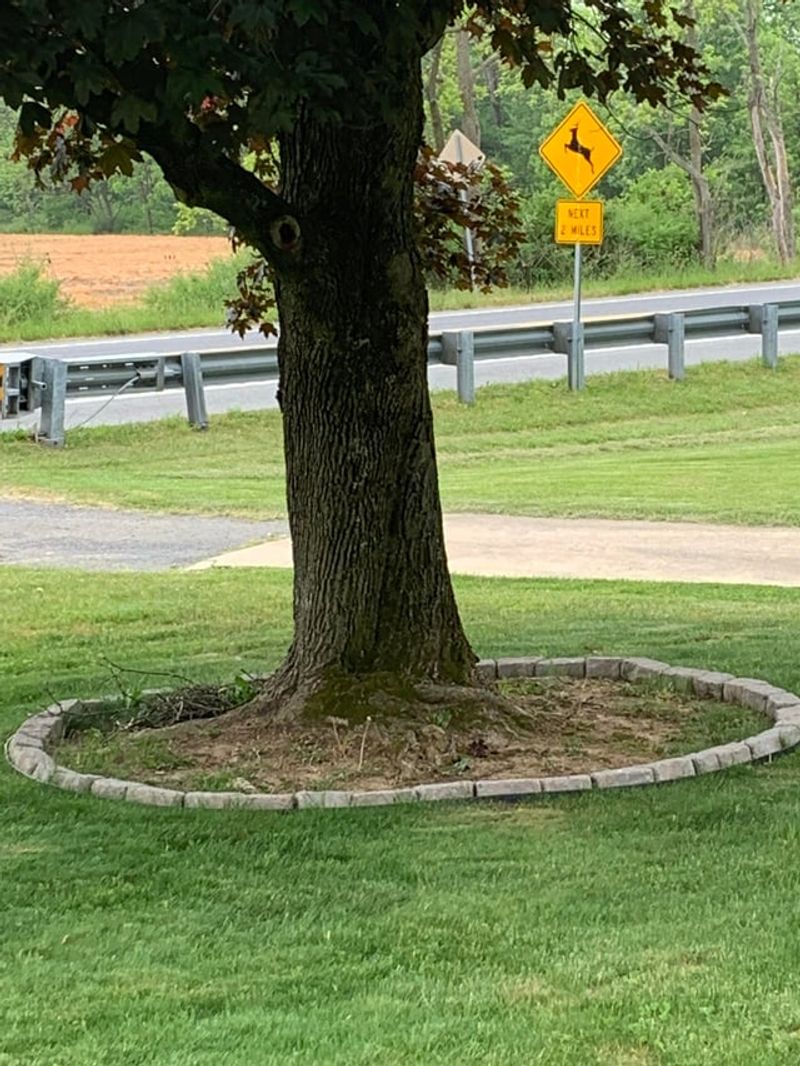
Replacing the grass under your tree with a wide ring of wood mulch is the simple fix most extension services recommend. Extension guides commonly suggest a mulched circle at least three to four feet across, and wider is often better.
Grass roots and tree feeder roots share the same shallow soil layer, so both plants fight over the same water. Research from several universities shows young trees grow faster once the turf around them is removed and replaced.
Mulch does a different job than grass because it holds moisture in the soil instead of pulling it out. Shredded hardwood or wood chips also break down slowly and add organic matter that helps soil life near the roots.
A mulch ring also creates a clear buffer zone that keeps mowers and string trimmers away from the trunk. That one change can reduce bark wounds, which are a common entry point for decay fungi in lawn trees.
Many homeowners in Ohio are surprised at how quickly a stressed tree perks up after the turf is gone. New leaves often look fuller the following spring, and twig growth can increase over the next couple of seasons.
You do not need special tools or expensive products to make this change around a single yard tree. A flat spade, a wheelbarrow, and a few bags or a truckload of wood chips will handle the job nicely.
I like that this project fits into a single weekend afternoon in October with very little planning required. Most of the work is simply lifting the sod and spreading the chips, so even a first-time gardener can handle it.
October Gives Roots A Calm Window
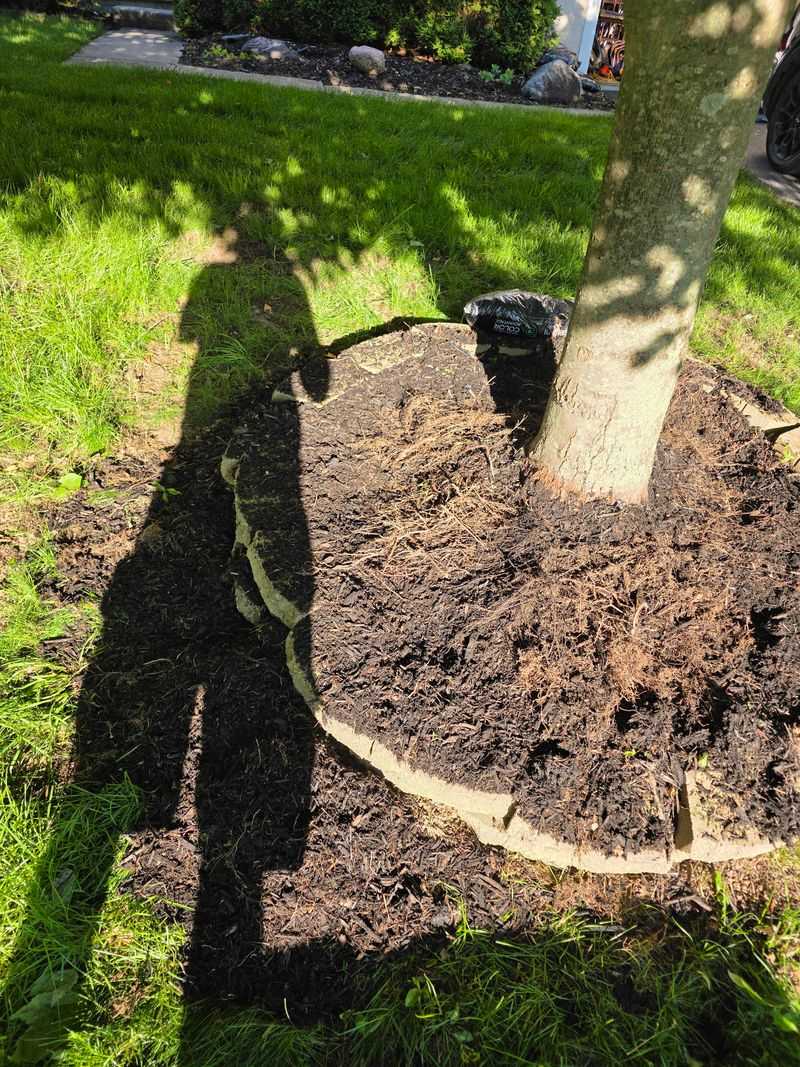
Cool weather in October makes it a comfortable month for removing turf around trees in Ohio. Air temperatures drop, but soil often stays warm enough for tree roots to keep growing well into late fall.
Extension horticulturists point out that tree roots often keep growing for weeks after the first cool nights in the Midwest. Any small roots disturbed during grass removal have several weeks to recover before winter dormancy fully sets in.
Your Ohio Garden Changes Every Week. Your Plan Should Too.
Gardening in Ohio changes quickly throughout the season. Every Friday you’ll receive a simple weekly plan showing exactly what to plant, prune, fertilize, harvest, and protect so you never miss the right timing.
Summer is a harder time for this job because heat and drought already stress both the tree and you. Digging in July can dry out exposed roots quickly, while October rain helps the soil settle back down.
Fall also means your lawn is slowing its growth, so there is less mowing pressure while you work. Many cool-season grasses in Ohio are easier to lift in fall when the soil is moist but not soggy.
A fresh mulch ring added now will insulate the root zone through the freeze and thaw cycles of winter. That protective layer can reduce frost heaving and keep soil temperatures more even from December through March.
Spring may seem like the obvious season for yard projects, but it is often crowded with planting and cleanup chores. Doing this work in fall clears the way so your tree starts the next growing season with far less competition.
You also get to use fallen leaves as a bonus, since shredded leaves make a fine light layer under wood chips. Raking leaves is already on many October to-do lists, so you can gather them while you work on the ring.
Skip The Mulch Volcano Mistake
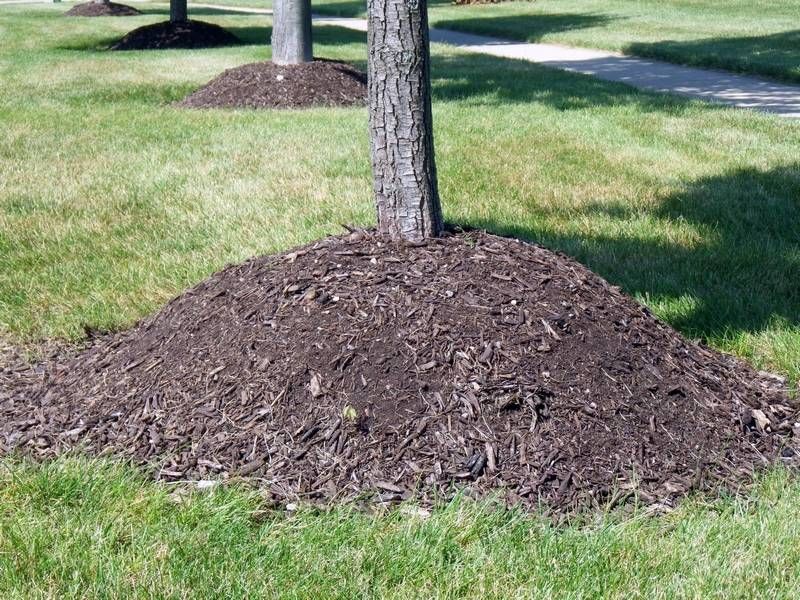
Walk through almost any Ohio neighborhood and you will spot trees buried under tall cones of mulch. Arborists call these mulch volcanoes, and they cause more trouble than the grass they were meant to replace.
Piling mulch against the trunk keeps the bark wet for long periods, which invites rot and boring insects. Bark above the root flare, the wide spot where the trunk spreads into roots, does best when it can dry out between rains.
Deep mulch can also encourage roots to grow up into the pile instead of spreading into the soil below. Over years, some of those roots may circle the trunk and slowly squeeze it, a problem called girdling roots.
Ohio State Extension suggests no more than two to three inches of mulch, and other university guides allow up to four inches. They also recommend pulling mulch back three to six inches from the trunk so the base stays visible.
A good mulch ring looks more like a flat donut than a mountain, with a hole in the middle. You should be able to see the root flare clearly after you finish spreading the wood chips each fall.
Old mulch layers matter too, since fresh mulch is often added on top of last year’s pile without checking depth. Rake back the old material first and measure before topping it off with a thin new layer.
I believe a ruler in your pocket is one of the handiest tools for this job. A quick measurement takes only seconds and tells you right away whether the layer has crept past the recommended depth.
Gentle Grass Removal Protects Shallow Roots
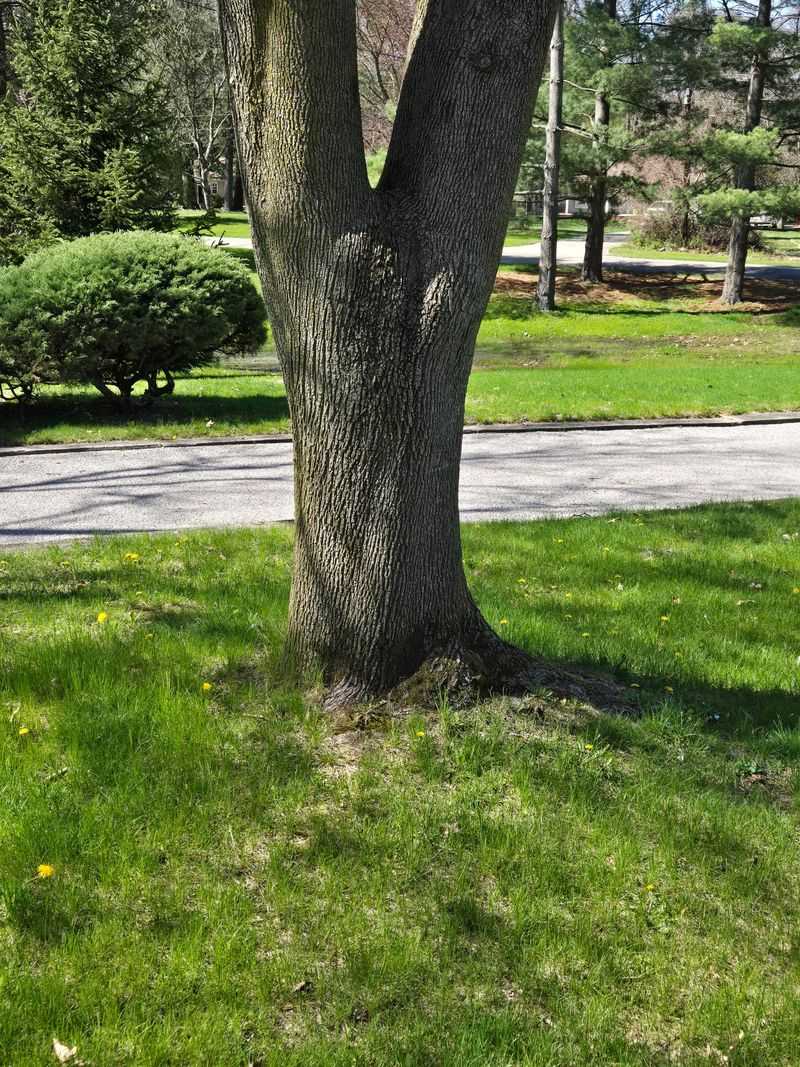
A flat spade and a little patience will do more good here than any rototiller or heavy machine. Tillers can tear through the shallow feeder roots that sit just a few inches beneath the grass.
Start by marking a circle around the tree with a garden hose or a line of flour on the lawn. A circle about three to four feet across works well for most young trees, and mature trees benefit from wider rings.
Slice the sod in thin strips, keeping the spade shallow so you only lift the grass and its thatch layer. If you hit a root thicker than a pencil, work around it instead of cutting through it.
Another gentle option is sheet mulching, where you lay plain cardboard over the grass and cover it with wood chips. The grass underneath slowly smothers over the winter, and the cardboard breaks down by late spring.
Many extension services caution against using herbicide sprays near trees because some products can harm roots or bark. Herbicides with certain active ingredients may move through soil and cause leaf damage the following year.
Leftover sod does not have to go to waste after you finish digging it out from under the tree. Flip the pieces upside down in a compost pile or use them to patch bare spots elsewhere in your lawn.
You will probably finish one small tree ring in an hour or two of steady work. Working around the tree one section at a time keeps the digging slow and lets you spot roots before the spade reaches them.
Healthier Trees Show Up By Next Summer
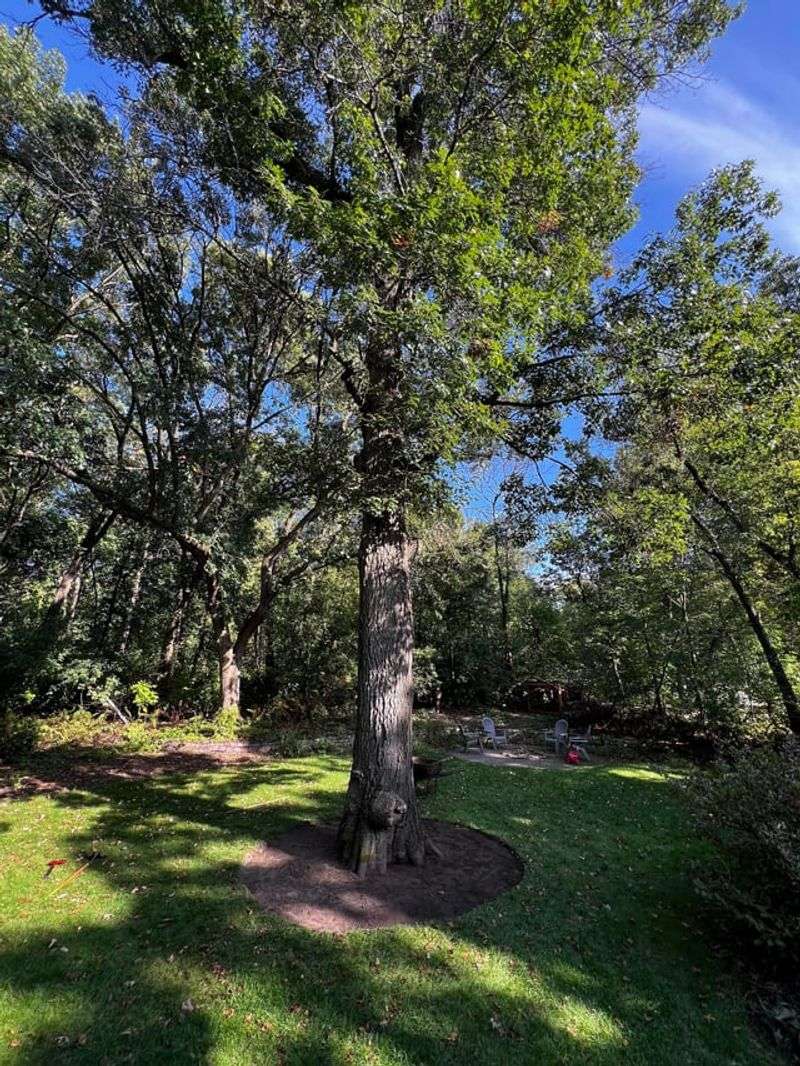
Picture the payoff arriving slowly, because trees rarely respond overnight to changes made around their roots. Most homeowners notice the biggest differences during the first full growing season after the grass is gone.
Leaves often appear larger and greener once the tree has steady access to water and nutrients in the topsoil. Studies on young nursery trees have shown faster trunk growth when turf was replaced with mulch rings.
Fewer bark injuries means fewer openings for decay organisms and insects such as borers to move inside the trunk. A smooth, undamaged trunk base is one of the clearest signs that your buffer zone is doing its job.
Mulch also helps the soil around the tree hold moisture during dry stretches of late summer in Ohio. Trees under drought stress are more likely to struggle with pests, so steady moisture adds a quiet layer of protection.
Your mowing gets easier too, since you no longer have to squeeze the mower tight around the trunk. Cleaner edges around the mulch ring can make the whole yard look more tended with less weekly effort.
Results do vary from tree to tree, and older trees with damaged roots may take longer to show improvement. Soil type, tree species, and past injuries all play a role in how quickly a tree bounces back.
I enjoy checking new twig growth each summer, since longer twigs often mean the roots are much happier underground. Measuring a few twigs on the same branch each year gives you an easy way to compare growth from season to season.
A Little Yearly Care Keeps Grass Away
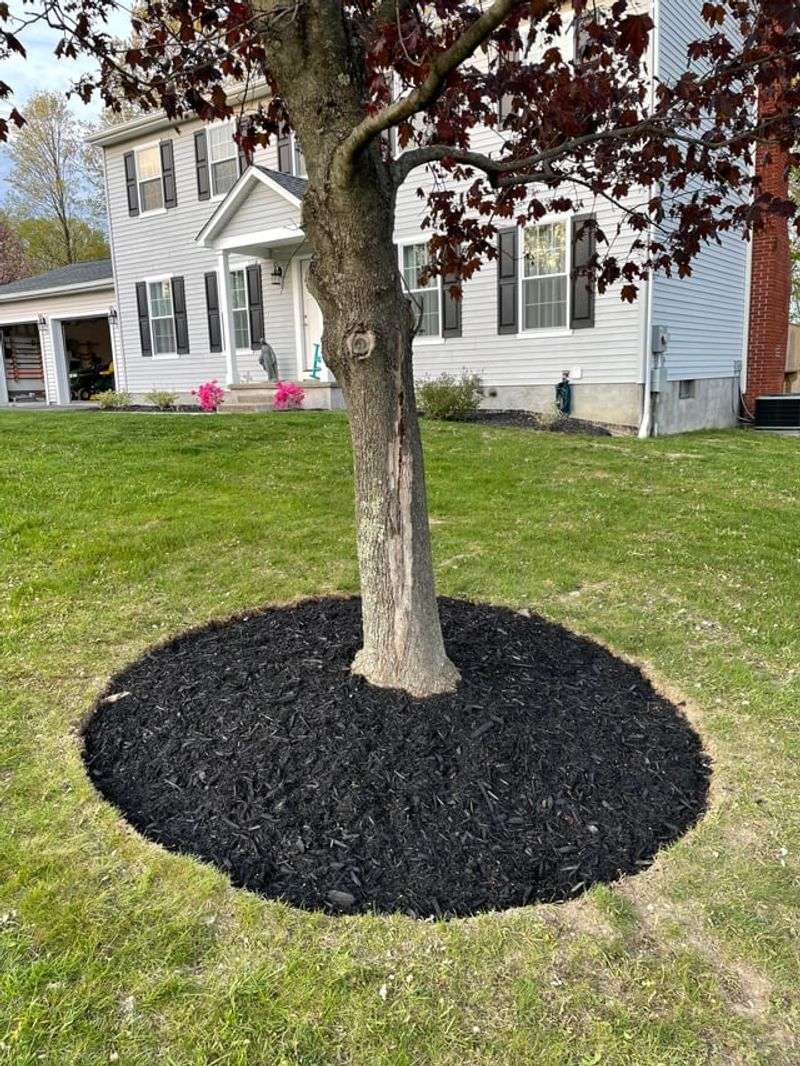
Grass is persistent, and it will try to creep back into your new mulch ring from the edges. A quick check each fall keeps the buffer zone clean and stops turf from settling in again.
Edging the ring with a half moon edger or flat spade gives grass roots a clear line they struggle to cross. Many gardeners recut that edge once or twice a year to keep the circle crisp and easy to mow around.
Wood mulch breaks down over time, so you will usually need to add a thin fresh layer every year or two. Measure first, since the total depth should stay around two to three inches.
Pull any grass or weeds that sneak into the mulch while they are small and easy to remove. Doing this in fall gives you a head start, because fewer weeds will be waiting to sprout next spring.
As your tree grows, slowly widen the mulch ring so it keeps up with the spreading root system. Some arborists suggest extending the ring toward the drip line, which is the outer edge of the tree canopy.
Ohio’s county extension offices often share free guides on mulching and tree care for local homeowners. Reaching out to your local office is a smart step if you have questions about a specific tree or soil.
You may find that this small yearly habit becomes one of your favorite quiet October chores outside. Keeping notes on when you edged and added mulch makes it easy to repeat the routine the following fall.