What Coyotes Are Looking For In Your Texas Yard Before Winter
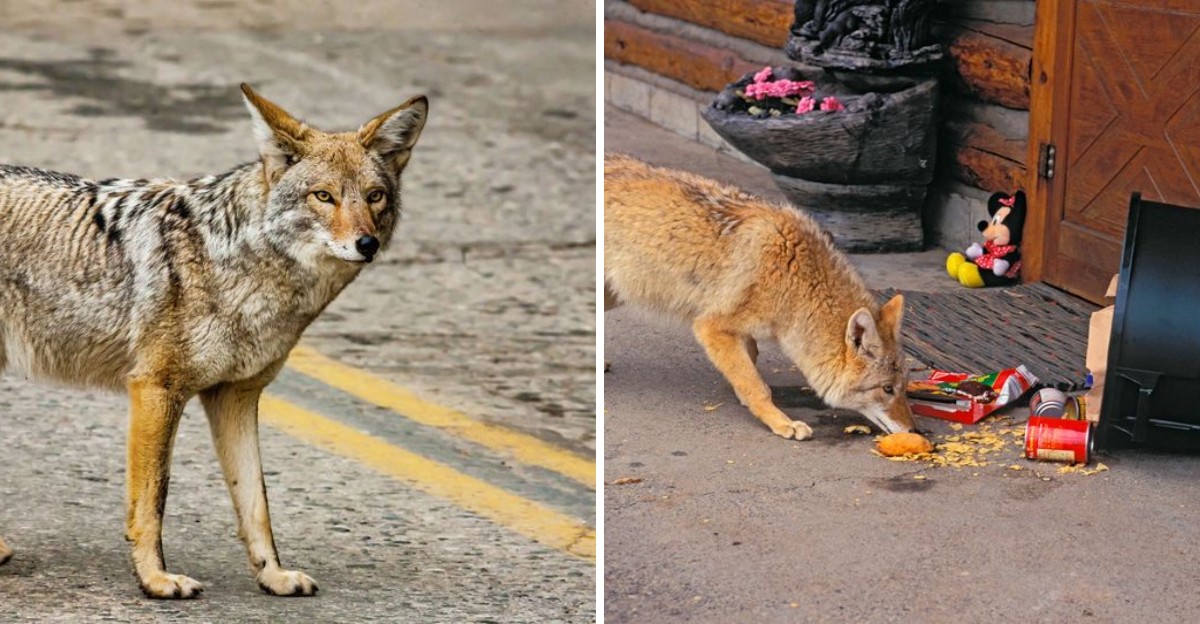
As winter approaches, coyotes across Texas are on the lookout for reliable resources. Natural food can grow scarce, especially after a dry year, and water becomes harder to find.
Breeding season also kicks off in midwinter, so many are settling into territories they’ll defend for months.
Yards with easy meals, fresh water, and quiet hiding spots rise to the top of the list. Some of those attractions are obvious.
Others are easy to overlook, like a birdbath, a brush pile, or fruit scattered under a tree. Knowing what coyotes want can help you keep your yard off their radar this season.
1. Rodents And Rabbits Hiding In The Grass
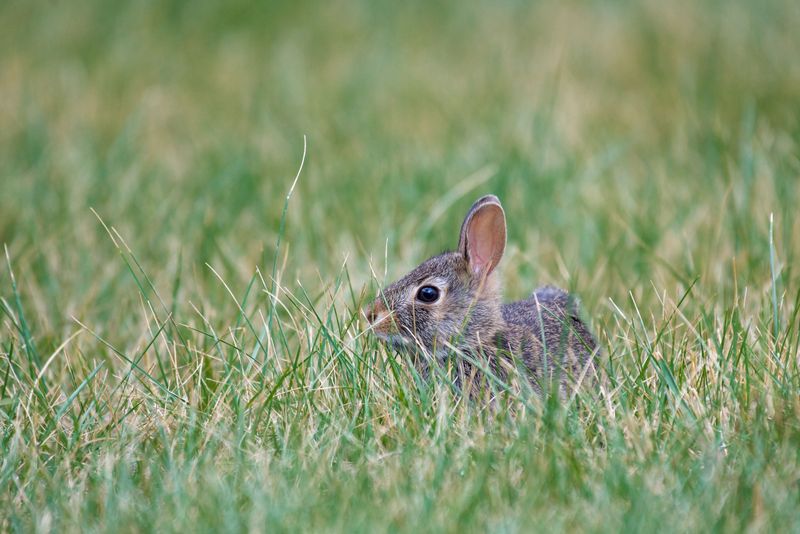
Coyotes are like little hunters on patrol. Their favorite meals are not your garbage or your garden. Most of what they eat is small and furry, like mice, rats, and rabbits.
Your yard can turn into a rodent hotel without you even knowing it. Tall grass gives mice a place to hide. Brush piles make cozy homes for rabbits and rats.
Bird feeders can be another surprise problem. Seeds fall to the ground, and rodents come running for a free snack. Once the mice show up, coyotes often follow close behind.
Here is a fun fact. A coyote can hear a mouse moving under grass or even under snow. Then it leaps high into the air and pounces, a bit like a cat. That move is called a mouse pounce.
So what can you do? Start by mowing your lawn on a regular schedule, especially before winter. Shorter grass leaves fewer places for small animals to hide.
Next, clear out brush piles, stacks of old boards, and junk sitting along fences. If you keep firewood, store it off the ground and away from the house. A tidy yard gives rodents fewer places to settle in.
Bird lovers do not have to give up their feeders. Just use a tray under the feeder to catch spilled seed. You can also sweep up the mess every few days. Some people bring feeders inside at night when rodents are most active.
Think of it as cutting off the food chain at the bottom. With fewer rodents and rabbits around, coyotes have less reason to visit. Your yard becomes a boring spot to them, and boring is exactly what you want.
2. Easy Meals From Pet Food And Trash
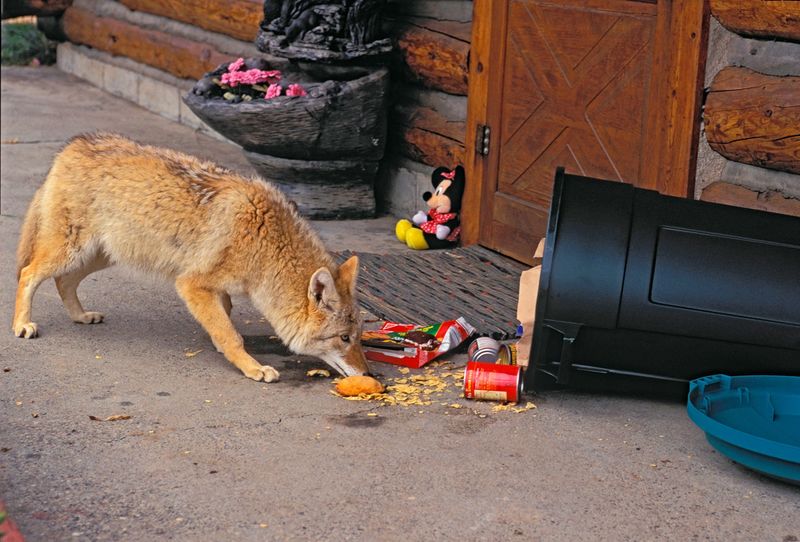
Ever left the dog bowl on the porch overnight? To a hungry coyote, that bowl looks like a free buffet with a welcome sign. Pet food smells strong, and coyotes have an amazing sense of smell.
Trash cans are another big temptation. Leftover chicken bones, greasy pizza boxes, and meat scraps give off odors that travel far. A loose lid or a tipped can is all a coyote needs.
Compost piles can also cause trouble. Many people toss in kitchen scraps without thinking about wildlife. If your pile has meat, dairy, or cooked food, it may be calling coyotes from blocks away.
Your Texas Garden Changes Every Week. Your Plan Should Too.
Gardening in Texas changes quickly throughout the season. Every Friday you’ll receive a simple weekly plan showing exactly what to plant, prune, fertilize, harvest, and protect so you never miss the right timing.
The fix is pretty simple. Feed pets indoors whenever you can. If your pets must eat outside, pick up the bowls as soon as they finish. Never leave food out overnight.
For trash, choose cans with tight lids that lock or clip shut. Bungee cords work well too. Keep cans in a garage or shed until pickup day if possible. Rinse out smelly cans now and then with soap and water.
Compost needs a little care too. Only add fruit and veggie scraps, coffee grounds, and yard waste. Leave out meat, bones, and dairy. A closed compost bin is better than an open pile.
Here is something many folks do not realize. Once a coyote finds an easy meal, it remembers. It may come back night after night and lose its fear of people. That can lead to bolder behavior over time.
Talk to your neighbors about this too. One messy yard can draw coyotes to the whole street. When everyone locks up food, the coyotes move on to wilder places.
3. Fallen Fruit And Nuts On The Ground
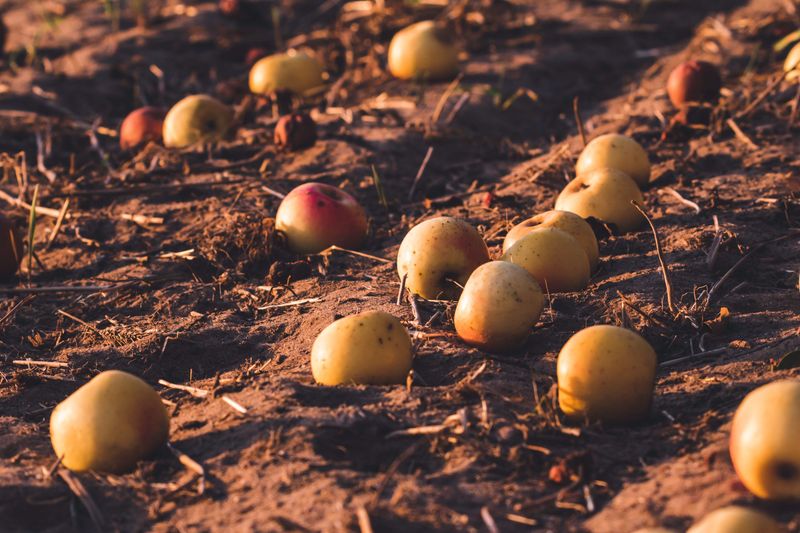
Most people think coyotes only eat meat. Surprise! These clever animals have a real sweet tooth. In Texas, they happily munch on persimmons, figs, melons, berries, and even pecans.
Fall is harvest time across the state. Fruit trees drop their ripe goodies on the ground, and many of them start to rot. That sweet smell drifts through the air like a dinner bell.
Texas persimmons are a coyote favorite. If you find dark droppings full of seeds near your fence, a coyote may already be snacking in your yard. Biologists often study these droppings to learn what coyotes eat.
Gardens can be targets too. Cantaloupes and watermelons left on the vine are easy to bite into. Coyotes may also dig through garden beds looking for anything tasty.
The best plan is to pick up fallen fruit often. Try walking your yard every day or two during peak season. Toss the fruit in a sealed trash bag or a closed bin, not an open compost pile.
You can also harvest fruit before it drops. Picking it a little early keeps it off the ground and out of reach. Share extras with friends, neighbors, or a local food pantry.
Pecan trees can be tricky because they drop so many nuts. Rake them up regularly, and you will help keep squirrels and rodents away too. Fewer small critters means fewer coyote visits.
If you have a big orchard, a simple fence around the trees can help. Even a low wire barrier makes snacking harder. A clean yard sends a clear message that the fruit stand is closed.
4. Water Sources During Dry Spells
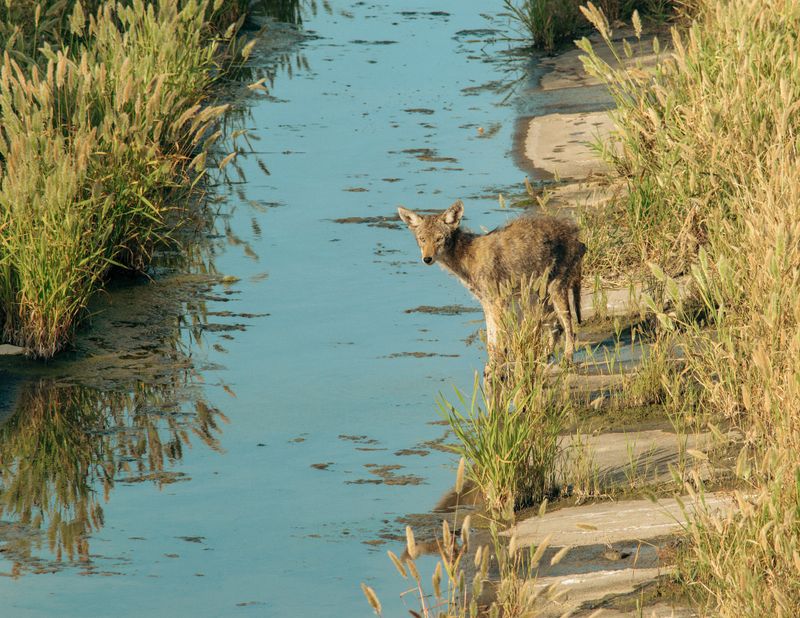
Texas summers can stretch long and dry, and fall does not always bring rain. When creeks shrink and ponds dry up, wildlife goes searching for a drink. Your yard might be the closest oasis around.
Coyotes need water just like we do. In places like West Texas and the Hill Country, finding it can be hard during a drought. A full birdbath or pet bowl can look like a gift.
Some water sources are easy to miss. A leaky faucet can form a small puddle every night. A garden hose with a drip, a kiddie pool, or a clogged gutter can all hold water.
Backyard ponds and fountains are lovely to look at. They also draw frogs, birds, and rodents, which can attract coyotes for more than just a sip. It is a double invitation.
So how do you handle it? Bring pet water bowls inside at night. Your dog or cat can drink indoors, and the outdoor bowl will not tempt wildlife after dark.
Fix leaky faucets and hoses as soon as you spot them. Saving water also lowers your bill, which is a nice bonus. Dump out buckets, toys, and pots that collect rainwater.
Birdbaths do not have to go. Try emptying them in the evening and refilling them in the morning. Birds mostly drink during the day, so they will not miss out.
For ponds, consider a motion-activated sprinkler nearby. It gives curious animals a sudden splash and sends them running. A little planning keeps your yard from becoming the neighborhood watering hole.
5. Backyard Chickens And Small Pets
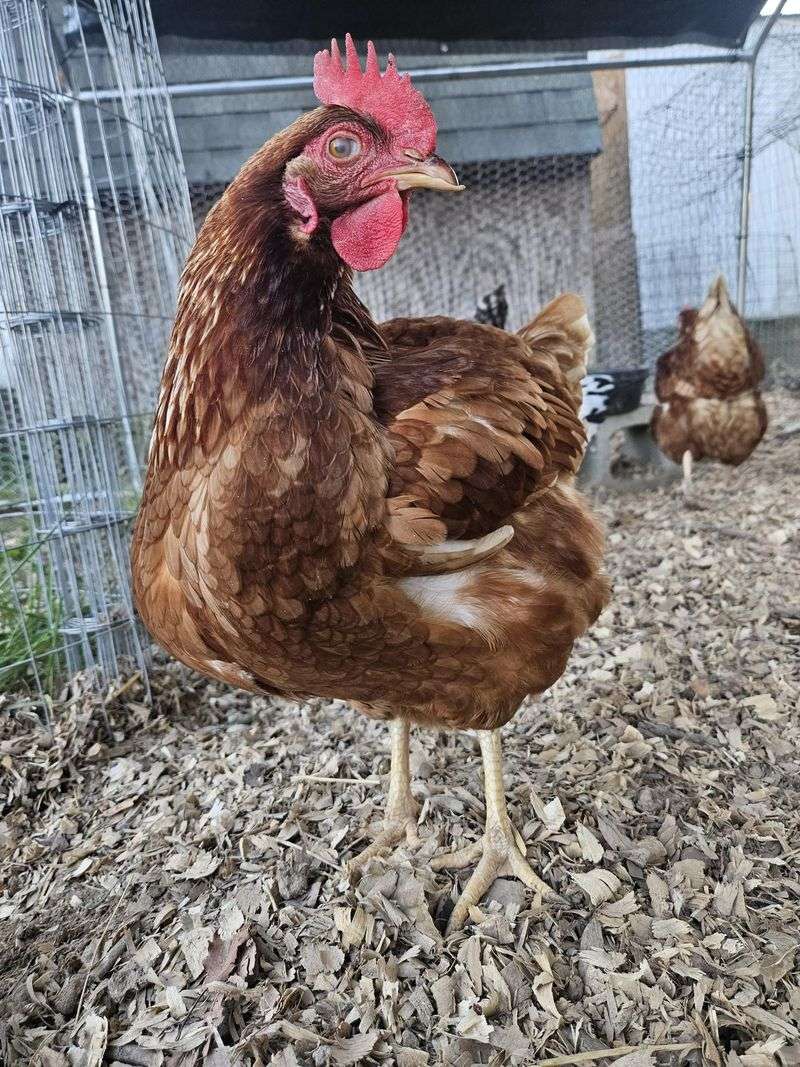
A neighbor once told me she let her hens roam free for just one evening. By morning, two were missing and feathers covered the lawn. Sadly, stories like hers are common across Texas.
To a hungry coyote, chickens look like an easy dinner. So do pet rabbits, outdoor cats, and small dogs. Coyotes do not see them as family members. They see food that cannot run very fast.
The riskiest times are dawn, dusk, and nighttime. That is when coyotes are most active. In fall, they hunt extra hard to build up energy for the colder months ahead.
Chickens need a strong, safe coop. Chicken wire keeps hens in, but it does not keep coyotes out. Use hardware cloth instead, and bury it about a foot deep so diggers cannot tunnel under.
Lock your flock inside every single night. An automatic coop door can help if you have a busy schedule. Close it before sunset, not after.
Pet rabbits should live in sturdy hutches or indoors. Cats are much safer as indoor pets, especially in neighborhoods with coyote sightings. Small dogs should never be left alone in the yard after dark.
When walking your dog, keep a short leash. Retractable leashes let small pets wander too far. Carry a flashlight or whistle on early morning and late evening walks.
A good fence helps a lot too. Coyotes can jump about six feet, so taller is better. Adding a roller bar or angled top can stop climbers. Your furry and feathered friends depend on you to keep them safe.
6. Hidden Cover And Travel Routes
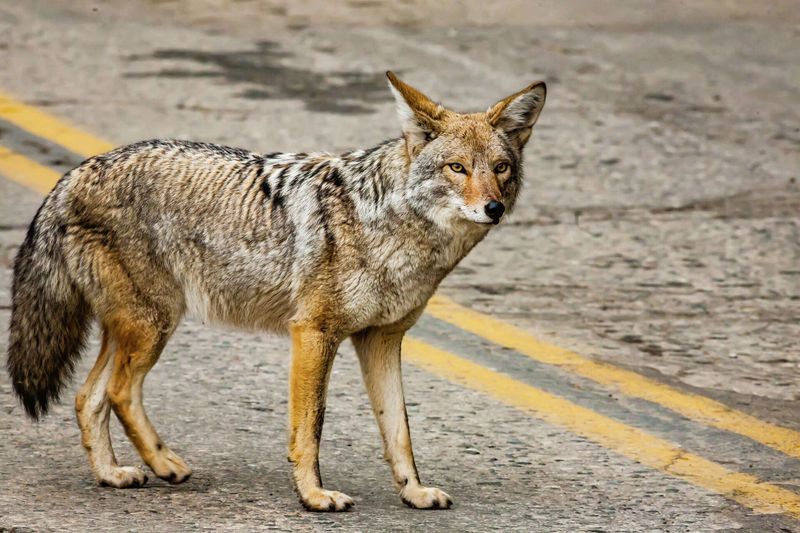
Did you know coyotes live in nearly every big Texas city? You might have one passing your house right now and never notice. They are masters at moving around without being seen.
Coyotes like to travel along hidden pathways. Creeks, greenbelts, drainage ditches, and rows of brush act like secret highways. These paths let them move through neighborhoods while staying mostly out of sight.
If your home backs up to one of these areas, you may see more visitors. That does not mean you did anything wrong. It just means your yard sits along a busy route.
Thick bushes and overgrown corners also give coyotes places to rest. During the day, they may nap under shrubs or in tall weeds. At night, they come out to hunt.
You can make your yard less inviting with a few easy steps. Trim low branches and thin out dense shrubs near fences. A coyote is less likely to linger where it feels exposed.
Check your fence for gaps and holes. Coyotes can squeeze through surprisingly small openings. Fill any spaces under the fence with rocks, wire, or concrete.
Motion-sensor lights are a smart addition. A sudden flash of light can startle a coyote and send it on its way. Place them near the back of your yard or along the greenbelt side.
Keep an eye out for signs of travel too. Look for paw prints in mud, droppings on paths, or worn trails through grass. Spotting these clues early helps you stay one step ahead of your sneaky neighbors.
7. A New Territory To Call Home
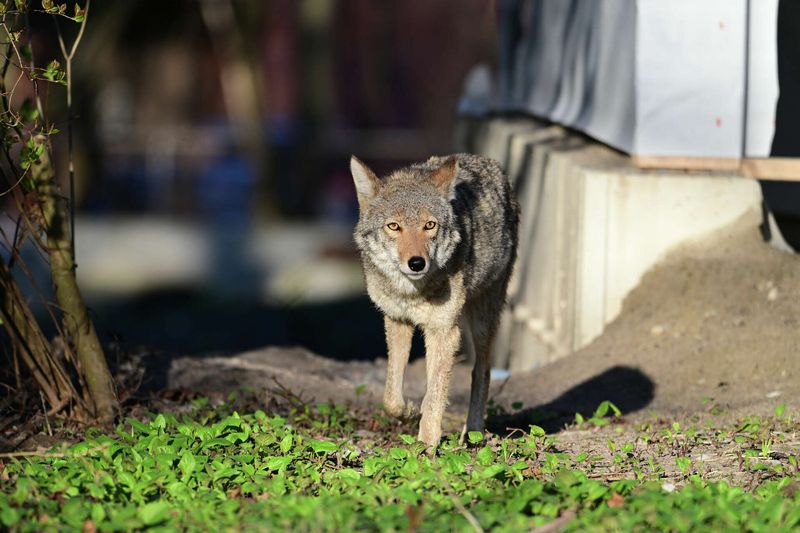
Think back to the first time you moved out on your own. Exciting, a little scary, and full of new places to explore. Young coyotes go through something very similar every fall.
Coyote pups are born in spring. By autumn, many of them are ready to leave their family group. They head out to find a territory where they can live, hunt, and someday raise pups of their own.
Some of these young travelers walk many miles. Along the way, they may wander right into your neighborhood. They are curious, inexperienced, and still figuring out what is safe.
That is actually good news for you. Young coyotes can learn quickly. If they get a scary welcome, they will likely move on and look elsewhere.
Wildlife experts call the method hazing. When you see a coyote, do not run away. Instead, stand tall, wave your arms, and shout in a loud, firm voice.
Make some noise with whatever you have. Bang pots and pans, blow a whistle, or shake a can filled with coins. Spraying a garden hose is another great trick that coyotes really dislike.
Keep at it until the coyote leaves your yard. Being consistent matters. If the whole neighborhood hazes coyotes, the lesson sticks much faster.
Never try to feed or pet a coyote, no matter how cute it looks. A friendly coyote is one that has lost its fear of people. Teaching them to keep their distance protects both the animals and your family.