Green Berries On This Popular Georgia Garden Plant Are More Dangerous Than They Look
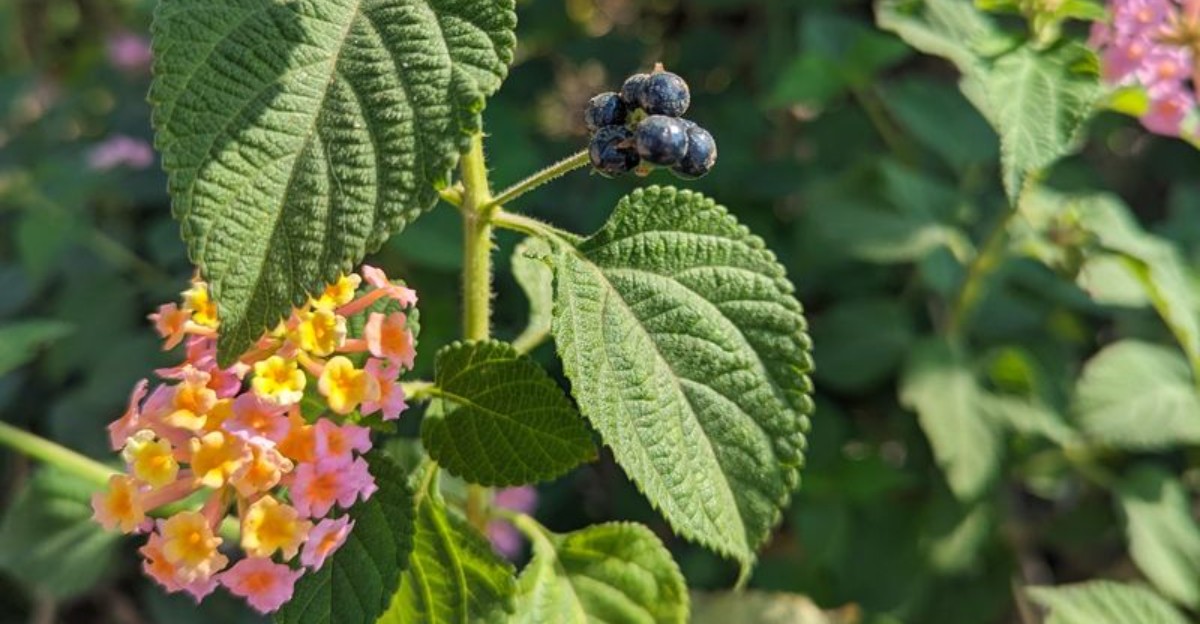
The tiny green beads on one of the South’s favorite butterfly plants carry more toxins before they ripen than after. That backwards detail surprised me the first time I read it.
Most fruit gets riskier as it rots, yet this cluster works the other way. Livestock have suffered liver trouble from grazing the leaves, and vets list the plant as toxic to dogs and cats.
Here in Georgia, the shrub blooms from late spring until frost, so its berries show up right when kids and pets spend the most time outside.
I can’t stroll past a flowerbed now without checking for those glossy little clusters.
You probably have one growing within a block of your house right now. Those green berries deserve a closer look, especially if children or pets spend time around your garden.
1. Those Unripe Lantana Berry Clusters Hold A Surprise
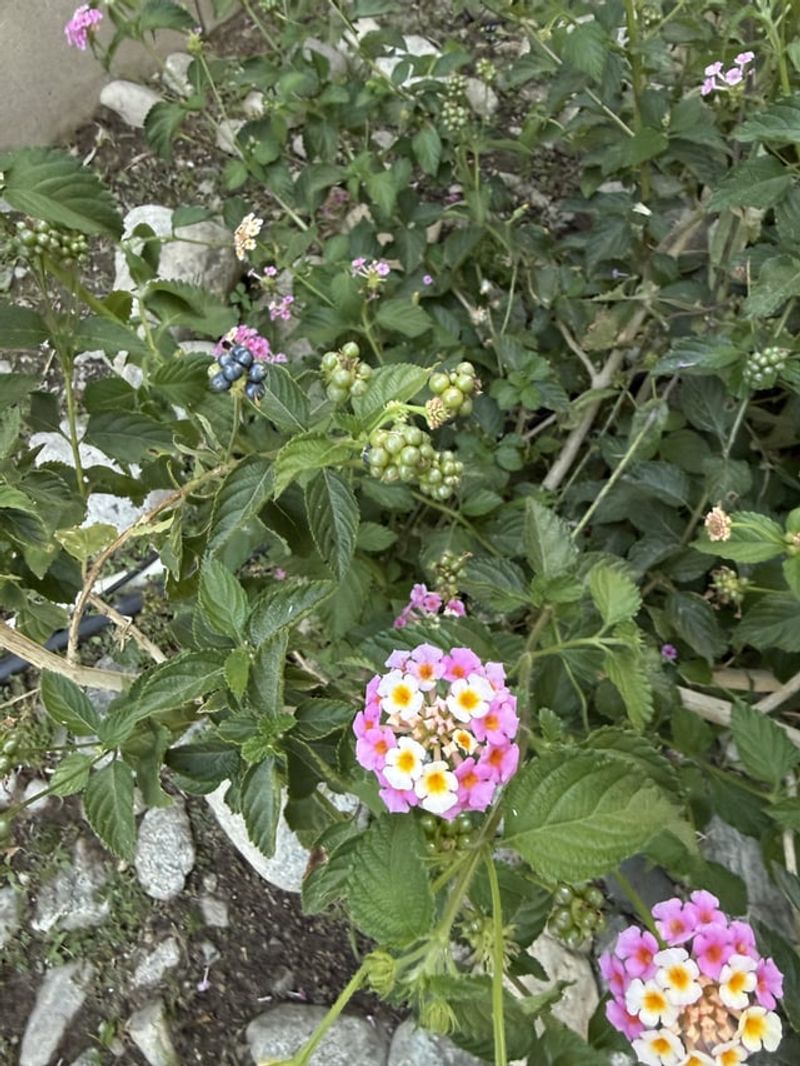
Most of us judge fruit by color, and green usually means “not ready yet.” With lantana, green means something more important. Unripe lantana berries can contain toxic compounds and should not be eaten.
The culprits are compounds called lantadenes, a group of pentacyclic triterpenoids. Scientists have found them in the leaves, stems, and fruit of Lantana camara, the common lantana sold in garden centers.
As the berries ripen to a glossy blue-black, the toxin levels drop, but they don’t vanish.
I find it fascinating that a plant so friendly to butterflies keeps such a strong chemical defense. It makes sense, though.
Unripe seeds aren’t ready to sprout, so the plant protects them until birds can carry mature seeds away.
Here’s a quick way to spot the risky stage. Look just below the flower heads after the blooms fade.
You’ll see a tight, round cluster of green beads, often mixed with a few darker ones as they mature.
In most gardens, those clusters appear from early summer through fall. That timing overlaps with peak backyard play season, which is why this little detail deserves a spot on every gardener’s radar.
2. What Really Happens When Someone Swallows Lantana Berries
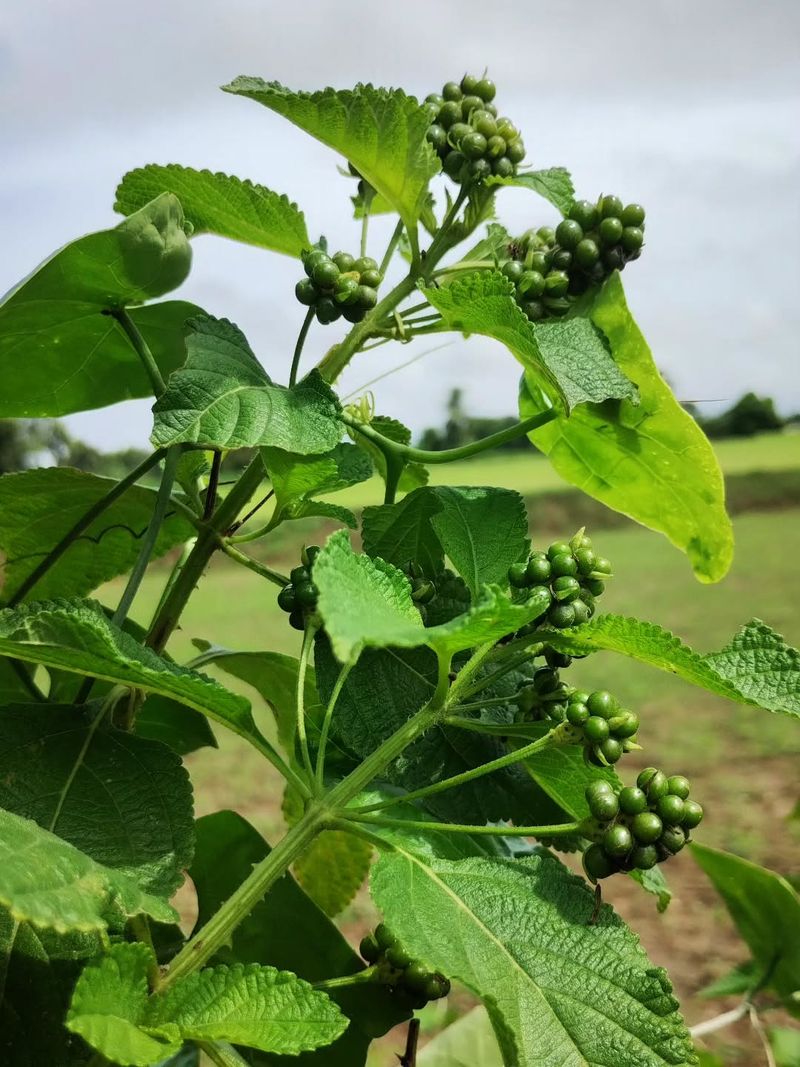
Poison control centers field calls about lantana every summer, and the details are reassuring and sobering at the same time. Most people who swallow a berry or two end up with mild symptoms.
The usual list looks like a rough stomach bug. Nausea, vomiting, belly pain, and diarrhea are the most common complaints.
Some people feel weak or drowsy, and their pupils may look larger than normal.
Larger amounts, especially of green fruit, can cause more serious trouble. Medical reports describe breathing problems, slowed heart rate, and liver strain in rare cases.
Those outcomes are uncommon, but they explain why doctors take every call seriously.
Personally, I keep the national Poison Control number saved in my phone. It’s 1-800-222-1222, it’s free, and it works around the clock.
You don’t need to wait for symptoms before calling.
If someone eats part of the plant, try to note how many berries were swallowed and whether they were green or dark. Snap a quick photo of the shrub too.
That information helps experts give you clear advice fast, and it often saves a stressful trip to the emergency room when the amount turns out to be small.
3. Curious Kids Near Lantana Beds Need A Simple Safety Plan
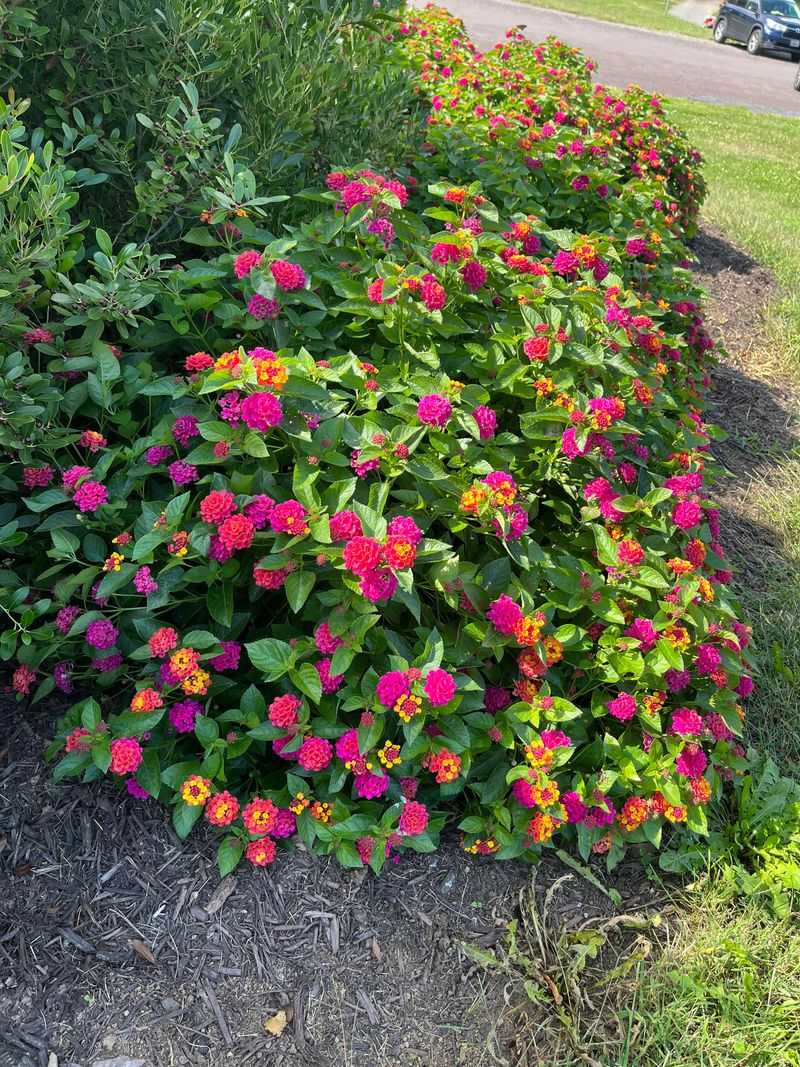
Toddlers explore the world with their mouths, and a shiny berry looks a lot like a blueberry to a three-year-old. That’s the main reason lantana shows up on so many child safety lists.
Children are smaller, so the same handful of berries hits them harder than it would an adult.
Green lantana berries are potentially toxic, so children should never eat them.
You don’t have to rip out every shrub to keep little ones safe. A few easy habits go a long way:
Teach kids a simple rule, like “we only eat berries a grown-up picks.” Kids remember short, clear sayings better than long explanations.
Plant lantana away from play areas, sandboxes, and swing sets. Borders near the street or behind taller plants make them less tempting.
Check daycare yards, playgrounds, and grandparents’ gardens too. Lantana is everywhere in Southern landscaping, from shopping centers to school entrances.
I like turning it into a garden lesson instead of a scary warning. Show your kids the butterflies on the flowers, then point out the berries and explain they’re bird food, not people food.
Curiosity gets redirected, and nobody feels nervous about stepping outside.
4. Dogs, Cats, And Grazing Horses Can Get Sick From Lantana
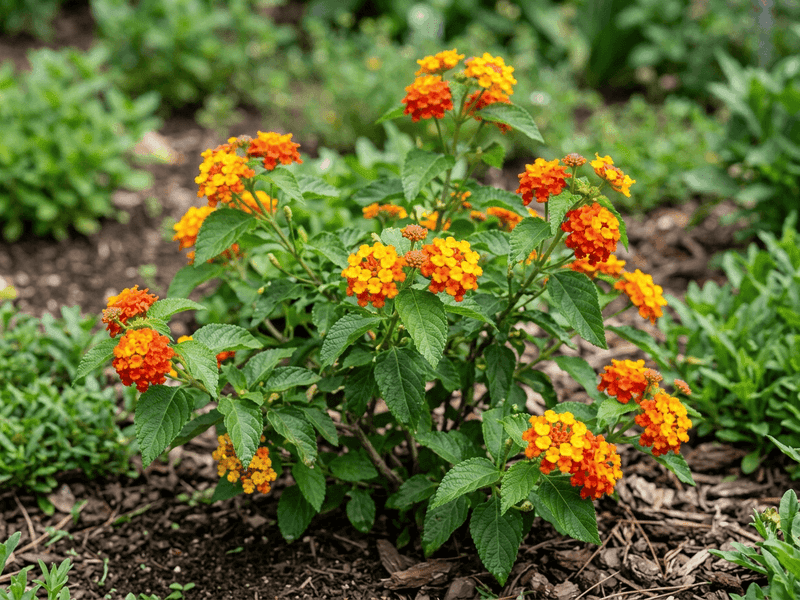
Ask any rancher in Australia about lantana, and you’ll hear stories. Grazing animals there have suffered serious liver damage from eating the leaves, which is how scientists first learned so much about lantadenes.
Closer to home, the ASPCA lists lantana as toxic to dogs, cats, and horses. Pets usually show stomach upset, drooling, vomiting, diarrhea, and weakness.
Large amounts can stress the liver and make some animals sensitive to sunlight.
Most dogs and cats take only a curious nibble, since the leaves smell strong and taste bitter. Puppies and bored dogs are the exception.
They chew first and think later.
Horses, goats, and cattle face the bigger risk because they graze. If you keep livestock, scout pasture edges and fence lines for lantana.
Birds drop seeds in those spots, and seedlings can sneak in without anyone noticing.
If you see your pet chewing on the plant, call your vet or the ASPCA Animal Poison Control Center at 888-426-4435. A fee may apply, but the guidance is worth it.
Bring a photo or a sprig of the plant so the vet knows exactly what you’re dealing with.
5. Ripe Black Lantana Berries Still Aren’t A Backyard Snack
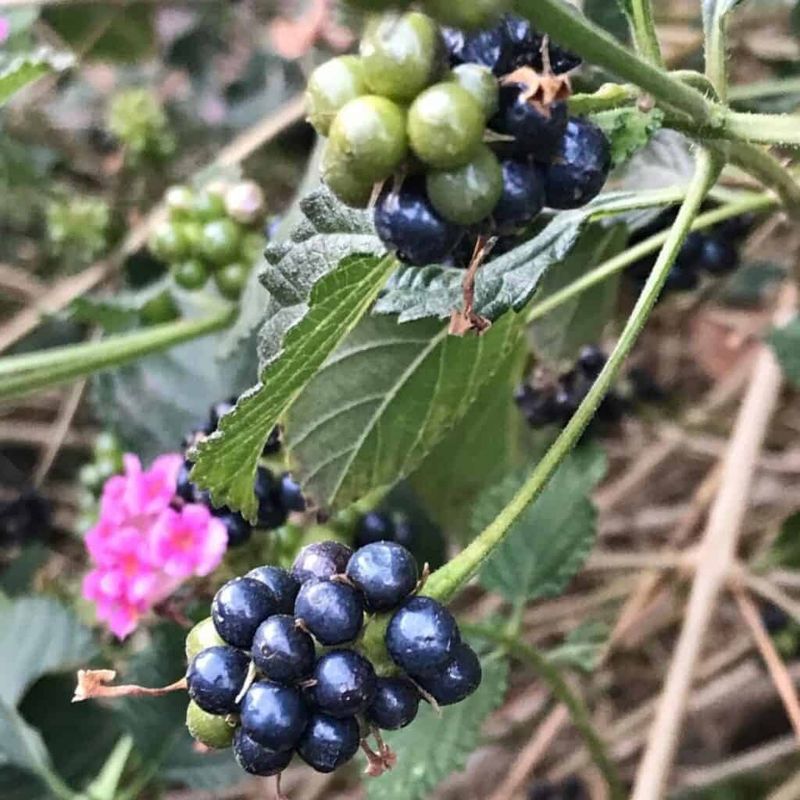
Foragers love to argue about this one. Some old accounts from tropical regions describe people eating fully ripe lantana berries, and you’ll find blog posts claiming they’re sweet.
I get the curiosity, but I’m not tempted. Ripe berries do carry fewer toxins than green ones, yet “fewer” isn’t the same as “safe.” Toxin levels can vary from plant to plant, and garden lantana is often a hybrid mix with unknown chemistry.
There’s another catch. A single cluster usually contains berries at different stages.
Grab a handful in poor light, and you could easily pick up a few green or half-ripe ones by mistake.
Reputable sources, including poison control groups and university extension services, recommend skipping lantana fruit altogether. Plenty of tasty native berries grow in the Southeast, like blueberries, blackberries, and elderberries, if you want something to forage.
Fun fact for your next garden chat: lantana belongs to the verbena family. Its relatives include lemon verbena and some ornamental verbenas, but sharing a family tree doesn’t make it kitchen-friendly.
Treat those dark berries as bird food and enjoy the show when mockingbirds and catbirds come to collect them.
6. Birds Snacking On Lantana Berries Spread The Plant Across Georgia
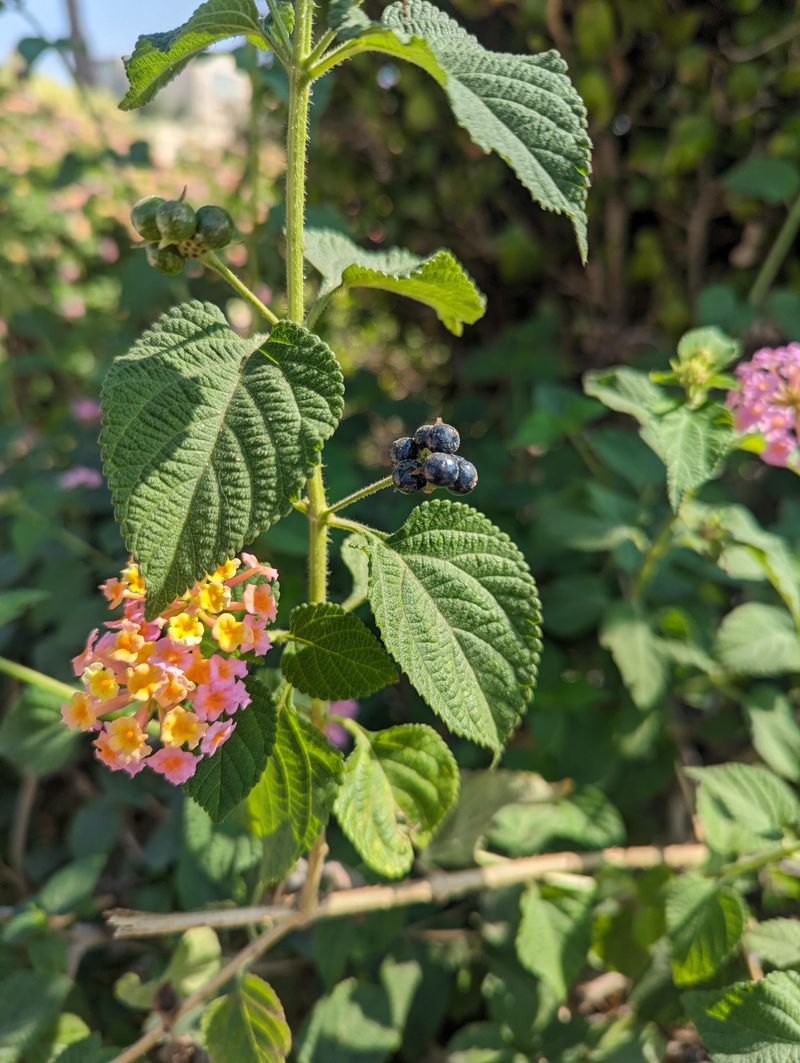
Mockingbirds, catbirds, and cardinals happily gobble up ripe lantana fruit. Birds don’t seem bothered by the toxins, and they pass the seeds wherever they perch next.
That clever system turns a tidy flowerbed into a seed factory. Seedlings pop up along fence lines, under power lines, in pine woods, and at the edges of fields.
In warm coastal and south Georgia, where winters stay mild, plants can spread more aggressively.
Lantana camara appears on invasive plant lists maintained by the Georgia Invasive Species Council. Florida considers it one of its most troublesome invaders, and it’s a major problem in Australia, India, and Africa.
Dense thickets crowd out native plants and can shade out wildflowers that local insects depend on.
Gardeners in north Georgia see less spread, since hard freezes knock plants back each winter. Seeds can still sprout once the soil warms, though.
None of this means you need to panic about one shrub by your mailbox. It does mean you have a chance to help.
Pull volunteer seedlings while they’re small, and avoid planting fruiting types near natural areas, creeks, or wooded lots where birds love to roost.
7. Seedless Lantana Cultivars Give You Blooms Without The Berries
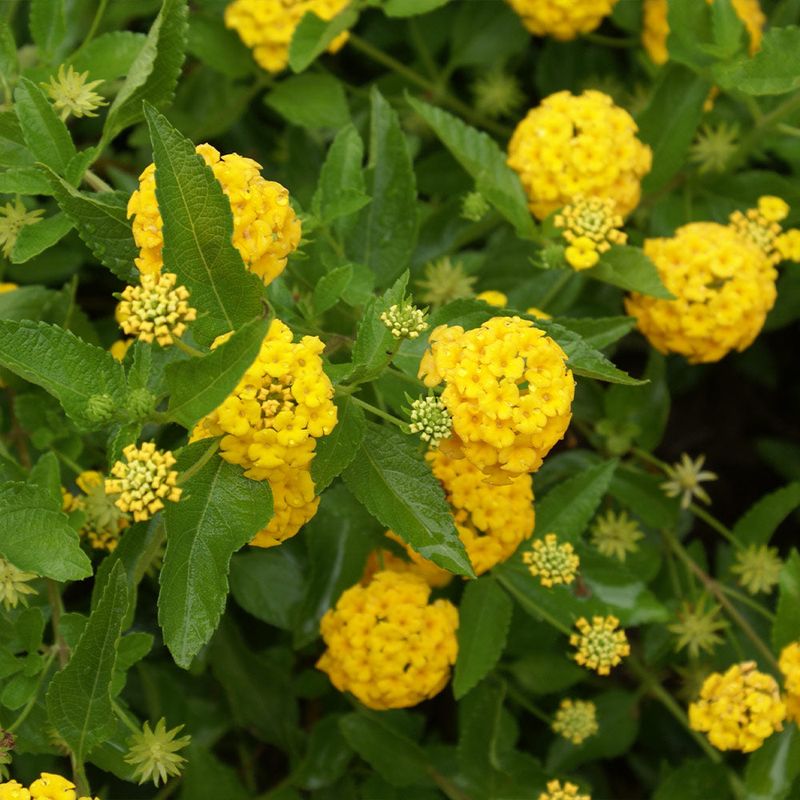
Plant breeders have handed us a real gift. Many newer lantana varieties are sterile or nearly sterile, so they make few berries or none at all.
Researchers at the University of Florida spent years testing lantana cultivars for fertility. Varieties like ‘New Gold’ and several from the Luscious series scored very low for fruit and seed production.
That research guides a lot of nursery choices across the Southeast.
Fewer berries means less risk for kids and pets. It also means fewer seeds for birds to carry into the woods.
As a bonus, sterile plants put more energy into flowers, so they often bloom harder all summer.
When you shop, read plant tags carefully and look for words like “sterile,” “seedless,” or “low fruiting.” Ask the nursery staff if you’re unsure. Popular old favorites like ‘Miss Huff’ are tough and cold-hardy, but they can still set some fruit.
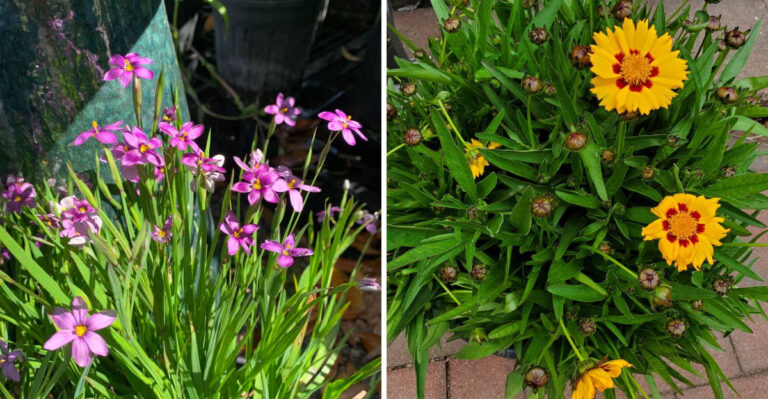
Want to skip lantana altogether? Native options work beautifully for pollinators.
Butterfly weed, purple coneflower, blazing star, and coral honeysuckle all bring in butterflies and hummingbirds. You’ll get plenty of color while supporting the wildlife that call your area home.
8. Snipping Faded Lantana Flower Heads Keeps Your Garden Safer
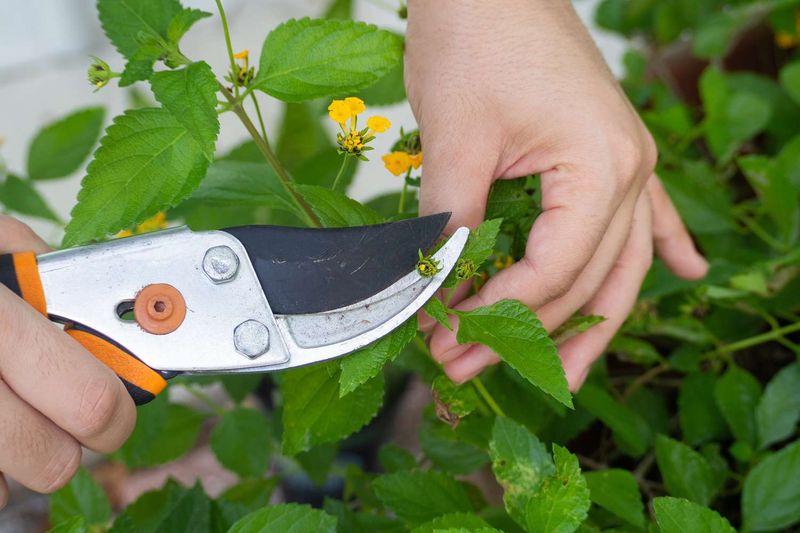
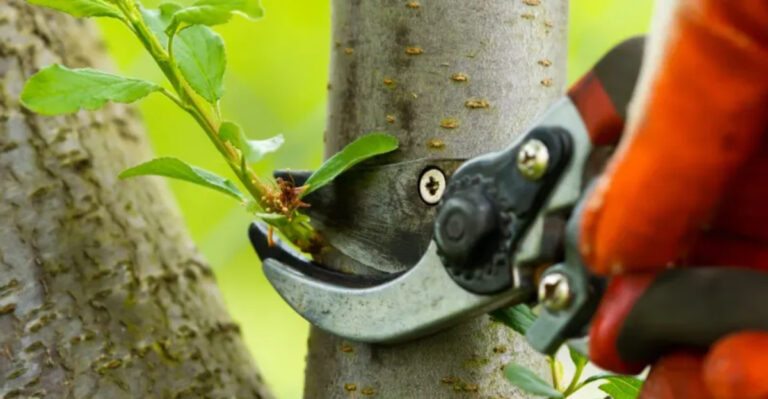
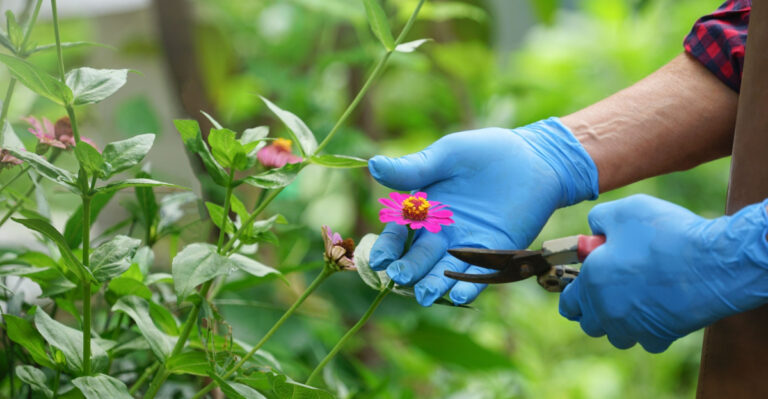
A pair of pruners and ten spare minutes can solve most of your lantana worries. Snipping off faded flower heads before berries form is the simplest way to manage fruiting plants you already own.
Watch for blooms that look brown or papery. Cut just below the spent cluster, and you’ll stop green berries before they start.
Many gardeners notice a fresh flush of flowers a week or two later.
Wear gloves while you work. Lantana leaves feel rough, and the sap can irritate sensitive skin.
Long sleeves help too, especially with older shrubs that have prickly stems.
Bag the clippings and toss them in the trash instead of the compost pile. Seeds in green berries may still mature, and birds could find them.
In north and central Georgia, cut plants back hard in early spring once frost danger passes. Gardeners along the coast can trim lightly through the season.
My takeaway is simple. Lantana can stay in your yard if you choose low-fruiting types, trim the spent blooms, and keep curious kids and pets in mind.
A little attention lets you enjoy the butterflies with real peace of mind.