Georgia Garden Habits That Keep Toads Coming Back All Summer
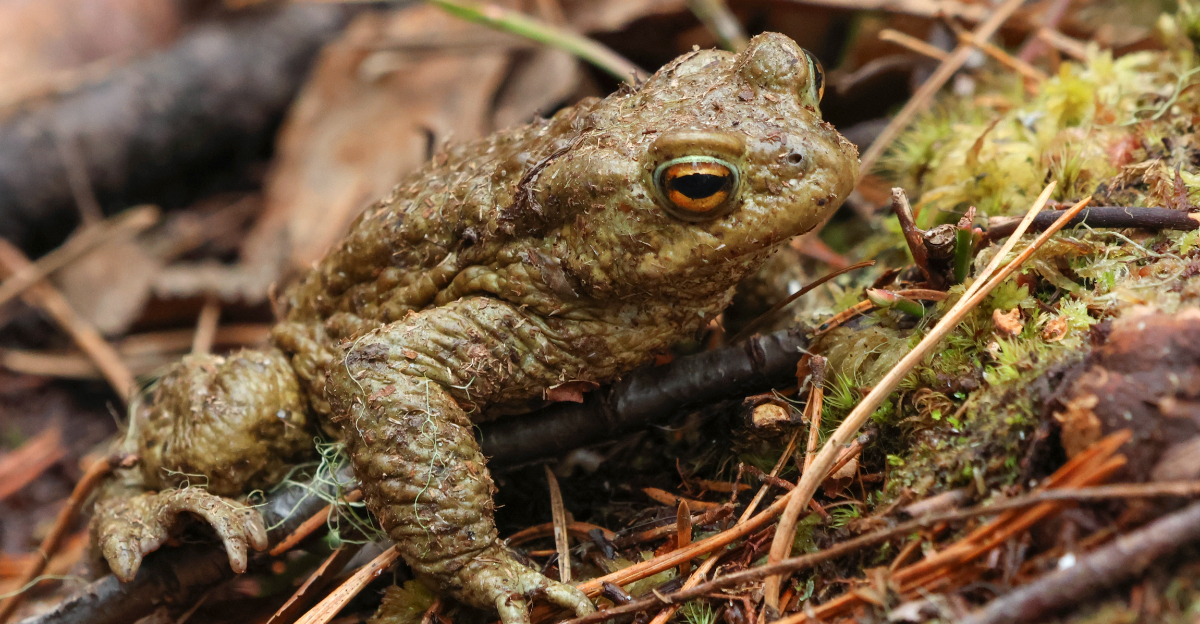
A healthy garden attracts more than colorful flowers and pollinators. Some of the most helpful visitors spend their days quietly tucked beneath plants, coming out when the conditions are just right.
Toads are one of them, and many gardeners are delighted when they become regular guests instead of occasional sightings. Their presence is often a sign that the yard offers exactly what they need.
They do not appear by chance or stay without a reason.
Small details around the landscape can make one yard much more inviting than another, even when the properties sit side by side.
Those differences are easy to overlook because they often seem like ordinary gardening habits.
Many Georgia gardens naturally provide the right conditions for toads to return throughout the summer. A few everyday choices can make your yard a place they are happy to visit again and again.
1. Shallow Water Gives Toads A Safe Place To Drink
Most people forget that toads need water just like any other backyard animal. They do not drink through their mouths.
Instead, they absorb moisture directly through their skin, which means standing in or near shallow water is how they stay hydrated.
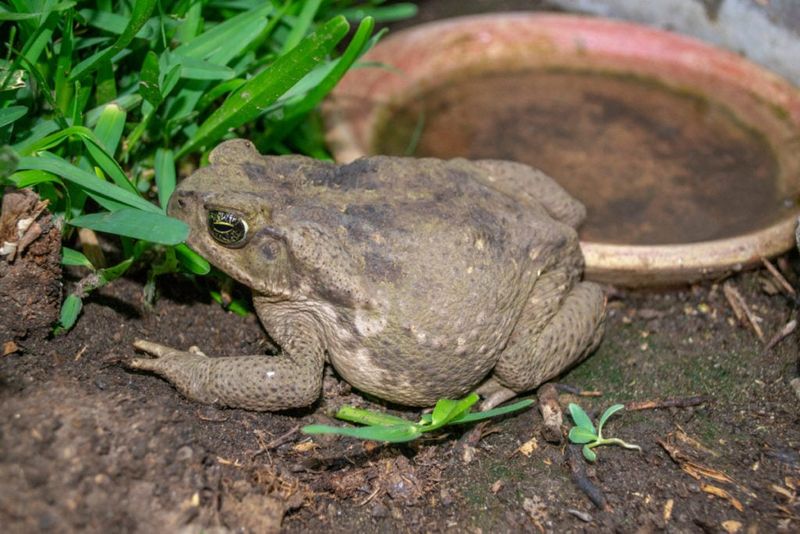
A simple dish, tray, or shallow container works well. Fill it with just an inch or two of water.
Place it in a shaded spot close to the ground so toads can easily step in and out without struggling.
Avoid deep containers. Toads are not strong swimmers and can wear out quickly trying to escape deeper water.
A rough stone or small stick placed inside gives them something to grip if needed.
Change the water every couple of days to keep it fresh. Standing water that sits too long can grow algae or attract mosquito larvae, which you want to avoid during warm Georgia summers.
Position your water dish near plants or ground cover so toads feel protected while they drink. Open, exposed areas make them nervous.
Tucking the dish beside a shrub or low plant gives them the sense of shelter they naturally seek.
Even one reliable water source can make your yard noticeably more attractive to toads. Once they find it, they tend to return to the same spot regularly throughout the season.
2. Leaf Litter Creates Cool Places To Hide
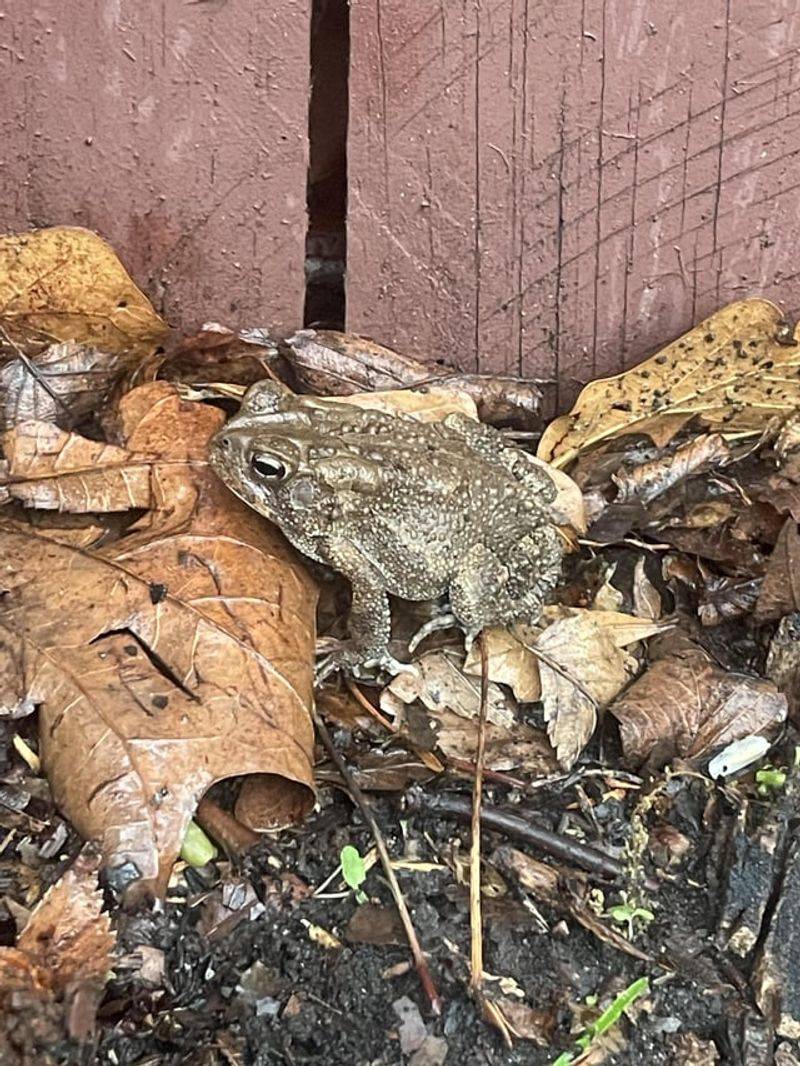
Raking every leaf out of your yard might feel tidy, but toads see it very differently. Leaf litter is prime real estate for them.
It holds moisture, stays cool even on hot days, and gives toads a soft, natural place to rest and hide.
Piles of leaves tucked along fence lines, under shrubs, or around tree bases are ideal spots. Toads burrow just under the surface to stay cool and hidden from predators during the day.
At night, they emerge to hunt.
You do not need huge piles. Even a modest layer of leaves a few inches deep along a garden border can attract toads.
The key is leaving some areas undisturbed so the litter stays intact and usable.
Wet leaves hold moisture longer, which is especially helpful during dry stretches in summer. Shaded spots under trees or along the north side of a structure tend to keep leaf litter damp longer than open areas.
Your Georgia Garden Changes Every Week. Your Plan Should Too.
Gardening in Georgia changes quickly throughout the season. Every Friday you’ll receive a simple weekly plan showing exactly what to plant, prune, fertilize, harvest, and protect so you never miss the right timing.
Mixing leaf litter with garden soil edges creates a natural transition zone toads prefer. It mimics the forest floor environment they evolved in, so it feels familiar and safe to them.
Leaving leaves in place also feeds soil organisms that toads eat. Earthworms, beetles, and pill bugs all thrive in decomposing leaf litter.
More food means more reason for toads to stay put all summer long.
3. Native Plants Provide Better Shelter
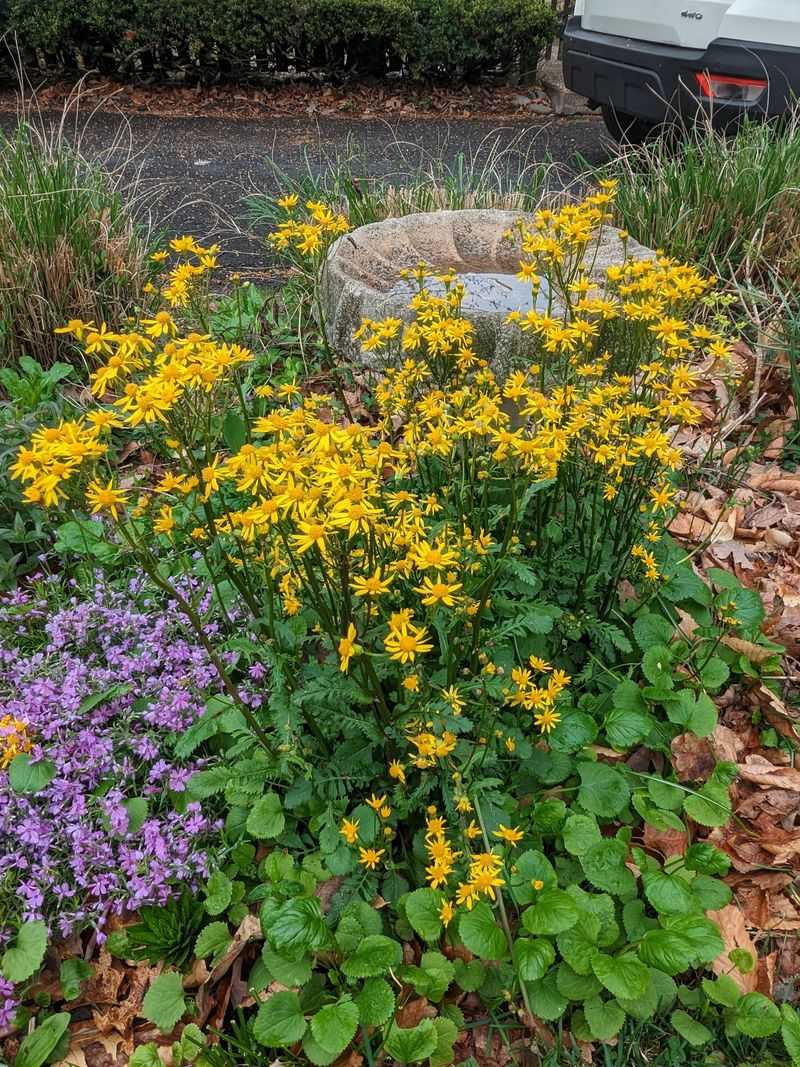
Non-native plants often grow in ways that leave gaps at ground level. Native plants tend to grow denser near the soil, forming a natural canopy that toads can move through and hide under with ease.
Plants like wild ginger, native ferns, and beautyberry create low-growing layers that stay cool and shaded. Toads love these spots because the temperature under dense native plantings can be several degrees cooler than open ground nearby.
Native plants also attract the right insects. Toads eat beetles, moths, and flies, many of which depend on native vegetation for their own survival.
A garden full of native plants essentially becomes a well-stocked buffet for toads every evening.
Root systems of native plants also create small tunnels and gaps in the soil. Toads use these naturally formed spaces to shelter during the hottest parts of the day.
You do not need to do anything extra; the plants do the work themselves.
Spacing matters too. Planting natives closer together creates a denser ground-level environment.
Sparse planting leaves too much exposed soil, which heats up fast and offers little protection.
Starting with even a small native plant bed along a shaded garden edge can noticeably change toad activity in your yard.
4. Mulch Helps Retain Moisture Around Toads
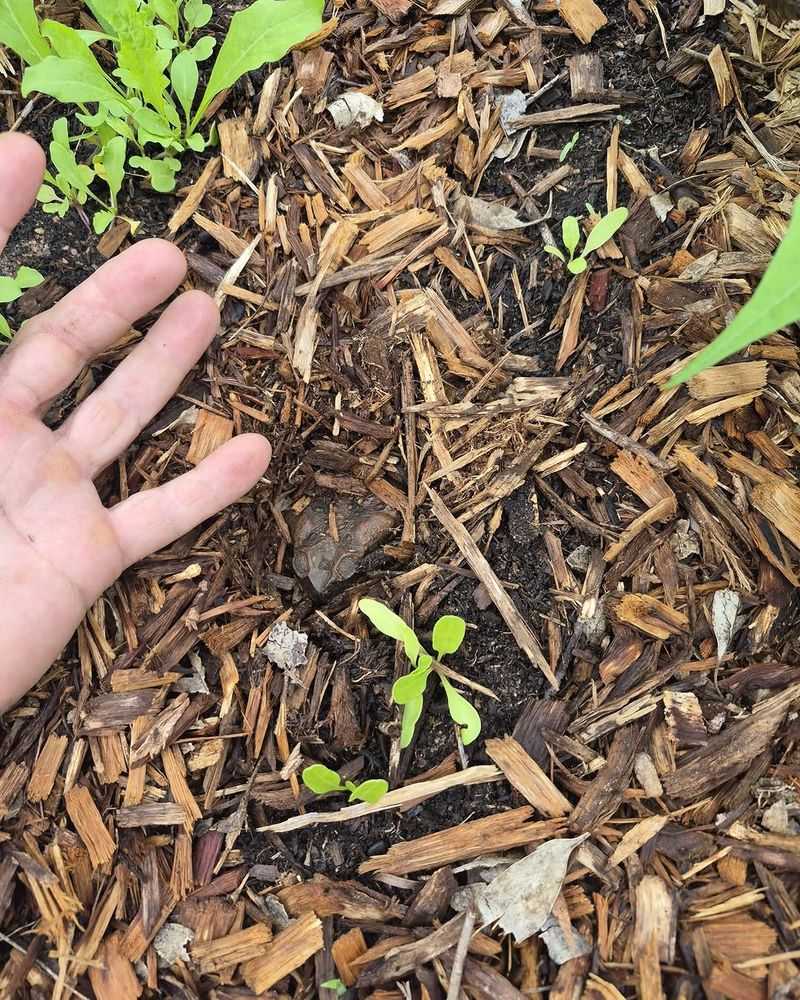
Bare soil dries out fast in summer heat. Mulch changes that completely.
A few inches of organic mulch spread around your garden beds holds moisture in the soil far longer than exposed ground ever could.
Toads spend a lot of time at ground level, and dry, cracked soil is uncomfortable and dehydrating for them. Moist soil under mulch stays soft enough for toads to burrow slightly, rest, and rehydrate through their skin without needing to travel far.
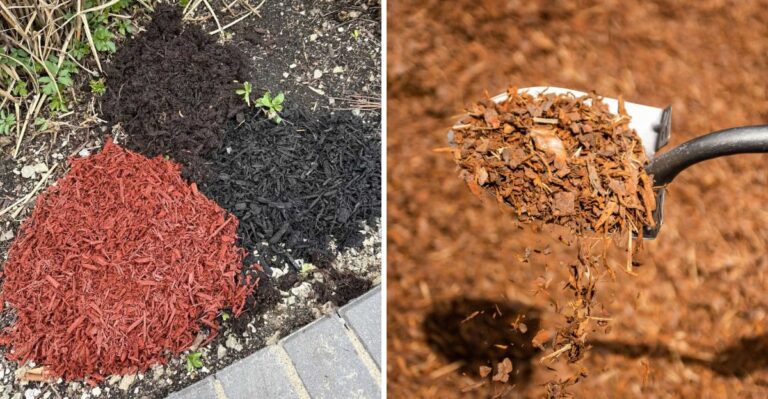
Wood chips, shredded leaves, and straw all work well. Avoid dyed or treated mulch products.
Chemical additives in some commercial mulches may irritate a toad’s sensitive skin over time, so natural options are always the safer choice.
Apply mulch two to three inches deep around plant bases and along garden borders. Thicker applications stay moist longer but can become compacted.
Fluffing mulch occasionally keeps it loose enough for toads to move through comfortably.
Shaded garden areas benefit most from mulch because they already retain more moisture than sunny spots. Combining shade with a good mulch layer creates consistently cool, damp microclimates that toads will return to reliably.
Mulch also encourages earthworms and soil insects to stay active near the surface, giving toads easy access to food.
5. Limit Pesticide Use To Protect Their Food Supply
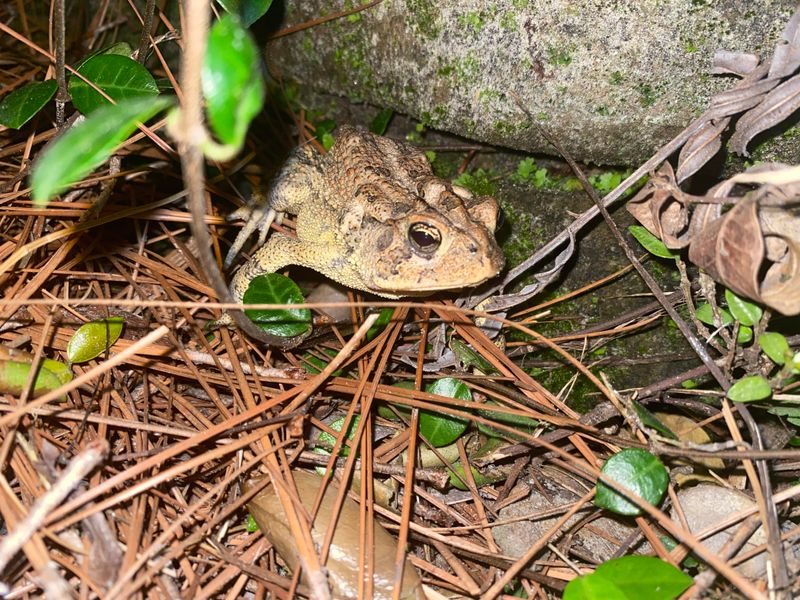
Pesticides wipe out more than just the insects you are targeting. Broad-spectrum sprays reduce the overall insect population in your yard, which directly cuts into a toad’s food supply.
Fewer insects mean fewer reasons for toads to stay.
Toads eat live prey. They need a steady stream of moving insects and invertebrates every night to meet their energy needs.
A yard regularly treated with pesticides becomes a food desert for them, even if the habitat looks perfect otherwise.
Systemic pesticides are especially problematic. They move through plant tissue and can affect insects that feed on treated plants, including many harmless species that toads rely on.
Residues can also linger in soil and water sources.
Spot treatment is a smarter approach when pest pressure is high. Treating only the affected plant or area limits the impact on the broader insect community.
Hand-picking larger pests is another option that avoids chemicals entirely.
Encouraging natural predators also reduces the need for pesticides over time. Toads themselves handle a surprising number of garden pests, so supporting their presence actually helps reduce pest pressure without any spraying at all.
Organic options like neem oil or insecticidal soap break down faster and tend to have less lasting impact on non-target insects.
6. Log Piles Offer Safe Daytime Cover
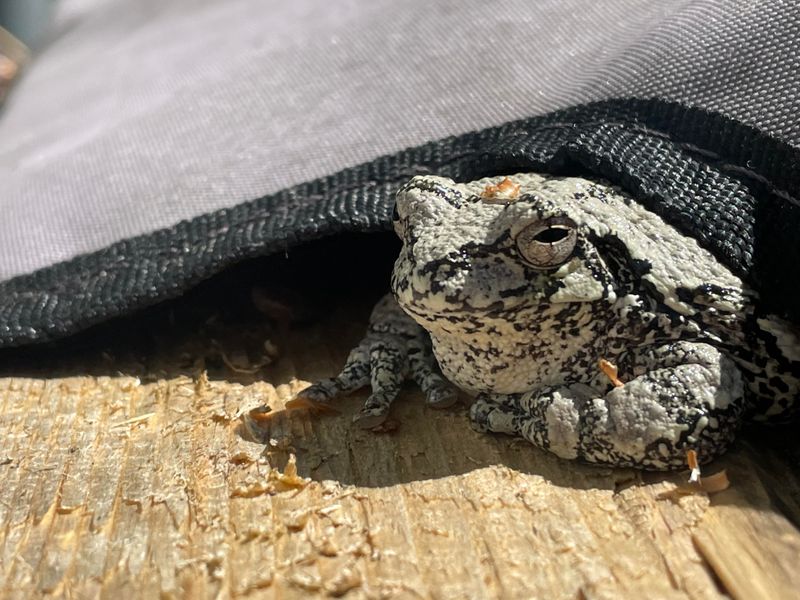
A stack of old logs in a shady corner might look messy, but to a toad it looks like a luxury retreat. Log piles create exactly the kind of dark, cool, humid environment toads seek out during hot summer days.
Gaps between logs trap moisture and stay significantly cooler than surrounding soil. Toads tuck into these spaces to wait out the heat.
When evening temperatures drop, they emerge and begin hunting nearby.
You do not need large logs to make this work. Even a small pile of branches, bark pieces, or garden timber stacked loosely in a shaded spot creates useful cover.
Loose stacking is better than tight stacking because it creates more air gaps and entry points.
As logs age and begin to break down, they attract beetles, millipedes, and other invertebrates. Decomposing wood becomes a food source on its own, drawing in exactly the prey toads prefer to hunt after dark.
Placement matters. Logs sitting in full sun dry out quickly and offer little benefit.
A shaded spot along a fence, near a large shrub, or under a tree canopy keeps the pile cool and moist much longer.
Log piles also benefit other wildlife like lizards, skinks, and ground-nesting bees.
7. Keep Parts Of The Yard Undisturbed
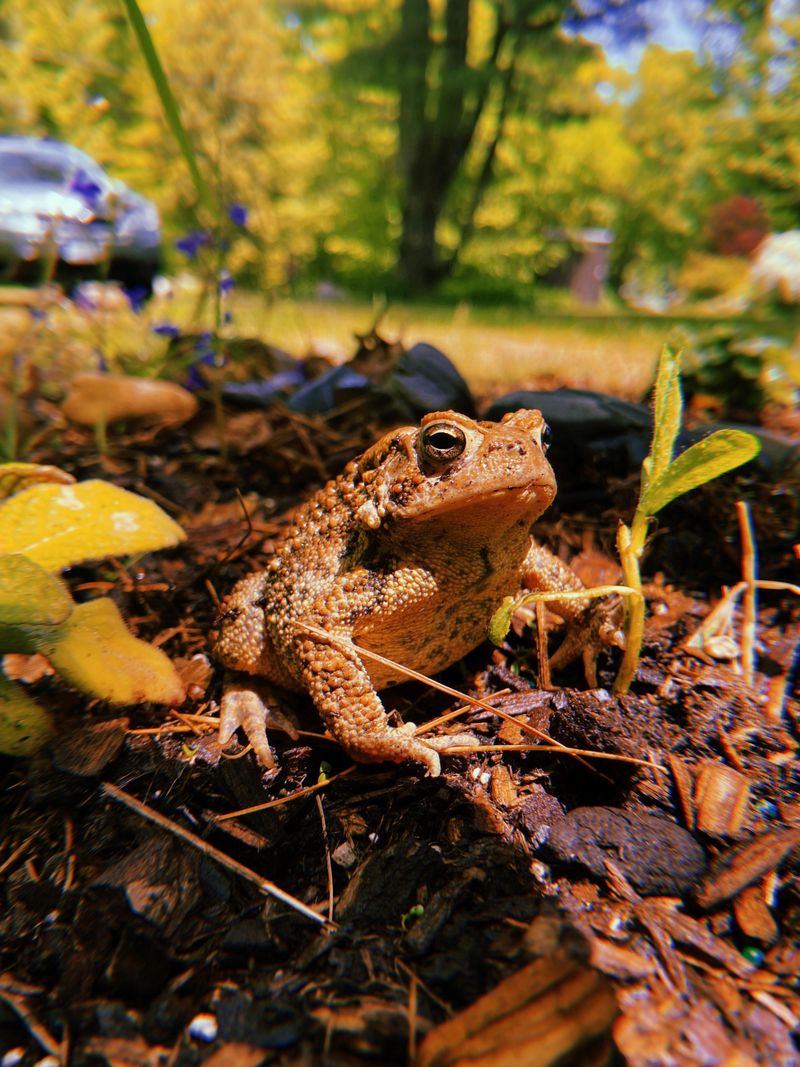
Constant yard maintenance sends toads packing. Mowing, raking, digging, and blowing leaves every few days removes the cover and structure toads depend on.
Leaving at least one area of your yard mostly alone makes a real difference.
Toads are creatures of habit. They return to the same spots repeatedly if those spots remain stable and undisturbed.
A quiet corner that stays consistent through the season becomes a reliable home base for them.
Pick a low-traffic area, like a back fence line, a corner behind a shed, or a shaded garden edge. Let leaves accumulate naturally there.
Allow ground cover plants to spread without cutting them back. Resist the urge to tidy everything up.
Undisturbed soil also allows toads to burrow slightly when temperatures spike. Hard, compacted soil from regular foot traffic or frequent digging makes burrowing difficult.
Soft, loose, undisturbed ground is much more hospitable.
Even a small patch, just a few square feet, can serve as a toad refuge if maintained consistently. You are not creating a wild, overgrown mess.
You are simply leaving one corner alone so wildlife can use it.
Over a full summer, toads that find a reliable undisturbed zone tend to stay within a small territory centered around that spot.