7 Groundhog-Proof Plants For Pennsylvania Gardens
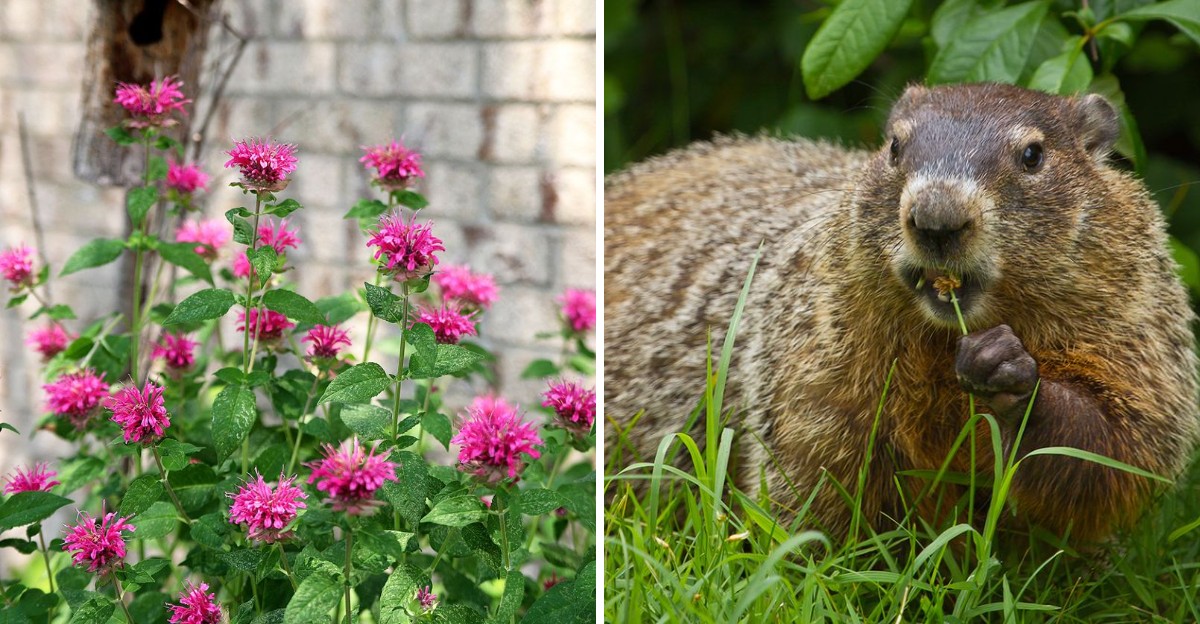
A single burrowing visitor can munch through more than a pound of tender greens in one summer day. That chunky Pennsylvania celebrity from Punxsutawney has thousands of hungry, chubby cousins digging under sheds across our neighborhoods.
Believe it or not, these sturdy diggers are excellent climbers and swimmers when a tasty garden waits nearby. Fences help, but many of them will tunnel right underneath unless the wire is buried deep enough.
I have to admit, I once lost a whole row of beans in a single sunny afternoon. Nobody warned me that smart plant choices could ease my frustration more than any fancy spray from the store.
Certain flowers carry bitter flavors and strong scents that send these hungry nibblers waddling elsewhere for lunch. Which seven beauties earned a spot in my Pennsylvania beds, and could they work in yours too?
1. Daffodils
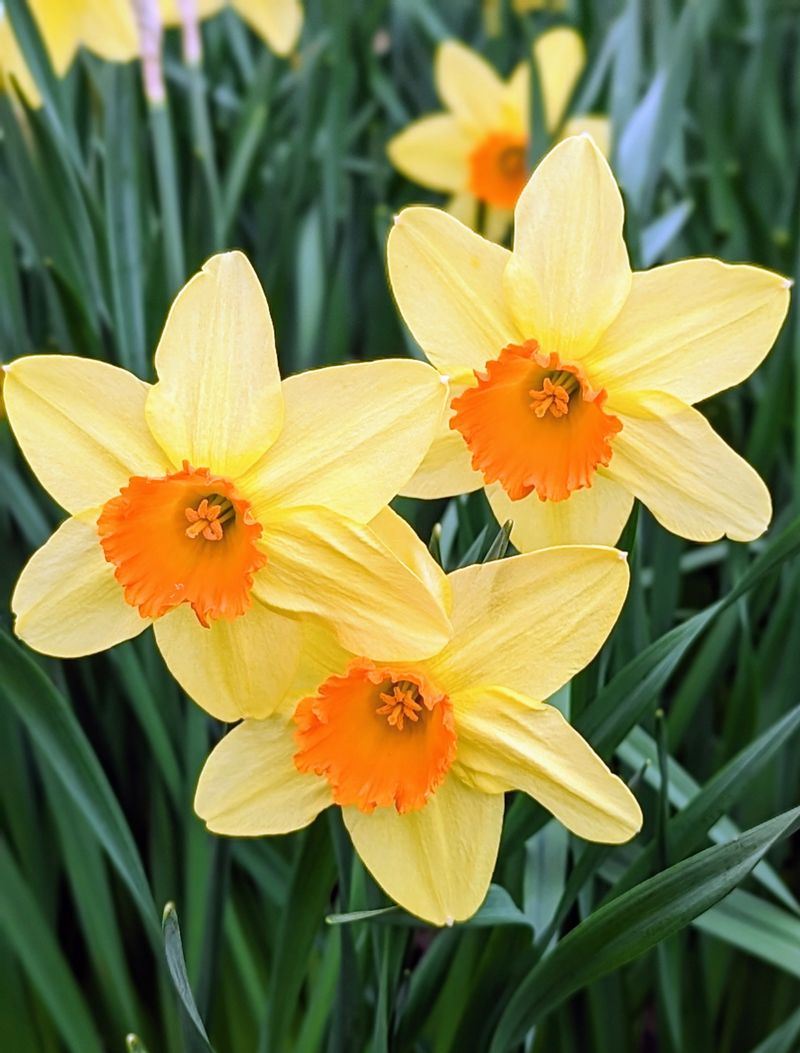
Every part of a daffodil plant holds lycorine, a bitter compound that makes hungry critters turn up their noses. I love how these golden trumpets bloom untouched in early spring while nearby tulips vanish overnight.
Groundhogs and deer rarely bother Narcissus, which explains why old farmhouse yards still bloom with them each April. Some of those clumps were planted generations ago and keep spreading with almost no help from anyone.
Daffodils grow well in USDA zones 3 through 8, which covers every corner of Pennsylvania with room to spare. Plant the bulbs in fall, about six inches deep, once the soil cools but before it freezes solid.
Pick a spot with full sun or light shade and soil that drains well after heavy rain. Soggy ground can rot bulbs, so raised beds or gentle slopes make smart homes for these spring favorites.
After blooming ends, leave the leaves alone until they turn yellow and flop over on their own. Those floppy leaves feed the bulb for next year, so cutting them early often means fewer flowers later.
A fun twist for veggie growers involves planting a ring of daffodils around beds to help discourage spring snacking. It works best as one layer of defense, since a determined woodchuck may simply walk past the flowers.
Keep bulbs away from curious pets and kids, because the same toxins that protect them can upset stomachs. Daffodils are not considered invasive here, so you can let them naturalize without guilt or worry.
2. Catmint
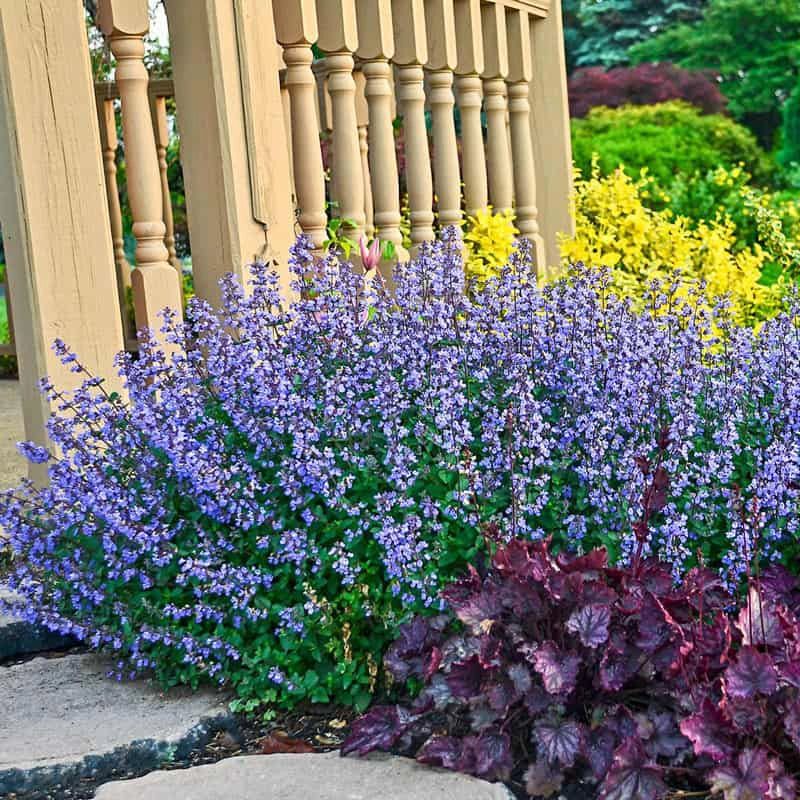
Cats roll in it with silly joy, yet groundhogs tend to sniff the fuzzy gray leaves and move along. Personally, I adore the soft lavender-blue haze it creates along a sunny path in early summer.
Catmint, often sold as Nepeta x faassenii, has a minty scent that most browsing animals find unappealing. Its slightly hairy leaves add a texture that hungry mouths usually skip in favor of tender lettuce.
Hardy in USDA zones 3 through 8, this tough perennial shrugs off cold winters across the region. Give it full sun and average soil, since rich, soggy ground makes the stems sprawl and flop.
Once roots settle in, catmint handles dry summer spells far better than many thirsty garden favorites. Water deeply during the first season, then let rainfall do most of the work in later years.
The most satisfying trick involves shearing plants back by about half after the first big flush fades. Within a few weeks, fresh foliage returns and a second round of blooms often appears into fall.
Bees practically line up at these flowers, which makes catmint a lovely partner for vegetable patches. I plant it along the edge of my tomato bed, where pollinators visit and nibblers seem less curious.
Many popular faassenii hybrids set little viable seed, so they rarely pop up in unwanted spots around the yard. Just avoid planting true catnip nearby if you prefer tidy beds, because it reseeds with real enthusiasm.
3. Lavender
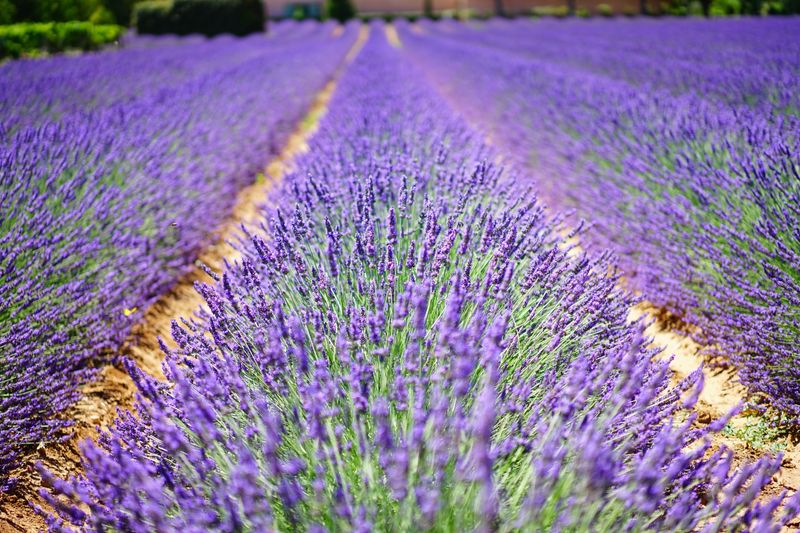
Brush your hand across a lavender plant and the scent clings to your fingers for a long while afterward. Those same fragrant oils seem to keep groundhogs from treating the silvery stems like a salad bar.
English lavender, Lavandula angustifolia, ranks as the most cold-tolerant type for gardens in USDA zones 5 through 8. Varieties like Munstead and Hidcote handle Pennsylvania winters better than the showier Spanish and French types.
Winter cold rarely causes the trouble, though, because wet roots are what usually send lavender into decline. Heavy clay soil holds water for many days, so mix in gravel or plant on a raised mound.
Full sun matters too, with at least six hours of direct light each day for strong blooms. Skip the rich compost and heavy fertilizer, since lean soil often makes the fragrance even more intense.
Plants usually reach one to three feet tall, forming tidy mounds that look charming along a walkway. Flowers open in early summer, and snipping the spent spikes can coax out a smaller second show.
I believe spring is the best moment for pruning, once new green growth appears near the base. Avoid cutting into old bare wood, because those older stems often struggle to sprout fresh leaves again.
Lavender is not native here, but it does not spread aggressively and is not listed as invasive. Bumblebees adore it, and you get fragrant bundles for drying while hungry visitors look for easier meals.
4. Ornamental Allium
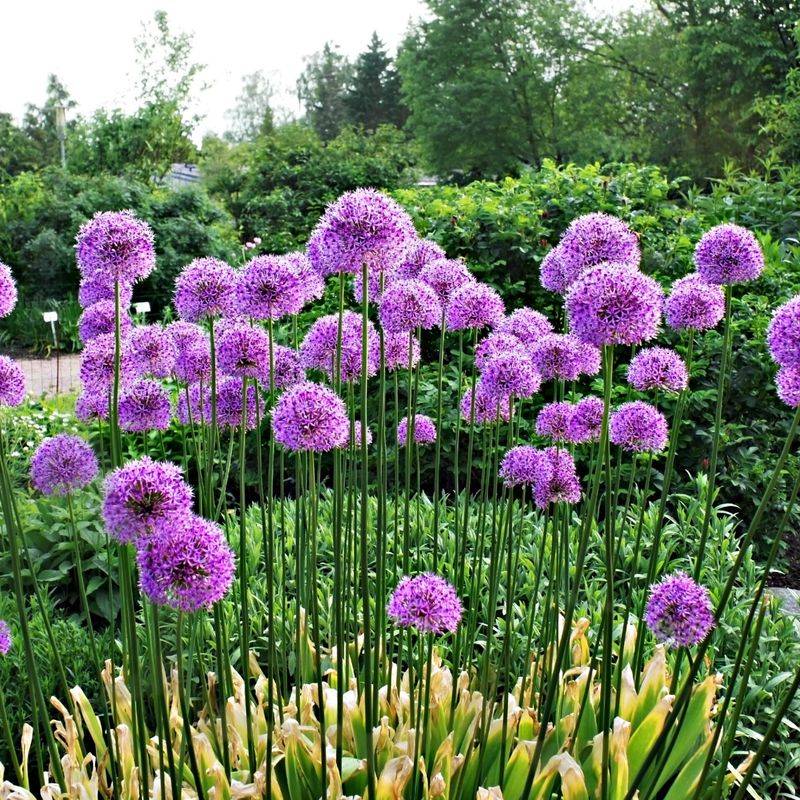
Purple globes bigger than softballs float above the garden on Allium Globemaster, and they look almost cartoonish. What surprises me most is how often groundhogs ignore them, thanks to that unmistakable onion smell in every leaf.
Ornamental alliums are cousins of garlic and chives, so the sulfur compounds that flavor dinner also discourage munching. Deer and rabbits usually pass them by too, which makes them a handy choice for rural yards.
Most popular types grow well in USDA zones 4 through 8, a comfortable match for our local winters. Plant bulbs in fall, roughly three times as deep as the bulb is tall, pointy end up.
Sunny spots with sharp drainage keep the bulbs happy, while soggy clay can lead to rot over winter. Blooms arrive from late spring into early summer, filling that awkward gap after tulips fade away.
Their leaves often turn yellow and tired just as the flowers open, which surprises plenty of new growers. Tuck them behind bushy perennials like catmint so the fading foliage stays hidden while the globes shine.
Growers here should know the allium leafminer, an invasive fly first found in North America in Pennsylvania. It mainly targets edible onions and leeks, though some ornamental types can host it as well.
Leave the dried flower heads standing after bloom, because they look like quirky sculptures well into autumn. Bees and butterflies flock to the fresh blossoms, giving you extra pollinator traffic near your veggie rows.
5. Yarrow
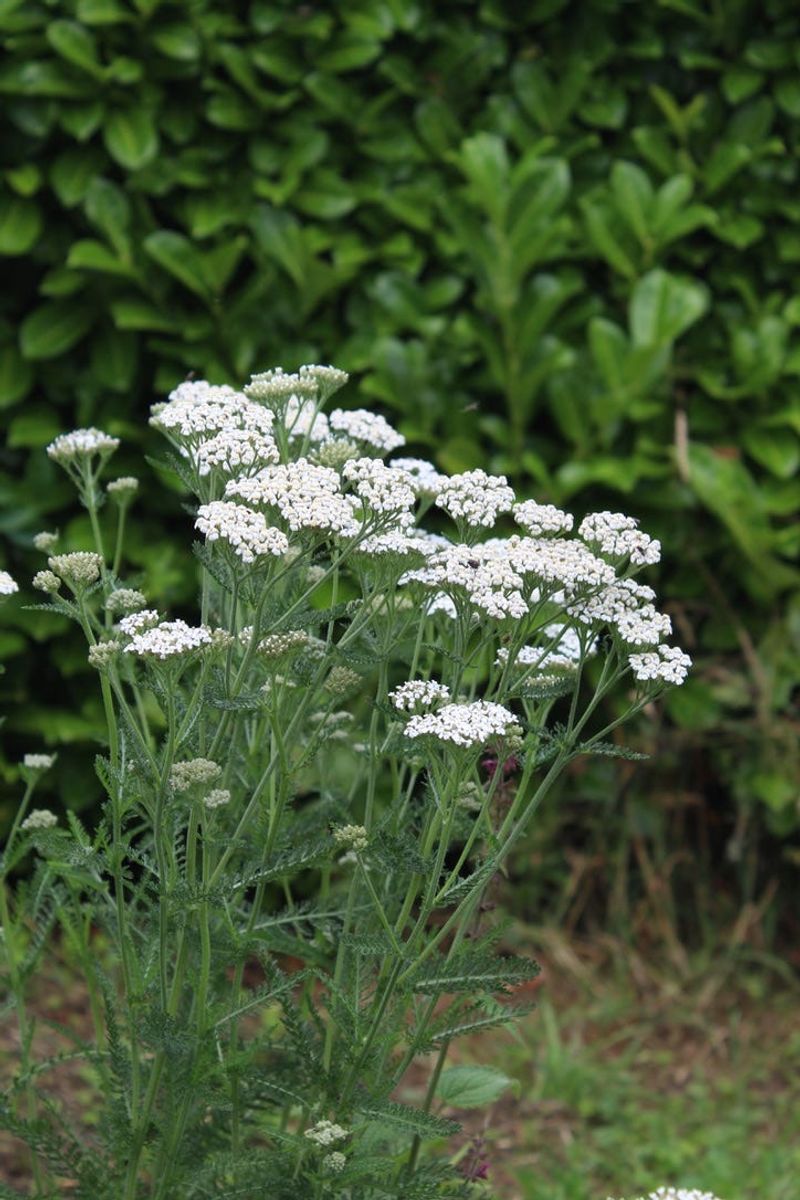
Crush a feathery yarrow leaf and you’ll catch a sharp, spicy aroma that hungry critters seem to dislike. The bitter taste matches the smell, so groundhogs usually wander toward softer, sweeter plants nearby instead.
Its scientific name, Achillea millefolium, refers to a figure from Greek legend and its thousand tiny leaflets. Those finely cut leaves really do look like soft green feathers swaying above the soil in summer.
Yarrow grows across USDA zones 3 through 9, so cold mountain towns and warm southern valleys both suit it. Give it full sun and lean, well-drained soil, because rich ground makes the stems tall and floppy.
I used to walk right past yarrow in roadside ditches, until I noticed how well it handled drought. Once established, it rarely needs extra water, which makes it perfect for hot, dry corners near driveways.
Flat flower clusters appear from early summer into late season in white, pink, yellow, or deep red. Snipping faded heads keeps fresh blooms coming and also limits seeds from scattering around the yard.
Yarrow does spread by underground stems, so give it room or divide clumps every few years in spring. It is not on the state’s noxious weed list, and many native plant lovers welcome it.
Ladybugs and small native bees visit the tiny flowers, adding helpful insects to your vegetable patch. You’ll wonder why you didn’t try this tough little wildflower sooner along your sunny borders and fence lines.
6. Bee Balm
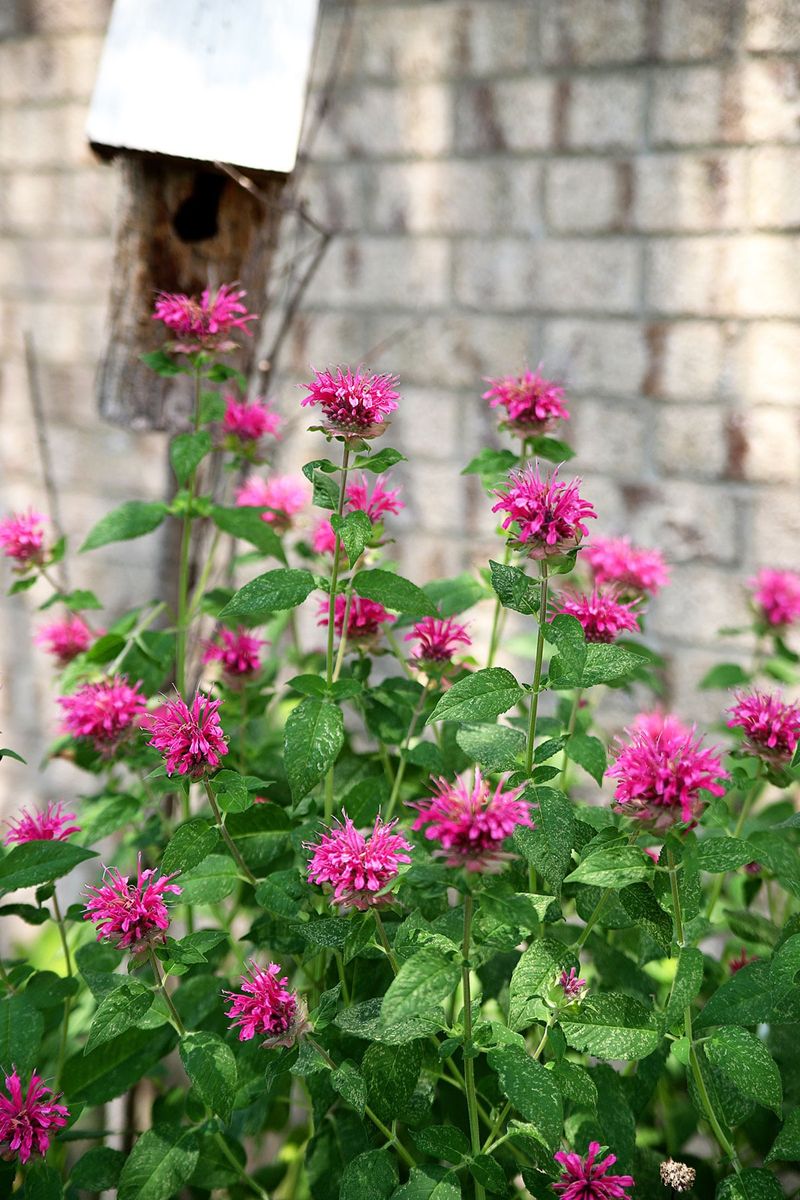
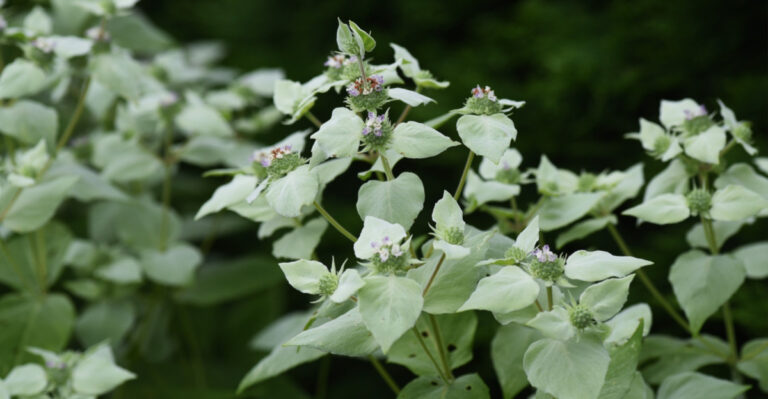
Bee balm leaves smell like a mix of mint and oregano, and one sniff explains why many nibblers skip it. Hummingbirds feel the opposite, zipping straight toward those shaggy red blossoms on warm bright July mornings.
Monarda is a Pennsylvania native, and wild bergamot, Monarda fistulosa, grows naturally in meadows and woodland edges. Scarlet bee balm, Monarda didyma, also grows wild here and brings those famous ruby flowers to gardens.
Both types handle USDA zones 4 through 9, making them reliable choices from Erie down to Philadelphia. Plant them in full sun to light shade, in soil that stays evenly moist but not soggy.
Powdery mildew loves crowded bee balm, coating the leaves in a dusty white film by late summer. Space plants generously for airflow and look for resistant varieties like Jacob Cline or Marshall’s Delight.
Like other mint relatives, bee balm spreads through creeping roots and can fill a bed fairly quickly. Dividing clumps every two or three years keeps it tidy and gives you free plants to share.
Blooms appear from early to late summer, and snipping faded flowers can extend the show for weeks. Personally, I leave some seed heads standing in fall because goldfinches enjoy picking through them on chilly mornings.
Young groundhogs might sample a leaf out of curiosity, but the strong flavor usually ends the experiment fast. Planting it beside vegetables adds a fragrant buffer while pulling in bees for better squash and cucumbers.
7. Russian Sage
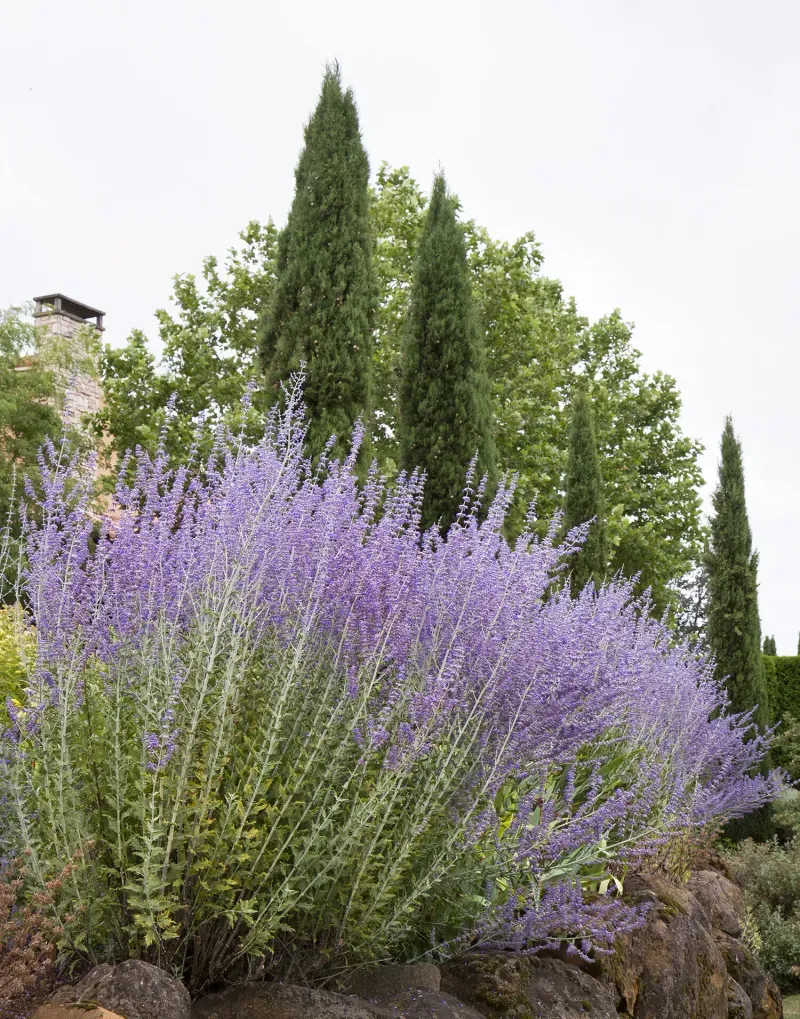
Silvery stems and a cloud of blue flowers make Russian sage look like garden smoke drifting on a breeze. Rub a leaf and the sharp, sagey smell explains why groundhogs often leave this beauty standing tall.
Botanists recently moved it from Perovskia atriplicifolia to Salvia yangii, so you may spot both names on tags. Despite the common name, it hails from Central Asia and is not the sage you cook with.
Russian sage thrives in USDA zones 4 through 9 and actually prefers hot, dry spots where other plants sulk. Full sun and fast-draining soil are musts, because shade and wet clay make the stems lean badly.
Mature plants reach three to four feet tall and about as wide, so leave plenty of elbow room. Flowers open in midsummer and often keep going well into early fall with very little fuss.
Pruning feels scary at first, but this plant wants a hard cut in early spring each year. Trim stems to about six to twelve inches once fresh buds appear low on the woody base.
Leave the silvery stalks up through winter, since they add texture and help protect the crown from cold. I love how frost settles on those pale stems, turning a sleepy bed into something magical.
Russian sage can spread slowly by roots, yet it is not listed as invasive in Pennsylvania. Pair it with yarrow and catmint for a drought-tough border that bees love and groundhogs mostly ignore.