Grow These Pennsylvania Natives Instead Of Hostas Under Mature Trees
The space under a mature tree is one of the trickiest spots in any Pennsylvania yard. The roots take up most of the water, the canopy blocks a good chunk of the light, and the soil tends to be dry and compacted in ways that make most plants struggle from the start.
Hostas have become the standard answer for this problem, and while they manage well enough in some spots, they are far from the best option Pennsylvania gardeners have available.
Native plants that evolved in exactly these woodland conditions bring something hostas never can.
They work with the tree instead of competing with it, support local insects and wildlife, and tend to look far more natural under a mature canopy than anything imported ever will.
If you have been defaulting to hostas under your trees out of habit, there are some genuinely better choices worth knowing about.
1. Wild Ginger
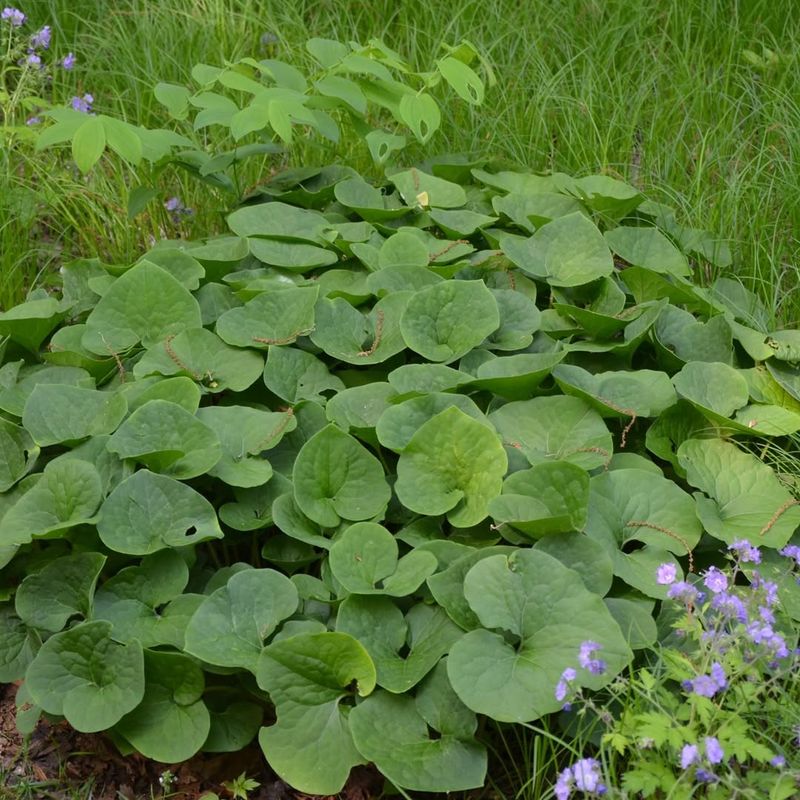
Walk through any Pennsylvania woodland in spring and you might spot wild ginger hugging the ground with its rich, deep green leaves.
This low-growing native is a real showstopper in shaded spaces, and it works beautifully under mature trees where many plants struggle to survive.
Its broad, heart-shaped leaves create a lush, carpet-like look that honestly gives hostas a run for their money.
Wild ginger, known scientifically as Asarum canadense, spreads slowly by underground rhizomes. That means it fills in gaps over time without becoming invasive or out of control.
It is a patient plant, and gardeners who give it a little time are always rewarded with a thick, tidy ground cover that looks polished without much effort.
One cool thing about wild ginger is its hidden flower. It blooms in early spring, but the small, brownish-red flower hides right at ground level beneath the leaves.
You have to lift a leaf to find it, which makes it a fun little secret in the garden. Native ants love to collect the seeds and spread them around, so your patch may slowly expand on its own.
Wild ginger prefers moist, well-drained soil with plenty of organic matter, but it can handle the dry, root-filled soil under big trees once it gets established.
Water it during dry spells in its first year, and after that, it is mostly hands-off. It is deer resistant too, which is a big bonus in Pennsylvania landscapes.
2. Foamflower
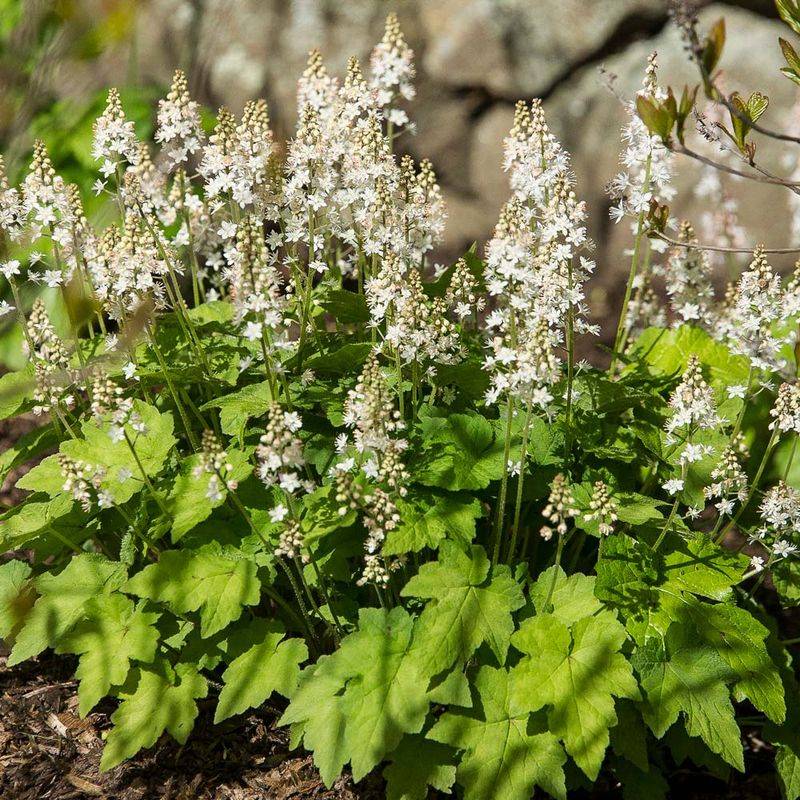
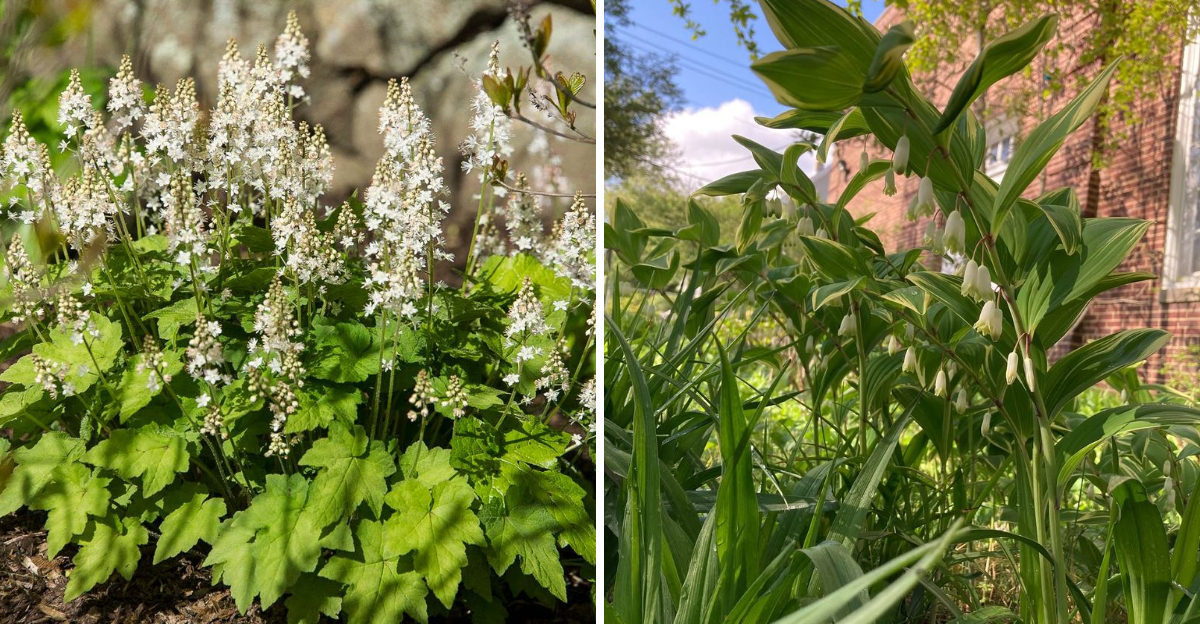
Few plants bring as much charm to a shaded garden as foamflower. When it blooms in spring, those feathery white and pink flower spikes seem to float above the foliage like little puffs of foam, which is exactly how it got its name.
Tiarella cordifolia is a Pennsylvania native that feels right at home under the canopy of mature trees.
Foamflower is a natural woodland plant, so it already knows how to handle low light, root competition, and the kind of dry-ish soil you find beneath big oaks or maples. It spreads gently by runners, forming tidy clumps that slowly widen into soft patches of ground cover.
Your Pennsylvania Garden Changes Every Week. Your Plan Should Too.
Gardening in Pennsylvania changes quickly throughout the season. Every Friday you’ll receive a simple weekly plan showing exactly what to plant, prune, fertilize, harvest, and protect so you never miss the right timing.
Unlike aggressive spreaders, it plays nicely with neighboring plants and never tries to take over the whole bed. The leaves themselves are worth celebrating even when the plant is not in bloom.
They are deeply lobed, a bit like a maple leaf, and many varieties show off reddish or bronze markings in the center that add visual interest all season long. In fall, the foliage often takes on warm burgundy tones before going dormant.
Planting foamflower is simple. It likes rich, slightly moist soil and does best with a layer of leaf mulch around its base, which also mimics the natural forest floor it prefers.
Native bees and small pollinators visit the blooms regularly, making this plant an eco-friendly choice. Once settled, foamflower is a reliable, low-fuss performer that brings woodland magic to any shaded corner of your Pennsylvania yard.
3. Christmas Fern
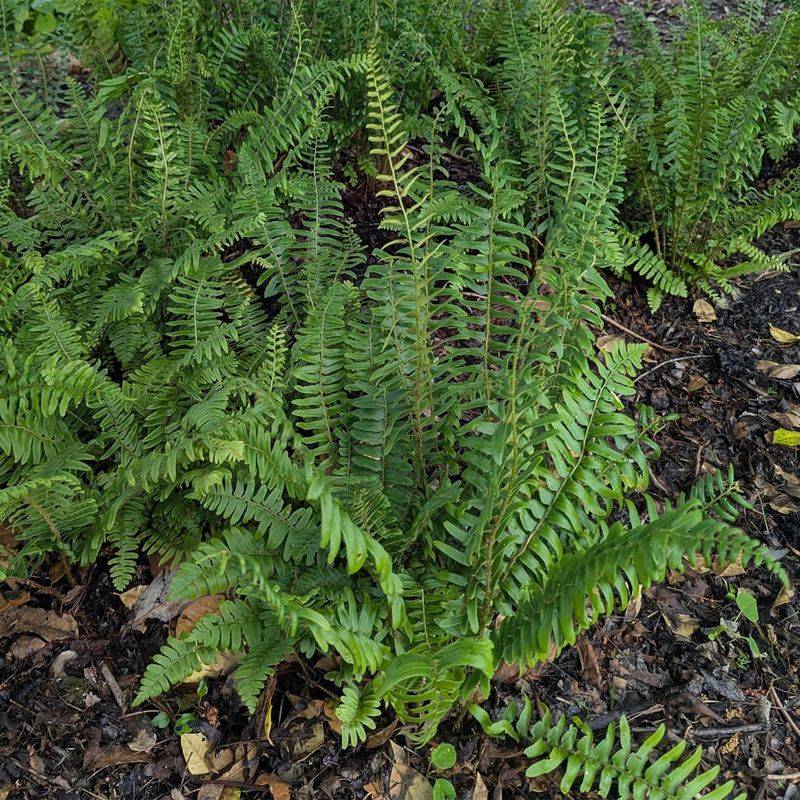
Not many plants can claim to look good in every single season, but Christmas fern is one of them. Its deep, glossy green fronds stay evergreen through the winter, which is how it earned its festive name.
Early settlers reportedly used its fronds for holiday decorations, and honestly, it is easy to see why.
Polystichum acrostichoides is one of the toughest native ferns in Pennsylvania. It handles dry shade like a champ, which makes it a perfect candidate for the difficult zone beneath mature trees.
Tree roots pull moisture from the soil constantly, and most plants struggle with that. Christmas fern, though, has adapted to exactly these conditions over thousands of years and handles them with ease.
The fronds grow in graceful, arching clusters that reach about one to two feet tall. Each leaflet has a little ear-shaped lobe at the base, which some people say looks like a tiny Christmas stocking.
That small detail makes identification easy and gives the plant an extra bit of personality. New fronds, called fiddleheads, unfurl in spring and add a fresh, bright green look to the garden after winter.
Christmas fern works well as a border plant, a slope stabilizer, or simply as a textural filler around the base of trees. It needs almost no care once established and rarely has issues with pests or disease.
Plant it in groups of three or five for the most natural look, and top-dress with shredded leaf mulch to keep moisture in and weeds out. It is a true workhorse of the shade garden.
4. Pennsylvania Sedge
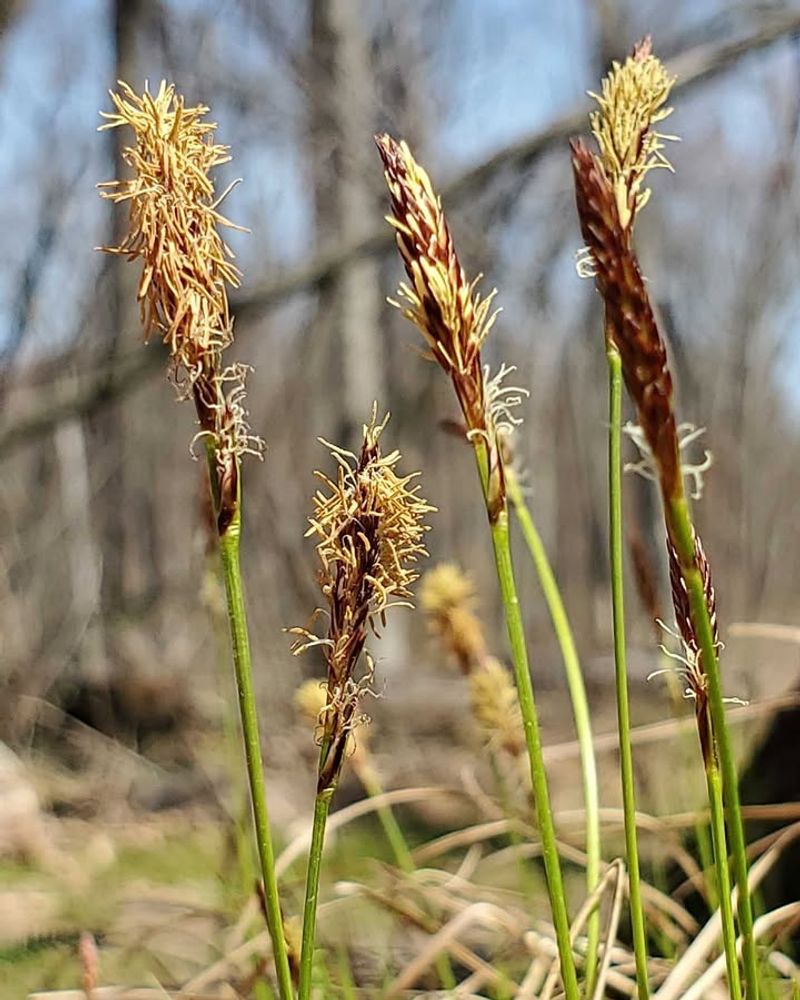
Pennsylvania sedge might just be the most underrated native plant in the state. It grows low and soft, with fine, grass-like blades that create a flowing, meadow-like texture in shaded spaces.
Carex pensylvanica is not flashy, but it has a quiet, natural beauty that makes shaded areas look intentional and well-designed rather than neglected.
One of the biggest selling points of Pennsylvania sedge is how well it handles dry shade. It actually evolved under oak trees and thrives in the same conditions that challenge most garden plants.
Once established, it needs very little water and almost no fertilizer. It is the kind of plant that rewards patience.
Give it a full growing season to settle in, and it will reward you with a tidy, spreading carpet that fills in beautifully over time.
This sedge stays relatively short, usually topping out at about six to twelve inches. That makes it a great option for areas where you want ground cover without height.
It is also semi-evergreen, meaning it holds its color well into late fall and sometimes through mild winters. Small yellowish-brown seed heads appear in spring and are a valuable food source for birds.
Pennsylvania sedge is incredibly versatile. Use it under trees, along shaded pathways, or as a lawn alternative in areas where grass refuses to grow.
It tolerates foot traffic better than many other shade plants, which is a bonus in high-use areas. Mow or cut it back once a year in early spring to keep it looking fresh and tidy throughout the growing season.
5. Green-And-Gold
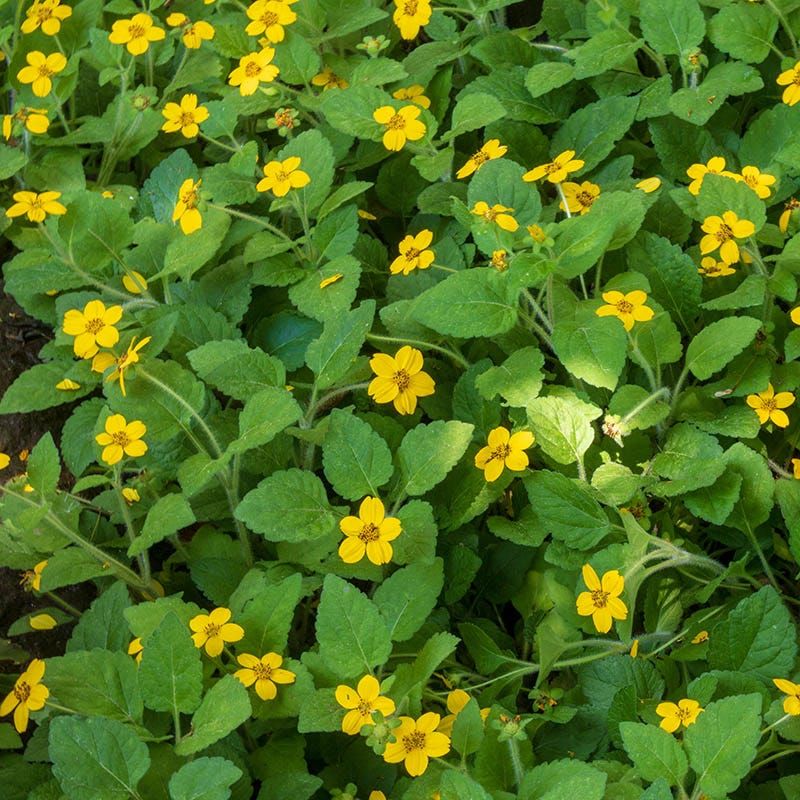
Bright yellow flowers popping up in a shaded garden always feel like a surprise gift, and that is exactly what green-and-gold delivers.
Chrysogonum virginianum is a cheerful, low-growing native that blooms from spring through early summer and sometimes flushes again in fall.
It is one of the few shade-tolerant natives that actually brings bold color to dark spots under big trees.
The plant forms dense, spreading patches that hug the ground closely. Its dark green, slightly fuzzy leaves provide a nice backdrop for those sunny yellow blooms, which look like miniature sunflowers.
The contrast between the deep foliage and the vivid flowers is striking, and it makes green-and-gold a standout even in low-light conditions where most flowering plants struggle to perform.
Green-and-gold is a native to the eastern United States and grows naturally in woodland edges and forest floors. It adapts well to the dry, competitive soil found beneath mature trees, especially once it gets a full season of establishment.
It spreads by runners, so patches gradually widen without becoming unruly. Trimming the edges occasionally keeps it contained if you prefer a neater look.
Pollinators absolutely love the flowers. Bees visit them regularly from the moment they open in spring, making this plant an important early-season food source.
It is also semi-evergreen, so the foliage provides some winter interest even after blooms have faded. Plant green-and-gold alongside Christmas fern or wild ginger for a layered, naturalistic look that feels like a mini Pennsylvania woodland right in your own backyard.
6. Solomon’s Seal
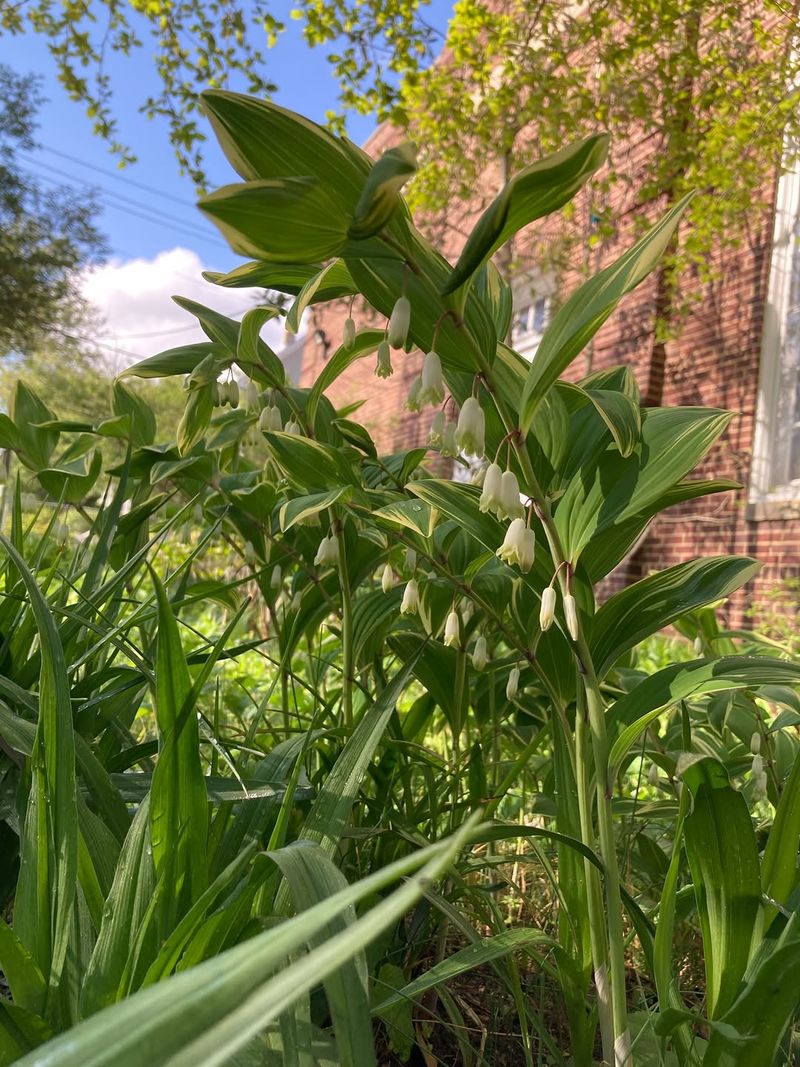
There is something almost poetic about the way Solomon’s seal grows. Its long, arching stems curve outward in a graceful arc, with pairs of oval leaves arranged neatly along each stem and small white bell-shaped flowers dangling underneath in spring.
It has an elegant, structured look that feels both wild and refined at the same time.
Polygonatum biflorum is native to Pennsylvania and thrives in the kind of deep, root-filled shade that forms under mature trees. It grows from spreading rhizomes and gradually forms colonies over several years.
The expansion is slow and steady rather than aggressive, which makes it easy to manage and predict. Gardeners who love a layered woodland aesthetic often pair it with ferns and wild ginger for a full, lush effect.
After the flowers fade in late spring, the plant produces small, bluish-black berries that birds find irresistible. Thrushes and other woodland birds eat the berries and help spread the seeds naturally.
So planting Solomon’s seal is not just a win for your garden, it is also a win for local wildlife. The foliage turns a warm golden yellow in fall before the stems fall back to the ground for winter.
Solomon’s seal grows best in moist, humus-rich soil but tolerates dry conditions once established. A layer of shredded leaves around the base helps retain moisture and feeds the soil as it breaks down.
It rarely needs dividing or special attention. Give it space to arch naturally, and it will reward you with a graceful, woodland-inspired display that looks stunning from spring through fall.
7. Blue Wood Aster
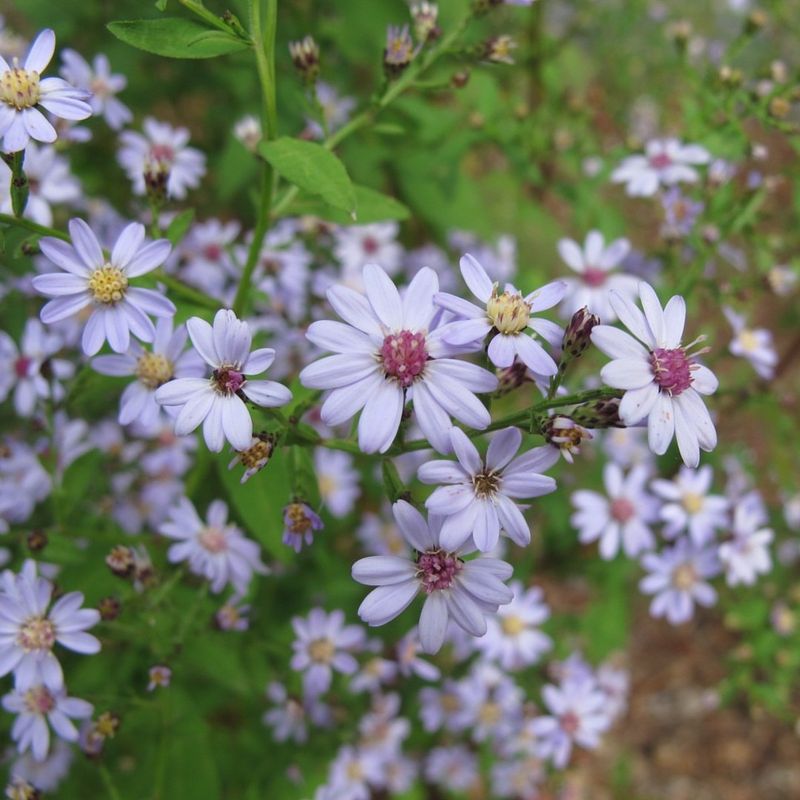
When most shade plants have already called it a season, blue wood aster is just getting started. This fall-blooming native lights up shaded areas with clusters of tiny lavender-blue flowers that look like a starry sky scattered across the foliage.
It is one of the last plants to bloom before frost, making it an incredibly valuable addition to any Pennsylvania shade garden.
Symphyotrichum cordifolium grows naturally in woodland edges and along forest floors, so it is well adapted to the partial shade and dry soil conditions found beneath mature trees.
It can handle a surprising amount of root competition, and once it finds its footing, it grows with real confidence.
The heart-shaped leaves are attractive all season, even before the flowers appear in late September and October.
Pollinators flock to blue wood aster in fall when other food sources are scarce. Bees, butterflies, and other beneficial insects depend on late-season bloomers like this one to fuel their final push before cold weather arrives.
Planting it is genuinely one of the most helpful things you can do for your local pollinator community. The seeds that follow the flowers are also eaten by birds throughout the winter months.
Blue wood aster grows to about two to four feet tall, so it works well as a mid-height background plant in a layered shade garden. Cut it back in early spring before new growth emerges to keep it tidy.
It self-seeds lightly, which means new plants will pop up nearby over time and gradually fill in your shaded spaces with beautiful, late-season color year after year.