The Real Reasons Your Wisconsin Yard Is Full Of Moles And What Finally Stops Them

One morning your lawn looks fine.
The next, it looks like something beneath it had a very ambitious night.
If you live in Wisconsin and you’ve made it through a mole season, you know exactly what that feels like.
These little tunnel machines don’t care about your weekend plans, your garden beds, or your curb appeal.
Most homeowners make the same mistake.
They head straight to the hardware store, grab whatever promises results on the label, spend twenty dollars, and walk away thinking they’ve solved it.
They haven’t.
Moles are stubborn not because they’re particularly clever, but because most common solutions miss the point entirely.
Solving a mole problem is less about effort and money, and more about understanding what drew them to your yard in the first place.
Once you know that, the fix gets surprisingly straightforward.
Let’s start there.
Why Spring Is Mole Season In Wisconsin
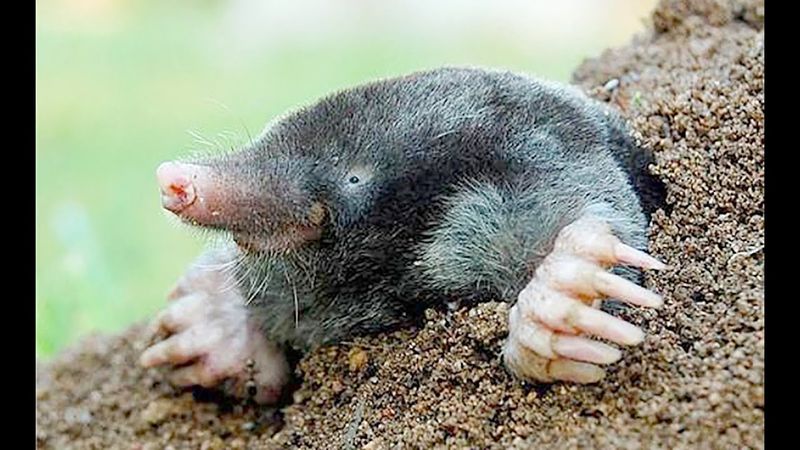
Frozen ground thaws fast in spring.
Moles move faster.
Every year, temperatures climb above freezing and the soil softens.
Somewhere underground, a mole stretches, yawns, and gets to work on your lawn.
Most homeowners assume moles hibernate, but that is one of the biggest misconceptions out there.
Moles stay busy all winter, just deeper underground where the soil stays workable.
Once spring hits Wisconsin, they surge back toward the surface where earthworms and grubs are easiest to find.
That surge is why you wake up one morning to a yard that looks like it hosted an underground construction crew overnight.
Soil moisture plays a huge role in timing, too.
Wet spring conditions bring worms closer to the surface, which pulls moles right behind them.
The combination of soft earth, abundant food, and warming temperatures drives mole activity to its peak between March and May.
Knowing this seasonal pattern is your first real advantage.
If you wait until you see major damage to act, you are already two weeks behind.
Start watching for early tunnel signs in late February or early March, and you will catch the problem before it has a chance to spread.
What’s Actually Drawing Moles Into Your Yard
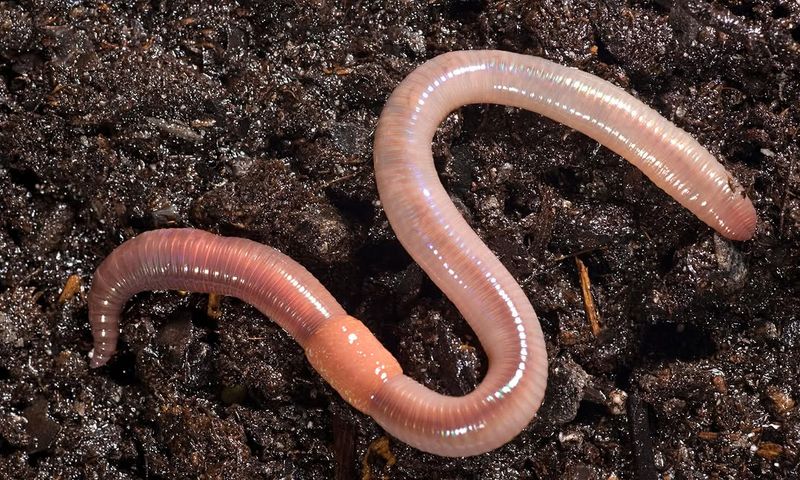
Your lawn is basically a five-star buffet for moles, and the menu is full of earthworms.
Most people think moles eat grass roots or bulbs.
That’s actually a myth.
What they’re really after are protein-rich soil creatures, worms, grubs, and beetle larvae.
Your beautiful, well-watered lawn is accidentally rolling out the welcome mat every single day.
Heavily fertilized yards with deep, moist soil are especially attractive.
The better your lawn looks above ground, the more likely it is teeming with worm activity below.
Ironically, the homeowners with the greenest grass often struggle the most with mole problems.
Grub infestations add another layer of trouble.
Japanese beetle larvae and other grubs are a high-calorie target that draws moles directly into yards with active infestations.
If your yard had brown patches from grub damage last summer, expect moles to follow that food trail in spring.
Your Wisconsin Garden Changes Every Week. Your Plan Should Too.
Gardening in Wisconsin changes quickly throughout the season. Every Friday you’ll receive a simple weekly plan showing exactly what to plant, prune, fertilize, harvest, and protect so you never miss the right timing.
Understanding what lures them in changes your entire strategy.
Instead of just chasing the moles, you can start targeting the food source that keeps bringing them back.
Managing grubs, moisture, and active tunnels is more effective than random repellents.
The Most Common Mistakes Wisconsin Homeowners Make
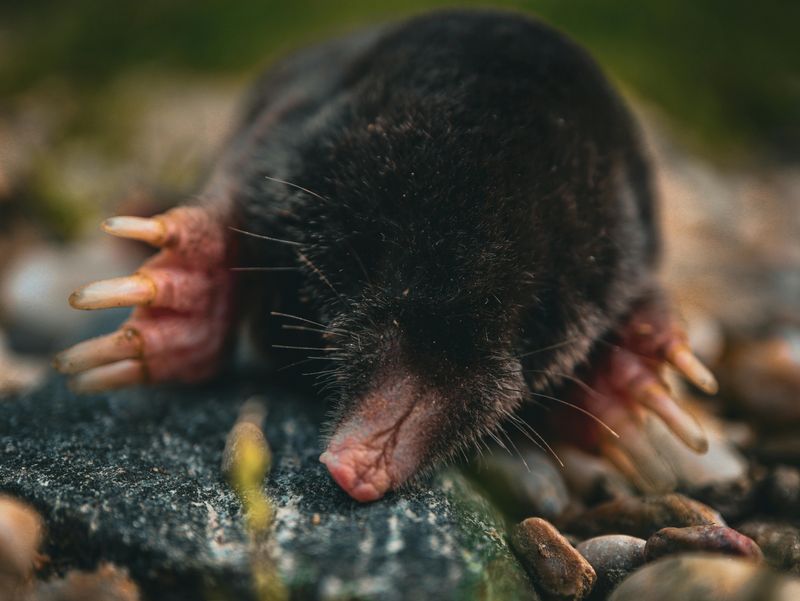
Stomping down mole tunnels feels satisfying, but it does absolutely nothing to solve the problem.
Flattening the raised ridges just tells you whether the tunnel is active, but the mole simply re-digs it within hours.
Millions of homeowners repeat this cycle every spring without ever making a dent in the population.
Pouring castor oil, cayenne pepper, or coffee grounds into tunnels is another popular move that rarely delivers real results.
These DIY remedies might irritate a mole temporarily, but they do not address the food source or the network of tunnels already built beneath your feet.
A mole will simply reroute and keep feeding a few feet away.
Another huge mistake is treating the whole yard at once instead of identifying which tunnels are actively being used.
Spending money on products spread across inactive tunnels is a waste of time and cash.
Focus matters more than coverage when you are dealing with a targeted, territory-driven animal.
Perhaps the costliest error is waiting too long to act.
One mole can dig up to 18 feet of new tunnel in a single day, turning a minor annoyance into significant damage within a week.
Acting early and acting smart makes all the difference between a quick fix and a season-long battle.
Why Store-Bought Traps And Repellents Keep Failing You
Shelf after shelf of mole products promises fast results, but most of them are designed to move inventory, not move moles.
Many extension sources caution that repellents and sonic devices are unreliable.
Yet they keep selling because desperate homeowners keep buying them out of hope.
The problem with most store-bought traps is placement.
Setting a trap in a surface tunnel without confirming it is an active, main runway is like setting a mousetrap in an empty room.
Moles use some tunnels once and never return, so random placement almost guarantees failure.
Repellents based on castor oil can push moles to a different section of your yard, but rarely off your property entirely.
You end up playing a slow game of whack-a-mole, literally, as the animal relocates just far enough to avoid the treated zone.
That is not control, that is just rearranging the problem.
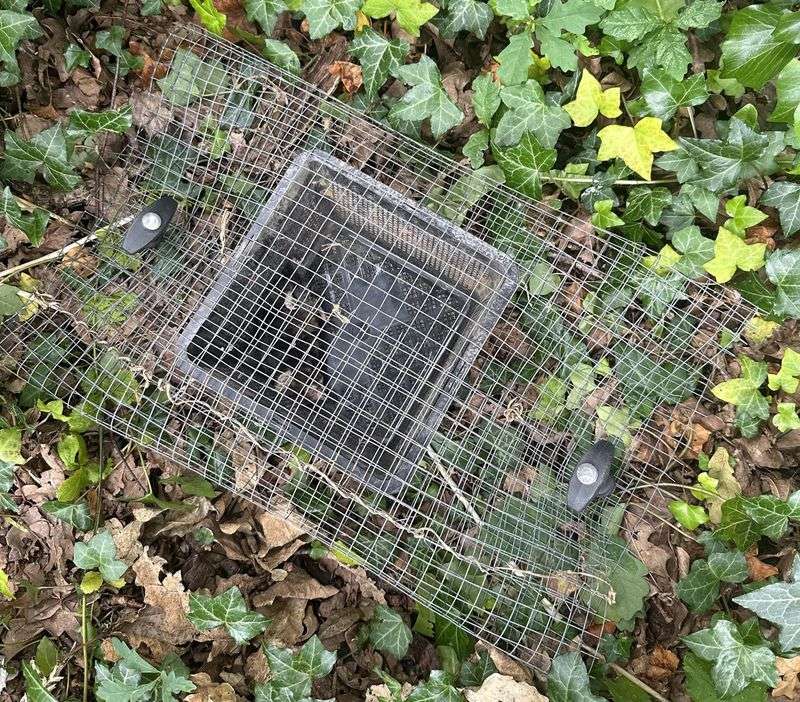
Cheap wire cage traps are another common disappointment.
Moles are not attracted to bait the way mice or squirrels are, so bait-based traps almost never work on them.
Pressure-style or pincher traps, placed in confirmed active tunnels.
That’s the whole secret.
Funny how the packaging always seems to leave that part out.
What Pest Experts In Wisconsin Recommend
Professional pest experts rarely lead with their best advice because the most effective method is also the simplest.
The single most reliable way to control moles is a well-placed, scissor-jaw or harpoon-style trap set directly in an active main tunnel.
This approach has been confirmed by university research and field professionals for decades.
Finding the main tunnel is the critical first step that most homeowners skip.
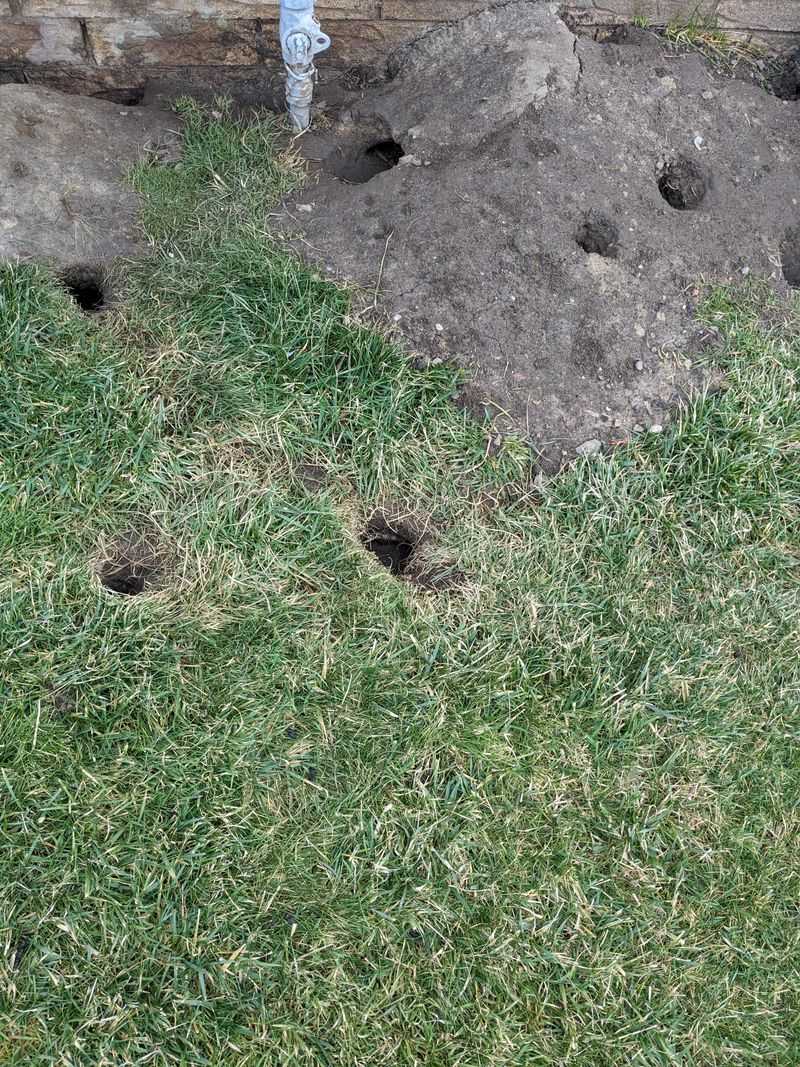
Main runways run in straight lines just below the surface, often along fences, garden borders, or lawn edges.
Feed tunnels, which are the squiggly random ones, are dead ends that moles rarely revisit.
Pest professionals also recommend treating for grubs separately as a companion strategy.
Applying a grub control product in late spring or early summer reduces the food supply that keeps drawing new moles onto the property.
Fewer grubs underground means less reason for moles to keep patrolling your lawn.
One tip experts quietly share with repeat clients is to check traps twice a day for the first 48 hours.
Moles are most active at dawn and dusk, so checking morning and evening dramatically improves success rates.
Correct placement and a little patience is what separates homeowners who get results from those who don’t.
The Step-By-Step Method That Finally Gets Rid Of Moles
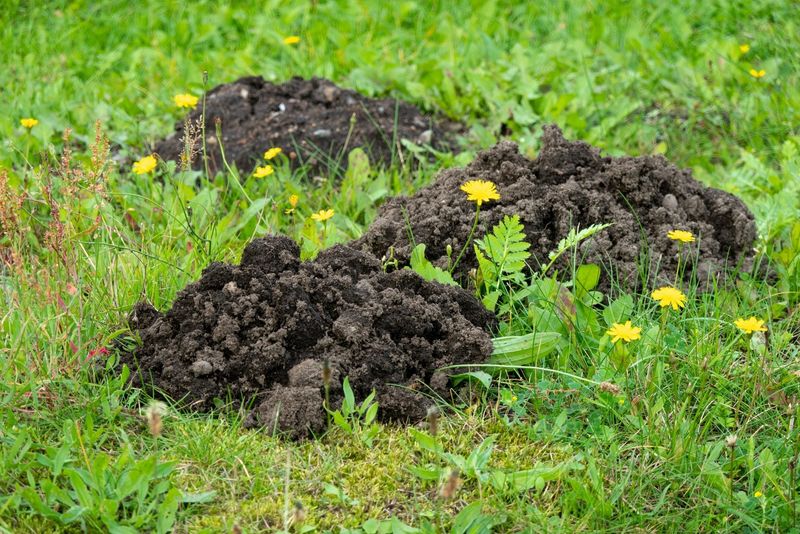
Start by identifying active tunnels using a simple press test.
Press down a six-inch section of several different tunnels and mark them with a small flag or stick.
Check back in 24 hours, and any tunnel that has been pushed back up is active and worth targeting.
Once you confirm an active main runway, set a scissor-jaw or harpoon trap directly in the center of that tunnel.
Follow the manufacturer’s instructions for setting depth and tension.
Make sure the trigger sits just above the tunnel floor so the mole trips it naturally while moving through.
Cover the area lightly with a bucket or dark cloth to block light, since moles are more likely to investigate a dark tunnel.
Check the trap every 12 hours.
If nothing happens within 48 hours, move the trap to a different confirmed active tunnel rather than waiting it out in the same spot.
Moles shift their routes frequently, so flexibility is part of the process.
After a successful catch, do not stop there.
One property can support multiple moles, especially in spring when they are most mobile.
Reset traps in other active tunnels and continue monitoring for two full weeks to make sure the problem is completely resolved before moving on to prevention.
How To Mole-Proof Your Yard So They Have No Reason To Come Back
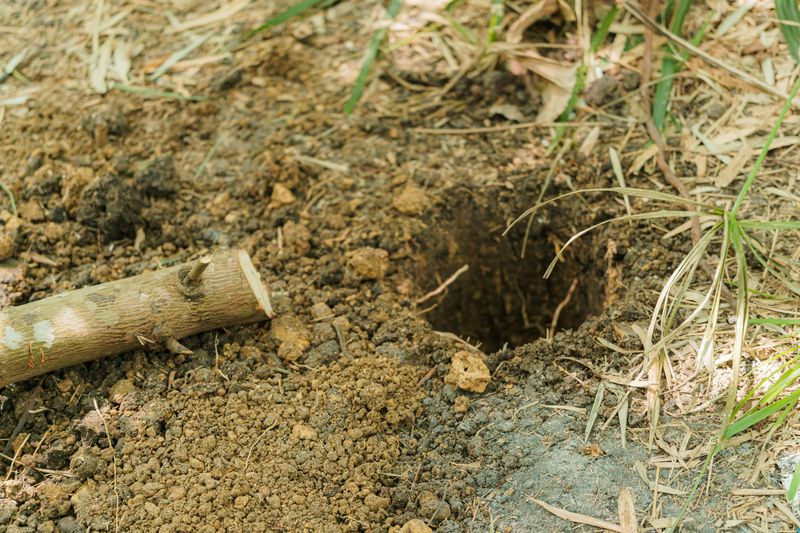
Winning the battle against moles is satisfying, but keeping them gone requires a few smart long-term moves.
Once your yard is clear, the goal shifts from removal to prevention, and the two strategies are completely different.
A yard that stops rewarding moles will stop attracting them.
Reducing soil moisture in high-traffic lawn areas is one of the most underrated prevention tactics.
Moles follow worms, and worms congregate in consistently damp soil.
Moles go where the worms go.
Water deeply but less frequently, and worms move deeper into the soil, taking the moles with them, away from the surface layer where all the damage happens.
For flower beds and vegetable gardens, underground wire mesh barriers, mole guards, are hard to beat.
Install them along the edges and your most valuable plantings stay off the menu.
Hardware cloth buried about 12 inches deep does the job.
Add a slight outward curve at the bottom, and tunneling moles get redirected away from your most valuable plantings.
Treat grubs only if monitoring shows a damaging grub population.
A lawn with low grub populations is significantly less appealing to moles looking for a reliable food source.
Smart watering.
A barrier where it counts.
A trap placed right.
That’s it.
That’s what actually works.