8 Habits Of Virginia Gardeners Who Grow Food Year-Round
Carrots pulled from chilly winter soil often taste sweeter than summer carrots, because cold weather nudges them to store sugar.
I learned that by accident one January, and my snack habit around the garden has not recovered since.
Most of Virginia sits in USDA Zone 7, with first fall frosts arriving around late October or early November. That frost date sounds like a finish line, yet plenty of local growers treat it like a halftime break.
You might notice their gardens looking oddly busy in February, with green rows tucked under white fabric and clear lids. I used to assume they had special luck, but their success comes from small, steady choices.
Their routines are simple enough for beginners, and many cost very little. What are these Virginia year-round growers doing differently while the rest of us flip through seed catalogs?
1. Cover Crops Like Winter Rye Keep Garden Soil Busy
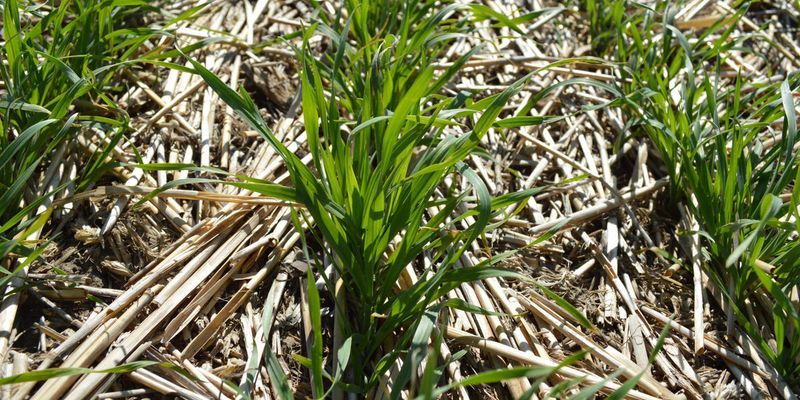
Bare soil in winter looks restful, but it is actually losing topsoil to every hard rain that rolls through. I started sowing cereal rye in fall, and my spring beds now crumble like chocolate cake under the trowel.
Year-round growers in Virginia keep soil covered as much as possible, using crops, mulch, or living vegetables in every open spot. Covered ground resists erosion and soaks up rainwater instead of letting it rush away toward the street.
Rye and hairy vetch are popular fall cover crops, since both handle cold weather and keep roots growing. Those living roots feed earthworms and helpful microbes, which slowly build the crumbly structure vegetables love.
Year-round gardeners also dig less than you might expect, because heavy tilling breaks apart that hard-earned soil structure. Instead, they cut cover crops at the base and let the roots break down right where they grew.
Compost goes on generously too, adding organic matter that holds nutrients and moisture for hungry winter greens. I spread an inch or two over beds each fall, then tuck transplants right into that dark layer.
Soil testing every three to four years guides how much lime and fertilizer your beds actually need. Virginia Cooperative Extension offices provide sample kits and send your soil to the state lab for a small fee, and the report reads easier than you expect.
Healthy soil is the quiet engine behind every winter harvest in Virginia, even when nothing seems to be happening above ground. Treat it kindly now, and your future kale plants will thank you with thicker leaves and steadier growth.
2. Cold Frames And Hoop Houses Trap Winter Sunshine
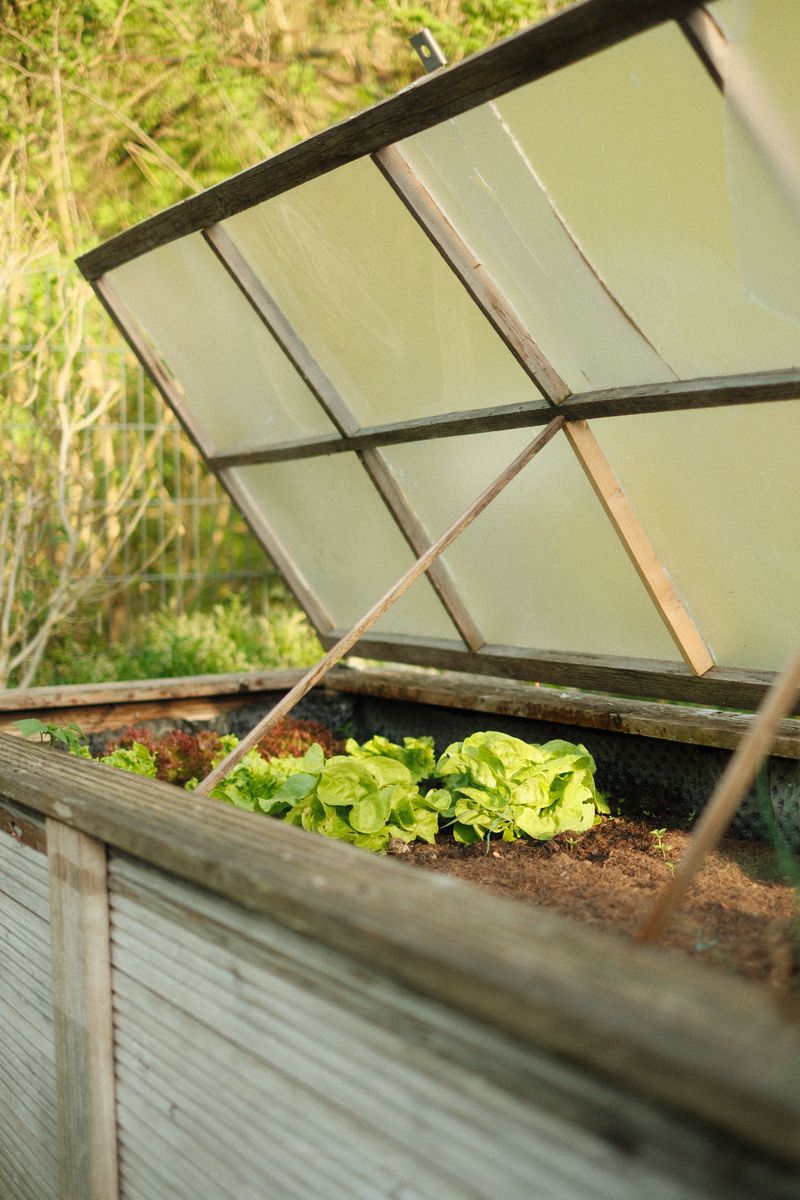
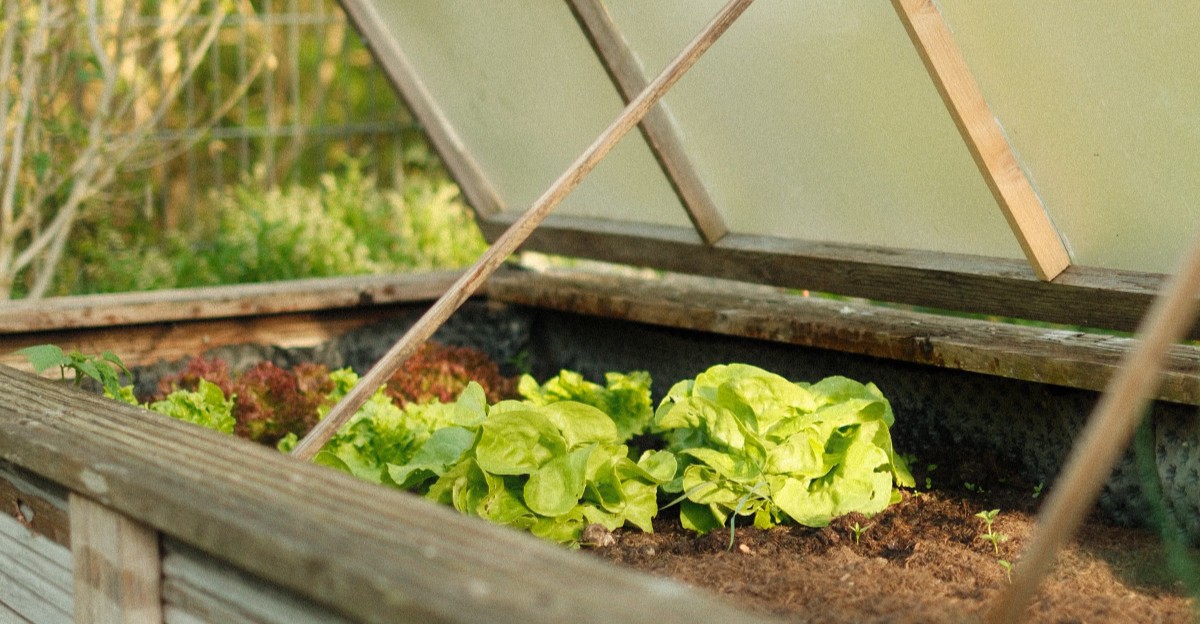
On a sunny January afternoon, opening my cold frame feels like cracking an oven door full of spinach. Warm, earthy air rushes out, even when frost still coats the grass just a few steps away.
Cold frames are low boxes with clear lids, and they work like tiny greenhouses without any heaters. They trap solar energy during the day, creating a warmer pocket where hardy greens keep growing slowly.
Hoop houses take the same idea bigger, stretching plastic film over curved hoops to form a walk-in tunnel. Even a low hoop tunnel over one raised bed can protect lettuce from harsh wind and surprise frosts.
Row covers are the easiest starting point, since lightweight frost cloth simply drapes over plants or wire hoops. Extension sources note these covers can stretch planting and harvest windows by several weeks in spring and fall.
Ventilation matters more than most beginners realize, because a closed frame can overheat quickly on bright winter days. I prop my lid open a few inches whenever the afternoon turns mild and sunny outside.
Old storm windows and scrap lumber make fine budget frames, as long as the glass is sturdy and clean. Sturdy kits are available too, and many fold away neatly when spring weather finally settles in for good.
Structures like these turn winter from a waiting game into a slow, steady harvest season for your kitchen. Start with one small frame this year, and you may find yourself sketching a hoop house by next fall.
3. Succession Sowing Keeps Lettuce Rows Coming Every Few Weeks
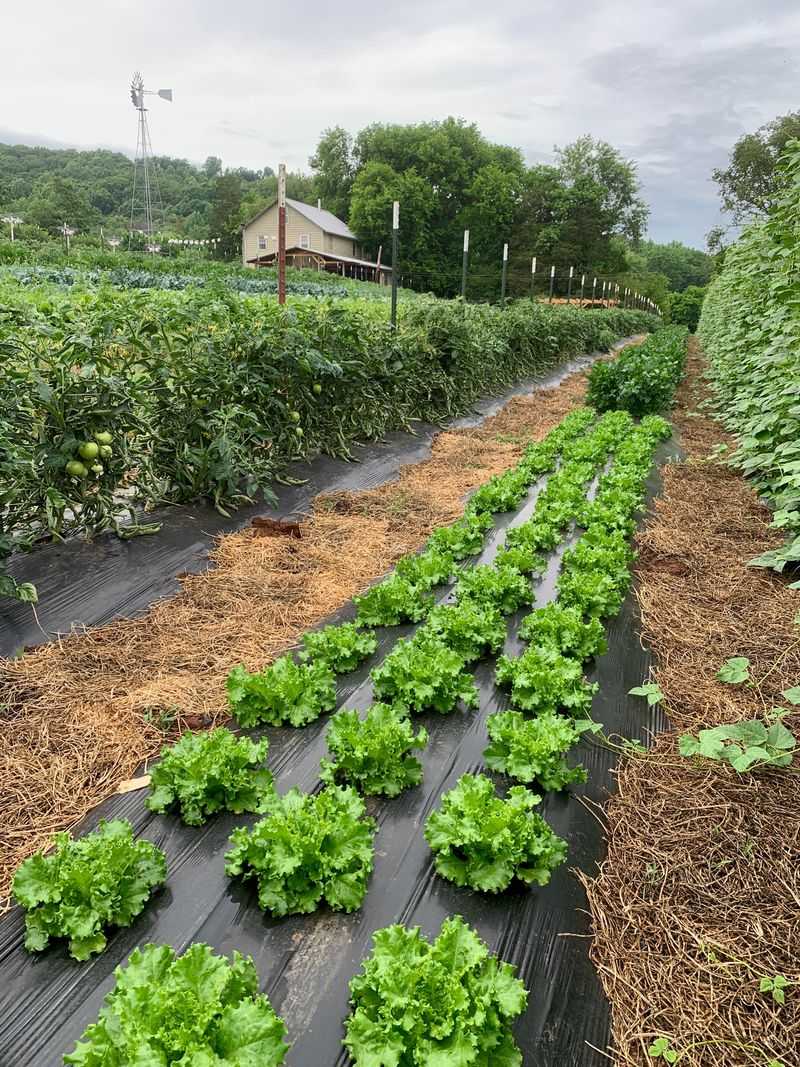
Ever planted a whole packet of lettuce at once, then watched it all bolt in the same week? I did that more than once before learning the trick that steady growers swear by every season.
Succession planting means sowing small batches every two or three weeks instead of one giant planting day. Each batch matures a little later, so your salad bowl stays full rather than overflowing and then empty.
Timing starts with your local frost date, which you can find through Extension charts or a quick zip code search. Count backward from that date using the days to maturity printed on each seed packet you plan to sow.
Fall crops often need a little extra time, because growth slows down as days shorten and nights cool. Many gardeners add about two weeks to the packet number, just to give slower autumn plants some breathing room.
Interplanting stretches your space even further by tucking cool-season crops between warm-season vegetables that are still producing. Kale seedlings can settle in beneath tomato vines in late summer, ready to take over when tomatoes fade.
I keep a simple notebook with sowing dates, and it has become my most valuable gardening tool by far. Patterns jump out after a season or two, showing exactly when your yard needs the next round of seeds.
Small, frequent sowings feel far less overwhelming than one massive planting day, especially during busy family weekends. Your harvest becomes a gentle, reliable trickle, which honestly suits most home kitchens better than a sudden flood.
4. Kale And Collards Shrug Off Frosty Mornings
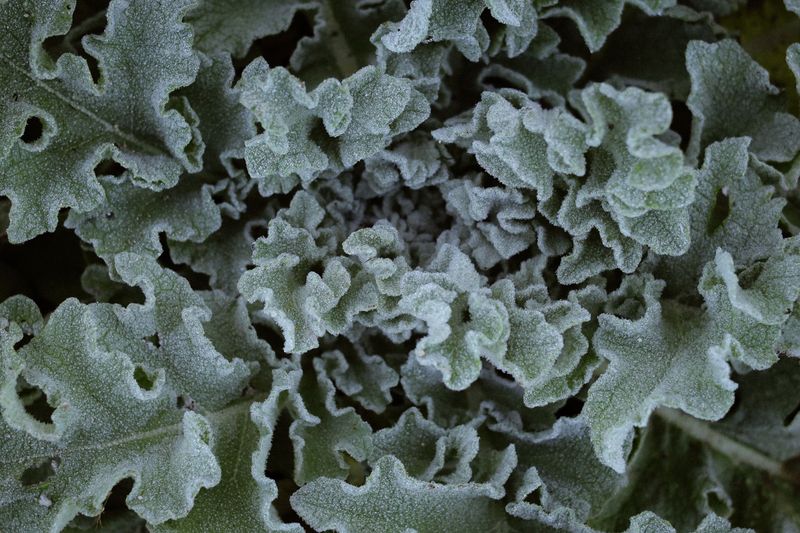
Collards have been a Southern winter staple for generations, and frost actually makes their leaves taste sweeter. My first frosty collard harvest tasted so mild that I stopped buying bunches from the store that winter.
Year-round growers lean hard on brassicas, a sturdy plant family that includes kale, collards, cabbage, broccoli, and Brussels sprouts. Many of these crops handle cold far better than summer heat, which makes them natural winter partners.
Spinach deserves a spot too, since it tolerates freezes down to about 20 degrees Fahrenheit and can overwinter. Varieties like Bloomsdale Long Standing and Tyee are longtime favorites among cold-season growers in the region.
Root crops pull their weight underground, where soil protects them from the worst swings in air temperature. Beets and carrots planted in late summer sweeten with cool weather, while turnips and radishes grow quickly.
Smaller greens fill the gaps nicely, including Swiss chard, mustard greens, tatsoi, arugula, and tender mache. Leeks stand tall through chilly months, and they make a wonderful soup when the garden looks quiet.
Variety choice matters a lot, so read seed descriptions for words like cold tolerant or winter hardy. A frost-tolerant kale and a heat-loving summer kale can behave very differently once temperatures start dropping.
Even hardy crops appreciate a row cover during extreme cold snaps, especially young plants with tender leaves. Pair tough varieties with a little protection, and your winter plate will look surprisingly green and colorful.
5. Seed Trays Under Grow Lights Give Spring Crops A Head Start
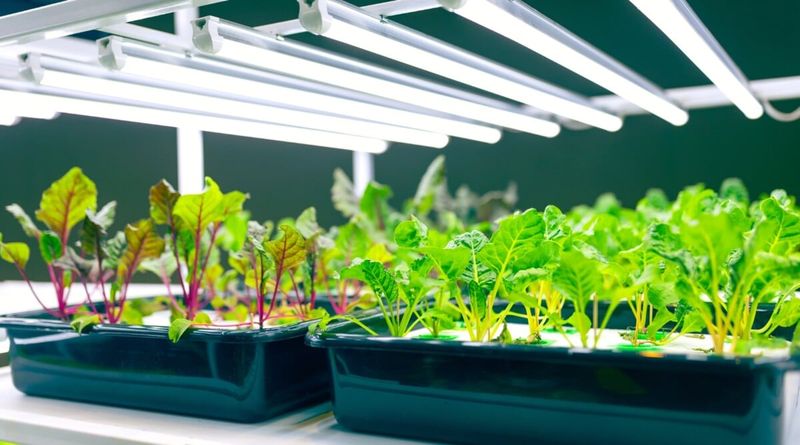
Late February brings a funny sight in many kitchens, with seed trays crowding windowsills and shop lights dangling overhead. My cat thinks the warm trays are a personal bed, so I guard them like treasure.
Starting seeds indoors gives cool-season crops a head start, letting them reach transplant size before outdoor beds warm. Onions, broccoli, cabbage, and kale are commonly started indoors in mid to late February across much of Virginia.
Leafy greens often follow in late February or early March, filling trays just as the first batch grows sturdy. Grow lights should hang a few inches above seedlings, since weak light produces tall, floppy stems that struggle.
Hardening off comes next, which means slowly exposing seedlings to outdoor wind, sun, and cooler temperatures. A cold frame makes this step easier, acting as a halfway house between your kitchen and the garden.
I start with an hour or two outside, then add more time each day for about a week. Rushing this process can shock young plants, leaving leaves scorched or growth stalled for several frustrating weeks.
Seed storage matters as well, because old or poorly kept seeds often sprout slowly or not at all. Keep packets cool and dry, especially lettuce, which can refuse to germinate when soil or storage gets too warm.
A sealed jar in the refrigerator works nicely for leftover seeds, along with a small silica packet inside. That little habit saves money and keeps your next planting round ready the moment the calendar says go.
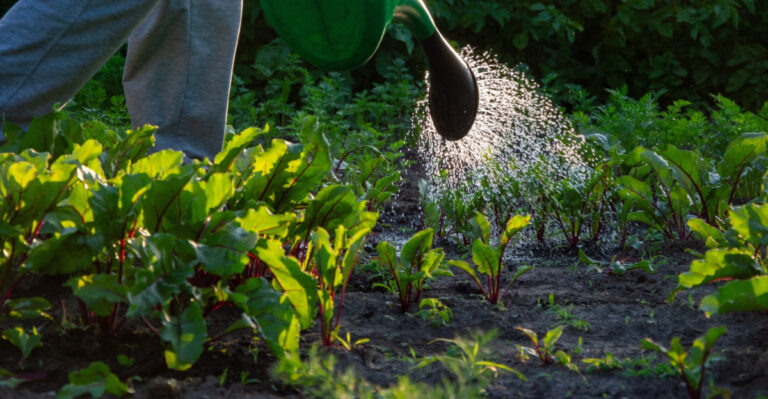
6. Drip Lines And Morning Watering Keep Winter Greens Healthy
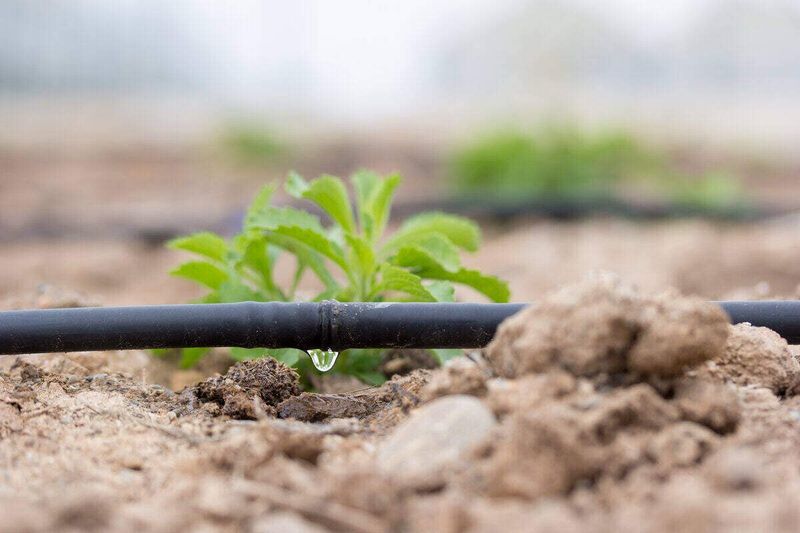
Watering in winter sounds silly until you lift a row cover and find bone-dry soil underneath. I made that mistake one mild December, and my spinach looked limp and sulky for days afterward.
Plants inside cold frames or under covers may miss natural rain, so they can still need regular watering. Some row covers let rain and melting snow seep through, which helps a lot during wetter winter stretches.
Summer brings the opposite challenge, since newly sown fall seeds need steady moisture to sprout in hot soil. A light daily sprinkle often helps carrot and lettuce seeds germinate during those warm late-summer weeks.
Drip irrigation is a favorite among year-round growers, because it delivers water right to the roots. Less water lands on leaves or paths, which saves water and reduces the chances of fungal leaf problems.
Morning is generally the best time to water, giving foliage plenty of hours to dry before evening. Damp leaves overnight can invite disease, and they may also attract slugs that prefer cool, moist conditions.
I check moisture by pushing a finger an inch or two into the soil before reaching for the hose. If it feels dry at that depth, I water deeply rather than giving the bed a quick splash.
Mulch helps hold moisture between waterings, especially clean straw or shredded leaves spread around established vegetable plants. Small adjustments like these keep crops steady through every season, without wasting water or your precious weekend time.
7. Rotating Tomato And Cabbage Families Outsmarts Garden Pests
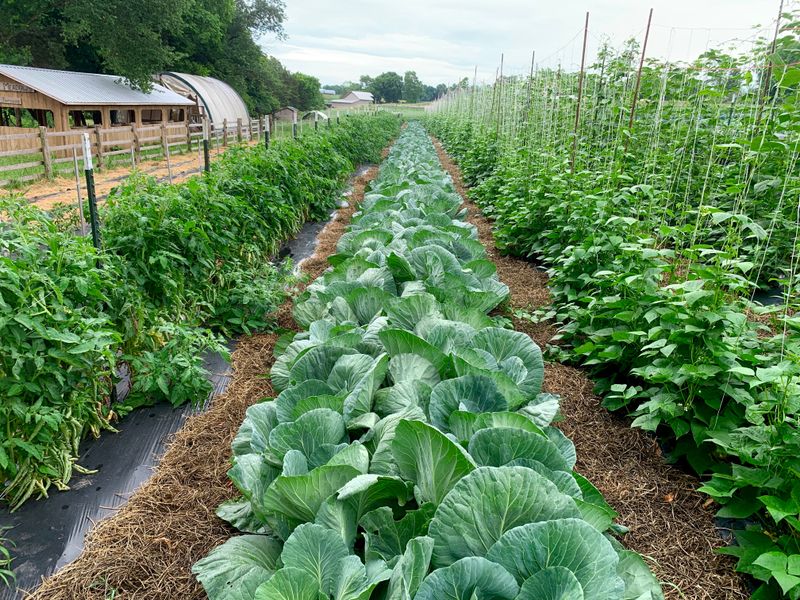
Cabbage worms seem to remember exactly where you planted broccoli last year, or at least it feels that way. Moving crop families around the garden each season is one of the simplest ways to frustrate those uninvited guests.
Crop rotation means planting different plant families in a spot over successive seasons, rather than repeating the same crop. Tomatoes and peppers share one family, while cabbage and kale belong to the busy brassica group.
Many insects and diseases prefer specific families, and some can overwinter in soil near last year’s crop. Planting something unrelated in that space interrupts their life cycle, leaving pests hungry and disease pressure lower.
Rotation also balances nutrients, since heavy feeders like corn draw down nitrogen faster than many other vegetables. Beans and peas can follow nicely, because they partner with soil bacteria that help capture nitrogen from air.
Year-round gardeners face an extra twist, because beds turn over several times each year instead of just once. I sketch a quick map every season, labeling each bed with its plant family and planting date.
A simple plan works fine for small yards, such as rotating four groups through four beds over four years. Even shifting crops a few feet helps a little, though bigger moves offer stronger protection against soilborne problems.
Rotation feels like a puzzle at first, but it quickly becomes second nature after a couple of seasons. Your plants grow healthier with less effort, and you spend more time harvesting instead of chasing bugs.
8. South Facing Beds Capture Short Winter Days
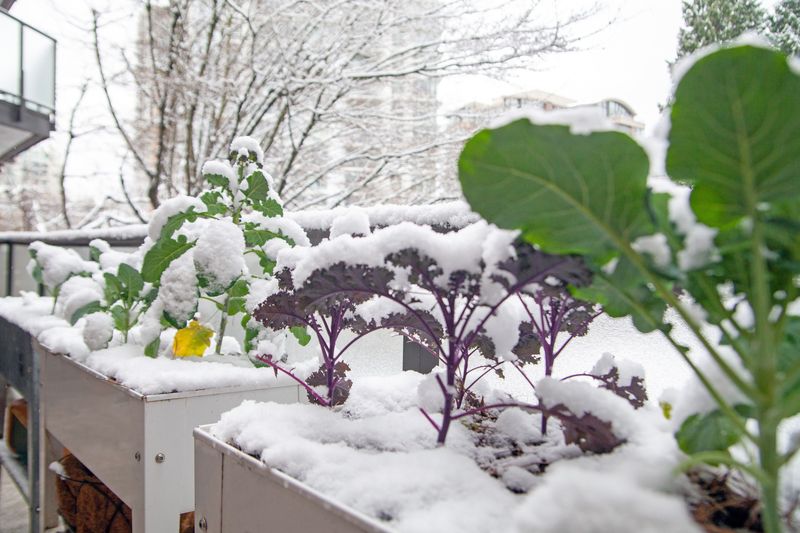
Winter greens need roughly ten hours of daylight to keep growing, and short December days make every sunny minute count. I moved my main bed twelve feet south one fall, and the difference showed up within weeks.
Year-round growers study their yards carefully, choosing open spots with a clear southern view for cold-season crops. Winter sun sits low in the sky, so trees and buildings cast much longer shadows than in summer.
Cold frames and hoop houses work best facing south, where their clear surfaces catch light throughout the day. Many cold frames are built with a sloped lid, tilted toward the sun to capture more warming rays.
Microclimates matter too, and every yard has warmer pockets sheltered from wind by fences, walls, or hedges. A bed against a south-facing brick wall can stay noticeably warmer, giving tender greens a little extra comfort.
Slopes play a role across Virginia, where south-facing hillsides heat up faster and north-facing ones stay chilly. Cold air also sinks into low spots, so frost often settles in valleys before it touches higher ground.
Some gardeners grow indoors during the darkest months, using grow lights to supplement weak sunshine on gray days. Microgreens and herbs do especially well under lights, and they add fresh flavor when outdoor beds rest.
Walk your yard on a winter afternoon and note where sunlight lingers longest before shadows creep across the ground. That bright patch could become your favorite garden spot, producing greens long after neighbors have stored their tools.