10 Evergreens That Handle Heavy New York Snow Without Splitting
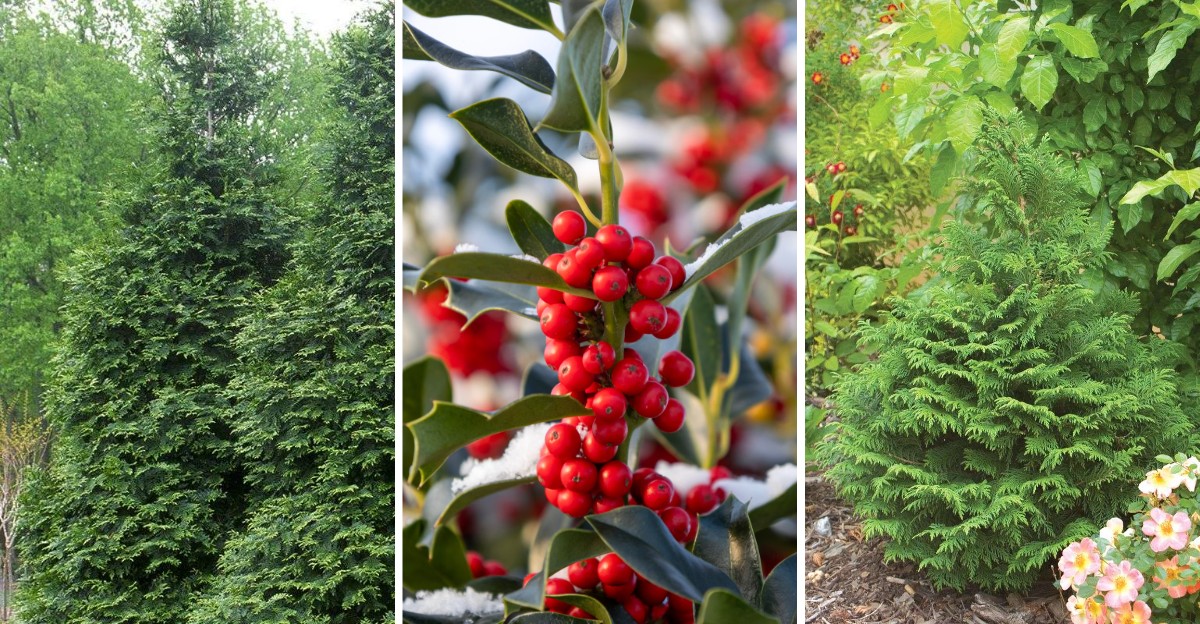
The Tug Hill Plateau east of Lake Ontario gets blanketed under some of the deepest snow east of the Rockies. Locals measure winters there in hundreds of inches, and backyard trees have to carry every heavy flake.
Wet snow weighs far more than fluffy powder, so one storm can load branches with hundreds of pounds. I watched a neighbor’s tall shrub crack straight down the middle after a single March nor’easter rolled through.
Turns out the shape of a tree matters more than its toughness when heavy snow starts piling up. You might notice that cone-shaped trees shrug off snow while wide, flat branches hold on and bend.
After years of shoveling paths and brushing off limbs across New York, I started paying closer attention. Which evergreens actually stand tall through a New York winter without a single split down the trunk?
1. Norway Spruce
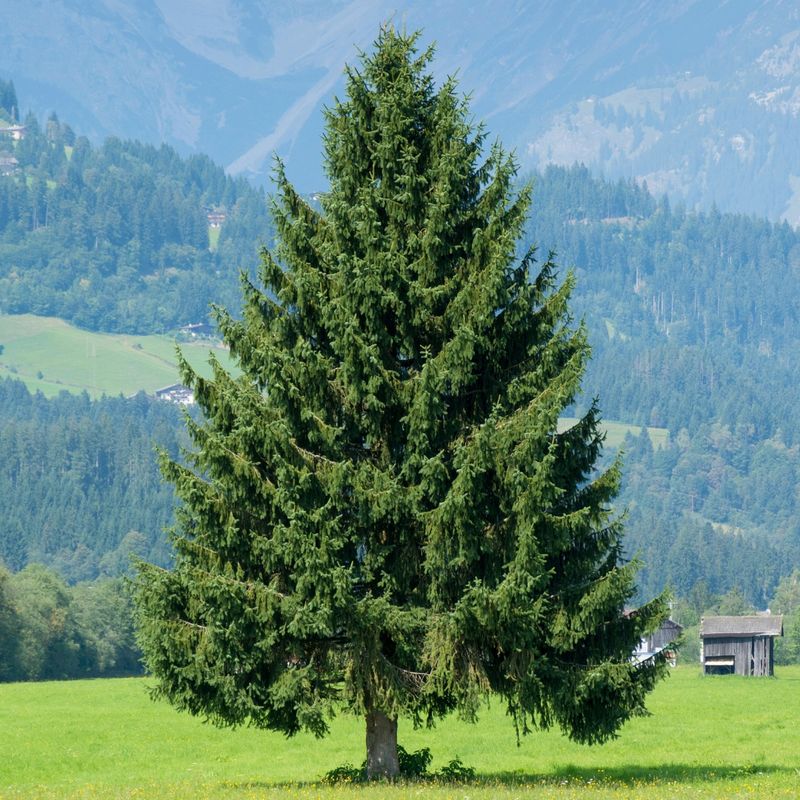
Long, sweeping branches on this giant hang down like a skirt, so heavy snow slides off. I love standing under one after a storm and hearing clumps thump softly onto the ground below.
Norway spruce (Picea abies) grows in USDA zones 2 through 7, which covers nearly every corner of New York. It grows fast, often adding two to three feet each year once the roots settle in.
Give it plenty of room, because mature trees can reach 60 feet or more and spread about 25 feet. Dark green needles stay on the branches for years, keeping the tree thick and full all winter long.
Full sun keeps this spruce growing strong, and it handles both sandy and clay soil without much fuss. Water young trees during dry spells, since steady moisture with good drainage helps them get established.
Deer usually leave it alone unless food gets scarce, which makes it handy for windbreaks near open fields. Because it spreads from seed in some woodlands, plant it in managed yards rather than near wild forest edges.
Plant one on the north side of your home, and it will block winter wind for decades. I think it earns its spot for the sound of snow sliding off those drooping limbs.
2. Balsam Fir
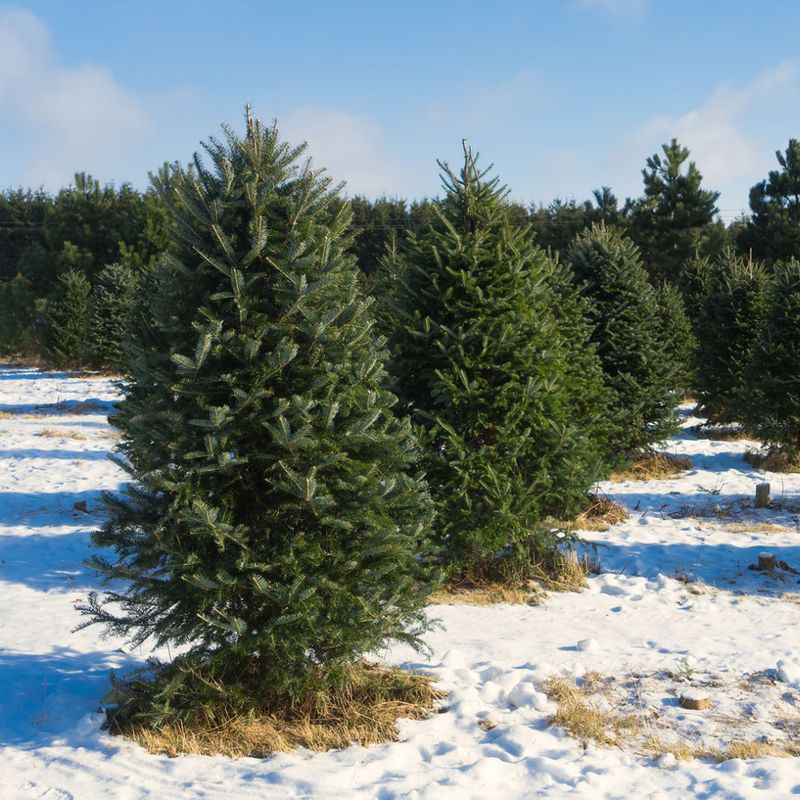
Crush a single needle from this native fir, and your fingers will smell like a holiday wreath. I keep a few twigs in my coat pocket all winter just for that fresh scent.
Balsam fir (Abies balsamea) grows wild in the Adirondacks of New York and handles USDA zones 3 through 6 with ease. Its narrow, spire-shaped crown lets snow slip down the drooping branches instead of piling on top.
Mature trees usually reach 50 to 70 feet tall, though they grow slowly during their younger years. Flat needles show two silvery lines underneath, which gives the tree a soft shimmer up close.
Moisture matters most with this fir, so pick a spot with rich, slightly acidic soil that drains well. Heavy clay tends to frustrate it, and long dry summers can stress young trees surprisingly fast.
Full sun gives the best growth, though it will accept some partial shade in a pinch. Deer adore browsing balsam fir in winter, so wrap young trees with fencing until they grow taller.
Cooler, higher spots in New York State suit it far better than hot, dry city lots downstate. Give it a damp, chilly corner, and it will reward you with a perfect cone shape.
3. Green Mountain Boxwood
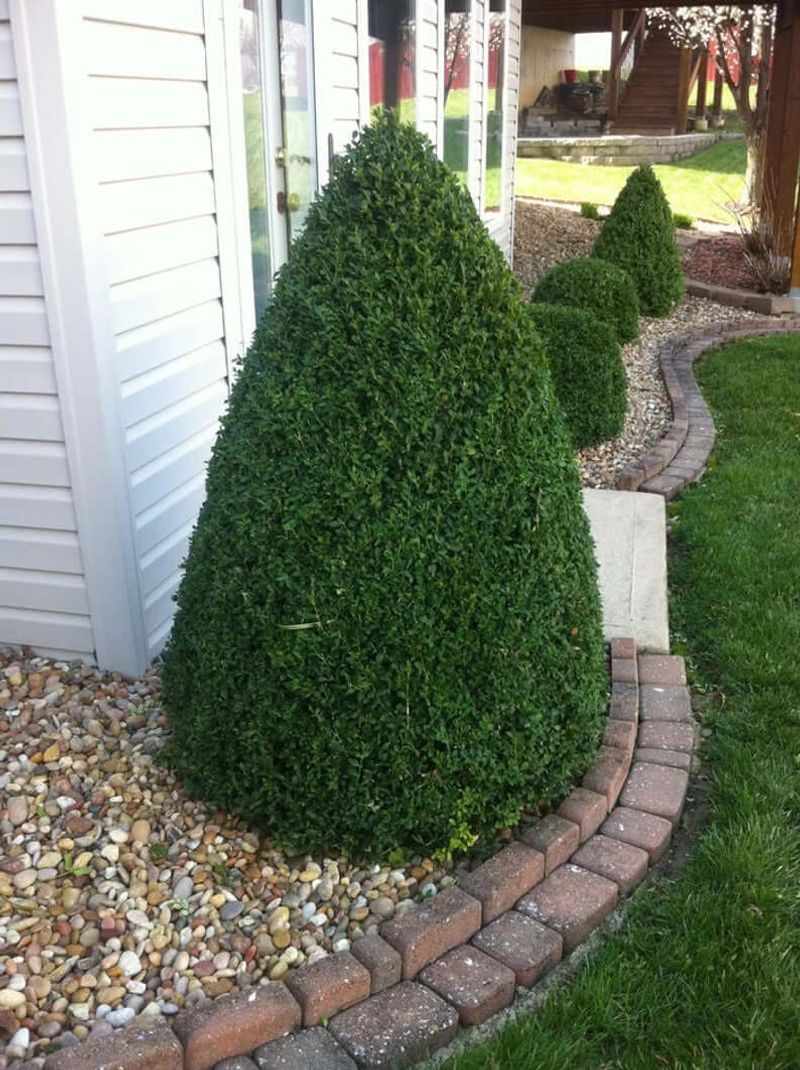
Snow can bury this little shrub up to its shoulders, and it pops back up looking tidy by spring. I treat mine like a dependable front-step guard that holds its shape through every rough winter storm.
Green Mountain boxwood is a hybrid hardy in USDA zones 4 through 8, so it fits most yards. Its natural cone shape grows full right down to the ground without much trimming from you.
Plants usually reach four to five feet tall and two to three feet wide over many years. Slow growth of about three to six inches per year makes shaping easy and stress free.
Morning sun works best, since harsh afternoon rays in winter can turn the glossy leaves a bit bronze. Moist, well-drained soil keeps it happy, though it tolerates clay better than many fussy shrubs do.
Heavy wet snow can spread the stems apart, so wrap plants loosely in burlap before winter arrives. A soft twine tie around the middle also keeps the branches gathered together under the weight.
Deer and rabbits mostly skip boxwood, which feels like a small miracle in busy suburban neighborhoods. Watch for boxwood blight, and buy plants from trusted nurseries to keep your whole hedge healthy.
4. Taylor Juniper
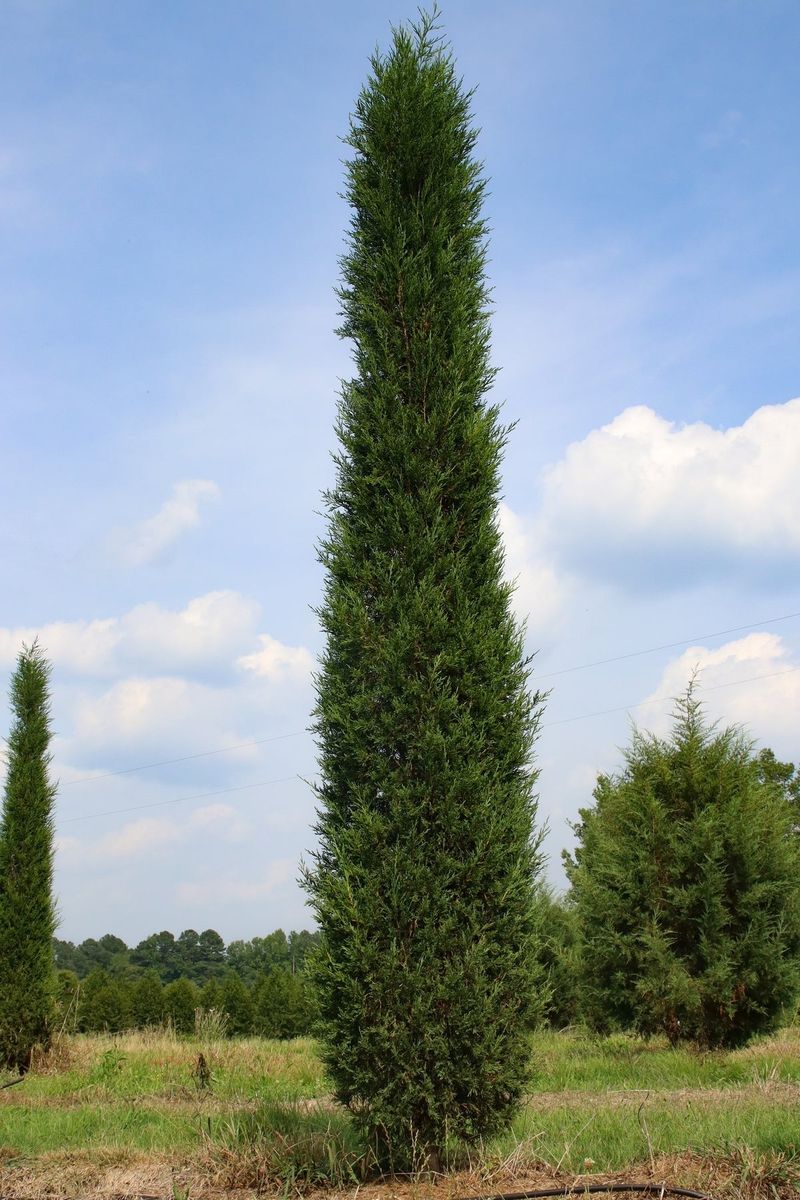
Narrow as an exclamation point, this skinny juniper looks like it was drawn with a ruler. Snow has very little room to land on it, which is exactly why I trust it.
Taylor juniper is a selection of our native eastern red cedar, Juniperus virginiana, hardy in zones 4 through 9. It grows 15 to 20 feet tall but stays only about three or four feet wide.
A strong central leader and tightly packed branches help it carry heavy loads without splitting apart. Silvery blue-green foliage may pick up bronze tones in winter, which I honestly find rather charming.
Give it at least six hours of direct sun daily for the thickest, densest growth possible. It shrugs off dry, rocky soil, but soggy ground causes real trouble for the young roots.
Water deeply during the first couple of seasons, then let it lean on its impressive drought tolerance. Deer usually pass it by, which makes it a smart pick for country properties with hungry visitors.
Line a driveway with a row of them for a crisp, formal look that stays green. Keep them away from apple trees, since eastern red cedar hosts cedar-apple rust in many areas.
5. Green Giant Arborvitae
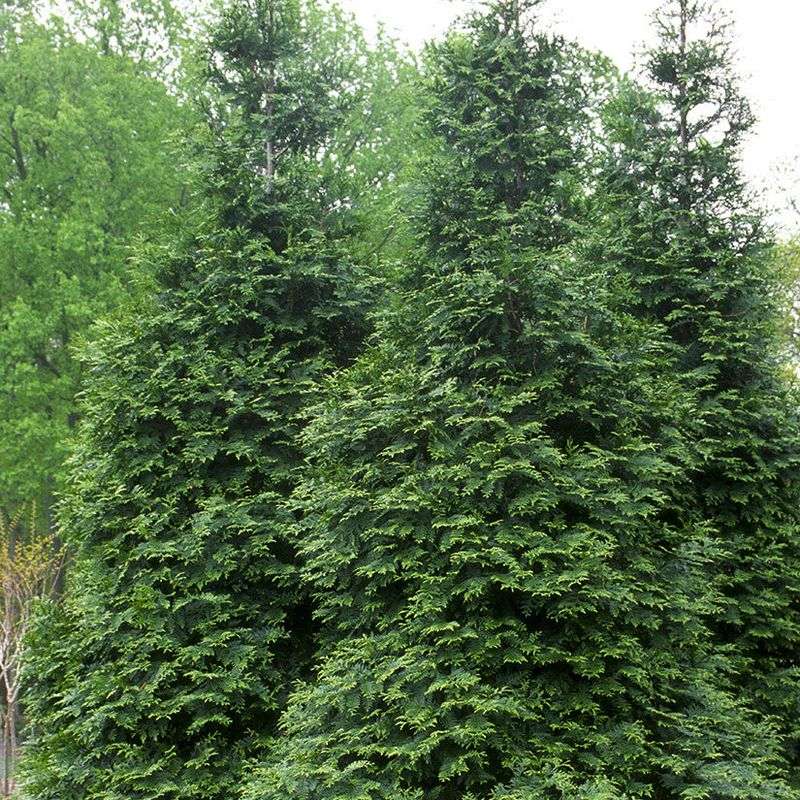
Few privacy trees shoot upward as fast as this one, sometimes gaining three to five feet a year. I planted a row once, and my backyard felt private and cozy within just a few summers.
Thuja Green Giant is a hybrid hardy in USDA zones 5 through 8, so check your zone first. Colder spots in the North Country and Adirondacks may push it past its comfortable winter limits.
Mature plants reach 40 to 60 feet tall with dense, dark green foliage that keeps color through winter. It resists ice and snow better than many arborvitae, though it still benefits from some help.
Multi-stemmed plants can bend under heavy loads, so tie the stems loosely with soft rope before storms. After snow piles up, sweep it off gently with a soft broom using light upward strokes.
Plant in moist, well-drained loam where it gets at least six hours of direct sun daily. Deep watering through the first season builds strong roots, and mature plants handle dry spells nicely.
Deer tend to nibble it far less than other arborvitae, though no shrub is fully deer proof. Space plants about five to six feet apart so each one has room to fill out.
6. Soft Serve False Cypress
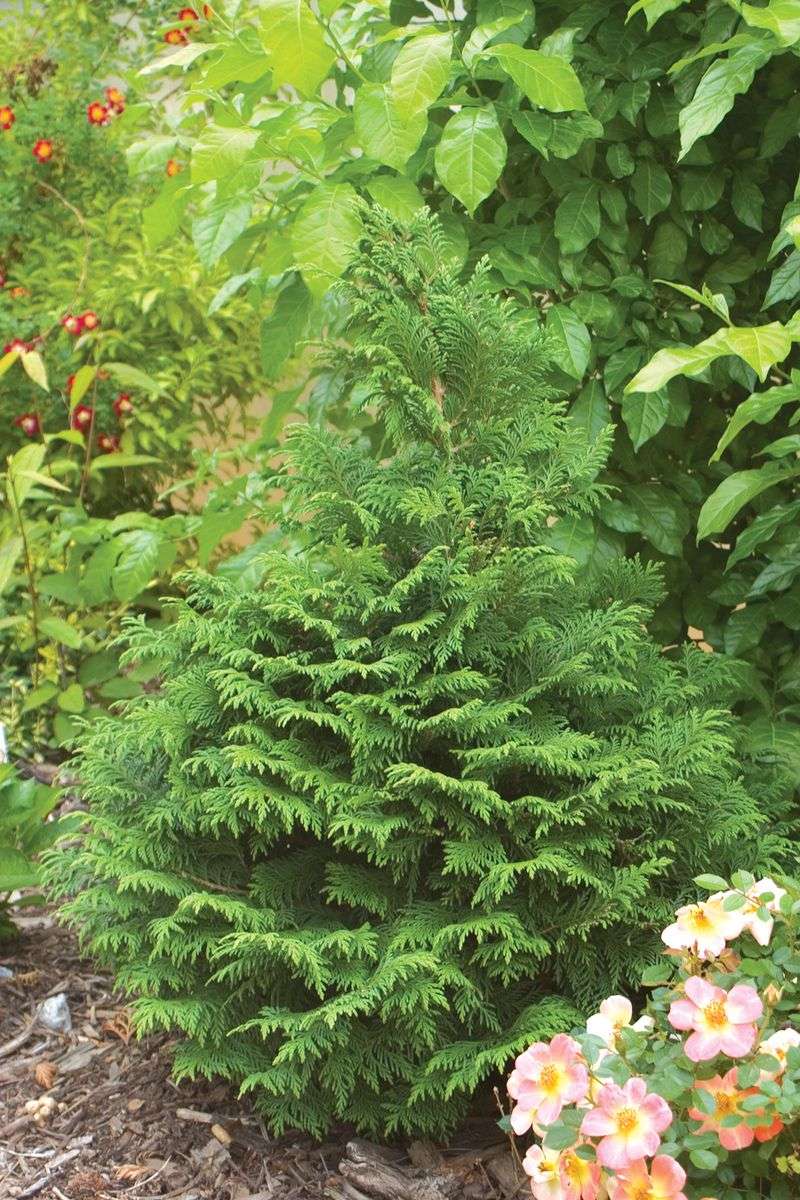
Run your hand over this shrub, and the feathery foliage feels more like a puppy than a conifer. Kids in my yard pet it every time they walk by, and I honestly do too.
Soft Serve false cypress (Chamaecyparis pisifera ‘Soft Serve’) is hardy in USDA zones 4 through 8. Expect a compact cone about 5 to 10 feet tall and roughly 5 or 6 feet wide.
Loose, airy branches let snow filter through instead of building into one heavy slab on top. That open structure means it usually rides out hard winter storms without cracking or flopping apart.
Bright green needles show silvery blue flashes underneath, which look lovely against a backdrop of fresh snow. Slow growth keeps pruning chores light, so you can spend more time admiring it than trimming.
Aim for at least four hours of direct sun, with some afternoon shade on hotter summer sites. Moist, well-drained soil suits it best, and a layer of mulch helps hold that moisture in.
Deer resistance is another bonus, making it a smart choice for foundation beds near the woods. Tuck one beside your front walk, and that soft texture will brighten even the grayest February morning.
7. Serbian Spruce
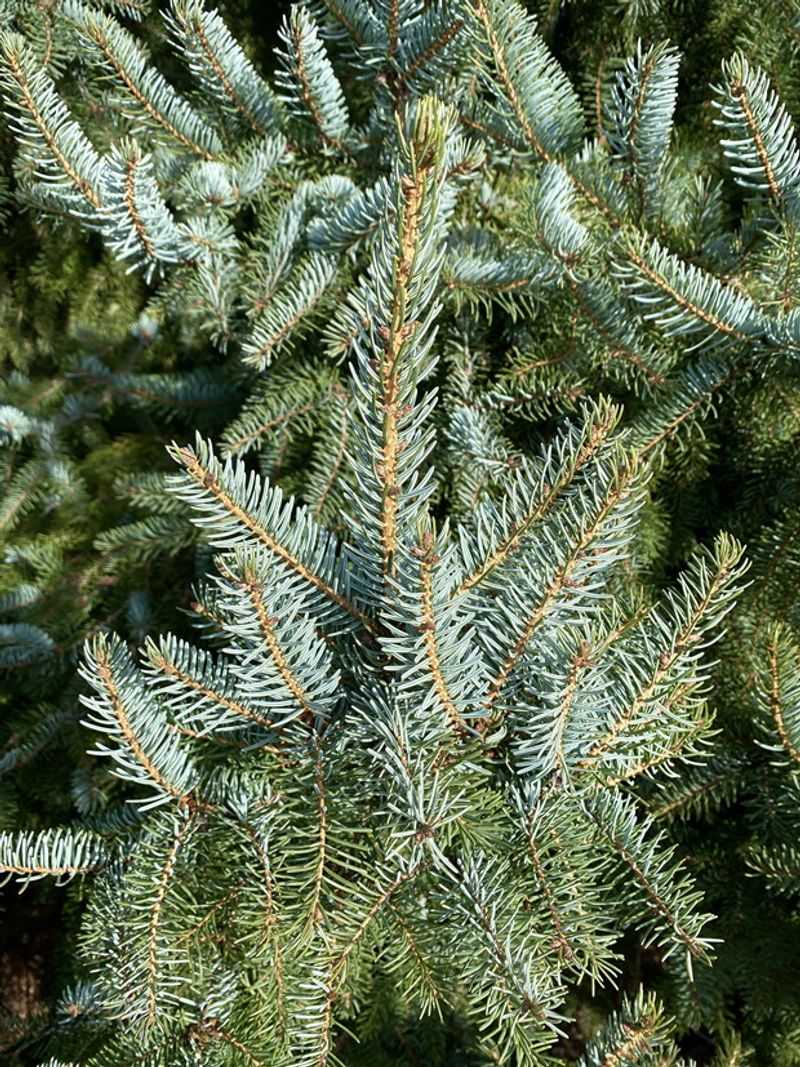
Slender and elegant, this spruce looks like a ballerina next to all its wider, bulkier cousins. Its lower branches swoop down and then curl upward at the tips, almost like a graceful wave.
Serbian spruce (Picea omorika) comes from a small mountain region in the Balkans and grows in zones 4 through 7. That narrow, upright habit gives heavy snow fewer wide places to settle and slowly build up.
Landscape trees usually reach 40 to 60 feet tall while spreading only about 15 to 25 feet. Short needles flash dark green on top and silvery white underneath whenever the wind moves the branches.
In very snowy areas, gently shake loaded branches with a broom after storms to ease the strain. Loosely tying the branches before winter can also help prevent splitting on younger and more flexible trees.
Full sun and moist, well-drained soil give the densest foliage, but soggy clay should be avoided. Young trees need steady watering, while older established ones handle short summer dry spells fairly well.
City dwellers will appreciate its tolerance of pollution, though salt spray near busy roads bothers it. Deer generally leave it alone, and I rarely reach for the pruners with this low-fuss beauty.
8. American Holly
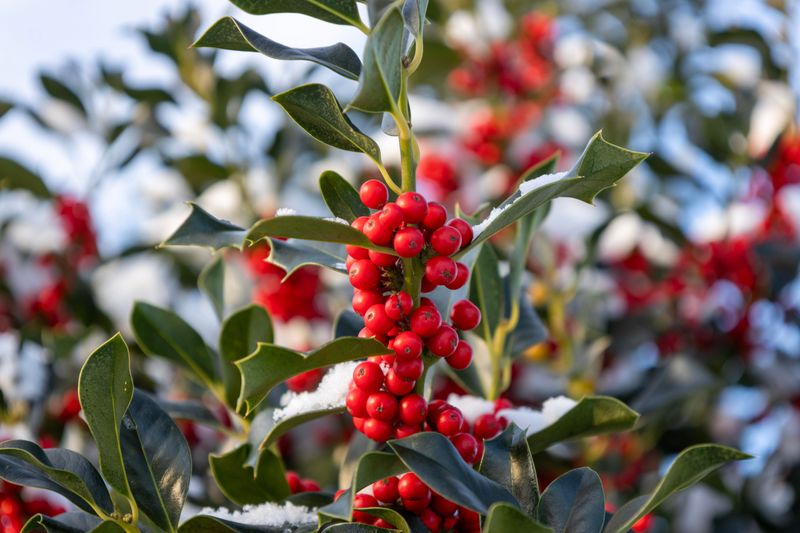
Glossy, spiny leaves and bright red berries make this tree look dressed for a party all winter. Those sharp leaf edges also scare off hungry deer, which earns my deep respect every January.
American holly (Ilex opaca) grows wild on Long Island, including the famous Sunken Forest on Fire Island. It is hardy in USDA zones 5 through 9, so it fits warmer parts of New York best.
Its stiff leaves and dense pyramid shape handle snow well, especially when sheltered from harsh drying winds. Trees grow slowly, often reaching 20 to 40 feet tall and roughly half as wide over time.
You need both a male and a female plant nearby before any berries will show up. Only the females produce fruit, and birds happily snack on those berries through the colder months.
Full sun brings the heaviest berry crop, though partial shade works fine for healthy green leaves. Plant it in moist, acidic soil that drains well, and avoid very dry or windy spots.
Keep young plants watered during their first seasons, since steady moisture helps them settle in faster. A burlap screen on the windy side can protect leaves from winter browning in exposed yards.
9. Fraser Fir
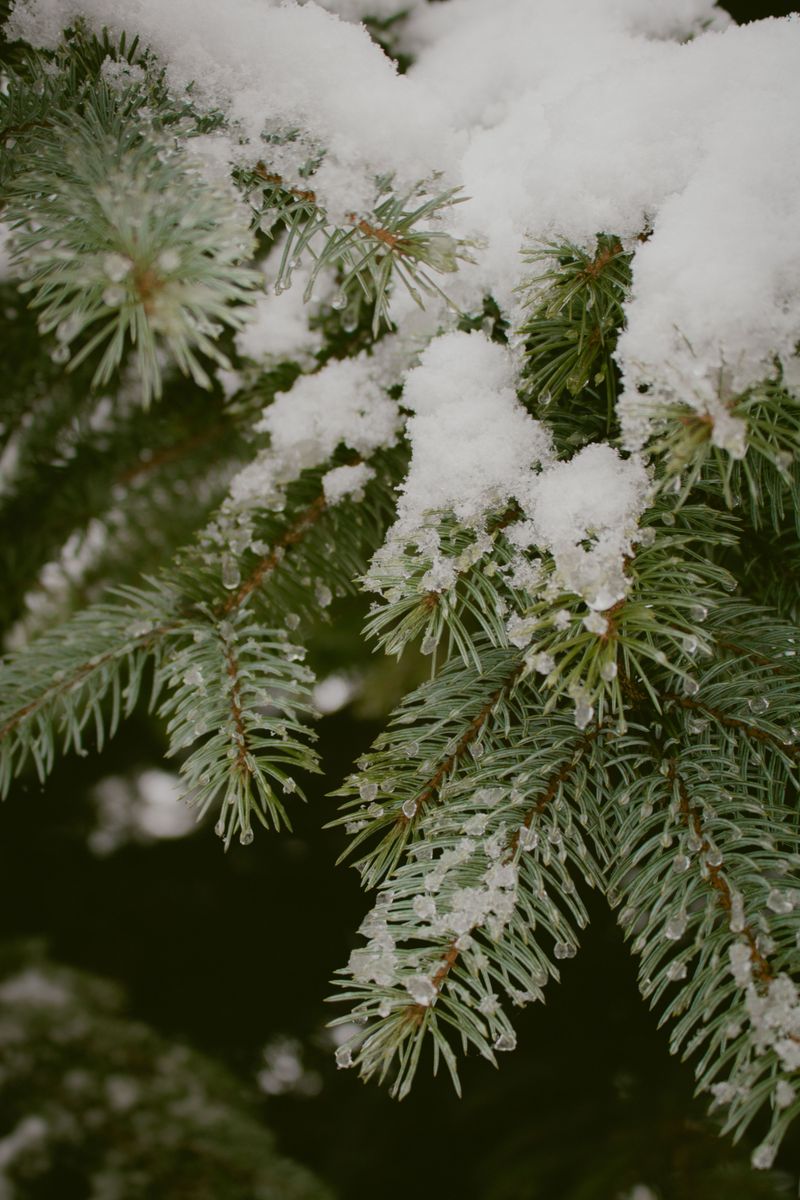
Your living room might already know this tree, since it ranks among the most popular Christmas trees around. I think it looks even better outside, wearing real snow instead of shiny tinsel and lights.
Fraser fir (Abies fraseri) comes from the high southern Appalachian mountains and grows in zones 4 through 7. Sturdy, upward-angled branches and a strong central leader help it carry heavy snow without breaking apart.
In home landscapes, expect about 30 to 50 feet of height and a fairly narrow spread. The soft needles have silvery undersides and release a sweet, piney smell when you crush them.
Moisture is the big deal here, because this fir does not become drought tolerant with age. Deep watering during dry spells keeps it healthy, especially in sandy soil that drains too quickly.
Choose acidic, well-drained ground with full sun or light afternoon shade, and skip heavy, soggy clay. Road salt and city pollution bother it, so plant it well away from busy, salted streets.
Deer often damage young Fraser firs, so fencing or tree guards may be worth the effort. Find it a cool, damp home, and your yard will smell like the holidays year round.
10. Concolor Fir
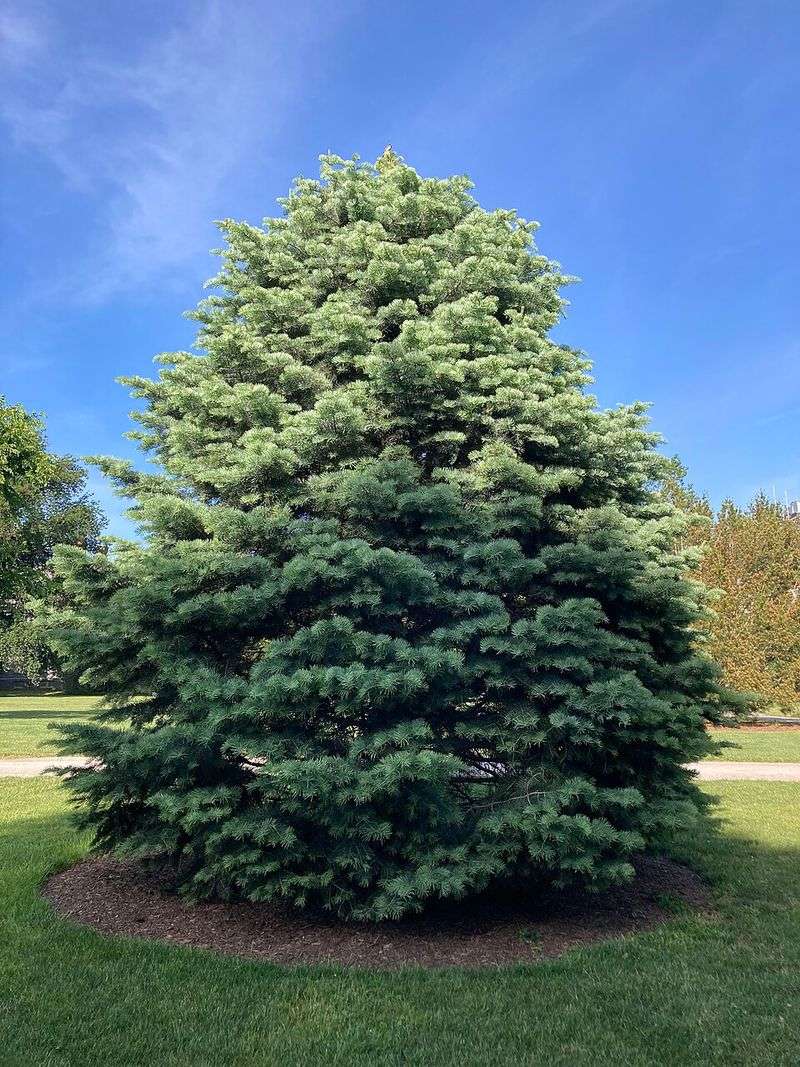
Crushed needles from this blue beauty smell faintly of citrus, which surprises nearly everyone I show it to. The soft, silvery blue color glows against snow like frosted glass on a bright winter morning.
Concolor fir, also called white fir (Abies concolor), is hardy in USDA zones 3 through 7. That wide range covers even the chilliest, snowiest corners of New York with room to spare.
Its narrow cone shape sheds snow and ice nicely, so heavy loads usually cause little damage. Dense growth helps it hold that tidy form without much pruning from you over the years.
Landscape trees often reach 40 to 70 feet tall, adding about 10 to 18 inches each year. Unlike many firs, it handles summer heat and dry spells once its roots settle in well.
Plant it in full sun to part shade, with slightly acidic soil that drains freely after storms. Heavy clay and soggy low spots cause trouble, so a gentle, well-drained slope often works wonderfully.
Deer may browse it when food runs short, so protect young trees in areas with heavy deer traffic. Some specimens live over 300 years, which means your grandkids might shovel snow beside the same tree.