Why Shenandoah Valley’s First Frost Falls Around October 15 This Year
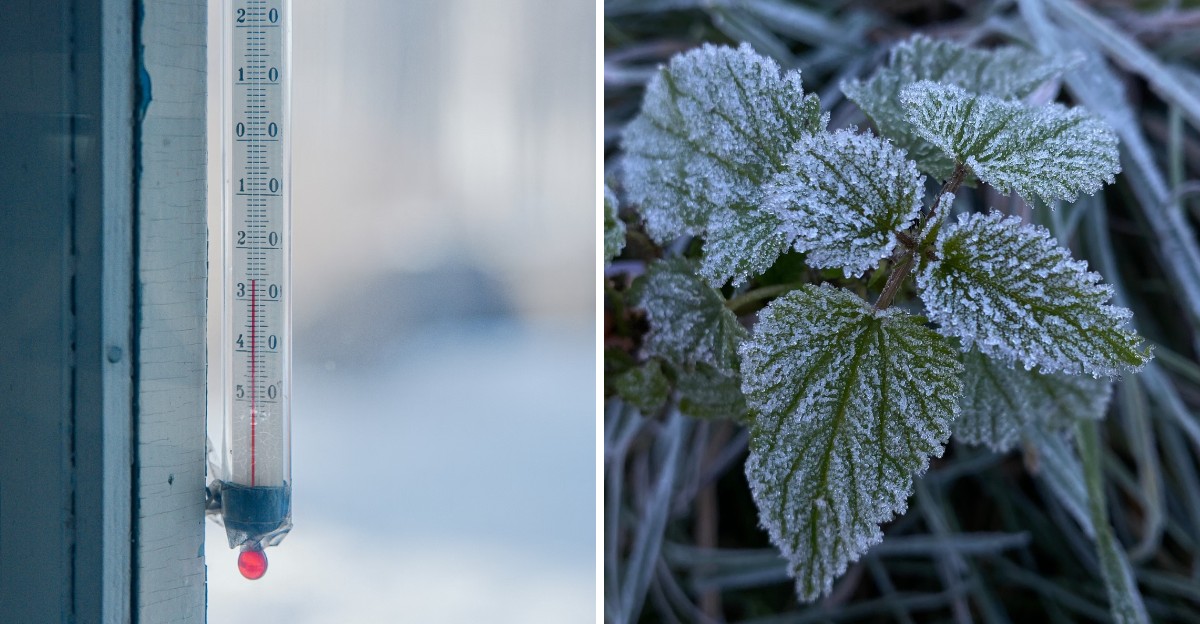
Why does frost land on your windshield before your neighbor’s across the ridge? Clear skies let heat escape upward, and you wake to a glazed lawn.
Cold air is heavy, so you find it pooling in valley bottoms. Dry air amplifies the chill because you lack moisture to hold daytime warmth.
Atlantic moisture can add cloud cover, and you notice it delaying the freeze. Virginia’s Shenandoah Valley sits between the Blue Ridge and Alleghenies, so you feel that squeeze.
Elevation matters, so you see frost timing shift between ridgetops and valleys. Late October brings the average date, though you should watch forecasts for clear, calm nights.
Tender tomatoes need covers before dusk, and you can drape old sheets over them. Gardeners in Virginia’s valley time harvests around this date, and you can too. Harvest early and you keep weekends free.
1. Mountain Walls Trap Cold Air In The Valley
Picture the valley as a giant bathtub, with mountain ridges standing guard on both sides. The Blue Ridge rises to the east, and the Allegheny Mountains stretch along the west.
Cold air is heavier than warm air, so it slides downhill after sunset like syrup. It pools in the lowest spots, and the valley floor holds plenty of those.
Scientists call this process cold air drainage, and it happens on calm nights throughout autumn. By dawn, a farm field near the river can be several degrees colder than a nearby hillside.
That is why some low spots see their first frosty coating days before the surrounding slopes. Hilltop orchards often stay a bit milder because the chill keeps sliding past them.
The mountains also block some warm, moist breezes that might otherwise keep nights cozy. With fewer warm winds sneaking in, the valley cools off quickly once the sun drops.
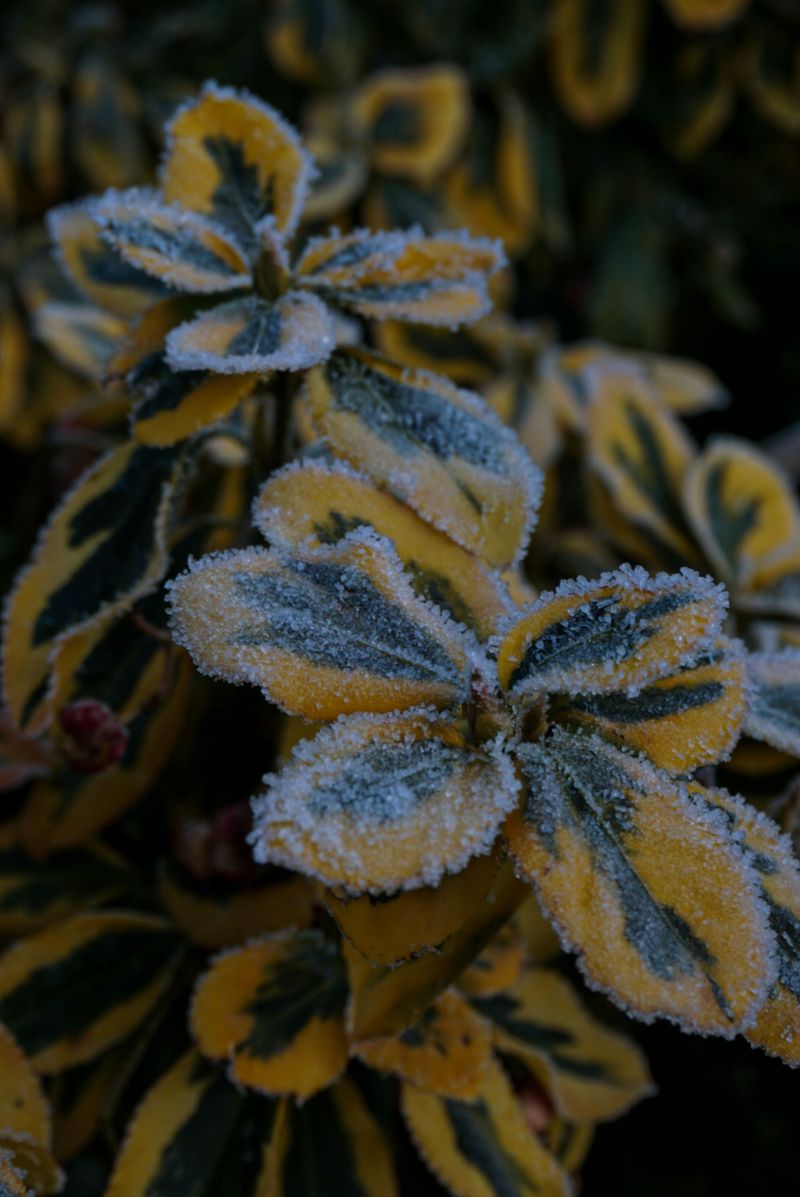
You can see this effect yourself on a clear October morning. Look for wispy fog or sparkly grass hugging the lowest parts of a field or yard.
Gardeners can use this knowledge to pick smarter planting spots next spring. Tender plants do better on gentle slopes than in the bottom of a dip.
If your yard sits in a low corner, cover sensitive plants a few days early. A bedsheet or old blanket tossed over them at night can hold in surprising warmth.
The valley shape plays a starring role in why mid-to-late October brings that first chilly surprise.
2. Clear Skies Let Daytime Heat Escape

Ever notice that cloudy autumn nights feel softer than clear ones? Clouds act like a fluffy blanket, trapping heat the ground soaked up during the day.
When October skies turn crystal clear, that blanket disappears and warmth floats straight into space. Weather experts call this radiational cooling, and it works fastest on calm, starry nights.
The Shenandoah Valley gets plenty of those clear nights in mid-autumn. High pressure systems often settle over Virginia this time of year, bringing calm winds and sunny days.
Sunny afternoons can fool you into thinking winter is far away. A seventy-degree afternoon can still slide into a night near freezing when skies stay clear.
Your Virginia Garden Changes Every Week. Your Plan Should Too.
Gardening in Virginia changes quickly throughout the season. Every Friday you’ll receive a simple weekly plan showing exactly what to plant, prune, fertilize, harvest, and protect so you never miss the right timing.
Wind matters too, because a breeze mixes warmer air down toward the ground. On still nights, the coldest air settles right at grass level, where ice crystals form first.
That explains why your car roof might sparkle while the thermometer on the porch reads thirty-five. Surfaces near the ground can dip below freezing even when the air higher up stays warmer.
A smart habit is checking the evening sky before bed in October. If you see bright stars and feel no wind, expect a chilly wake-up call.
Local forecasts also mention clear and calm conditions, so listen for those words. They act as a helpful hint that tender plants need protection overnight.
Mid-October is when those starry, still nights start lining up in a row. Each one pulls a little more heat away until the valley finally sparkles white.
3. Shorter Days Tip The Heat Balance
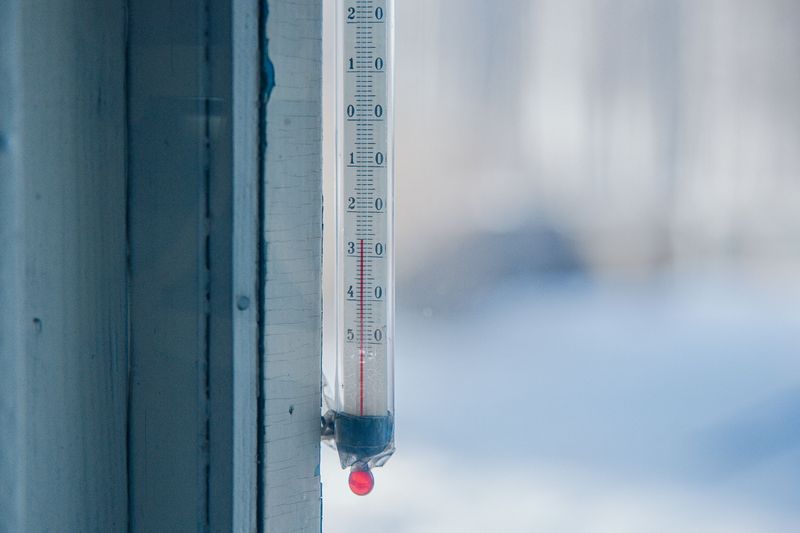
By mid-October, the Shenandoah Valley loses roughly two minutes of daylight each day. That might sound tiny, but those minutes add up fast.
Back in late June, the sun hung around for nearly fifteen hours. By October 15, daylight shrinks to about eleven hours, while nights stretch to nearly thirteen.
Think of the ground like a bank account for heat. Sunshine makes deposits during the day, and darkness makes withdrawals overnight.
In summer, deposits win easily, so the land stays toasty. In autumn, the withdrawals start winning, and the soil slowly loses its stored warmth.
The sun also sits lower in the sky as fall moves along. Its rays hit the earth at a slant, spreading weaker energy over a wider area.
You can test this by noticing your shadow at lunchtime. In October, it stretches much longer than it did during summer vacation.
Longer nights give the ground more hours to release heat into the sky. By sunrise, the land has cooled enough for ice crystals to appear on grass and leaves.
By mid-October, long nights increasingly outweigh sunny days in the valley. Warm afternoons still balance things out early in the month, but the chill gains ground afterward.
For gardeners, this shift is a helpful clue to start harvesting. Pick ripe peppers, squash, and green tomatoes before the longest, coldest nights begin stacking up.
Green tomatoes can ripen indoors. Wrap them loosely in newspaper and keep them in a cool, dry spot, and you might enjoy homegrown salsa into November.
4. Dry Autumn Air Cools Down Faster
Water holds heat well, and that simple fact shapes chilly October mornings. Moist air holds onto warmth much better than dry air does.
Summer in Virginia feels sticky because the air carries plenty of water vapor. That moisture works like an invisible quilt, slowing down how fast nights cool off.
Autumn changes the recipe, as drier air masses drift in from Canada and the Midwest. Low humidity lets temperatures drop quickly after the sun goes down.
Weather folks track something called the dew point to measure moisture. When the dew point drops into the thirties, freezing temperatures become much more likely overnight.
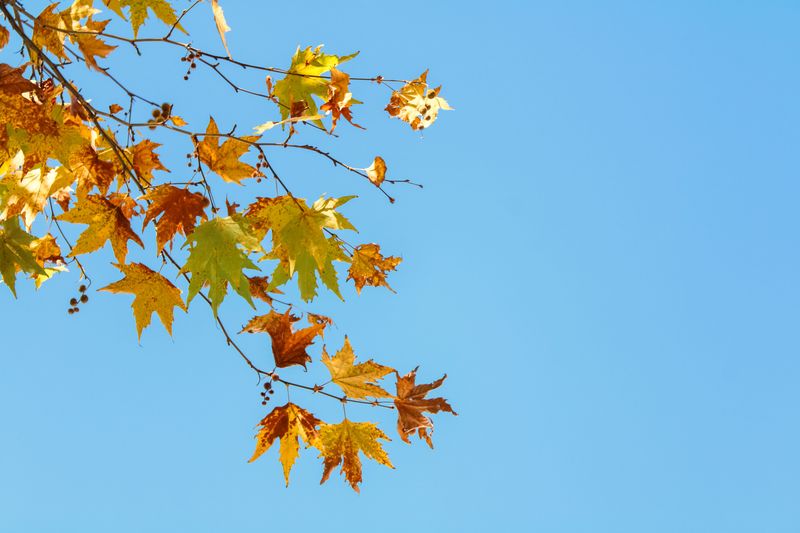
Autumn often brings lower humidity to the Shenandoah Valley, especially after cold fronts pass. Crisp blue skies and crunchy leaves are clues that the air has lost its summer dampness.
Dry air also helps clouds stay away, which adds to the cooling effect. So low humidity and clear skies work together to cool the air.
You can feel the difference on your skin during a fall hike. Lips get chapped, hands feel drier, and the shade suddenly feels much cooler than the sun.
Pay attention to forecasts that mention low dew points in mid-October. Water your garden lightly in the afternoon, since moist soil releases a little extra heat overnight.
That small trick can protect lettuce, herbs, and late flowers for a few extra days. It takes only a few minutes with a hose before supper.
5. Elevation Changes The Calendar For Each Town
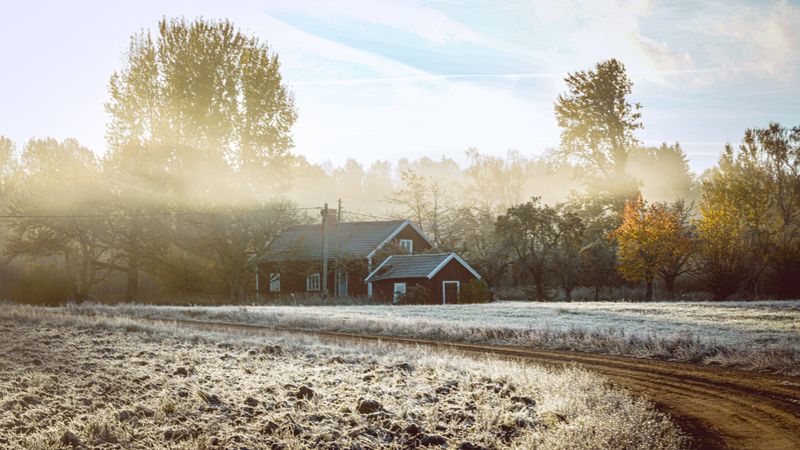
Newcomers to the valley are often surprised by this. Two towns just thirty miles apart can see their first frosty morning a week apart.
Elevation is the big reason behind that difference. Air usually cools about three to five degrees for every thousand feet you climb.
Winchester sits around seven hundred feet above sea level near the valley’s northern end. Staunton sits near fourteen hundred feet, Lexington near one thousand, and mountain hollows can climb well past two thousand.
Higher spots generally get chilly mornings earlier in the season, though valley floors can frost first on calm, clear nights. Places like Highland County, just west of the valley, often see icy grass by late September.
Meanwhile, river bottoms can run colder on calm nights. Towns with more pavement and buildings may hold onto warmth a little longer, since those surfaces soak up daytime heat and release it slowly at night.
That is why mid-October works as a starting point, not a strict rule. Some backyards will sparkle a week sooner, while others may wait until early November.
To learn your own timing, check the elevation of your home online. Many free map tools show this number instantly when you type in an address.
Keeping a simple garden journal helps too. Write down the date of your first frosty morning each year, and patterns will appear quickly.
After a few seasons, you will know your yard better than a general forecast does. Neighbors might even start asking you when to cover their plants.
Elevation turns one valley into many tiny climates, each with its own schedule. Learning yours is like discovering a secret weather calendar hiding in your backyard.
6. Historical Records Point To Mid-October
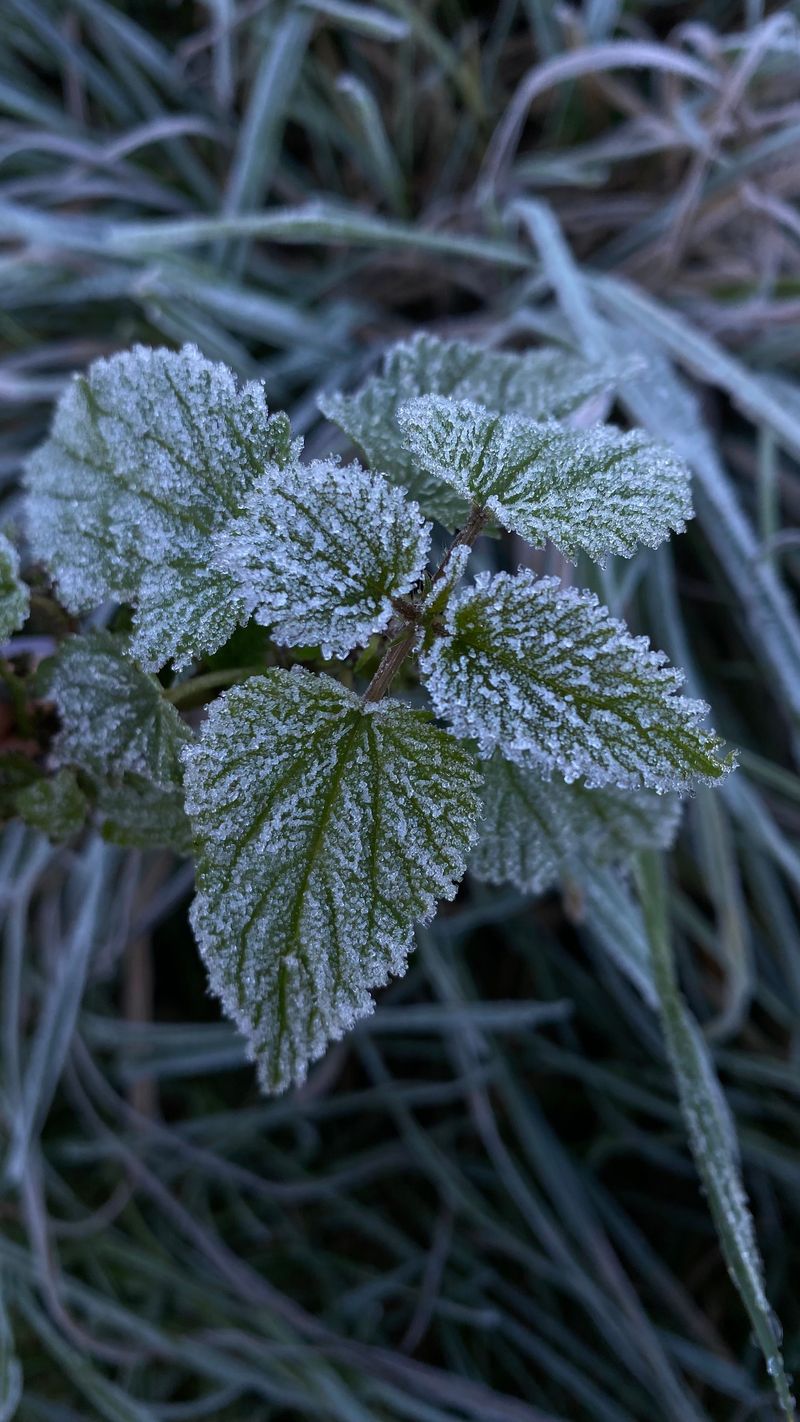
Weather watchers in the valley have been jotting down temperatures for well over a century. All those notebooks and digital records tell a surprisingly steady story.
The National Weather Service and state climate experts study decades of data to find averages. Across the Shenandoah Valley, the first freezing night typically lands between mid and late October, depending on elevation and location.
Averages work a bit like a class test score. Some years come in early, some come in late, but most cluster near the middle.
Records show first freezes ranging from late September to early November in many valley towns. Recent NOAA normals place the typical first freeze for many valley towns in the second half of October.
Farmers have trusted these patterns for generations. Family wisdom has long encouraged growers to wrap up tender harvests by mid-October.
Apple growers in the valley pay close attention to these dates. Picking before hard freezes protects the fruit and keeps those famous Shenandoah apples crisp and sweet.
Climate experts also notice that average first freeze dates have crept a little later over time. Warmer overall temperatures have nudged the season by several days in many parts of Virginia.
Even with that shift, mid-October still holds strong as a reliable guide. Nature likes routines, much like people who eat pancakes on Saturday mornings.
You can explore this history yourself using free online climate tools. Websites from NOAA and the Southeast Regional Climate Center share past freeze dates for many towns.
Looking at old data makes the weather feel personal. Your great-grandparents might have shivered through the same chilly October mornings you notice today.
7. Ocean Patterns May Nudge This Year’s Outlook

Water thousands of miles away can nudge when your pumpkins feel a chill. The Pacific Ocean plays a modest role in Virginia weather.
Scientists watch ocean temperatures near the equator for patterns called El Niño and La Niña. This fall, forecasters are tracking Pacific conditions closely.
Such patterns can nudge the jet stream into a wavy shape across North America. That can send occasional surges of cool air from Canada into the Mid-Atlantic.
Those cool shots usually arrive between stretches of mild, pleasant fall weather. One crisp front in mid-October can be enough to bring that first frosty morning.
Ocean patterns do not control individual days, of course. Local factors like mountains and clear skies still do most of the heavy lifting.
Forecasters at NOAA update seasonal outlooks monthly. Checking their website in early October gives you a sneak peek at what might be coming.
Paying attention to big patterns can help you plan beyond your garden. Gutter cleaning, firewood stacking, and outdoor faucet covers can all happen before the chill arrives.
8. Gardeners Use The Date To Plan Ahead
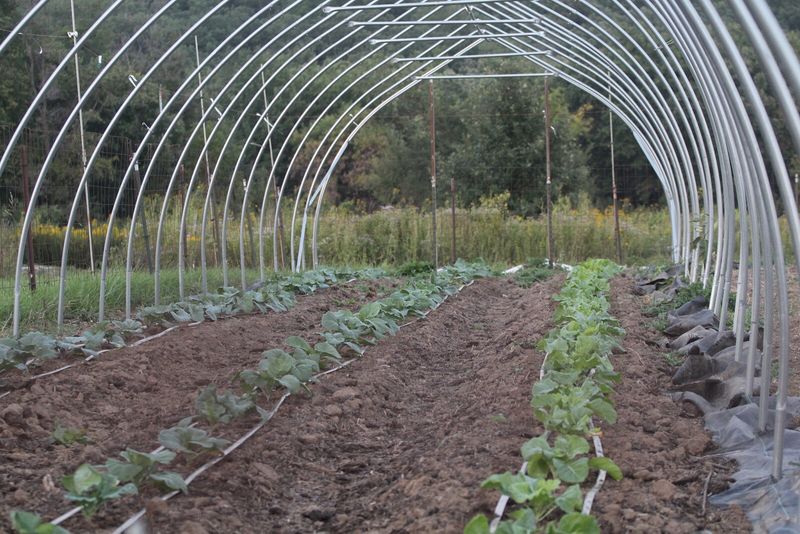
Smart gardeners mark mid-October on their calendars. Knowing the average date gives you time to prepare instead of rushing. A little planning can save plants that took you all summer to grow.
Start by bringing tender houseplants indoors during the first week of October. Ferns, spider plants, and tropical flowers dislike chilly nights and can be damaged by them.
Harvest warm-season crops like basil, beans, peppers, and squash before mid-month. Basil blackens quickly in cold weather, so pick it early for pesto.
Cool-season crops tell a happier story. Kale, spinach, carrots, and Brussels sprouts often taste sweeter after a light freeze.
Keep old sheets, buckets, or frost cloth handy for surprise cold snaps. Cover plants in the evening and remove the covers once the morning sun warms things up.
October is also a great time to plant garlic and spring bulbs. Tulips and daffodils need cool soil to settle in before winter arrives.
Mulching garden beds with shredded leaves protects roots and feeds the soil. Plus, it gives you an excuse to jump in leaf piles first.
Drain garden hoses and store them before freezing nights become regular. Cracked hoses in spring are an unwelcome surprise.
Treat mid-October as a friendly reminder rather than a strict cutoff. Your garden will thank you with healthy plants and a strong start next spring.