Simple Ways To Help Your Hoya Grow Faster And Bloom Indoors In Pennsylvania
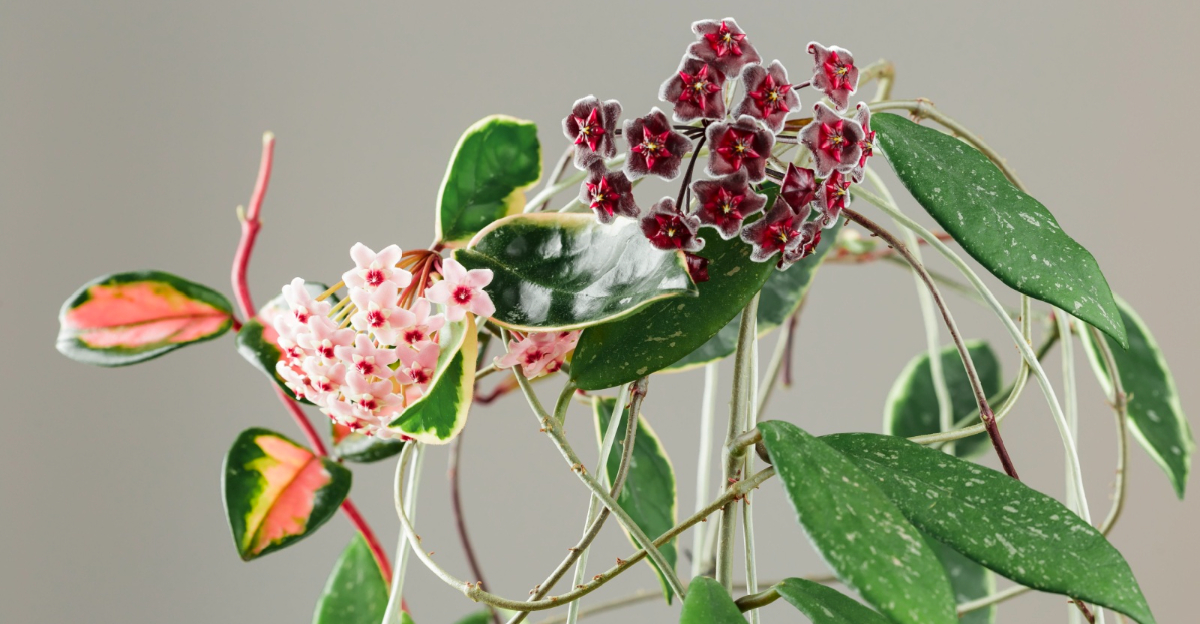
Ever wonder why your Hoya looks healthy but still refuses to bloom? In Pennsylvania homes, growing this plant can feel slow and a bit unpredictable, especially through the darker winter months.
Short days, limited sunlight, and dry indoor air from heating systems can all affect how Hoyas grow and develop. These plants are loved for their thick, glossy leaves and eye-catching, fragrant blooms, but they respond best to the right balance of light, humidity, and steady care.
Once you understand how seasonal changes in Pennsylvania affect your Hoya, a few small adjustments can lead to stronger growth and a better chance of seeing those sought-after blooms.
1. Give Your Hoya Bright Indirect Light For Stronger Growth
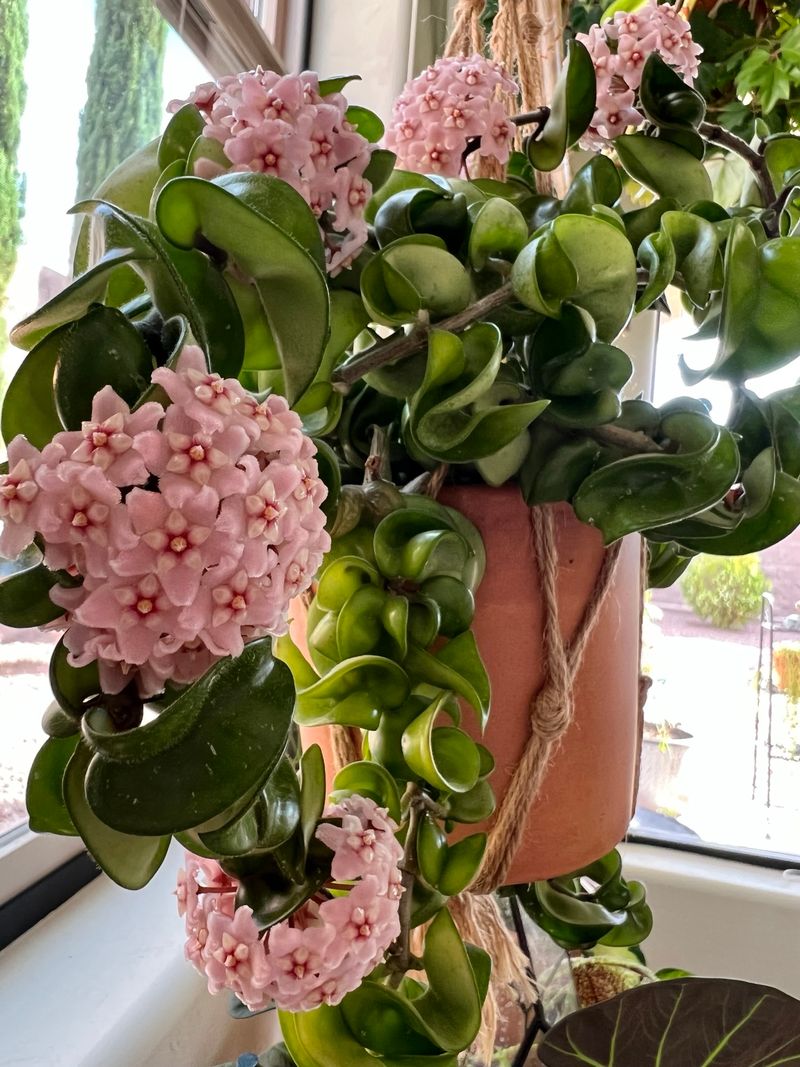
Pennsylvania homes lose a significant amount of natural light during fall and winter, and your Hoya will feel that shift more than you might expect. Shorter days and lower sun angles mean that spots that felt bright in July can become dim and shadowy by November.
Positioning your Hoya near an east or west-facing window gives it several hours of gentle, indirect sunlight without exposing the leaves to harsh midday rays that can cause scorching.
South-facing windows can work well too, especially in winter, as long as you use a sheer curtain to soften the intensity of direct sun. Rotating the pot every few weeks helps all sides of the plant receive even light exposure, which encourages more balanced, fuller growth over time.
If your home feels particularly dark during Pennsylvania’s gray winter months, a simple grow light placed a foot or two above the plant can make a real difference. Even running a grow light for six to eight hours a day can help maintain steady growth when natural light falls short.
Brighter conditions generally lead to more vigorous vines and increase the chances of the plant setting flower buds when warmer months return.
2. Let The Soil Dry Slightly Between Watering
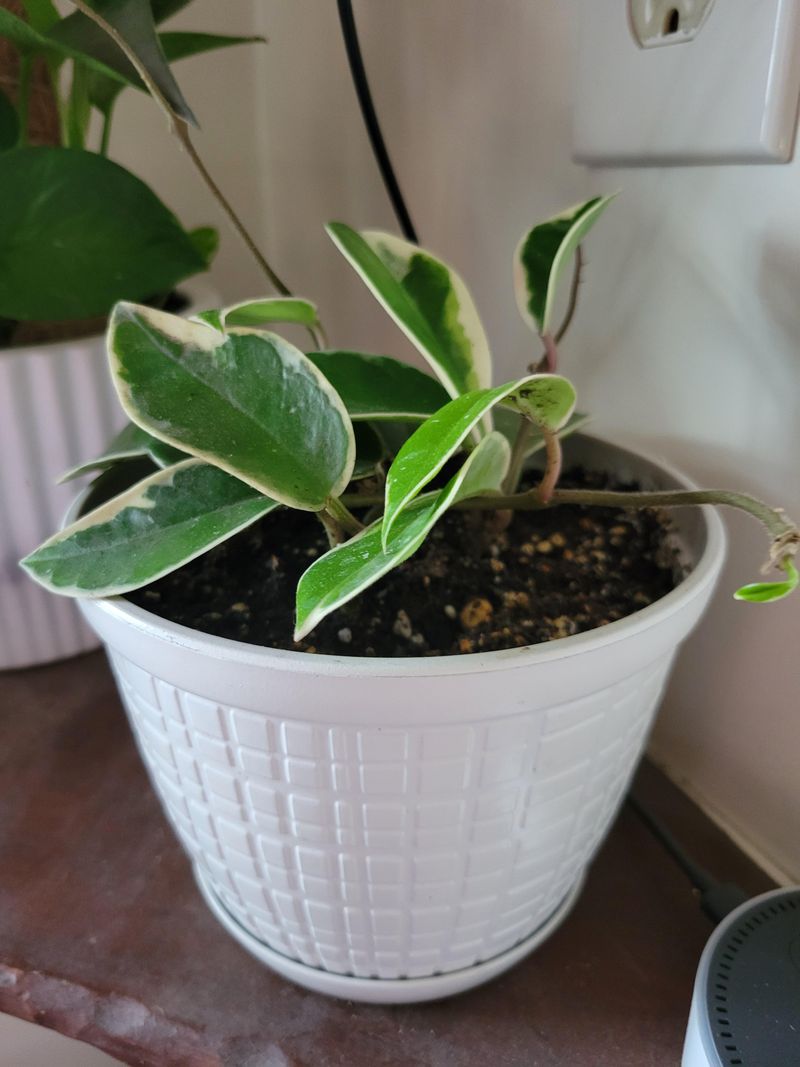
Overwatering is one of the most common struggles houseplant owners face, and Hoyas are especially sensitive to soggy conditions.
Unlike many tropical plants that enjoy consistently moist soil, Hoyas are semi-succulent in nature, meaning their thick leaves store some moisture and they prefer a brief dry-out period between waterings.
Letting the top inch or two of soil dry before watering again keeps the roots healthy and breathing.
During Pennsylvania’s spring and summer months, you may find yourself watering every seven to ten days depending on pot size, humidity levels, and how much light the plant receives.
Come winter, when growth naturally slows and indoor heating pulls moisture from the air, the soil takes longer to dry out, so stretching watering intervals to every two weeks or more is reasonable.
A simple finger test works well for gauging soil moisture. Press your finger about an inch into the soil, and if it still feels damp, wait a few more days before watering.
Using a pot with drainage holes is equally important, since water sitting at the bottom of a pot without drainage can lead to root rot fairly quickly. Consistent but cautious watering encourages stronger, more resilient roots over time.
Your Pennsylvania Garden Changes Every Week. Your Plan Should Too.
Gardening in Pennsylvania changes quickly throughout the season. Every Friday you’ll receive a simple weekly plan showing exactly what to plant, prune, fertilize, harvest, and protect so you never miss the right timing.
3. Use A Well-Draining Potting Mix To Support Healthy Roots
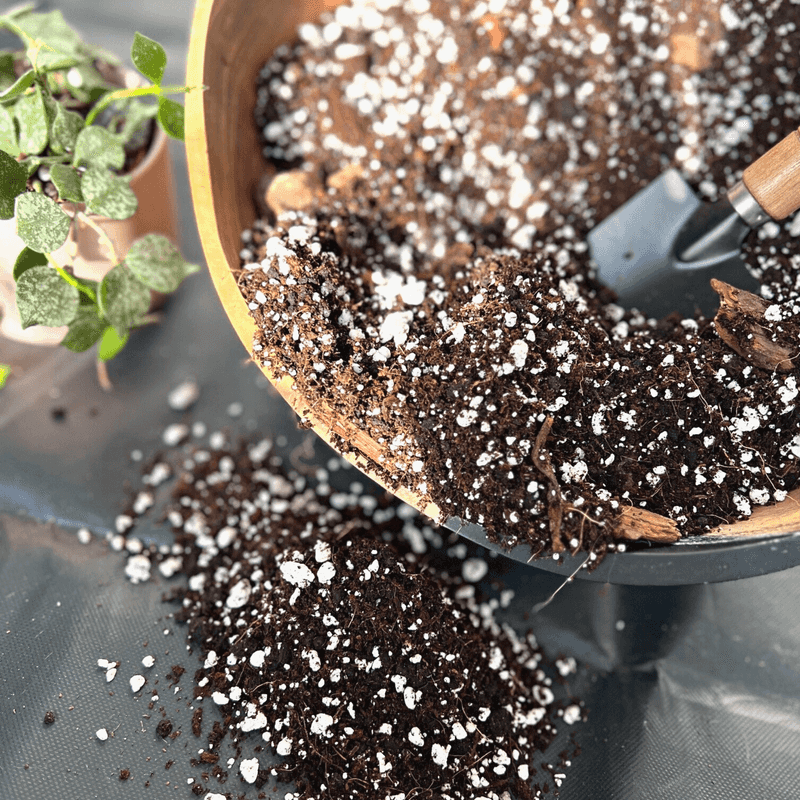
Standard potting soil straight from the bag tends to hold more moisture than Hoyas prefer, which can create problems over time. A chunky, well-aerated mix allows water to flow through quickly while still holding just enough moisture for the roots to absorb what they need.
Many Hoya growers find that blending regular potting soil with orchid bark and perlite creates a light, breathable medium that supports healthy root development.
A common starting ratio is one part potting soil, one part orchid bark, and one part perlite. This combination mimics the loose, airy conditions Hoyas naturally grow in as epiphytic plants in their native environments.
The bark creates air pockets around the roots, reducing the chance of compaction, while perlite improves drainage and prevents water from lingering too long near the root zone.
In Pennsylvania homes where indoor heating during winter can fluctuate and humidity drops, having a well-draining mix becomes even more valuable because it reduces the risk of excess moisture sitting around roots when the plant is growing more slowly.
Repotting into fresh mix every couple of years also refreshes the nutrients available to the plant and gives the roots room to expand in a clean, well-structured environment.
4. Keep Temperatures Consistent For Steady Growth
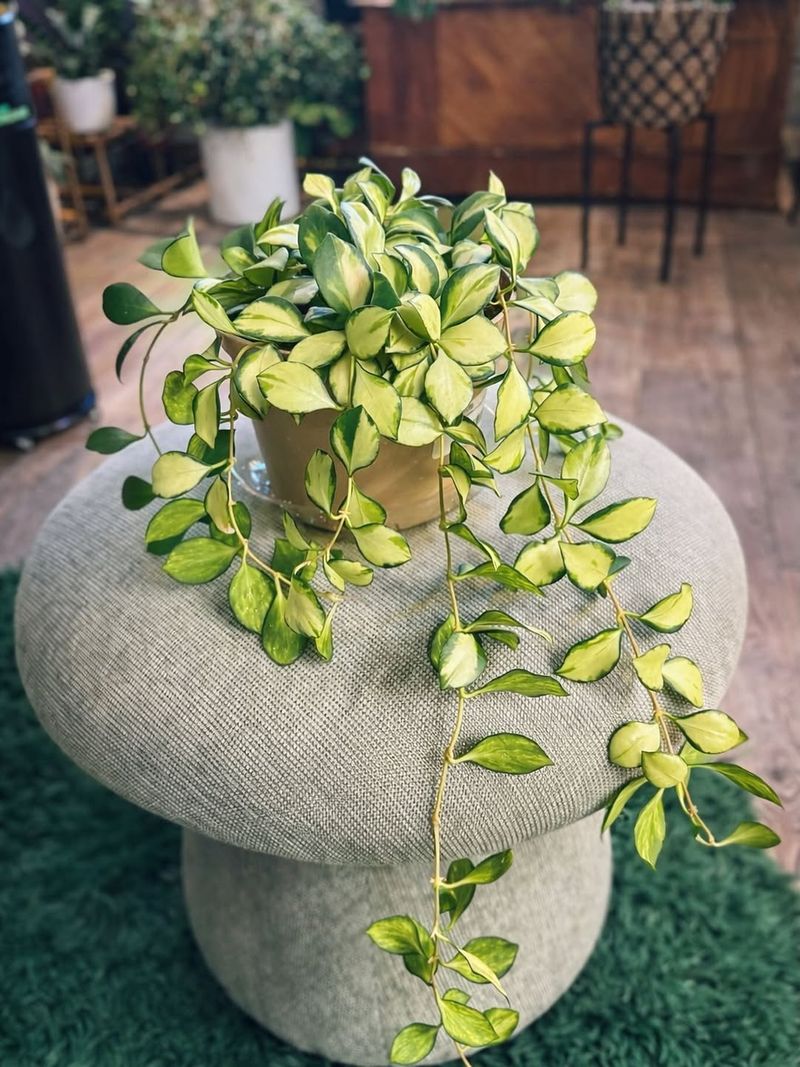
Temperature swings are harder on indoor plants than most people realize, and Pennsylvania homes can experience some pretty dramatic fluctuations between the warmth near a heating vent and the chill that radiates from a window on a January night.
Hoyas generally do well in temperatures between 65 and 80 degrees Fahrenheit, making most indoor environments comfortable for them during the day.
The challenge comes at night and in winter when drafts and heating cycles create unpredictable conditions.
Placing your Hoya too close to a forced-air heating vent can dry it out rapidly and stress the plant even when temperatures feel comfortable. Similarly, setting a pot directly on a cold windowsill during a Pennsylvania winter can chill the roots in ways that slow growth significantly.
Moving the plant a few inches back from the glass, or placing a small mat under the pot, can buffer against cold surface temperatures.
Consistency matters more than chasing a specific number on the thermometer. A Hoya that experiences steady, moderate warmth throughout the day will generally grow more reliably than one exposed to frequent temperature swings.
During the warmer months in Pennsylvania, moving the plant to a sheltered outdoor spot can boost growth, but bring it back inside before nighttime temperatures drop below 55 degrees Fahrenheit.
5. Increase Humidity To Encourage Better Blooming
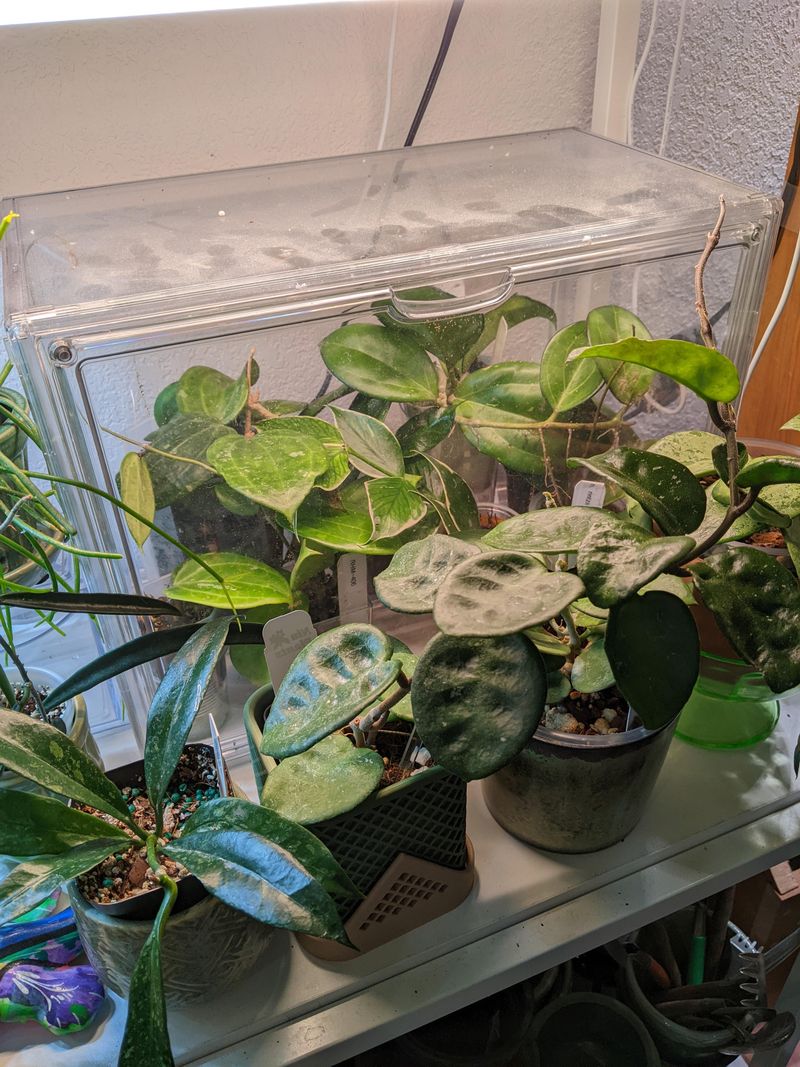
Pennsylvania winters are notoriously dry indoors, and central heating systems pull moisture out of the air in a way that many tropical houseplants struggle with.
Hoyas prefer humidity levels somewhere in the range of 40 to 60 percent, which is higher than the average Pennsylvania home in January, where indoor humidity can drop to 20 to 30 percent without any intervention.
Low humidity slows growth and can make it harder for the plant to set flower buds.
Running a small humidifier near your Hoya is one of the most effective ways to raise ambient moisture levels without overcomplicating your routine.
Grouping several houseplants together on a shelf or table also creates a naturally more humid microclimate as plants release moisture through their leaves.
A pebble tray filled with water placed beneath the pot can add a gentle humidity boost as the water slowly evaporates.
Misting the leaves directly is a debated practice among plant growers, and while it can offer brief humidity relief, it does not sustain elevated moisture levels for long. Focusing on a humidifier or pebble tray tends to produce more consistent results.
When Pennsylvania’s warm, humid summers arrive, many Hoya owners notice a visible uptick in growth and bud formation, which shows just how much humidity influences this plant’s ability to bloom.
6. Feed Lightly During Active Growing Months
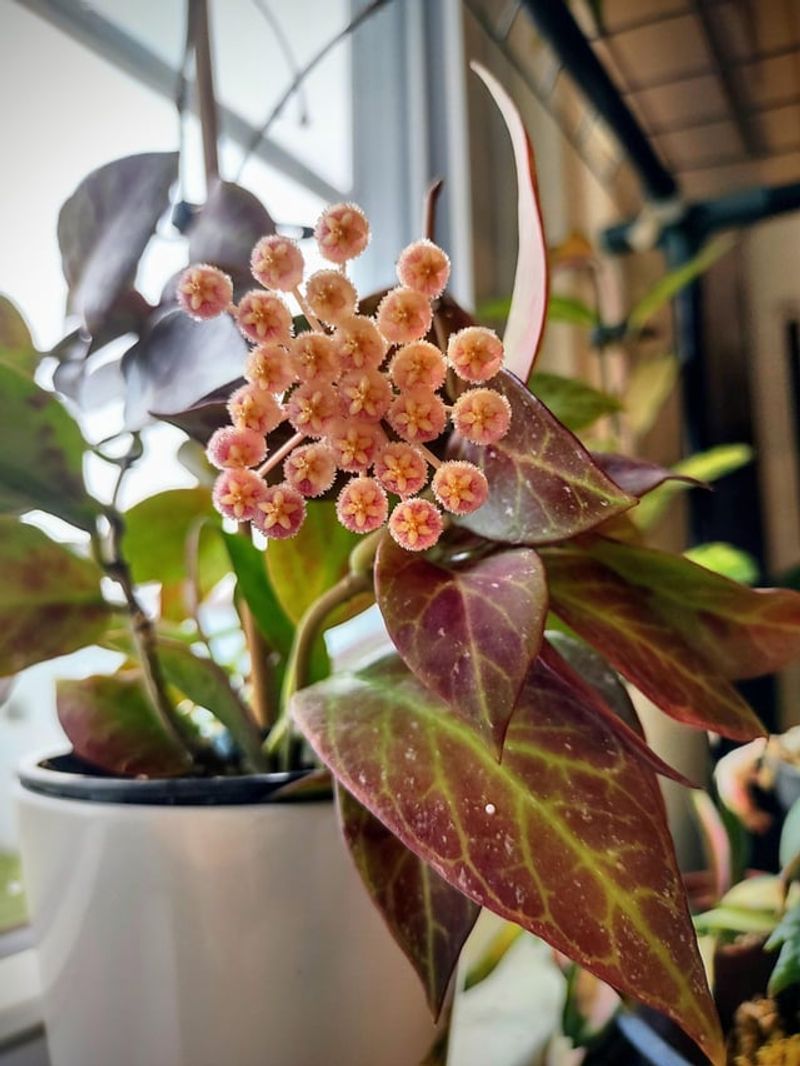
Fertilizing a Hoya does not need to be complicated, but timing and concentration matter quite a bit.
During spring and summer, when light levels in Pennsylvania rise and the plant enters its most active growth phase, light feeding every two to four weeks can support stronger vines and more vigorous foliage.
A balanced, water-soluble fertilizer diluted to about half the recommended strength works well for most Hoya varieties.
Some growers switch to a fertilizer with a slightly higher phosphorus content during late spring and early summer to support blooming, since phosphorus plays a role in flower development.
Whether or not you adjust your fertilizer blend, keeping applications light and consistent tends to produce better results than heavy, infrequent feeding, which can build up salts in the soil over time.
As Pennsylvania moves into fall and the days shorten noticeably, pulling back on fertilizer makes sense because the plant’s growth naturally slows. Feeding a slow-growing plant with the same frequency as during peak summer can lead to fertilizer buildup that may affect root health.
Stopping fertilizer applications by early fall and resuming in spring once new growth appears gives the plant a natural rest cycle that mirrors its seasonal rhythm and often supports a more productive growing season ahead.
7. Avoid Repotting Too Often To Support Flowering
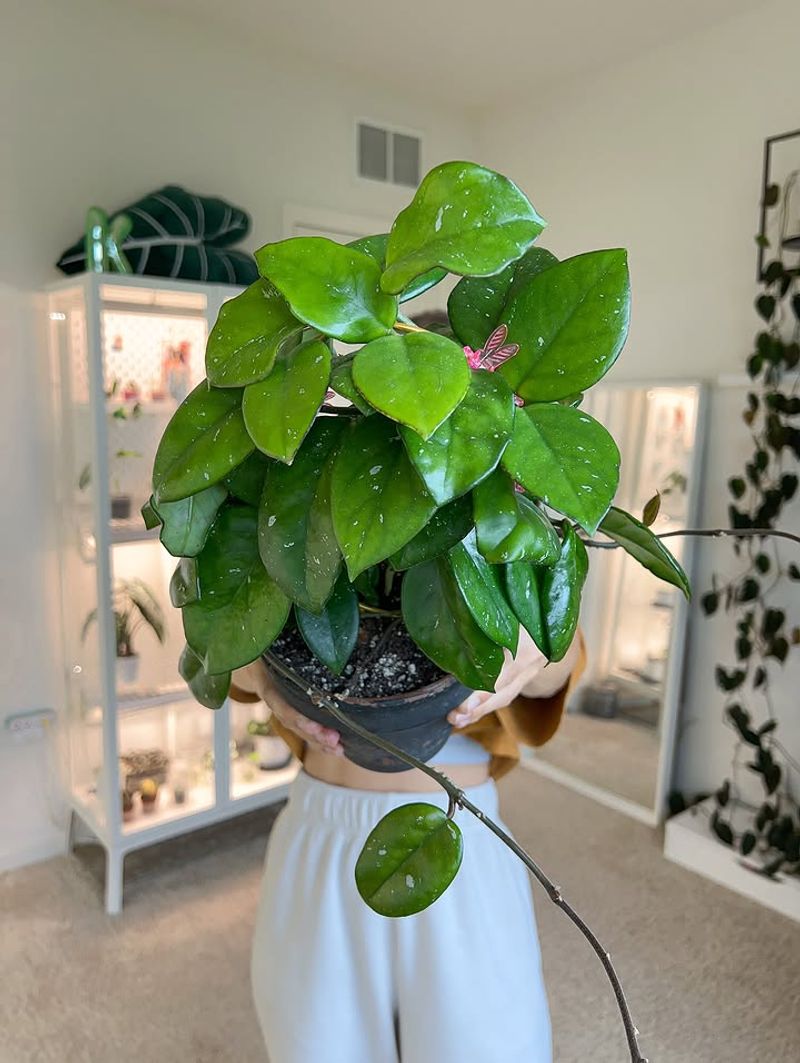
Repotting a Hoya too frequently is one of the less obvious reasons these plants sometimes hold back on blooming. Unlike many houseplants that benefit from regular upsizing, Hoyas tend to produce more flowers when their roots are snug in the pot.
A slightly root-bound Hoya redirects its energy toward flowering rather than expanding its root system, which is why experienced growers often leave their Hoyas in the same pot for two to three years or longer.
When repotting does become necessary, choosing a pot only one size larger than the current one helps maintain that cozy root environment.
Going up too many sizes at once gives the roots too much empty soil to explore, which can encourage the plant to focus on root growth rather than setting buds.
Fresh, well-draining mix in a modestly larger pot is the approach that tends to work best.
One thing to keep in mind is that Hoyas bloom on older growth called peduncles or spurs, and these small nubs should never be removed after flowering because they will often produce blooms again in future seasons.
Repotting carelessly can sometimes damage these spurs or disrupt the plant’s growth rhythm.
Giving your Hoya stability and avoiding unnecessary root disturbance is one of the quieter but genuinely effective strategies for encouraging indoor blooms in a Pennsylvania home.
8. Be Patient As Hoyas Mature And Set Buds
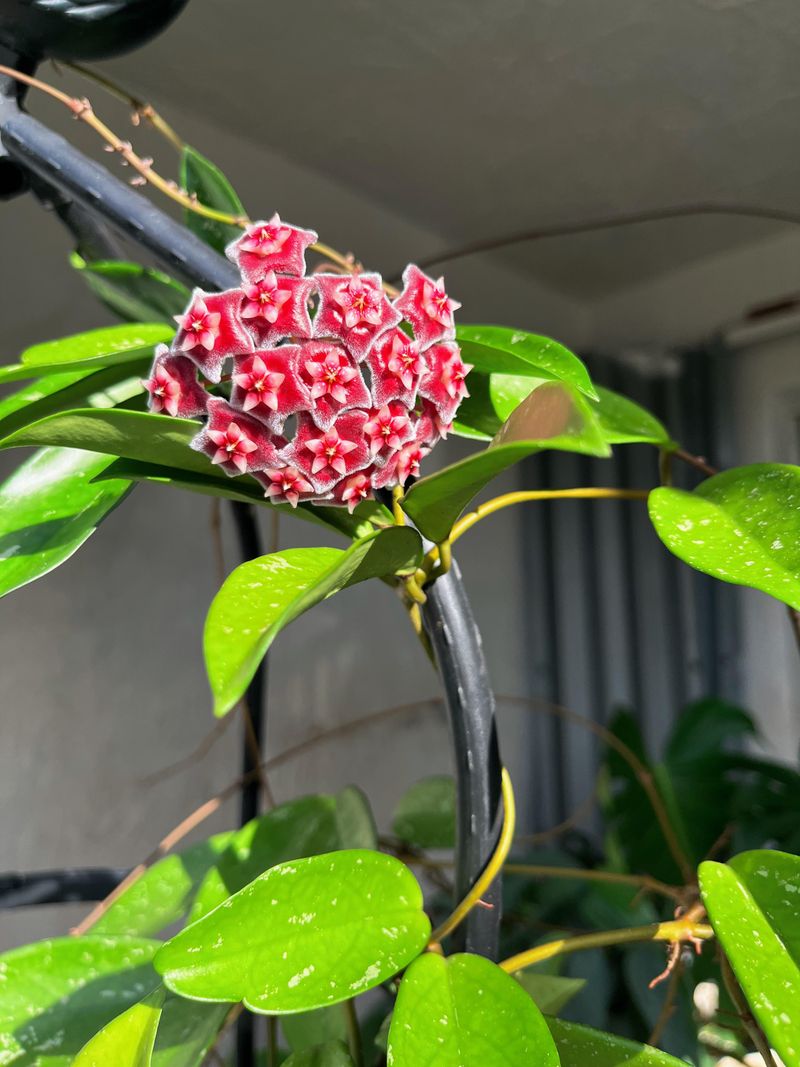
Patience is genuinely one of the most useful tools a Hoya grower can have, and that can feel frustrating when you are watching a vine trail across your windowsill for months without a single bud in sight.
Many Hoya varieties take several years of indoor growth before they bloom for the first time, and younger plants simply may not be mature enough to flower regardless of how carefully they are cared for.
Understanding this helps take some of the pressure off both you and the plant.
Seasonal rhythms play a role in bud development too. In Pennsylvania, Hoyas often show the most bud activity in spring and early summer when light levels increase after the long, dim winter months.
If your plant has been getting consistent care through the colder season, those brighter spring days can trigger a welcome response in the form of new growth and, with luck, developing flower spurs.
Keeping a loose journal of your care routine can be surprisingly helpful. Noting when you water, when you fertilize, and any changes in light or placement makes it easier to identify what conditions seem to precede growth spurts or bud formation.
Over time, you build a clearer picture of what your specific plant responds to, and that kind of attentive, steady care is what moves a Hoya from a simple vine to a genuinely rewarding blooming houseplant.