Hard-To-Find Native Pennsylvania Shrubs Worth The Hunt This Fall
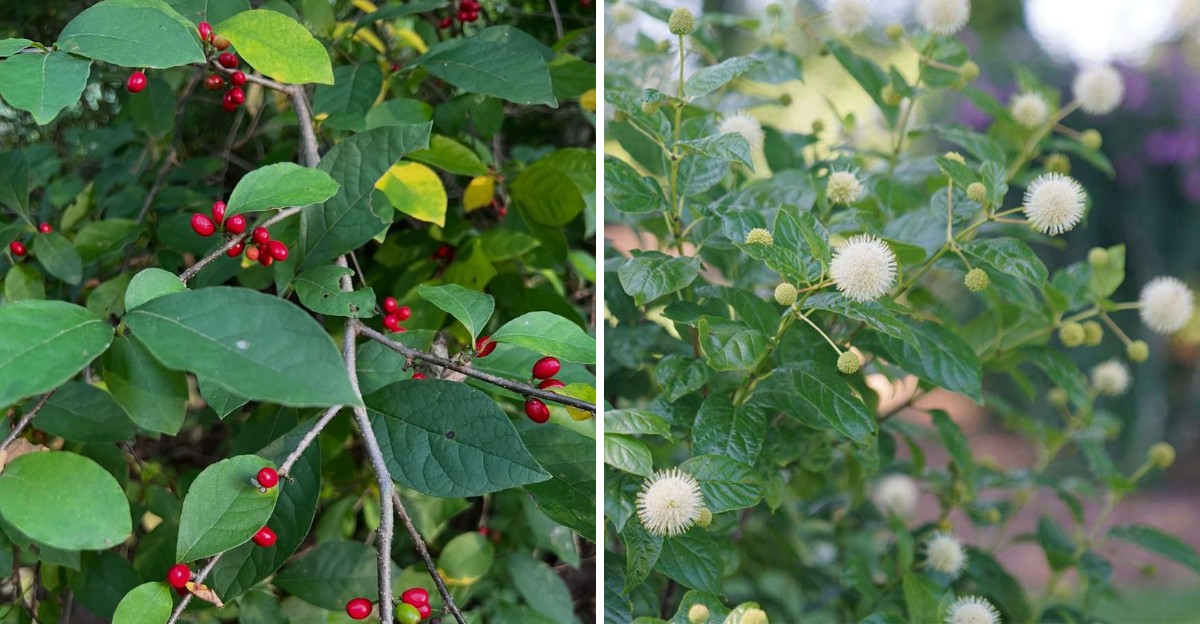
The native shrubs most people know about are the ones sitting at the front of every well stocked garden center.
Serviceberry, buttonbush, native viburnums. These are excellent plants, and they deserve the attention they get.
But the native Pennsylvania shrubs worth hunting for this fall are the ones that rarely make it to the front of any display, that require a specialist nursery or a native plant sale to find, and that reward the gardeners who track them down with something genuinely different.
These shrubs are harder to find because they’re less commercially produced, not because they’re less valuable. In many cases they’re more so.
Fall is one of the best times to search, and the hunt is worth it for what these plants bring to a Pennsylvania landscape.
1. American Beautyberry
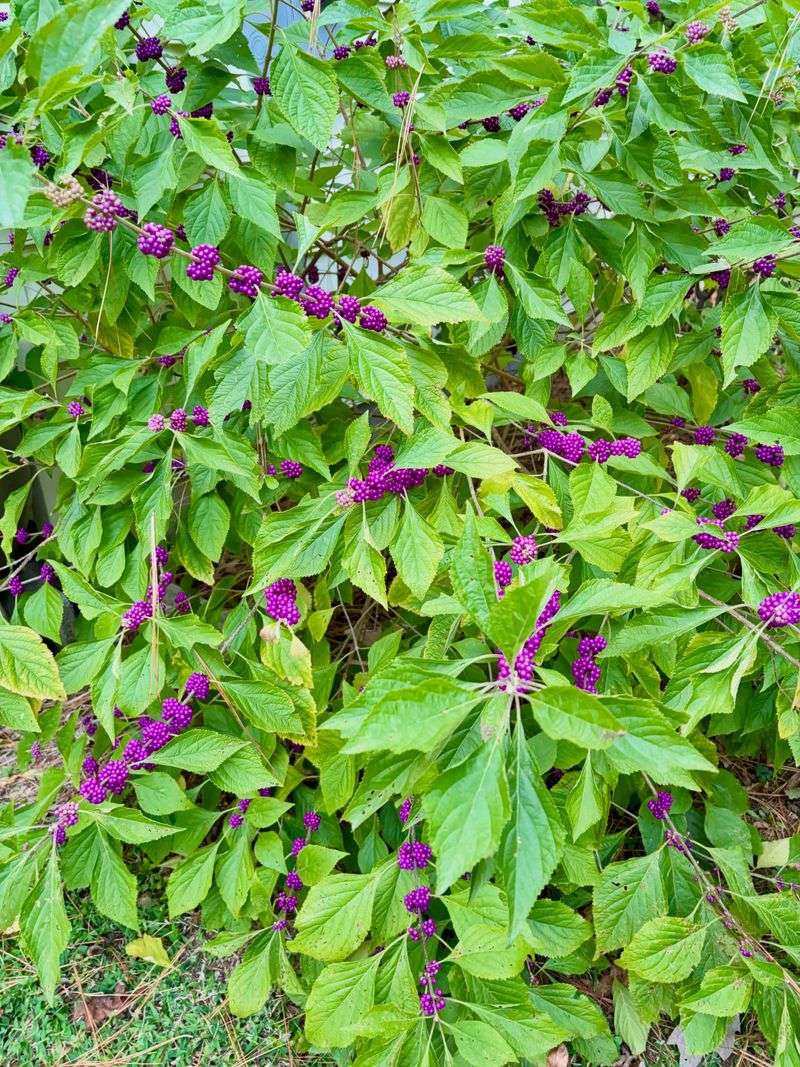
Picture a shrub dripping with clusters of berries so purple they almost look fake. That’s American Beautyberry, and once you see it, you’ll understand the hype.
The magenta fruit wraps tightly around the stems in fall, glowing against the fading green leaves.
Birds absolutely love these berries, so expect plenty of feathered visitors when the fruit ripens. Cardinals, mockingbirds, and robins all stop by for a snack.
Finding this shrub can be tough because it’s more common down south, but it grows well in Pennsylvania’s warmer spots.
Look for it at specialty native nurseries rather than regular garden centers. Some folks even trade cuttings at plant swaps.
It likes partial shade and moist, well-drained soil, though it forgives a lot once established. Give it room to spread, since it can reach six feet tall and wide. A light pruning in late winter keeps it tidy and encourages fresh growth.
Old-timers used to crush the leaves and rub them on skin to keep bugs away, which is a neat bit of history. Researchers later found the plant really does contain natural insect-repelling compounds.
Plant it in fall so the roots settle before the ground freezes. Water it regularly during that first season, then step back and let nature do the work. Come next autumn, you’ll have a jaw-dropping display of purple.
Pair it with grasses or asters for a wild, meadow-like corner of your yard. The contrast of purple berries against golden fall foliage is unforgettable. This shrub proves that native plants can be showstoppers too.
2. Fragrant Sumac
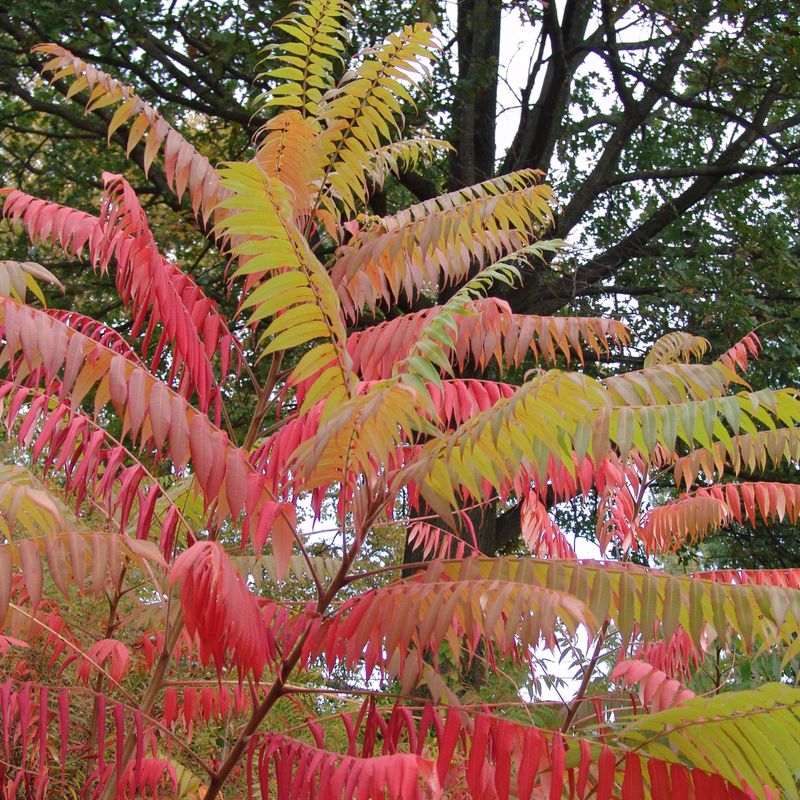
Don’t let the word sumac scare you off. Fragrant Sumac is nothing like its rash-causing cousin, and it puts on one of the best fall shows around.
The leaves turn fiery shades of red, orange, and burgundy when temperatures drop. Crush a leaf and you’ll catch a pleasant citrusy scent, which is how the plant earned its name. It’s a sensory treat as well as a visual one.
This tough little shrub stays low and spreads wide, making it perfect for covering slopes or filling awkward spaces.
It handles poor, dry soil that would trouble fussier plants. Once its roots grab hold, it barely needs your attention.
Your Pennsylvania Garden Changes Every Week. Your Plan Should Too.
Gardening in Pennsylvania changes quickly throughout the season. Every Friday you’ll receive a simple weekly plan showing exactly what to plant, prune, fertilize, harvest, and protect so you never miss the right timing.
Small yellow flowers appear in spring, followed by fuzzy red berries that birds enjoy through winter. Bees and early pollinators appreciate those blooms when little else is flowering.
Getting your hands on Fragrant Sumac usually means visiting a native plant sale or a nursery that specializes in local species. It rarely shows up at ordinary shops, which is a shame given how useful it is.
Plant it in fall in a sunny or partly sunny spot. Space several together if you want a natural ground cover that chokes out weeds. They’ll knit together over a couple of seasons.
Gardeners battling erosion swear by this shrub because its roots hold soil in place. That makes it a smart pick for hillsides and stream banks.
With its brilliant color, fragrant leaves, and easygoing habits, Fragrant Sumac deserves a spot in more Pennsylvania yards. Hunt one down and you won’t regret it.
3. Witch Hazel
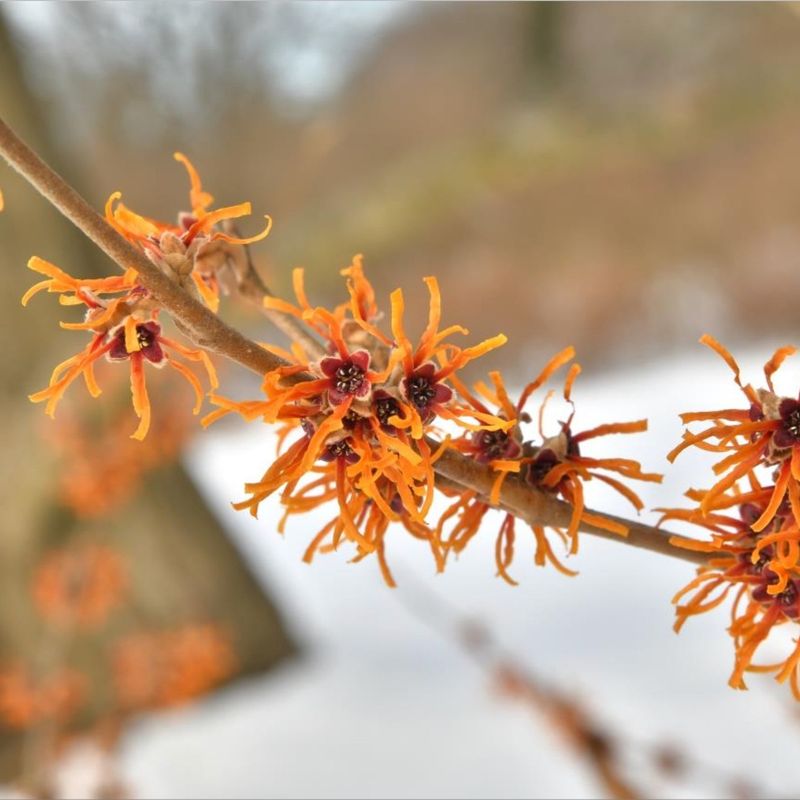
Here’s a shrub that flips the calendar upside down. While everything else is going to sleep, Witch Hazel bursts into bloom just as the cold arrives.
Its spidery yellow flowers unfurl on bare branches in late fall, sometimes lasting into early winter. The blooms have a spicy, sweet fragrance that drifts through the crisp air. Few plants dare to flower this late in the year.
Before the flowers show up, the leaves turn a warm buttery yellow that lights up shady corners. So you get two shows in one season, which is a rare bonus.
You may recognize the name from the drugstore, since Witch Hazel extract goes into skin toners and soothing lotions. Native people and early settlers used the plant for the same purpose long ago.
Finding a healthy specimen often means checking with native plant nurseries or forest-focused growers. It naturally lives in Pennsylvania woodlands, so it feels right at home here.
Give it partial shade and moist soil for the happiest results, though it tolerates a range of conditions. It grows into a large, graceful shrub or small tree over time.
Plant it near a path or window where you can enjoy those surprising late blooms up close. The fragrance is best appreciated when you can lean in and breathe it in.
Fall planting lets the roots establish before the growing season. Keep it watered during dry spells that first year, then relax.
Witch Hazel rewards patient gardeners with beauty exactly when they need it most. Track one down and brighten your bleakest months.
4. Ninebark
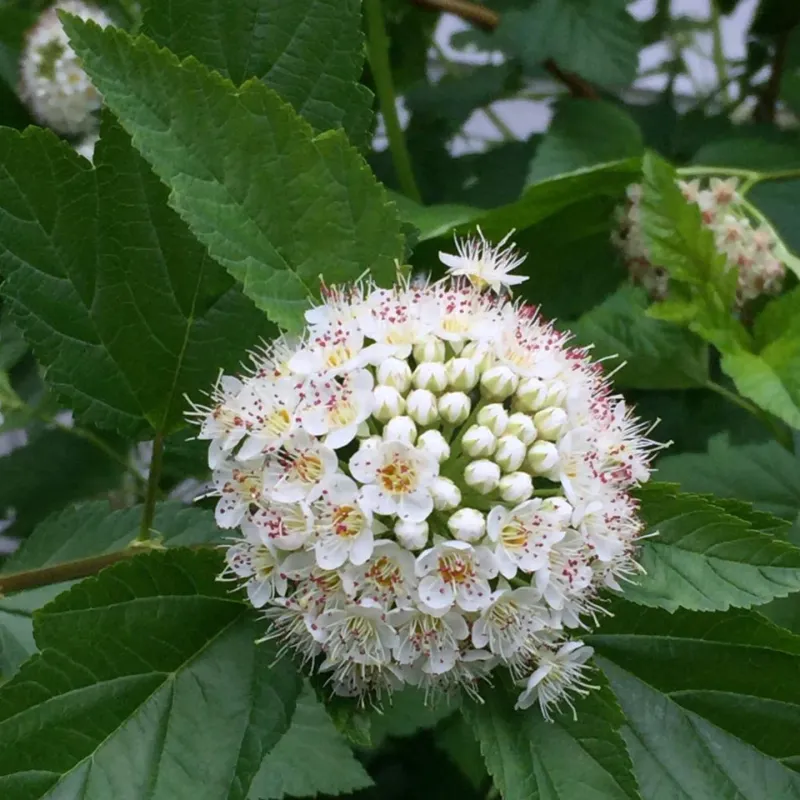
The funny name comes from its peeling bark, which supposedly has nine layers you can peel back. Ninebark is a conversation starter before it even leafs out.
In fall, the shrub shows off reddish seed clusters and leaves that shift to warm gold and copper tones. The shredding bark adds winter interest once the leaves fall, so it keeps giving all year.
This is a hardy, no-nonsense plant that shrugs off drought, poor soil, and cold winters. Pennsylvania’s climate suits it perfectly, since it grows wild along our streams and rocky spots.
Pollinators flock to its spring flowers, and birds use the dense branches for shelter and nesting. Planting one is like rolling out a welcome mat for wildlife.
Wild Ninebark with green leaves can be surprisingly hard to source, even though fancy purple-leaved versions fill garden centers. If you want the true native form, seek out a specialty grower.
Give it full sun to partial shade and plenty of room, because it can stretch eight feet or more. A little pruning after flowering keeps its shape neat.
Plant it in fall and water it steadily during the first season. After that, it practically takes care of itself, which busy gardeners will appreciate.
Use it as a natural screen or hedge along a property line. The dense growth blocks views and muffles noise nicely.
With peeling bark, seasonal color, and wildlife value packed into one tough package, native Ninebark is a smart choice. Add it to your fall planting list and enjoy the rewards for years.
5. Spicebush
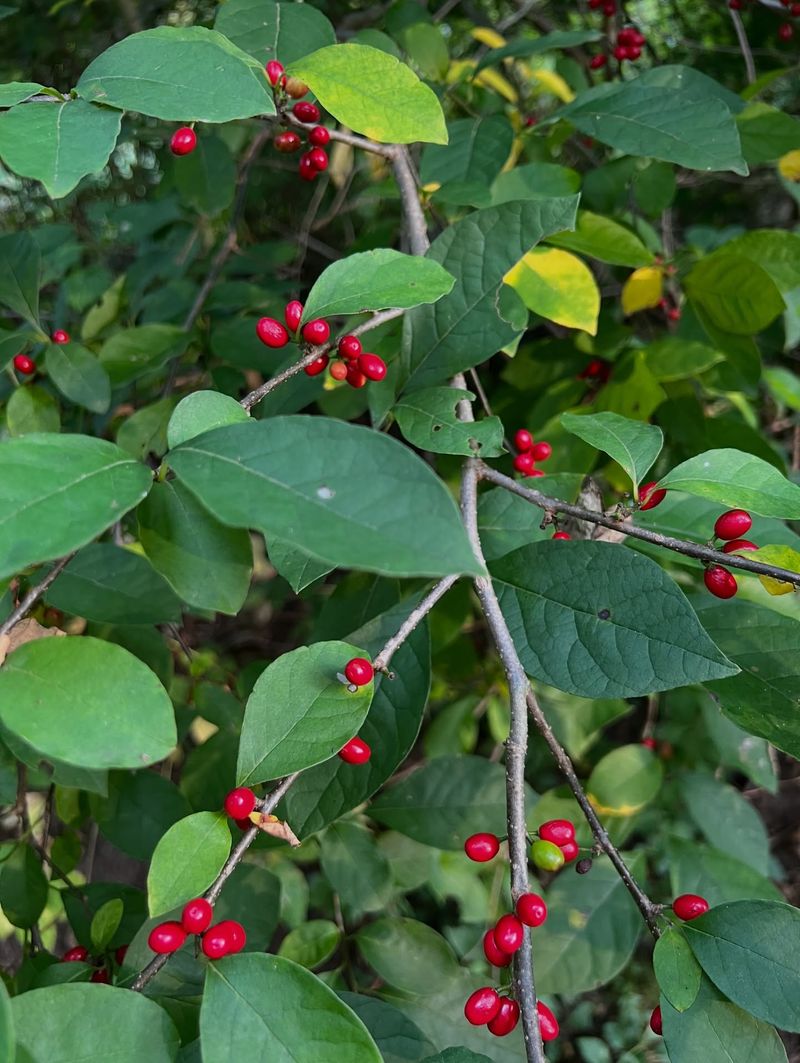
Rub a leaf between your fingers and you’ll smell a warm, spicy aroma that gives this shrub its name. Spicebush is a treat for the nose and the eyes.
Come autumn, the leaves glow a rich golden yellow that seems to light up shady woodland spots. Bright red berries dot the female plants, adding pops of color and feeding hungry birds.
Migrating thrushes and other birds fuel up on these fatty berries before their long journeys. The shrub also hosts the beautiful spicebush swallowtail butterfly, whose caterpillars munch the leaves.
Because it thrives in shade, Spicebush fills a role many shrubs can’t handle. It brightens those dim corners where little else wants to grow.
Tracking one down usually means visiting a native plant sale, since regular nurseries rarely carry it. Native growers value it for its wildlife benefits and easy care.
You’ll need both male and female plants if you want those famous red berries. Plant a small group to make sure you get fruit.
Give it moist, rich soil and partial to full shade for the best results. It naturally grows along Pennsylvania streams and forest edges.
Fall planting works great, letting roots settle before spring growth. Keep the soil moist that first year and mulch around the base.
Early settlers once dried the berries and used them as a spice, a bit like allspice. That clever trick shows how giving this plant really is.
Fragrant, colorful, and full of life, Spicebush earns its place in any native garden. Seek it out and watch your shady spots come alive.
6. Buttonbush
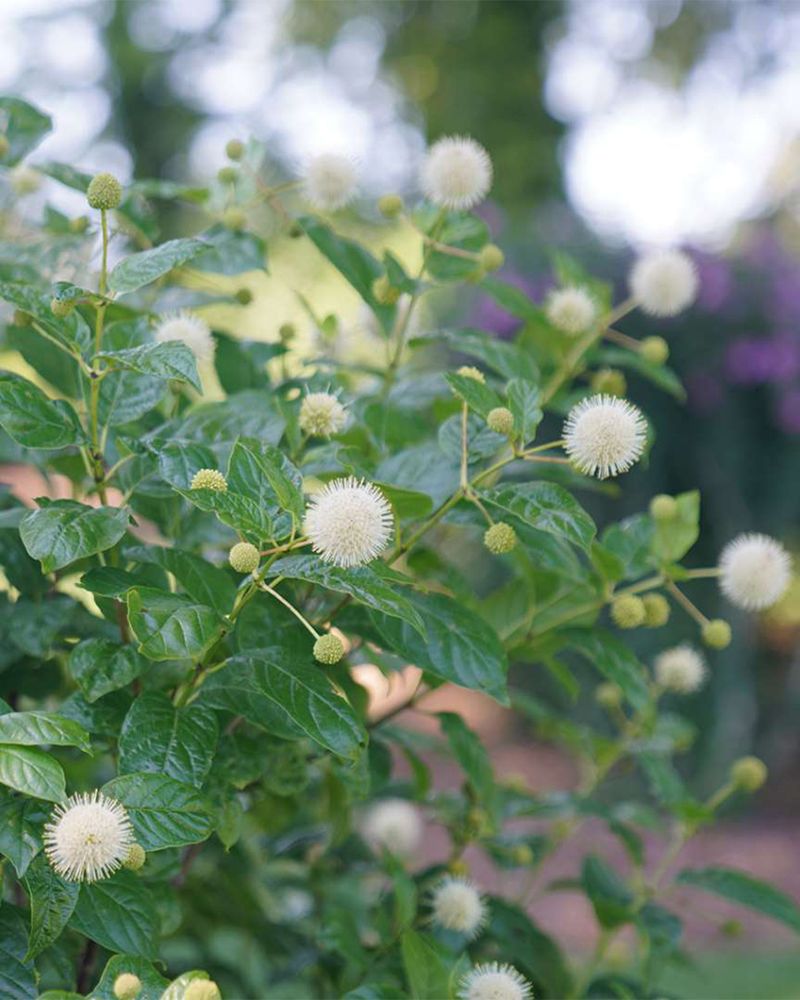
Ever seen a flower shaped like a tiny spiky ball? Buttonbush produces exactly that, with round white blooms that look like fireworks frozen in time.
Those unusual flowers appear in summer, but the shrub carries interesting round seed balls into fall. The leaves turn a pleasant yellow-green as the season winds down.
Bees, butterflies, and hummingbirds swarm the blooms, drawn by the sweet nectar. Ducks and other water birds later feast on the seeds, making this a wildlife magnet.
Buttonbush loves wet feet, thriving in soggy spots where most shrubs struggle. If you have a rain garden, pond edge, or boggy corner, this plant is your answer.
Locating one takes some digging, since it’s not a common garden center offering. Native and wetland plant specialists are your best bet for finding healthy stock.
Plant it in full sun to partial shade in that damp spot you’ve been puzzling over. It can grow six to twelve feet tall, so give it space to stretch.
Fall planting helps the roots settle in, though this moisture-loving shrub is forgiving about timing. Just keep the soil wet while it establishes.
A hard pruning every few years keeps it bushy and full rather than leggy. It bounces back quickly thanks to its vigorous nature.
Gardeners solving drainage problems love how Buttonbush turns a wet nuisance into a beautiful, buzzing feature. It proves there’s a native plant for every tricky situation.
Quirky flowers, happy pollinators, and a taste for wet ground make Buttonbush a standout. Hunt one down for that soggy spot and watch it flourish.
7. Chokeberry
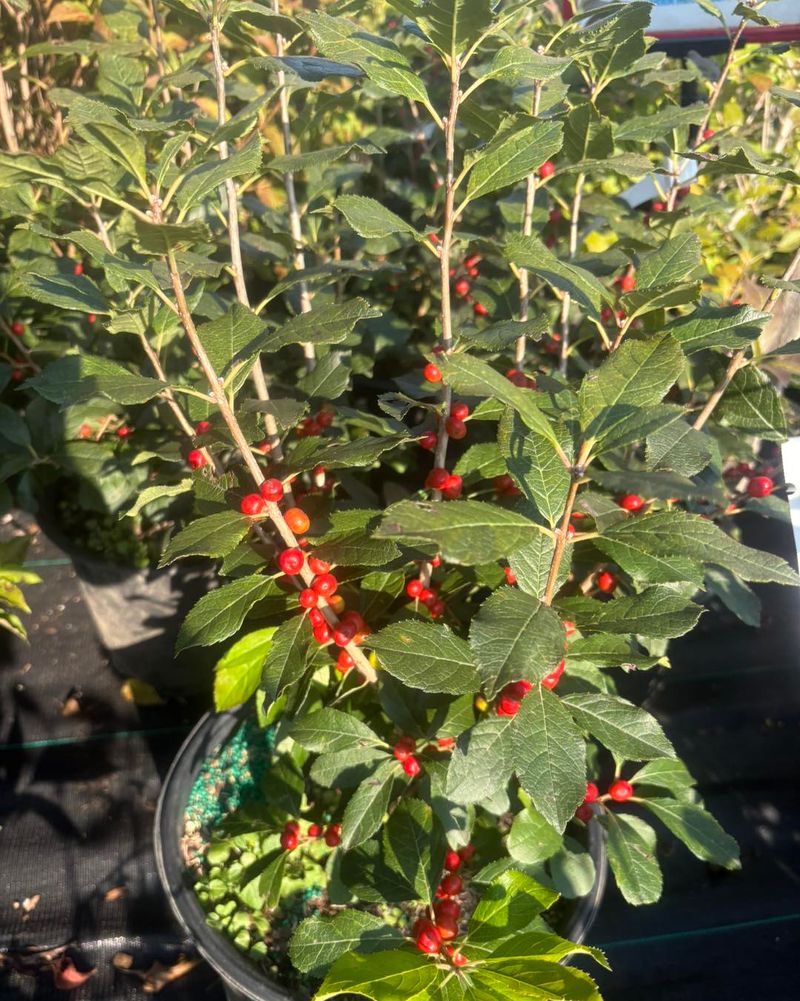
Don’t let the harsh name fool you. Chokeberry, also called Aronia, is one of the most rewarding native shrubs you can plant, especially in fall.
The leaves blaze red and orange in autumn, while glossy dark berries hang heavy on the branches. It’s a double dose of color that draws the eye from across the yard.
Those berries pack a powerful nutritional punch and are prized in juices, jams, and health drinks. They’re a bit tart raw, but cooking sweetens them right up.
Birds don’t mind the tartness and gobble the fruit through fall and winter. Planting Chokeberry means your yard becomes a reliable food source when other berries run out.
Even though it’s tough and pretty, the shrub can be hard to find at ordinary stores. Native nurseries and orchard suppliers usually carry it, so check there.
It grows happily in full sun or partial shade and tolerates wet or dry soil alike. Few shrubs are this flexible, which makes it beginner-friendly.
Plant it in fall and water it during dry stretches that first year. After that, it needs almost nothing from you besides occasional pruning.
Space several together for a stunning mass of fall color and a bigger berry harvest. They also make a lovely informal hedge.
Fun fact: the name chokeberry comes from the mouth-puckering feeling the raw fruit gives you. Once you taste them cooked, you’ll forgive the reputation.
Beautiful, healthy, and incredibly adaptable, Chokeberry belongs on every native gardener’s wish list. Track one down this fall and enjoy the harvest for years.