Hardy Kiwi Can Grow In North Carolina, But This Pollination Mistake Leaves Vines Without Fruit
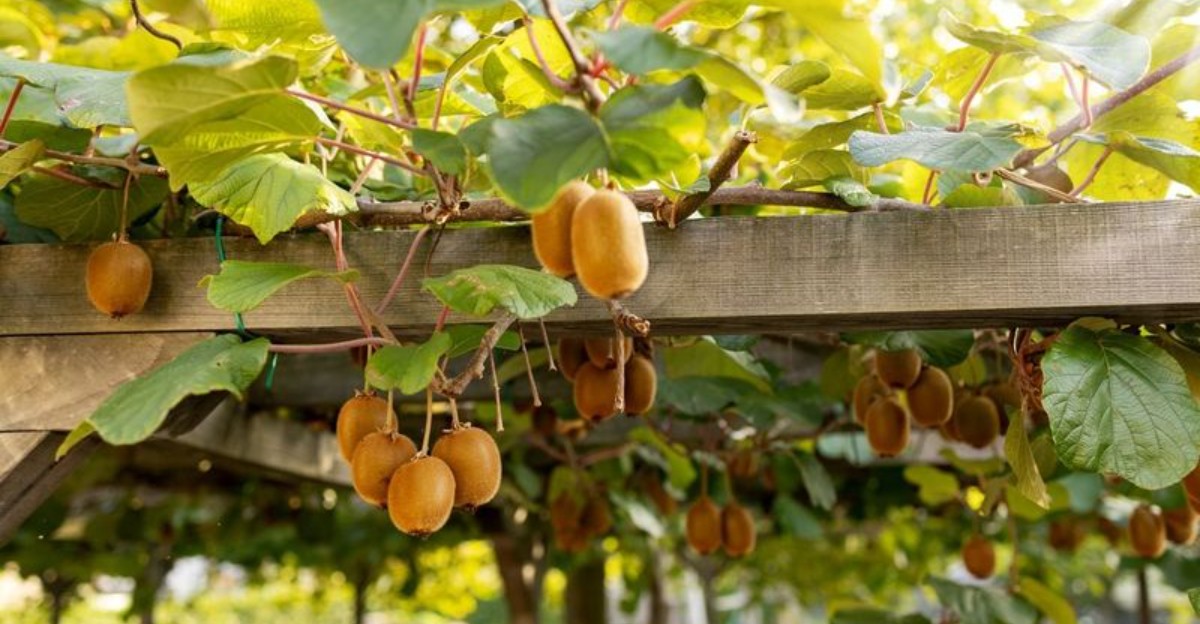
A hardy kiwi vine can grow for years, cover a whole arbor, and never produce a single fruit. The reason is simple. Most hardy kiwi plants are either male or female, and only the females bear fruit. They need a male nearby to pollinate the flowers.
Many gardeners buy one vine, plant it, and wait. Nothing happens, and they blame the weather or the soil.
Often one male vine can serve several females, but it has to be close enough for bees to travel between them. The fruit is small, smooth-skinned, and sweet enough to eat whole.
Some varieties handle North Carolina summers better than others, so choice matters too. A little planning before you plant saves years of waiting for a harvest that never comes.
1. Planting Only One Vine Is The Most Common Mistake
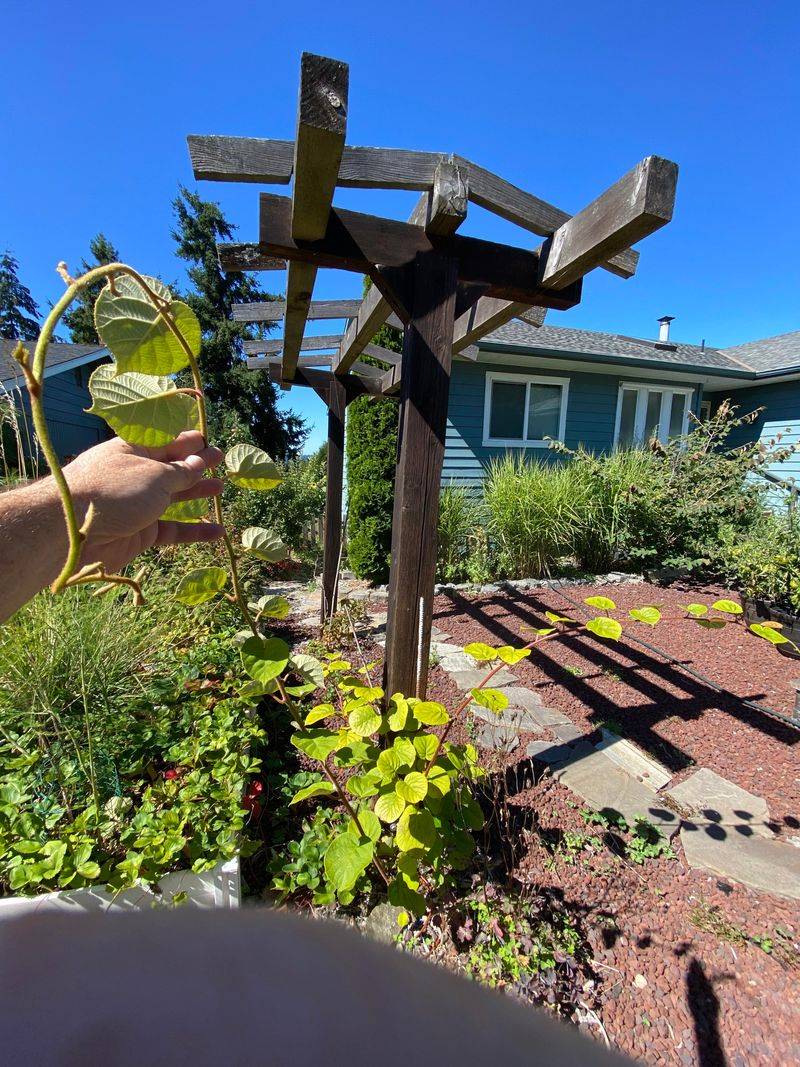
Ask a group of frustrated kiwi growers what went wrong, and many will tell you the same story. They planted one healthy vine, cared for it faithfully, and waited for fruit that never showed up. The vine was fine. It just had no partner.
Most hardy kiwi plants, known by the scientific name Actinidia arguta, are dioecious. That fancy word means each vine carries only male flowers or only female flowers.
Female vines are the ones that grow fruit, but they can only do it when pollen from a male vine reaches their blossoms.
So a lone female vine will bloom every spring and then drop its flowers without making berries. A lone male vine will never fruit at all, no matter how big it gets. Either way, you end up with a pretty green screen and an empty fruit bowl.
The fix is easy if you plan ahead. Plant at least one male vine along with your female vines. When you shop, read the plant tags closely, since good nurseries label each vine as male or female. If a tag gives no clue, ask the seller before you buy.
Never assume a single vine will produce on its own unless it is clearly sold as a self-fertile type. That one detail saves years of guessing.
Here in North Carolina, this mistake is surprisingly common. Some gardeners grow a lone vine for five or six seasons before learning why it never bears fruit.
By then, the vine has eaten up a lot of trellis space and plenty of patience. Getting the pairing right from day one means your first real harvest comes as soon as the vines are old enough to give it.
2. One Male Vine Can Pollinate Several Females
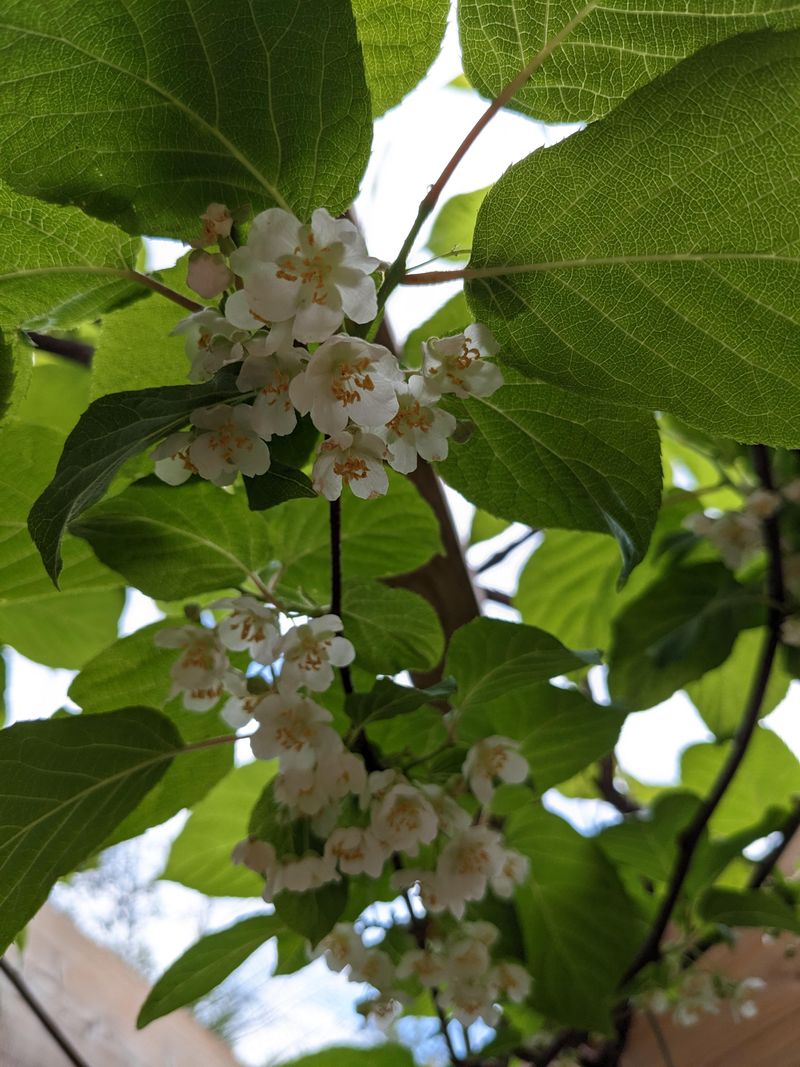
Good news for anyone short on space: you do not need a matching male for every female. One male vine can handle a whole group of fruiting partners. Think of him as the hardworking supplier for the entire planting.
Male vines never grow fruit, so giving them too much room can feel like a waste. Luckily, a single male produces a huge amount of pollen during bloom. That supply is plenty to reach several female vines and still give them strong pollination.
Your North Carolina Garden Changes Every Week. Your Plan Should Too.
Gardening in North Carolina changes quickly throughout the season. Every Friday you’ll receive a simple weekly plan showing exactly what to plant, prune, fertilize, harvest, and protect so you never miss the right timing.
A common rule is one male for every several females, often up to about six to eight. Many home growers keep it simple with one male and two or three females. That ratio keeps the planting efficient while still giving each female a fair shot at setting fruit.
Distance matters too. Place the male within about 30 to 50 feet of the females so bees can travel back and forth easily. Closer is even better. Some gardeners put the male right in the middle of a row, with females growing on either side.
Label your male vine with a sturdy tag or marker. Years from now, when the vines are tangled together, you will be glad you know which one is which, especially during pruning time.
For North Carolina gardeners working with a small backyard or a narrow fence line, the right ratio is a real game changer. Instead of filling half your space with fruitless males, you can give most of that room to females that actually feed your family.
One smart male, a few productive females, and a short walk for the bees can add up to a generous crop.
3. Male And Female Vines Must Bloom At The Same Time
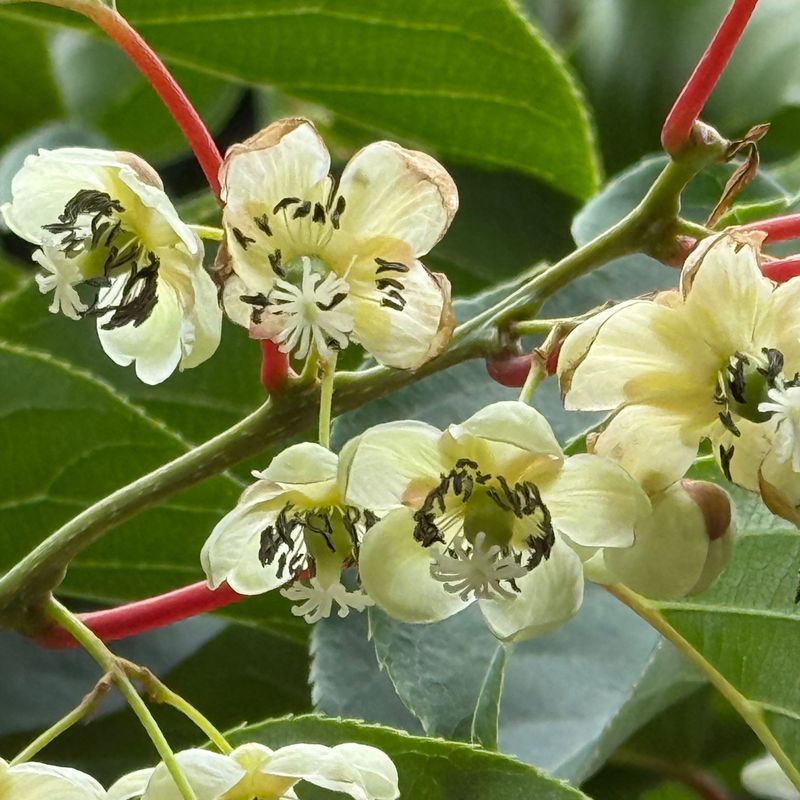
Timing is everything in the kiwi world. You can plant a male and a female side by side and still get no fruit if their flowers open on different weeks. It is a bit like planning a party where the guests show up after the host has gone to bed.
Pollen has to move from open male flowers to open female flowers. If the male blooms early and finishes before the female opens, there is nothing left to share. If the female blooms first, her flowers may fade before any pollen arrives.
The smartest move is to buy vines that are recommended as pollination partners. Many nurseries sell male and female plants together as a matched set. Those pairs are chosen because they usually flower during the same window.
When you shop for vines separately, read the descriptions carefully. Look for a male variety that is known to bloom with your chosen female variety. Some catalogs list early, middle, or late bloom times, which helps you line things up.
Not sure? A quick call or email to the nursery can clear it up. Most growers are happy to point you toward a good match.
North Carolina spring weather adds an extra twist. A warm March can push buds open early, while a cool snap in April can slow everything down. Those swings can shift bloom timing from one year to the next.
Vines that naturally flower together have the best chance of staying in sync, even when the weather acts unpredictable. Picking well-matched partners gives your garden a steady advantage season after season.
4. Self-Fertile Varieties Come With Trade-Offs
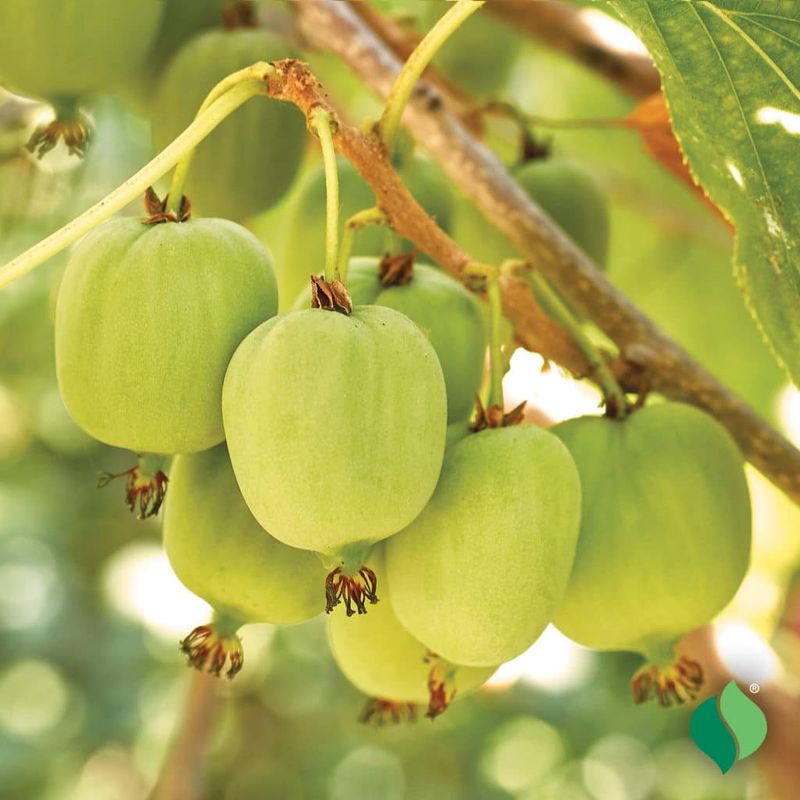
Issai sounds like the perfect shortcut. It is a self-fertile hardy kiwi, which means it can make some fruit without a male partner. For gardeners with only one sunny spot, that promise is very tempting.
There is a catch, though. Self-fertile types like Issai are often less vigorous than standard hardy kiwi vines. They may produce smaller crops, and the fruit can be fewer and farther between. Some growers also find that these varieties struggle in hot climates.
Issai originally came from Japan, and it is known for fruiting at a fairly young age. That early start is a nice bonus. Still, a strong harvest is not guaranteed when the vine works alone.
So when does a self-fertile vine make sense? Choose one if your space is truly limited, such as a small patio, balcony trellis, or tiny yard. In that case, some fruit is better than none.
Even then, keep this tip in mind. Adding a male vine nearby often improves fruit set, even for self-fertile varieties. More pollen usually means more berries, so a partner can still give your harvest a nice boost if you find room.
Heat is a big factor in North Carolina. Long, steamy summers can be tough on some hardy kiwi varieties, and a less vigorous vine has fewer reserves to handle that stress.
If you live in the warmer parts of the state, give a self-fertile vine extra care with steady watering and a bit of afternoon shade. Set your expectations realistically, and Issai can still be a fun, rewarding plant.
5. Bees Do The Pollinating Work
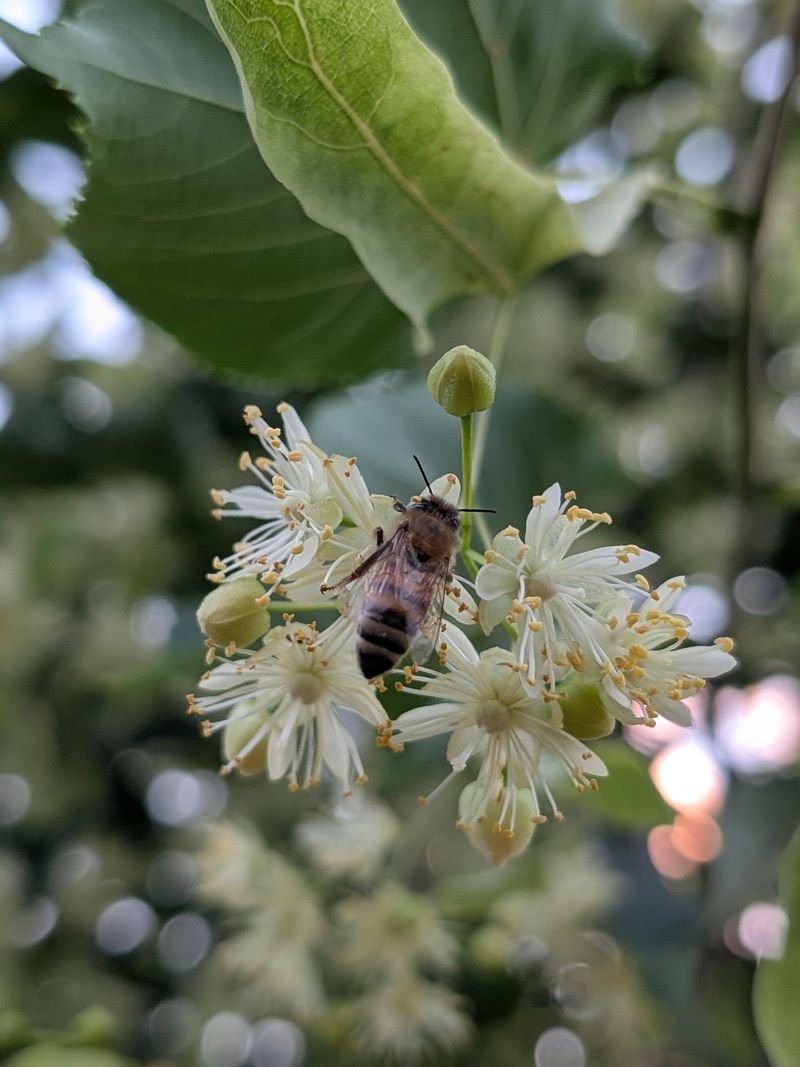
Behind every bowl of hardy kiwi is a team of tiny workers. Bees buzz from flower to flower, picking up pollen on their fuzzy bodies. When they land on a female blossom, some of that pollen rubs off, and fruit can begin to form.
Without bees, even a perfect male and female pairing can fall short. Kiwi flowers do not offer much nectar, so they are not always a bee favorite. That makes a busy, healthy pollinator crowd in your yard even more valuable.
First, protect the helpers you already have. Avoid spraying insecticides while your vines are blooming in late spring. Many sprays harm bees, and a single treatment at the wrong time can cut your harvest. If you must treat a pest, wait until flowering ends.
Next, invite more pollinators to visit. Plant other bee-friendly flowers nearby, such as clover, salvia, bee balm, or native wildflowers. Blooms that open around the same time as your kiwi keep bees hanging around the garden.
Spacing helps, too. Keep male and female vines close enough that bees can visit both easily during a single trip. A short flight makes it more likely pollen lands in the right place.
North Carolina is home to honeybees, bumblebees, and many native bees that wake up in spring. Their activity right when kiwi flowers open can make a huge difference in fruit set.
A garden that welcomes bees often rewards you with fuller clusters and bigger yields. Treat these little visitors like garden partners, and they will happily return the favor every season.
6. Patience Is Part Of The Process
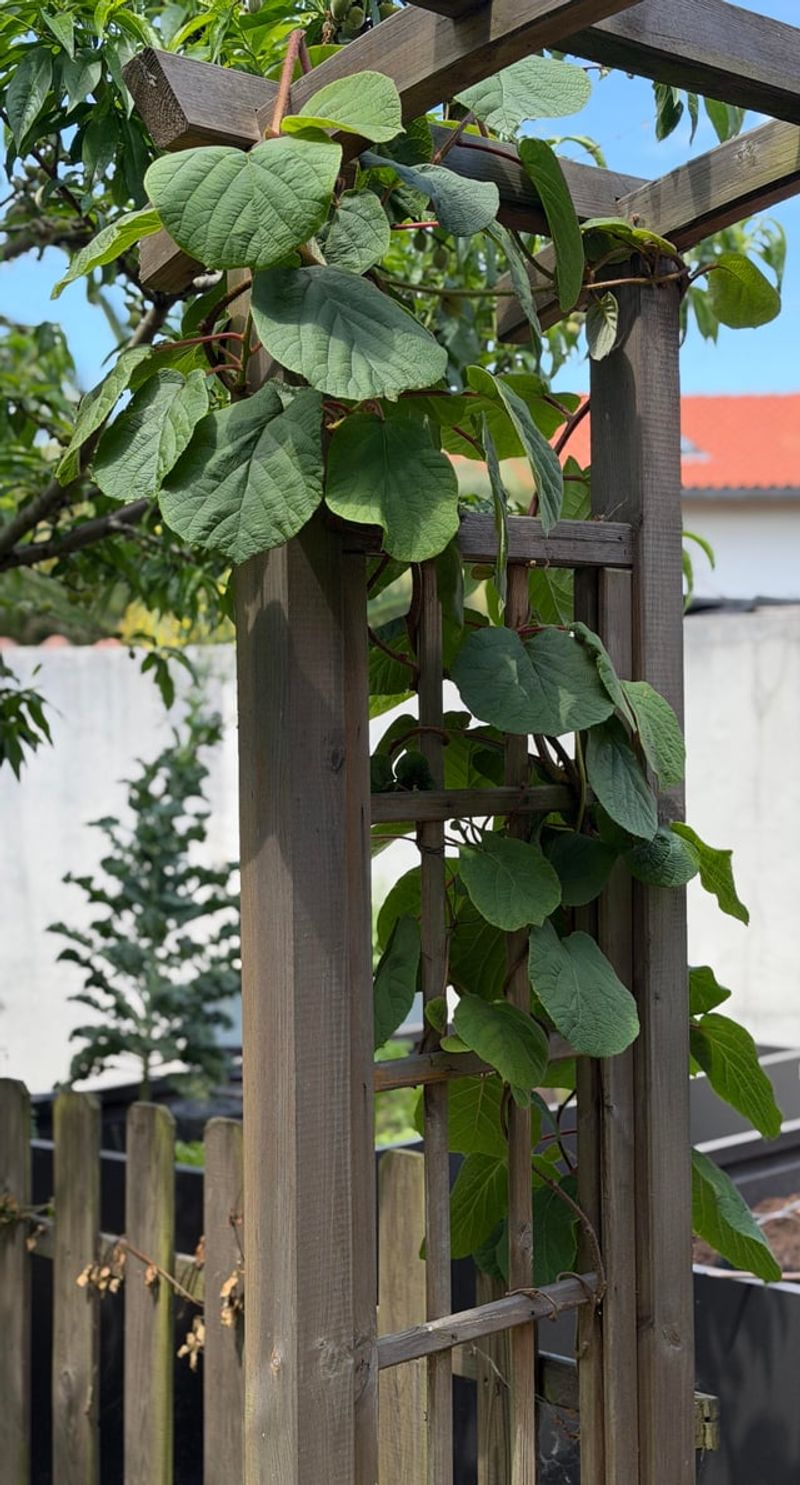
Some fruits reward you in a single summer. Hardy kiwi is not one of them. These vines like to take their time, and that slow start fools a lot of hopeful gardeners.
Most hardy kiwi vines need several years after planting to mature enough to flower and bear fruit. Around three to five years is common, and some take even longer.
A young vine with no fruit does not automatically have a pollination problem. It may simply be too young.
During those early years, focus on building a strong plant. Water regularly, especially during dry spells, since young roots are still settling in. A layer of mulch helps hold moisture and keeps weeds down.
Give the vine a sturdy trellis right away. Hardy kiwi grows fast and heavy, and good support now prevents trouble later. Prune once a year to train a main trunk and a few strong arms that will eventually carry fruit.
Before blaming pollination, take a close look in late spring. Are there any flowers? If the vine is not blooming yet, it is not ready to fruit. If it blooms but drops every flower, then a missing male or poor bee activity may be the real issue.
Many North Carolina gardeners give up on young vines too early, pulling them out just before they would have started producing.
That is a heartbreaking loss after years of care. Mark your planting year on a calendar and check flowering each spring. A little patience now can lead to many seasons of sweet, snackable fruit later.
7. Late Spring Frosts Can Wipe Out The Flowers
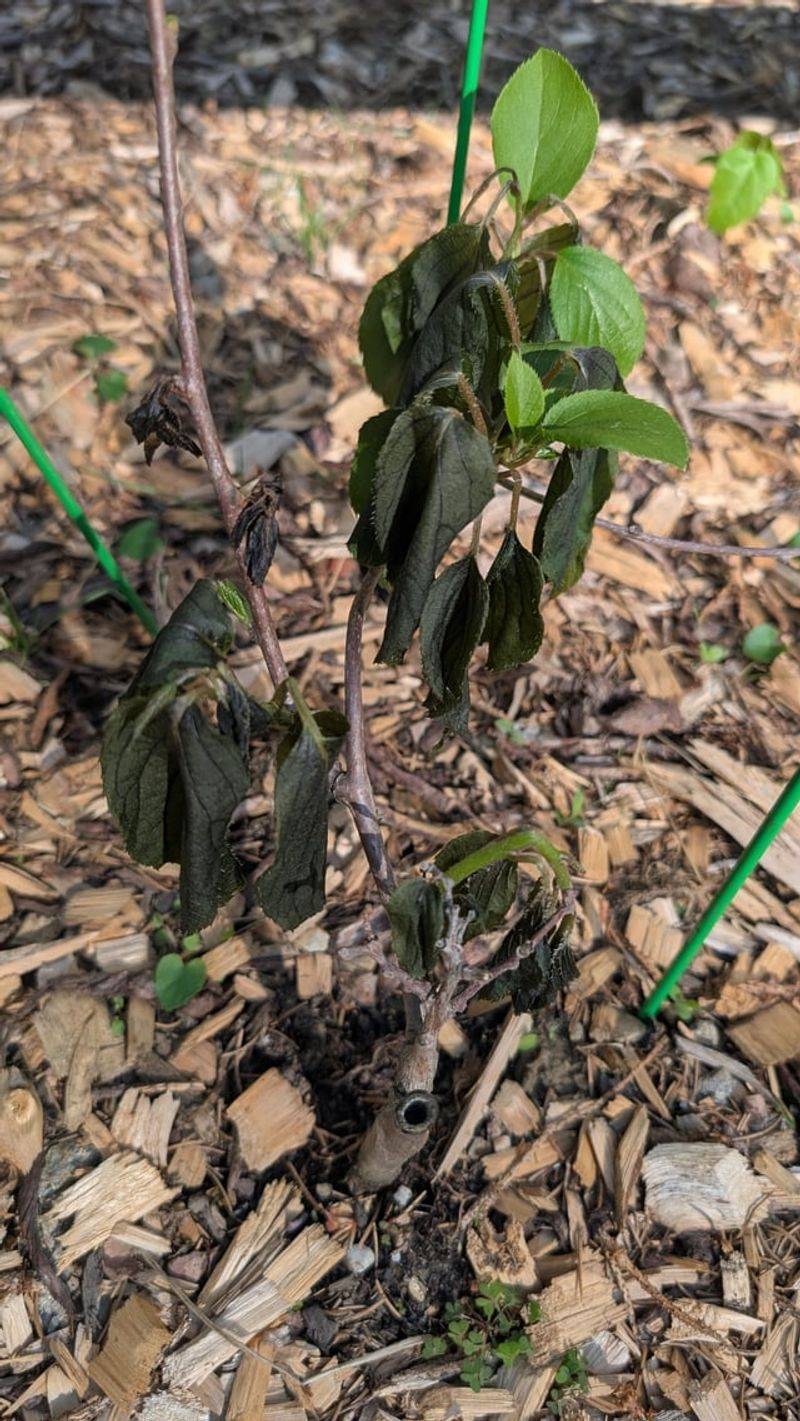
Hardy kiwi earns its name in winter. The vines can handle very cold temperatures while dormant. Spring is a different story, and that is where many crops quietly disappear.
These vines tend to leaf out and bloom early once the weather warms. Tender new shoots and flower buds are easily hurt by cold. One late frost can damage them, leaving no flowers to pollinate, no matter how perfectly you paired your vines.
Location is your first line of defense. Cold air is heavy and flows downhill, so it settles in low spots and valleys. Planting on a gentle slope rather than at the bottom of a dip helps your vines avoid the coldest pockets.
Skip warm, south-facing walls, too. They may seem cozy, but the extra heat pushes vines to wake up even earlier. An earlier start means more exposure to a surprise cold night.
Keep frost cloth handy for young vines. When the forecast calls for frost after buds open, drape the cloth over the plant in the evening and remove it the next morning. Large mature vines are harder to cover, but protecting young plants can make a real difference.
North Carolina sees late spring frosts fairly often, especially in the Mountains and Piedmont. A warm spell in March followed by a chilly April night is a familiar pattern across the state.
Watching the forecast closely during bud break helps you act fast. With good placement and a little protection, your vines keep their flowers, and the bees get their chance to work.
8. Give Vines Room, Support, And The Right Region
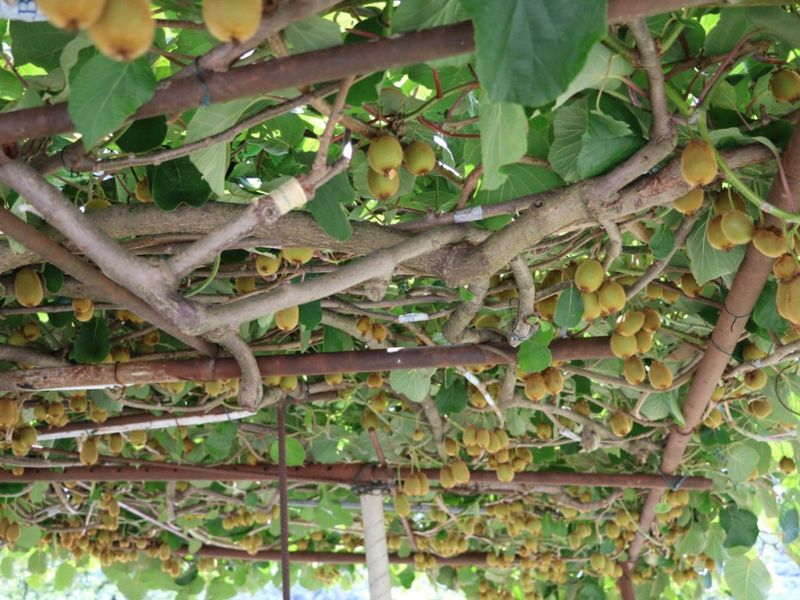
Plant a hardy kiwi, and you are signing up for a big, enthusiastic roommate. A healthy vine can grow very large, sending out long shoots that climb anything nearby. Giving it the right setup from the start keeps it productive and under control.
Strong support comes first. A sturdy trellis, arbor, or pergola built with solid posts can hold the weight of a mature vine loaded with fruit. Flimsy supports often sag or break within a few seasons.
Choose a spot in full sun to part shade. Good sunlight helps flowering and fruit, while a bit of afternoon shade can ease summer stress. Well-drained soil keeps roots happy.
Pruning is a must. Trim in winter to shape the vine and remove old growth, then cut back wild shoots in summer. Regular pruning keeps the plant tidy and encourages fruiting wood.
Hardy kiwi has escaped gardens and become invasive in some areas of the United States, climbing over and smothering native trees. Be a good neighbor to nature and keep vines away from woodland edges. Pick up dropped fruit and watch for stray seedlings.
Region matters a great deal in North Carolina. Hardy kiwi generally performs best in the Mountains and Piedmont, where summers are a bit milder.
The hot, humid Coastal Plain can be tough, and vines there often struggle. Higher elevations tend to offer cooler nights that suit these vines nicely.
Match the plant to the right place, give it a strong frame, and it can reward you with generous harvests for many years.