The Pruning Tricks That Let Santa Ana Winds Pass Through California Trees
Some trees come through a windstorm with barely a shrug, while others lose limbs or tip over entirely. The difference often has less to do with size or species than most people assume.
Southern California’s dry, gusty offshore winds test every canopy, especially from fall into winter.
A tree’s crown can either catch the wind or let much of it slip past, and that distinction comes down to choices made with a saw.
The right approach protects the trunk, the roots, and everything beneath the branches.
The wrong one can leave a tree weaker than it started, even when the intentions were good.
A few careful cuts, made at the right time, change how a tree meets the next big blow.
1. Thin The Crown Instead Of Topping
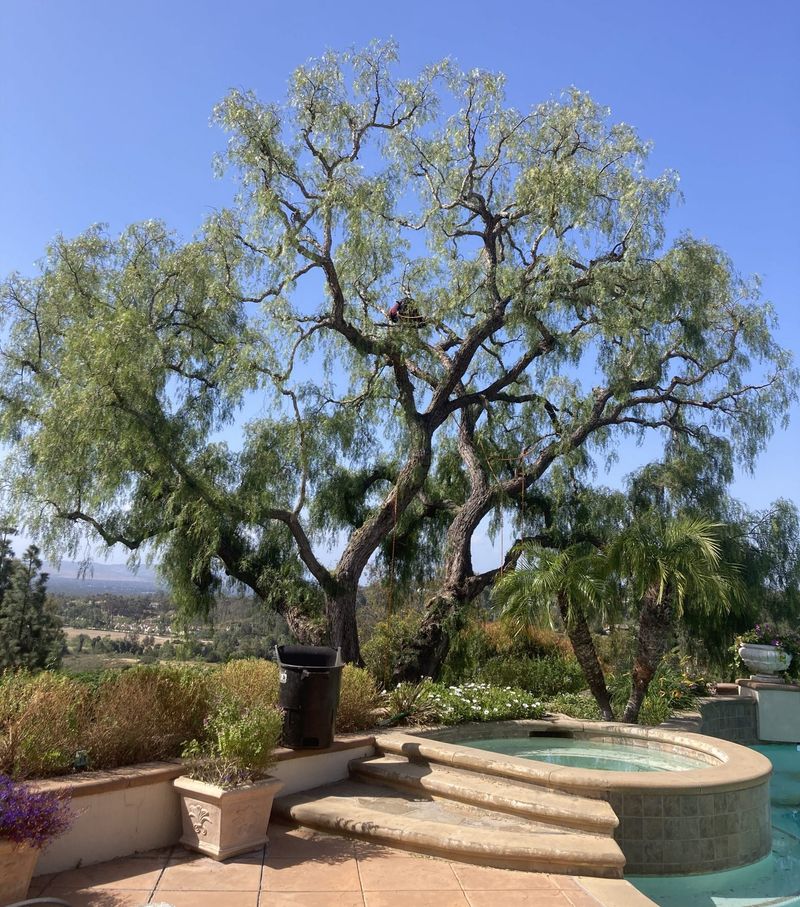
A boat sail made of solid canvas catches every bit of wind, while one full of openings barely moves. A tree’s canopy behaves much the same way during a Santa Ana blast.
Crown thinning offers the answer. A skilled pruner selectively removes small branches from inside the canopy, spread evenly from bottom to top and side to side, so the tree keeps its natural shape while air flows through the gaps.
Less wind pressure means less strain on limbs, trunk, and roots.
Topping takes the opposite approach, and it backfires. Main stems get chopped back to stubs with no regard for where branches naturally join, and the tree responds with a thicket of fast, skinny shoots.
Those shoots attach weakly near the cut surface and break easily. Within a few years, the crown can grow denser and more hazardous than before.
UC ANR and the International Society of Arboriculture both warn against topping. Large stub cuts also invite decay that slowly weakens the wood from within, and a topped tree often needs more care, costs more over time, and looks awkward for years.
Good thinning brings side benefits too. More sunlight reaches inner leaves and the ground below, and better air movement can reduce some leaf diseases.
The tree simply looks lighter and more graceful. Thinning works like careful editing, trimming clutter so the strong framework can do its job when the wind starts howling.
2. Remove Crossing And Weak Branches
A creak or squeak from a tree on a breezy night often comes from two branches grinding together. Over months, that rubbing wears away bark and opens a door for decay.
Crossing and rubbing branches belong at the top of the cut list. Removing the weaker of the two, or the one growing in an odd direction, lets the remaining branch grow without a constant wound.
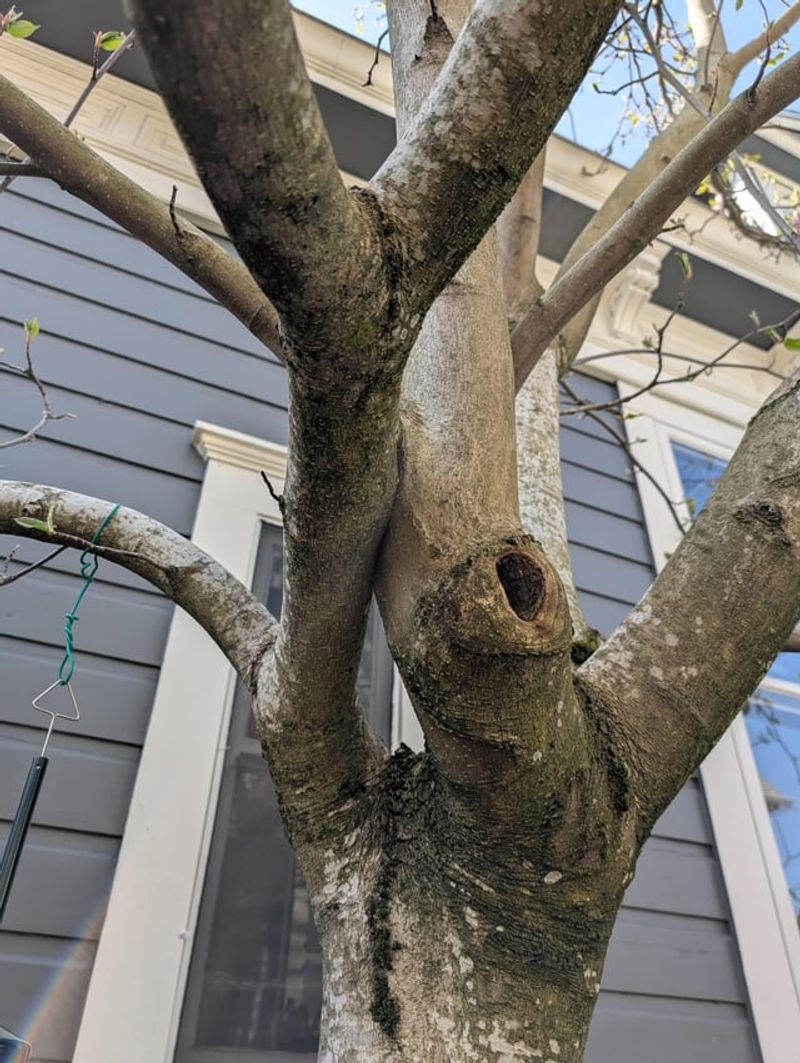
Structurally poor branches come next. Common troublemakers include branches growing back toward the center of the tree, thin, spindly shoots crowded in shade, limbs joined in tight V-shaped unions, and water sprouts shooting straight up from big limbs.
Those tight V-shaped joints deserve extra attention. Arborists call the bark trapped inside them included bark, and it keeps the wood from knitting together firmly.
Your California Garden Changes Every Week. Your Plan Should Too.
Gardening in California changes quickly throughout the season. Every Friday you’ll receive a simple weekly plan showing exactly what to plant, prune, fertilize, harvest, and protect so you never miss the right timing.
In a strong gust, those unions can split apart, while wider U-shaped angles are usually much stronger.
Working from the inside out, with frequent steps back to view the whole crown, prevents trouble.
Getting carried away in one spot can leave a lopsided hole, while removing a branch here and there throughout the canopy keeps weight balanced.
A little detective work pays off. Each weak or rubbing branch removed means one less piece of potential wreckage on a roof or car after a windstorm.
Large co-dominant stems with included bark often call for a certified arborist, who may recommend gradual reduction or cabling rather than a single big cut.
3. Take Out No More Than A Quarter Of The Canopy
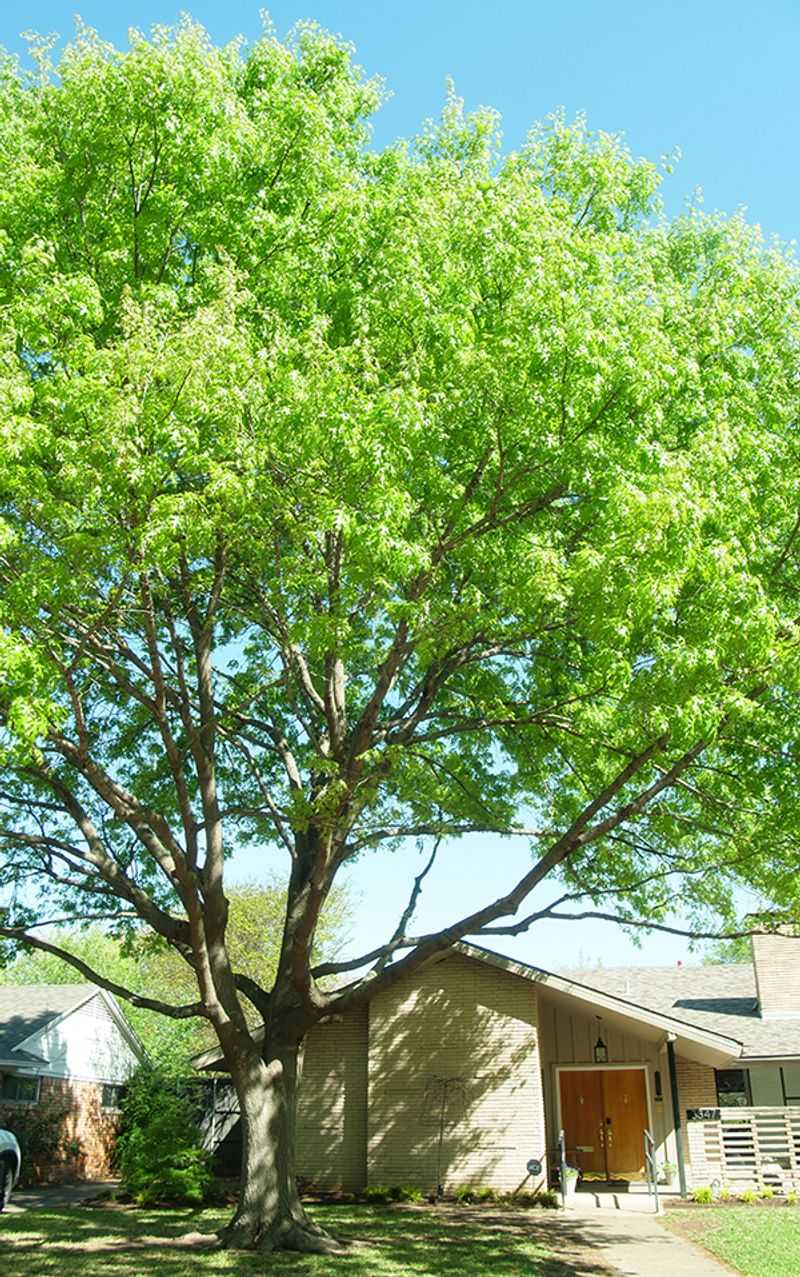
More cutting doesn’t mean more wind safety. A common mistake involves pruning a tree so hard it looks half bald, hoping the wind will have nothing to grab, and that plan harms the tree.
Leaves serve as the tree’s food factory, turning sunlight into the sugars that fuel roots, wood, and defenses against pests. Excessive removal leaves the tree short on energy and stressed, and it often responds with a burst of weak sprouts.
ISA guidance sets a simple limit: no more than about 25 percent of the live crown in a single year, and often less.
For mature or stressed trees, many arborists suggest staying closer to 10 to 15 percent, while young, vigorous trees can usually handle a bit more.
A canopy divided into four equal slices makes the idea easy to visualize. The removal should amount to only part of one slice, spread across the whole tree rather than cut out as a single chunk.
Drought plays a role in California too. A tree already thirsty from a dry summer carries fewer reserves, so lighter cuts suit it, along with a deep watering before and after the work.
Trees needing more thinning do better when the job spreads over two or three years. That patience gives the tree time to recover and rebuild energy between visits.
Slow and steady keeps a tree sturdy, while one heavy haircut can leave it weaker for years.
4. Cut Back To The Branch Collar
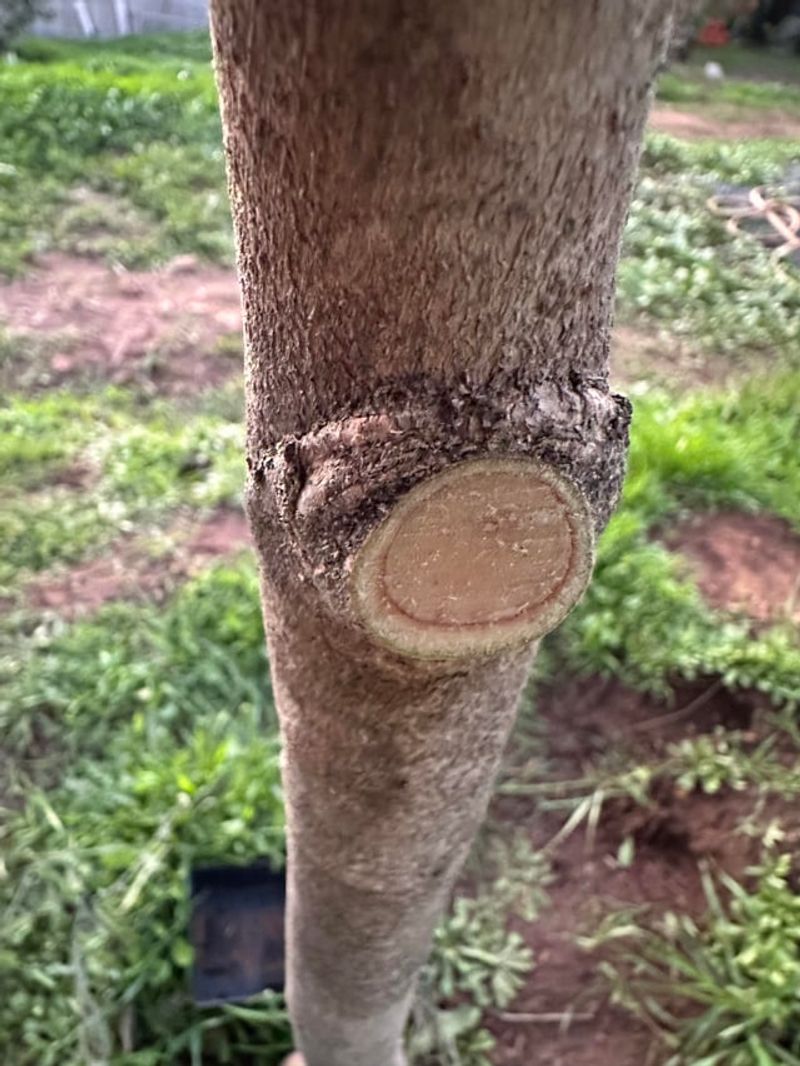
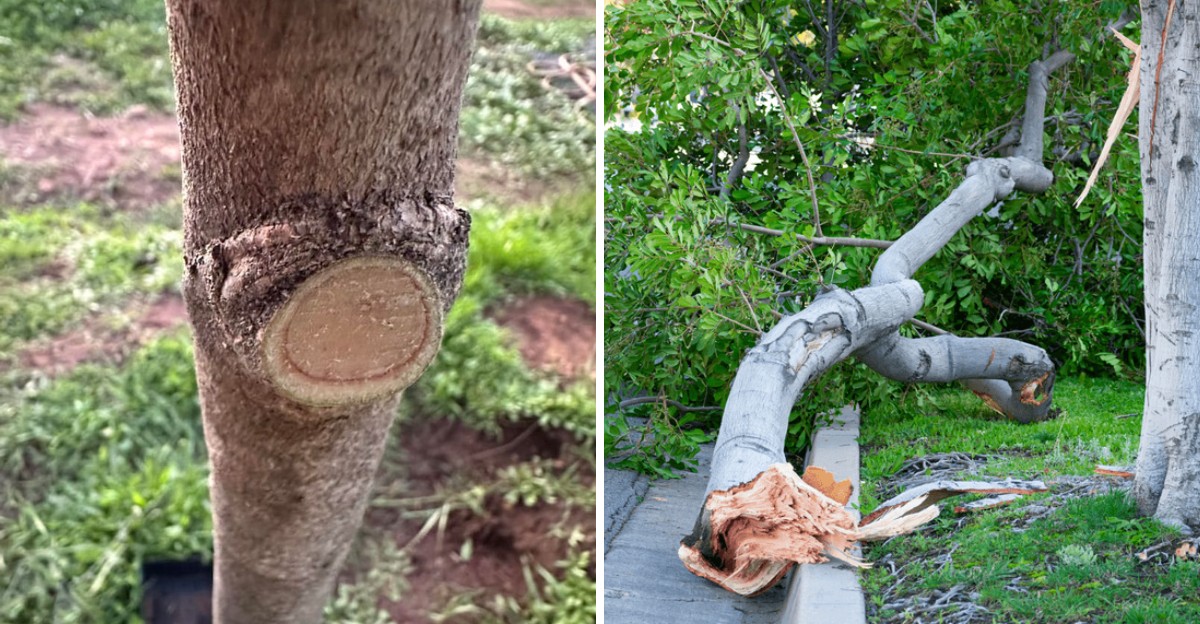
A close look where a branch meets the trunk often reveals a slight bulge or raised ring of bark. That swollen area, the branch collar, holds the secret to a clean, healthy cut.
The collar contains special tissue that helps the tree seal off wounds. A cut just outside it lets the tree grow a ring of new wood, called woundwood, over the opening, while a cut into it damages the very tissue meant to protect the tree.
Two classic errors show up again and again. A flush cut slices right against the trunk, removing the collar and leaving a large wound.
A stub cut leaves a short peg sticking out, which the tree can’t close over, so decay gradually sets in.
Heavy branches call for the three-cut method recommended by UC ANR. A shallow undercut about a foot out from the trunk comes first, followed by a top cut slightly farther out that lets the branch fall away.
The final cut removes the remaining stub just outside the collar. That undercut keeps falling weight from tearing a long strip of bark down the trunk.
Sharp saws and loppers keep cuts smooth instead of ragged, and wiping blades with household disinfectant between trees helps limit disease spread.
Wound paint is best skipped. Research shows trees usually seal wounds better on their own, so a well-placed cut serves as the best bandage a tree can get.
5. Remove Brittle Dry Branches
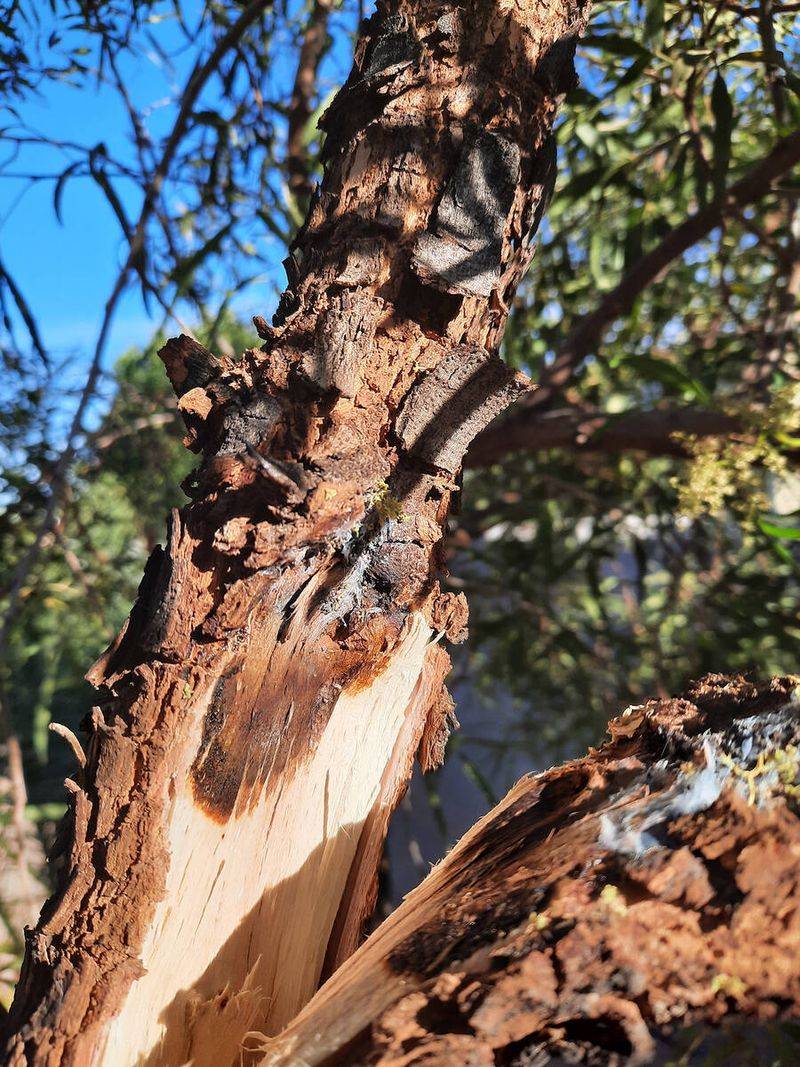
Fall offers a good time to play spot-the-difference in the canopy. Gray, leafless branches, peeling bark, or twigs that snap like crackers all point to brittle limbs, and those are first in line to fall when a Santa Ana kicks up.
Dry branches have lost their flexibility. Healthy wood bends with a gust and springs back, while brittle wood simply breaks, often suddenly and sometimes from high in the crown.
Removing them ranks among the safest, easiest wins in tree care, and it barely counts against the canopy budget, since they carry no living leaves.
Dry branches cause trouble in other ways too. During fire season, they act like kindling stuck in the treetop, and hot Santa Ana air can carry embers into them.
CAL FIRE defensible space guidance calls for clearing dry branches from trees near structures.
Zone 0 rules approved this year for designated fire hazard areas add more: live branches trimmed at least five feet above the roof, kept out from under eaves, and held ten feet from chimneys.
A few quick checks help find brittle wood. A thumbnail scratch on a twig reveals green tissue when alive and brown, dry tissue when not, and binoculars help scan high branches from the ground.
Fungus, cracks, or cavities near the base of big limbs deserve attention as well.
Small dry twigs within easy reach make simple weekend work. Anything large, high, or hanging over a roof belongs with a professional, since falling wood ignores good intentions.
6. Shorten Overextended Limbs Gradually
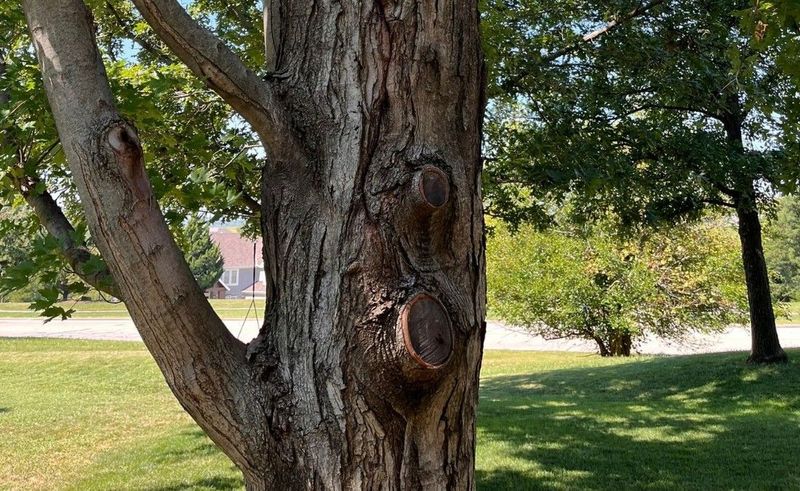
Some limbs act like fishing rods, stretching far over a driveway or roof with a big clump of leaves at the tip. In a strong gust, all that weight at the end creates powerful leverage, and the limb can crack near its base.
A reduction cut offers the fix rather than a chop. It shortens a limb by cutting back to a smaller side branch pointing in the same direction, and that side branch takes over as the new tip, keeping the limb growing naturally.
Size matters here. ANSI A300 pruning standards, followed by ISA arborists, call for the remaining side branch to be at least one third the diameter of the limb removed.
Anything smaller starts to act like topping, with weak sprouts and decay likely to follow.
Rather than sawing a limb off at a random point, the cut traces it back to a healthy fork and lands just beyond it. The limb stays alive, gets shorter, and carries far less weight at the tip.
Patience pays off. Shortening a long limb a few feet at a time over several seasons works better than one big cut, since large reductions create big wounds and shock the tree.
The lion’s tail look is best avoided too. Stripping all the inner branches and leaving only tufts at the ends pushes weight outward and makes limbs more likely to snap.
Foliage spread along the whole branch builds a stronger, balanced reach.
7. Time The Work Before Wind Season
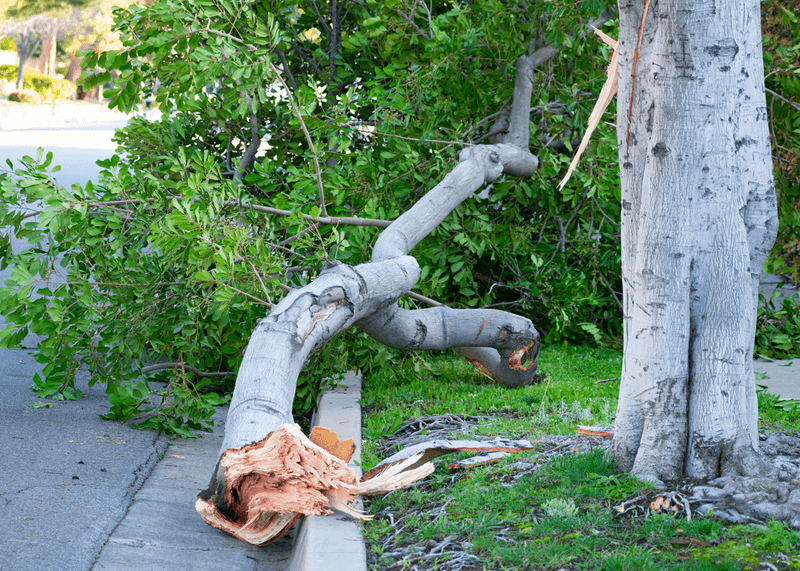
Nobody wants to be on a ladder while hot wind howls at 50 miles per hour. Yet every fall, some homeowners rush to trim trees right as a Santa Ana warning hits the news, and that timing is risky and often too late.
The National Weather Service notes that Santa Ana winds occur most often from about October through March, with fall bringing some of the strongest and driest events. Ideally, thinning happens well before those months arrive.
Mid-October already falls inside the season, so any remaining work fits best into calm stretches between wind events, with large jobs left to a professional.
Each tree type has its own ideal timing. Many deciduous trees, such as sycamores, are easiest to read in winter when leaves drop and structure shows clearly, while plenty of evergreens handle light thinning in late spring or summer.
Wildlife and pests deserve attention too. Spring and summer mark peak nesting season, and Anna’s hummingbirds in Southern California may nest as early as December, so a quick check for nests before cutting helps.
Certain trees, including elms, carry pest concerns tied to timing, and UC ANR resources or a local arborist can advise.
Arborists also get swamped in fall, so early booking brings better availability and a calmer, more careful job.
Pruning during a wind event is best avoided entirely. Branches move unpredictably, cut pieces can swing into people, and fresh cuts dry out fast in hot air.
8. Hire A Certified Arborist For Big Trees
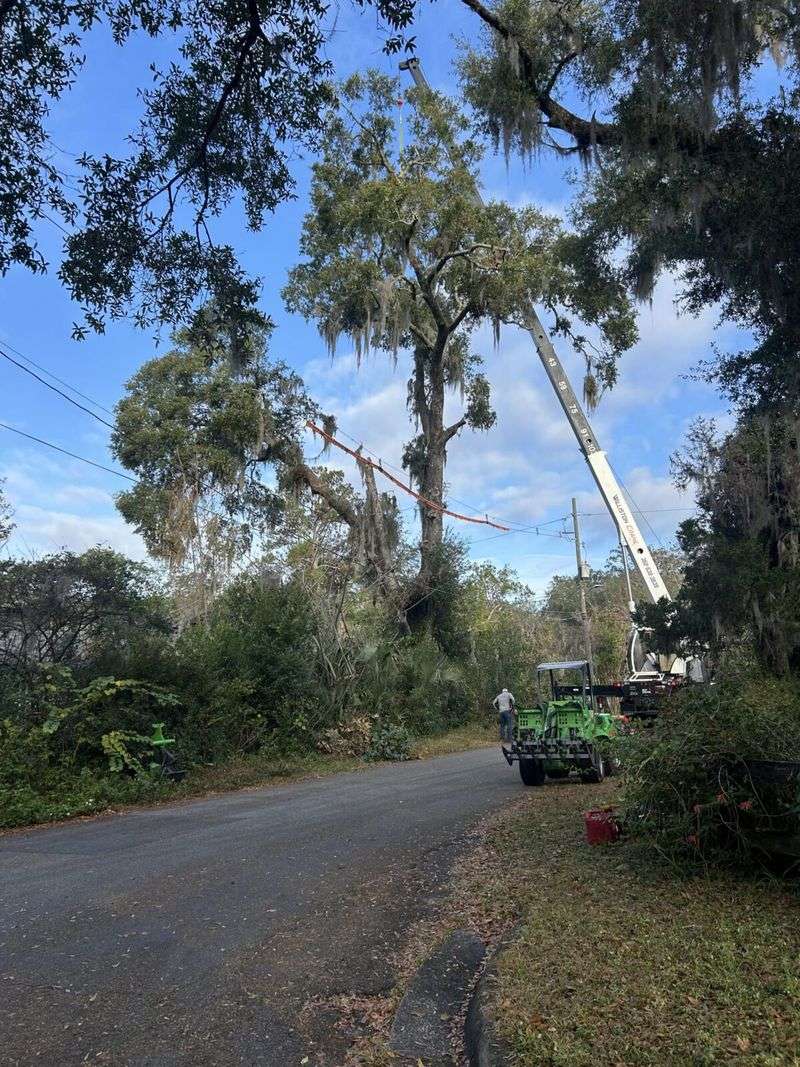
A shaky ladder, a chainsaw, and a big tree make a dangerous trio. Every year, homeowners get hurt tackling limbs that are too high or too heavy, and some jobs simply belong to trained professionals.
A certified arborist makes sense when a tree is too tall to prune from the ground, when limbs hang over a house, or when cracks, cavities, or leaning trunks appear.
ISA-certified arborists pass an exam and keep up with training on pruning standards, safety, and tree biology, and the TreesAreGood website lists them by ZIP code.
Power lines rule out do-it-yourself work. Electricity can jump from a line to a branch, a tool, or a person without direct contact.
Utility companies often trim around their lines at no charge, and only line-clearance qualified workers should prune near them.
A few smart questions help before hiring. Proof of certification, liability and workers’ compensation insurance, and a commitment to ISA or ANSI A300 pruning standards all matter.
California also requires a contractor’s license for tree work above a certain dollar amount, and the Contractors State License Board offers a quick online check.
Any company offering to top a tree or remove half the canopy raises red flags rather than offering a bargain.
A good arborist can also spot hidden problems, such as root decay or weak unions, giving a tree its best chance when the next Santa Ana roars through.