Health Officials Confirm Rabid Wildlife In New Jersey Backyard This Week
Your porch light isn’t the only thing that saw movement last night. Something crossed your patio and left prints too small to ignore. Trash lids near your own house tipped over again last night.
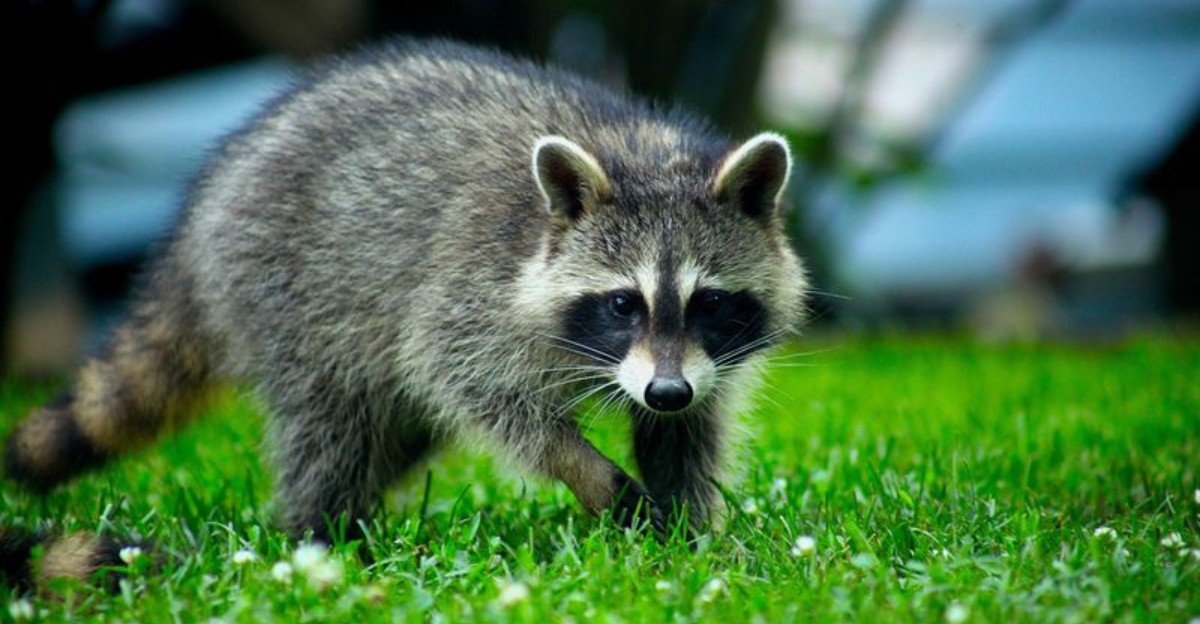
According to the Maplewood Health Department, a raccoon found in Maplewood, New Jersey tested positive for rabies, as confirmed in a public notice issued on September 11, 2026.
Rabies turned up in a backyard visitor near your home. Bites and scratches carry that same risk, even from small animals. Pets sleeping outside face exposure they cannot recognize or avoid.
Kids playing barefoot near that patio face the same danger. Cookout plans suddenly need a closer look before this weekend. Neighbors across New Jersey are comparing sightings from their own yards.
Fear won’t protect your family, but awareness genuinely can. Small gaps under your deck invite exactly this kind of visitor.
Open trash cans practically send an invitation to return tonight. What happens next in your yard tonight depends entirely on what you do now.
The Backyard Encounter That Sparked The Alert
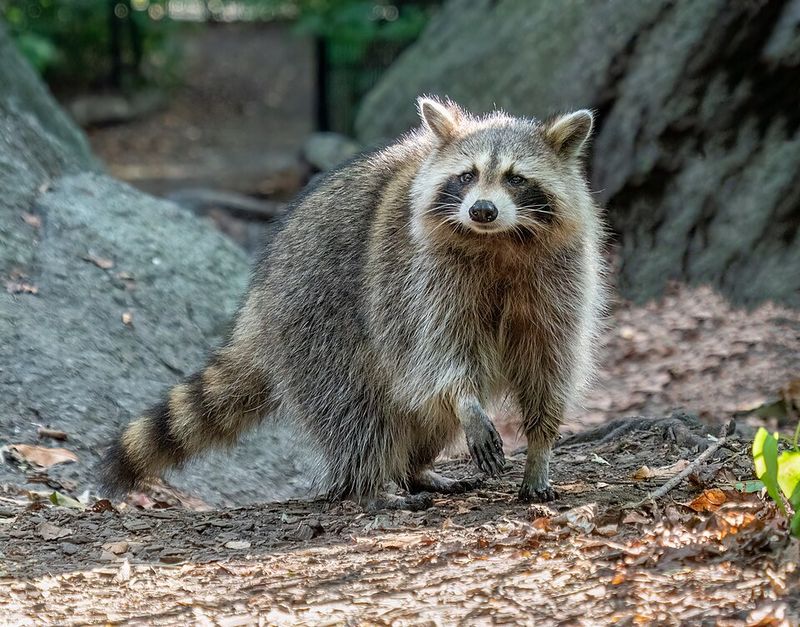
It started the way these cases often do: a resident noticed a raccoon that looked sick and reported it right away. Animal Control Solutions safely collected the animal and sent it to the New Jersey State Laboratory for testing.
That behavior prompted concern. Raccoons are usually cautious and quick to vanish, so an animal wandering in the open, wobbling, and showing no fear of people stands out immediately.
Animal control was called, the raccoon was safely collected, and a sample was sent to the state lab for testing. Within days, results confirmed rabies, and local health officials issued a public notice for the surrounding neighborhood.
These notices are meant to help nearby residents respond quickly. They exist so nearby residents can check on their pets, review vaccination records, and report any similar sightings before another encounter happens.
Officials also asked neighbors to think back over the previous week. Did anyone get scratched while cleaning the garage? Did a cat come home with a fresh wound and no explanation?
Those questions matter because rabies exposure can happen without a dramatic encounter. A small nip, a scratch, or saliva touching broken skin all count as reasons to call a doctor.
The takeaway from this single backyard is simple and useful. Pay attention to animals acting strangely, keep your distance, and make one phone call instead of trying to handle the situation yourself.
Warning Signs A Raccoon May Be Sick

Healthy raccoons are night-shift workers with excellent manners about avoiding humans. When one breaks that pattern, your attention should switch on right away.
Daytime wandering is the sign people notice first. A raccoon strolling across a sunny lawn at two in the afternoon is not automatically sick, but combined with other clues, it becomes a real red flag.
Watch for movement that looks off. Stumbling, circling, dragging back legs, or falling over while walking are all signals that something is wrong with the animal.
Your New Jersey Garden Changes Every Week. Your Plan Should Too.
Gardening in New Jersey changes quickly throughout the season. Every Friday you’ll receive a simple weekly plan showing exactly what to plant, prune, fertilize, harvest, and protect so you never miss the right timing.
Unusual boldness is another warning. A raccoon that approaches people, walks toward a barking dog, or refuses to retreat when you clap and shout has lost its normal caution.
Physical clues can show up too. Heavy drooling, foam near the mouth, a hoarse or strange cry, and a partly paralyzed jaw that hangs open are all worth reporting.
Some sick raccoons go the opposite direction and seem oddly calm, almost sleepy, sitting in one spot for hours. Quiet does not mean safe, so keep the same distance you would from an aggressive animal.
Distemper causes similar symptoms, which is exactly why testing matters. You cannot tell the difference by looking, and guessing puts you at risk.
The practical rule is short. Do not touch, do not feed, do not trap it yourself, and do not let curious kids or pets get close.
Snap a photo from behind a window if you can, note the location, then call your local animal control office.
Why September Brings More Raccoon Run-Ins
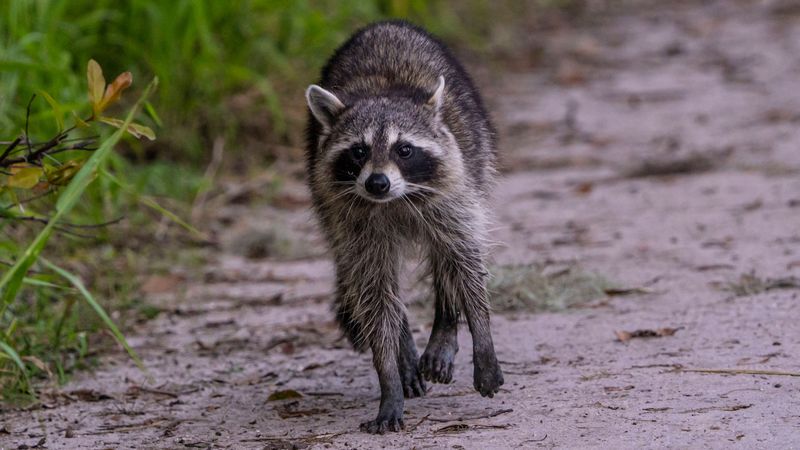
Timing explains a lot about why this story is happening now rather than in February. Late summer and early fall are peak mingling season for raccoons and people.
Spring kits are grown by September and striking out on their own. Young, inexperienced raccoons wander into new territory, which often means fenced yards, decks, and garages they have never explored.
Food is also driving the traffic. Fallen apples, ripe tomatoes, backyard compost, birdseed, and end-of-summer barbecue scraps turn ordinary lawns into buffet lines.
Cooler nights get animals moving earlier in the evening, right when families are outside grilling or walking the dog. More overlap means more chances for a surprise meeting.
Raccoons are also stocking up before winter slows them down. Food-seeking behavior increases the likelihood of contact with humans, even close to occupied homes.
Raccoons’ front paws are exceptionally sensitive, among the most touch-sensitive of any mammal, which is why bungee cords rarely stop them.
Knowing the season helps you prepare instead of react. Secure bins with locking lids, pick up fruit that drops, and bring pet bowls inside before sunset.
Feed cats and dogs indoors during these weeks. An outdoor food dish can attract wildlife directly to your property.
Small habit changes in September can keep your yard uninteresting to wildlife straight through the holidays.
Protecting Pets Before The Next Visitor Shows Up
Unvaccinated backyard pets are a top concern for veterinarians across New Jersey. Your dog or cat is the buffer between wildlife and your family.
State law requires rabies vaccination for dogs, and cats should be covered too, even indoor-only ones. Indoor cats slip out through screen doors more often than owners like to admit.
Check the expiration date on your pet’s certificate this week rather than next month. Boosters run on a one-year or three-year schedule depending on the vaccine used.
Many towns host free or low-cost rabies clinics in fall. A quick call to your municipal clerk or health department will tell you when the next one is scheduled.
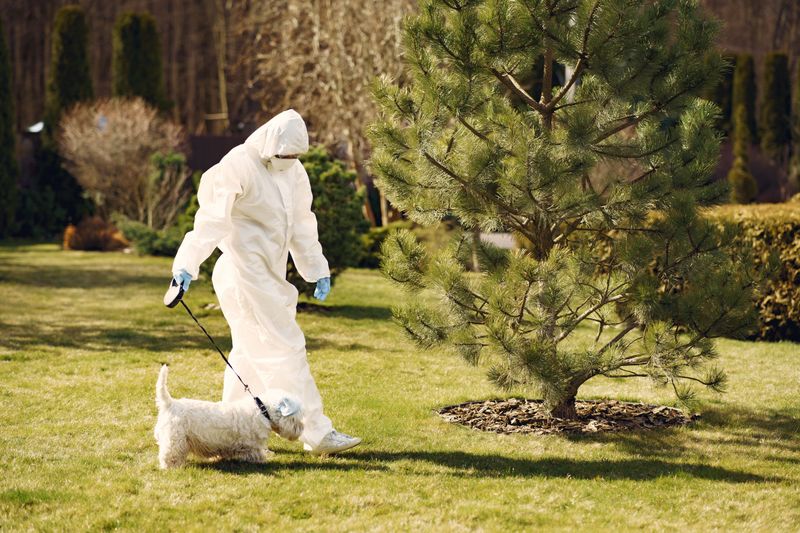
If your pet tangles with wildlife, do not handle the wound with bare hands. Wear gloves, rinse the area, and phone your vet immediately, even if the injury looks minor.
Save the details too. Where it happened, what the animal looked like, and which direction it went all help animal control track the situation.
Pets that are current on vaccines usually receive a booster and a short observation period. Pets without protection face much stricter rules, including long quarantines.
Leash walks matter more than usual right now, especially at dawn and dusk when raccoons are active. Retractable leashes stretched forty feet into the brush defeat the purpose. Fifteen minutes at the vet significantly reduces long-term risk.
Steps To Take If You Or A Family Member Gets Bitten

One important point: rabies in humans is preventable when the full treatment series is completed promptly and correctly. The catch is that waiting around does not work in your favor.
Wash the wound first. Soap and running water for a solid fifteen minutes removes a surprising amount of virus and is the single most useful thing you can do in the moment.
Call your doctor or head to an urgent care or emergency room next. Explain exactly what animal was involved and how the contact happened.
Report it to your local health department as well. They coordinate with animal control, arrange testing when the animal can be located, and advise on treatment.
Post-exposure treatment involves a series of shots given over about two weeks. Modern versions go into the arm, not the stomach, and most people describe them as no worse than a flu shot.
Bites are not the only exposure route. Scratches, or saliva reaching your eyes, nose, mouth, or an open cut, also count and deserve the same phone call.
Kids sometimes hide these incidents because they worry about getting in trouble. Let your children know they can tell you about any animal contact without fear of a lecture.
Bats deserve a special mention since their bites can be nearly invisible. Waking up with a bat in the bedroom is a reason to seek medical advice. Acting within hours, not days, keeps a scary moment from becoming a serious one.
Making Your Yard Less Inviting To Wildlife
Think of your yard as either accessible or secured against wildlife right now. Right now, the question is whether that sign reads open or closed.
Trash is the number one draw. Use bins with locking lids, store them in a garage or shed when possible, and set them out in the morning instead of the night before.
Compost piles need covers. Skip meat, dairy, and greasy leftovers entirely, since those smells travel much farther than vegetable scraps.
Bird feeders scatter seed that raccoons happily clean up after dark. Taking feeders in each evening solves the problem without giving up your morning finches.
Fallen fruit under apple and pear trees is another magnet. A quick rake through the yard twice a week makes a noticeable difference.
Seal the entry points too. Raccoons squeeze into chimneys, attic vents, crawl spaces, and the gap under a deck, often setting up a den that lasts all winter.
Cap your chimney, repair loose soffits, and screen off openings beneath porches. Check for existing residents before sealing anything shut.
Motion-activated lights and sprinklers work well because raccoons dislike sudden surprises. They are also far kinder than traps and require no handling on your part.
Trim tree branches hanging over the roofline. Raccoons are strong climbers and treat overhanging limbs like a private staircase.
None of these steps take a whole weekend. Handle two this Saturday and your yard becomes a place wildlife passes by instead of moves into.