10 Native Texas Plants That Practically Grow Themselves In Your Garden
Texas gardening has a funny way of separating the truly tough plants from the ones that show up with big promises and then melt under pressure. One stretch of heat, a little dry wind, and suddenly the garden starts looking like it needs a pep talk.
That is exactly why native plants have such a loyal following. They already know how Texas behaves, and they are not nearly as shocked by the weather as the rest of us.
That does not mean you can toss them in the ground, walk away, and expect a miracle. Even strong native plants need a good start, a suitable spot, and some basic care while they settle in.
Still, once they get comfortable, many of them become some of the easiest and most rewarding plants in the yard. You get color, texture, pollinator activity, and a garden that feels far less needy.
Honestly, that is a pretty great deal in a Texas summer.
1. Texas Lantana Brings Easy Color
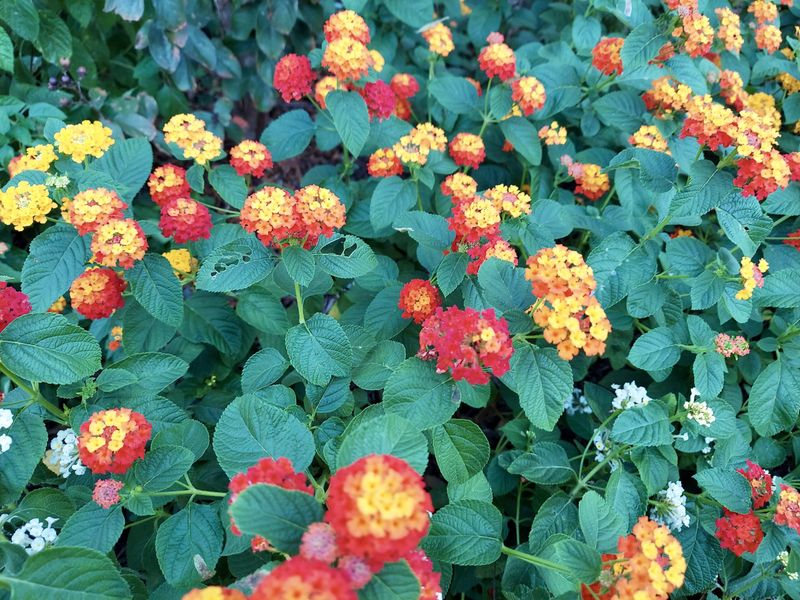
Hot, sunny garden beds in Texas can be brutal on many plants, but Texas Lantana seems to genuinely enjoy the challenge.
This tough, sprawling shrub produces clusters of small flowers that shift from yellow to orange as they age, creating a warm, layered look that draws butterflies in impressive numbers.
It blooms from late spring all the way through fall, giving your landscape long-lasting color when other plants have long since faded.
Texas Lantana is native to the state and thrives in well-drained soil with full sun. It handles dry spells well once established and rarely needs supplemental watering during a typical Texas summer.
In fact, overwatering or heavy clay soil can cause more trouble than drought ever would.
In home landscapes, it works beautifully along borders, in pollinator gardens, or spilling over rocky slopes. It tends to spread over time, so giving it a little room to grow is a smart move.
Cutting it back in late winter encourages fresh, healthy growth each spring. While it can handle neglect once settled in, the first season still calls for regular watering to help the roots develop properly.
2. Blackfoot Daisy Blooms In Tough Spots
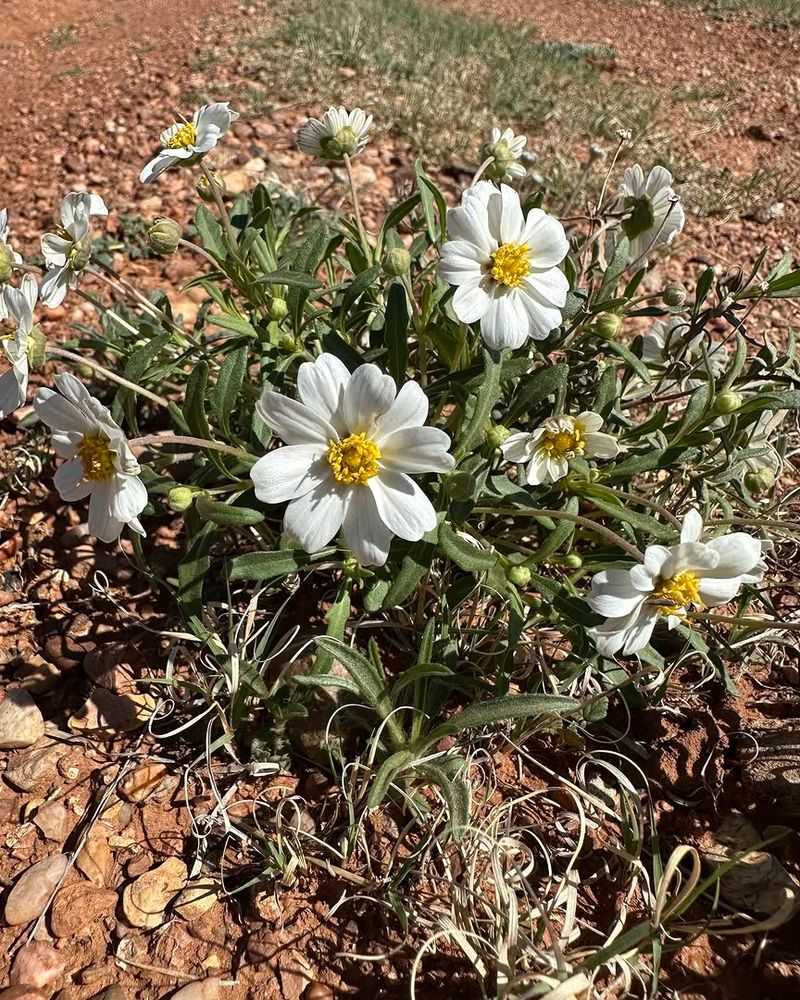
Rocky slopes, gravelly soil, and blazing afternoon sun are exactly where Blackfoot Daisy feels most at home.
This cheerful little wildflower produces white petals with bright yellow centers and carries a light, honey-like fragrance that surprises many first-time growers.
Few flowering plants in Texas look this lively while asking for so little in return.
Blackfoot Daisy is a compact plant, usually staying under a foot tall, which makes it a great fit for smaller beds, rock gardens, or the front edge of a border. It blooms heavily in spring and fall, with lighter flowering through summer if conditions stay reasonable.
Good drainage is probably the single most important factor in keeping this plant healthy, as soggy soil can cause problems quickly.
Plant it in full sun and resist the urge to fertilize heavily. Rich, amended soil actually tends to make it leggy and short-lived.
Your Texas Garden Changes Every Week. Your Plan Should Too.
Gardening in Texas changes quickly throughout the season. Every Friday you’ll receive a simple weekly plan showing exactly what to plant, prune, fertilize, harvest, and protect so you never miss the right timing.
Lean, fast-draining soil brings out its best performance. Once established, Blackfoot Daisy handles dry Texas weather with ease and rarely needs much supplemental water.
Pollinators, especially bees and small butterflies, visit the blooms regularly, making it a worthwhile addition to any Texas pollinator planting.
3. Autumn Sage Brings Color And Hummingbirds
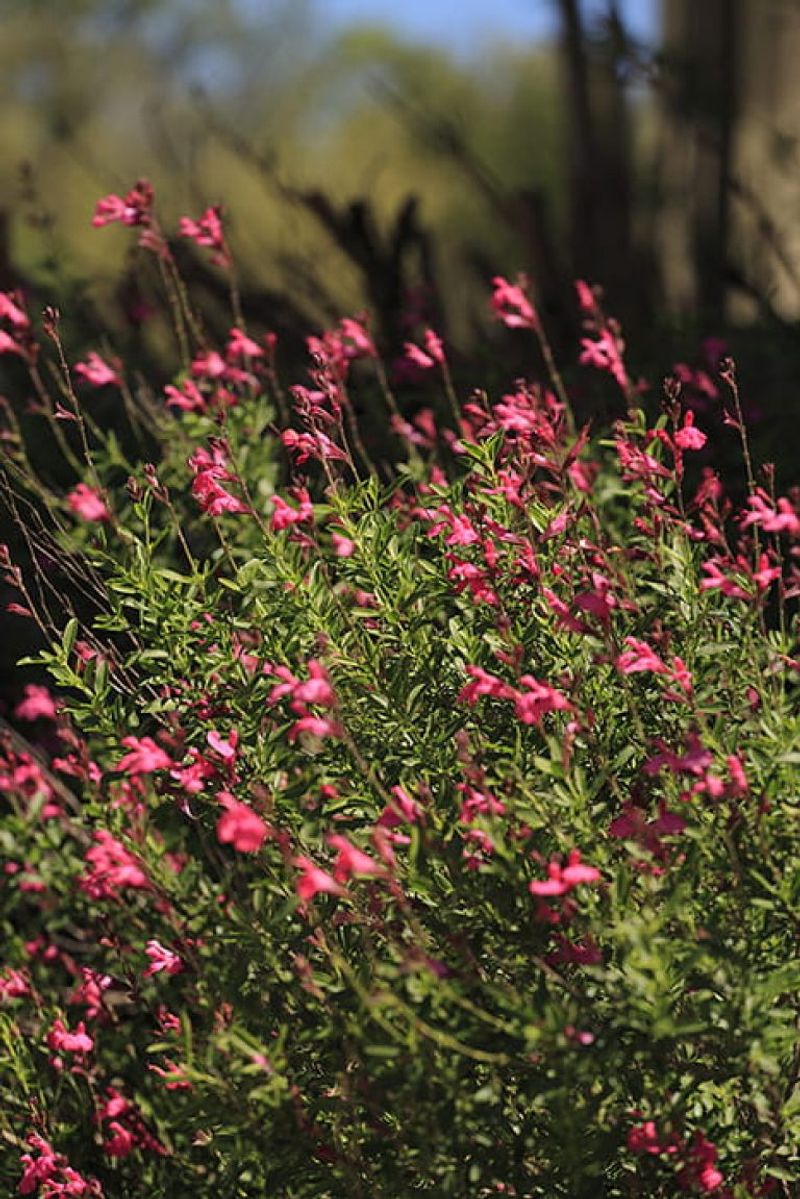
Few plants in a Texas garden create the kind of excitement that Autumn Sage does the moment hummingbirds discover it.
The tubular red flowers are practically designed for hummingbird feeding, and once the birds find the plant, they return again and again throughout the season.
Butterflies and bees also visit regularly, making this one of the most wildlife-friendly natives you can add to a home landscape.
Autumn Sage blooms from spring through fall, often with only brief pauses between flushes. Light trimming after each bloom cycle encourages fresh new growth and keeps the plant looking tidy.
It performs best in full sun to light shade and prefers well-drained soil. While it tolerates dry conditions well once established, it appreciates occasional deep watering during prolonged dry spells.
Red is the most common flower color, but pink and white varieties are also available. The plant typically grows two to three feet tall and wide, fitting comfortably in borders or mixed beds.
It pairs well with other Texas natives like Blackfoot Daisy or Mealy Blue Sage for a layered, colorful planting. Giving it room for air circulation helps keep the foliage looking healthy through the warmer months.
4. Damianita Adds Cheerful Color With Less Fuss
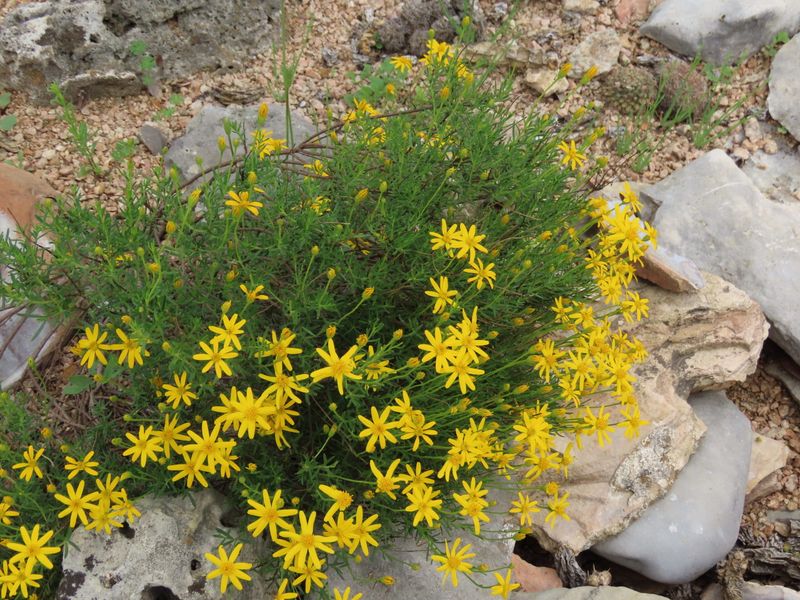
Bright yellow flowers covering a compact, mounded shrub – that is the kind of spring show Damianita puts on in Texas gardens without much encouragement.
This aromatic native shrub is well adapted to the hot, dry conditions found across much of Texas, particularly in areas with rocky or sandy soils.
The needle-like foliage stays green year-round in mild winters, giving the plant a tidy appearance even when it is not in bloom.
Damianita thrives in full sun and extremely well-drained soil. It genuinely struggles in heavy clay or areas that stay wet after rain, so placement matters quite a bit with this plant.
Raised beds, rock gardens, and sloped areas where water moves away quickly tend to suit it well. Once the roots have settled in, it handles dry spells with ease and rarely needs supplemental irrigation during a normal Texas summer.
The plant stays fairly compact, usually reaching one to two feet tall, which makes it a solid choice for small spaces or the front of a border. Pollinators, especially bees, are drawn to the blooms.
Minimal pruning is needed, though a light trim after the main bloom period can encourage a fresh flush of flowers and keep the shape looking neat.
5. Flame Acanthus Lights Up Summer
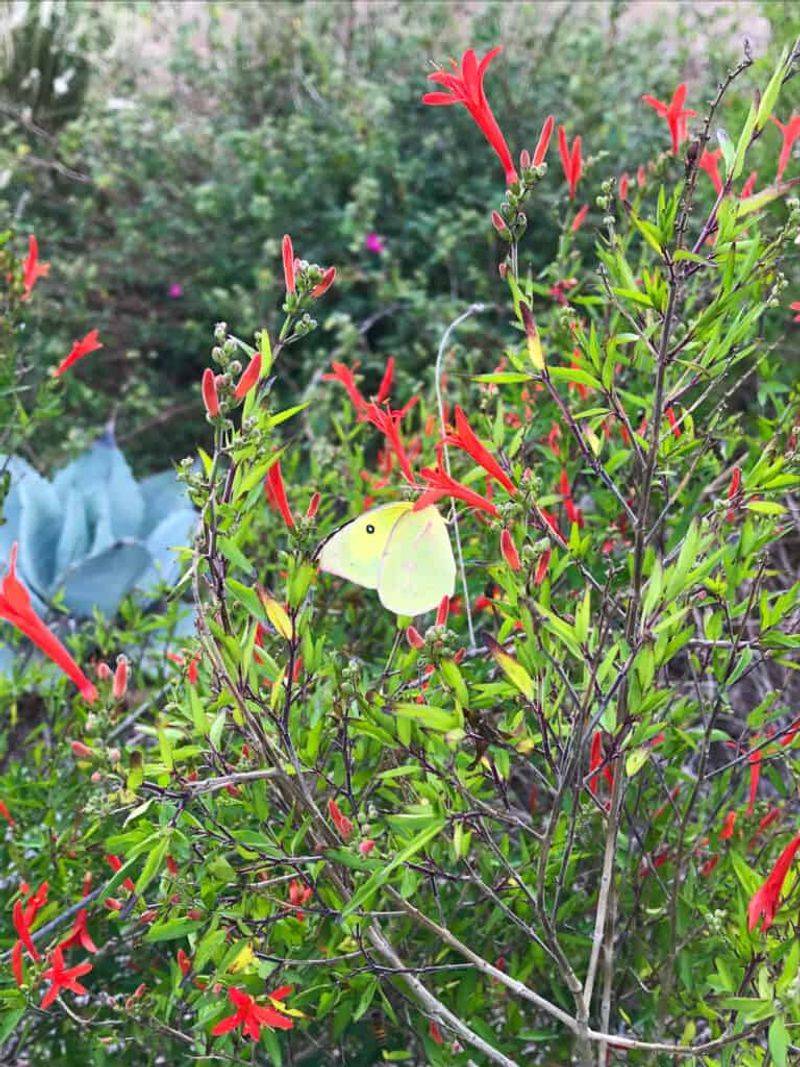
When summer heat peaks and most flowering plants have retreated into survival mode, Flame Acanthus is just getting started. This tough, upright shrub erupts in clusters of bright orange-red tubular flowers right when the garden needs color most.
Hummingbirds and butterflies flock to it throughout the season, turning a simple border planting into a lively, active space worth watching.
Flame Acanthus is native to the Texas Hill Country and surrounding regions, where it grows on rocky slopes and in dry, well-drained soil under full sun.
It handles the kind of summer heat that wilts less adapted plants, and once established, it gets by on natural rainfall through most of the year.
The plant can reach four to five feet tall in good conditions, so it works well toward the back of a border or as an informal screen.
In colder parts of Texas, it may freeze back in winter, but it typically regrows vigorously from the base in spring. Cutting the old stems back before new growth emerges keeps things looking clean.
Soil drainage is important, as this plant does not do well sitting in wet conditions for extended periods. A little patience during the first growing season pays off with years of reliable summer color.
6. Red Yucca Handles Heat With Bold Style
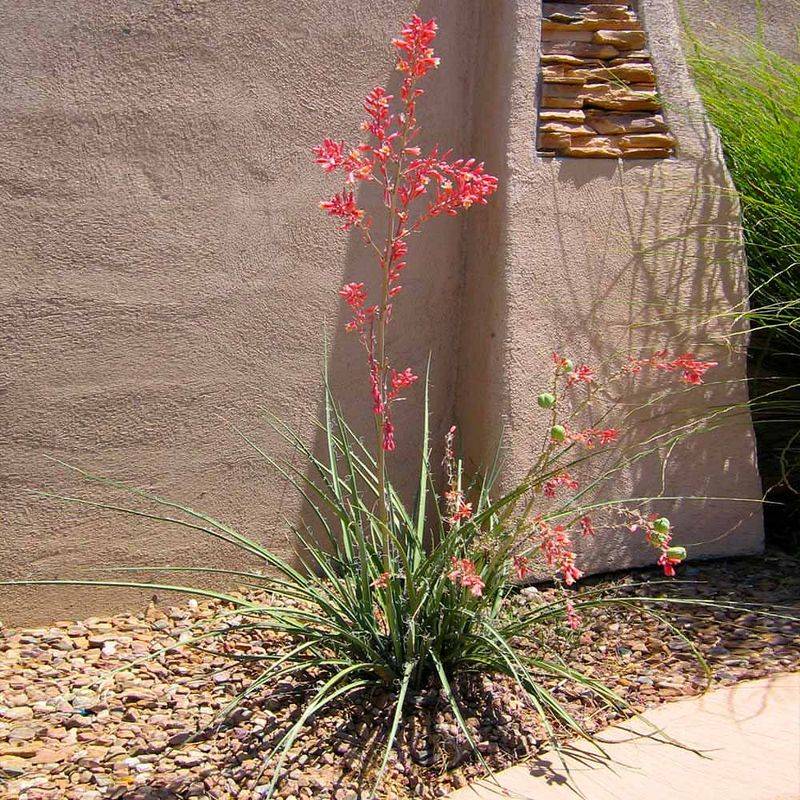
Architectural, drought-tolerant, and genuinely striking, Red Yucca is one of those plants that makes a Texas garden look intentional even with minimal effort.
Despite the name, it is not a true yucca but rather a close relative with soft, arching grass-like leaves that stay attractive through the seasons.
The real showstopper is the tall flower stalk that rises up to five feet, covered in coral-pink to red tubular blooms that hummingbirds find irresistible.
Red Yucca blooms from spring through summer and sometimes into fall in warmer parts of Texas. It thrives in full sun and well-drained soil, tolerating rocky, sandy, or lean conditions without complaint.
Once established, it is one of the more drought-tolerant native plants available for Texas home landscapes and rarely needs supplemental water during dry stretches after the first year or two.
It works beautifully as a specimen plant, in xeriscape designs, or mixed into a pollinator border. The clumping habit stays tidy and manageable, typically reaching two to three feet wide.
Spent flower stalks can be removed for a cleaner look, though leaving them in place provides seeds for birds. Red Yucca is a reliable performer that rewards good drainage and a sunny spot more than almost anything else you can offer it.
7. Mealy Blue Sage Keeps Color Coming
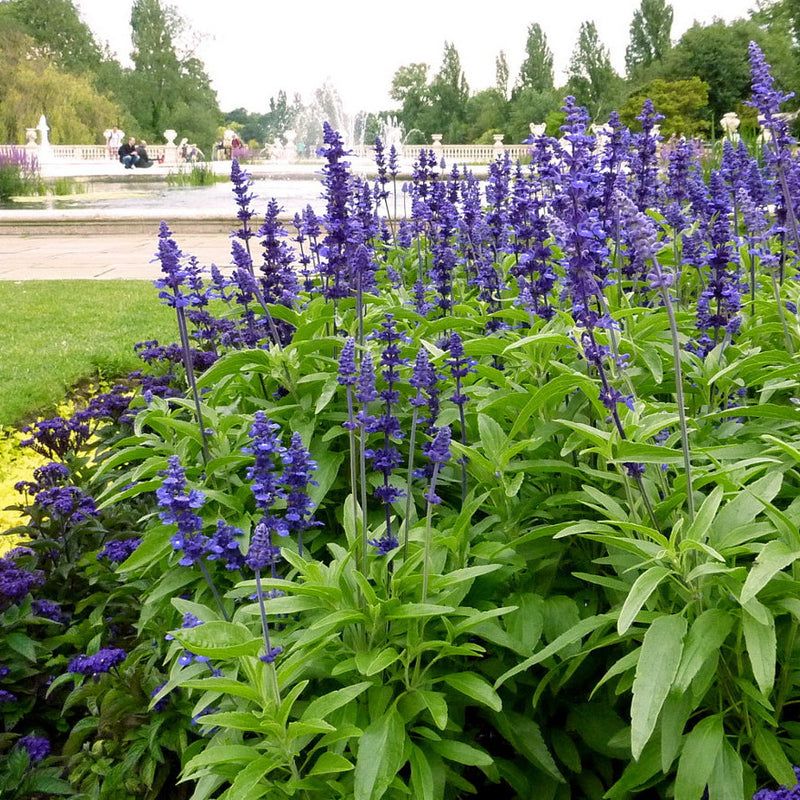
Spend any time in a Texas garden center in spring and you will almost certainly spot Mealy Blue Sage, and for good reason.
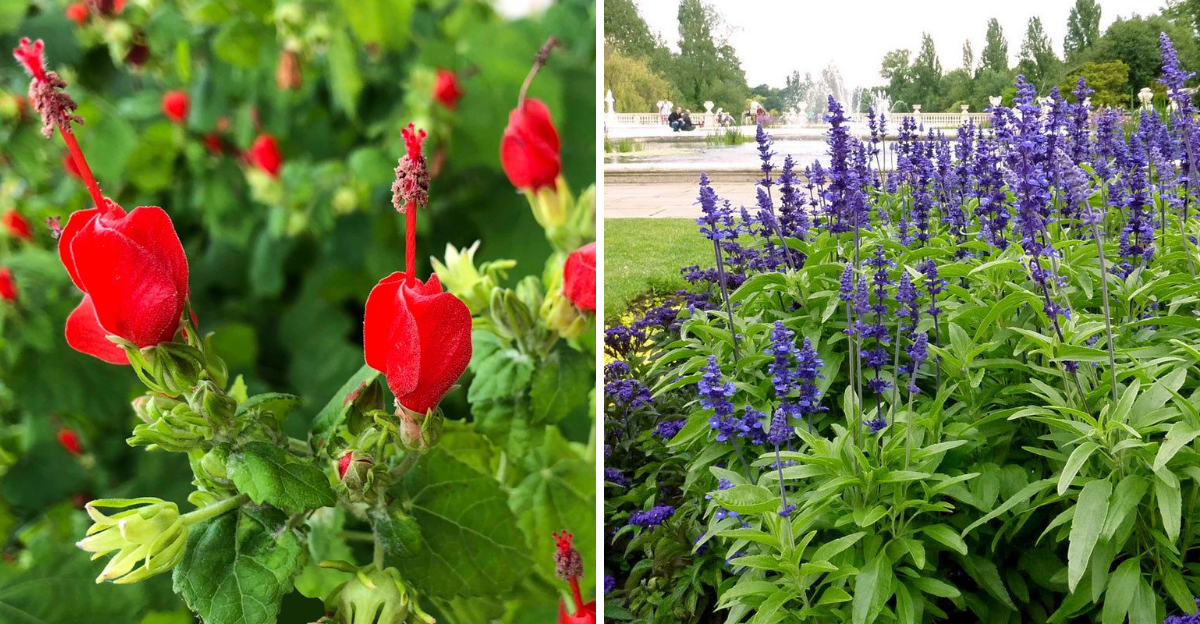
The spikes of soft violet-blue flowers have a way of catching the eye, and they keep showing up from late spring well into fall without much encouragement.
Bees absolutely love it, and the plant often buzzes with activity on warm afternoons when it is in full bloom.
Mealy Blue Sage is native to central and south Texas and adapts well to a range of garden conditions. It handles full sun and partial shade, which gives it more flexibility than many other flowering natives.
Well-drained soil is preferred, but it tolerates a wider range of soil types than some of the more finicky native plants on this list. Once established, it handles dry spells reliably and does not need much fussing to stay attractive.
The plant typically grows two to three feet tall and looks great in borders, pollinator gardens, or mixed into a naturalistic planting. Cutting it back by about a third in midsummer encourages a strong flush of fall blooms.
It often reseeds lightly, which can fill in gaps in a planting over time. The soft blue-purple flower color pairs well with warm-toned plants like Autumn Sage or Texas Lantana for a layered, colorful Texas garden bed.
8. Gulf Muhly Adds Soft Texture And Fall Beauty
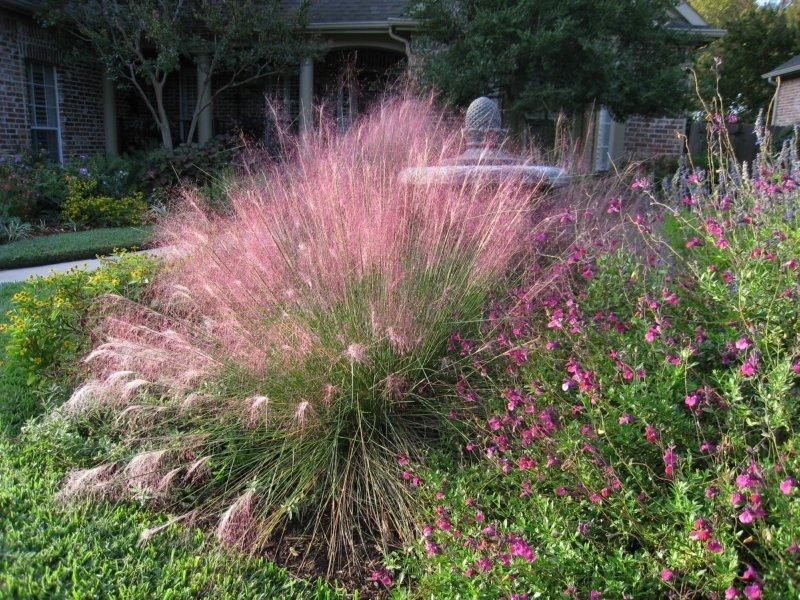
Come fall in Texas, few native plants create a moment quite like Gulf Muhly. The clouds of airy pink-purple seed heads catch the late afternoon light and practically glow, turning an ordinary garden bed into something that stops people in their tracks.
It is one of those plants that earns its keep with one spectacular seasonal display and then quietly holds its own the rest of the year as attractive, fine-textured green foliage.
Gulf Muhly is a warm-season native grass that thrives in full sun and well-drained soil. It handles the heat and humidity found across much of Texas and is quite drought-tolerant once established.
Sandy or rocky soils suit it well, though it can adapt to average garden soil as long as drainage is decent. Heavy clay that stays wet tends to cause problems, so raised beds or amended planting areas can help in those situations.
The clumps grow two to three feet tall and wide, making them a solid mid-border choice or a striking mass planting along a fence or driveway. Cutting the clumps back to a few inches in late winter before new growth emerges keeps them looking fresh each season.
Deer tend to leave it alone, which is a welcome bonus for Texas gardeners in areas with heavy deer pressure.
9. Turk’s Cap Thrives In Texas Shade
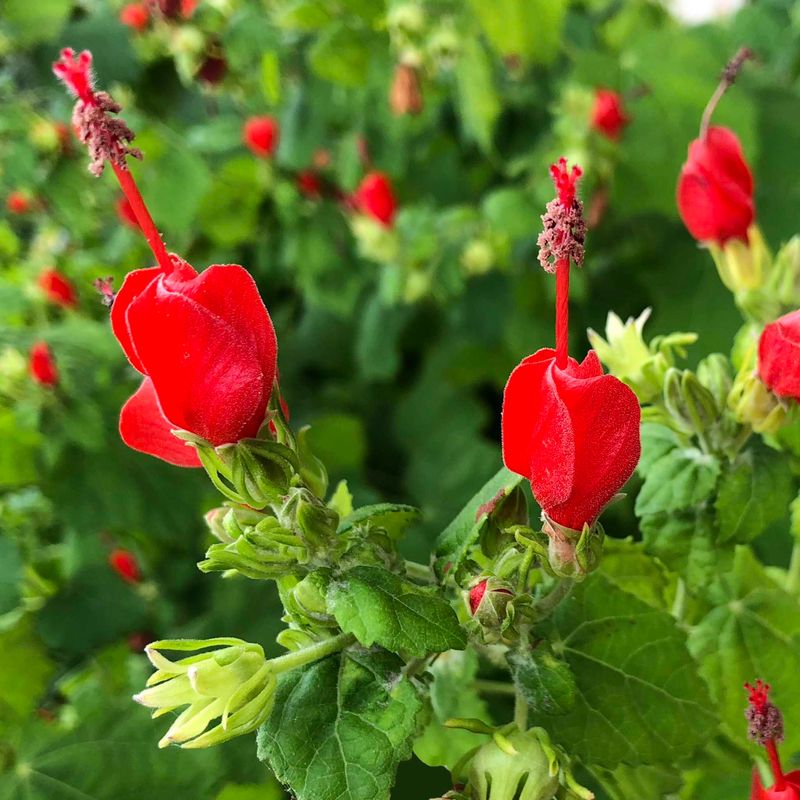
Finding a flowering plant that genuinely thrives in the dry shade under Texas live oaks can feel like a small victory.
Turk’s Cap is one of the few natives that actually delivers in that challenging spot, producing bright red twisted blooms that look like miniature turbans throughout the warm months.
Hummingbirds, butterflies, and bees all seek it out, making it one of the most wildlife-valuable shade plants available for Texas home gardens.
Turk’s Cap grows naturally across much of Texas and handles a wide range of conditions, from full shade to partial sun.
It prefers some moisture and does better with occasional watering during dry stretches than some of the more xeric natives on this list.
That said, it is still quite adaptable once established and far less demanding than many ornamental shade plants that struggle in Texas summers.
The plant can grow quite large, sometimes reaching six feet or more in height when conditions are favorable, so giving it room to spread makes sense.
It freezes back in most parts of Texas during winter but reliably returns from the roots each spring.
Small red fruits follow the flowers and attract birds into the fall. For shaded beds, woodland borders, or the understory of a tree canopy, Turk’s Cap is a dependable and rewarding native choice.
10. Inland Sea Oats Adds Easy Native Texture
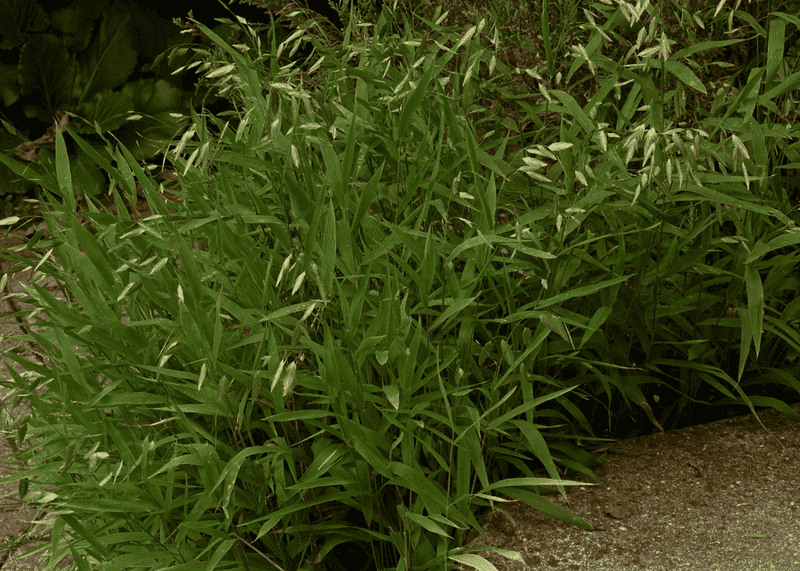
Shaded areas in Texas landscapes often end up as bare spots because so few plants handle low light and dry conditions at the same time.
Inland Sea Oats fills that gap with style, offering graceful arching foliage and distinctive flat, dangling seed clusters that move in even the lightest breeze.
The combination of fine texture and easy adaptability makes it one of the most useful native grasses for Texas home gardens with tricky shaded spots.
Inland Sea Oats grows naturally along creek banks and woodland edges across Texas, so it is well suited to the kind of filtered shade found under large trees.
It tolerates a range of soil conditions, including heavier soils that drain slowly, which gives it an advantage over some other shade-tolerant natives.
Some supplemental watering during the hottest, driest stretches helps it stay looking its best, especially in its first season.
The foliage turns a warm copper-bronze in fall before winter sets in, adding seasonal interest even after the growing season winds down. It spreads gradually by seed and can fill in a shaded bed naturally over several years.
While it does self-seed, it is not considered aggressive. Cutting clumps back in late winter keeps the planting tidy and encourages fresh spring growth that looks clean and attractive from the start.