Here’s When Michigan Gardeners Should Start Bringing Houseplants Inside For Fall
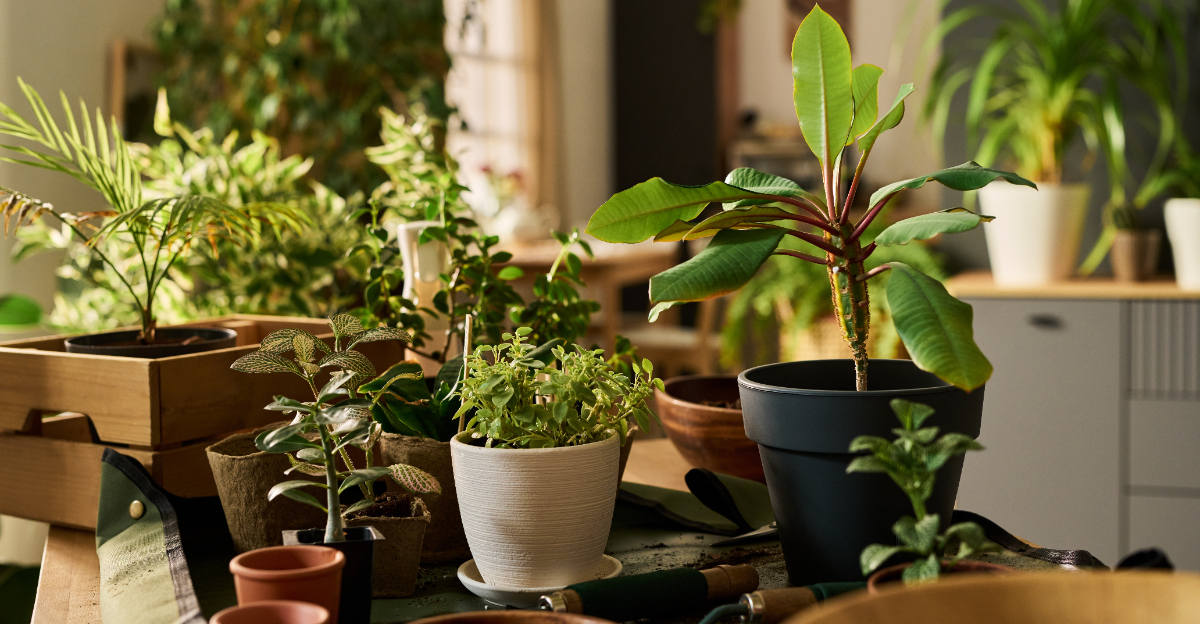
Houseplants that spent the summer thriving outdoors need to come back inside at a very specific point before Michigan’s weather turns against them.
Waiting too long risks sudden cold damage that can undo months of healthy summer growth in just one unexpected night. But bringing plants in too early wastes valuable time they could still spend soaking up outdoor sunlight and fresh air.
Finding that exact right window takes more than just watching the calendar flip to a new month. Understanding the specific signs to watch for helps you time this transition perfectly, rather than guessing based on habit alone.
Many gardeners either rush this process or wait until it’s already too late, missing the ideal middle ground entirely.
Getting this timing right protects your plants through the transition and sets them up for a much smoother winter indoors.
1. Watch Nighttime Temperatures
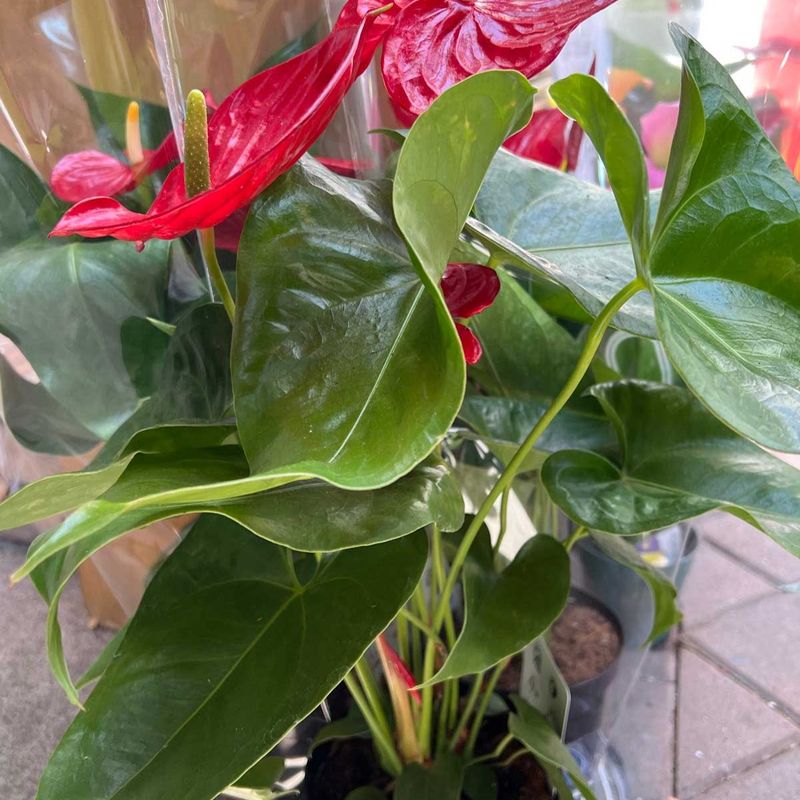
Cold nights are the biggest signal that your plants need to head indoors. Most tropical houseplants come from warm places, so they start to struggle once temperatures dip below about 50 degrees Fahrenheit.
In Michigan, those cool nights can arrive in September, sometimes even sooner.
Keep an eye on your local weather forecast each evening. When nighttime lows begin to hover near 50 degrees on a regular basis, that is your cue to act. Even one surprise cold snap can shock a plant and leave its leaves damaged.
Plants like pothos, monstera, and rubber trees are especially sensitive to the chill. Their leaves may turn yellow, droop, or develop soft spots if left out too long. Once that happens, it is hard for them to bounce back fully.
Do not wait for frost to appear, because by then the damage may already be done. Cold air stresses roots and slows growth, making the move indoors much harder on your plant. Being early is always safer than being late.
A simple outdoor thermometer near your plants can help you track the real temperature they feel. Nights in shaded or low spots often run cooler than the general forecast suggests. Checking directly gives you a clearer picture.
By staying alert to those falling numbers, you give your plants the best chance to settle in comfortably. A little attention now saves you from scrambling later when the weather turns quickly and unexpectedly.
2. Late August Can Be The Time To Start
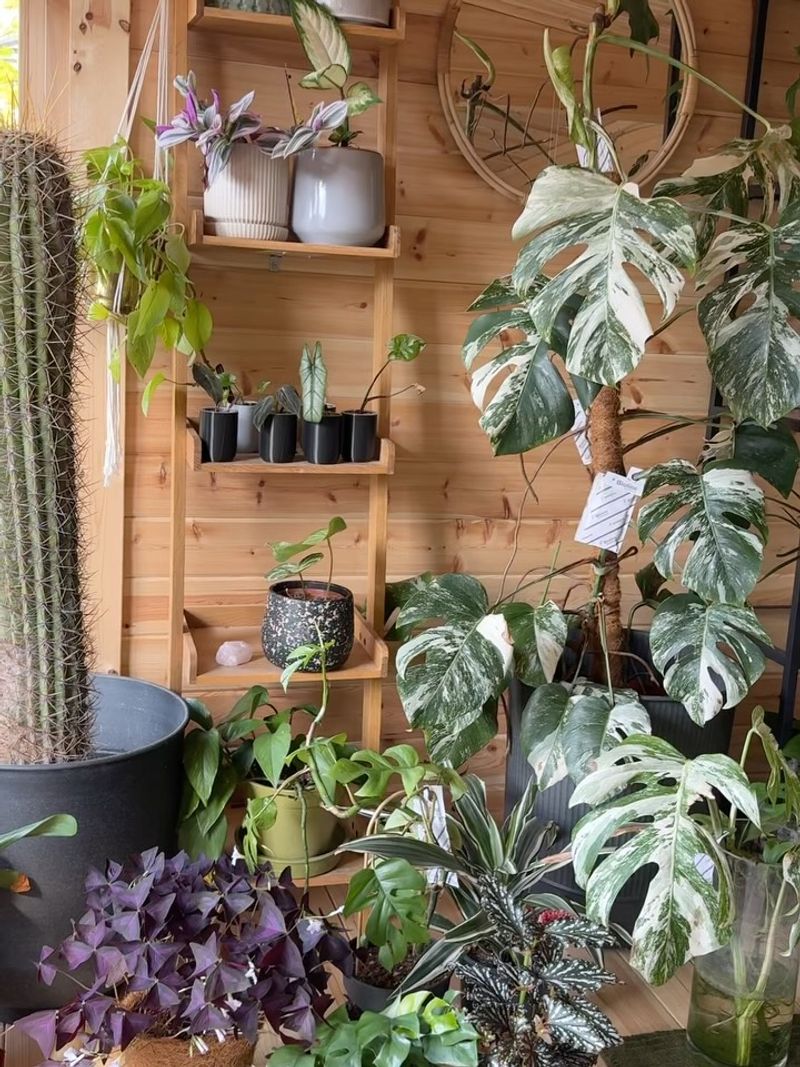
Getting a head start pays off more than you might think. While the big move usually happens in fall, late August is a smart moment to begin checking and preparing your houseplants.
Michigan weather can shift quickly, and being ready early keeps you calm. Starting in late summer gives you time to spot problems without rushing.
You can look over each plant, clean pots, and plan where everything will go inside. That way, you are not scrambling when the first cold night hits.
Some plants also need a slow adjustment period, which takes several weeks. Beginning in late August lets you ease them into new conditions gradually instead of all at once. A smooth transition means fewer stressed leaves.
Your Michigan Garden Changes Every Week. Your Plan Should Too.
Gardening in Michigan changes quickly throughout the season. Every Friday you’ll receive a simple weekly plan showing exactly what to plant, prune, fertilize, harvest, and protect so you never miss the right timing.
Late August is also a great time to trim any overgrown branches or leggy stems. A light pruning helps your plant fit better indoors and encourages fresh, healthy growth. Smaller plants are easier to carry and place too.
Think of this early window as a gentle warm-up before the real work begins. You can tackle one plant at a time instead of moving a whole collection in a single afternoon. Spreading out the effort keeps it enjoyable.
Gardeners who plan ahead often have healthier plants come winter. By late August, the pace of summer slows a bit, giving you the perfect chance to get organized.
A little preparation now sets the stage for a smooth, worry-free move indoors when the temperatures finally drop.
3. Inspect Before Bringing Them In
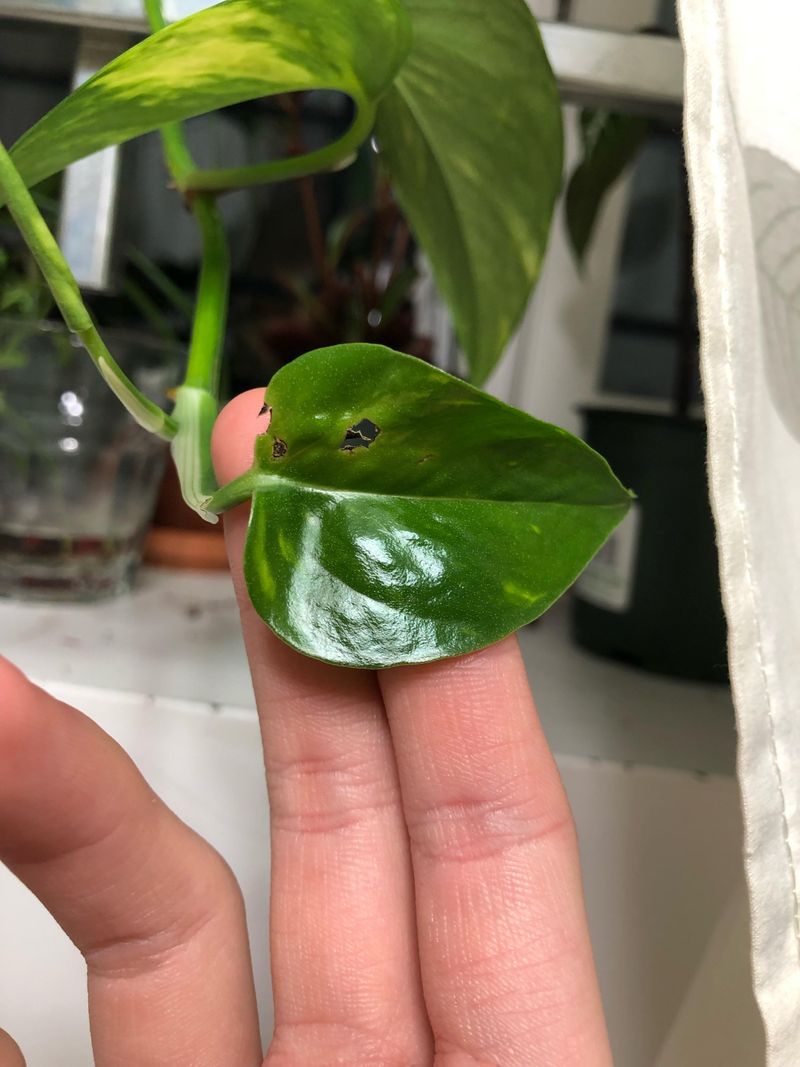
Bugs love to hitch a ride indoors, and that is the last thing you want. Before any plant crosses your threshold, take a few minutes to look it over carefully. A close inspection now can save you weeks of trouble later.
Start by flipping the leaves over and checking the undersides. Many tiny insects hide there, out of sight, where they feel safe. Look for small dots, webbing, or sticky spots that hint at unwanted visitors.
Do not forget the stems and the spots where leaves meet branches. Insects often tuck themselves into these little crevices. Running your fingers gently along the plant can help you feel anything unusual.
The soil deserves attention too. Some pests live near the surface or just below it, waiting to spread. Poke around the top layer and watch for anything crawling or wiggling.
Bringing even a few hidden bugs inside can lead to a full-blown problem. Indoors, pests have no natural enemies, so they multiply fast in the cozy warmth. What starts small can quickly become a headache across your whole plant collection.
If you find signs of trouble, set that plant aside from the others until you handle it. Keeping suspect plants separate stops bugs from jumping between them. A little distance goes a long way.
Taking this careful look protects not just one plant but your entire indoor jungle. A few minutes of checking now means a healthier, calmer winter for you and your leafy companions.
4. Treat Outdoor Pests First
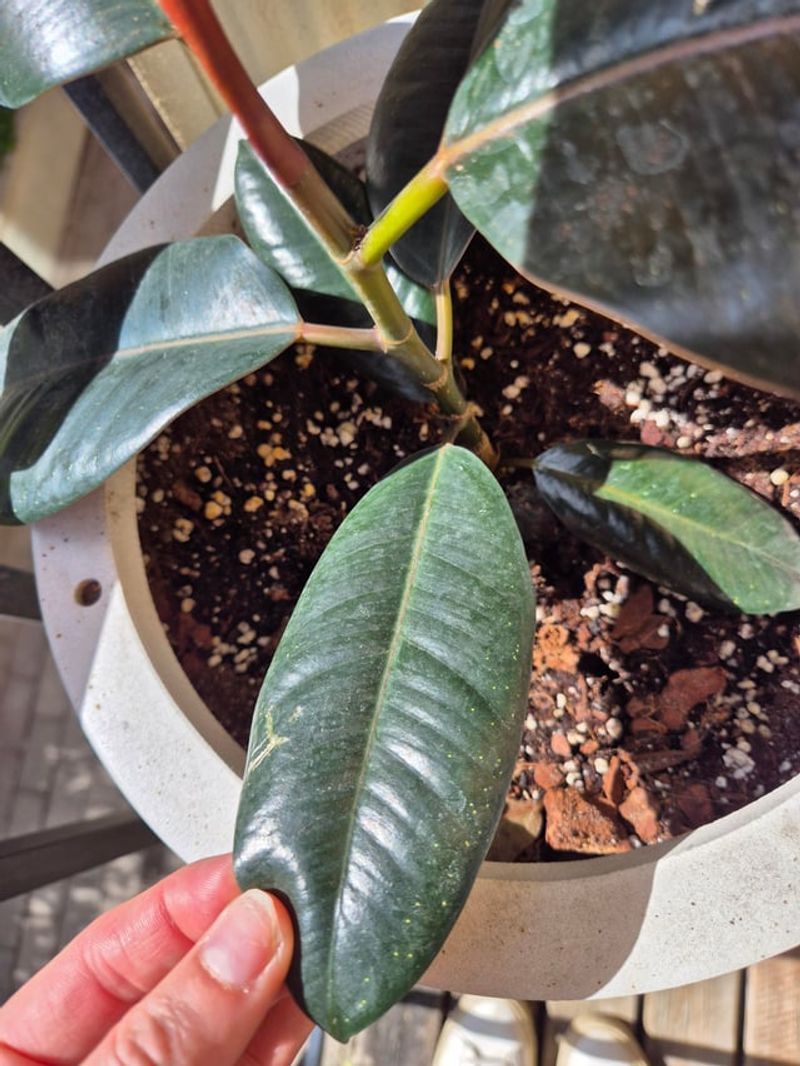
Pests do not disappear on their own, so tackling them outside is the way to go. Spider mites, aphids, and other tiny troublemakers should be handled before your plants ever come indoors.
Treating them outside keeps the mess and the bugs away from your home. Spider mites are sneaky and leave behind fine webbing on leaves.
Aphids gather in clusters and suck the juices right out of your plant. Both spread quickly, so catching them early matters a lot.
A gentle spray of insecticidal soap works well for many common pests. You can also use a strong stream of water to knock bugs off the leaves. For stubborn cases, neem oil is a popular and plant-friendly choice.
Doing this outdoors gives you room to work without worrying about drips or fumes inside. Fresh air and open space make the whole job easier and cleaner. Plus, any bugs you remove stay outside where they belong.
Treat every plant that shows signs of trouble, even if the problem looks small. A handful of pests today can turn into a swarm once conditions warm up indoors. Being thorough now prevents bigger battles later.
After treating, wait a few days and check again to make sure the pests are truly gone. Sometimes a second round is needed to catch any survivors. Patience here really pays off.
By clearing pests before the move, you welcome your plants inside clean and healthy. That fresh start helps them settle in without dragging problems along for the ride.
5. Clean The Leaves
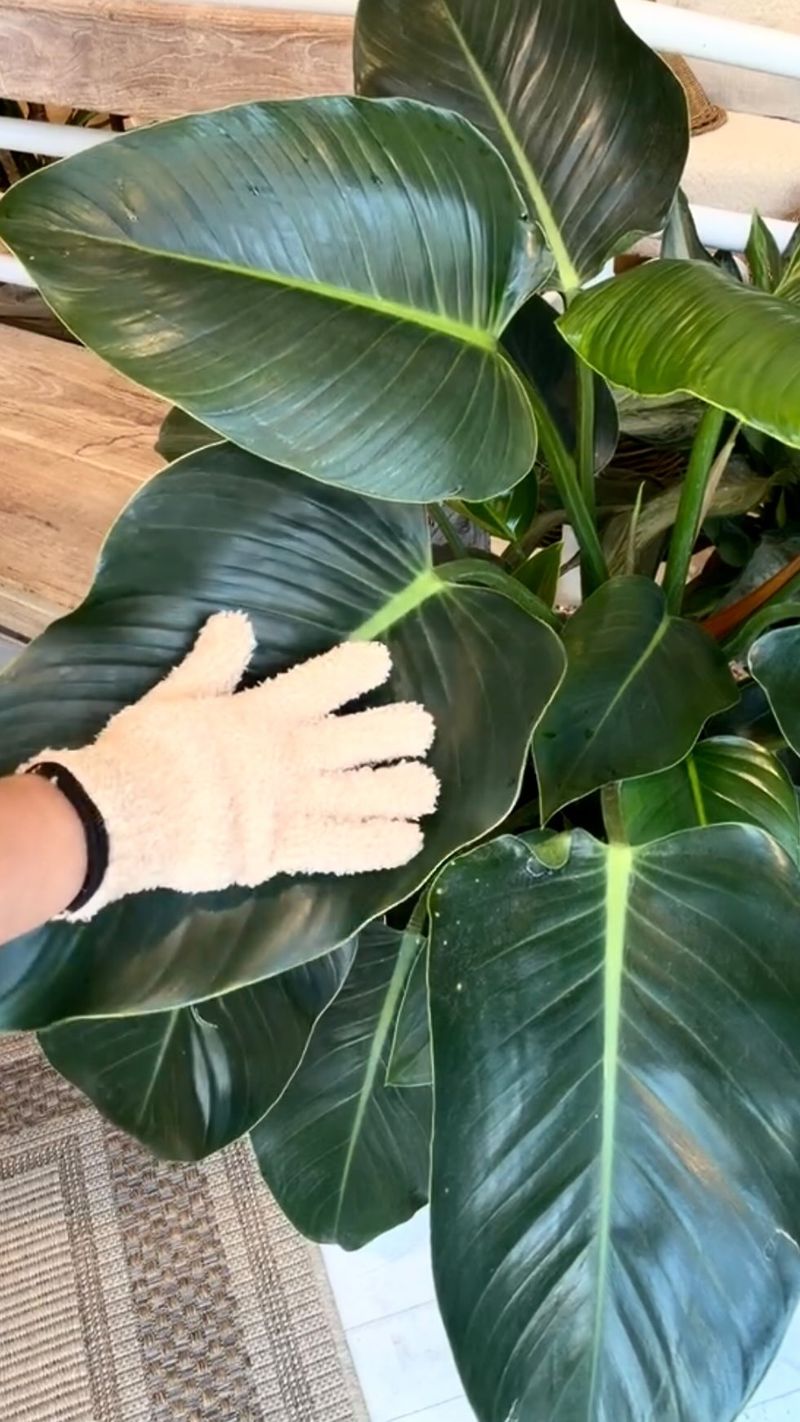
Dusty leaves are more than just an eyesore, and giving them a wash makes a real difference. After a summer outdoors, your plants collect dust, dirt, and tiny bits of debris. Cleaning the leaves before the move helps them breathe and shine.
Leaves work like little solar panels, soaking up light to make food. When they are coated in grime, they cannot do that job as well. A gentle cleaning clears the way for better, brighter growth.
Washing also sweeps away any lingering insects you might have missed. Even after treating for pests, a good rinse catches stragglers hiding in the nooks. It acts like a final safety step before coming inside.
Use a soft, damp cloth to wipe each leaf carefully, one at a time. For plants with many small leaves, a gentle shower of lukewarm water works great. Just avoid harsh scrubbing that could tear delicate leaves.
Pay attention to both the tops and bottoms of the leaves. Dust and bugs love the underside, where they often go unnoticed. A quick wipe there keeps things thorough.
Cleaning is also a nice chance to check the overall health of your plant. As you handle each leaf, you might spot yellowing, spots, or damage you missed before. Catching issues early is always helpful.
Fresh, clean leaves make your plant look its best as it enters your home. A little wipe-down now gives your green companions a bright, healthy start to the indoor season ahead.
6. Adjust Light Slowly
Sunlight indoors is nothing like the bright rays outside, and plants notice the change. When you move a plant from a sunny yard to a dimmer room, the sudden shift can shock it. Easing the transition helps your plant adapt without stress.
Outdoor light is far stronger than even the sunniest window inside. Plants used to that intensity may drop leaves or fade if the change happens too fast. A gradual switch gives them time to adjust their leaves.
Start by moving your plant to a shadier outdoor spot for a week or so. This softens the light slowly before the big move indoors. Think of it as a gentle warm-up for their leaves.
Once inside, place your plant in the brightest window you have. South-facing windows usually offer the most light during Michigan winters. Even then, the light will be weaker than what your plant enjoyed outside.
Watch how your plant responds over the next couple of weeks. If it looks pale or leggy, it may want more light. Moving it closer to the window can help it feel happier.
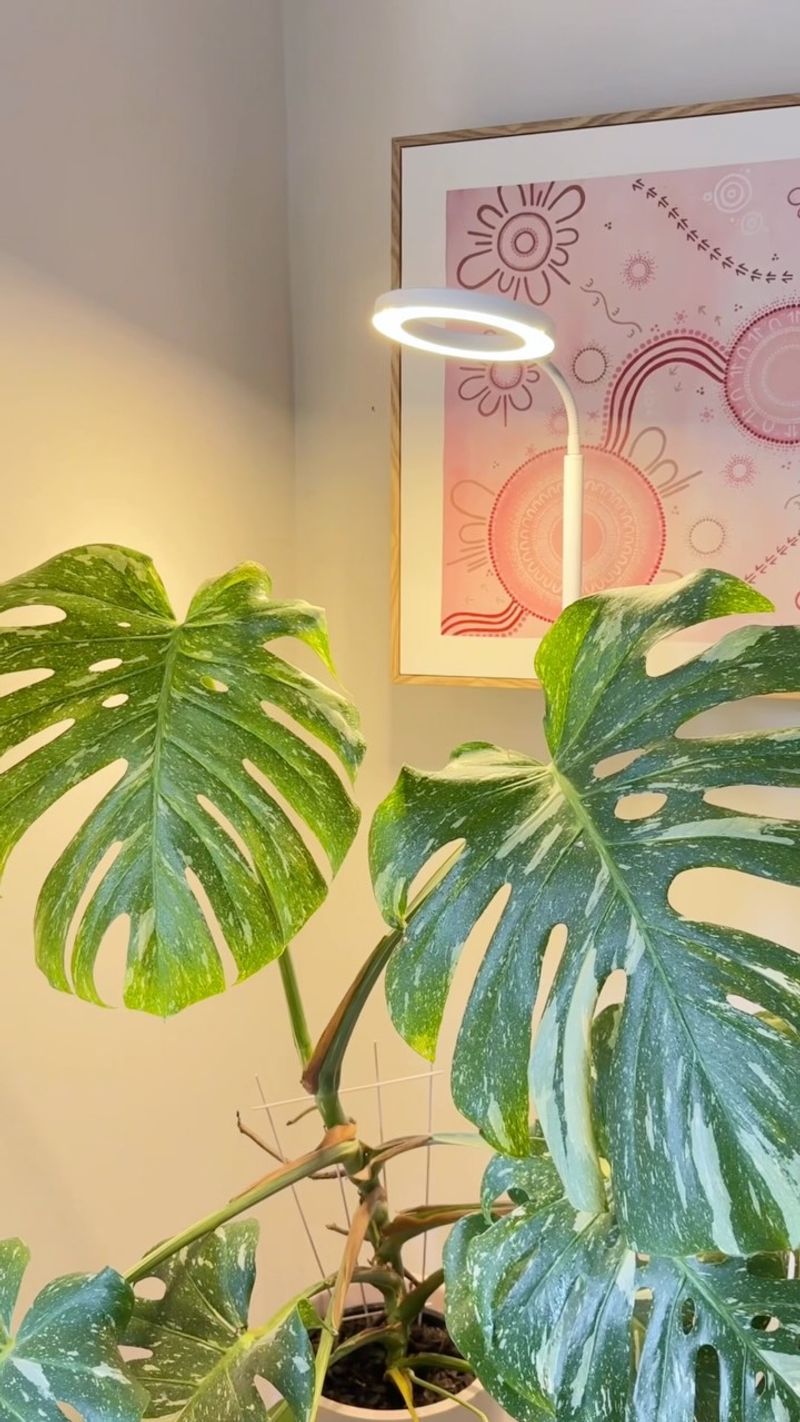
Some gardeners add a grow light to boost the dimmer winter days. These lights fill the gap when natural sunlight is short and weak. They can make a big difference for light-hungry plants.
By adjusting light step by step, you spare your plant the shock of a sudden change. That patient approach keeps leaves green and growth steady as the seasons turn.
7. Do Not Overwater After Moving
Watering habits need to shift once your plants come inside. During summer, plants drink up lots of water thanks to bright sun and warm air. Indoors, with less light, their thirst drops quite a bit.
As the days grow shorter, plant growth naturally slows down. Slower growth means plants use water more slowly too. Pouring in the same amount as summer can leave the soil soggy.
Too much water is one of the most common mistakes gardeners make in fall. Wet roots sitting in soggy soil can rot and struggle. That soggy environment invites problems you really want to avoid.
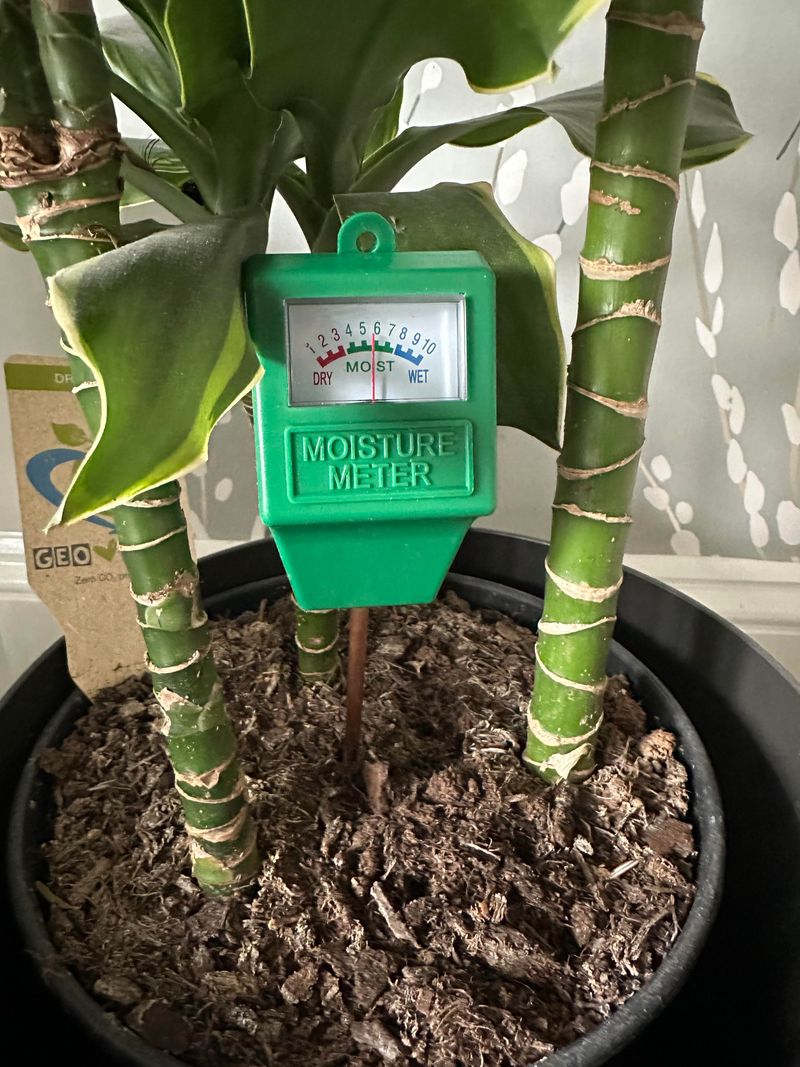
Before watering, stick your finger about an inch into the soil. If it feels damp, wait a few more days before adding water. Only water when the top layer feels dry to the touch.
Different plants have different needs, so pay attention to each one. Succulents and cacti want very little water in winter. Leafy tropicals may want a bit more, but still less than summer.
Make sure your pots have drainage holes so extra water can escape. Standing water at the bottom keeps roots too wet for comfort. Good drainage protects your plant from soggy trouble.
Yellow, mushy leaves often signal that a plant is getting too much water. If you spot that, cut back and let the soil dry out. Adjusting quickly helps your plant recover.
By easing off the watering can, you match your plant’s slower winter pace and keep its roots healthy and happy.
8. Give Plants A Good Indoor Spot
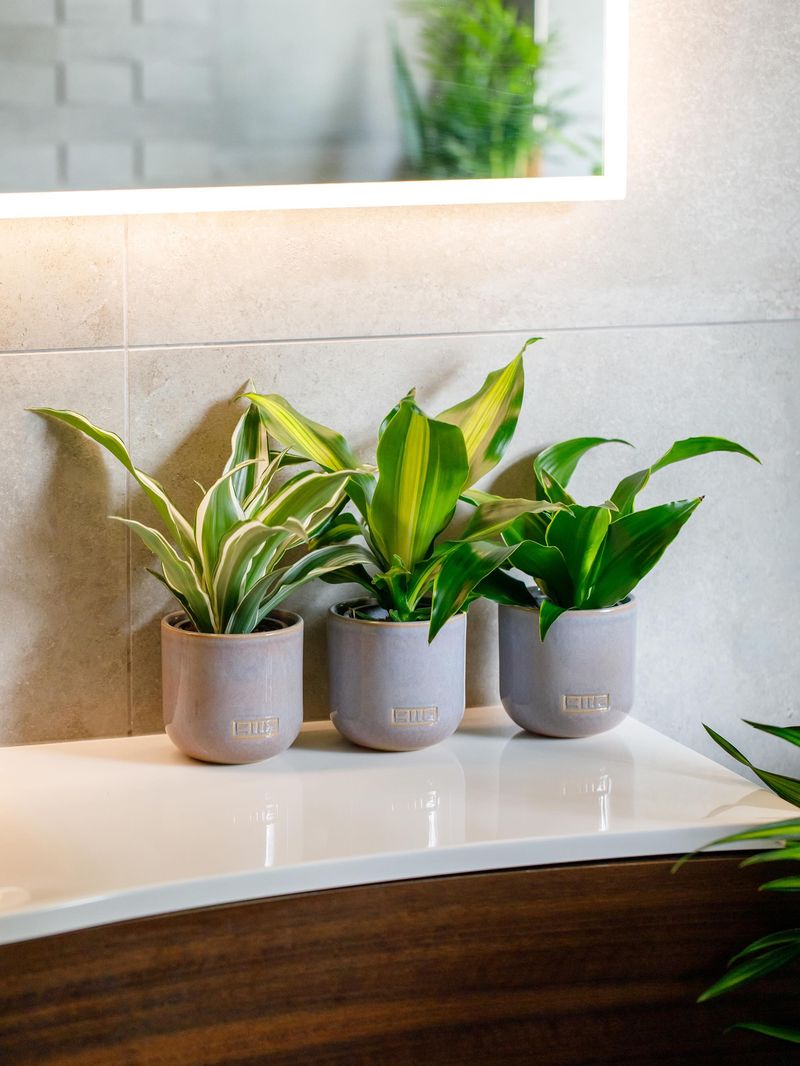
Where you place your plants indoors shapes how well they do all winter. The right spot balances light, temperature, and humidity to keep your plant comfortable. Picking a good location is one of the kindest things you can do.
Light comes first, since most tropical plants love a bright space. A window that gets plenty of daylight is usually the best choice. South and east windows tend to offer the brightest, most reliable light.
Temperature matters just as much as light. Keep plants away from cold drafts near doors and windows that leak air. Also avoid placing them right next to heating vents that blow hot, dry air.
Most houseplants enjoy steady room temperatures between 65 and 75 degrees. Big swings in warmth can stress them and slow their growth. A calm, consistent spot helps them settle in.
Humidity is often the tricky part during Michigan winters. Indoor heating dries out the air, which many tropical plants dislike. Dry air can lead to crispy leaf edges and unhappy plants.
To add moisture, group plants together so they share humidity. You can also set pots on trays filled with pebbles and a little water. A small humidifier nearby works wonders too.
Take a moment to notice how each plant reacts to its new home. If leaves droop or fade, a small move might make all the difference. Fine-tuning the spot keeps everyone thriving.
With the right corner picked out, your plants will settle in nicely and greet spring looking lush and full of life.