This Georgia Groundcover Handles August Heat Better Than Liriope Does
By August, some groundcovers start showing exactly how much summer has taken out of them.
Liriope is a familiar favorite for filling difficult spaces. Still, another choice can bring reliable coverage when relentless heat puts garden beds under pressure.
Georgia summers make plant performance impossible to fake once temperatures stay high for weeks.
Consider swapping the usual grassy look for something that spreads low and brings its own character to the landscape.
The difference becomes especially noticeable in exposed areas. Strong summer growth can help those spaces stay fuller when less suitable choices begin looking worn.
Instead of automatically reaching for the plant you already know, consider what else can handle this demanding season. One tough groundcover may surprise you with how confidently it carries the landscape through August.
1. Moss Phlox Forms A Low Spreading Mat
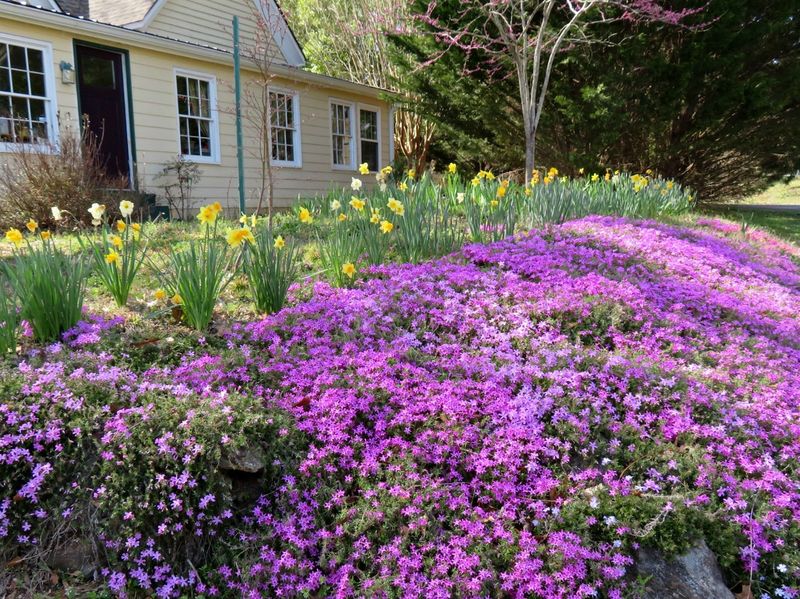
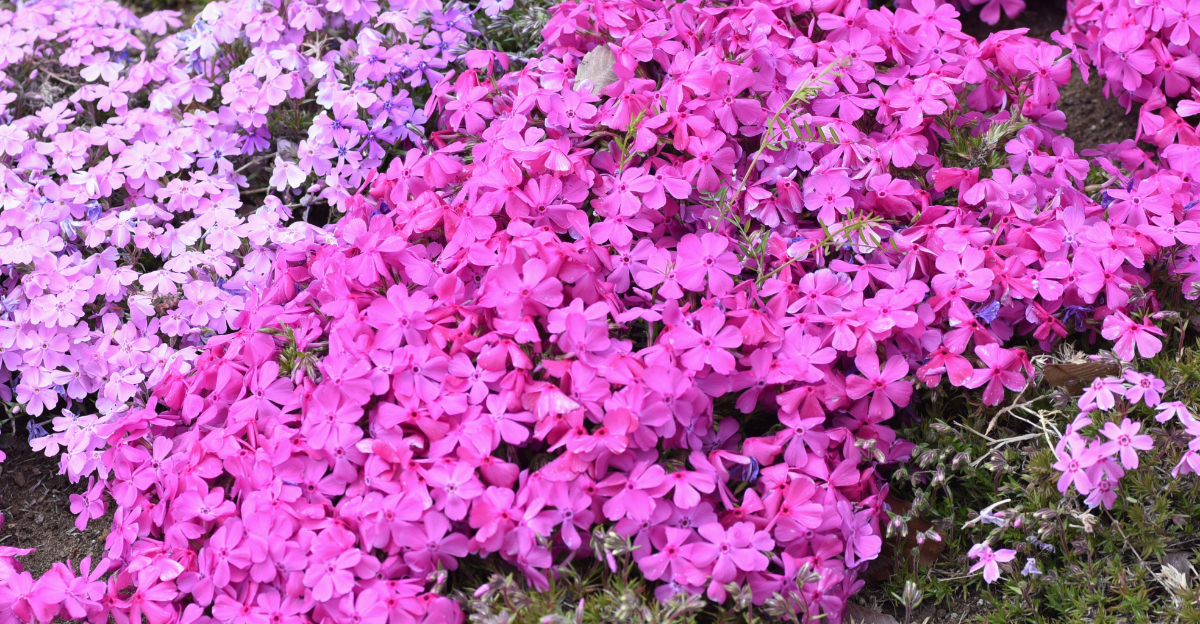
Flat, dense, and surprisingly tough, moss phlox earns its place in any hot-climate garden. Unlike liriope, which grows in clumps that can flop in extreme heat, moss phlox spreads outward in a tight, even mat that hugs the ground closely.
Most plants top out at around six inches tall.
That low profile helps them stay cooler because they are not catching as much direct wind or sun exposure on tall, exposed leaves.
Each stem is packed with small, needle-like leaves that hold moisture better than they look like they should. Gardeners are often surprised by how fresh the foliage looks even after a long stretch of dry, hot weather.
Spread happens gradually.
A single plant can cover a foot or more over one season under good conditions, though results vary by soil quality and watering habits.
Once a few plants fill in together, the mat becomes thick enough to crowd out many common weeds. That weed-suppression benefit alone makes moss phlox worth planting in open areas where hand-weeding is a hassle.
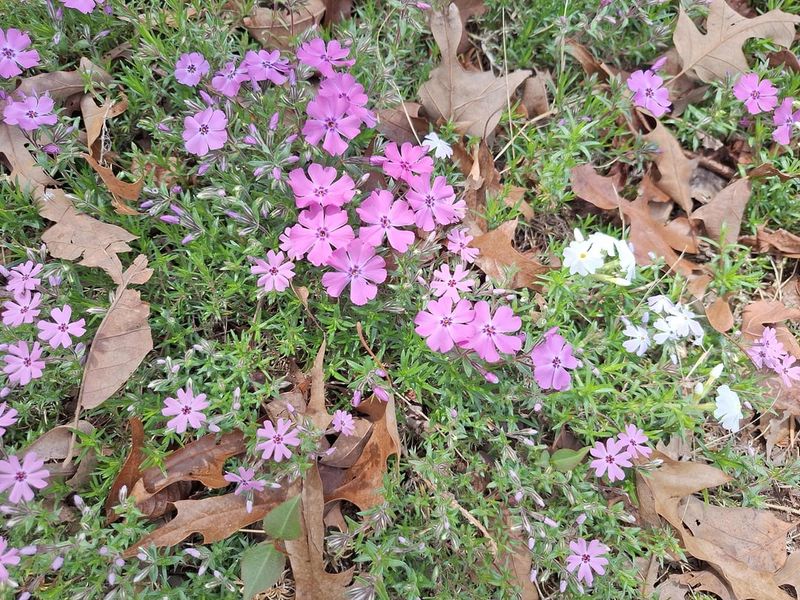
Spring brings small, star-shaped flowers in shades of pink, white, or lavender. After blooming, the foliage stays attractive and keeps spreading through summer without much fuss from you.
2. Hot Dry Spots Suit This Tough Native
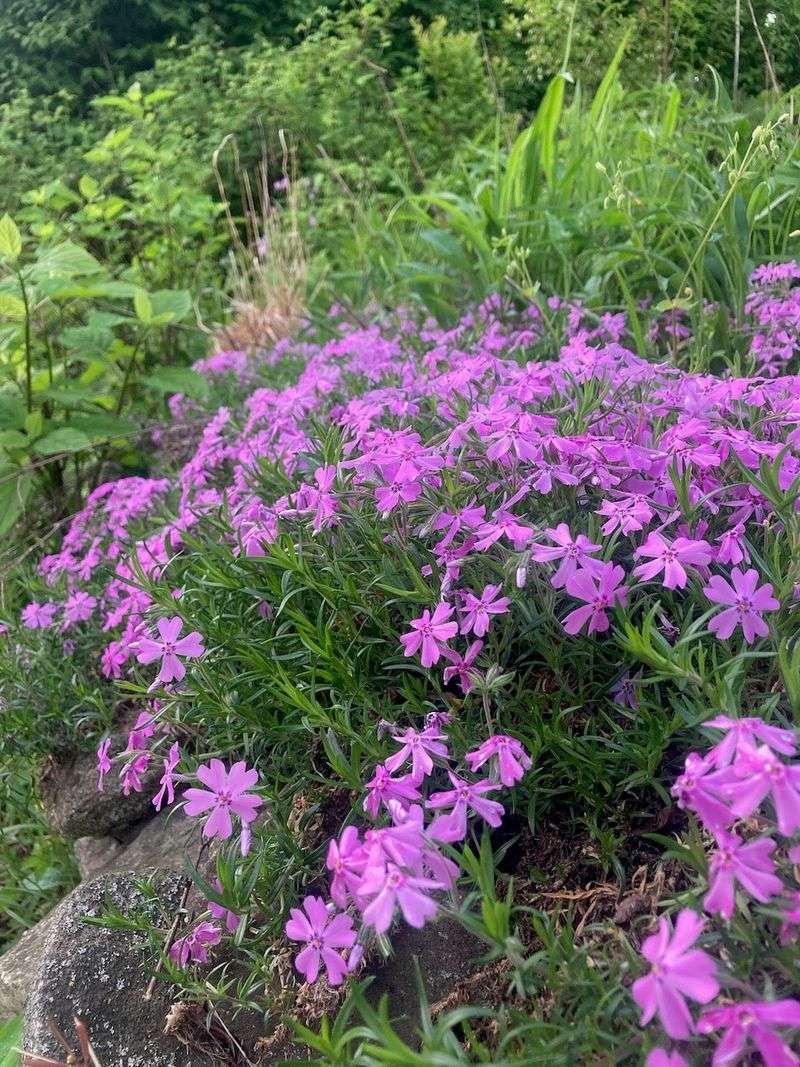
Forget babying this plant. Moss phlox was built for conditions that make other groundcovers give up fast.
Hot, dry spots along driveways, near concrete edges, or on south-facing slopes are where moss phlox often performs best.
Concrete and pavement radiate extra heat, and most plants suffer in those zones. Moss phlox handles the reflected warmth better than most options you will find at a garden center.
Native to rocky, open terrain across parts of the eastern and central United States, this plant evolved in conditions with poor soil, low rainfall, and intense sun exposure. That background shows up clearly in how it behaves during August heat waves.
Liriope in those same spots can yellow at the tips, look ragged, and even develop brown patches.
Moss phlox tends to stay green and compact without extra watering in most cases, though extremely prolonged drought can still stress any plant.
Soil quality matters less here than with many other groundcovers. Sandy or gravelly soil that drains fast is actually preferred.
Your Georgia Garden Changes Every Week. Your Plan Should Too.
Gardening in Georgia changes quickly throughout the season. Every Friday you’ll receive a simple weekly plan showing exactly what to plant, prune, fertilize, harvest, and protect so you never miss the right timing.
Rich, amended soil can sometimes cause moss phlox to grow looser and less compact than you want.
Planting in the right spot from the start is the real key. Put it somewhere hot and dry, and it will likely reward you with minimal effort on your part.
3. Good Drainage Is Essential During Summer
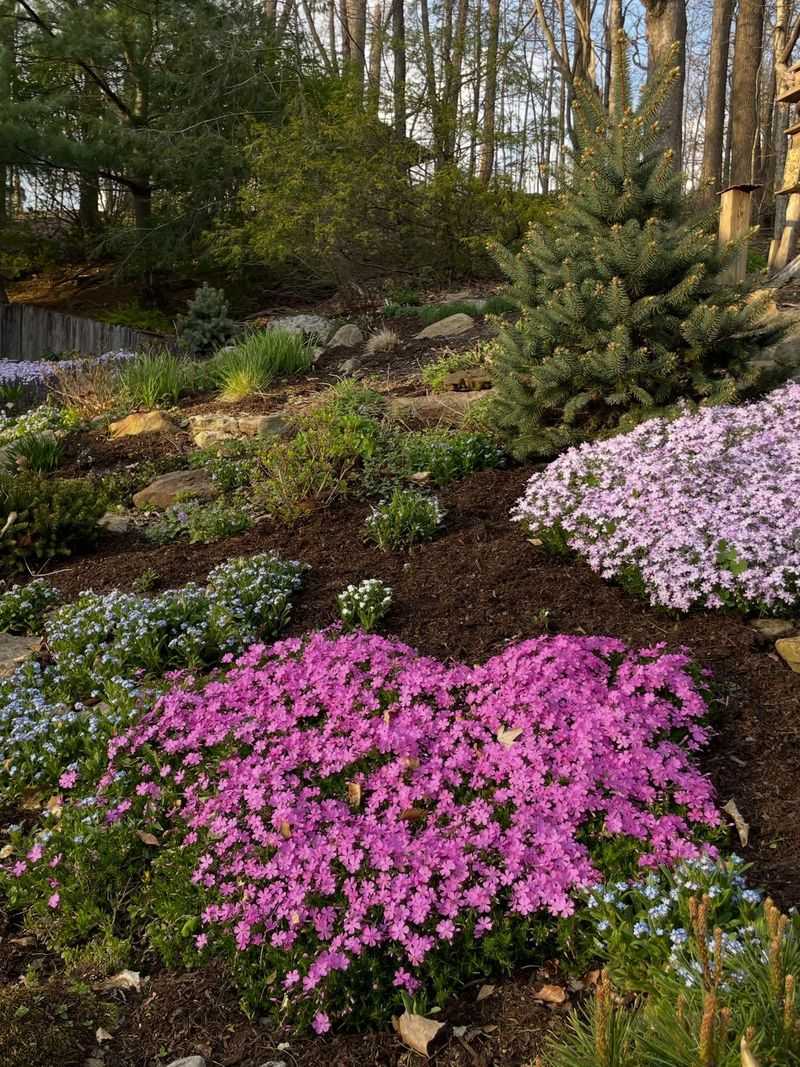
Standing water is the one condition moss phlox genuinely cannot handle well. Even a plant this tough has its limits, and soggy roots during summer heat is one of them.
Drainage matters more in summer than any other season.
When soil stays wet and temperatures are high, root problems can develop quickly in many plants, including moss phlox. A spot that drains within an hour after heavy rain is a good sign.
Raised beds and slopes are natural fits for this plant. Water moves away from the roots quickly in those spots, which is exactly what moss phlox needs to stay healthy through Georgia’s rainy summer spells.
Flat, low-lying areas in the yard are a poor match.
Even if the spot gets full sun and looks dry on the surface, water can pool below ground and cause problems you will not notice until the plant starts looking off.
Amending heavy clay soil with coarse sand or fine gravel before planting can help significantly. Getting drainage right before you plant is much easier than trying to fix it after the fact.
Mulching around the base of plants can help regulate soil temperature, but avoid piling mulch directly against the stems. Keeping the crown area dry and open reduces the chance of moisture-related stress during long, humid stretches.
4. Morning Sun And Afternoon Shade Work Best
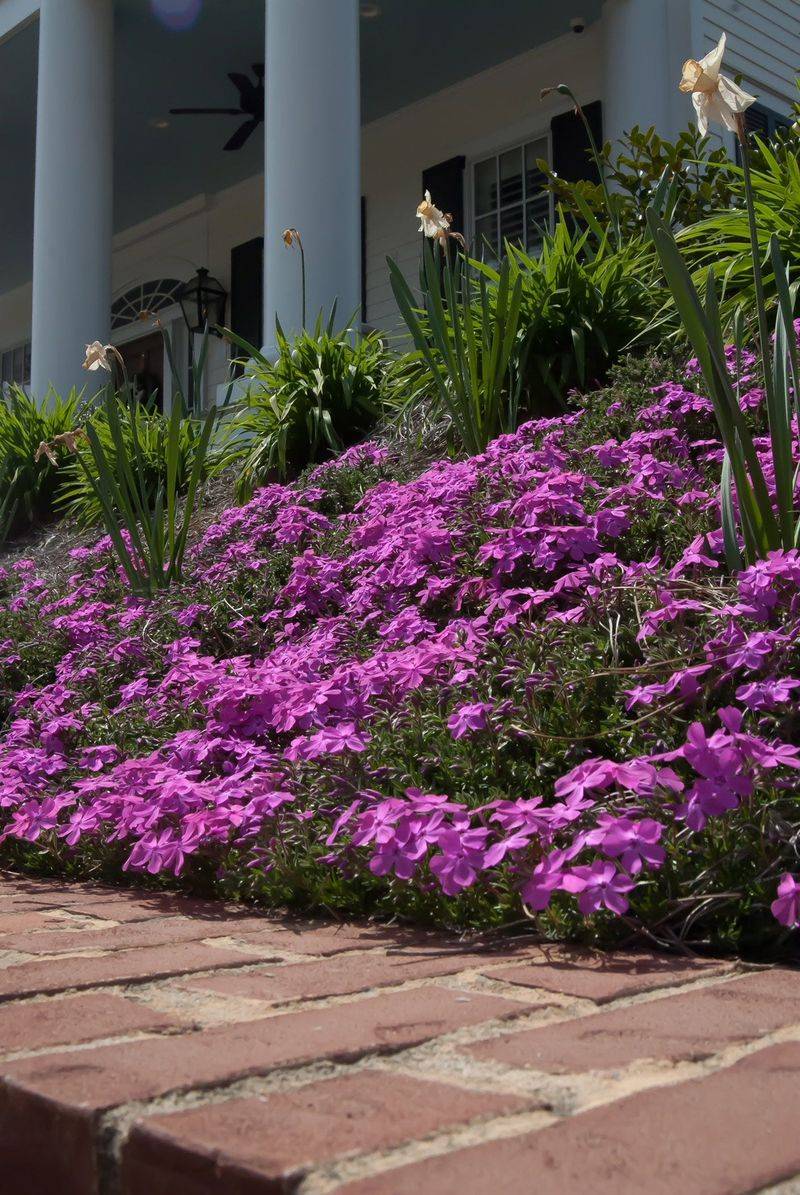
Bright morning light with some afternoon shade is the sweet spot for moss phlox in hot Southern summers. Full sun all day is manageable, but afternoon shade can make a real difference during peak heat weeks in July and August.
East-facing beds are often ideal.
Plants get strong morning light that encourages compact, healthy growth without the punishing late-day heat that can stress foliage and slow spreading.
West-facing spots with no shade can push plants harder than necessary. Foliage may stay green, but growth can slow noticeably when afternoon temperatures regularly climb above 95 degrees with no relief from shade.
Partial shade under open-canopy trees is another option worth considering. Dappled light through tree branches keeps temperatures a few degrees lower at ground level, and moss phlox adapts reasonably well to that kind of filtered sun.
Dense shade is a different story. Moss phlox needs enough light to stay compact and flower well in spring.
Deep shade tends to make growth looser, thinner, and less attractive over time.
Watching how sun moves across a planting area through the day before you plant helps you choose the right location.
A few minutes of observation can save a lot of guesswork and improve your results noticeably.
5. Rocky Slopes Make Excellent Growing Sites
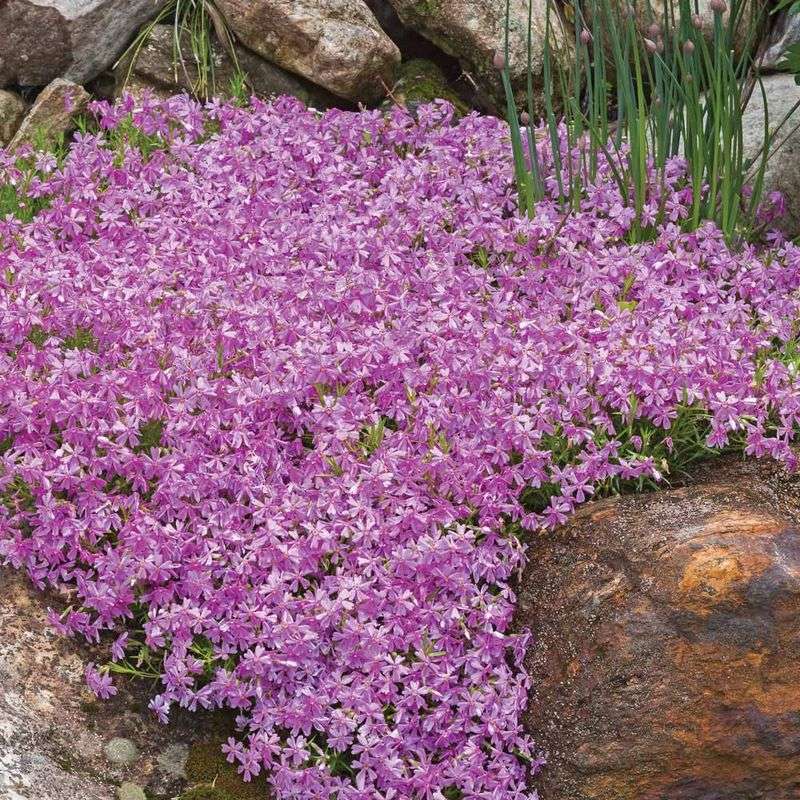
Rocky slopes are not a gardening problem when you have moss phlox. They are actually an opportunity.
Slopes with exposed rocks or thin, gravelly soil drain fast and warm up quickly in spring. Those conditions are close to what moss phlox grows in naturally, so the plant settles in without much encouragement.
Erosion control is a genuine bonus on steep or bare slopes.
The spreading mat of stems and roots holds soil in place over time, which can be especially useful on banks along driveways or near retaining walls.
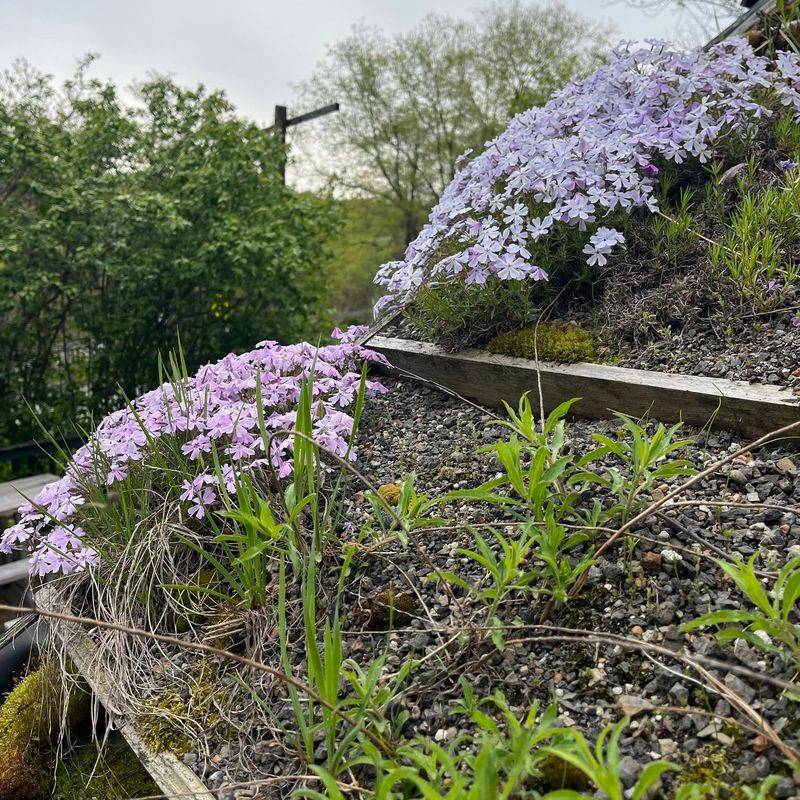
Stone retaining walls are another strong match. Moss phlox planted at the top of a wall will often cascade down over the edge naturally.
That trailing habit looks attractive and softens the hard edge of stonework without any training or support.
In the Georgia Piedmont region, many yards have rocky red clay slopes that seem impossible to plant.
Moss phlox is one of the more reliable options for those spots because it does not need rich soil to spread and fill in well.
Planting in early fall gives roots time to establish before summer arrives. A plant with a strong root system going into its first hot season handles drought and heat stress much better than one planted just weeks before temperatures spike.
6. Drought Tolerance Helps Once Plants Are Established
Newly planted moss phlox needs regular watering to get roots established. That first season is the most demanding, and skipping water during dry spells can set plants back noticeably.
Once roots are well established, usually after one full growing season, drought tolerance improves considerably.
Mature plants can go longer stretches without supplemental water than most people expect from a low-growing groundcover.
Liriope often needs more consistent moisture to stay looking sharp through August. Moss phlox, by contrast, tends to hold its appearance better during dry stretches once it is properly rooted in.
Watering deeply but infrequently encourages roots to grow deeper into the soil. Shallow, frequent watering keeps roots near the surface where they are more vulnerable to heat and dry conditions.
Drip irrigation or soaker hoses work well for moss phlox beds.
Overhead watering is less ideal because it wets the foliage, and consistently wet leaves in humid summer air can invite fungal issues in some cases.
Mulching around plants helps slow moisture loss from the soil surface significantly. A light layer of pine straw or shredded bark keeps roots cooler and reduces how often you need to water during the hottest weeks of summer in the Southeast.
7. Spider Mites Can Appear In Hot Dry Weather
Spider mites love hot, dry conditions, and moss phlox is not completely off their radar. Knowing what to watch for can save you from losing a patch you worked hard to establish.
Mite damage often shows up as tiny yellow or bronze speckling on the leaves.
Foliage can look dusty or dull before you ever notice the actual mites, which are extremely small and easier to spot with a magnifying glass.
Check the undersides of leaves if plants start looking off during a dry stretch. Fine webbing between stems is a clear sign that mites are active and populations are building.
A strong spray of water from a garden hose can knock mite populations down without any chemicals. Repeat the rinse every few days during a dry spell to keep numbers from rebounding quickly.
Insecticidal soap or neem oil are commonly used options if water sprays alone are not enough.
Always follow label directions carefully, and apply in the early morning or evening to reduce the chance of leaf burn in summer heat.
Keeping plants well-watered during extreme dry spells reduces stress, and less-stressed plants tend to resist mite outbreaks better.
Healthy, vigorous moss phlox is generally more resilient than plants already struggling from drought or poor drainage.