Hold Off On Pruning These 7 Plants In October In North Carolina
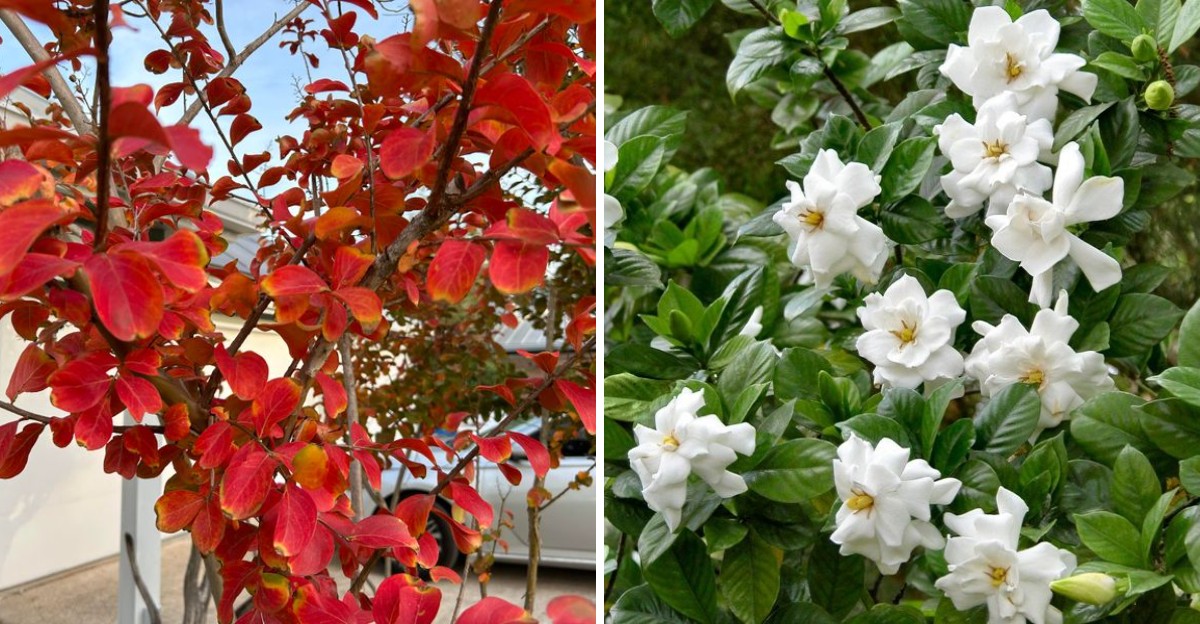
The garden looks messy in October, and the urge to cut things back is strong. Hold on for a moment. Some plants are already getting ready for spring.
They form next year’s flower buds in fall, right on the stems you want to trim. One cut can remove an entire season of blooms. Other plants simply need the cold to arrive first.
Pruning them now can trigger new, soft growth that winter will damage. North Carolina’s warm spells make this trap easy to fall into. A mild week feels like permission, but the plant is not fooled by the weather.
Seven common garden favorites deserve to be left alone until later. Knowing which ones saves you from a quiet, flowerless spring. A little patience now pays off in color later.
1. Azaleas Already Hold Next Spring’s Flower Buds
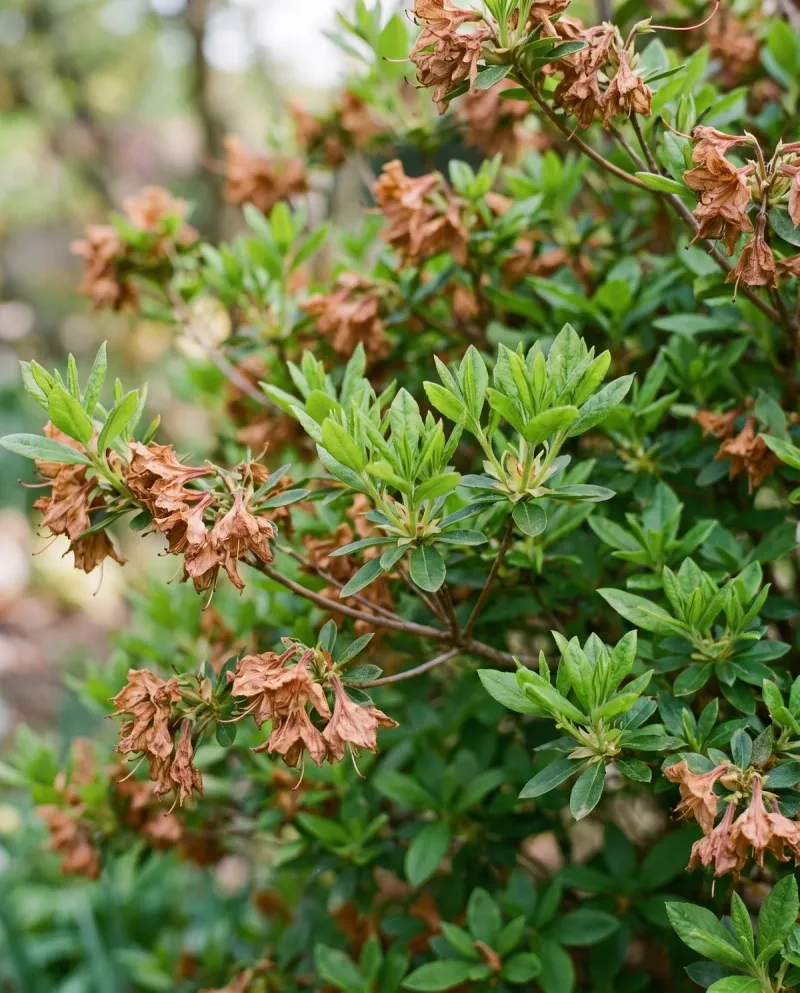
Walk past an azalea in October and it might look plain and quiet. Look closer, though, and you will spot small, plump buds sitting at the tips of the branches. Those little packages hold next spring’s colorful blooms.
Azaleas form their flower buds during summer, soon after they finish blooming. By fall, every bud for the coming season is already in place and waiting. When you prune now, you snip off those buds, and the shrub has no time to make new ones before spring.
The result is a disappointing April with only a handful of flowers. Many gardeners blame the weather or the soil, when the real cause was an eager fall trim. Waiting is one of the easiest ways to protect your blooms.
So when should you prune? The best window is within a few weeks after your azaleas finish flowering in spring. Pruning then gives the plant plenty of time to grow and set fresh buds for the next year.
In the meantime, fall care can stay simple. Remove only broken or damaged branches, cutting them back to healthy wood. That small cleanup keeps the shrub neat without hurting the bloom display.
When you do shape azaleas, use hand pruners and cut individual branches instead of shearing the whole plant.
Shearing creates a stiff, boxy look and a thick outer shell of leaves that blocks light from the center. Light, selective cuts keep the natural, airy form that makes azaleas so charming.
Across North Carolina, azaleas rank among the most widely planted spring shrubs. From Asheville gardens to Wilmington streets, their bright blooms announce spring, so a little patience now pays off in a big way.
2. Bigleaf Hydrangeas Bloom On Old Wood
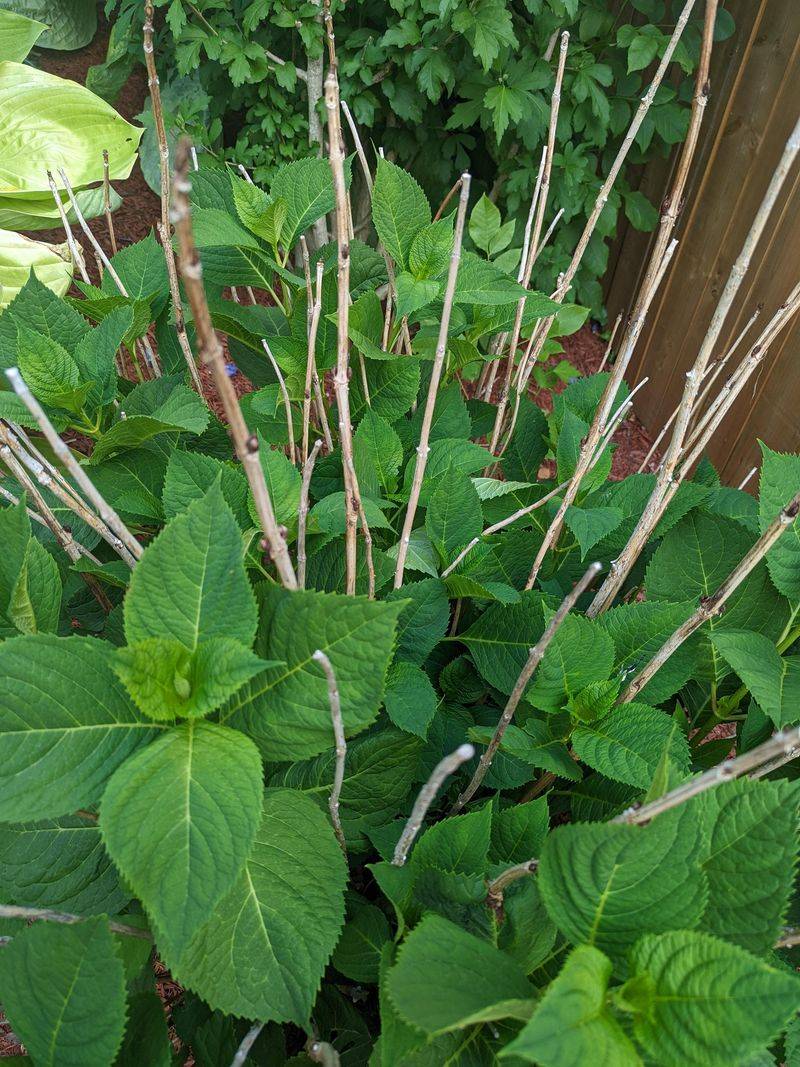
Few summer sights beat a bigleaf hydrangea covered in big blue or pink flower clusters. Those blooms feel almost magical, but the magic actually starts the year before. Next summer’s flowers are already hiding inside this year’s stems.
Most bigleaf hydrangeas, known as Hydrangea macrophylla, bloom on old wood. That means they form flower buds on stems that grew during the current season.
If you cut those stems back in October, you remove the very wood that would have flowered next summer.
Your North Carolina Garden Changes Every Week. Your Plan Should Too.
Gardening in North Carolina changes quickly throughout the season. Every Friday you’ll receive a simple weekly plan showing exactly what to plant, prune, fertilize, harvest, and protect so you never miss the right timing.
Plenty of gardeners have learned this the hard way. They chop their hydrangeas down to neat little stubs in fall, then wonder why they get lush green leaves and no flowers the following year. A lighter touch keeps the color coming.
Fall chores for these shrubs can be short and sweet. Snip off faded flower heads by cutting just below the old bloom, leaving the stem and its buds alone. You can also take out stems that are clearly wilted or broken.
Bigger shaping jobs belong right after flowering in summer. At that point, the plant still has time to grow new stems and set buds before cold weather arrives.
Reblooming types, such as the Endless Summer series, offer a bit more freedom. They can produce flowers on new growth as well as old wood. Even so, keeping fall cuts light gives you the biggest and earliest show.
In North Carolina, bigleaf hydrangeas are a favorite in shaded yards across the Piedmont and Coastal Plain.
They love the morning sun and afternoon shade found under tall pines and oaks. Treat them gently this month, and they will reward you with a stunning display next summer.
3. Camellias Are Setting Or Showing Their Blooms
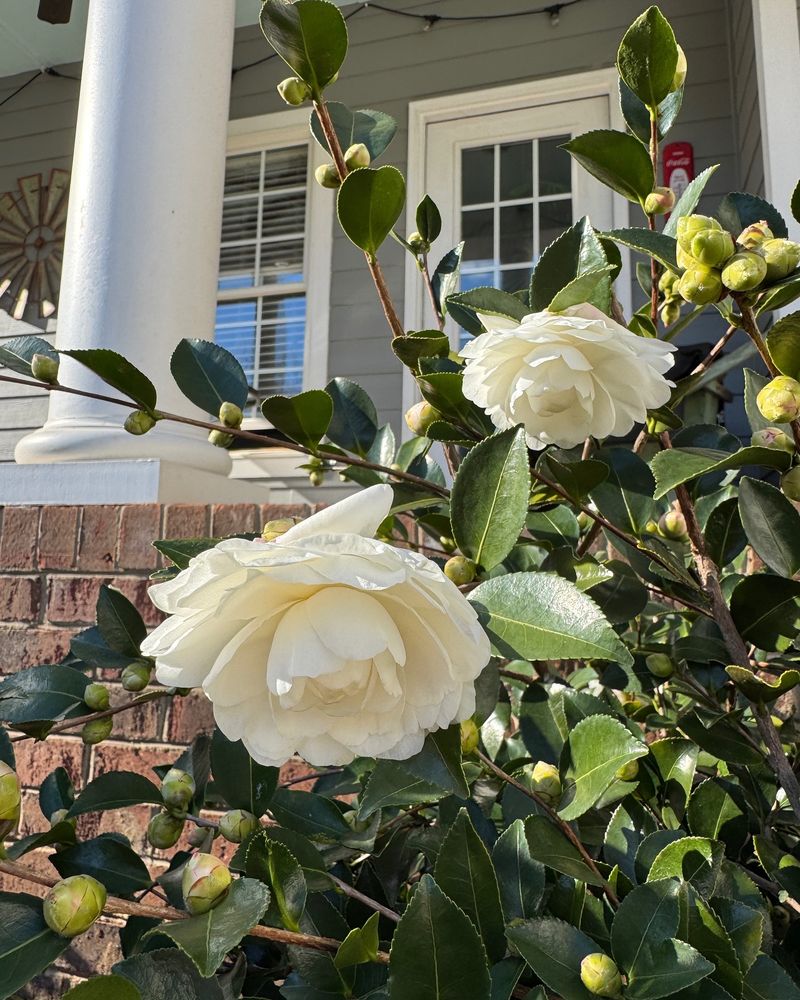
Just when most gardens start to fade, camellias step onto the stage. Their glossy leaves and rose-like flowers bring cheer during the chilly months. October is the worst time to grab the shears near them.
Two main types grow well in North Carolina, and both are busy right now. Sasanqua camellias are blooming or about to bloom in fall, covering their branches in pink, white, or red.
Japanese camellias, called Camellia japonica, are holding fully formed buds that will open in winter and early spring.
Pruning either one in October means cutting away flowers. With sasanquas, you lose the current show. With Japanese camellias, you snip off months of future color in just a few seconds.
Timing is easy to remember once you know the pattern. Prune sasanquas after they finish blooming in winter. Prune Japanese camellias right after they finish flowering in spring, before new growth gets going.
Until then, keep fall work to a minimum. Remove only damaged branches, such as ones snapped by wind or a falling limb. Clean cuts back to healthy wood will keep the shrub tidy and strong.
Camellias grow slowly and rarely need heavy pruning at all. A light thinning every few years lets air and light reach the center, which helps keep pests like tea scale in check. Many older camellias in Southern gardens have thrived for decades with very little cutting.
Here in North Carolina, camellias are prized for bringing color when little else is blooming. They brighten front walks, porches, and gardens from Raleigh to the coast. Let them shine this fall and winter, and save your pruners for later.
4. Forsythia Has Already Formed Its Spring Flowers
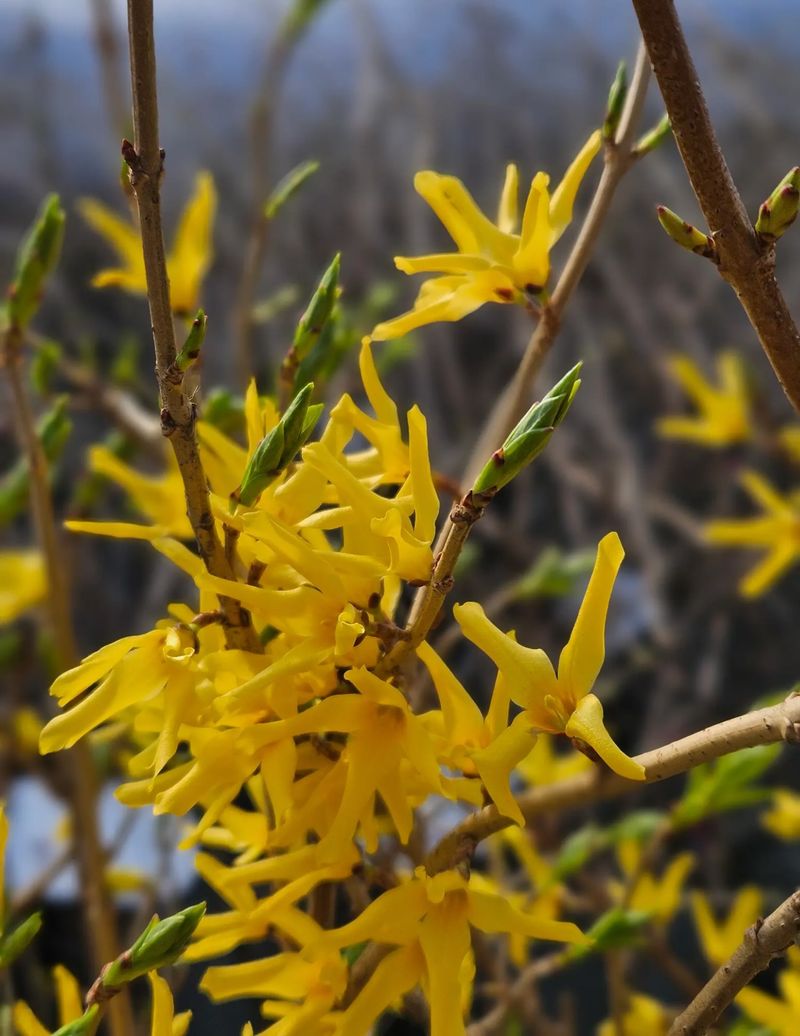
Long before the trees leaf out, forsythia bursts into a cloud of bright yellow. It feels like a cheerful wake-up call after a gray winter. That sunny surprise depends on what you do, or skip, this fall.
Forsythia sets its flower buds on older stems during the growing season. By October, those buds are already lined up along the branches, ready for late winter or early spring. A fall trim simply cuts away the yellow flowers you are hoping to see.
It is tempting to tidy up forsythia now, since it can look a little wild by autumn. Those long, arching stems tend to wander in every direction. Still, a messy shrub in fall is far better than a bare one in March.
The right moment to prune comes right after blooming ends in spring. At that point, the plant has a full season to grow fresh stems and form new buds. You get a neat shape and a full bloom the next year.
Renewal pruning works wonders for older shrubs. Every year or two, remove a few of the oldest, thickest stems at the base. Younger stems then fill in, keeping the plant vigorous and packed with flowers.
Try to avoid shearing forsythia into tight balls or boxes. Its natural fountain shape looks graceful, and shearing removes many flowering tips. Selective cuts with loppers keep it looking relaxed and lively.
In North Carolina, forsythia is one of the first shrubs to bloom as winter ends. Its golden branches often light up roadsides and farm fences in February. Give it a pass this October, and you will enjoy that early burst of color.
5. Gardenias Hold Next Year’s Buds
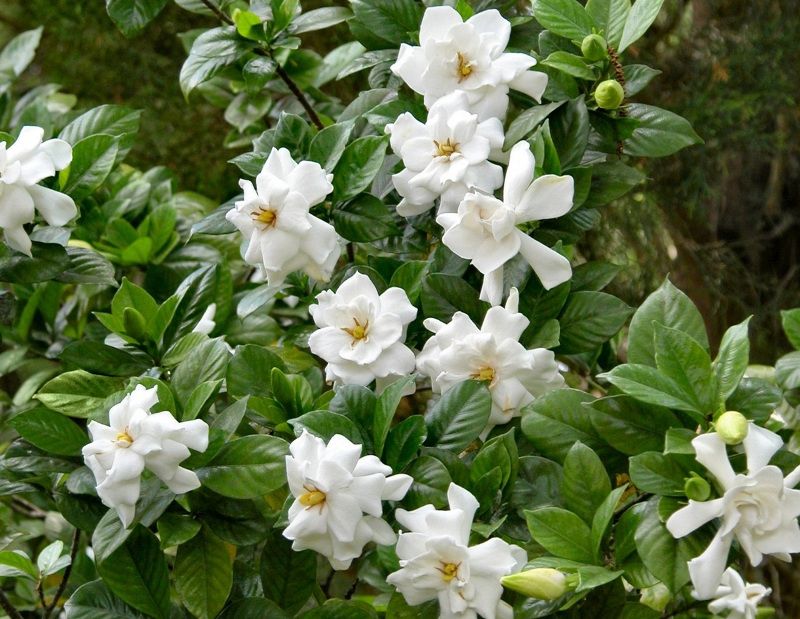
One sniff of a gardenia on a warm June evening can stop you in your tracks. That sweet perfume drifts across porches and patios all over the South. To keep it coming, your gardenia needs a break from pruning this month.
Gardenias set their flower buds in late summer and fall for next year’s blooms. If you prune in October, you cut off those buds and lose much of the coming fragrance. It is a quick way to trade sweet flowers for plain leaves.
Fall pruning causes another problem too. Cutting can push the plant to grow tender new shoots. Those soft stems have little time to toughen up, so an early freeze can easily damage them.
Instead, prune gardenias right after their main flush of blooms in early summer. That gives the shrub plenty of time to grow and form new buds before fall. Light shaping at that time keeps the plant full and attractive.
During fall, limit your cuts to dry or damaged branches. Clear out anything broken, then let the rest of the plant rest quietly.
Winter protection matters in colder parts of the state. Plant gardenias in a sheltered spot, such as near a south or east wall, away from harsh winter winds. On very cold nights, a frost cloth thrown over the shrub can make a real difference.
Gardenias are common across the Piedmont and Coastal Plain of North Carolina. Gardeners in milder coastal towns often have the easiest time.
In colder pockets, though, winter damage is a real risk, so skipping fall pruning helps these fragrant shrubs stay healthy and ready to bloom.
6. Crape Myrtles Do Best With Late Winter Pruning
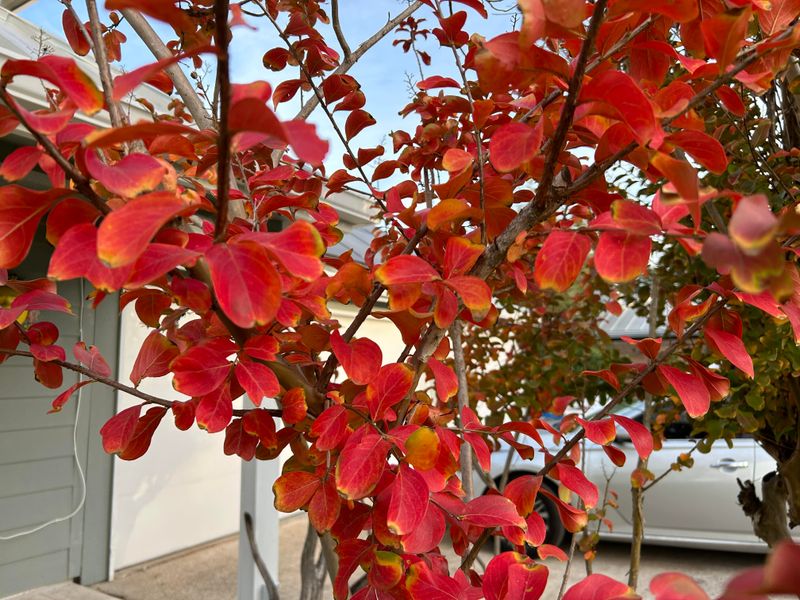
Drive through almost any North Carolina town in July, and crape myrtles will greet you in shades of pink, purple, red, and white. Their long summer show makes them a Southern classic. Even so, fall is not their time for a haircut.
Crape myrtles bloom on new growth, which means the flowers form on stems that grow in spring. Because of that, the best time to prune is late winter, just before new growth begins. Cutting then sets the stage for a strong summer bloom.
Pruning in fall removes branches for no real benefit. Worse, it may trigger fresh growth that an early cold snap can damage. October is a better time to enjoy their lovely fall leaves and peeling bark.
When late winter arrives, keep your cuts thoughtful. Remove crossing or crowded branches that rub together. Take out damaged limbs and the suckers that sprout from the base.
Above all, avoid topping your trees by chopping back large trunks. It leaves ugly knobs and sends out clusters of thin, weak shoots that can bend or break under heavy blooms.
A well-pruned crape myrtle keeps its graceful vase shape and smooth, colorful trunks. If a tree is too big for its spot, consider replacing it with a smaller variety. Dwarf and medium types fit tight spaces without constant cutting.
Crape myrtles are planted in yards and along streets throughout North Carolina. With so many around, good pruning habits make a big difference to whole neighborhoods. Wait for late winter, and your trees will look healthy and beautiful.
7. Roses Should Wait Until Late Winter
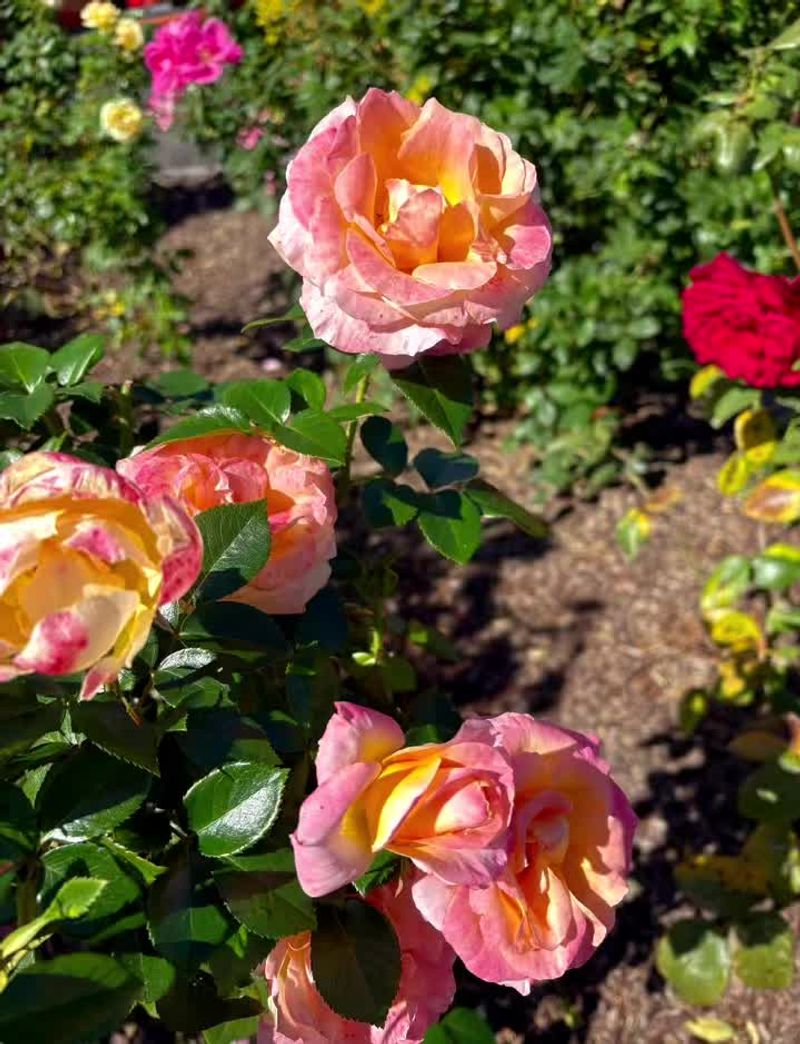
Roses often put on a lovely second act in fall, with cooler nights bringing out rich colors. It is easy to feel inspired to give them a big trim while you admire them. Hold that thought until winter fades.
Heavy fall pruning sends a signal to keep growing. The rose responds by pushing out new shoots, but those shoots have no time to harden before freezing weather arrives. Tender growth like that is easily damaged by the first hard frost.
Damaged canes can also invite disease and weaken the whole plant. A rose that heads into winter calm and steady handles the cold much better.
Fall care still has a place, just a small one. Remove withered, diseased, or broken canes whenever you spot them. Clean your pruners between cuts if you are removing diseased wood, so problems do not spread.
Later in fall, stop deadheading your roses. Letting the last flowers fade and form rose hips tells the plant to slow down for winter. Those orange and red hips also add a pretty touch to the garden.
Save your main pruning for late winter, just as the buds begin to swell. In North Carolina, that usually falls between February and early March. Gardeners near the coast can start earlier, while those in the mountains should wait a bit longer.
Mild fall weather is common across the state, and it can keep roses growing well into the season. A heavy trim only encourages more of that risky growth. Patience now leads to strong canes and a gorgeous flush of spring blooms.