Why Paper Wasps Keep Turning Up Inside Georgia Homes On Warm Fall Days
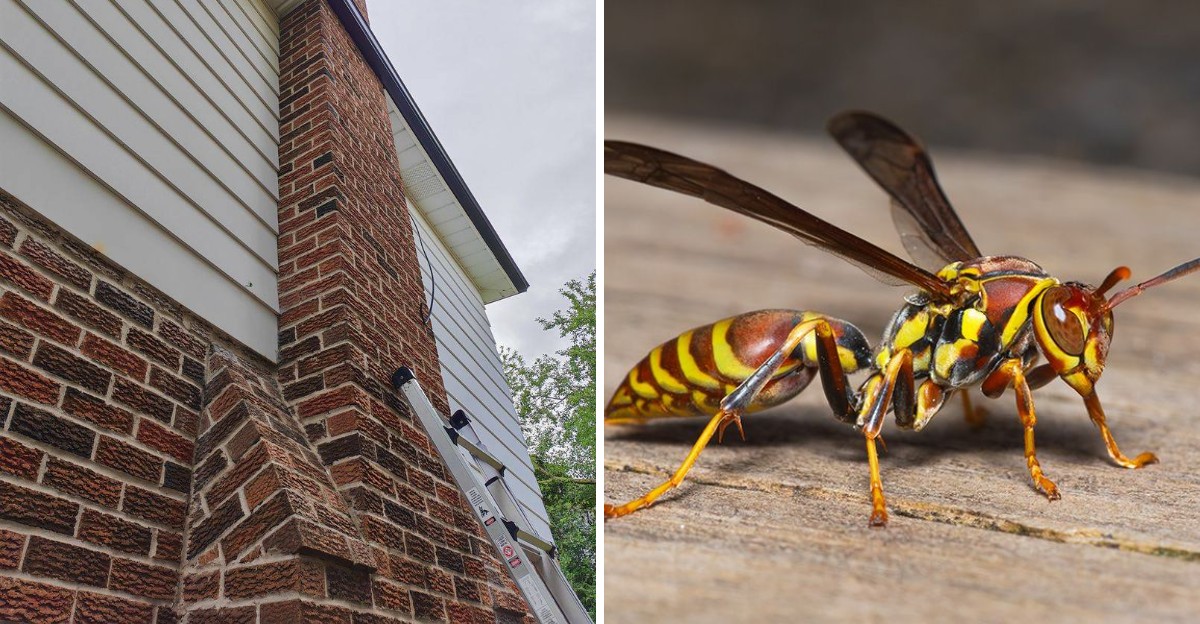
Finding a slow, drowsy wasp crawling across the living room window is a surprisingly common fall experience in Georgia. Many homeowners assume a nest must be hiding somewhere inside the walls.
Paper wasps found indoors in fall are not usually trying to build a nest there, though.
Most of the ones you find inside are future queens looking for a protected place to spend the winter.
Attics and gaps around window frames can look like good shelter to them. On warm afternoons, heat inside those spaces can wake them enough to wander into living areas.
They tend to be sluggish at this stage, but they can still sting if pressed against your skin.
Treat the next one you see as a useful clue about where they might be getting in.
1. Sluggish Wasps On Windowsills Are A Common Fall Sight
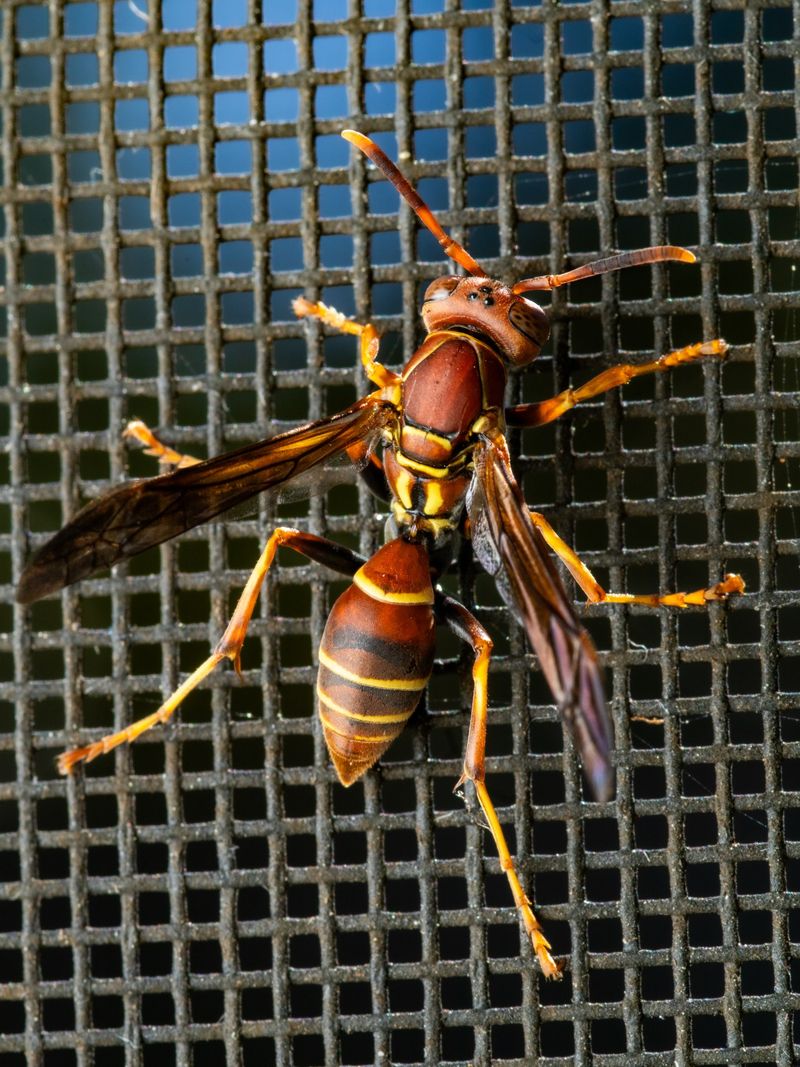
Slow, wobbly wasps on the windowsill are one of autumn’s most reliable signs. Plenty of homeowners notice them crawling along the glass instead of flying around the room.
Cooler nights are a big reason for that sluggish behavior, since wasps rely on outside temperatures to stay active.
When a room stays cool in the morning, a wasp may barely move at all. Once the sun warms the window, it often perks up and starts buzzing against the pane, trying to reach the light.
Windows attract them because bright light usually signals a way outside.
Around Georgia, this tends to happen from late September into November, though the timing can shift with the weather. A warm spell can bring several sightings in one week, while a cold snap may quiet things down.
Spotting one does not necessarily mean a nest is hidden inside your walls.
Often, it simply means a single wasp slipped in through a gap and got stuck between the warm glass and the cooler room. If you find several in the same window over a few days, though, that spot deserves a closer look.
A plastic cup and a stiff piece of paper work well for moving one outdoors without much fuss.
Wearing gloves adds a little extra protection, and moving slowly helps keep the wasp calm while you work.
2. Workers And Males Don’t Make It Through The Cold Months
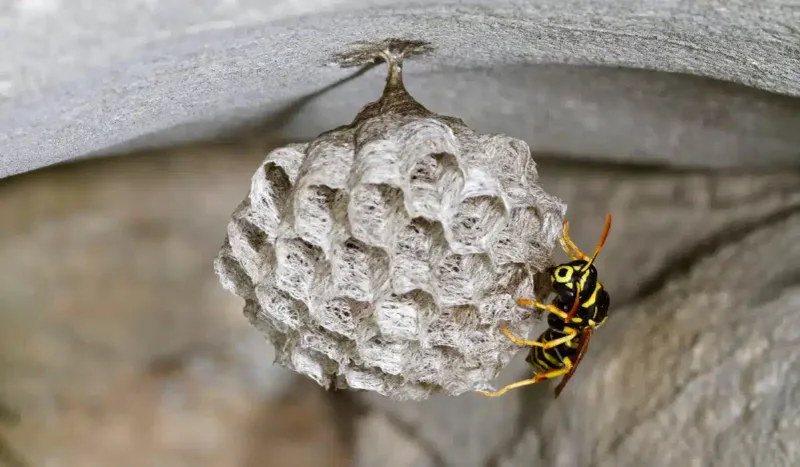
Paper wasp colonies are built for one season, not for years. By late fall, the busy summer nest starts to fall apart as its workers wind down.
Workers are females that spent spring and summer building cells, feeding young, and guarding the nest.
As days shorten and food gets scarce, these workers slow down and reach the natural end of their lifespan. Males show up later in summer, mate with new queens, and then fade away as well.
Cold weather finishes the cycle for most of them.
Some of those wandering wasps you find indoors are likely late-season workers or males drifting around without much purpose. They often look clumsy, fly poorly, and seem drawn to any warm surface they can find.
Your Georgia Garden Changes Every Week. Your Plan Should Too.
Gardening in Georgia changes quickly throughout the season. Every Friday you’ll receive a simple weekly plan showing exactly what to plant, prune, fertilize, harvest, and protect so you never miss the right timing.
In Georgia’s milder areas, a few may stay active into early winter during warm stretches.
Knowing this can save you money and stress. An old nest under the eaves in December is usually empty, and the colony typically will not move back in next spring.
Removing that empty nest in winter is generally safer than tackling an active one in summer.
Knock it down with a long broom handle on a cold day, then scrape away any leftover paper. Clearing old nests may also make that spot a little less inviting for new builders later.
3. Mated Queens Are Searching For Places To Spend The Winter
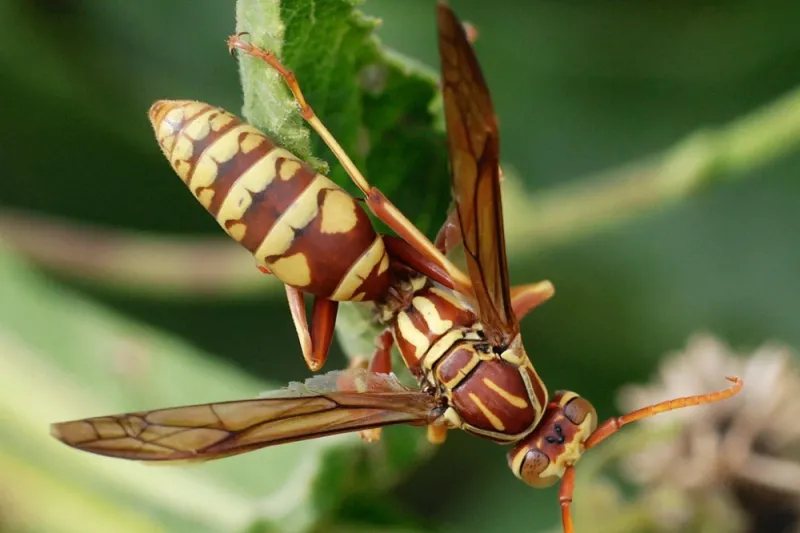
Only the newly mated queens carry the colony’s future into spring. Every other member of the nest has finished its job by the time cold weather settles in.
Those queens need a protected, sheltered spot to wait out winter in a resting state.
In nature, they tuck themselves under loose bark, inside hollow logs, or into rock crevices. Houses offer similar spaces, and a queen has no way of knowing your siding is not just another tree.
Several queens sometimes gather in the same sheltered pocket.
So if you notice a small cluster tucked behind a shutter, that is fairly normal for paper wasps. They are not building a nest there, just sharing a safe place to rest until temperatures climb again.
Across Georgia, queens usually start this search in mid to late fall.
Watch for wasps crawling slowly into cracks, poking around door frames, or circling the upper corners of your house on sunny afternoons. Those are often queens checking out possible winter quarters.
Each queen that survives may try to start a brand new colony in spring, so fewer entry points can mean fewer nests near your porch.
Pay attention to where you see them landing, and jot those spots down for sealing work later.
4. Attics, Wall Gaps, And Window Frames Make Convenient Hiding Spots
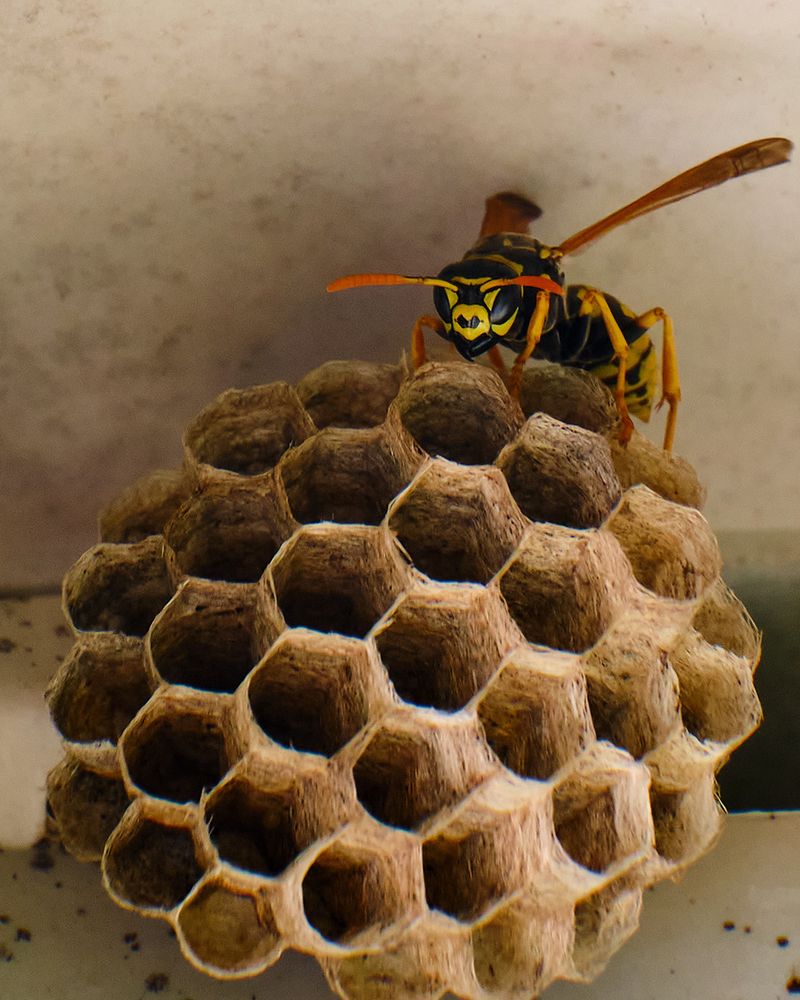
Your attic looks a lot like a giant hollow tree to a wasp. It is dry, dark, protected from wind, and rarely disturbed by people.
Gable vents, soffit gaps, and torn screens give queens an easy path into that space.
Wall voids work much the same way. A small gap around a pipe, cable, or outdoor light fixture can lead straight into the hollow space between your siding and drywall.
Window frames are another favorite, especially older wooden ones with shrinking caulk.
Here is where trouble starts. Wasps resting inside walls or attics sometimes follow warmth and light the wrong way, ending up in your living room instead of back outside.
Older homes in Georgia, with settling foundations and aging trim, often have more of these little openings than newer builds.
A quick daytime check can reveal a lot. Stand outside on a sunny afternoon and watch where wasps land and disappear, since those spots usually point to a gap.
Inside the attic, a flashlight helps you look for small clusters near vents and roof edges.
Avoid spraying random chemicals into wall voids yourself. If you find a large group or suspect an active nest inside a wall, calling a licensed pest professional is usually the safer choice.
5. A Sunny Afternoon Can Wake Them And Send Them Wandering Indoors
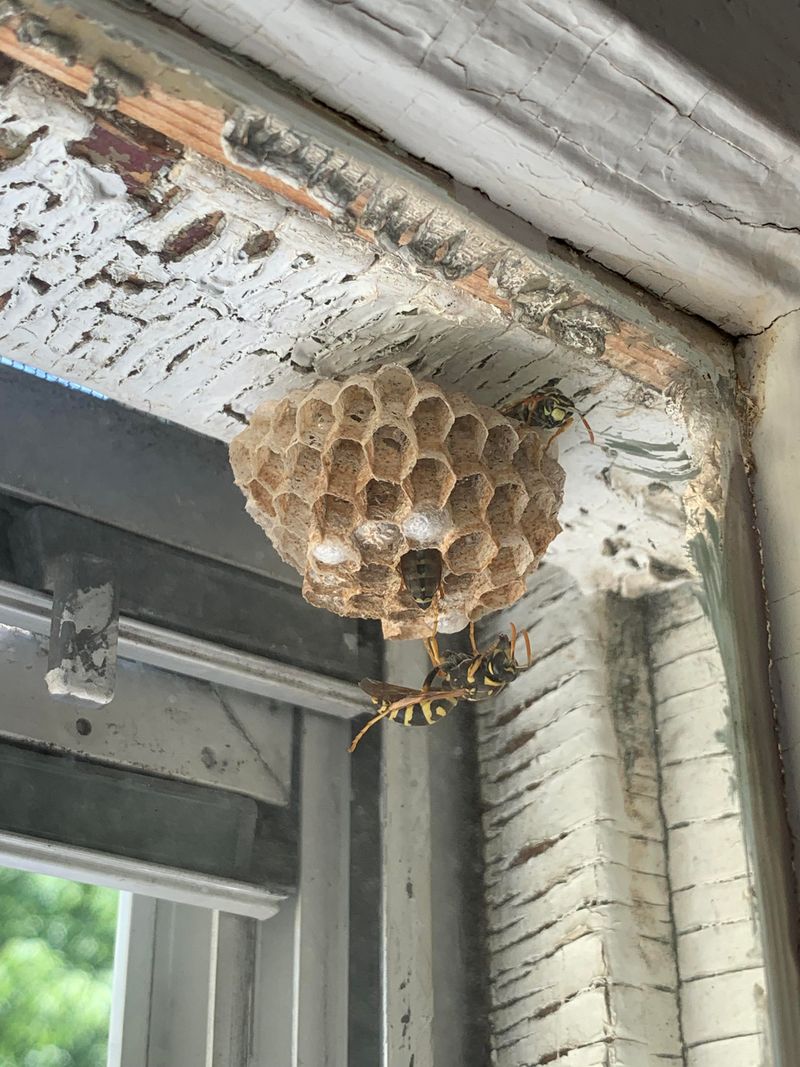
Warmth flips a switch for resting wasps. A chilly morning followed by a sunny 70 degree afternoon is often all it takes to get them moving again.
Because wasps cannot make their own body heat the way we do, outside temperatures control how active they are.
When sun hits a south or west wall, the space behind it can heat up quickly. Wasps resting in that wall may wake up, feel confused, and start crawling toward any light they notice.
Sometimes that light comes from inside your house.
Fall weather in Georgia can bounce around a lot, with frosty nights followed by surprisingly warm days. Those swings explain why you might see no wasps for a week and then find three in the kitchen on a single afternoon.
Indoor heating can play a part too.
Once you turn on the furnace, warm air near vents, attic access panels, and recessed lights may lure wasps closer to living areas. Keeping attic hatches tightly closed can help limit that drift.
Pay attention to which rooms get visitors on warm days. Patterns usually point to the side of the house where they are getting in.
A simple notebook or phone note tracking dates and rooms can make sealing work far more targeted.
6. Drowsy Or Not, They Can Still Sting If Handled
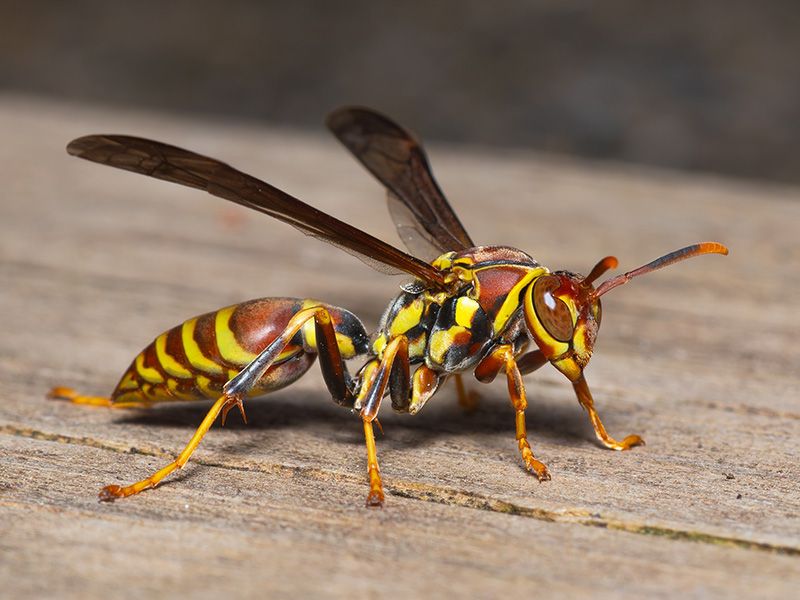
Slow does not mean harmless. A paper wasp that seems half asleep can still sting quickly if it gets squeezed or pinned.
Paper wasps are not usually aggressive away from their nest, but they do defend themselves when touched.
Stings often happen by accident. Someone grabs a towel off the floor, reaches into a curtain, or steps barefoot on a wasp that dropped from the window.
Kids and pets are especially likely to poke at a slow-moving insect out of curiosity.
Shake out clothes, shoes, and blankets that have been sitting near windows or stored in the attic. Wasps sometimes tuck into folds of fabric looking for a quiet place to rest.
If a sting does happen, wash the area with soap and water and use a cold pack to ease swelling.
Most stings cause short-term pain and redness, though people react differently. Anyone with trouble breathing, facial swelling, or dizziness after a sting needs emergency medical care right away.
Folks across Georgia who know they are allergic should keep any prescribed epinephrine handy during fall.
Catching wasps with a cup and card, wearing gloves, is safer than swatting with bare hands. Vacuuming them up with a hose attachment is another option many people find easy.
7. Sealing Gaps Around Windows And Eaves Can Keep Future Visitors Out
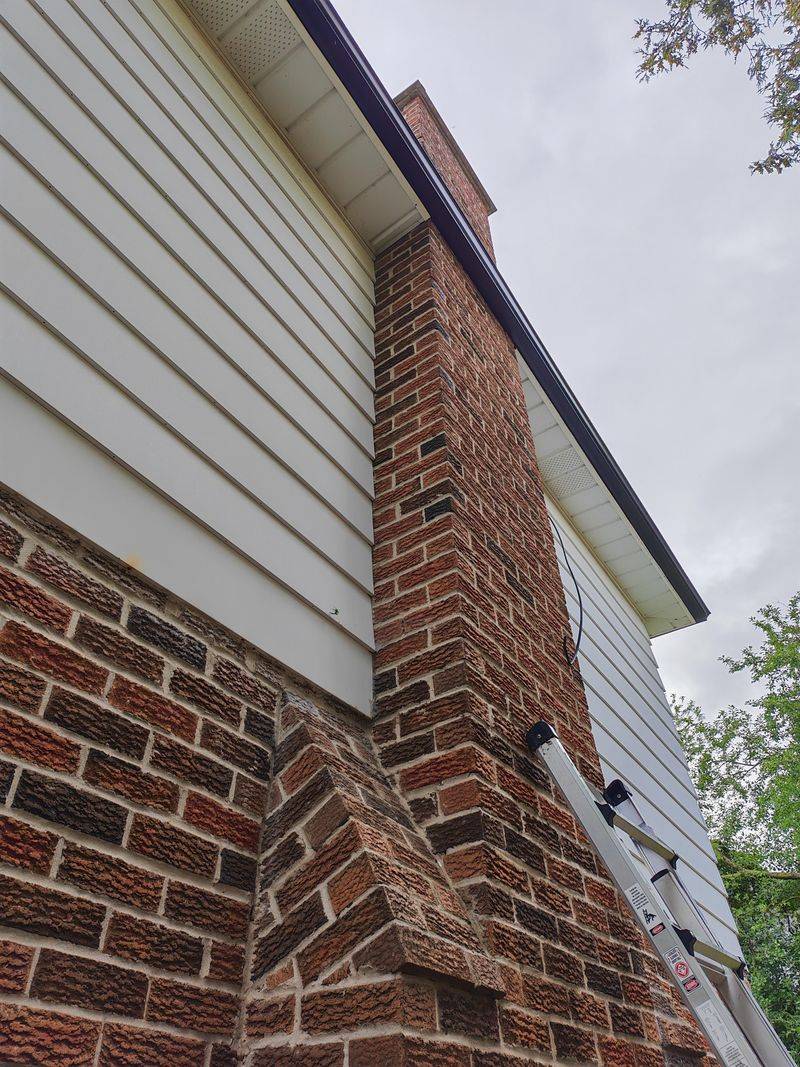
Prevention beats chasing wasps around the living room every October. A weekend of basic sealing work can noticeably cut down on fall visitors.
Start with windows, since cracked or shrinking caulk around frames is one of the easiest entry points to fix.
Exterior-grade silicone or acrylic latex caulk works well for small gaps. Clean out the old, crumbling material first so the new bead sticks properly.
Torn window screens are worth replacing or patching before cooler weather arrives.
Next, look up at the eaves and soffits. Loose panels, missing vent screens, and gaps where the roofline meets the siding give queens a direct route inside.
Fine metal mesh over attic and gable vents lets air flow while blocking insects.
Timing matters here. Late summer or early fall, before queens start searching, is usually the best window for this work in Georgia, though cooler winter days can be a safer time near old nests.
Check spots around pipes, cables, dryer vents, and outdoor light fixtures, then fill them with sealant or foam rated for outdoor use.
Results vary depending on your home’s age and condition, and a few wasps may still find a way in. Even so, fewer openings generally mean fewer surprises on those warm fall afternoons.