7 Holiday Bulbs and Bloomers New Yorkers Can Start Now for Christmas Color
Some flower bulbs sold each fall spend weeks inside chilly Dutch storage rooms, tricked into thinking winter already passed. Growers call them prepared bulbs, and that clever trick lets them flower indoors weeks ahead of their outdoor cousins.
Other holiday bulbs skip the cold treatment altogether because their ancestors grew in warm Mediterranean or South American hills. Those sunny roots explain why a few can sprout on a New York windowsill while snow piles up outside.
Take it from someone who once waited until mid-December to start bulbs and ended up with Valentine flowers instead. Timing matters more than talent here, so a little planning now pays off in big, colorful ways later.
Between you and me, a pot of homegrown blooms beats any store bouquet when gray New York afternoons drag on. So which bulbs can actually beat the calendar, and which ones need a head start this week?
1. Amaryllis
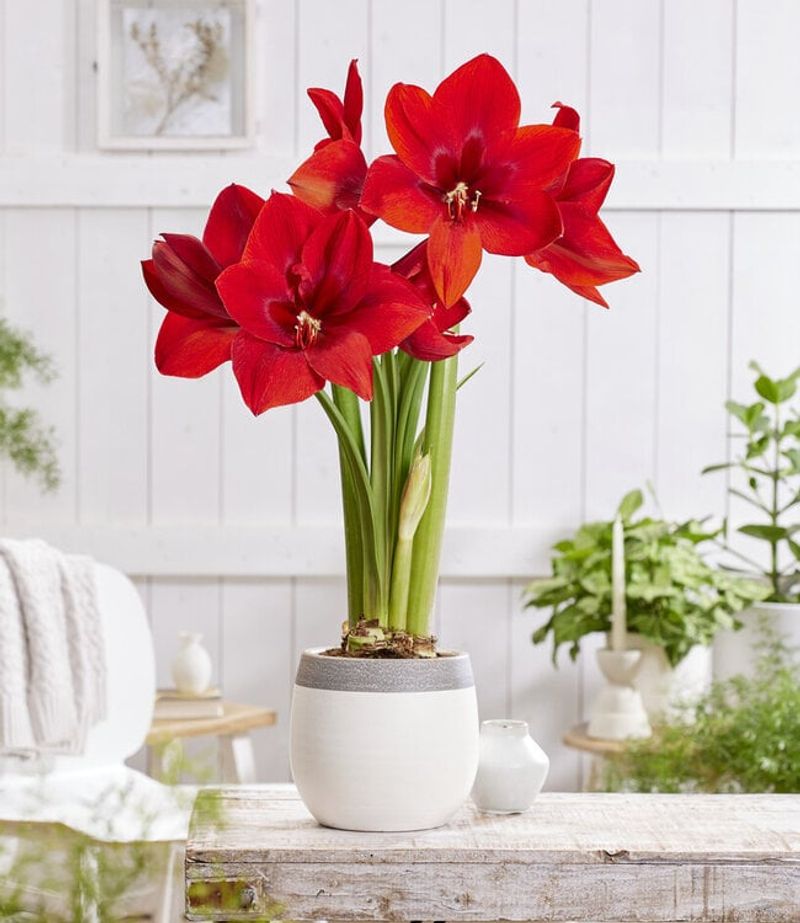
A single amaryllis bulb can be as big as a softball and already holds its flower buds inside. That stored energy is why you can set one on a sunny table and watch it rocket upward.
Most bulbs sold as amaryllis belong to the genus Hippeastrum, which comes from Central and South America. Because they evolved in warm places, they need no cold treatment before they push up flower stalks.
Timing is the tricky part, since most bulbs take six to ten weeks from potting to open flowers. Planting in early November gives you a fair shot at Christmas, while later starts often bloom in January.
Pick a heavy pot only an inch or two wider than the bulb, with a drainage hole underneath. Set the bulb so its top third sits above the soil, then water once and wait patiently.
Too much water before green growth appears can rot the base, so keep the mix barely moist. Once a stalk shows up, move the pot to bright light and turn it every couple of days.
In my own living room, warm spots near seventy degrees sped things up by almost a week. After the flowers open, a cooler room helps each bloom last longer and keeps the tall stalk from flopping.
Keep the leaves growing after blooming, because they rebuild the bulb for another show next winter. One caution worth sharing is that every part of the plant is toxic to curious cats and dogs.
2. Paperwhite Narcissus
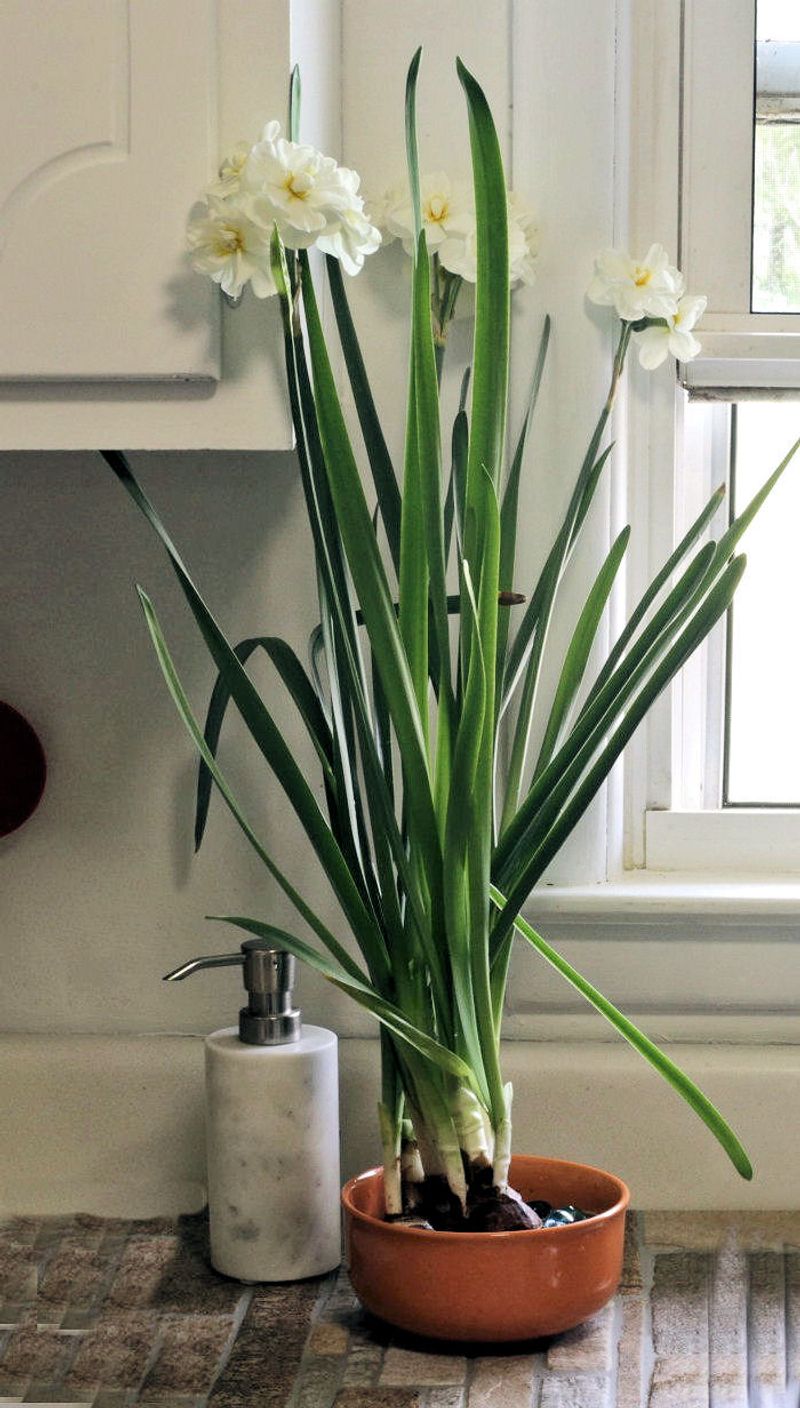
Paperwhites are the sprinters of the holiday bulb world, often flowering just four to six weeks after planting. Start a bowl around mid-November, and you can reasonably expect starry white clusters by the middle of December.
Their botanical name is Narcissus papyraceus, and wild plants grow across the warm and sunny Mediterranean region. Mild winters there mean the bulbs need no chilling, which makes them nearly foolproof for impatient indoor gardeners.
Skip the soil if you like, because a shallow bowl of pebbles and water works beautifully. Nestle the bulbs pointy side up, packed close together, so they help hold each other upright later.
Add water until it just touches the bottoms of the bulbs, since soggy bulbs tend to rot quickly. Check the level every few days, especially once thirsty white roots start winding between the pebbles.
Floppy stems are the classic complaint, and warm rooms with weak light make that stretching much worse. Give them your brightest cool window, and tie a ribbon loosely around the stems for festive support.
Fair warning, the fragrance is strong and musky, and some people find it a bit overwhelming. If you ask me, a pot near the front door greets guests without filling the whole apartment.
Plant a new bowl every two weeks, and you can stretch the flower show well into the new year. Forced paperwhites rarely bloom well again, and they are not hardy outdoors here, so compost them afterward.
3. Prepared Hyacinths
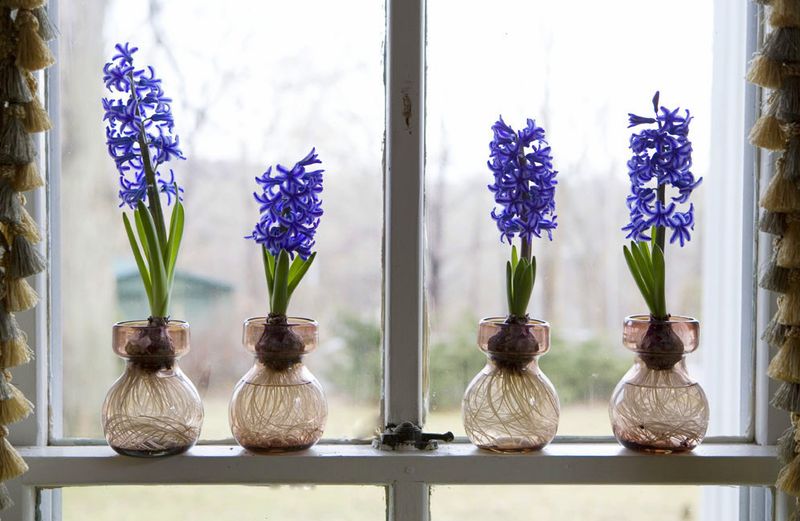
Hyacinth bulbs can make your hands itch, so I keep a pair of thin gloves beside the bag. That small hassle is worth it, because the sweet perfume from one flower spike can fill a room.
Regular garden hyacinths need a long cold spell before flowering, which makes Christmas blooms nearly impossible from scratch. Prepared bulbs have been chilled by growers ahead of time, so part of that waiting is already done.
Read the label carefully, since some bulbs still need several weeks of cool, dark rooting at home. Bulbs sold as fully pre-cooled for vases often bloom within a few weeks once they meet warmth.
Honestly, a November start may give you flowers closer to January, and that still brightens the gloomiest weeks. Planting a few right away gives you the best chance at holiday blooms on the table.
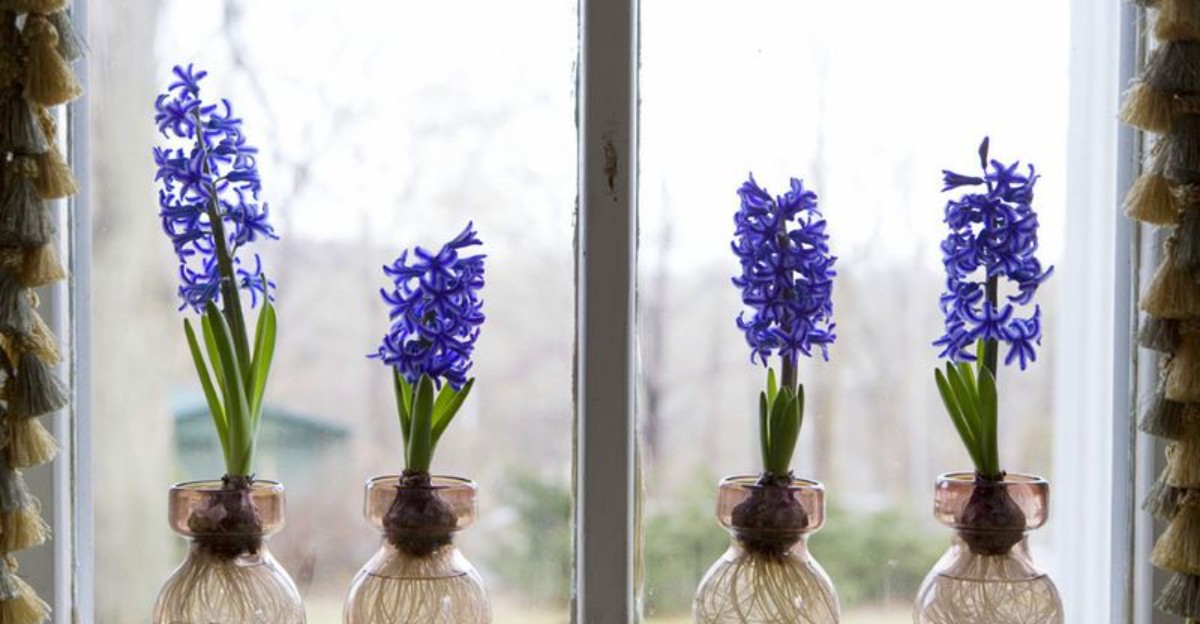
Classic hourglass forcing vases are charming, and they let you watch the roots stretch down like spaghetti. Keep the water just below the bulb’s base, leaving a small air gap so the bulb stays dry.
Rooting goes best somewhere cool and dark, like an unheated closet or a chilly spare room. Bring the bulbs into light once shoots reach a couple of inches and the flower bud shows clearly.
Blooms last longer in a cool spot, so keep them away from radiators and toasty kitchen counters. Afterward, plant the tired bulbs outside in spring, where they may return with smaller but still fragrant flowers.
4. Grand Soleil D’Or Narcissus
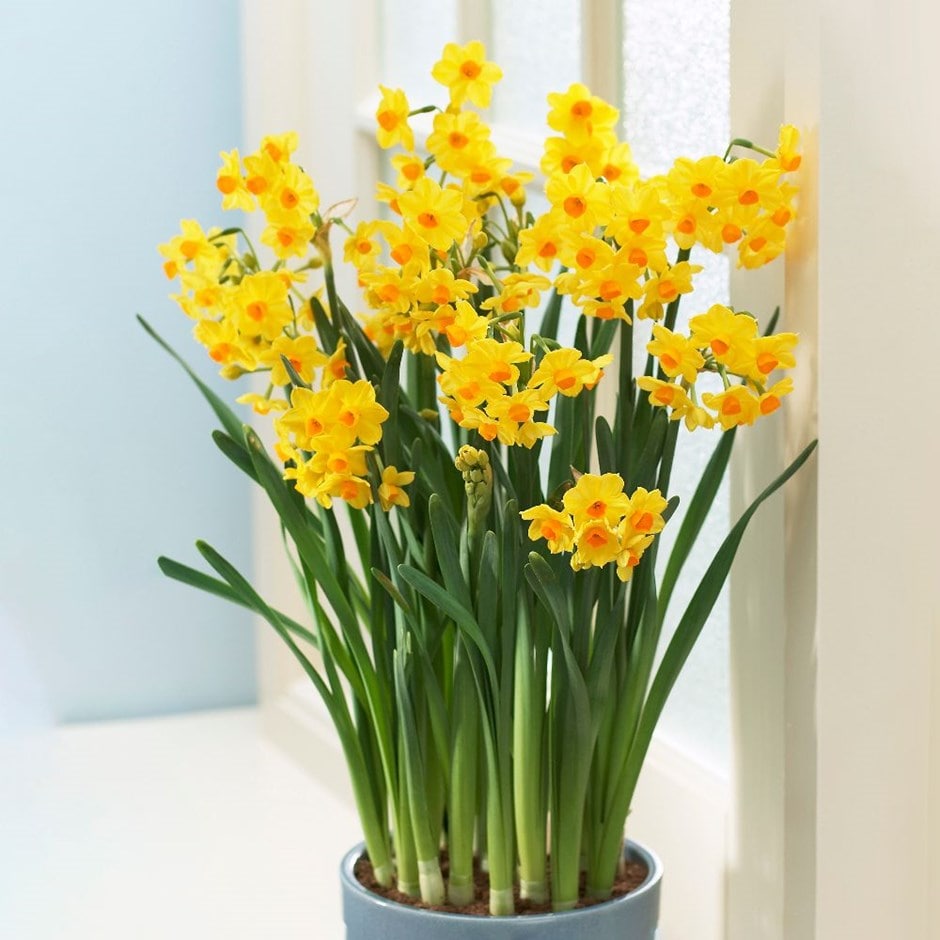
Off the coast of Cornwall, the Isles of Scilly have grown ‘Grand Soleil d’Or’ for the winter flower trade. Those sunny yellow blooms with bright orange cups feel like a small vacation for a snowy windowsill.
Botanically, it is a tazetta daffodil and a close cousin of paperwhites, so it needs no chilling either. Each stem usually carries a cluster of several small flowers, which makes one pot look surprisingly full.
Funny thing is, many people who wrinkle their noses at paperwhites love this sweeter, softer fragrance. Set a bowl on the dining table, and the scent stays pleasant rather than taking over the room.
Expect these bulbs to move a little slower than paperwhites, often needing six weeks or more to flower. Planting them as early in November as possible gives you a much better chance of Christmas color.
Growing them works just like paperwhites, either in potting mix or in a dish of pebbles and water. Keep the water line slightly below the bulbs so the roots reach down without the bulbs sitting soaked.
Bright light is your best friend here, because dim corners make the stems stretch and lean sideways. A cool room around sixty degrees keeps growth sturdy and helps the golden flowers last much longer.
Bulbs can be harder to find than paperwhites, so order early from a reputable bulb supplier. Like their white cousins, they are not hardy in our winters, so enjoy them as a one-season treat.
5. Chinese Sacred Lily
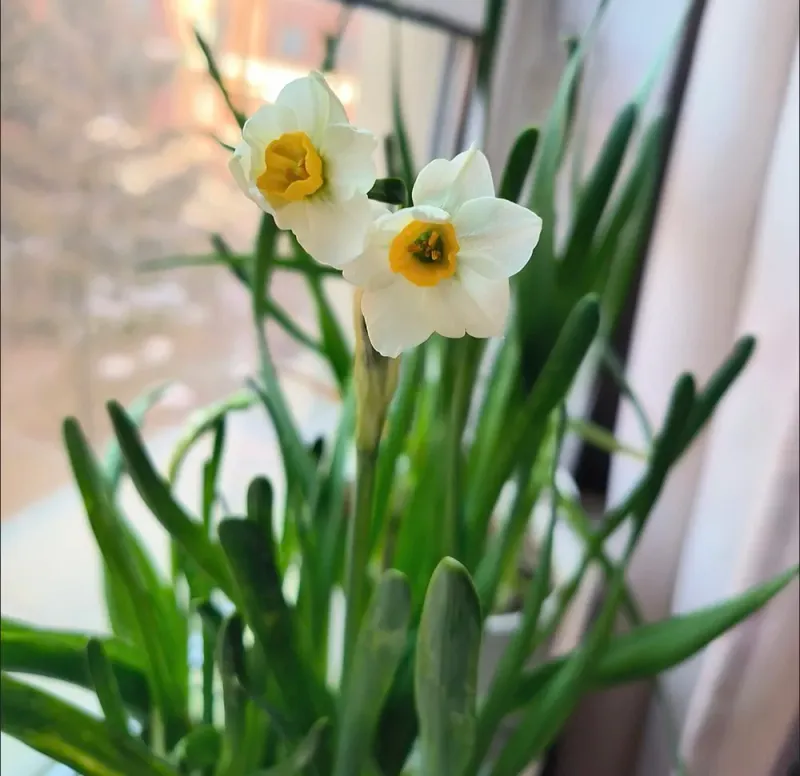
Families celebrating Lunar New Year have forced Chinese sacred lilies in water for centuries, hoping for good luck. Nothing stops you from borrowing that lovely tradition a few weeks early for your own Christmas table.
Botanists list this plant as a form of Narcissus tazetta, with white petals around small golden cups. The bulbs are hefty, and each one can send up several stems loaded with fragrant clusters.
Like other tazettas, they need no cold period and often flower about four to six weeks after starting. A mid-November start lines up nicely with holiday gatherings, though warm rooms can speed things along.
Traditional growers sometimes carve the bulbs with a small knife, which makes the stems curl in playful shapes. That art form takes practice, so I suggest beginners stick with whole bulbs for their first round.
Set the bulbs in a shallow dish of pebbles, with water reaching only the bottom of each base. Change the water now and then so it stays fresh, and top it off as roots drink.
Look for bulbs at Asian grocery stores in Flushing or Manhattan’s Chinatown, where they often appear in winter. Mail-order bulb companies also sell them in fall, which makes planning for a Christmas bloom much easier.
Keep the bowl in bright, cool light, because heat and shade both encourage tall, wobbly stems. All narcissus parts are toxic if eaten, so park the dish well away from nibbling pets and toddlers.
6. Florist’s Cyclamen
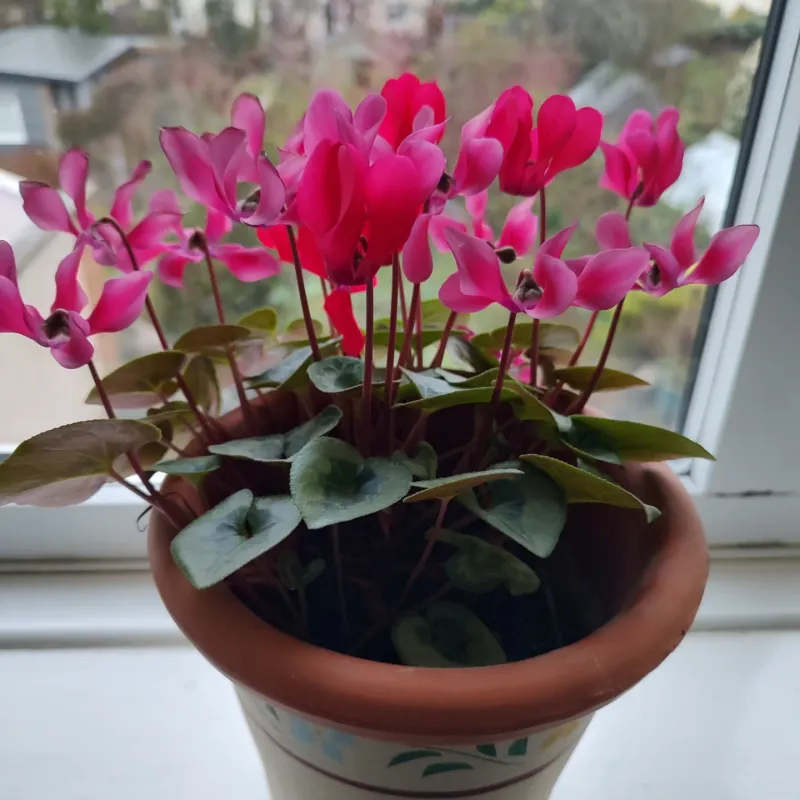
Cyclamen flowers look like a flock of tiny butterflies hovering over silver-marbled leaves, and they keep coming for months. Of every plant on this list, this one rewards cool rooms the most, which suits drafty older apartments.
Florist’s cyclamen, Cyclamen persicum, grows from a flattened tuber rather than a true bulb, though garden shops shelve them together. Wild ancestors grow on rocky Mediterranean hillsides, where they flower during cool, damp winters and rest in summer.
Let’s just say a dry tuber potted now probably will not flower by Christmas, since growth starts slowly. For holiday color, pick up a plant packed with buds and slip its pot inside a decorative container.
Daytime temperatures in the low sixties with nights near fifty keep cyclamen happy and blooming steadily. Radiator heat makes the leaves yellow fast, so a bright, chilly windowsill is the sweet spot.
Water from the bottom by setting the pot in a saucer of water for about twenty minutes. Pouring straight onto the tuber’s top invites rot, which is the most common way these plants decline.
Pinch off faded flowers by twisting and tugging the whole stalk from its base, leaving no stub behind. Colors range from snowy white to deep crimson, and many leaves carry gorgeous silver patterns worth admiring.
When spring arrives, the leaves naturally yellow as the plant heads into its quiet summer rest period. Cut back on water then, and you may coax a second round of flowers next fall.
7. Purple Shamrock Oxalis
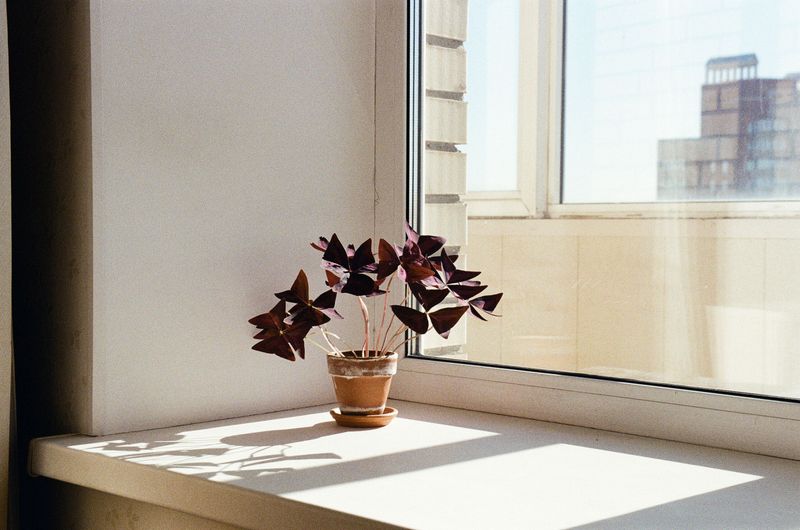
Every evening, the purple leaves of Oxalis triangularis fold down like tiny closing umbrellas, then reopen with morning light. Guests at holiday parties tend to stare, and kids find the nightly bedtime routine downright magical.
Often called purple shamrock, this plant grows from small corms and comes from warm parts of South America. It is hardy only in mild climates, so here in New York it belongs indoors as a cheerful houseplant.
Corms often sprout within a few weeks, which makes a November planting a smart bet for December. Delicate pale pink or white flowers may join the foliage, though the leaves remain the main attraction.
Plant ten or more corms about an inch deep in a pot of light, well-draining potting mix. Crowding them a bit gives you a fuller, bushier look sooner than spacing them far apart.
Water well once, then let the top inch of soil dry out slightly before you water again. Bright, indirect light keeps the purple color rich, while dim rooms tend to produce floppy, faded stems.
Purple foliage looks striking beside gold ornaments, and it makes a fresh change from the usual red holiday plants. For what it’s worth, mine sits beside the menorah and poinsettia, and it steals the show.
Every so often, the plant flops over and goes dormant, which looks alarming but is perfectly normal. Stop watering for a few weeks, then resume when new shoots appear, and the show starts over.