10 Household Scents That Naturally Help Repel Squirrels From Your Garden
Squirrels have been raiding your garden overnight, leaving behind a strange and puzzling scene. Bulbs disappeared from your flower beds before the sunrise even arrived.
Feeders emptied out quickly, leaving your favorite backyard birds without any breakfast. Holes appeared suddenly across your lawn while you slept peacefully.
Nobody really wants poison, traps, or fencing truly changing their whole view. Luckily, your own kitchen already holds the fix you truly need. Certain scents send squirrels sprinting far from your yard.
A handful of pantry ingredients can help protect your flowerbeds fast. These ingredients sit forgotten in your cabinets right now. Warm weather makes these scents spread through your yard.
Their noses can’t tolerate strong smells overwhelming them completely. Overwhelming that sense pushes squirrels away for good. Cheap, fast, and effective, this method protects your garden.
You deserve a peaceful yard squirrels simply can’t disturb again. Your bulbs won’t last through another night without this protection.
1. Peppermint Oil
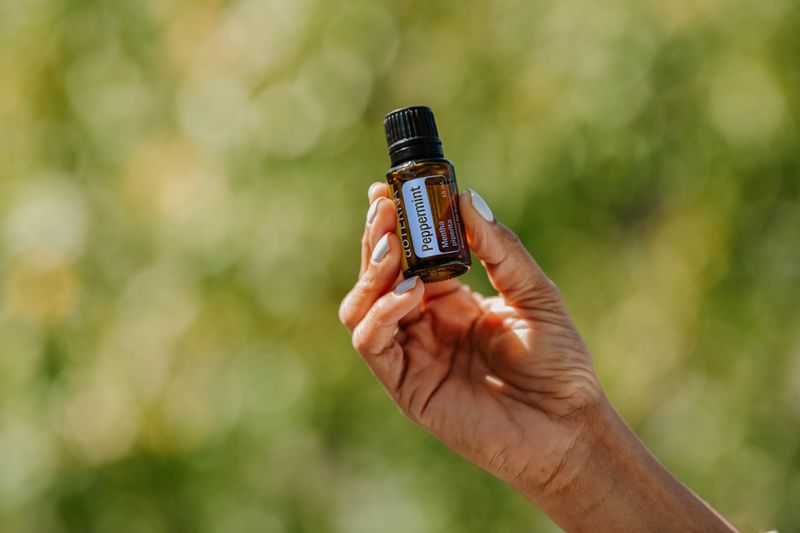
Squirrels have a nose that is far more sensitive than yours. What smells refreshing to you smells absolutely overwhelming to them.
Peppermint oil is one of the easiest household scents that may help repel squirrels from garden beds. Just a few drops go a long way toward keeping those squirrels away.
Soak cotton balls in pure peppermint oil and tuck them near your plants, flower pots, or garden borders. Replace them every few days, especially after rain washes the scent away.
You can also mix about 10 drops of peppermint oil with water in a spray bottle and mist it around your garden perimeter. Spray along fence lines, near bulbs, and around seedlings for the best coverage.
The sharp, minty scent irritates squirrels and signals danger to their instincts. They may eventually learn to avoid your garden after repeated exposure.
Peppermint oil is safe for most plants and completely non-toxic to kids and pets. It also smells amazing while it works, which is a bonus most repellents cannot offer.
Stay consistent and reapply regularly for lasting results that actually hold up season after season.
2. Cayenne Pepper
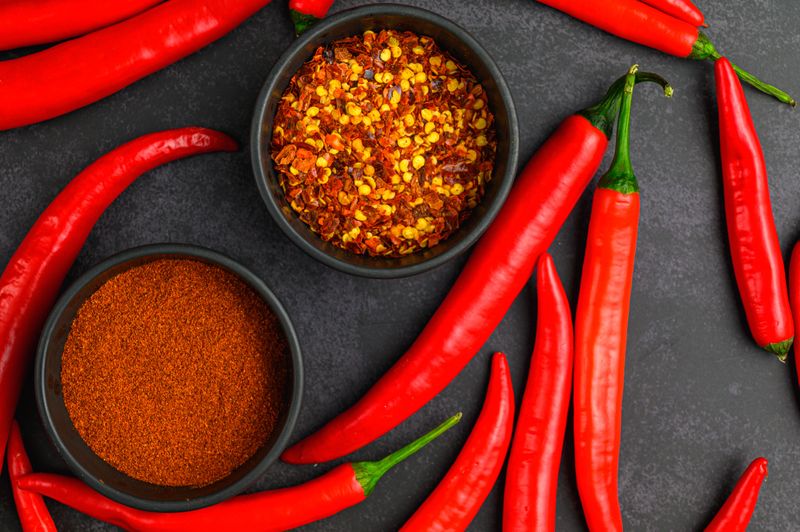
Nothing sends a squirrel running faster than a surprise mouthful of cayenne pepper. Their sensitive palates simply cannot handle the heat that humans barely notice.
Sprinkling cayenne pepper directly around your plants creates an invisible barrier squirrels refuse to cross. Focus on the soil near bulbs, seedlings, and any areas they have already been digging in.
You can also mix cayenne with water and a drop of dish soap to make a spray that sticks to leaves and surfaces. Reapply after rain or heavy wind for consistent protection.
Birds are completely unaffected by capsaicin, which is the compound that makes peppers hot. So if squirrels are raiding your bird feeder, sprinkling cayenne into the seed mix is a clever trick.
Wear gloves when handling cayenne and avoid touching your face. A little goes a long way, and applying too much near edible plants can affect flavor.
Cayenne is inexpensive and available at any grocery store, making it one of the most budget-friendly options around. Once squirrels associate your garden with that burning sensation, they often begin looking for easier targets elsewhere.
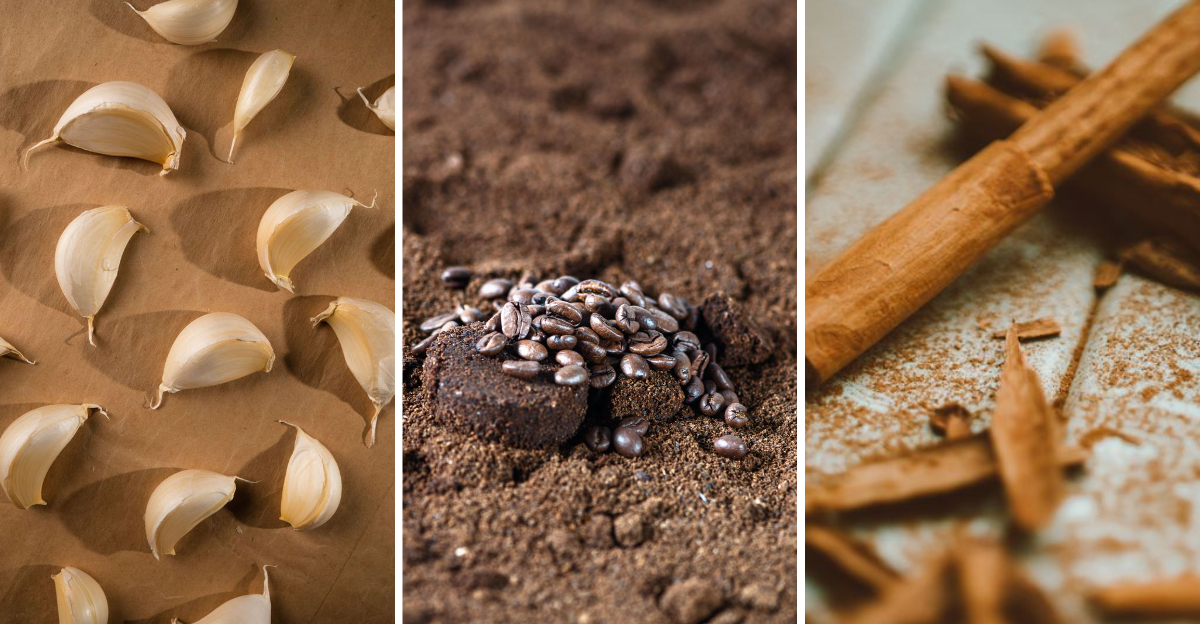
3. Garlic
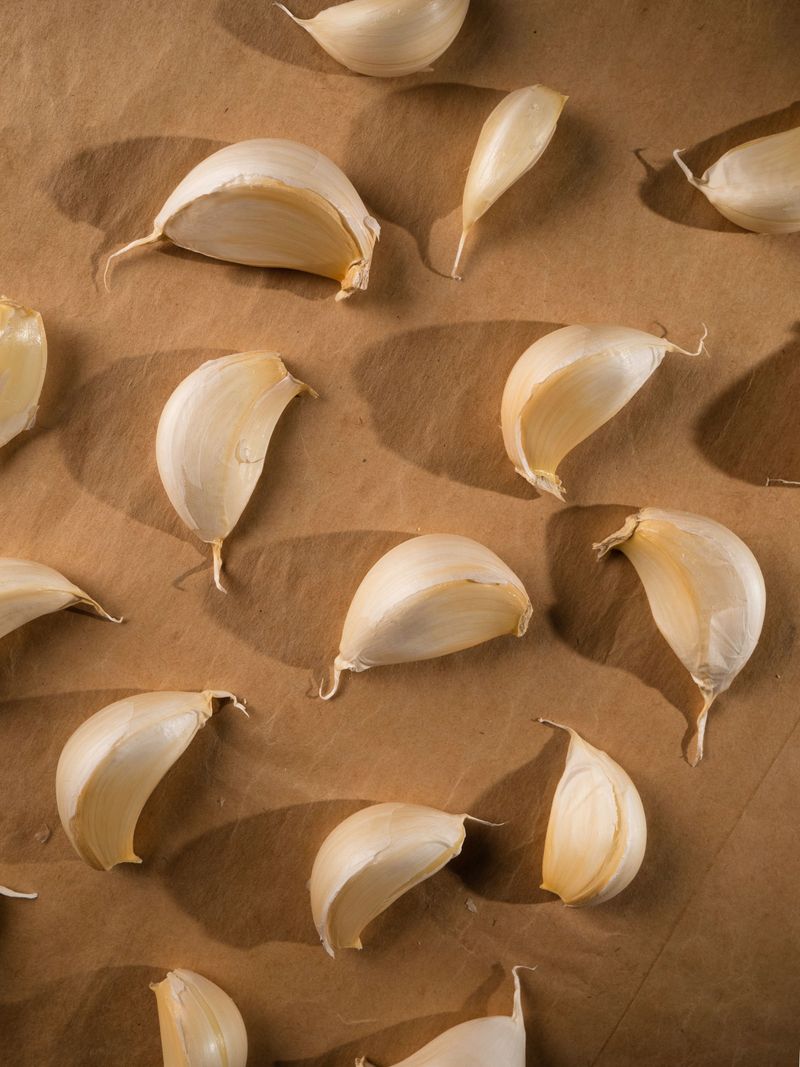
Garlic has been keeping pests away for centuries, and squirrels are no exception to its powerful reputation. The pungent sulfur compounds in garlic are deeply offensive to their sharp sense of smell.
Crush a few garlic cloves and scatter them around the base of your plants or along garden pathways. Fresh crushed garlic releases the strongest odor and works best when applied consistently.
You can also simmer garlic in water, let it cool, strain it, and pour the liquid into a spray bottle. Mist the solution around your garden borders, near bulbs, and on the soil surface every few days.
Garlic powder works as a backup option when fresh cloves are not available. Sprinkle it generously around problem areas and reapply after any rainfall.
One great thing about garlic is that it naturally breaks down into the soil without causing harm to your plants. It actually adds trace nutrients as it decomposes, making it a garden-friendly choice.
Planting actual garlic around the edges of your garden offers a long-term, low-maintenance solution. Squirrels will steer clear of the whole area once that sharp, garlicky aroma takes hold.
4. White Vinegar
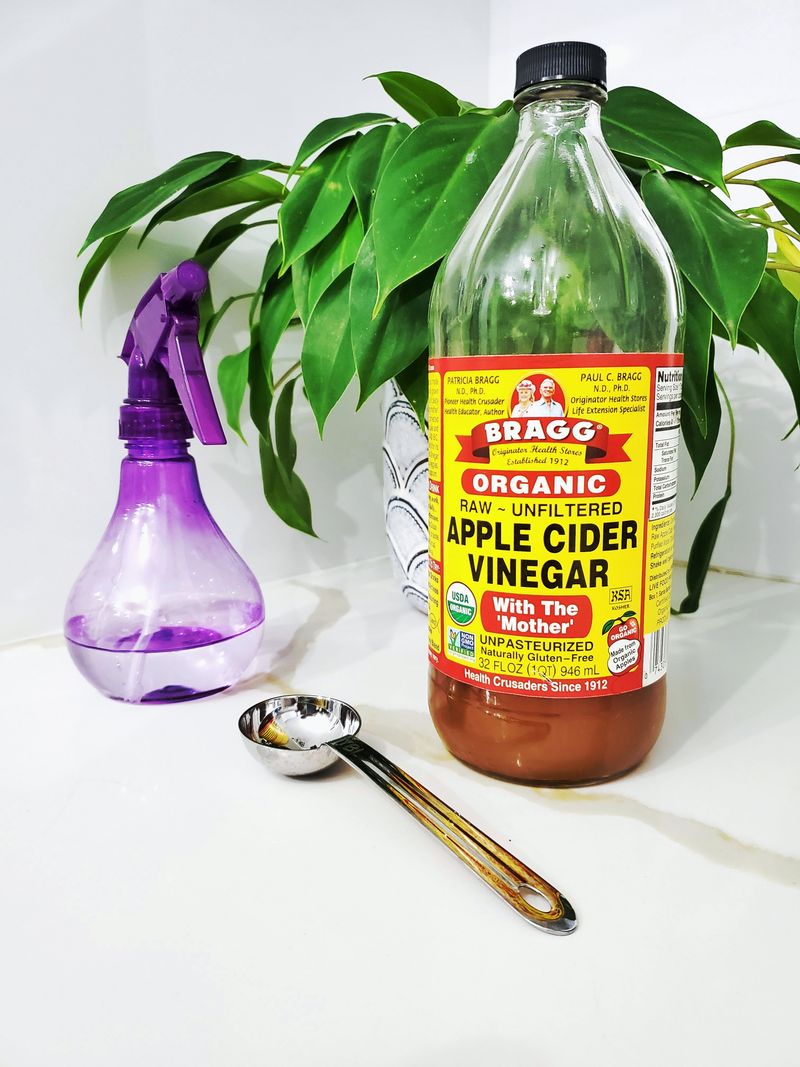
White vinegar has a sharp, acidic smell that squirrels find deeply unpleasant. It is one of those pantry staples that quietly doubles as a surprisingly effective garden defender.
Soak rags or old cloths in undiluted white vinegar and place them around the perimeter of your garden. Focus on entry points, fence posts, and spots where squirrels have been active recently.
You can also pour white vinegar directly into a spray bottle and apply it to hard surfaces like pots, fences, and garden borders. Avoid spraying it directly on plant leaves since the acidity can cause damage.
Vinegar evaporates quickly, so you will need to reapply it every couple of days. After rain, always refresh your application to keep the scent strong and active.
Mixing vinegar with water in a 50-50 ratio makes it gentler for use near soil without harming beneficial organisms. This diluted version still carries enough punch to deter curious squirrels.
Some gardeners soak pine cones in vinegar and scatter them around flower beds for a more decorative deterrent approach. The scent lingers in the cones for several days, giving you hands-free protection that looks natural in any garden setting.
5. Predator Urine
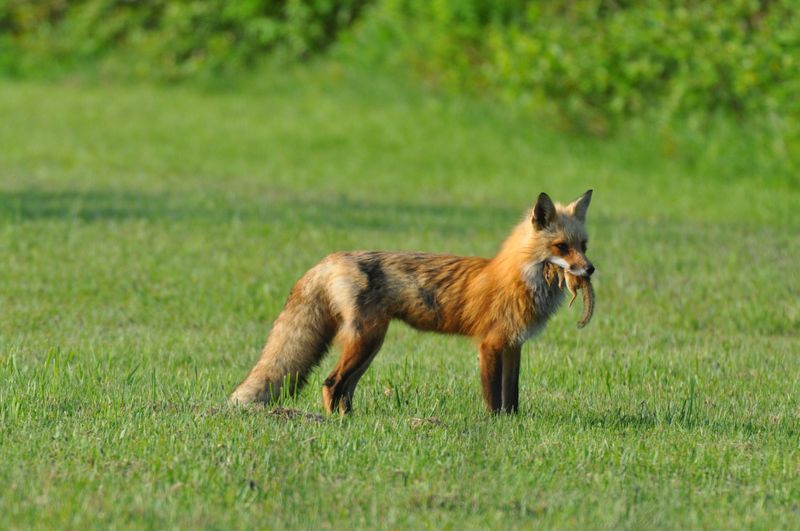
Fear is a powerful motivator, and squirrels are hardwired to avoid predators at all costs. Predator urine taps directly into that ancient survival instinct in a way few other repellents can match.
Fox urine and coyote urine are the most commonly available options at garden centers and outdoor supply shops. Even the faintest whiff of either one triggers an immediate alarm response in squirrels nearby.
Apply predator urine around the outer edges of your garden using a spray bottle or by soaking rags. Concentrate the application along fence lines, near burrow holes, and around areas with the most squirrel activity.
Reapply every few days and always after rain washes the scent away. The key is keeping the smell fresh enough that squirrels genuinely believe a predator is patrolling the area.
Rotate between fox and coyote urine occasionally so squirrels do not become desensitized to one particular scent. Variety keeps the deterrent effect strong and unpredictable.
Predator urine is generally biodegradable, though commercial versions may contain added preservatives. Check the label for details.
Once squirrels smell danger, they often relocate for a period rather than risk sticking around.
6. Coffee Grounds
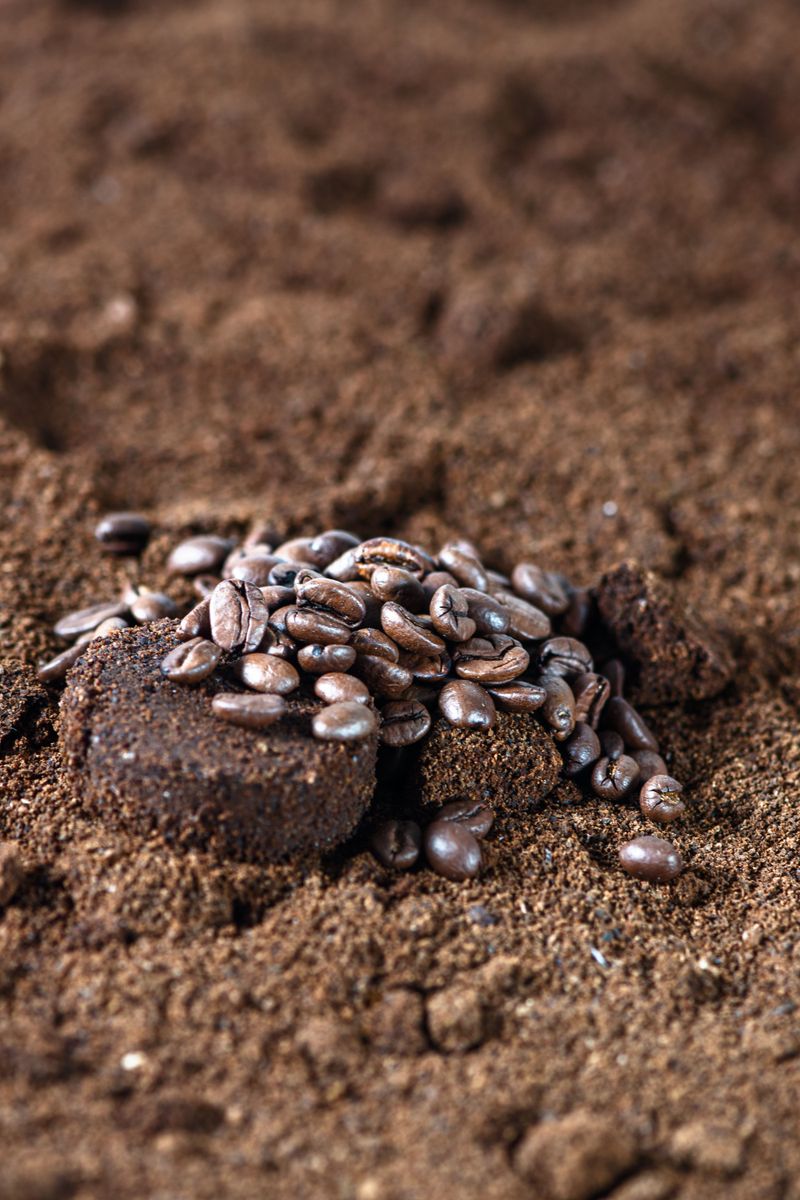
Your morning coffee does more than wake you up. Those leftover grounds sitting in your filter are actually a powerful squirrel deterrent just waiting to be put to work.
Squirrels dislike the strong, bitter aroma of coffee grounds and tend to avoid areas where the smell is concentrated. Spreading used grounds around your garden is one of the easiest free solutions available to any coffee drinker.
Sprinkle a generous layer of grounds around the base of plants, along garden borders, and near any spots where squirrels have been digging. Reapply fresh grounds every few days to keep the scent active and strong.
Coffee grounds also improve soil by adding nitrogen, which is a nutrient that many garden plants genuinely love. So you get pest control and a soil boost in one simple step.
Mix grounds with other deterrents like cayenne or cinnamon for a more potent barrier that covers multiple scent triggers. Layering scents makes it harder for squirrels to dismiss the area as safe.
Collect grounds from your local coffee shop if you need larger quantities for a bigger garden. Baristas often give them away for free, making this one of the most cost-effective garden hacks around.
7. Cinnamon
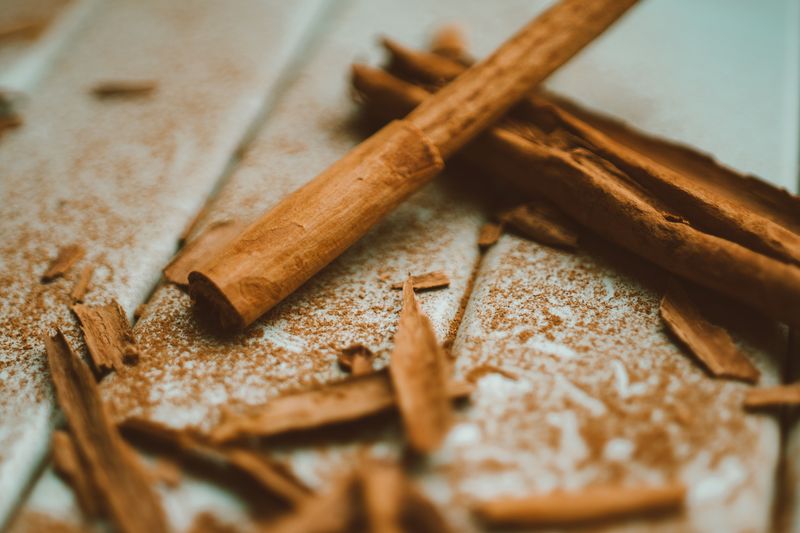
Cinnamon smells like a cozy autumn morning to most people. To squirrels, though, that warm spicy scent is an irritating signal to stay far away from your garden.
The strong aromatic compounds in cinnamon overwhelm a squirrel’s sensitive nasal passages and create an unpleasant sensory experience. A light dusting around your plants is often all it takes to change their route.
Sprinkle ground cinnamon liberally around bulbs, flower beds, and vegetable rows where squirrels tend to dig. Pay special attention to freshly planted areas since those spots attract the most attention from foraging squirrels.
Cinnamon sticks can also be placed directly in pots or along garden borders for a slower-releasing, longer-lasting option. They hold their scent for several days and look charming tucked among your plants.
After rain, always reapply ground cinnamon since moisture dilutes the aroma quickly. Keeping a spare container near your garden makes it easy to refresh your barrier without any extra effort.
Cinnamon is generally considered safe around children, pets, and beneficial insects like bees and butterflies when used in moderate amounts. It is one of the friendliest and most pleasant-smelling tools in your natural squirrel-repelling arsenal.
8. Crushed Red Pepper Flakes
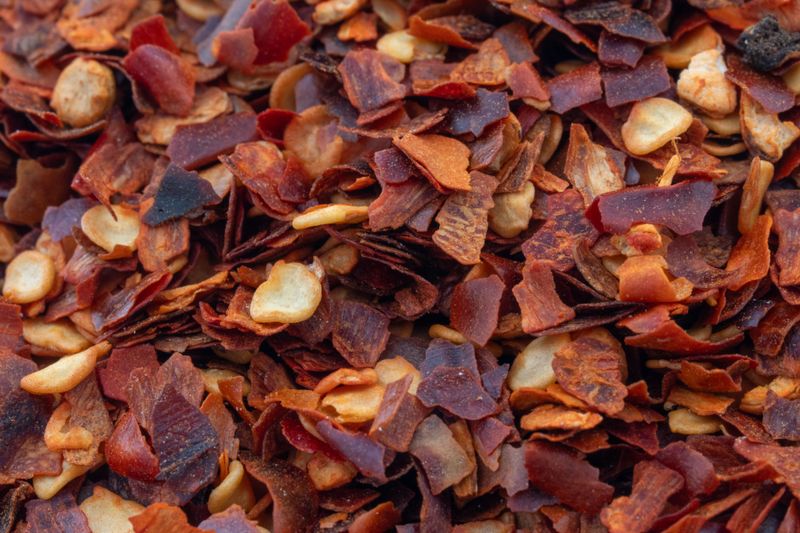
Crushed red pepper flakes are basically cayenne’s bold, textured cousin with an equally impressive track record against garden pests. Squirrels encounter the flakes, get a face full of capsaicin, and typically avoid the area afterward.
Scatter a generous amount of flakes around the base of plants, along garden borders, and near any areas where digging has occurred. The texture and the scent work together to create an added deterrent for squirrels.
Mixing red pepper flakes with used coffee grounds creates a potent, multi-layered deterrent that targets squirrel senses from multiple angles. Spread the mixture around problem areas and refresh it every few days for maximum impact.
Sprinkle flakes directly into your bird feeder seed mix to stop squirrels from stealing the feed. Birds cannot taste capsaicin at all, so they will keep eating happily while squirrels walk away frustrated.
Wear gloves when handling large quantities of red pepper flakes and keep them away from your eyes and nose. Even small amounts can cause serious irritation if you accidentally touch your face during application.
Reapply after every rain since moisture washes the capsaicin away quickly. Consistency is the secret weapon that helps these scent-based deterrents stick long-term.
9. Dryer Sheets
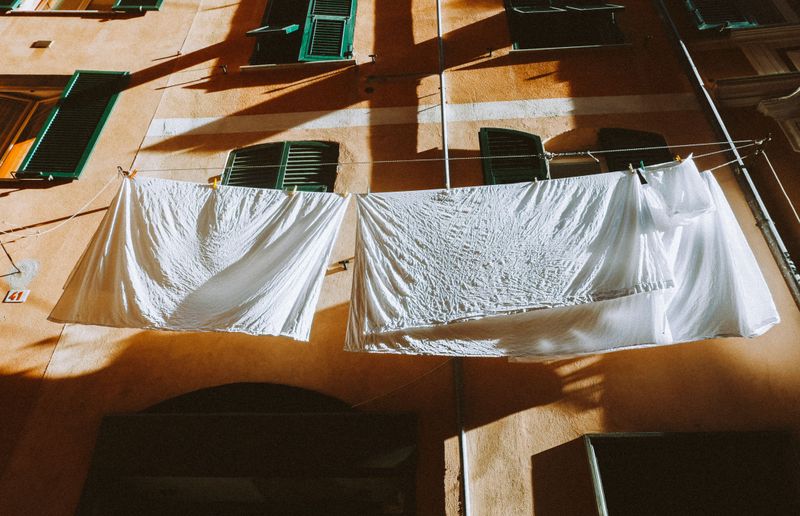
Dryer sheets smell clean and fresh to humans, but squirrels find the strong synthetic fragrance deeply off-putting. It is one of those quirky, unexpected solutions that actually works surprisingly well in real gardens.
Tuck dryer sheets between plants, under mulch, and around the edges of garden beds to create a scent barrier squirrels will avoid. Tie them to stakes or fence posts for above-ground coverage that catches the breeze.
Replace the sheets every week or after heavy rain since the fragrance fades faster when exposed to moisture and sun. Fresh sheets carry a stronger scent and provide better protection against persistent squirrels.
Some gardeners wrap dryer sheets around individual plants or bulbs before placing them in the ground. This underground approach protects newly planted bulbs during the vulnerable early weeks when squirrels are most likely to dig them up.
Scented dryer sheets work better than unscented versions since the stronger fragrance is what does the repelling work. Brands with heavy floral or clean linen scents tend to perform best based on gardener experience.
Dryer sheets are inexpensive and available everywhere, making them an easy first step for any frustrated gardener. Once squirrels associate your garden with that sharp synthetic smell, they tend to find friendlier territory fast.
10. Ammonia-Soaked Cloths
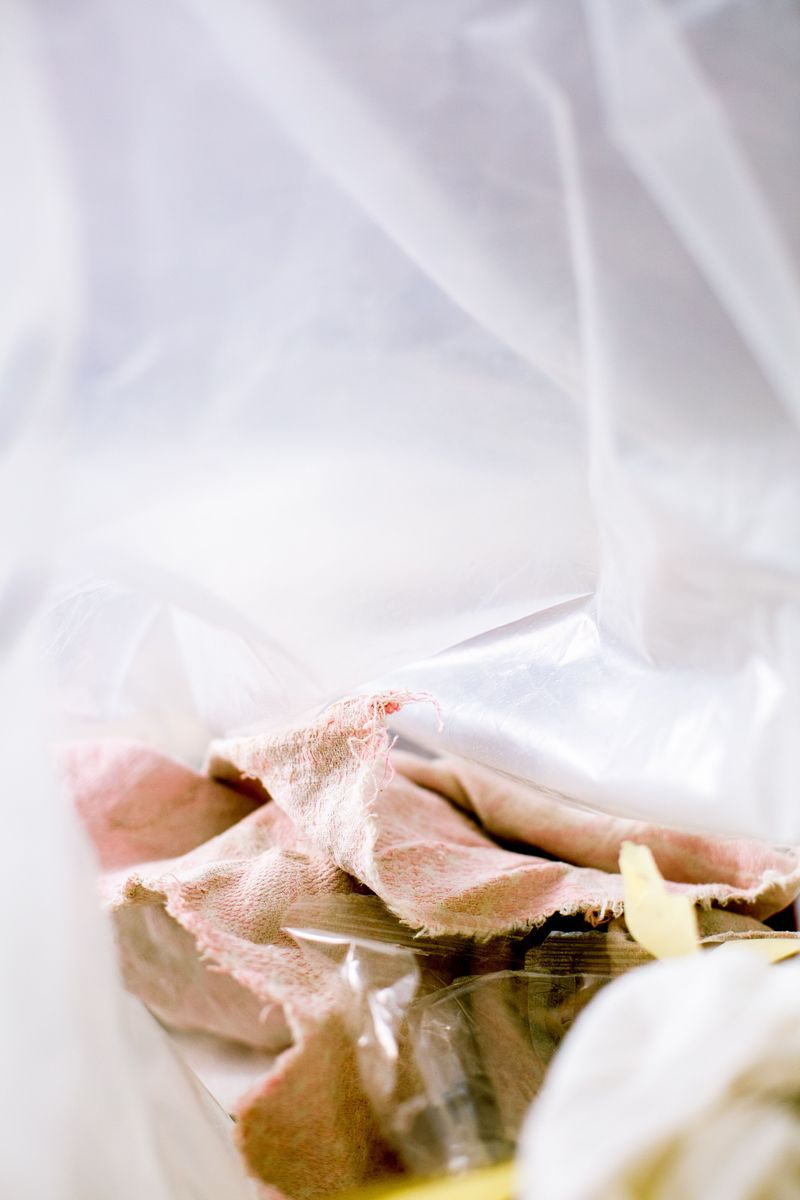
Ammonia smells like predator urine to a squirrel’s highly tuned nose, and that similarity is exactly what makes it such an effective deterrent. Their instincts interpret the scent as a serious threat lurking nearby.
Soak old rags or cloths in ammonia and place them around the perimeter of your garden, near burrow entrances, and along fence lines. Change the cloths every few days to keep the scent potent and convincing.
Always use ammonia in a well-ventilated outdoor area and keep it away from children and pets during application. The fumes are harsh, so wearing gloves and avoiding direct inhalation is strongly recommended for safe handling.
Never mix ammonia with bleach or other cleaning products since the combination creates toxic fumes. Use it straight from the bottle, diluted slightly with water if you prefer a less concentrated application.
Place soaked cloths inside mesh bags or old pantyhose to keep them contained and easier to move around your garden. This approach prevents the liquid from pooling directly on soil where it could affect plant health.
Scent-based deterrents tend to work best when used consistently, and ammonia-soaked cloths are no different. Stay committed to reapplying regularly, and your garden can experience noticeably less squirrel activity over time.
Results can vary depending on squirrel populations, weather conditions, and how consistently each method is applied.