7 Houseplants That Thrive When Slightly Root-Bound In North Carolina Homes
Most houseplant advice will tell you to repot the second roots start getting cozy in their container, and honestly that guidance gets applied way too broadly.
Some plants are actually happiest when their roots have filled the pot just enough to feel snug, not cramped and desperate, just comfortably settled in.
In North Carolina homes, where conditions swing between dry heated winters and sticky humid summers, getting pot size right matters more than most people realize. Too much extra soil and you are asking for trouble.
In North Carolina, that balance can genuinely affect how well a plant grows, blooms, and stays healthy through the seasons.
Being slightly root-bound means roots have filled the space comfortably, not that they are tangled, circling wildly, or escaping through the drainage holes like they are making a break for it.
1. Snake Plant Handles Snug Pots Well
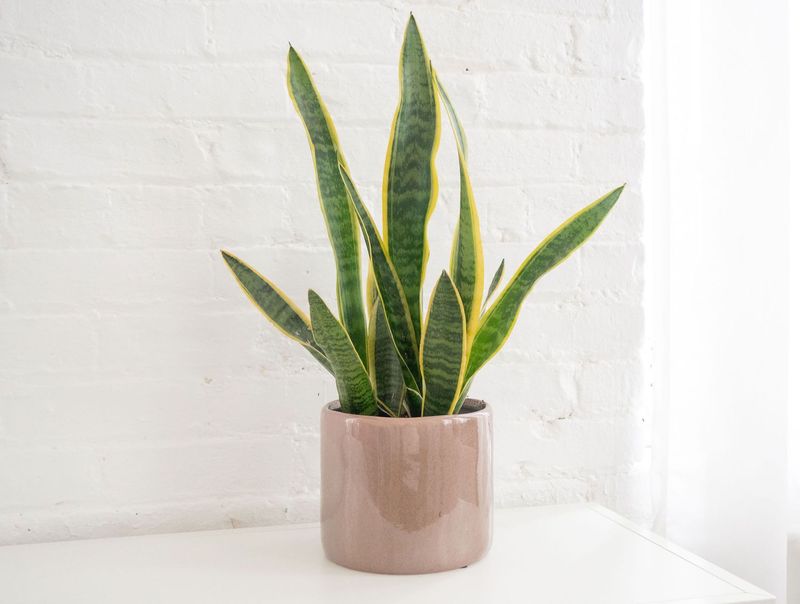
Bright windows in North Carolina living rooms are some of the best spots for a snake plant, and one thing many indoor gardeners notice over time is that this plant seems perfectly content staying in the same container for years.
Snake plants, also called Sansevieria or Dracaena trifasciata, have thick, fleshy roots that store water and nutrients, which means they do not need a lot of extra room to function well.
When the roots fill the pot to a comfortable level, the plant tends to stay upright, look tidy, and continue putting out new leaves without much fuss.
In North Carolina homes during winter, when heating systems dry out the air and watering routines slow down, a slightly snug pot can actually help prevent overwatering.
Too much extra soil around the roots holds moisture longer than the plant needs, which can lead to root problems.
A container that fits the root ball more closely tends to dry out at a pace that suits the snake plant’s natural preference for drier conditions between waterings.
That said, even snake plants reach a point where repotting makes sense. If you notice roots pushing firmly out of the drainage holes, the pot cracking from root pressure, or the plant becoming noticeably wobbly, it may be time to move up one pot size.
Moving to a container only slightly larger, rather than jumping to a much bigger pot, tends to give the best results for this low-maintenance North Carolina favorite.
2. Holiday Cactus Blooms Better In A Tight Pot
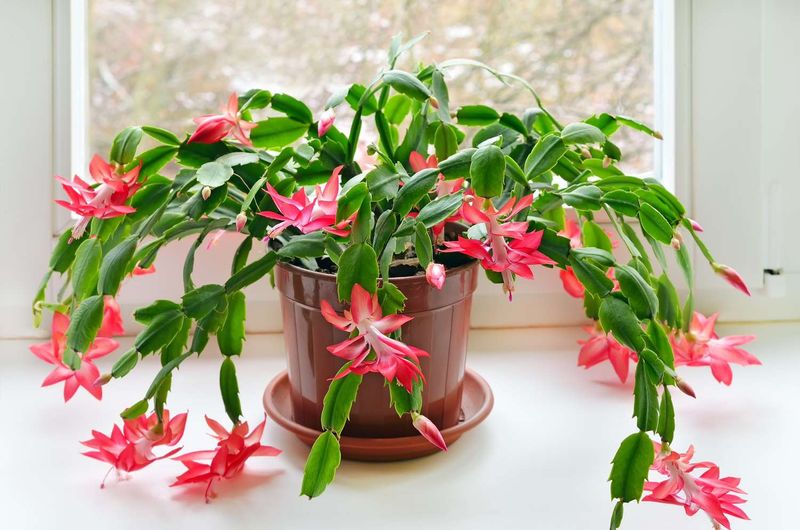
Few sights in a North Carolina home feel as cheerful as a holiday cactus covered in bright blooms right around Thanksgiving or Christmas.
Many experienced growers will tell you that keeping this plant slightly snug in its pot is part of what encourages that reliable flowering.
Holiday cacti, which include Thanksgiving cactus and Christmas cactus varieties, tend to shift their energy toward producing blooms when they feel a bit crowded at the roots rather than when they have plenty of room to keep expanding.
The connection between pot size and flowering in holiday cacti is well recognized among houseplant enthusiasts.
Your North Carolina Garden Changes Every Week. Your Plan Should Too.
Gardening in North Carolina changes quickly throughout the season. Every Friday you’ll receive a simple weekly plan showing exactly what to plant, prune, fertilize, harvest, and protect so you never miss the right timing.
When roots fill the container comfortably, the plant may respond to seasonal cues like cooler temperatures and longer nights by setting buds rather than pushing out new stem segments.
North Carolina homes naturally experience cooler nights in fall, which can help trigger that bud-setting process, especially near windows or in rooms that cool down after sunset.
Keeping a holiday cactus in a well-draining mix inside a pot that fits its root system snugly also makes watering easier to manage.
The mix dries more evenly between waterings, which suits this plant’s preference for moisture without sitting in soggy soil.
If you notice water draining straight through without being absorbed, segments looking limp or shriveled, or the plant tipping frequently, those are signs worth paying attention to before deciding whether a slightly larger container would help.
3. Amaryllis Likes Limited Root Space
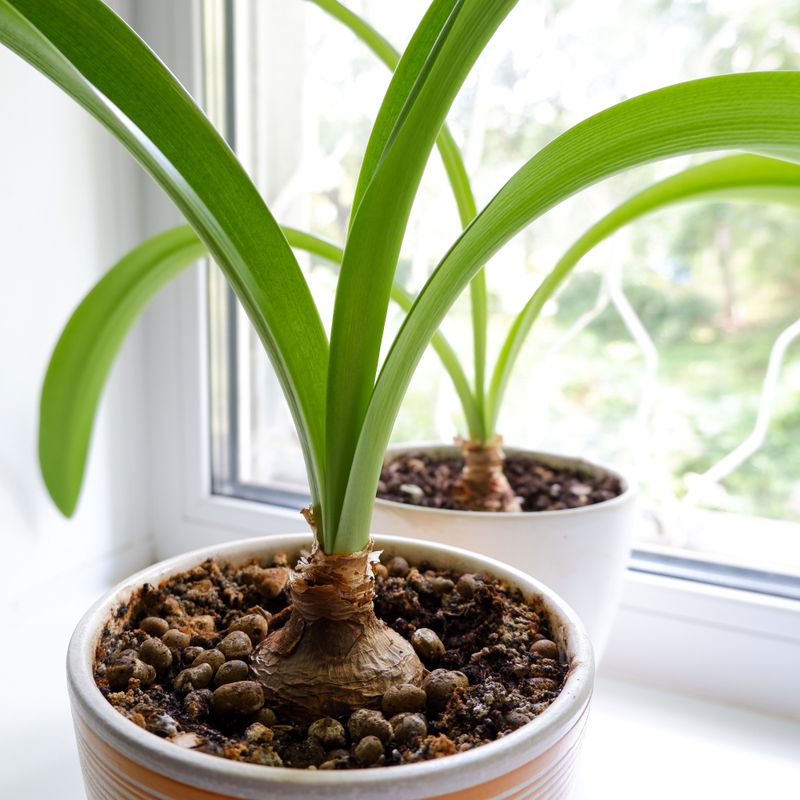
Gardeners who grow amaryllis indoors in North Carolina often discover that this bold, dramatic bulb seems to perform best when the pot leaves only about an inch of space between the bulb and the container wall.
Amaryllis bulbs put a lot of energy into producing those tall flower stalks and wide, trumpet-shaped blooms, and keeping them in a snug pot appears to help focus that energy upward rather than outward into root expansion.
It is one of the more straightforward examples of a plant where pot size genuinely seems to influence flowering performance.
During North Carolina winters, when many houseplants slow down and indoor light levels drop, an amaryllis in a well-fitted pot can still push up impressive flower stalks near a south- or west-facing window.
The limited root space means the potting mix dries out at a reasonable pace, making it easier to water appropriately without overdoing it.
Overwatering an amaryllis bulb, especially when it is sitting in too much extra soil, can lead to soft, unhealthy bulb tissue over time.
After the blooms fade, amaryllis bulbs go through a rest period before cycling back into growth.
During that time, the snug pot continues to work in the plant’s favor by keeping the environment around the bulb stable and manageable.
Repotting is generally worth considering when the bulb has visibly outgrown the container, produced offsets that need separating, or when the potting mix has broken down after several growing seasons.
4. African Violet Flowers Best When Slightly Snug
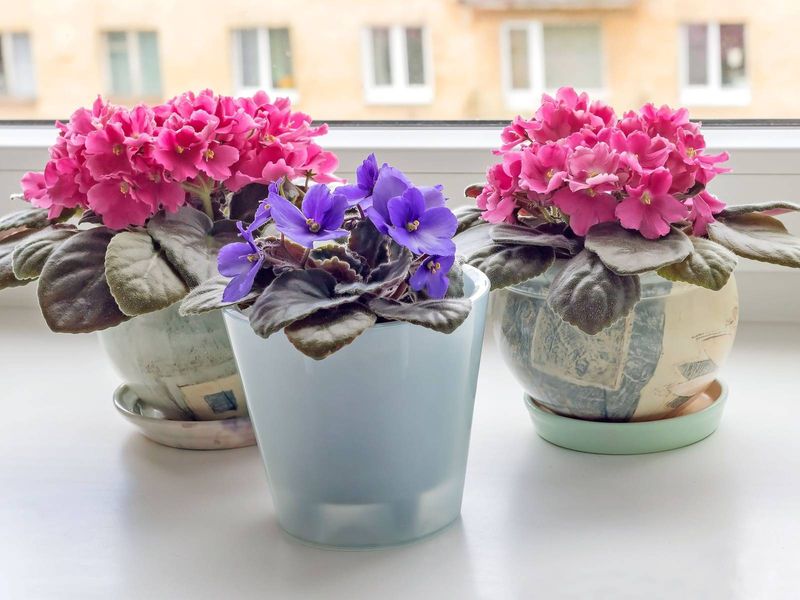
Walk through almost any North Carolina home where someone has been growing houseplants for a while, and there is a good chance an African violet is sitting somewhere near a window, quietly putting out blooms in soft shades of purple, pink, or white.
These compact plants have a well-known preference for smaller pots, and many growers find that African violets bloom more reliably when their roots are comfortably snug rather than spread out in a container with a lot of extra room.
The reasoning behind this preference comes down to how African violets manage moisture and energy.
In a pot that fits the root system closely, the mix dries at a pace that suits the plant’s needs, and the roots do not have to work through large amounts of unused soil.
When there is too much extra potting mix around the roots, moisture tends to linger longer than the plant prefers, which can affect root health over time.
North Carolina’s humid summers can make this even more relevant indoors, especially in rooms without strong air circulation.
African violets also tend to bloom more when they feel settled and slightly crowded rather than when they are adjusting to a lot of new space.
A good rule of thumb is to choose a pot roughly one-third the diameter of the plant’s leaf spread.
If blooming slows, leaves look crowded and misshapen, or the plant has produced several offsets around the base, moving up one small pot size or dividing the plant may be the right next step for North Carolina indoor gardeners.
5. Hoya Does Not Mind A Crowded Pot
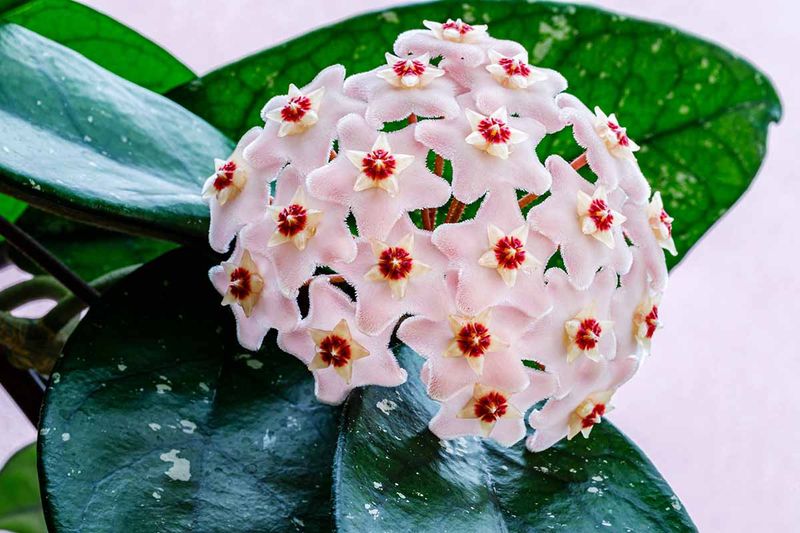
Thick, waxy leaves and clusters of sweet-smelling star-shaped flowers make hoya one of the more rewarding vining plants to grow indoors in North Carolina.
Experienced hoya growers often point out that this plant tends to bloom more reliably when it has been in the same pot for a while.
Hoyas store water in their fleshy leaves and do not rely on a large root system to thrive, which means they can stay in a moderately snug pot for an extended period without showing signs of stress.
In North Carolina sunrooms and bright living rooms, hoyas tend to grow steadily through spring and summer and slow down during the cooler, drier winter months.
During that slower period, a snug pot works well because the mix does not hold excess moisture around roots that are not actively taking up water.
Allowing the soil to dry out between waterings is already part of good hoya care, and a well-fitted container supports that practice naturally.
One interesting detail that hoya growers often share is that the plant may be more likely to produce flower clusters, called peduncles, when it feels settled and slightly root-bound.
Disturbing the roots by repotting too soon can sometimes delay blooming.
That said, if roots are tightly packed and pushing through drainage holes, the potting mix has become very compacted, or the plant is drying out much faster than usual between waterings, those are reasonable signals that a slightly larger container could be helpful.
This is especially worth paying attention to with North Carolina hoyas, where indoor humidity shifts between seasons can put extra stress on a plant that is already struggling for root space.
6. Clivia Prefers Staying Root-Bound
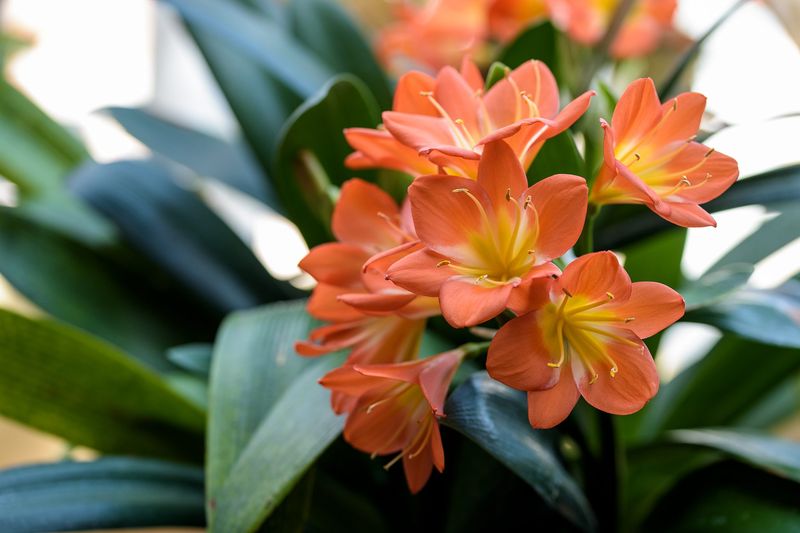
Among flowering houseplants that genuinely seem to prefer staying in a snug container, clivia stands out as one of the clearest examples.
This South African native produces clusters of orange or yellow trumpet-shaped flowers on sturdy stalks, and it has a well-documented tendency to bloom more freely when its thick, fleshy roots are comfortably crowded rather than given lots of extra space.
Many North Carolina indoor gardeners who have grown clivia for several years will say that the plant rewards patience and a hands-off approach to repotting.
Clivia grows slowly and tends to build up a dense root system over time. When the roots fill the pot, the plant often responds by putting energy into flower production rather than root and leaf expansion.
In North Carolina homes during late winter, when natural light begins to return and temperatures slowly rise, a well-established clivia in a snug pot may push up a flower stalk that brings a welcome burst of color to a living room or shaded sunroom.
Keeping a clivia slightly root-bound also makes watering more straightforward, since the mix dries at a pace the plant can handle without sitting in soggy conditions.
Clivia roots are sensitive to overwatering, and too much extra soil around the roots can make that harder to manage.
Repotting is worth considering when the pot appears to be cracking under root pressure, offsets are crowding the base noticeably, or the plant has become difficult to water without it running straight through the drainage hole.
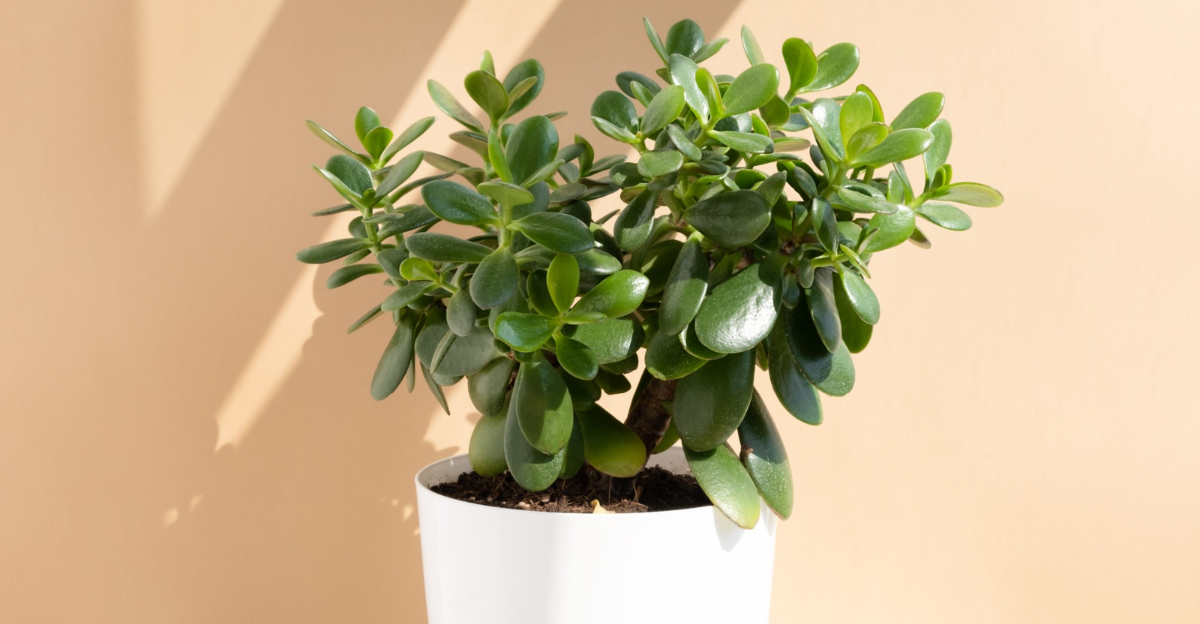
7. Jade Plant Grows Well In Containers
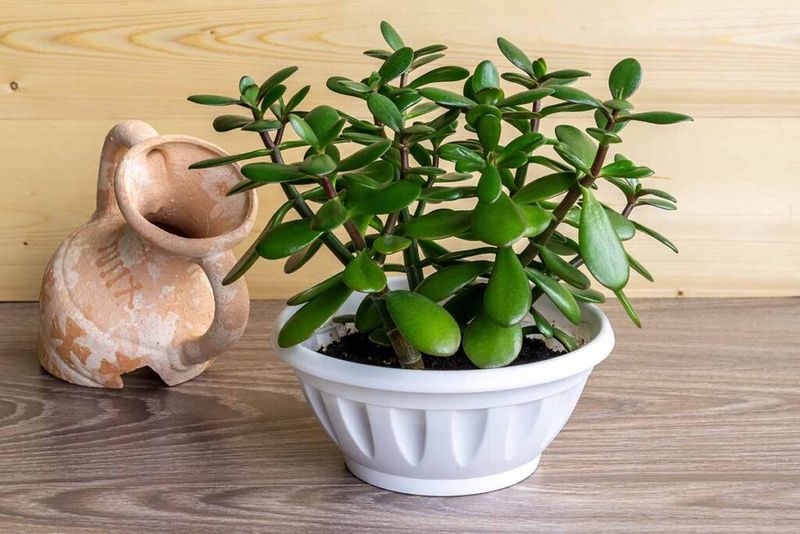
Succulent leaves packed with stored water and a naturally slow growth rate make jade plants one of the most forgiving houseplants you can keep on a North Carolina windowsill, and their relationship with container size reflects that easygoing character.
Jade plants grow slowly enough that they can stay in the same pot for several years without running into serious problems, and many growers find that a moderately snug container suits them well through much of their indoor life.
In North Carolina homes, jade plants often sit near south- or west-facing windows where they can collect several hours of bright light each day.
During the dry winter months when heating systems run frequently, the snug container helps the potting mix dry out at a reasonable pace between waterings.
Jade plants strongly prefer to dry out between waterings, and a pot with too much extra soil can hold moisture longer than the plant needs, which may affect the health of those thick, water-storing roots over time.
One thing worth knowing about jade plants is that they can become top-heavy as they grow taller and branch out, especially in small or lightweight containers.
Using a heavier clay or ceramic pot can help keep the plant stable on a shelf or windowsill.
Repotting makes sense when the plant tips over easily, roots are pushing firmly through drainage holes, or the potting mix has broken down and no longer drains well.
Moving up just one pot size at a time tends to work better than jumping to a much larger container for these steady, long-lived North Carolina houseplants.