Prepare Your Georgia Lantana This Way Before The Brutal Heat Of Midsummer Sets In
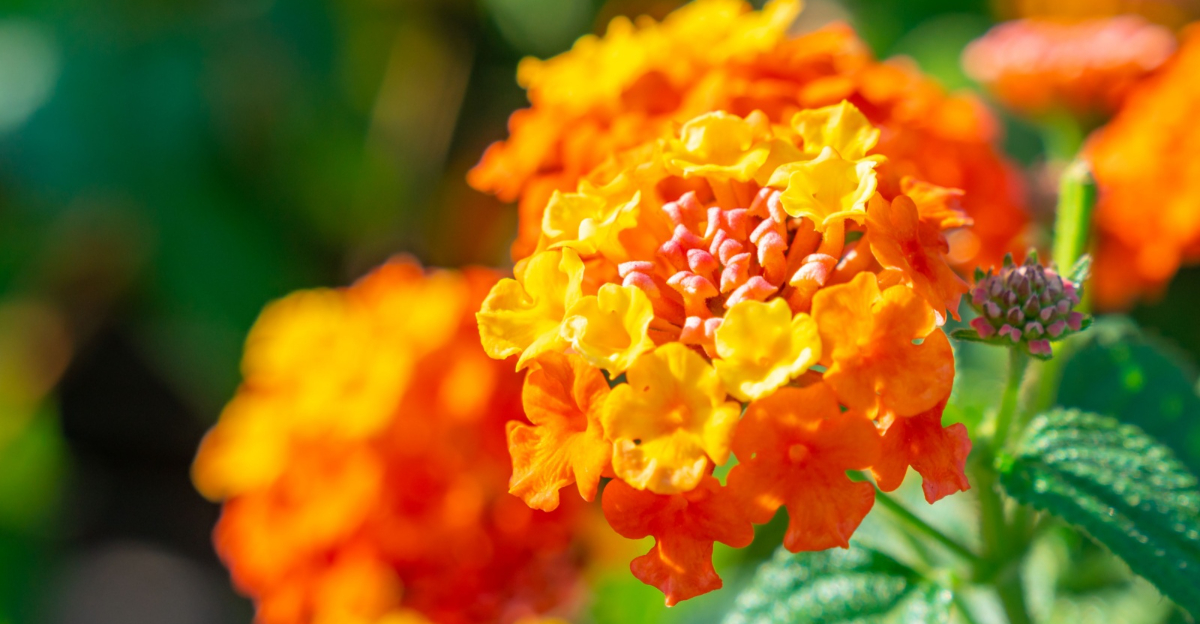
Lantana and Georgia summers were basically made for each other, and if you’ve ever watched this plant bloom confidently through heat that sends everything else in the garden into retreat, you already know what it’s capable of.
But even the toughest flowering plants appreciate a little thoughtful attention before midsummer arrives and temperatures really stop being reasonable.
Late June is actually a great window to set lantana up for its best performance through the hottest weeks ahead.
The focus here is simple and practical: sun, drainage, deep watering during dry stretches, fresh mulch, a light shearing, and a quick pest check.
No heavy pruning, no constant fussing. Georgia lantana mostly rewards a smart, low-intervention approach, and getting those basics right now can keep the blooms coming strong all the way through summer.
1. Make Sure It Has Full Sun
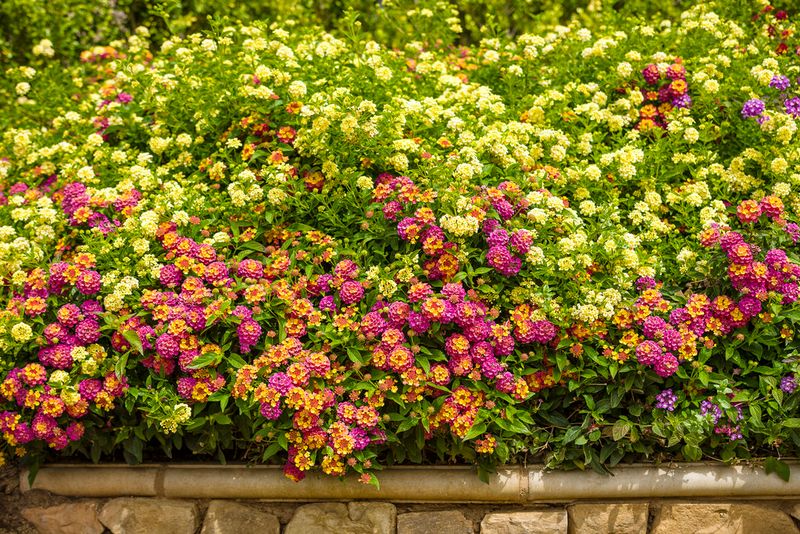
Sunny beds filled with lantana tend to put on the best show all summer long.
If your lantana is sitting in a spot that gets shade for more than a few hours each day, it may start to stretch out, produce fewer blooms, and look a little tired even before the hottest weeks arrive.
Full sun means at least six hours of direct sunlight, and lantana in Georgia often does best with eight or more hours.
Check where your plant sits in the morning and again in the afternoon. Trees that leafed out in spring may now be casting more shade than they did when you first planted.
A spot that looked sunny in April can feel quite different by late June. If a container lantana has shifted into too much shade, moving it to a brighter patio or walkway edge can make a noticeable difference fairly quickly.
Georgia’s long summer days work in lantana’s favor when the plant has room to soak up that light. More sun generally means more flower clusters, better color, and a plant that holds up well through hot, dry stretches.
Pollinators like butterflies and bees tend to visit sun-drenched plantings more often too, which adds another layer of life and activity to your summer garden.
A well-lit spot is one of the simplest things you can give lantana before the real heat sets in.
2. Check That Soil Drains Well
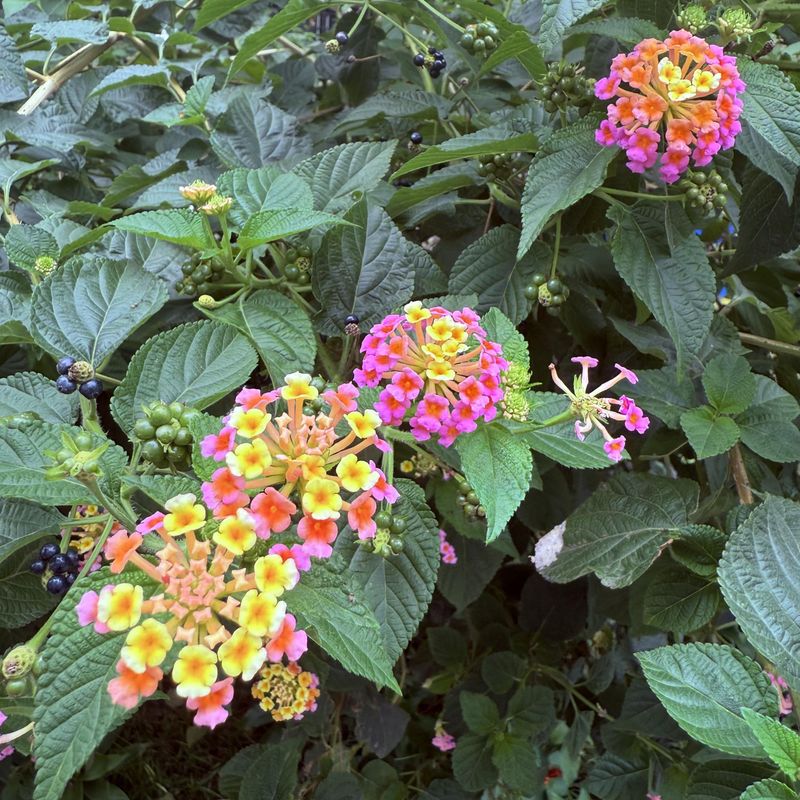
Soggy roots are one of the quickest ways to run into trouble with lantana, especially once Georgia’s summer heat and humidity settle in for good. Lantana prefers soil that drains freely after rain or watering.
When water lingers around the root zone for too long, roots can struggle and the plant may start to look wilted or yellowed even when the soil feels moist.
Walk over to your planting area after the next rain and take a look. If water is pooling around the base of the plant or the soil feels muddy well into the next day, drainage may need attention.
Raised beds, sloped borders, and sandy or loamy soils tend to drain better than heavy clay.
For in-ground plantings in clay-heavy Georgia soils, mixing in organic matter when planting helps, though amending existing beds around established plants takes more care to avoid disturbing roots.
Your Georgia Garden Changes Every Week. Your Plan Should Too.
Gardening in Georgia changes quickly throughout the season. Every Friday you’ll receive a simple weekly plan showing exactly what to plant, prune, fertilize, harvest, and protect so you never miss the right timing.
Container lantana gives you more control since you can adjust the potting mix and make sure the container has adequate drainage holes.
For in-ground plants, a gentle slope away from the planting area or a slightly raised mound can help move water away more effectively.
Getting this detail right before midsummer means your plant will be better positioned to handle both heavy afternoon thunderstorms and the dry spells that often follow them across Georgia landscapes.
3. Water Deeply During Dry Stretches
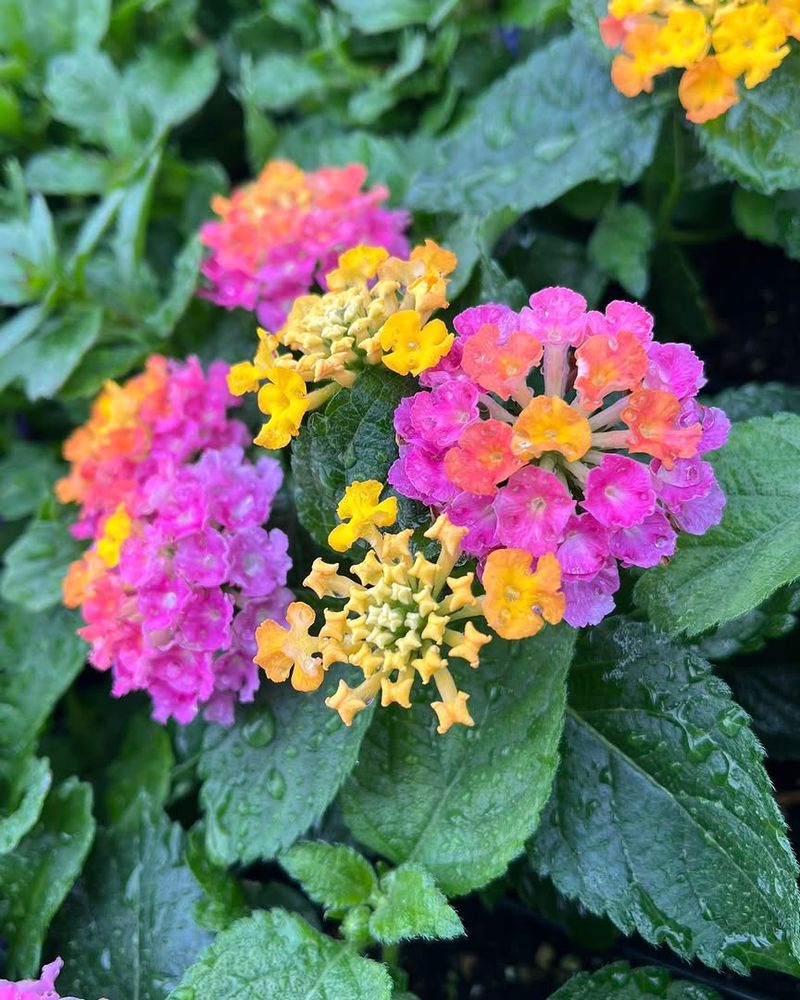
One of the most common mistakes Georgia gardeners make with lantana is watering too often but not deeply enough.
Frequent shallow watering keeps moisture near the surface and encourages roots to stay shallow, which makes the plant more vulnerable when a dry stretch hits.
Deep, less frequent watering pushes moisture further down into the soil and encourages roots to follow, building a stronger foundation for hot weather.
Established lantana handles dry conditions better than newly planted specimens. A plant that went into the ground this spring may still need more consistent watering to get through its first Georgia summer.
Once lantana is well established, it can go longer between waterings, but even tough plants benefit from a good deep soak during extended dry spells that last a week or more.
Aim to water at the base of the plant and let the water soak in slowly rather than running off. A slow trickle for several minutes does more good than a quick splash.
Check the soil a few inches below the surface before watering again. If it still feels slightly cool and damp, the plant likely has enough moisture for another day or two.
If it feels dry and crumbly several inches down, it is time to water. Getting this rhythm right in late June sets lantana up to handle July and August with less stress across Georgia gardens.
4. Avoid Overhead Watering
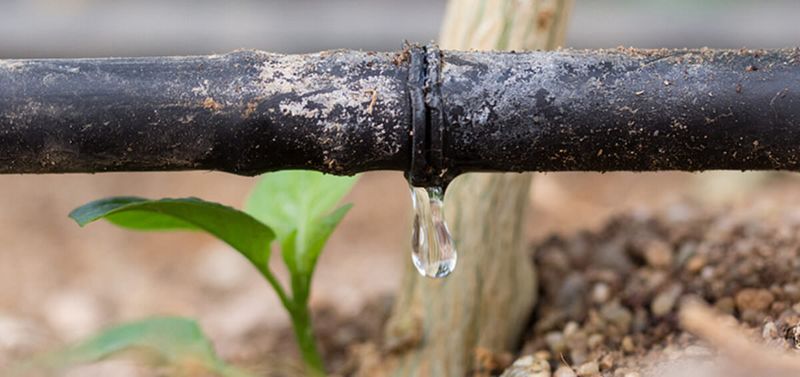
Humid Georgia mornings already create conditions where moisture lingers on leaves longer than it would in a drier climate.
Adding overhead watering on top of that can keep foliage wet for extended periods, which creates a more welcoming environment for fungal issues and can stress the plant heading into the hottest part of summer.
Directing water toward the base of the plant rather than spraying it across the leaves is a straightforward habit that pays off.
Soaker hoses and drip irrigation work especially well for lantana beds because they deliver moisture right where the roots can use it without wetting the foliage at all.
Even a standard garden hose held low and aimed at the soil works better than an overhead sprinkler.
If you use an irrigation system that covers the whole bed, try to run it early in the morning so any water that does land on leaves has time to dry before temperatures rise.
Afternoon watering that leaves foliage wet going into a warm, humid Georgia evening is generally less ideal.
This one adjustment can make a real difference in how clean and healthy your lantana looks through the summer. Dry leaves also tend to be less attractive to certain pests that prefer moist conditions, so the benefit goes beyond just disease prevention.
Keeping moisture at the root level is a simple but meaningful part of good summer lantana care.
5. Refresh Mulch Around The Planting Area
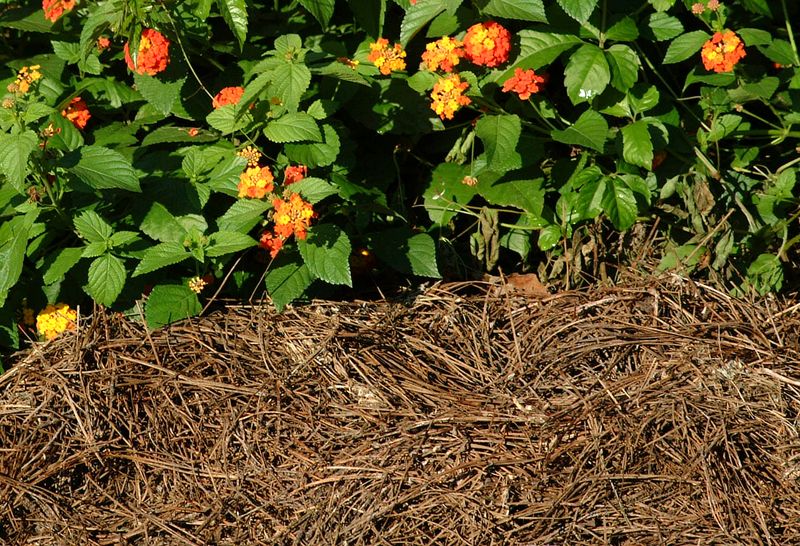
Fresh mulch laid down in late June can do a surprising amount of work for lantana through the rest of summer.
A two-to-three-inch layer of organic mulch around the planting area helps hold soil moisture between waterings, moderates soil temperature during Georgia’s intense afternoon heat, and slowly breaks down to add a little organic matter to the soil over time.
Pine bark, pine straw, and shredded hardwood are all commonly used mulch options across Georgia landscapes. Pine straw in particular is widely available and works well in beds and borders.
Whatever type you use, keep the mulch pulled back a couple of inches from the base of the stem. Piling mulch directly against the stem can trap moisture against the plant and create conditions that invite rot or pest activity near the crown.
If mulch from earlier in the season has thinned out, broken down significantly, or blown away, topping it off now before peak heat arrives is a good use of an hour on a mild morning.
The difference in soil temperature under a fresh layer of mulch versus bare soil can be meaningful during a Georgia July.
Cooler soil around the root zone helps the plant manage heat stress more effectively. It also reduces how often you need to water, which saves time and keeps the root zone from cycling between too wet and too dry throughout the summer.
6. Lightly Shear Tip Growth For More Bloom
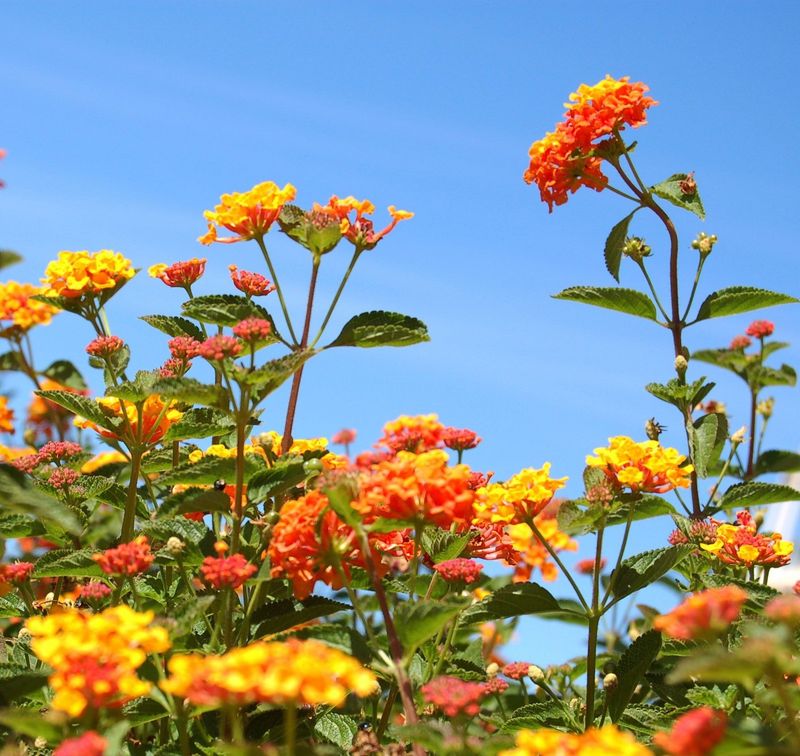
Faded flower clusters sitting on the tips of lantana stems are a sign that a light shearing could help push the plant into a fresh wave of blooming.
Lantana does not require deadheading the way some annuals do, but a gentle trim across the outer tips of the plant in late June can encourage new growth and more flower buds before midsummer heat peaks.
The key word here is light. Removing just the top few inches of stem growth, including spent blooms and soft new tips, is enough to stimulate the plant without stressing it heading into the hottest stretch of summer.
Heavy pruning in midsummer can set lantana back significantly, leaving it with less foliage to manage heat and recover from. Save any major shaping for early spring or fall when temperatures are more forgiving.
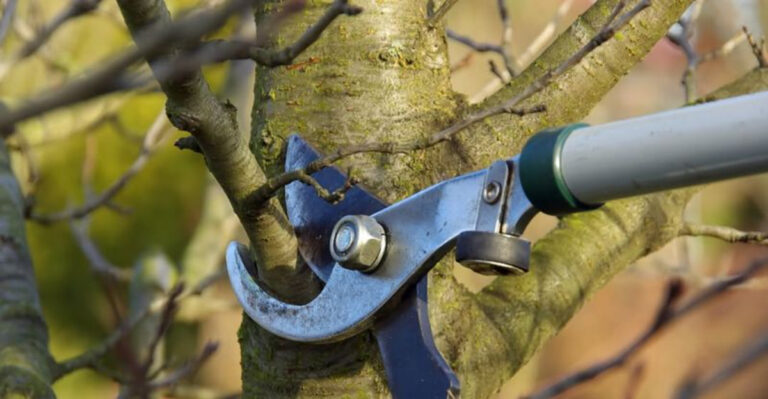
A pair of clean, sharp hand pruners or even a set of hedge shears works well for this kind of quick trim.
After shearing, you may notice the plant looks a bit bare for a week or two, but new growth tends to come in relatively quickly on healthy lantana in warm Georgia weather.
Pollinators appreciate fresh blooms too, so a light shearing in late June can mean more butterfly and bee activity in your garden through July and August.
It is a small effort that tends to pay off with a more colorful, productive plant all the way into fall.
7. Avoid Heavy Fertilizer Before Peak Heat
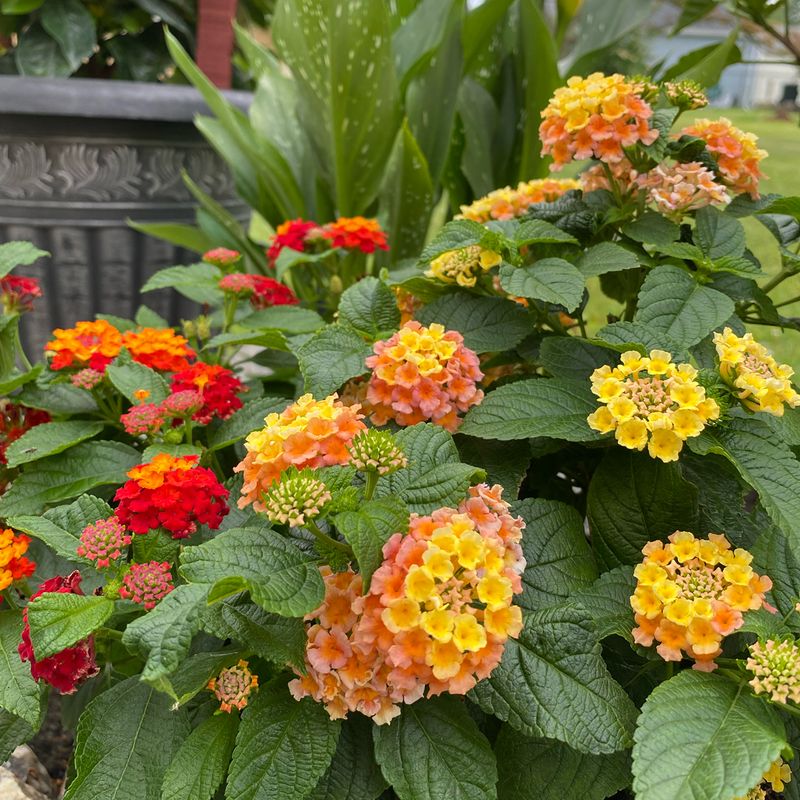
Reaching for a bag of high-nitrogen fertilizer before midsummer might seem like a good way to push lantana into more growth, but it can actually work against the plant when temperatures are climbing.
Heavy nitrogen fertilization encourages a flush of soft, leafy growth that is more vulnerable to heat stress and can make the plant less focused on producing the flowers you actually want to see.
Lantana is naturally adapted to leaner soil conditions. It tends to bloom more freely when it is not being pushed with heavy feeding.
If you fertilized lightly in spring when you first planted or as growth resumed, that application has likely given the plant what it needs to carry it through the summer in most Georgia soils.
Adding another heavy dose right before peak heat can do more harm than good.
If you feel the plant genuinely needs a boost, a light application of a balanced, slow-release granular fertilizer used at or below the label rate is a more measured approach.
Slow-release formulas feed gradually rather than delivering a sudden surge of nutrients that the plant has to process during stressful conditions.
Container lantana may need slightly more regular feeding than in-ground plants since nutrients wash out of potting mix more quickly.
Even then, keeping fertilizer applications modest through the hottest weeks of a Georgia summer tends to produce better results than aggressive feeding schedules.
8. Inspect Leaves And Flowers For Lace Bugs
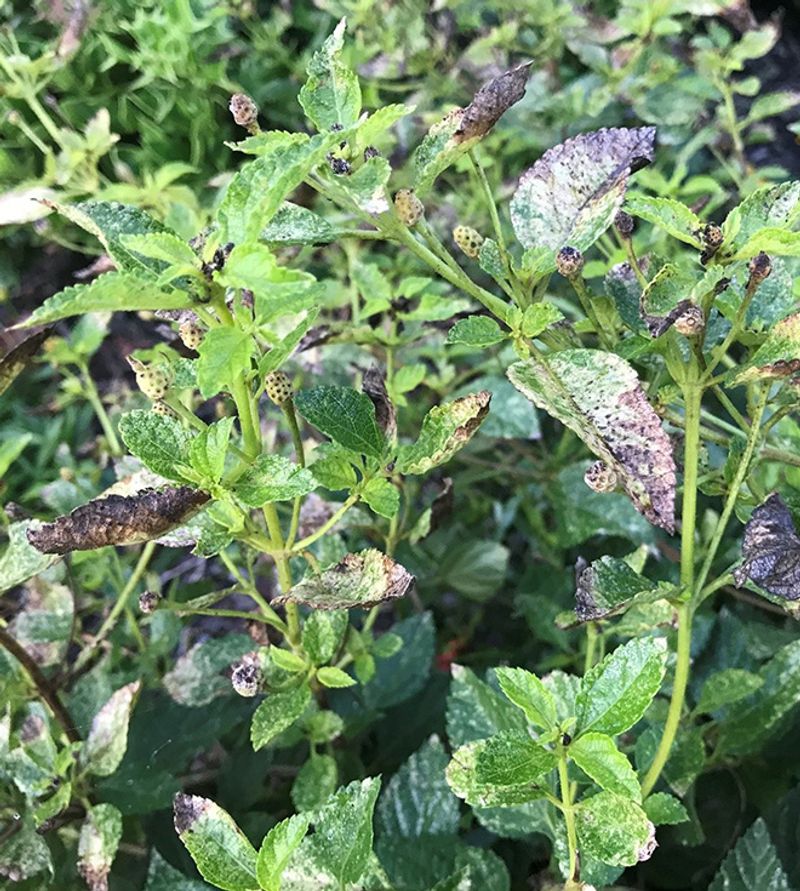
Speckled, washed-out leaves on lantana are often the first sign that lace bugs have moved in.
These small insects feed on the undersides of leaves, piercing plant tissue and drawing out sap, which leaves a distinctive stippled or bleached pattern on the upper leaf surface.
In Georgia, lace bug activity tends to pick up as summer heat and humidity build, making late June a useful time for a careful inspection.
Flip a few leaves over and look closely at the undersides. Lace bugs are small, but their lacy-winged appearance is distinctive under close observation.
You may also notice dark, sticky droppings on the leaf undersides, which is another sign of active feeding.
Plants under drought stress or growing in less than ideal conditions tend to be more susceptible, which is another reason getting other care details right before midsummer matters.
Catching a lace bug problem early gives you more options for managing it before the population builds. A strong spray of water directed at the leaf undersides can knock many insects off the plant.
For more persistent infestations, insecticidal soap or neem oil applied according to label directions can help reduce populations without heavy chemical intervention. Repeated applications are often needed since eggs hatch in cycles.
Keeping lantana healthy through proper watering, mulching, and sun exposure makes it more resilient and better able to handle minor pest pressure through Georgia’s long, hot summer season.