How Arizona Fig Growers Can Prune While Protecting Potential Crops
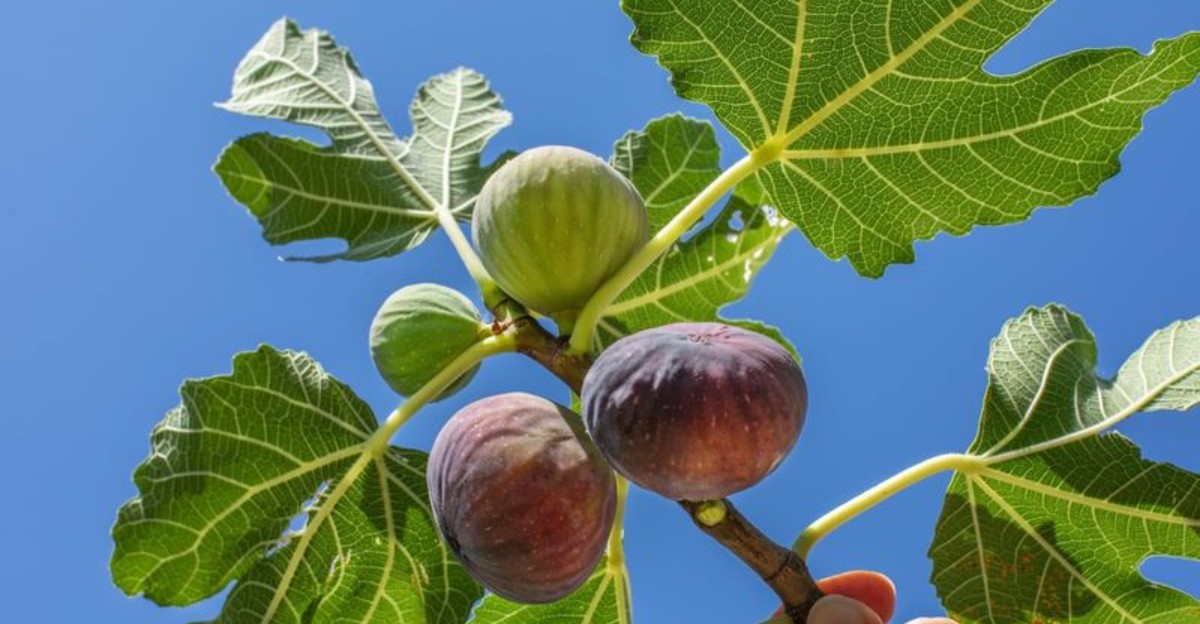
Fig trees in Arizona can look wild by winter, and the urge to grab the loppers is strong. But the wrong cut can take away figs you were counting on.
Knowing when to prune and which wood to leave alone keeps your tree healthy and your crop options open.
When Arizona fig growers should prune
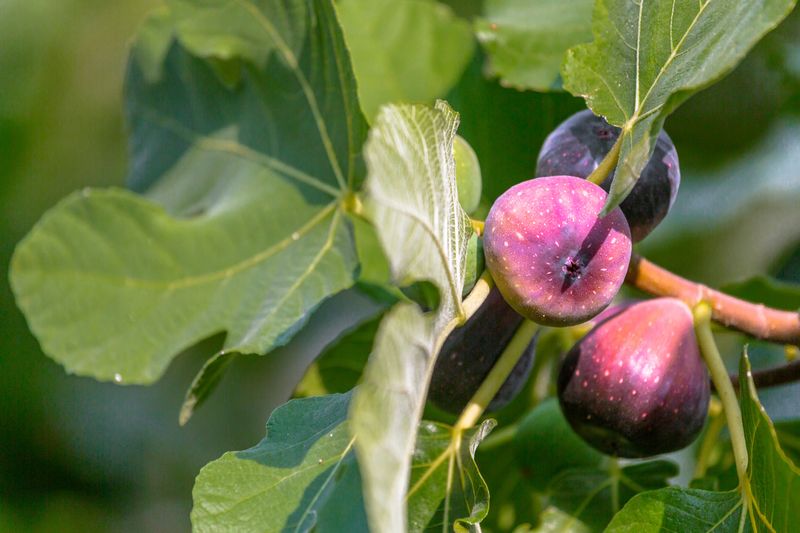
Arizona has no single statewide date for fig pruning. Where you live decides the calendar.
Current guidance for Southern Arizona says to prune after the second crop has been harvested, which keeps you from cutting wood that still has fruit on it.
In colder parts of the state, the advice shifts. Wait until the coldest part of winter has passed before making any necessary cuts.
Fresh wounds and new growth are more exposed to hard freezes, so patience protects the tree.
Crop timing helps you plan. In the low desert, figs often ripen in an early crop around late June and a later crop in August or September.
Those are typical windows, not promises, since each tree and each year can run differently.
A practical approach: watch your own tree. Note when your last figs come off, then plan your cuts after that if you garden in Phoenix, Tucson, or similar warm areas.
If you garden in Flagstaff-area cold or high-elevation spots, hold off until the worst freezes are behind you, and keep cuts to what is truly needed.
The two crops grow on different wood
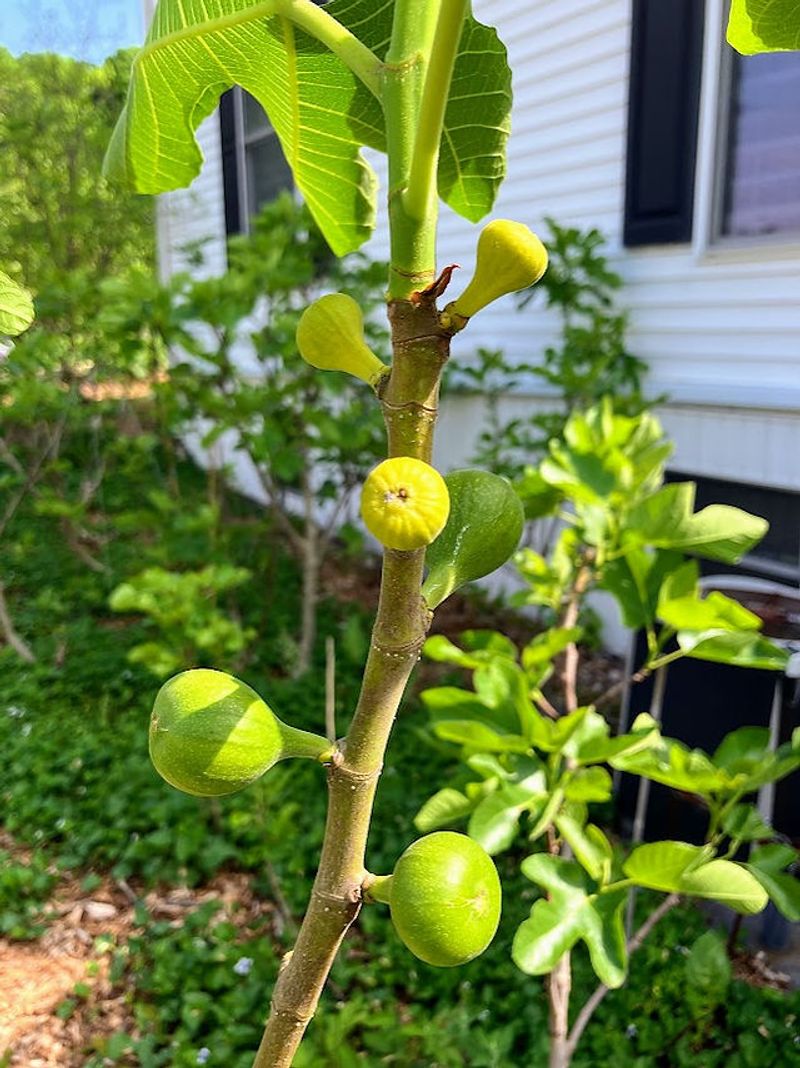
Fig trees can carry two crops, and each one grows in a different spot. The early crop forms on last year’s wood.
The later crop forms on the current season’s growth, the green shoots that push out in spring and summer, as described in University of Arizona fig guidance.
That split matters when the loppers come out. Cutting back older branches can remove the wood that would have carried early figs.
You may lose some or all of that first harvest from the trimmed branches.
The later crop is a different story. Because it rides on new growth, removing old wood does not necessarily wipe it out.
The tree can still push fresh shoots and set figs on them.
Picture a grower who shortens every branch by half in January. The tree may leap with lush new shoots, but the early crop that sat on those older tips is gone.
Indiscriminate shortening trades a sure early harvest for a maybe, which is the opposite of what most home growers want.
Choose selective maintenance over heavy shortening
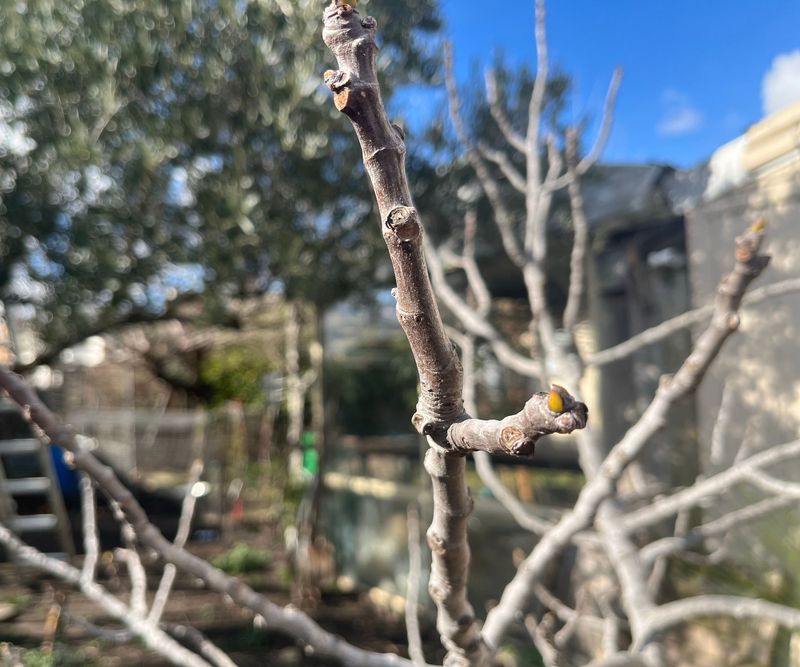
Figs need little pruning to produce fruit. The goal is to keep the tree in good shape, not to force it to fruit.
Low-desert guidance cautions against heavy winter pruning for this reason.
Start with branches that are damaged, broken, or clearly unhealthy. Then look for limbs that crowd the center or rub against each other, and thin only as needed to keep the canopy reasonably open.
Open canopies make picking easier and let air and light reach the fruit.
Your Arizona Garden Changes Every Week. Your Plan Should Too.
Gardening in Arizona changes quickly throughout the season. Every Friday you’ll receive a simple weekly plan showing exactly what to plant, prune, fertilize, harvest, and protect so you never miss the right timing.
Skip the urge to shorten every branch. Doing so can take off early-crop wood, and a flush of new shoots afterward is not the same as more figs.
California pruning guidance notes that figs tolerate a range of pruning, yet heavy cuts can dwarf a tree.
Think of pruning as housekeeping. It manages size, safety, and structure.
It does not promise a bigger crop, and heavier cutting is not a shortcut to one.
Make branch-removal cuts without damaging the collar
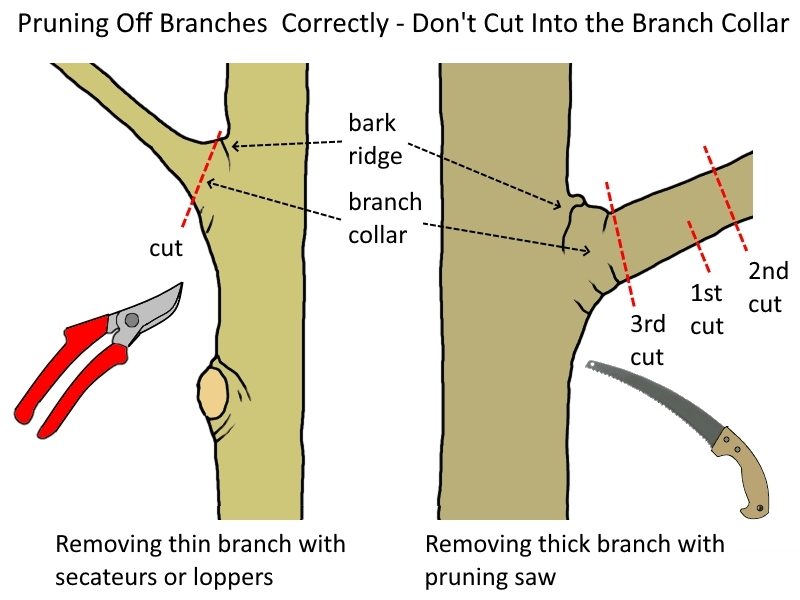
Where you cut matters as much as what you cut. At the base of every branch is a slightly swollen ring of tissue called the branch collar.
Leave it in place, as Arizona tree pruning guidance recommends, rather than slicing flush against the trunk.
Cutting flush leaves a larger wound, and the tree has a harder time sealing it. A cut just outside the collar is smaller and heals more cleanly.
Large limbs add a second problem: their weight can peel bark down the trunk as they fall. The three-cut method helps prevent that tearing, and is also mentioned in the fig guide.
First, make an undercut a short distance out from the trunk, about a third of the way through the limb. Second, cut from the top a little farther out, so the limb drops away.
Third, remove the remaining stub with a final cut just outside the collar. Keep tools sharp so the cuts stay clean.
Protect skin from fig sap
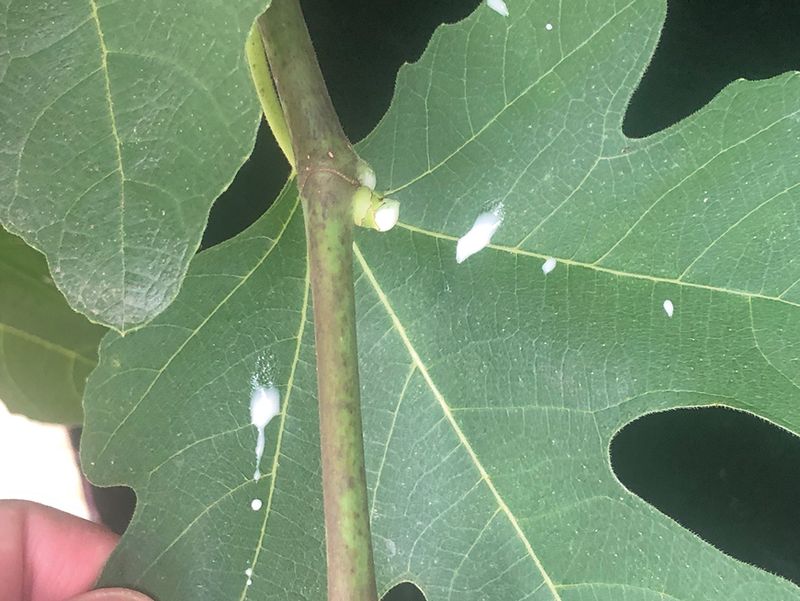
Before any pruning session, cover up. Long sleeves, long pants, and sturdy gloves keep fig sap off your skin.
A hat and eye protection are smart too, since cut branches can flick sap as they move.
The reason is simple. Fig sap contains compounds that react to sunlight.
A peer-reviewed case report describes a severe, sunburn-like skin reaction after fig sap and ultraviolet exposure. Arizona sun is strong, so the setting is worth respecting.
This does not mean every pruner will react. Serious cases are not common.
Still, covering skin is an easy habit that removes the worry.
Keep a hose or wet cloth handy, and rinse sap off any bare skin soon after contact. Wash tools and gloves when you finish.
If you notice a painful, blistering rash after working with figs, talk with a medical professional rather than guessing at a home remedy.
Pruning does not guarantee a bigger harvest
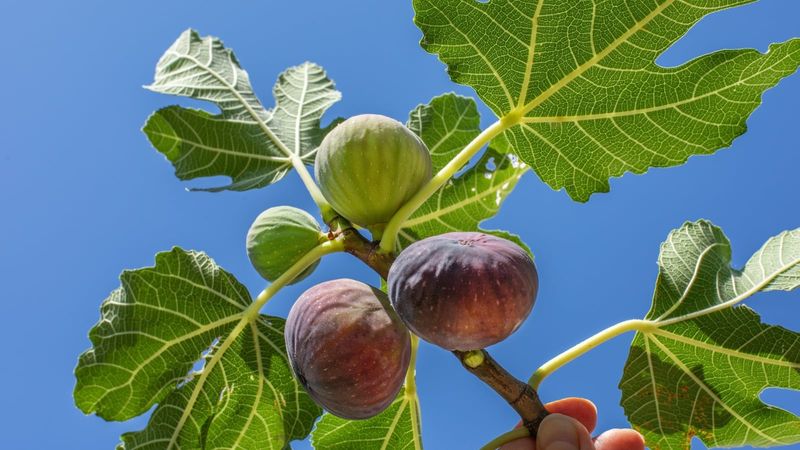
No single winter cut has been shown to make next summer’s harvest bigger. What the guidance supports is tree care: remove damaged branches, thin crowded growth, and keep the canopy workable.
Arizona fig guidance points the same direction.
So the takeaway is practical. Match your timing to your region, with Southern Arizona growers pruning after the second crop and colder-area growers waiting until the worst of winter has passed.
Keep older wood when you can, since it carries the early crop.
Harvest also depends on the tree, the season, water, and weather, none of which a pruning saw controls. Low-desert guidance treats pruning as light work, not a yield trick.
A fig that gets a few thoughtful cuts and steady care will often outperform one that gets hacked back hard. The best fig pruner is usually the one who stops early.