The Most Underrated Native Ohio Evergreen For Small Yards
Garden centers keep pushing the same three evergreens for small Ohio yards, and half of them outgrow the spot within five years.
Meanwhile, a low, tidy shrub sits quietly in the native plant world, ignored by almost everyone who shops for foundation plantings.
It stays compact, handles shade that makes other evergreens sulk, and takes on a warm bronze glow through the bleakest weeks of the year.
Cold Ohio winters rarely bother it much.
You’d expect a plant with that résumé to be everywhere. It isn’t, and the reason has little to do with how well it performs.
A few facts about it deserve a read before you buy, since this one comes with a catch most nurseries mention only in the fine print.
Skim the tag before it goes in your cart. Small yards need smart picks.
Meet Canada Yew, A Native Most Gardeners Never Plant
Deep in an Ohio ravine, under tall hemlocks, a low green shrub has been quietly doing its thing for centuries. Its name is Canada Yew, or Taxus canadensis, and it belongs here as much as the buckeye does.
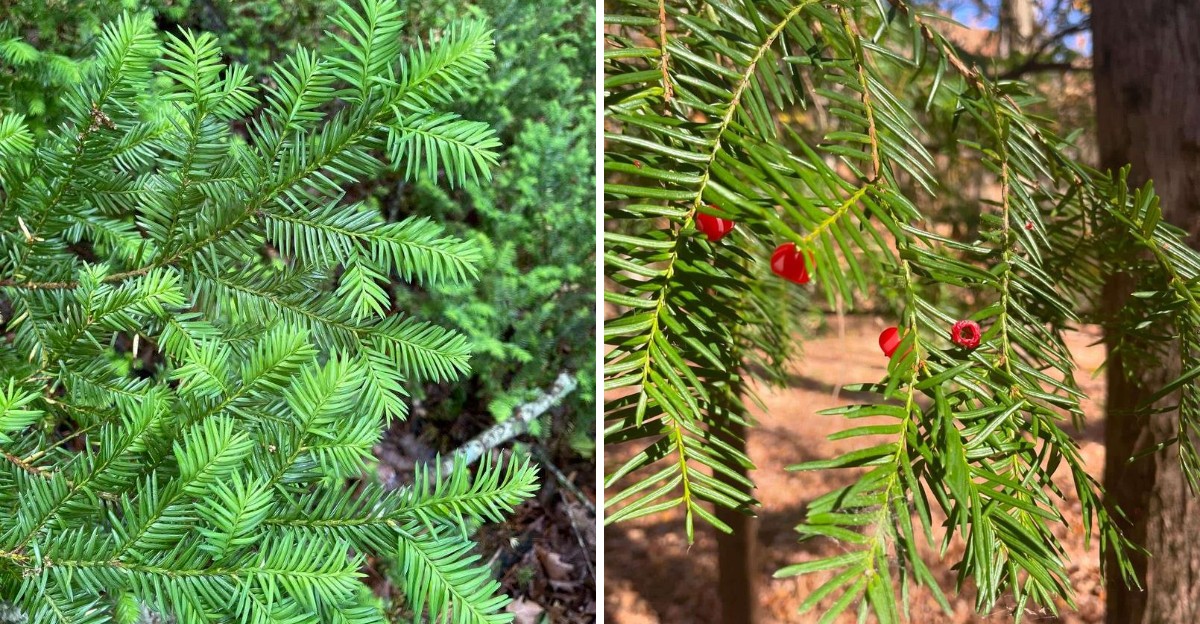
You might also hear it called American Yew or Ground-Hemlock. Those nicknames hint at its look, with flat green needles and a habit of hugging the forest floor.
In the wild, it grows on wooded bluffs, shady slopes, and cool spots near lake shores. Across Ohio, it shows up in scattered pockets, mostly in the northeast part of the state.
So why do so few gardeners plant it? Part of the reason is speed, since this shrub grows slowly and does not give the instant results many people want.
Deer also love to munch on it, and the plant carries toxins that make some families nervous. Garden centers tend to stock flashier imported yews instead, so the native one rarely gets a spot on the shelf.
Still, slow and steady has real perks in a small yard. You get a tidy evergreen that will not swallow your sidewalk, plus a plant that local birds and wildlife already recognize.
Ask a native plant nursery to track one down for you. Many specialty growers in Ohio carry it, especially in spring when planting season kicks off.
It Stays Low, Usually Under 5 Feet Tall
Ever planted a cute little shrub, only to watch it tower over your windows five years later? Canada Yew spares you that headache.
Most plants settle in at about 1 to 5 feet tall, with a few reaching 6 feet. On rare occasions one might stretch to 8 feet, but that is unusual.
Compare that to the big upright yews sold at many stores, which can climb past 15 feet. The native version keeps things cozy and close to the ground.
A short height opens up lots of design choices in a tight space. Tuck it under a window, along a shady foundation, or in front of a fence without worrying about blocked views.
Your Ohio Garden Changes Every Week. Your Plan Should Too.
Gardening in Ohio changes quickly throughout the season. Every Friday you’ll receive a simple weekly plan showing exactly what to plant, prune, fertilize, harvest, and protect so you never miss the right timing.
It also means far less pruning. Many homeowners spend weekends hacking back overgrown shrubs, while this one mostly minds its own business.
Here is a handy tip for planning your bed. Measure the spot where you want it, and picture a plant about knee to waist high when fully grown.
Pair it with taller shade lovers, like serviceberry or pagoda dogwood, to create layers. The yew becomes the low green base, while the small trees add height and spring flowers above it.
Kids and short visitors will love it too. Nothing feels more friendly than a hedge you can actually see over.
It Spreads Wider Than It Grows Tall
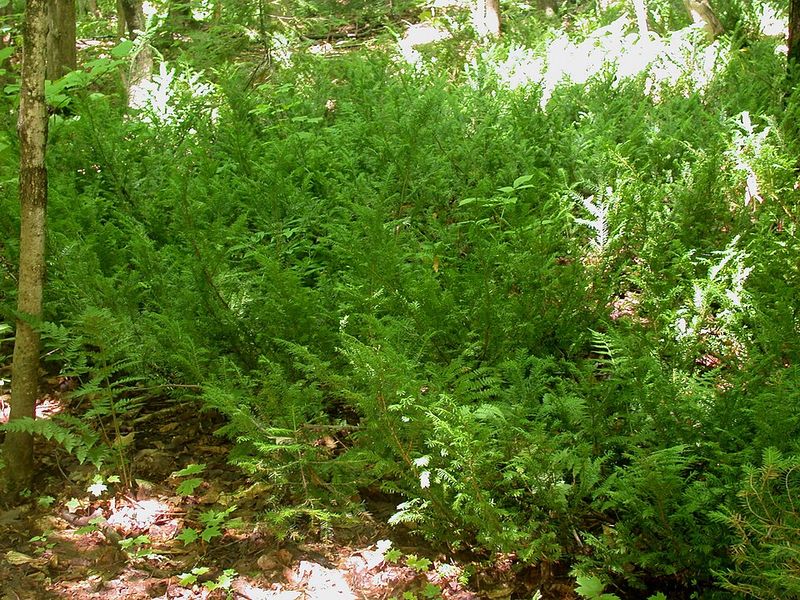
Think of Canada Yew as a relaxed houseguest who likes to stretch out on the couch. Instead of reaching for the sky, it sprawls sideways in a broad, low mound.
A mature plant often spreads 6 to 8 feet across. That is usually wider than it is tall, sometimes by a lot.
For small yards, this shape works like a living groundcover with extra body. One or two plants can fill a shady patch that would otherwise need dozens of tiny perennials.
Spacing matters, though. Give each shrub about 5 to 6 feet of room so the branches can weave together without crowding nearby plants.
The spreading habit also looks soft and natural. Branches arch and layer, creating a gentle, wavy surface that reminds you of a forest floor.
Because it grows slowly, the full width takes several years to reach. Fill the gaps in the meantime with ferns, wild ginger, or woodland phlox, which enjoy the same conditions.
Keep it away from narrow paths where it might brush against legs later on. A spot along the edge of a bed or a shady slope suits its lazy sprawl best.
Light trimming can shape the edges if needed. Just snip individual branches back to a side shoot instead of shearing it into a stiff box.
Shade Is Where It Truly Thrives
That dark corner on the north side of your house might be the best real estate in your yard. At least, Canada Yew thinks so.
This shrub evolved under thick forest canopies, where sunlight arrives in small, dappled patches. It flourishes in partial to full shade, places where many evergreens turn thin and sad.
Moist, cool soil makes it happiest. Think of the rich, leafy ground you find on a hike through a shady Ohio gorge.
Strong afternoon sun is a different story. Hot rays can stress the needles, turning them yellow or scorched, so morning sun with afternoon shade is the safest bet if you have any brightness at all.
To copy its woodland home, add a 2 to 3 inch layer of shredded leaves or bark mulch around the base. The mulch keeps roots cool and holds in moisture during summer dry spells.
Water deeply during its first two years, especially in July and August. Once settled, it handles normal Ohio rainfall well, though long droughts call for a good soak.
Good spots include under mature oaks or maples, beside a shaded patio, or along a fence that blocks the sun. Spaces under decks with some open light can work too.
Turning a gloomy gap into a green retreat feels pretty great. Your shade problem just became a planting opportunity.
Its Needles Take On A Reddish-Bronze Tint In Winter
Snow falls, the maples go bare, and suddenly your yew starts wearing a cozy winter sweater. Its needles shift from deep green to a warm reddish-bronze shade.
Some new gardeners panic when they see this change. Relax, because the color is normal and simply shows the plant protecting itself from cold and bright winter light.
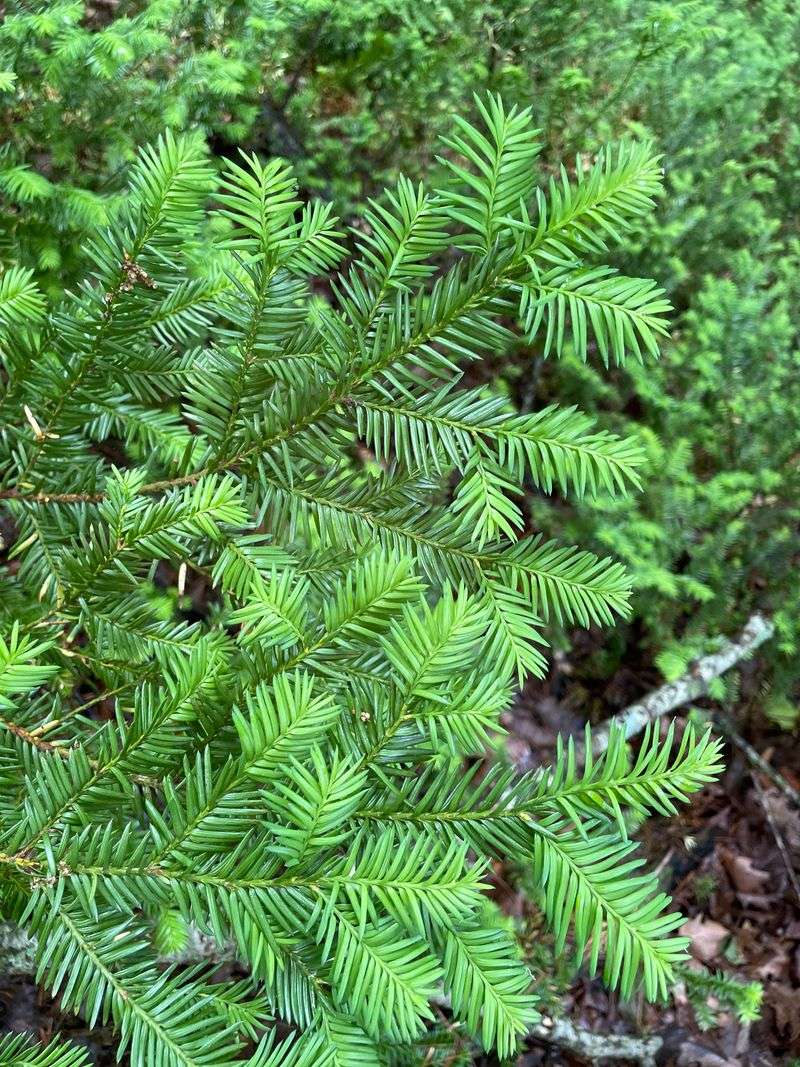
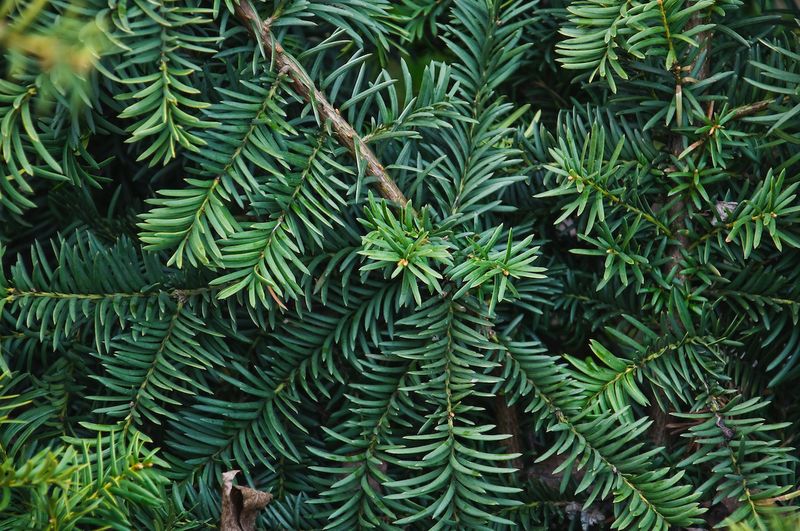
During the growing season, the needles are flat, soft, and dark green. Each one measures about 3/8 to 1 inch long, lined up neatly along the twigs.
Young twigs add their own charm, starting green or yellowish before turning reddish-brown as they age. Up close, the branches look almost like they have been painted by hand.
That bronze glow pairs beautifully with other winter features. Try it near red-twig dogwood, gray boulders, or the white bark of a nearby birch for a striking scene.
Plants in more exposed, sunny spots often show stronger color. Those tucked in deep shade may stay greener, so location changes the look a bit.
When spring warms the soil, the green returns. Fresh, bright new growth appears at the branch tips, and the whole plant looks refreshed.
Fun fact: Ground-Hemlock is one of its old nicknames, partly because the flat needles resemble hemlock foliage. Unlike a hemlock, though, it changes outfits with the seasons.
Red Berry-Like Cups Draw Songbirds In Late Summer
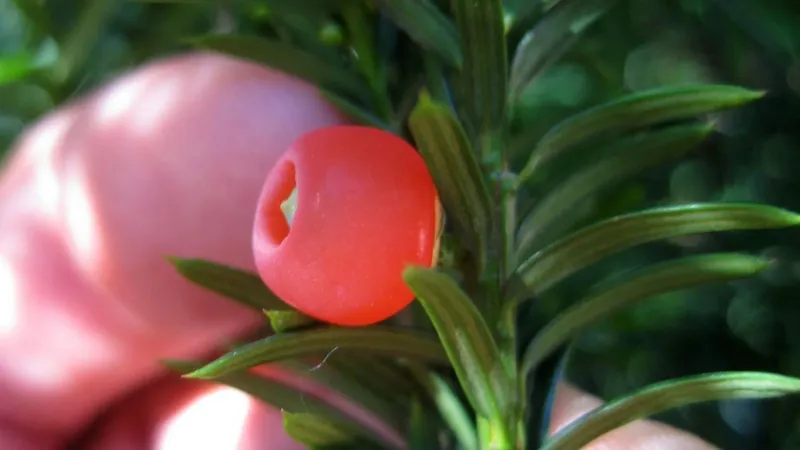
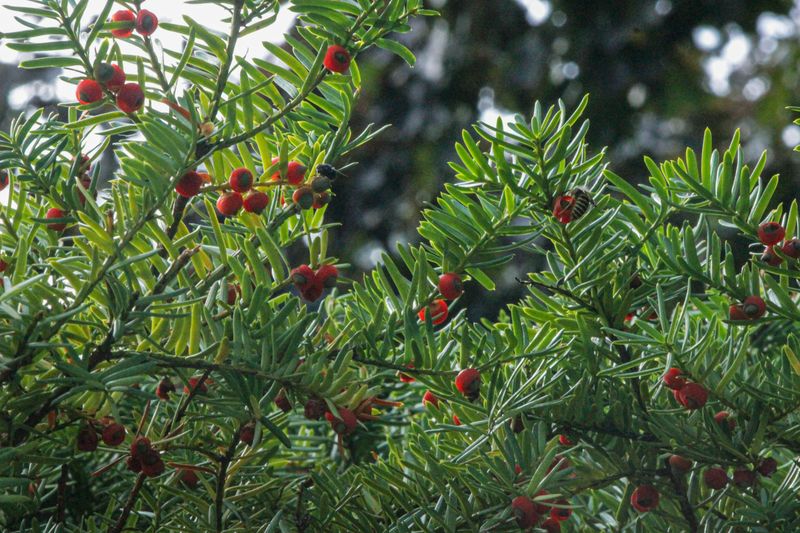
Late summer brings a little surprise tucked among the green needles. Tiny red cups, glossy as candy, start popping out on female plants.
These are not true berries. Botanists call them arils, which are fleshy cups that partly wrap around a single seed.
Birds notice them fast. Cedar waxwings, robins, and ruffed grouse are among the visitors that come for a snack.
After eating, the birds carry seeds to new places, helping the shrub spread across the woods. It is a neat partnership that has gone on for thousands of years.
Unlike most yews, Canada Yew plants often carry both male and female parts, so a single shrub may produce those red cups on its own.
Planting a small group still raises your chances of a good crop, and it fills a shady spot faster too.
Watching waxwings land on your shrub is a real treat. Place a bench or window seat nearby, and you may catch flocks passing through in August and September.
A bird bath close by makes the spot even more inviting. Clean water and fresh fruit together turn a quiet shade bed into a busy feeding stop.
One quick reminder for families. The red flesh may look tempting, but the seed inside is highly poisonous, so teach children to admire the berries with their eyes only.
Low Branches Can Root And Fill In Bare Ground
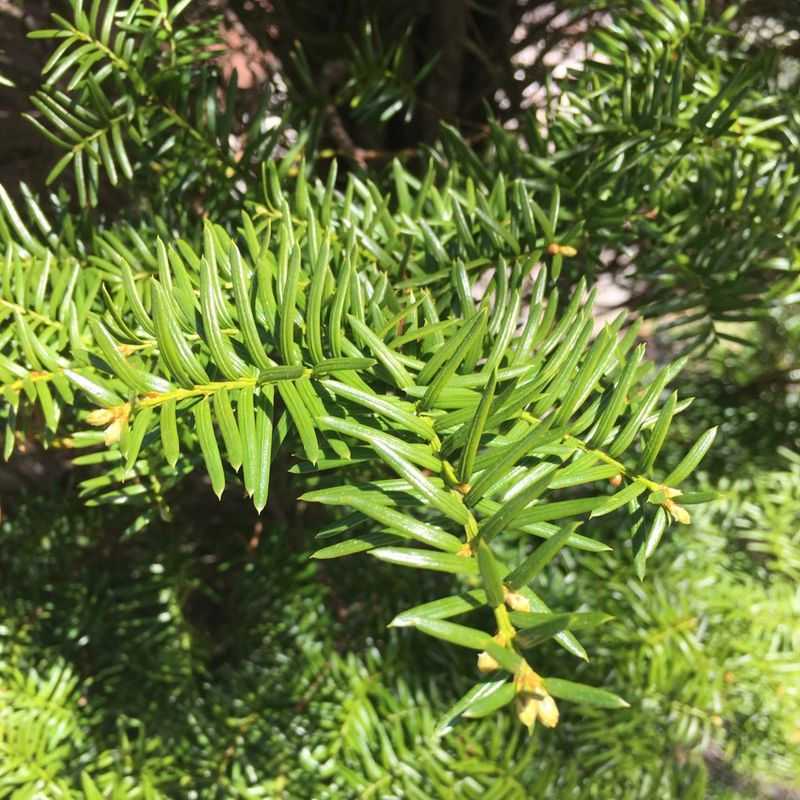
Here is a party trick most shrubs cannot pull off. When a low branch of Canada Yew rests on the soil long enough, it can grow roots right where it touches.
Gardeners call this layering. Over time, that rooted branch can become its own plant, an exact copy of the parent.
In the wild, this is how the shrub forms dense patches and small colonies on forest floors. Slowly, year after year, it knits together a thick evergreen mat.
In a small yard, this talent helps fill bare spots without buying more plants. Shady ground under trees, where grass struggles, slowly becomes green again.
You can give nature a nudge. Bend a flexible low branch down, scrape a little bark on the underside, and pin it to the soil with a U-shaped wire or a small rock.
Cover that spot with an inch of soil and keep it moist. Roots may take a year or more to form, so patience is part of the deal.
Once roots are strong, snip the branch from the parent plant. Leave it in place, or dig it up gently and move it to another shady spot.
Free plants are hard to beat. Share extras with neighbors and you will help bring a forgotten Ohio native back into more yards.
Deer Find It Tasty, So Plan On Protection
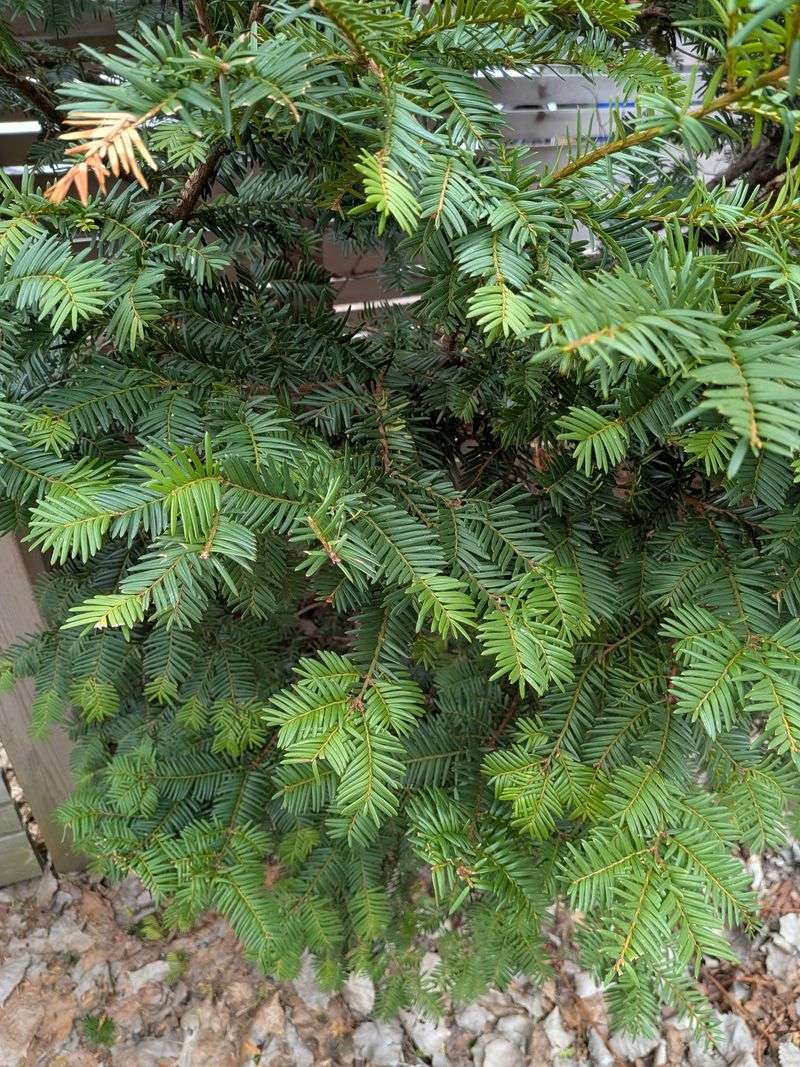
Plant a Canada Yew in deer country, and you may wake up to a shrub that looks like it got a bad haircut. White-tailed deer treat it like a favorite snack.
That surprises many people, since the plant contains toxic compounds. Deer still browse it heavily, and experts list it as frequently severely damaged.
Winter is the riskiest season. When other food is buried under snow, a green, leafy yew becomes a buffet.
Because the shrub grows slowly, repeated nibbling can set it back for years. Protection pays off, especially while the plant is young.
Fencing works best if deer visit often. A simple ring of wire mesh or plastic deer netting around each shrub can do the job, as long as it stands taller than a browsing deer can reach over.
Burlap wraps help in winter, too. Wrap loosely around stakes from late fall to early spring, so air can still move through the branches.
Repellent sprays are another option. Switch brands now and then, since deer can get used to one smell, and reapply after heavy rain.
Placement can lower the risk as well. Planting near your front door, a busy patio, or a fenced backyard keeps it in spots deer tend to avoid.
Watch for chewed tips with ragged edges. Spotting early damage lets you add protection before the problem grows.
It’s Toxic To Pets And People
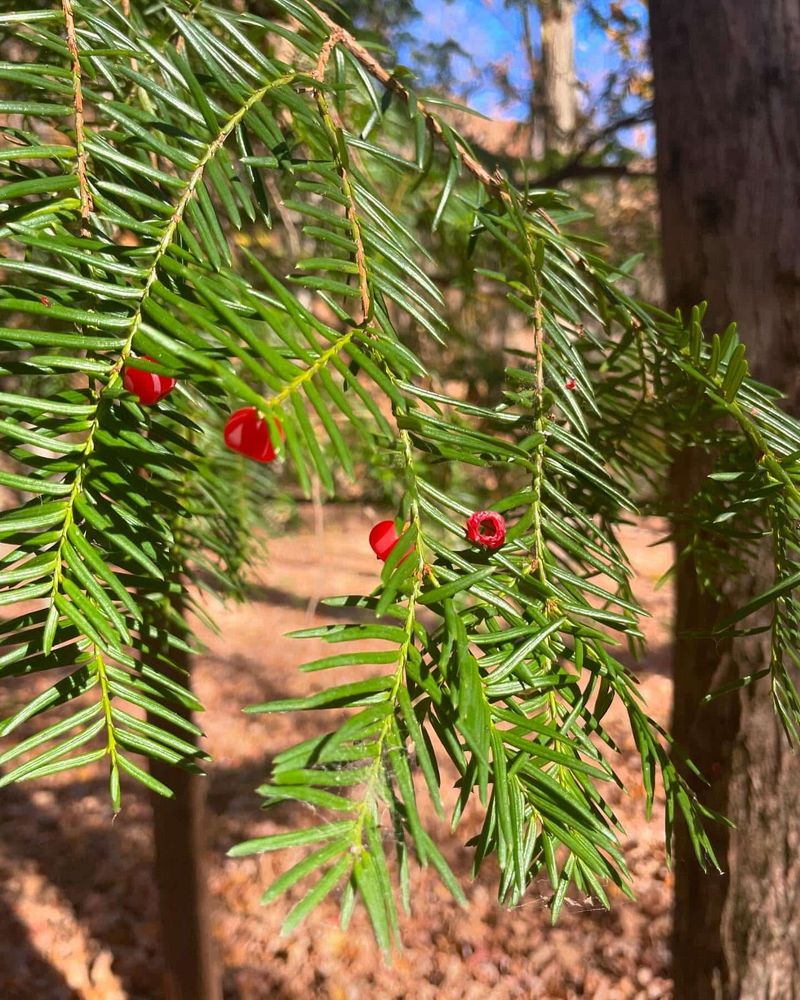
Beautiful plants sometimes come with a warning label, and this one has a serious one. Nearly every part of Canada Yew is toxic to people and many animals.
The culprits are natural chemicals called taxine alkaloids. They are found in the needles, bark, twigs, and especially the seed hidden inside each red cup.
The fleshy red aril is the only part not considered toxic. Even so, the seed inside is highly poisonous, so the whole fruit should stay off the menu.
In people, swallowing plant parts can cause headaches, nausea, vomiting, and an irregular heartbeat. Severe cases can lead to dangerous heart problems that need emergency care.
Pets face risks too. Dogs, cats, horses, and cattle may suffer stomach upset, seizures, a slowed heart rate, or sudden collapse.
Smart placement helps. Keep it out of play areas, away from dog runs, and far from any pasture where horses or cattle graze.
Talk with kids about the bright red berries. A simple rule like, we look but do not taste, goes a long way.
Toss trimmings in yard waste bins instead of leaving piles where animals can reach them. If anyone eats part of the plant, call Poison Control at 1-800-222-1222 or your vet right away.
None of this means you must skip the plant. With a little planning, it can be a safe and lovely part of a thoughtful shade garden.