7 Mistakes That Keep Texas Salvias From Blooming All Season
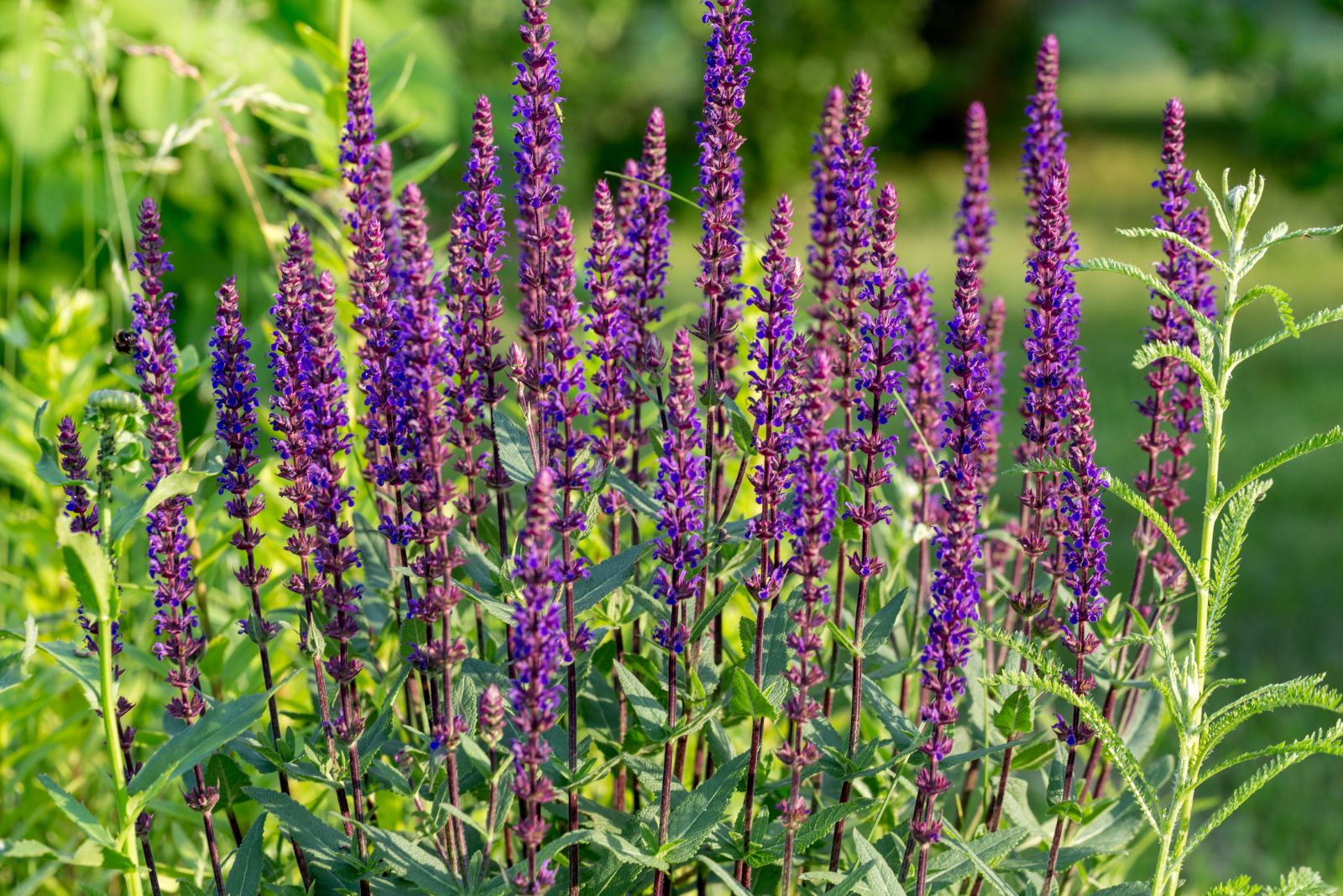
Salvias are supposed to be one of the easier wins in a Texas garden. They love the heat, they handle dry spells better than most plants, and when they are happy, they bloom for months without much fuss.
So why do so many Texas gardeners end up with plants that look great for a few weeks and then just stop?
The answer almost always comes down to a handful of mistakes that are easy to make and even easier to keep repeating because the connection between the mistake and the problem is not always obvious.
Overwatering, wrong pruning timing, bad placement, and a few other missteps can quietly shut down your salvia blooms for the entire season.
The good news is that most of these are simple fixes once you know what to look for. If your salvias have been underperforming, this is worth a close read.
1. Planting Them In Too Much Shade
Walk through almost any Texas garden center and you will find salvias displayed in bright, sunny spots for a reason.
Sunlight is the engine that drives bloom production in most salvia varieties. Without enough of it, your plants may grow plenty of leaves but produce very few flowers.
Most Texas salvias need at least six to eight hours of direct sunlight every day to bloom consistently.
Planting them under trees, along a north-facing fence, or in spots shaded by your house can seriously cut down on how many flowers you get. Even partial shade that seems mild to you can be enough to slow blooming significantly.
If your salvias are already in the ground and not flowering well, take a good look at how much sun they actually receive throughout the day.
Morning sun with some afternoon shade can work for a few varieties, but most want full sun from sunrise to late afternoon. Moving plants to a sunnier spot in fall or early spring can turn things around quickly.
Before planting new salvias, watch the area for a full day and count the hours of direct light. Avoid spots where shadows from buildings, fences, or large shrubs creep in during peak hours.
Choosing the right location from the start saves you a lot of frustration later. Bright, open beds with southern or western exposure tend to give Texas salvias exactly the sunlight they need to stay in full bloom all season long.
2. Overwatering Established Plants
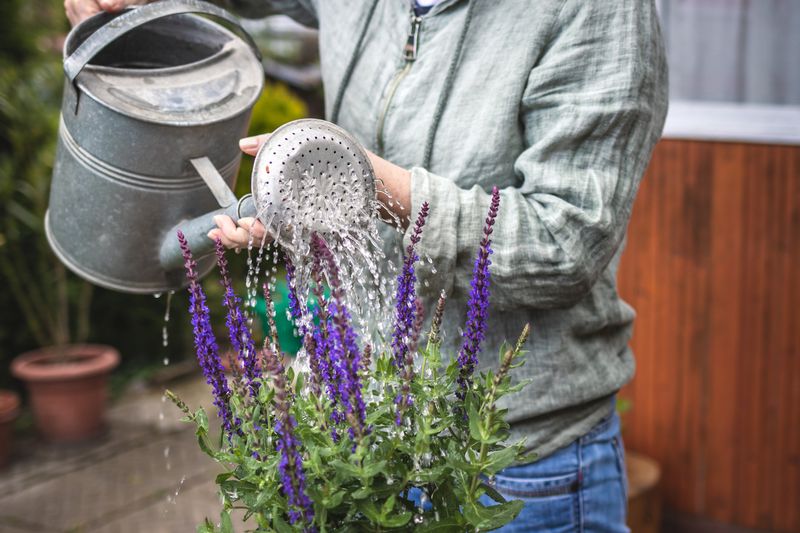
There is a common belief that more water means healthier plants, but salvias strongly disagree. Once established, these plants are built for dry conditions.
Giving them too much water is one of the fastest ways to shut down their blooming cycle. Salvias evolved in regions with hot, dry summers. Their roots are designed to push deep into the soil in search of moisture, not sit in puddles.
When the soil around their roots stays constantly wet, the roots struggle to breathe. That stress signals the plant to stop putting energy into flowers and focus on basic survival instead.
Your Texas Garden Changes Every Week. Your Plan Should Too.
Gardening in Texas changes quickly throughout the season. Every Friday you’ll receive a simple weekly plan showing exactly what to plant, prune, fertilize, harvest, and protect so you never miss the right timing.
Yellowing leaves, drooping stems, and a general lack of new flower spikes are all signs that your salvia might be getting too much water. Check the soil before you reach for the hose.
If the top two inches of soil still feel damp, hold off on watering. Most established salvias in Texas only need watering once a week during hot spells, and even less when rain has fallen recently.
Good drainage matters just as much as watering frequency. If your garden bed holds water after rain, consider amending the soil with coarse sand or gravel to improve drainage.
Raised beds also work well for salvias because excess water drains away naturally. Cutting back on irrigation is often the single fastest fix for salvias that have stopped blooming, and it costs you nothing but a bit of patience and restraint.
3. Skipping Midseason Pruning
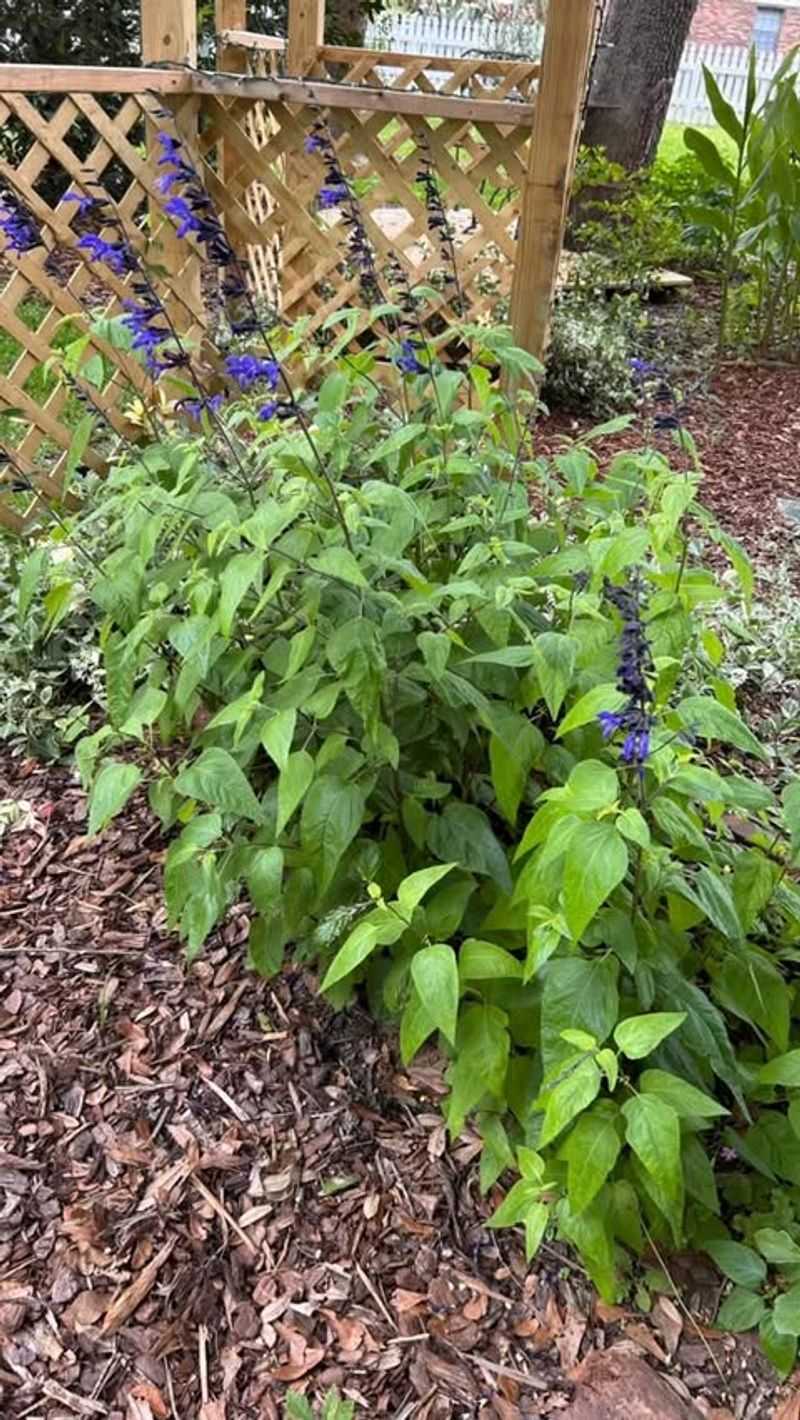
Pruning might feel like you are hurting your plants, but for salvias, a good midseason trim is actually an act of kindness.
Many gardeners skip this step because they do not want to cut off the flowers that are already there. The truth is, those old blooms are slowing your plant down.
After the first big flush of flowers in spring or early summer, salvia plants can start to look tired and stretched out. The flower spikes get long and woody, and new growth slows down.
A light trim at this point, cutting stems back by about one-third, encourages the plant to push out a whole new round of fresh growth and flower buds. Think of it as hitting a reset button.
You do not need fancy tools for this job. A clean pair of hand pruners or even sharp scissors will do the trick.
Cut just above a set of healthy leaves, and within a couple of weeks you should see new shoots emerging from the base and along the stems. Those new shoots are where your next round of blooms will come from.
Timing matters too. In Texas, a good midseason pruning around late June or early July sets your plants up for a strong fall bloom cycle.
Skipping this step often means your salvias limp through the rest of summer without ever putting on a real show again. A few minutes with pruning shears can unlock months of extra color in your garden.
4. Using Too Much Nitrogen Fertilizer
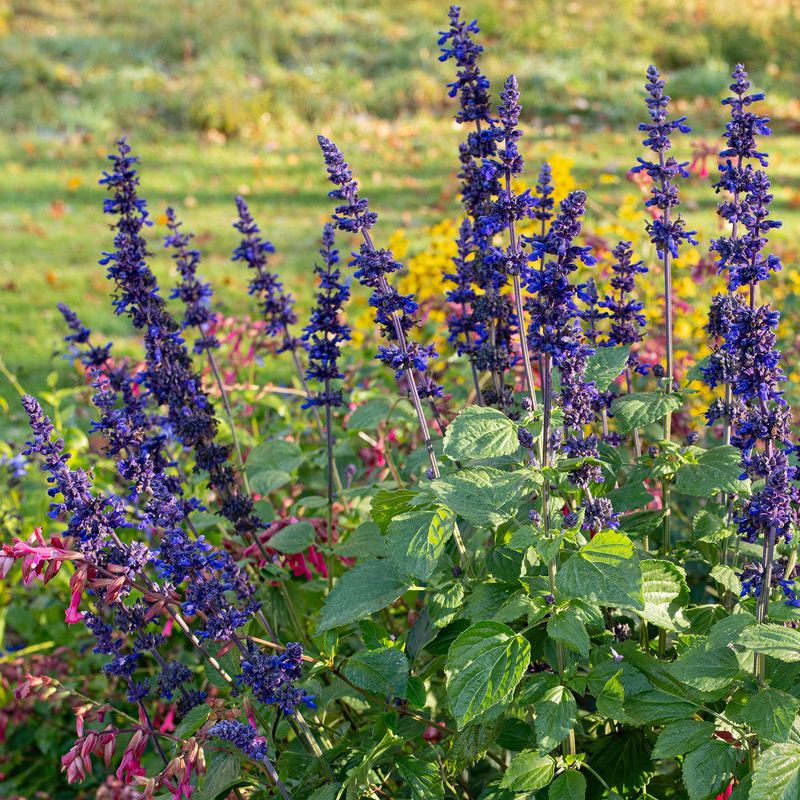
Fertilizer feels like a gift to your garden, but with salvias, the wrong kind can backfire in a big way. Nitrogen is the nutrient responsible for green, leafy growth.
Give your salvias too much of it, and they will respond by growing lots of foliage while forgetting all about flowers.
Walk down any garden center fertilizer aisle and you will see three numbers on every bag. Those numbers represent nitrogen, phosphorus, and potassium.
For blooming plants like salvias, you want a fertilizer where the middle number, phosphorus, is equal to or higher than the first number. Phosphorus is the nutrient that promotes root development and flower production.
High-nitrogen blends are better suited for lawns and leafy vegetables, not flowering perennials.
If you have been using a general-purpose or lawn fertilizer near your salvias, that could explain why they are all green and no bloom.
Scale back on nitrogen-heavy products and try switching to a bloom-boosting fertilizer with a ratio like 5-10-5 or similar. Apply it according to the package directions, and do not assume that more is better.
Salvias grown in decent garden soil often do not need much fertilizer at all. A light application of compost worked into the soil each spring is usually enough to keep them happy.
Over-fertilizing in general, even with balanced products, can push soft, tender growth that is more vulnerable to Texas heat and pests. Less really is more when it comes to feeding these tough, low-maintenance bloomers.
5. Poor Air Circulation Around Plants
Picture a group of people packed tightly into a small room on a hot Texas afternoon with no fan running.
That is basically what it feels like for salvias crammed too close together in a humid garden bed. Poor air circulation creates the perfect conditions for trouble.
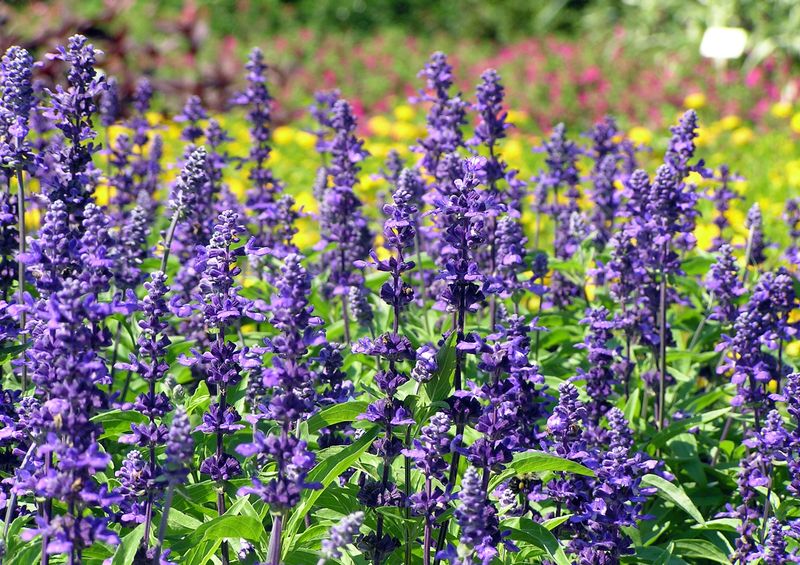
When salvias are planted too close together, or when they are surrounded by dense shrubs and ground covers, air cannot move freely around the stems and leaves.
During Texas summers, when humidity spikes after afternoon thunderstorms, that stagnant air encourages fungal problems like powdery mildew and leaf spot. These issues stress the plant and reduce blooming significantly.
Spacing guidelines on plant tags exist for a reason. Most medium-sized salvias should be planted at least eighteen to twenty-four inches apart.
Larger varieties like Salvia greggii or Salvia leucantha may need even more room. Giving each plant enough personal space allows air to flow around the foliage and helps moisture dry off the leaves quickly after rain or irrigation.
If you already have overcrowded beds, selectively removing or transplanting a few plants can open things up considerably. Thinning out nearby shrubs or perennials that are crowding your salvias also helps.
Avoid planting salvias right up against walls or solid fences where airflow is naturally restricted. Beds with good spacing not only look cleaner and more intentional, but they also produce far healthier plants that stay in bloom longer throughout the entire growing season.
6. Leaving Spent Flower Spikes On Too Long
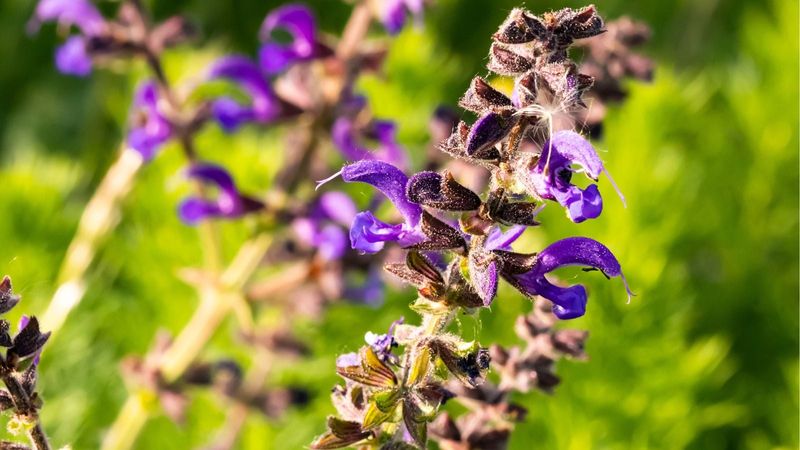
Old flower spikes have a sneaky way of draining your salvia’s energy without you even noticing. Once a bloom cycle finishes, the plant shifts its focus toward making seeds from those spent flowers.
That is great for the plant’s survival instincts, but terrible for your goal of having a garden full of color all summer.
Deadheading, which simply means removing old flower heads before they go to seed, is one of the easiest and most effective ways to keep many salvia varieties blooming continuously.
When you remove the spent spikes, you are sending the plant a clear message: keep producing flowers. The plant responds by pushing out new buds instead of putting energy into seed development.
Not all salvias respond to deadheading equally, but many popular Texas varieties like Salvia greggii, Salvia coccinea, and Salvia farinacea bloom noticeably better with regular cleanup. You do not need to be precise about it.
Simply snipping or pinching off the faded flower stems back to a set of healthy leaves is enough to trigger new growth.
Make deadheading part of your weekly garden walk during the growing season. It only takes a few minutes and the results add up quickly over the course of a summer.
Some gardeners keep a small pair of hand pruners in their back pocket just for this purpose. Staying on top of spent blooms consistently is one of those small habits that pays off with a remarkably long and colorful bloom season from your Texas salvias.
7. Choosing Varieties Unsuited For Texas Heat
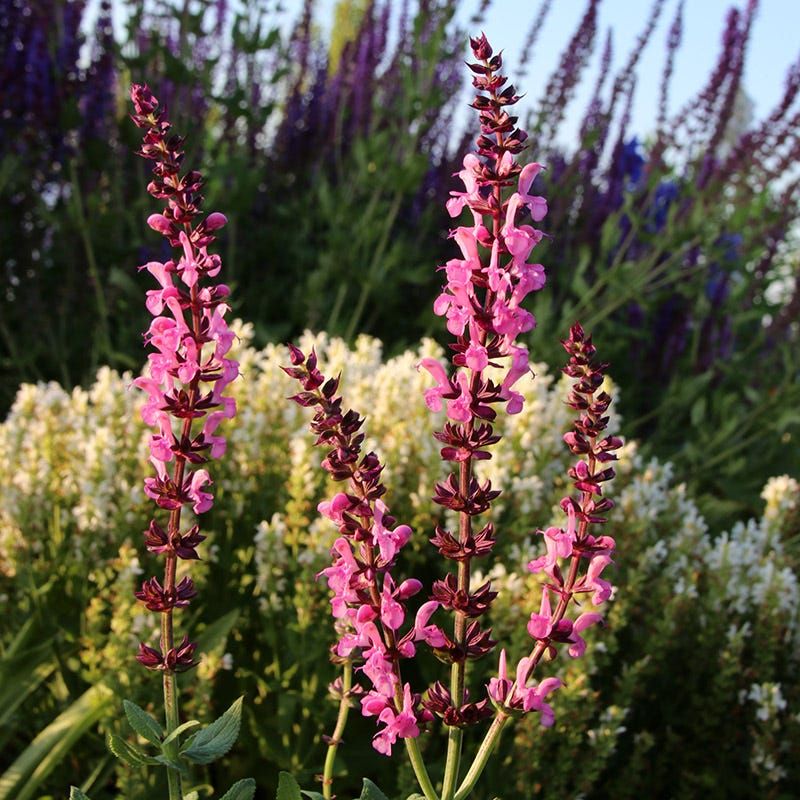
Not every plant with the salvia label is ready for what Texas summers throw at it. Walk into a big-box garden center in spring and you might find dozens of salvia varieties that look gorgeous in the pot but are not built to handle triple-digit heat, humidity swings, and long stretches without rain.
Picking the wrong one is a setup for disappointment. Texas gardeners have the best luck with varieties that have proven themselves in the region over time.
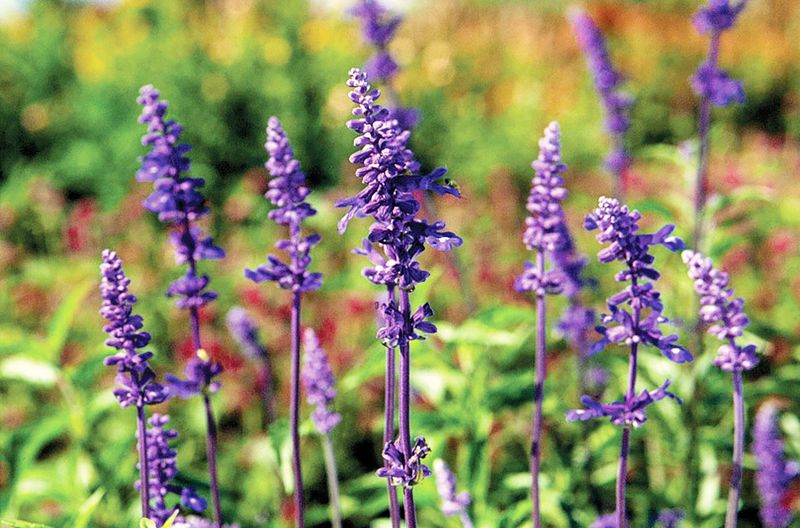
Salvia greggii, commonly called autumn sage, is a Texas native that handles heat and drought like a champion. Salvia farinacea, or mealy blue sage, is another tough performer that blooms from spring through frost.
Salvia coccinea thrives in hot, sunny spots and reseeds freely. These are varieties that were practically born for Texas conditions.
On the other hand, some European salvia varieties bred for cool, mild climates struggle badly once summer heat sets in. They may bloom beautifully in spring but fade out completely by June and never recover.
Reading plant tags carefully and researching varieties before you buy can save you money and frustration.
Local nurseries staffed by knowledgeable Texas gardeners are your best resource for finding varieties suited to your specific region of the state. What works in the Hill Country may differ from what thrives along the Gulf Coast or in the Panhandle.
Matching the right variety to your local conditions is the foundation of a salvia garden that stays in bloom from the last frost all the way through fall.