How California Gardeners Should Handle Fading Hydrangea Blooms This September
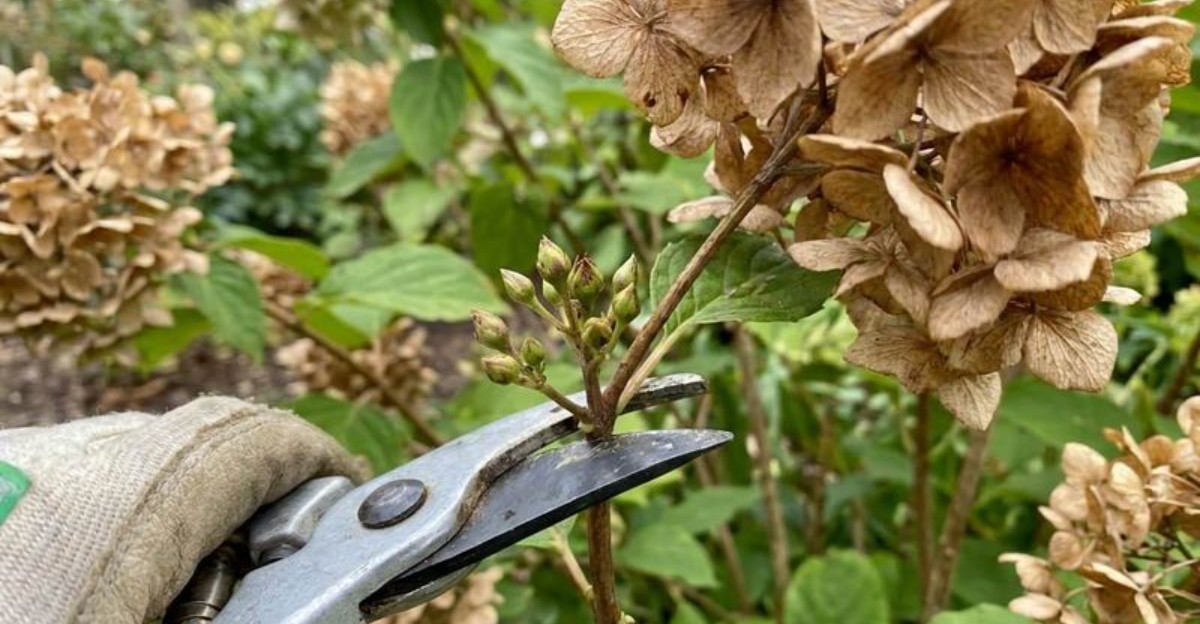
Your hydrangeas may not look as impressive in September, but fading blooms do not mean the plant is finished for the season.
As flowers lose their color and start to dry out, you might wonder if it is time to cut them back or simply leave them alone. What you do now can affect the plant’s appearance and future growth.
Take a close look at the blooms before reaching for your pruners. Some fading flowers can be removed to tidy up the plant, while others are better left in place, especially if you enjoy their dried look or want to protect new growth.
California’s climate also means your hydrangeas may behave differently than plants growing in cooler regions.
A little attention in September can help you keep your shrubs looking neat without making a pruning mistake that costs you next season’s flowers.
1. Leave Fading Blooms If You Want Winter Interest
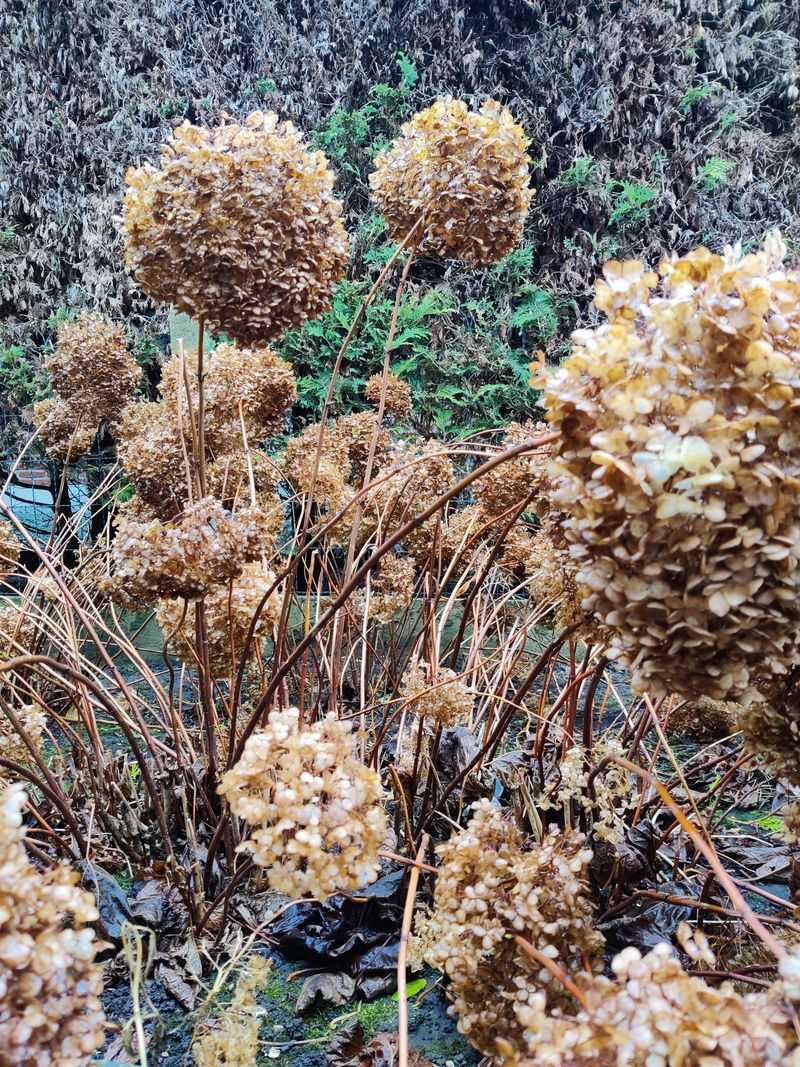
There is something quietly pretty about a hydrangea that has faded. Those old flower heads turn shades of tan, cream, and dusty rose, and they hold their shape well into the cooler months.
If you enjoy a garden that stays interesting after summer ends, leaving the spent blooms is a great choice. They catch morning dew and look lovely when frost is light. In many parts of California, winters stay mild, so these dried flowers can last for weeks or even months.
Birds sometimes visit the shrubs, and the papery petals add texture when most plants look bare. You get free decoration without lifting a single tool. Many gardeners even cut a few dried heads to bring indoors for vases or wreaths.
Leaving the blooms also does something helpful behind the scenes. The old flowers can shield the buds below from sudden cold snaps. So beauty and protection go hand in hand here.
You can always tidy them up later in late winter or early spring. There is no rush to clean everything now. If a neat look matters more to you, that is fine too.
But if you love a cozy, natural feel, let those fading flowers stay a while and enjoy the quiet charm they bring.
2. Remove Spent Flowers Without Cutting Healthy Stems
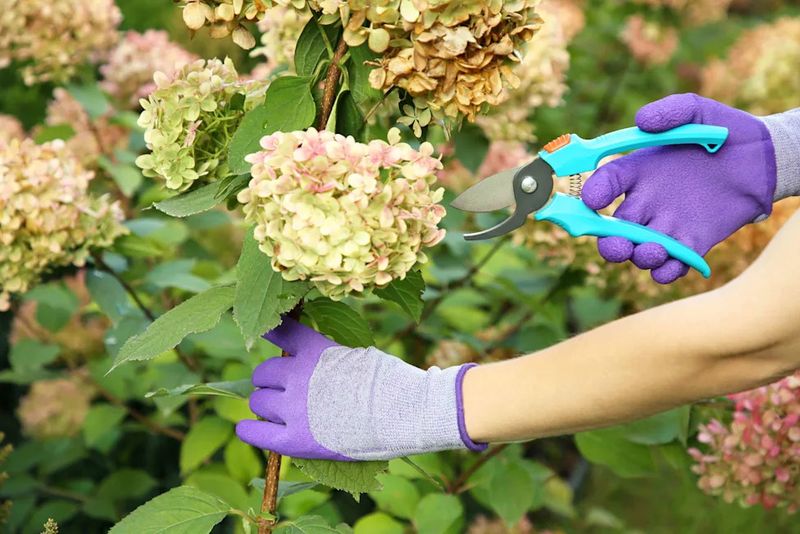
Snipping off tired blooms is one of the easiest ways to keep your hydrangeas looking fresh. The trick is to remove just the flower, not the whole stem.
Grab a clean pair of pruning snips and follow the stem down from the faded head. Stop at the first set of healthy leaves or a pair of plump buds. Cut right above them, and you are done.
This kind of light trimming is called deadheading. It keeps the plant tidy without harming next year’s flowers. Many hydrangeas set their buds early, so cutting too far down removes the very growth that becomes spring blooms.
Take your time and look closely at each stem. You will see small bumps where new buds are forming. Those are the parts you want to protect.
Your California Garden Changes Every Week. Your Plan Should Too.
Gardening in California changes quickly throughout the season. Every Friday you’ll receive a simple weekly plan showing exactly what to plant, prune, fertilize, harvest, and protect so you never miss the right timing.
Wipe your tools with rubbing alcohol before you start. Clean blades help stop the spread of disease from plant to plant. It is a small habit that keeps your whole garden healthier.
Deadheading works well in September because the weather is still warm and gentle. Your plant has time to settle before cooler days arrive.
Just remember the golden rule here: trim the old flower, leave the healthy stem alone. Do that, and your hydrangeas will thank you with a strong show next year.
3. Avoid Heavy Pruning This Late In The Season
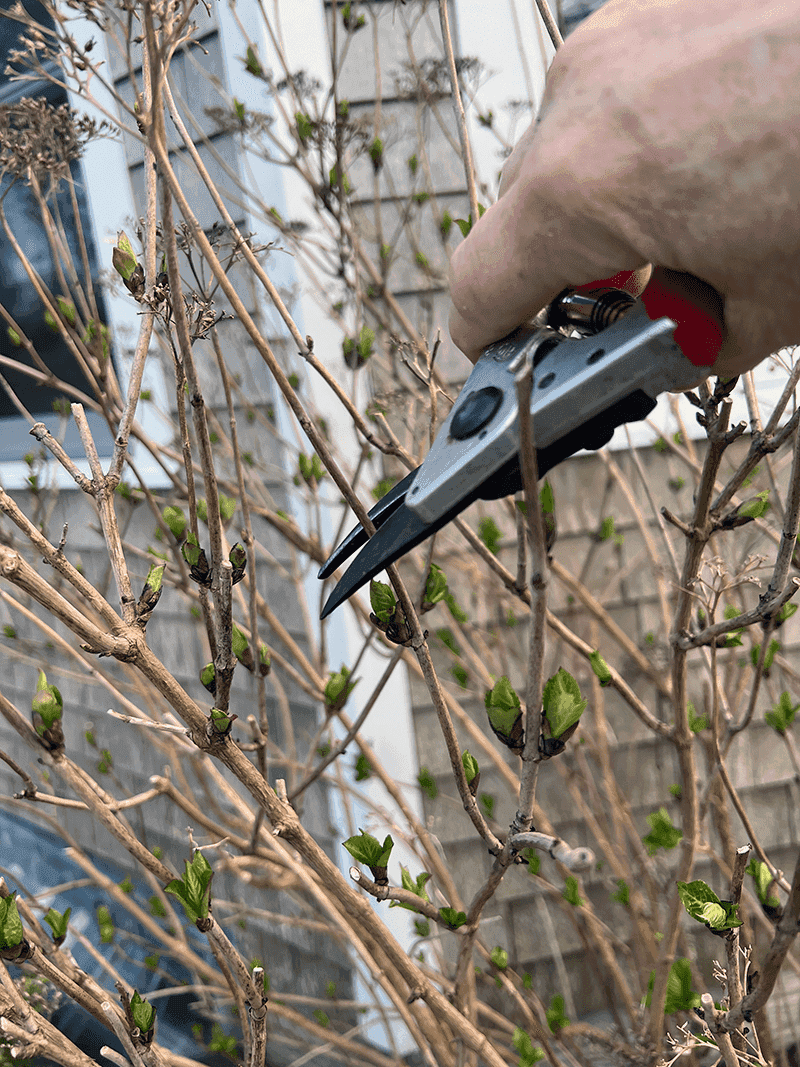
It can be tempting to grab your shears and give everything a big trim before fall. But heavy pruning in September often does more harm than good.
When you cut a hydrangea back hard this late, you may remove the buds meant for next spring. Many types form their flower buds during summer and early fall. Chop them off now, and you could lose most of next year’s blooms.
Late, heavy cuts can also push out tender new growth. That soft growth does not have time to toughen up before cooler weather arrives. Sudden cold can damage it easily.
Save the serious shaping for late winter or early spring, when the plant is resting. That is the safer window for most hydrangeas in California. You will get better results and healthier shrubs.
For now, keep your trimming light. A snip here and there to remove a spent bloom is plenty. Think of September as a gentle tidy-up, not a big makeover.
If your shrub looks overgrown, resist the urge to fix it all today. Make a note and plan your bigger cuts for the right time. Patience really pays off with these plants.
A light hand now means a fuller, more colorful garden when spring rolls around again.
4. Old Flower Heads Can Protect New Buds
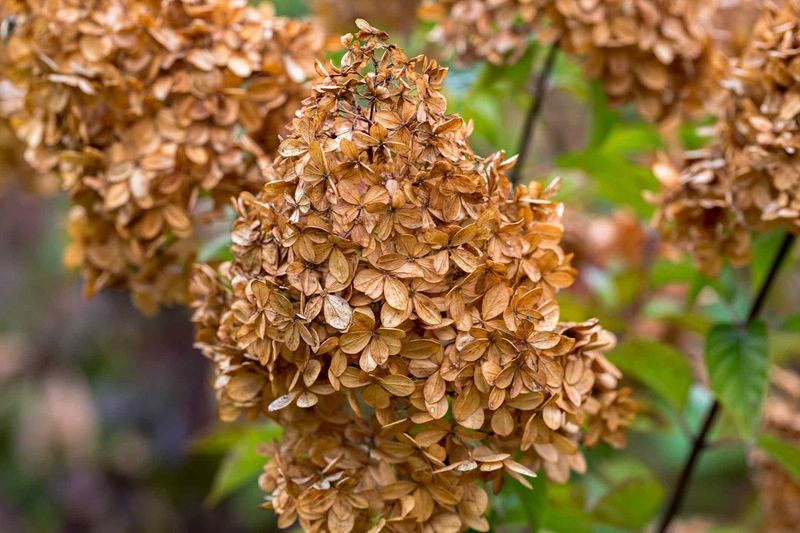
Those brown, crispy flowers might look like they have no purpose left. In truth, they can act like little umbrellas for the buds waiting below.
The buds that form new flowers sit lower on the stem. When you leave the old blooms in place, they create a small layer of shelter above those buds. This helps guard them from wind, frost, and sudden temperature drops.
In cooler parts of California, this natural cover can make a real difference. It is a simple, free way to help your plant get through the chillier weeks. Nature figured this out long before we did.
Wait until the danger of frost has passed before you clean up. That usually means late winter or the very start of spring. Then you can trim the old heads away and reveal fresh, healthy growth.
Think of it like leaving a jacket on during a cold night. You would not toss it aside too early. The plant works the same way.
So if you were about to snip every faded flower off right now, pause for a moment. Those tired blooms are doing quiet, useful work. Let them stay through the cold season, and remove them once warm days return.
Your buds will be safer, and your spring show will be brighter for it.
5. Different Hydrangeas Need Different Timing
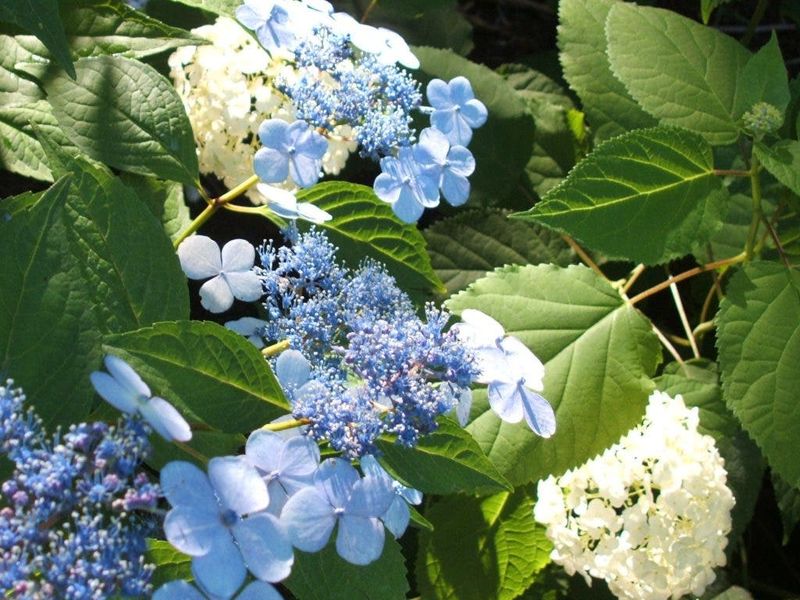
Not all hydrangeas play by the same rules. Knowing which type you have makes fall care so much easier.
Some hydrangeas bloom on old wood, which means stems that grew last year. Others bloom on new wood, the fresh stems that appear each spring. This one detail changes everything about when you should cut.
Old-wood bloomers, like bigleaf types, set their buds in summer. Prune them late, and you snip away next year’s flowers. New-wood bloomers, like panicle types, are more forgiving and can handle later cuts.
Take a moment to figure out what is growing in your yard. Check the leaf shape, flower form, and color. A plant tag or a quick photo search can help you identify it.
Once you know the type, you can plan your care with confidence. There is no more guessing or worrying about ruining the blooms. You just follow the timing that fits your plant.
California’s mild climate gives you a bit of extra room, but the type still matters most. A little knowledge here saves a lot of frustration later.
So before you reach for the shears, do a quick check. Match the plant to the right timing, and you will treat each hydrangea exactly how it needs. That small step leads to healthier shrubs and a garden full of color.
6. Bigleaf Hydrangeas Need Extra Care In Fall
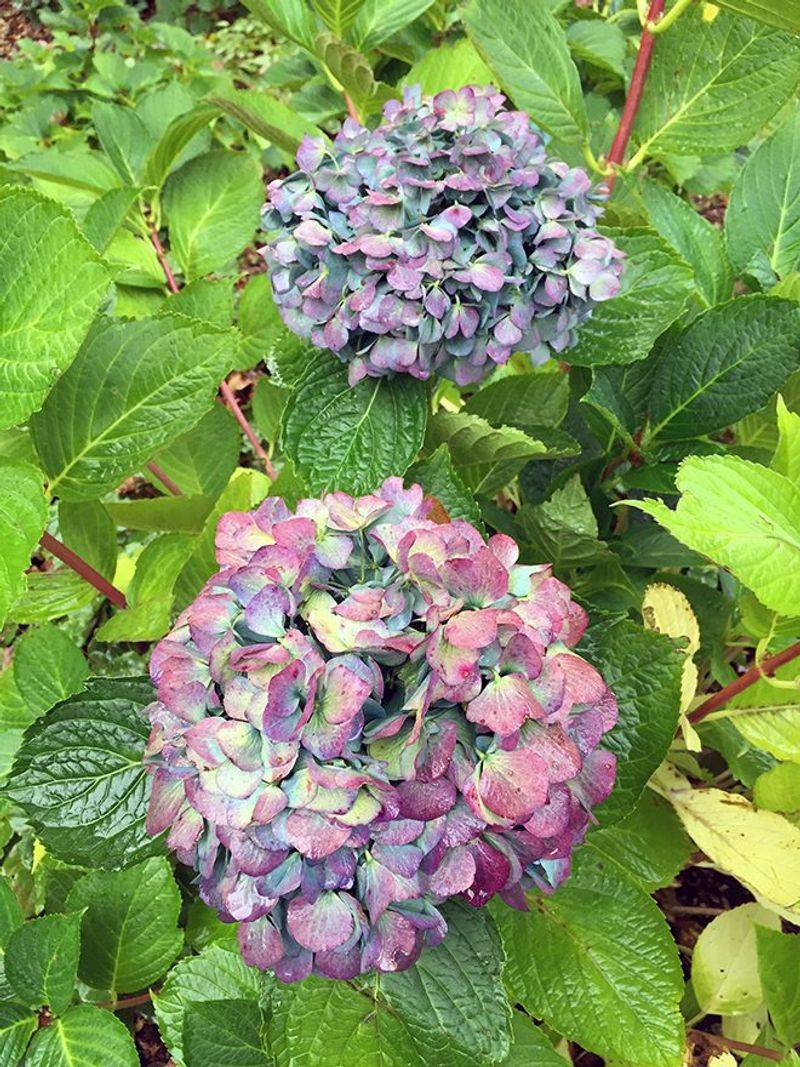
Those big, round flower clusters in blue and pink usually belong to bigleaf hydrangeas. They are stunning, but they need a gentle touch in fall.
Bigleaf types bloom on old wood, so their buds are already set for next spring. If you cut them back hard now, you will lose most of those flowers. That is why light care is so important with these plants.
Stick to simple deadheading if you want to tidy them up. Remove only the faded flower and leave the stems and buds alone. Everything else can wait until spring.
A layer of mulch around the base helps too. It keeps the roots cozy and steady when nights turn cool. Spread it a few inches thick, but keep it from touching the stems directly.
In warmer California regions, bigleaf hydrangeas often do fine with little fuss. In cooler spots, that mulch and those old blooms offer helpful protection.
Keep an eye on watering as well, since these plants love steady moisture. Dry roots stress them out fast.
Treat your bigleaf hydrangeas like the delicate stars they are this month. A soft, hands-off approach now leads to those dreamy, full blooms later. Skip the heavy trimming, add some mulch, and let the plant rest easy through the changing season ahead.
7. Panicle Hydrangeas Handle More Pruning Later
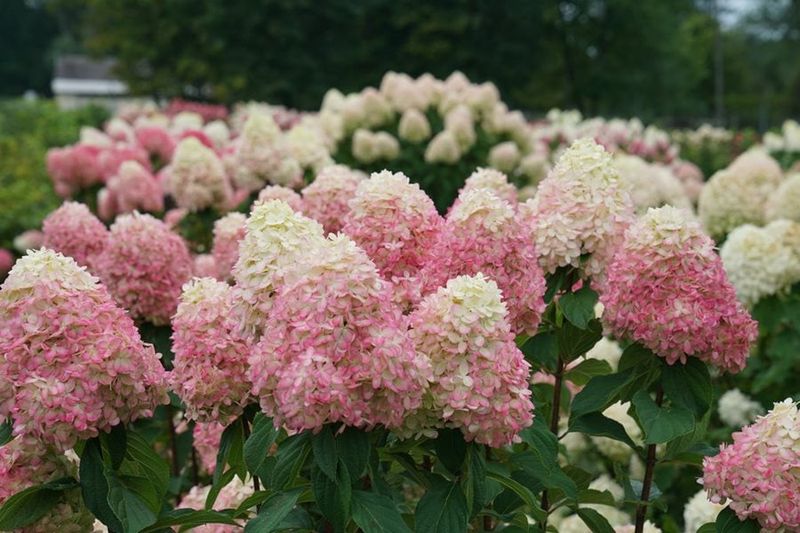
If your hydrangea has cone-shaped flowers that fade from white to pink, you likely have a panicle type. Good news: these are the easygoing ones.
Panicle hydrangeas bloom on new wood, the fresh stems that grow each spring. That means you have more freedom with when you cut. They are among the toughest and most forgiving hydrangeas around.
You can still leave the faded blooms now for a pretty fall and winter look. Their dried cones hold up beautifully and add nice shape to the garden. Many people love how they catch the light.
When you are ready for a bigger trim, late winter or early spring works best. At that point you can cut them back to shape the plant and encourage strong new growth. They bounce back with plenty of energy.
These plants also handle more sun than some other types. In California, that makes them a reliable pick for bright spots. They tend to shrug off heat better too.
For September, just relax and enjoy the show. A light deadhead is all they really need right now. Save the real pruning for cooler months, and they will reward you with big, cheerful cones next season.
Panicle hydrangeas make fall care simple, which is exactly why so many gardeners adore them.
8. Remove Only Weak Or Damaged Growth
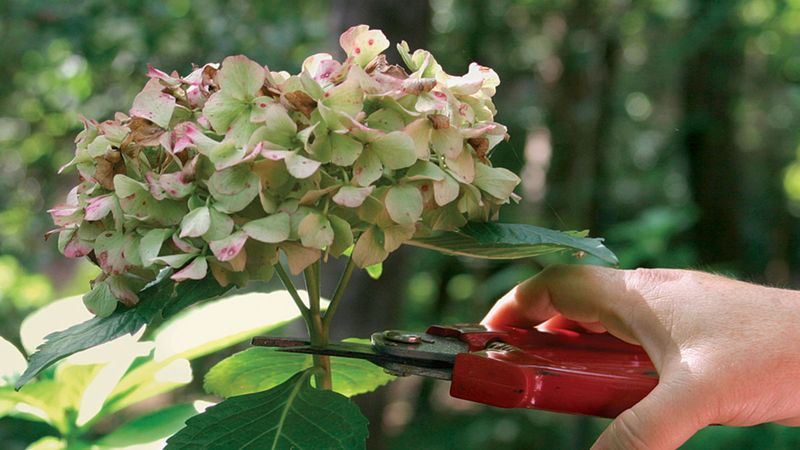
Even when heavy pruning is off the table, there is still one job worth doing. Clearing out weak or damaged stems keeps your hydrangea healthy.
Look for branches that are broken, cracked, or clearly worn out. Some stems may show signs of disease, like dark spots or mushy areas. Those are the ones to remove.
Cut them off at the base or back to a healthy point on the stem. This helps the plant send its energy to the strong, useful parts. It also improves airflow through the shrub.
Better airflow means fewer problems with mold and pests. A crowded, tangled plant traps moisture and invites trouble. A little thinning keeps things breathing easy.
Use clean, sharp tools for every cut. Wipe the blades between plants so you do not spread anything harmful. It is a quick habit that protects your whole garden.
Be careful not to get carried away, though. The goal is to remove only the problem stems, not healthy ones. Leave the good growth and next year’s buds in place.
Think of it as gentle housekeeping rather than a full overhaul. You are simply clearing out what no longer helps the plant. Do this now, and your hydrangea stays tidy, strong, and ready to shine when the warmer days return once again.
9. Keep Watering While Warm Weather Continues
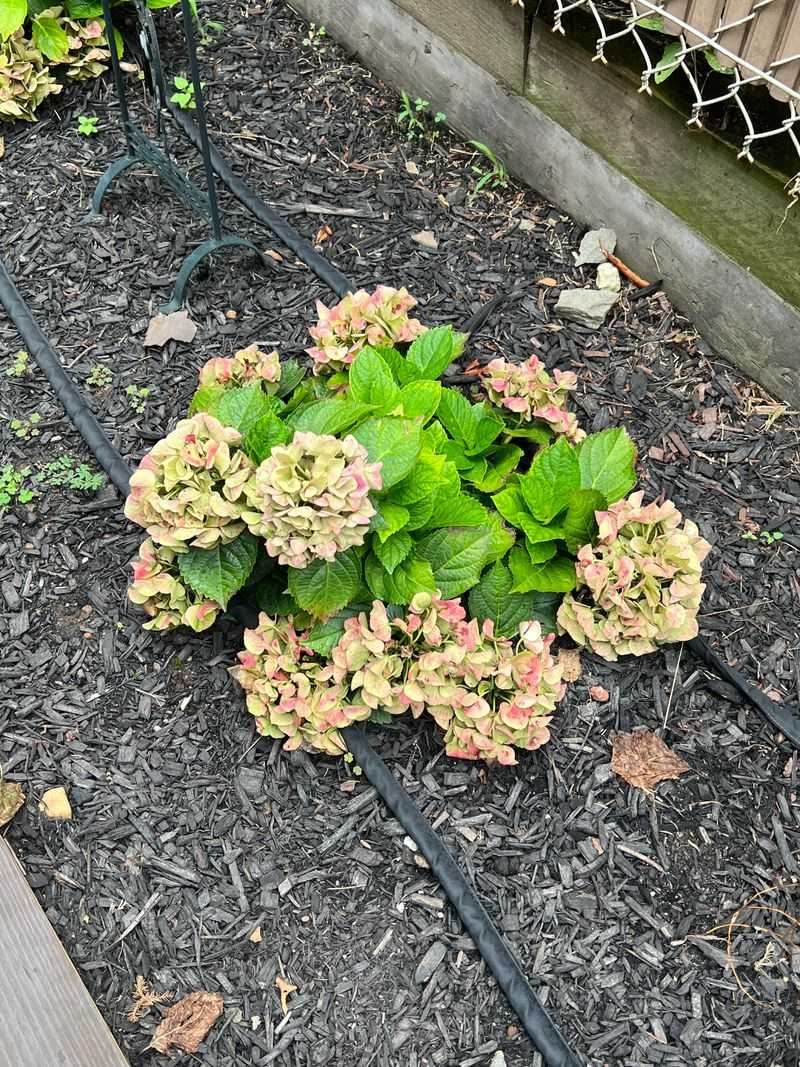
September in California can still bring plenty of heat. That warm weather means your hydrangeas need a steady drink to stay happy.
These plants love moisture, and their roots do not like to dry out. When the soil gets too dry, the leaves droop and the plant gets stressed. Regular watering keeps them strong through the last stretch of summer.
Check the soil with your finger a couple inches down. If it feels dry, it is time to water deeply. A slow, thorough soak beats a quick sprinkle every time.
Water in the morning if you can. This gives the plant time to drink before the day heats up. It also helps the leaves dry off, which lowers the risk of mold.
A layer of mulch around the base holds moisture in the soil. It keeps the roots cool and cuts down on how often you need to water. That saves you time and effort.
As the weather finally cools, you can ease back on watering. The plant needs less as it slows down for the season. Just watch the soil and let it guide you.
Keep up the good care now, and your hydrangeas will head into fall healthy and hydrated. Steady watering is a small task with a big payoff for these thirsty, beautiful shrubs.