8 Reasons September Is A Strong Month To Compost In Mississippi
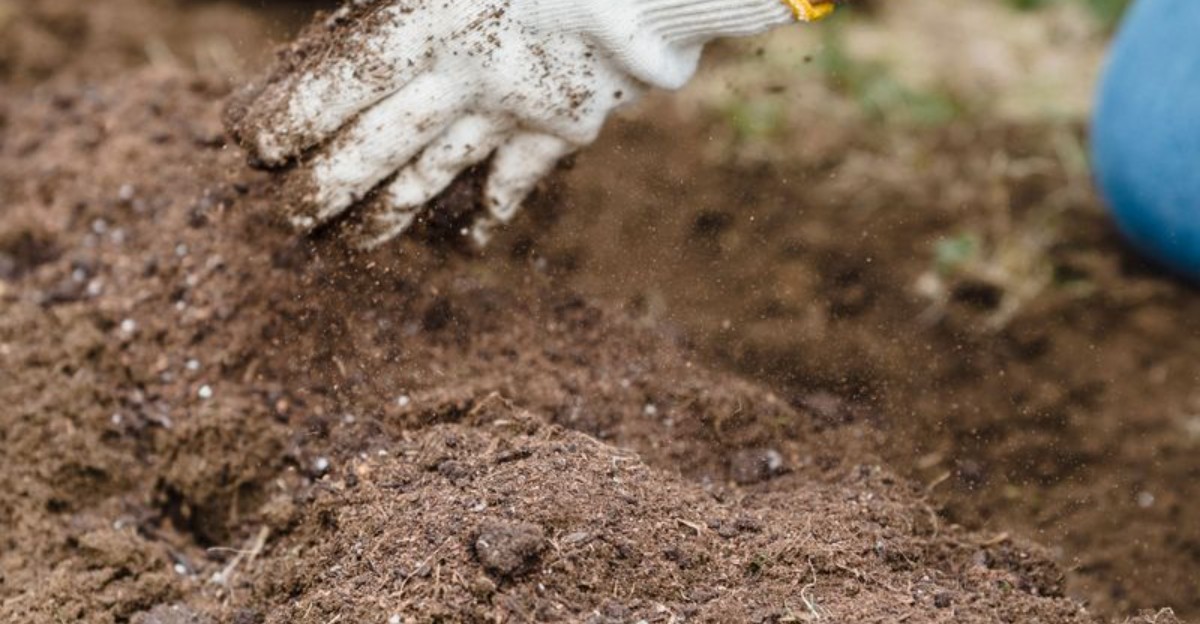
Mississippi hits you with a shift you cannot quite name yet. Tomato vines in your garden lose their grip fast.
Yard waste piles up faster than you can haul it curbside. Much of it looks like garbage to you, not opportunity.
Few people know that pile could transform your spring beds. Flip that view, because your window is closing.
September pushes your compost into overdrive without effort. Cooling nights speed microbial activity inside your pile.
Humidity still lingers, helping bacteria break down your toughest plant fibers. Warm days and cool nights hand you a rare decomposition window. Timing turns your garden debris into rich, usable soil.
Wait too long and you lose that narrow window fast. Rush the process and you end up with mushy, useless sludge instead.
That Mississippi soil craves the dark matter you can give it. You need to know exactly how this transformation happens.
1. Warm Soil Keeps Microbes Working Overtime
Here is the thing about compost piles: they are basically apartment buildings for billions of tiny workers. Those bacteria and fungi do the actual breaking down, and they get sluggish when the thermometer drops.
Mississippi in early September often still delivers daytime temperatures in the upper 80s and low 90s, though this varies by region.
Soil temperatures still hover in that sweet zone where microbial activity hums along at a strong pace, even as air temperatures begin easing.
Compare that to a pile you start in December. It sits there looking like a sad heap of leaves for weeks, barely warming up, waiting on spring to get going.
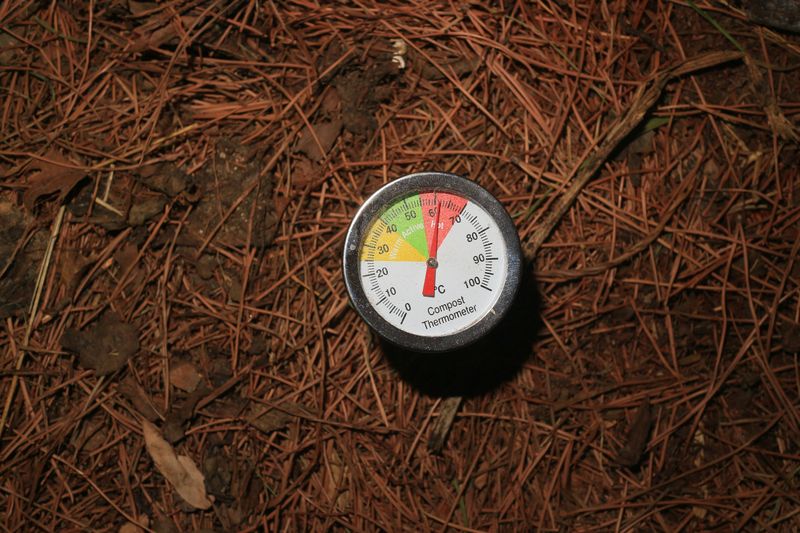
A well-sized September pile can often hit its hot phase within two or three days if greens, browns, moisture, and particle size are well balanced. Internal temperatures of 130 to 150 degrees are realistic during this stretch.
That heat matters for more than speed. Sustained warmth helps reduce weed seeds and unwanted pathogens hiding in your yard waste.
You also get the benefit of gradually cooling weather as the weeks pass. The pile heats up fast, then slowly transitions into its curing phase as October arrives, which is exactly the rhythm good compost likes.
Practical tip: keep your pile at least three feet wide and three feet tall so it holds that heat properly. Smaller piles lose warmth to the surrounding air too quickly.
Stick a long-stemmed thermometer in the middle and check it every few days. Watching those numbers climb in September feels genuinely satisfying, like proof that something good is happening under your feet.
2. Summer Gardens Hand You Piles Of Free Material
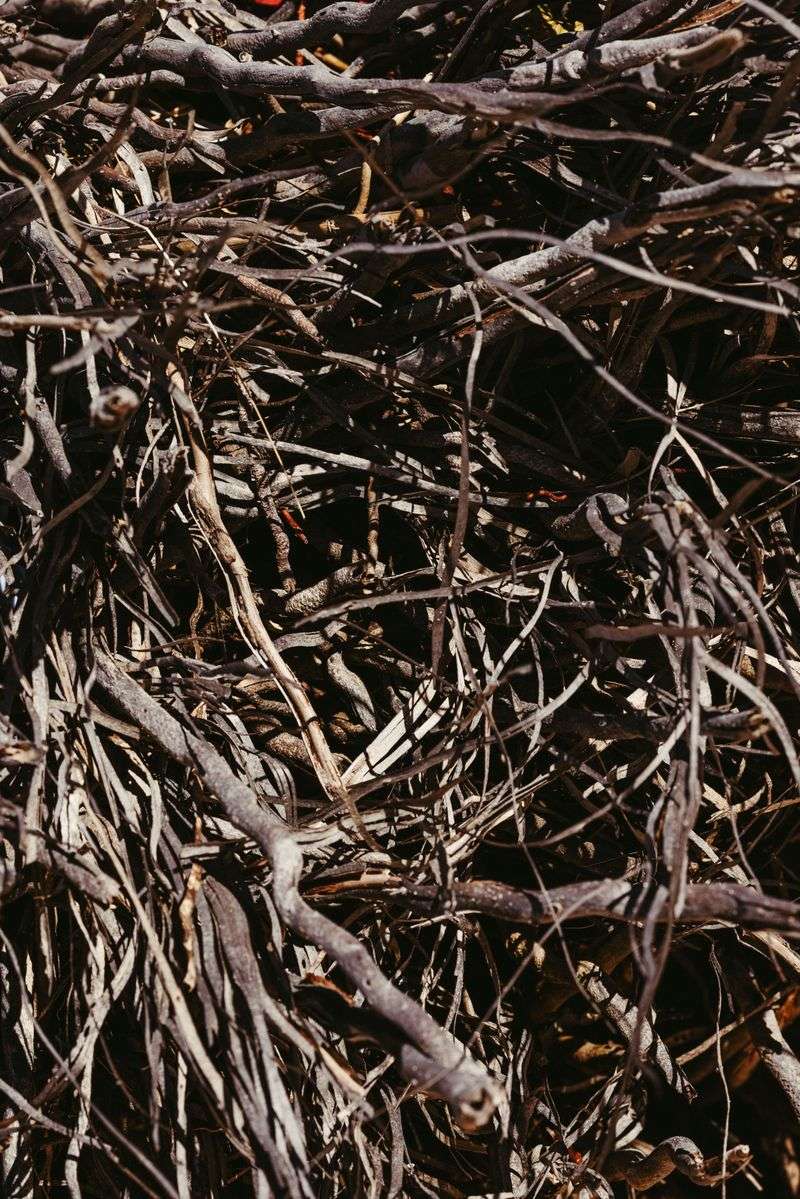
Ask any Mississippi gardener what happens to their tomato plants by Labor Day, and you will hear the same story. The vines look tired, production slows, and it is time to pull them out.
Multiply that by okra stalks, squash vines, corn husks, cucumber trellises, and bean plants. Suddenly you have a mountain of organic matter that cost you nothing.
Zinnias and marigolds are leggy by now too. Sunflower stalks have finished their show and are ready to be chopped down.
Your Mississippi Garden Changes Every Week. Your Plan Should Too.
Gardening in Mississippi changes quickly throughout the season. Every Friday you’ll receive a simple weekly plan showing exactly what to plant, prune, fertilize, harvest, and protect so you never miss the right timing.
All of that green material is packed with nitrogen, which is the fuel your pile needs to heat up. Pair it with dry browns like shredded cardboard, straw, or last year’s leftover leaves.
A rough two-to-three parts browns to one part greens works well for backyard piles. You do not need to measure with precision, just eyeball it and adjust if things smell sour or stay cold.
One caution worth mentioning: skip any plants showing serious disease spots or blight. Tomato foliage covered in dark lesions is better left out of a home pile that may not reach high temperatures throughout.
Chop everything into smaller pieces before adding it. A machete, loppers, or even running the mower over a spread-out layer speeds decomposition considerably.
Hollow okra and sunflower stalks take longer, so save those for the bottom layer where they create air channels. Your pile breathes better, and you have turned garden cleanup into next season’s fertilizer without spending a cent.
3. Rainfall Settles Into A Friendlier Pattern

Anyone who has gardened through a Mississippi July knows the drill. Afternoon thunderstorms dump two inches in twenty minutes, then the sun bakes everything into a crust.
September rainfall often arrives in gentler, more spread-out doses across much of the state, though patterns vary by region. Average monthly totals typically fall somewhere in the three-to-four-inch range, though local totals vary.
That moderation is a gift for compost. Your pile wants to feel like a wrung-out sponge, damp but not soggy or dripping.
Too much water pushes out the air pockets, and your helpful aerobic microbes get replaced by the anaerobic kind. Those are the ones responsible for that sulfur smell nobody wants near the patio.
Too little water and the whole operation stalls. Dry piles just sit there, refusing to break down no matter how long you wait.
September often threads that needle for you, meaning less hauling of hoses and less fussing with tarps. Still, keep a loose cover handy in case a tropical system swings through, since hurricane season peaks right about now.
A simple sheet of plywood or a breathable tarp works fine. Prop one edge up so air still moves through the pile.
Do the squeeze test weekly. Grab a handful from six inches down and press it, and you should see one or two drops of water appear.
If nothing comes out, add water while turning. If it streams out, mix in dry leaves or shredded paper and let things drain.
4. Fall Vegetable Beds Get Fed Right On Schedule
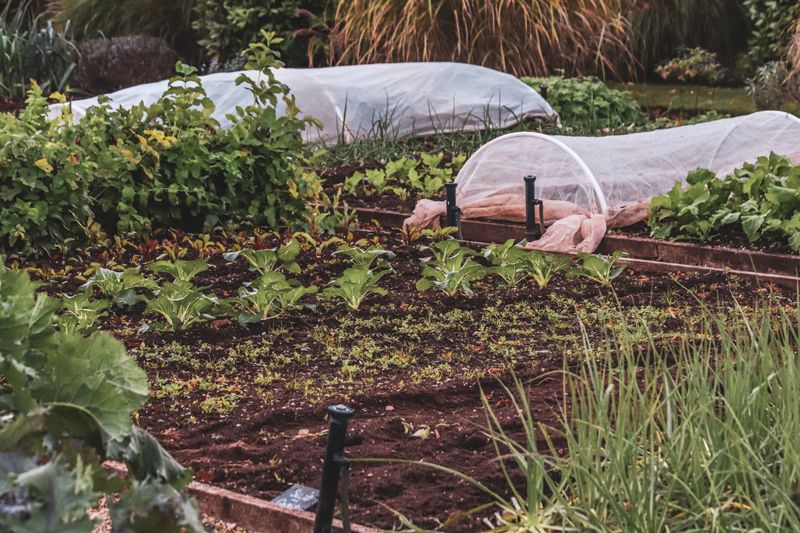
Mississippi offers a favorable fall gardening window. Collards, turnips, mustard greens, cabbage, broccoli, carrots, and radishes all go in during September and October.
Those crops are hungry. Leafy greens especially pull heavy nitrogen from the soil as they size up through cooler weather.
Starting a pile now means you have amendment ready for the second wave of fall planting. Compost begun in the first week of September, turned regularly under ideal conditions, can often be usable in six to eight weeks.
Meanwhile, any finished material left over from your spring batch goes straight into the beds you are prepping this month. Two inches worked into the top layer improves drainage in our heavy clay soils and helps sandy Delta ground hold water.
There is a scheduling advantage too. You are already outside pulling summer crops and reshaping beds, so the compost work folds naturally into what you are doing anyway.
Half-finished compost has a use as well. Spread it as a rough mulch around brassica transplants, where it holds moisture and slowly releases nutrients as the season progresses.
One trick many Mississippi growers swear by: dig a shallow trench between rows, fill it with fresh green material and a little soil, then plant on either side. Roots find that decomposing pocket by mid-October.
Come Thanksgiving, when you are cutting collards for the table, you will taste the difference that September pile made. Good soil shows up on the plate.
5. Fewer Flies And Pests Hovering Around The Pile

Summer composting in the Deep South comes with a soundtrack of buzzing. Fruit flies, houseflies, and gnats treat an open pile like an all-you-can-eat buffet during the peak heat of summer.
Things calm down noticeably as September progresses. Insect populations begin their seasonal decline, and the reduced pressure makes managing a pile far more pleasant.
Raccoons and opossums also become less persistent visitors once natural food sources like acorns and persimmons start dropping. Your kitchen scraps stop being the most interesting thing in the neighborhood.
That said, a little prevention keeps things smooth. Bury food scraps in the center of the pile rather than leaving them on the surface where they broadcast an invitation.
A four-inch cap of dry leaves or straw over the top acts like a lid. Odors stay contained, and curious critters lose interest.
Skip meat, dairy, and greasy leftovers entirely in a backyard system. Those items attract exactly the wildlife you would rather not host.
Enclosed bins with secure tops handle this even better if you live in town. Tumbler-style composters keep everything sealed and turn easily with a handle.
Fire ants deserve a mention since they are a genuine Mississippi reality. A pile kept consistently moist and turned every week or two rarely appeals to them, since they prefer dry, undisturbed spots.
Turning also breaks up any colony that gets started. Regular attention solves nearly every pest question before it becomes a real headache.
6. Early Leaf Drop Delivers Reliable Carbon
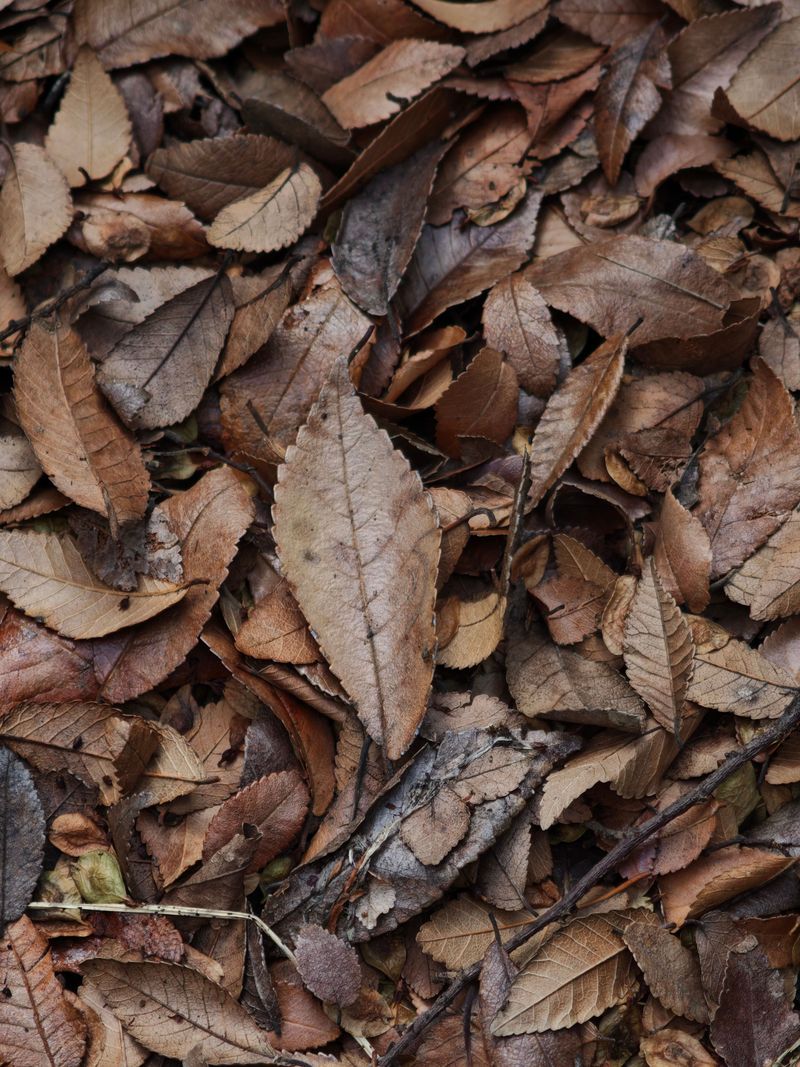
Browns are the ingredient most home composters run short on. Everyone has grass clippings and kitchen scraps, but dry carbon material is what keeps a pile balanced.
September in Mississippi starts delivering it. Pines shed needles steadily, sweetgums drop their earliest leaves, and drought-stressed hardwoods begin letting go before the true autumn rush.
Pine straw is practically a state resource here. It composts more slowly than hardwood leaves, but chopped up and mixed with plenty of nitrogen-rich greens, it breaks down just fine.
Concerns about pine needles making compost too acidic are largely overblown. Finished compost tends to settle near neutral regardless, since the decomposition process buffers pH along the way.
Oak, hickory, and sweetgum leaves are excellent additions. Run over them with a mower first, because whole leaves mat together into slippery layers that shed water instead of absorbing it.
Here is a habit worth building: stockpile extra browns in a separate bin or a few large bags. When you are drowning in grass clippings next June, that reserve will save your pile from turning into a slimy mess.
Cardboard boxes, brown paper bags, shredded junk mail, and dried cornstalks all count as browns too. Tear cardboard into small pieces and wet it down before mixing.
Layer browns and greens rather than dumping everything in one lump. Alternating four inches of leaves with two inches of green material gives microbes the balanced diet they work best on.
7. Working Outside Gets More Comfortable
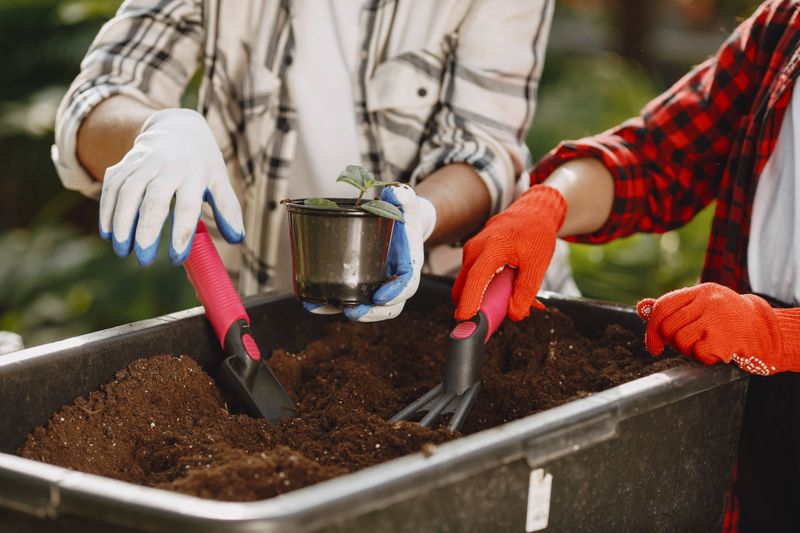
Let us be honest about Mississippi summers. Turning a compost pile in mid-July heat index conditions is the kind of chore that can cut outdoor sessions short due to heat.
Early September mornings offer real relief. Cooler morning temperatures before eight o’clock make outdoor work feel doable again.
That comfort matters more than it sounds. Composting rewards consistency, and consistency depends on whether you actually enjoy stepping outside.
A pile turned every seven to ten days finishes dramatically faster than one left alone for two months. Aeration feeds oxygen to the microbes doing the heavy lifting.
Turning also redistributes moisture and moves cooler outer material into the hot center. Everything breaks down more evenly that way.
Plan your sessions for early morning or the hour before sunset. Keep water nearby, since Mississippi humidity still deserves respect even when the temperature reads pleasantly.
A good garden fork beats a shovel for this job. The tines grab and lift fibrous material instead of slicing through it.
Turn from the outside in. Pull the crusty edges toward the middle and let the well-cooked center move out where it can finish curing.
Fifteen minutes a week is genuinely enough for most backyard piles. That is less time than scrolling your phone after dinner.
By the time real autumn settles in, you will have built a routine that carries through the whole cool season. Momentum started in September tends to stick around.
8. Beat The Winter Clock With A Head Start
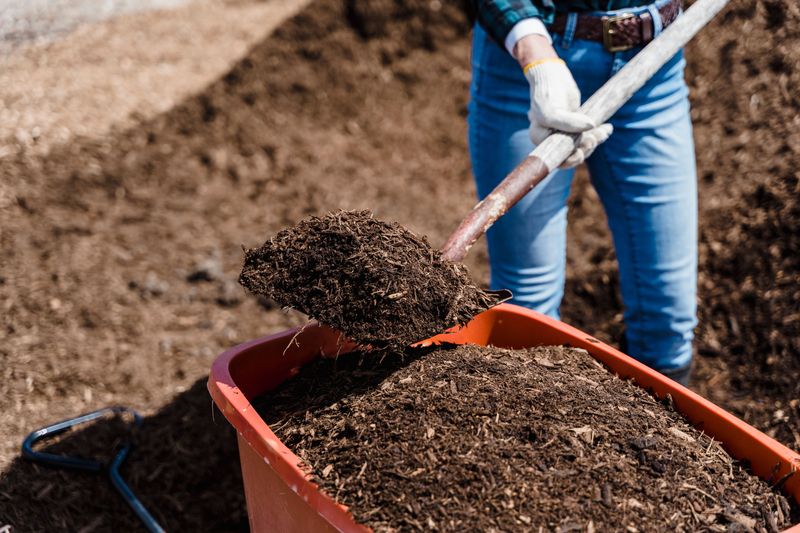
Timing is the quiet secret of good composting. Material added in September gets the full advantage of warm weather before the calendar works against you.
Piles started in November face a different reality. Mississippi winters are mild by national standards, but January nights in the 30s slow microbial activity to a crawl.
Getting your hot phase finished during September and early October means the pile spends winter curing instead of struggling. Curing is the slow, cool stage where compost develops that earthy smell and crumbly texture.
By February or March, you have finished material sitting ready. That is exactly when Mississippi gardeners start prepping beds for spring tomatoes and peppers.
Think about what that saves you. No last-minute trip to buy bagged soil amendments when you already grew your own.
Insulate the pile before the first hard freeze arrives. A thick blanket of straw bales around the sides, or a tarp draped loosely over the top, holds warmth surprisingly well.
Keep adding kitchen scraps through the cool months, but bury them deep. They will process slowly and join the batch by spring.
Some folks run two bins for this reason. One finishes over winter while the other collects new material.
Mark your calendar now for a mid-March harvest. Sifting out that dark, sweet-smelling compost on a warm spring morning, knowing it started with September’s tomato vines, is a rewarding result of early planning.