How Florida Gardeners Keep Rosemary Alive Through Heat And Heavy Rain
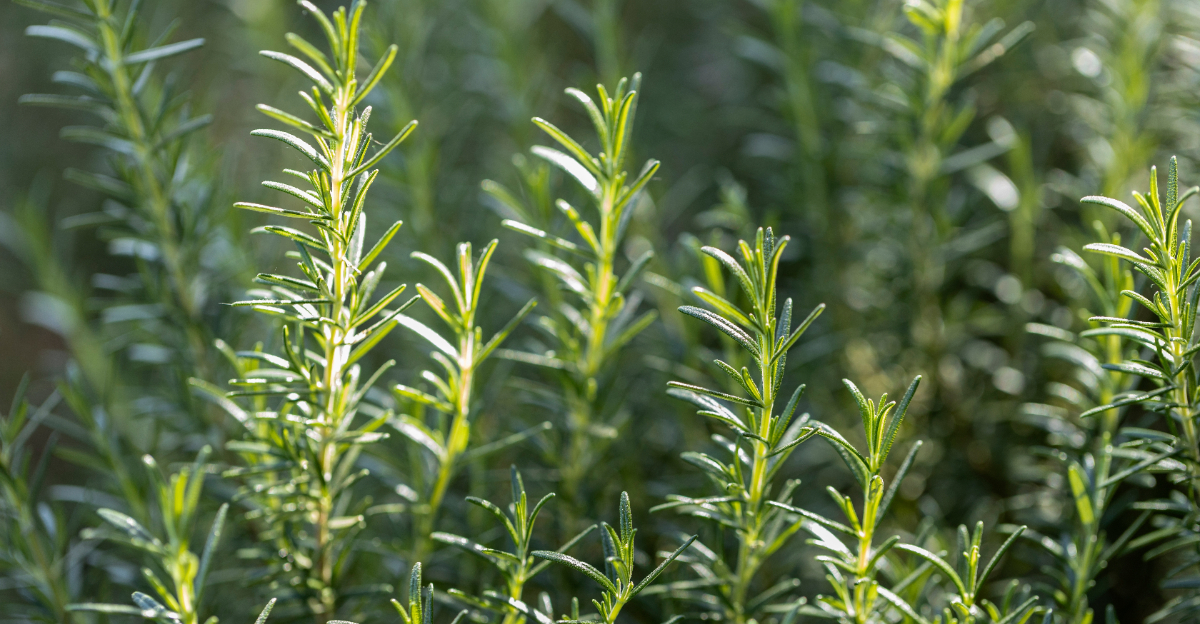
Rosemary in Florida looks like an easy win on paper. Full sun, quick-draining sand, a growing season that barely takes a break.
Then summer rolls in, and that same sand turns to mush. Rain falls for days without letting up, the air sits thick and wet, and a plant built for dry, rocky slopes suddenly finds itself standing in water.
Plenty of gardeners give up right there, assuming rosemary just can’t handle Florida. The truth is different: it handles it fine, once a few habits change.
The gardeners who get it right aren’t lucky, and they’re not babying their plants either. They just know something the rest of us don’t yet.
Choosing The Right Rosemary Variety For Florida Soil
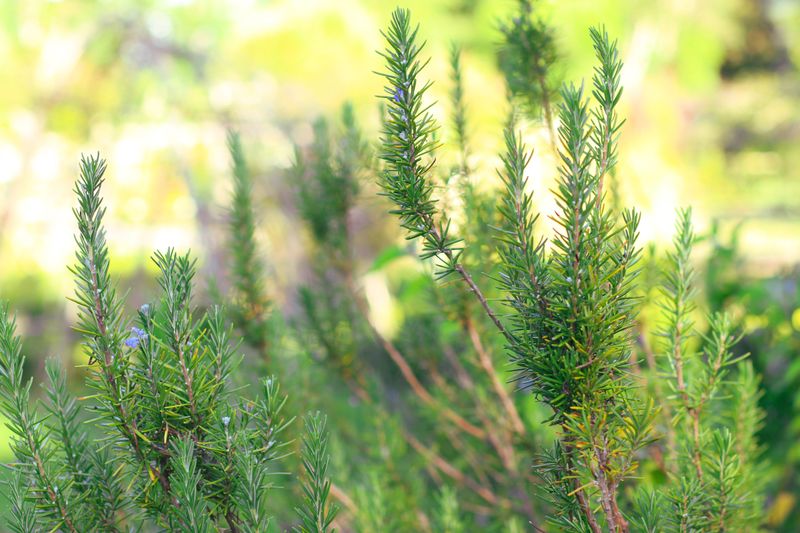
Not all rosemary is built the same. Some varieties simply weren’t built for Florida’s summer heat and wet soil.
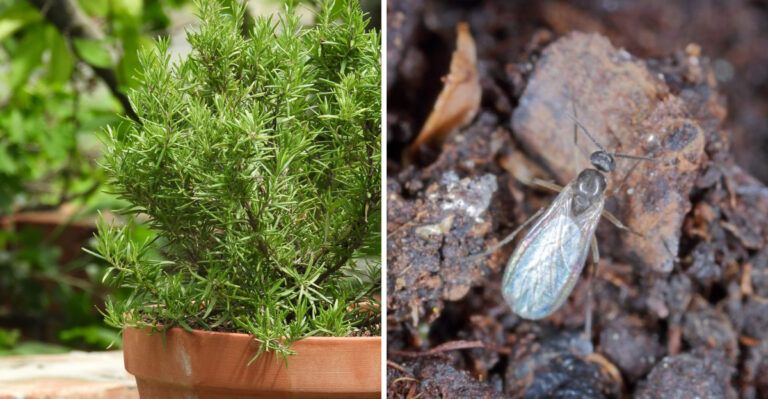
The best varieties for Florida gardens are heat-tolerant types like Arp, Salem, and Hill Hardy. These cultivars handle humidity far better than standard grocery-store rosemary plants.
Arp is a fan favorite among experienced herb gardeners in the South. It stays compact and tends to recover well after heavy downpours.
Salem rosemary grows upright and strong, making it easier to prune for airflow. Good airflow is one of the most underrated weapons against fungal rot in humid climates.
Hill Hardy lives up to its name with a tough constitution, handling brief wet spells better than more delicate varieties, which matters during Florida’s rainy season.
Choosing the wrong variety is one of the most common reasons rosemary fails here. Many gardeners buy rosemary from big-box stores without checking the label, only to watch it struggle by July.
When shopping for plants, ask your local nursery specifically about heat-tolerant or Southern-adapted cultivars. Staff at independent garden centers often know exactly which ones perform well in your specific county.
Starting with the right plant gives you a serious head start before the first summer storm even rolls in. Pick your variety wisely, and the rest of the journey gets a whole lot easier.
Improving Drainage To Prevent Root Rot
Soggy roots are rosemary’s worst enemy. Even a few days of standing water can trigger root rot that spreads fast and quietly.
Florida’s native soil is often dense and holds water longer than rosemary can tolerate. Improving drainage before planting is one of the smartest moves you can make.
Raised beds are a go-to solution for many Florida herb growers. Elevating the planting area by just six to eight inches noticeably lowers the risk of waterlogging after summer storms.
Mixing coarse sand, perlite, or small gravel into your planting soil helps water move through quickly. Rosemary roots need oxygen just as much as moisture, and compacted soil cuts off both.
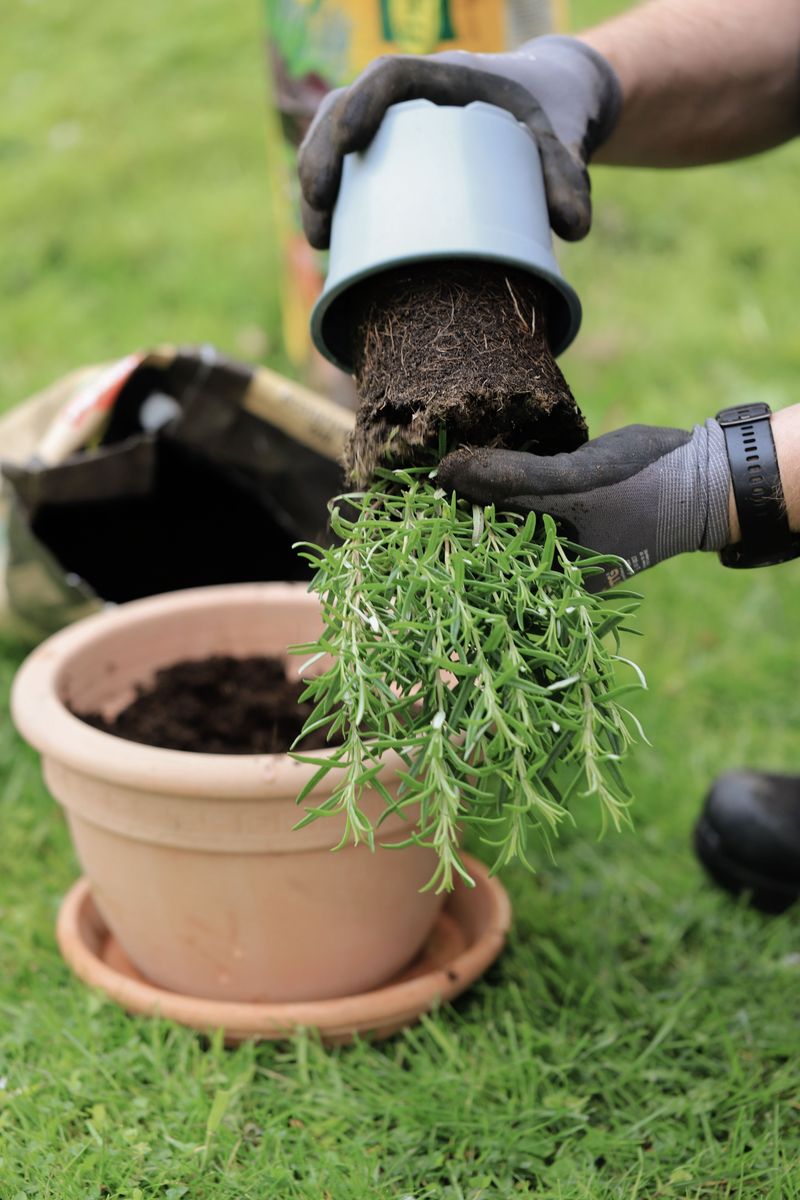
Container gardening is another popular option for gardeners dealing with poor yard drainage. Terra cotta pots dry out faster than plastic ones, which is actually a big benefit for this herb.
Your Florida Garden Changes Every Week. Your Plan Should Too.
Gardening in Florida changes quickly throughout the season. Every Friday you’ll receive a simple weekly plan showing exactly what to plant, prune, fertilize, harvest, and protect so you never miss the right timing.
Make sure any pot or bed has multiple drainage holes at the bottom. Blocked drainage holes are a sneaky cause of root problems that many beginners overlook entirely.
Using a well-draining potting mix and checking that drainage holes stay clear of soil buildup helps water move through as it should. It is a small habit that makes a real difference over time.
Root rot caught early can sometimes be reversed with a soil change and careful trimming. Catch it late, and the plant rarely recovers, so prevention tends to be the smarter path.
Best Planting Locations For Sun And Airflow

Location is everything when growing rosemary in a hot, rainy climate. Planting in the wrong spot can undo even your best soil preparation work.
Rosemary needs at least six to eight hours of direct sunlight each day. In Florida, that is rarely the problem, but shade from fences or large trees can quietly starve the plant of light.
Airflow matters just as much as sunshine. Stagnant, humid air trapped around the plant creates the perfect conditions for fungal disease to take hold.
Avoid planting rosemary in tight corners or against walls where air barely moves. Open, breezy spots in the yard allow moisture on leaves to dry quickly after rain or morning dew.
South-facing or west-facing garden beds tend to get the most consistent sun exposure throughout the day. These spots also tend to warm up faster after rain, which helps dry out the surrounding soil.
Spacing matters more than most gardeners realize. Planting rosemary too close to other herbs or shrubs blocks airflow and creates a microclimate that traps heat and humidity around the stems.
Give each plant at least 24 inches of breathing room on all sides. That extra space might look bare at first, but it pays off once the summer rains settle in.
Positioning your rosemary where morning sun hits first is a smart bonus move. Morning light dries overnight moisture fast, reducing the window for mold or mildew to develop on stems and leaves.
Watering Habits That Support Humid Summers
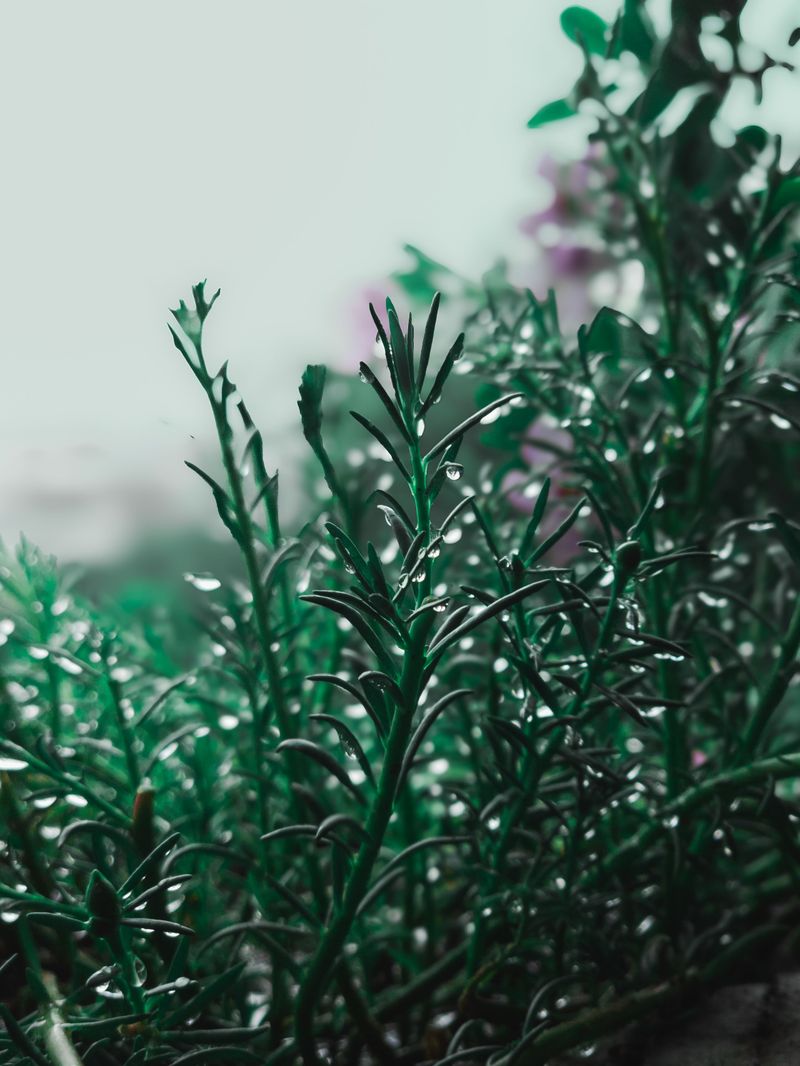
Here is something that surprises new Florida gardeners: overwatering rosemary is far more common than underwatering it. The humidity alone keeps the soil moist longer than you might expect.
During the rainy season, which runs roughly from June through September, you may not need to water at all. Let natural rainfall do the work while you focus on drainage and airflow instead.
Check the soil before reaching for the hose. Stick your finger about two inches into the ground, and only water if it feels dry at that depth.
Watering in the morning is generally better than watering at night. Morning moisture has time to evaporate during the day, while evening watering leaves plants damp through the night, which invites fungal problems.
Drip irrigation is a popular choice among experienced herb gardeners in warm climates. It delivers water directly to the root zone without splashing leaves or stems, reducing moisture-related disease risks.
Avoid overhead sprinklers for rosemary whenever possible. Wet foliage combined with high humidity creates a breeding ground for powdery mildew and other fungal issues that spread quickly in warm weather.
During the dry season, from roughly October through May, water deeply but infrequently. Deep watering encourages roots to grow downward, making the plant more resilient when heat spikes or brief dry spells occur.
Smart watering habits are one of the simplest ways to keep rosemary alive through Florida’s wild seasonal swings. Consistency and restraint often matter more than any fertilizer or fancy soil amendment.
Signs Your Rosemary Needs Attention
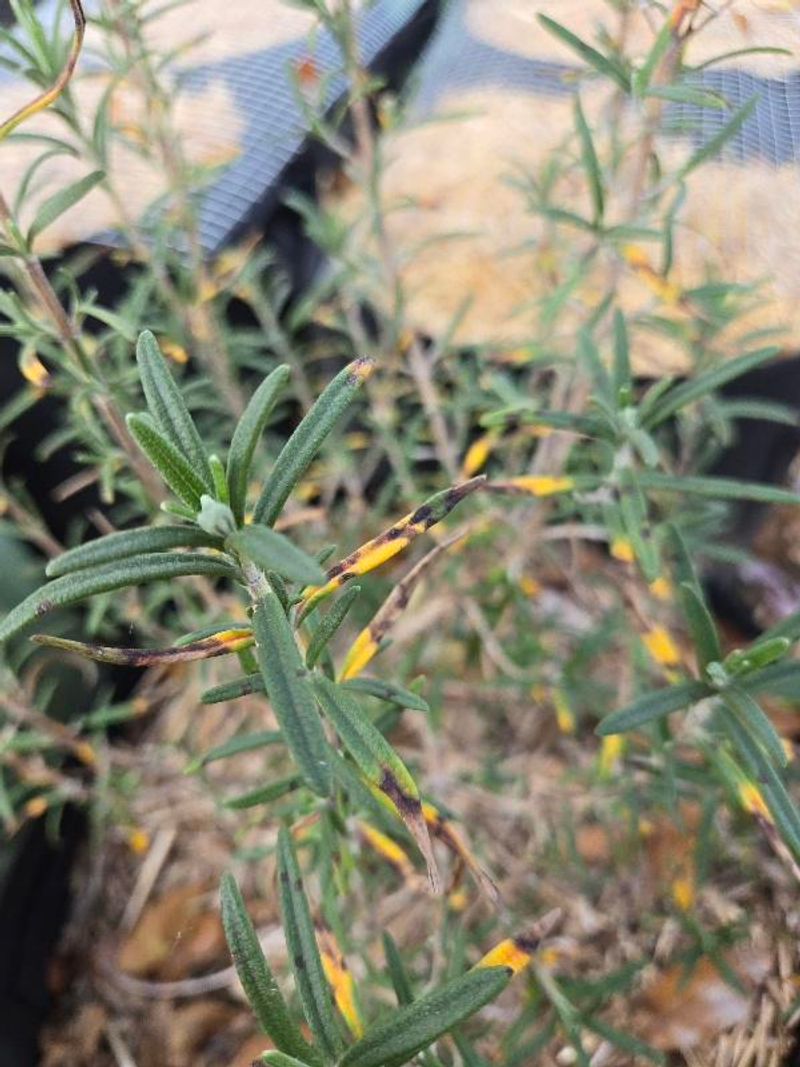
Rosemary is a tough plant, but it does speak up when something is wrong. Learning to read its signals early can save you a lot of frustration and heartbreak later.
Yellowing leaves are one of the first warning signs. They usually point to overwatering or poor drainage rather than a lack of nutrients, which surprises many first-time growers.
Brown, mushy stems near the soil line are a serious red flag. That texture usually means root rot has already started, and action needs to happen fast to have any chance of saving the plant.
Leggy, stretched-out growth often means the plant is not getting enough sunlight. Moving it to a sunnier spot or trimming back surrounding plants to let more light in can reverse this quickly.
Powdery white coating on leaves is a sign of mildew, which thrives in warm, humid, poorly ventilated spots. Improving airflow and reducing overhead watering usually slows mildew spread within a week or two.
Sparse needle production despite healthy-looking stems can mean the plant needs a good pruning. Sometimes rosemary just needs a firm haircut to redirect its energy into fresh, dense new growth.
Pale or washed-out leaf color sometimes signals a soil pH issue. Rosemary prefers slightly alkaline soil, and soil pH that skews too acidic can slowly affect nutrient absorption over time.
Catching these signs early keeps small problems from turning into big ones. A watchful eye and a quick response are often all it takes to turn a struggling plant around.
Simple Pruning Steps For Stronger Growth
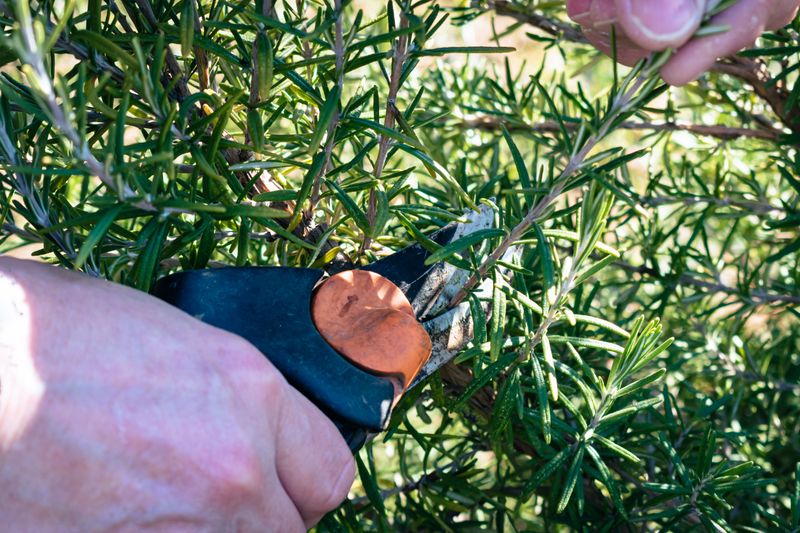
Pruning rosemary feels intimidating the first time, but it is actually one of the most forgiving tasks in the herb garden. A few confident snips go a long way toward healthier, bushier plants.
The best time to prune in Florida is late winter or early spring, just before the growing season kicks into high gear. Trimming before summer heat arrives gives the plant time to recover and fill in fast.
Use clean, sharp scissors or pruning shears. Dull blades crush stems instead of cutting cleanly, which leaves wounds that are slower to heal and easier for disease to enter.
Remove no more than one-third of the plant at a single session. Taking too much at once stresses the root system and can slow recovery, especially heading into summer heat.
Focus first on dry, brown, or crossing stems. Clearing those out improves airflow through the center of the plant and reduces the risk of fungal buildup during rainy stretches.
Light shaping throughout the growing season keeps rosemary compact and manageable. Pinching off the tips of new growth encourages branching, which creates a fuller, more productive plant over time.
Avoid cutting into the thick, woody base of the stems. Rosemary does not regenerate well from old wood, so leave some green growth on the branches you trim.
Give it the right shape, and the rest of summer takes care of itself. Regular pruning is one simple habit that pays off with a healthier, longer-lasting herb garden.