The 8 Best Vegetables For Vertical Gardening In Georgia Yards
Georgia vegetable gardens can fill up fast once late spring growth kicks in. Beds that looked neat earlier in the season suddenly feel crowded, and harvesting becomes more frustrating once plants start spreading everywhere.
Smaller yards usually feel this problem first.
Vertical gardening changes that setup in a surprisingly simple way. Plants stay more organized, airflow improves, and gardens start looking less messy once vegetables grow upward instead of across the ground.
Harvesting also becomes much easier once everything stops tangling together.
Certain vegetables thrive with this method in Georgia yards, especially during warm weather when growth speeds up quickly.
More gardeners keep turning to vertical setups because they make small spaces feel far more productive without making the yard harder to manage.
1. Cucumbers Grow Up Trellises And Leave More Room Below
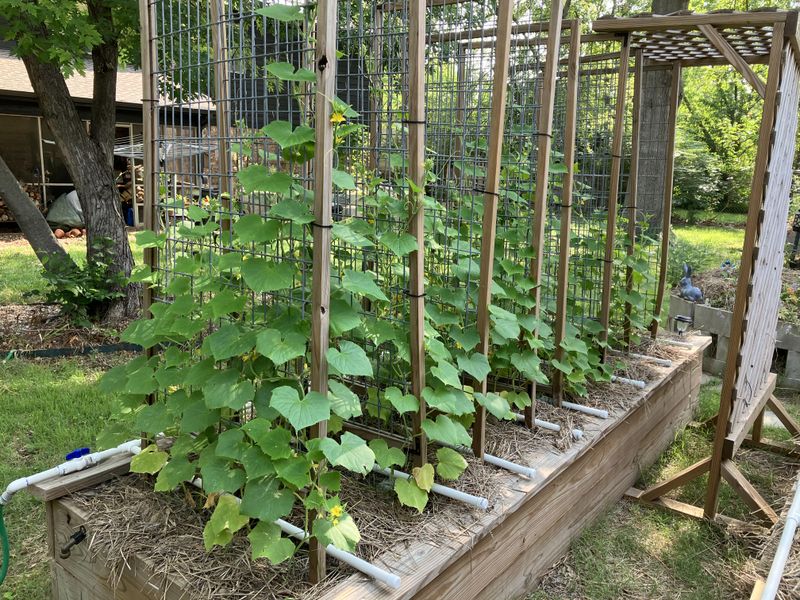
Cucumbers sprawling across the ground take up enormous space and stay wet longer, which invites disease. Train them up a trellis instead and everything changes.
Airflow improves, fruit hangs straight and clean, and you reclaim all that ground space for other crops. Georgia gardeners who make this switch rarely go back.
Standard slicing varieties like Straight Eight or Spacemaster work well on a trellis, but so do pickling types. Whatever you choose, plant after your last frost date, which in most parts of Georgia falls between late March and mid-April depending on your zone.
Cucumbers are warm-season crops and will stall in cold soil.
A sturdy trellis matters here. Cucumber vines can get heavy with fruit, especially later in the season.
Cattle panel bent into an arch, or a simple wire fence stretched between T-posts, handles the weight without much trouble. Weave vines through the openings as they grow and they will take care of the rest.
Powdery mildew is common in Georgia humidity. Vertical growing helps reduce it, but check leaves regularly.
Harvest cucumbers before they yellow and get seedy. A plant that keeps getting picked will keep producing, sometimes for six to eight weeks straight with proper care and consistent moisture.
Mulching around the base of the plants also helps keep soil moisture steady during hot Georgia stretches and reduces water splashing onto the leaves after rain.
2. Pole Beans Climb Fast And Keep Producing In Small Garden Spaces
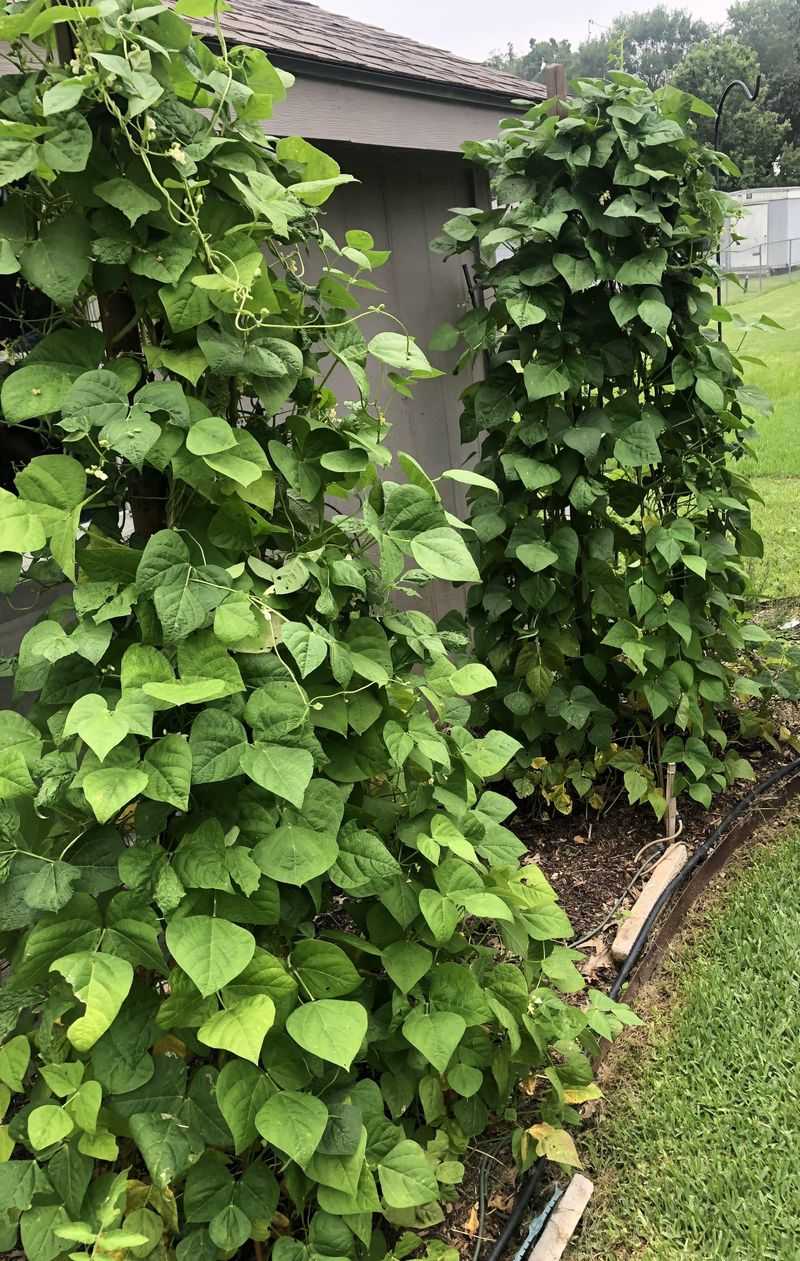
Pole beans are basically built for vertical gardening. Unlike bush beans, which stop producing after one flush, pole beans keep cranking out pods week after week once they get going.
Plant them near a trellis, a bamboo teepee, or even a section of cattle panel, and they will find their way up without much help from you.
In Georgia, pole beans love the warm soil temperatures that arrive by late April and May. Varieties like Kentucky Wonder and Rattlesnake Pole Bean have been grown in Southern gardens for generations, and for good reason.
They handle Georgia heat better than most cool-season crops and rarely complain as long as they get consistent water.
Space your seeds about four to six inches apart at the base of your support structure. Water deeply a few times a week rather than lightly every day.
Your Georgia Garden Changes Every Week. Your Plan Should Too.
Gardening in Georgia changes quickly throughout the season. Every Friday you’ll receive a simple weekly plan showing exactly what to plant, prune, fertilize, harvest, and protect so you never miss the right timing.
Beans fix their own nitrogen from the air, so heavy fertilizing is not necessary and can actually reduce pod production.
Harvest pods when they are firm and snap cleanly. Leaving mature pods on the vine signals the plant to slow down production.
Pick frequently to keep the harvest going strong all the way through Georgia summers, sometimes right into early fall if temperatures cooperate.
Good airflow around the vines also helps reduce common Georgia problems like powdery mildew and fungal leaf spots once summer humidity starts building.
3. Cherry Tomatoes Stay More Manageable With Strong Vertical Support
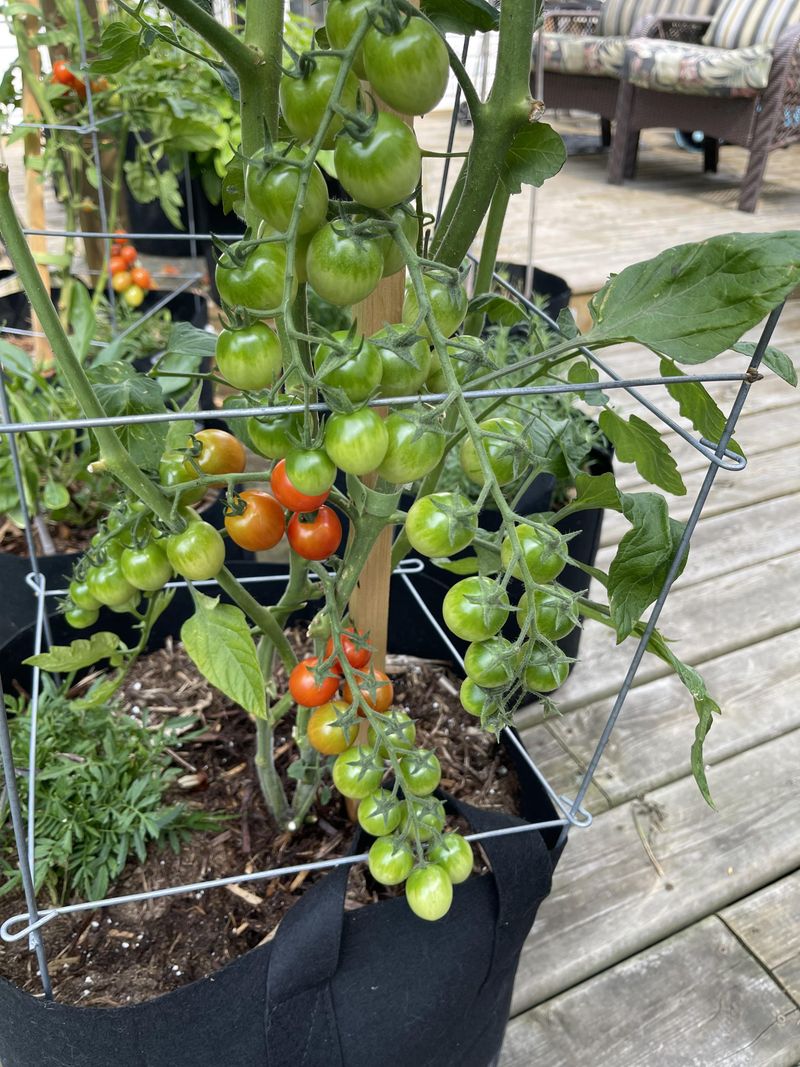
Cherry tomatoes are wildly productive, sometimes almost too productive if you let them sprawl. A plant without support turns into a tangled mess on the ground, and fruit that touches soil rots fast in Georgia humidity.
Stake them early and you avoid that whole situation entirely.
Varieties like Sun Gold, Sweet 100, and Black Cherry are popular across Georgia for good reason. They ripen quickly, hold up well in heat, and produce clusters of fruit from early summer into fall.
Sun Gold in particular develops an almost tropical sweetness during Georgia summers that you just do not get from store-bought tomatoes.
Start staking when transplants go in the ground. A single heavy wooden stake or a Florida weave system works well.
Tie the main stem loosely with soft twine or fabric strips every eight to ten inches as the plant grows. Avoid wire that can cut into stems under the weight of fruit.
Pinch suckers that develop in the crotch between stem and branch. Letting every sucker grow creates a bushy, unmanageable plant.
Remove lower leaves that touch the soil to reduce splash-back from watering, which spreads soil-borne disease. With consistent pruning and support, cherry tomatoes in Georgia yards can produce heavily from June through October.
4. Malabar Spinach Handles Heat Well While Growing Straight Up
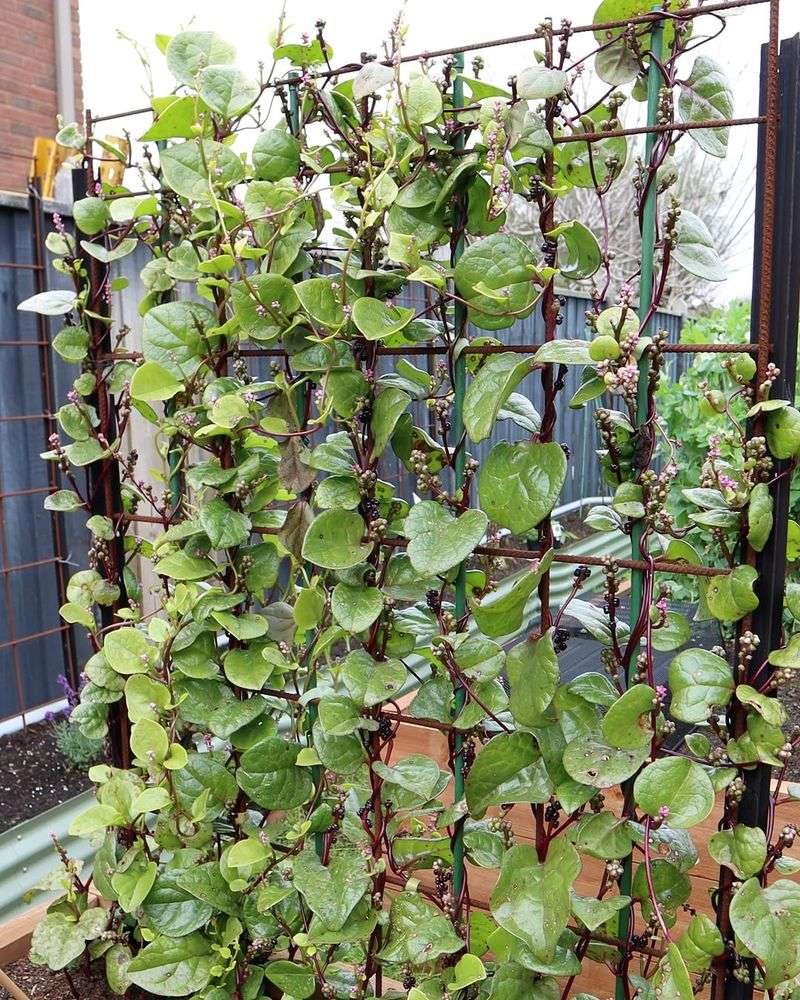
Regular spinach gives up in Georgia heat before summer even hits full stride. Malabar spinach does the opposite.
It thrives in exactly the conditions that shut down most leafy greens, making it one of the most practical vertical crops a Georgia gardener can grow from late spring through early fall.
Technically a tropical vine, Malabar spinach grows fast once temperatures climb above 80 degrees. It twines up a trellis naturally without much encouragement.
Leaves are thick, glossy, and slightly succulent. The flavor is mild with a subtle earthiness, and it works well cooked in stir-fries, soups, or anywhere you would normally use regular spinach or chard.
Start seeds indoors about four weeks before your last frost date, or direct sow once soil warms to at least 65 degrees. Germination can be slow, sometimes two to three weeks.
Nicking the seed coat or soaking seeds overnight speeds things up. Once established, the plant grows aggressively and may need weekly trimming to stay manageable on its support.
Red-stemmed varieties add a nice visual contrast in the garden and perform just as well as green types. Harvest outer leaves regularly to encourage new growth.
Malabar spinach rarely struggles with pests in Georgia, which makes it a refreshingly low-maintenance option for gardeners who want greens without the constant fight against summer conditions.
5. Peas Attach Easily To Fencing And Grow Well In Raised Beds
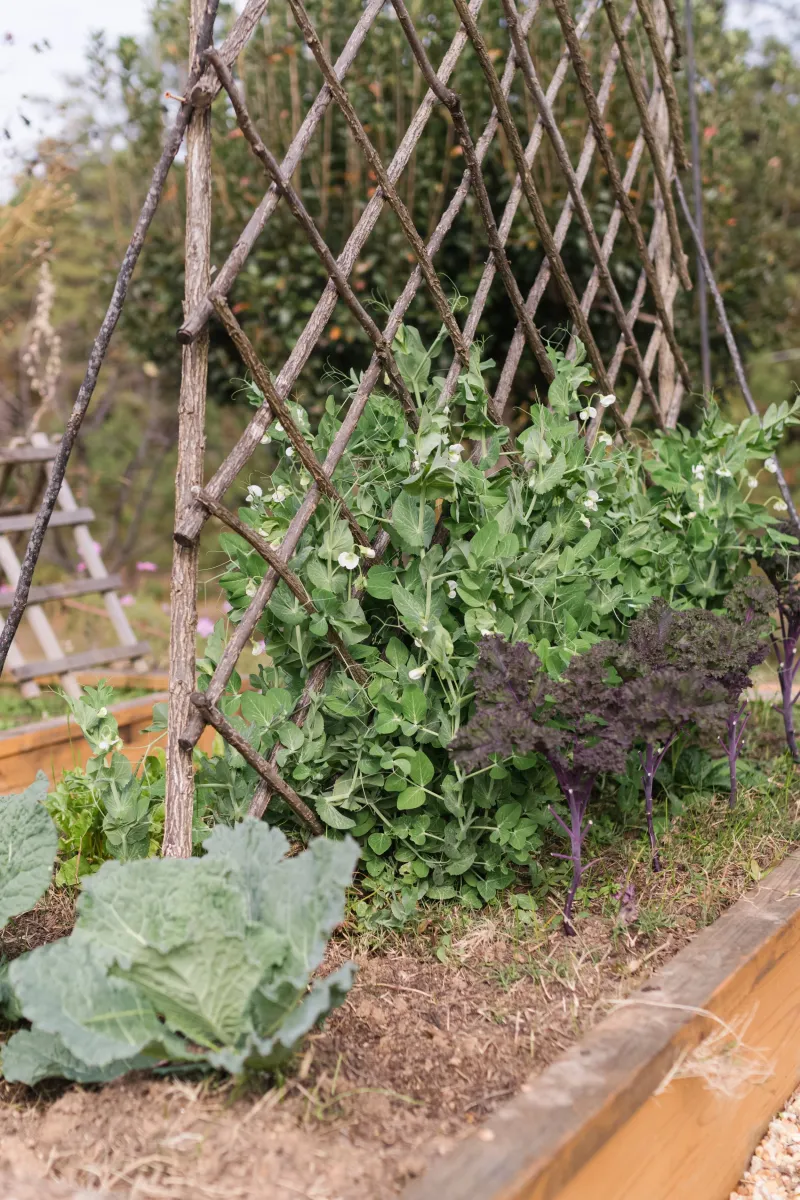
Peas are one of the few crops that actually prefer Georgia’s mild late-winter and early-spring weather. Plant them too late and the heat shuts them down fast.
Get them in the ground in February or early March in most parts of Georgia, and you can pull a solid harvest before summer arrives and makes everything complicated.
Sugar snap peas are especially popular because the entire pod is edible. No shelling required, no wasted parts.
Varieties like Sugar Ann and Super Sugar Snap produce reliably in Georgia raised beds and attach to wire fencing, twine netting, or even a basic trellis using their natural tendrils. You barely have to guide them at all.
Raised beds warm up faster in late winter than in-ground soil, which gives peas a head start. Mix compost into your bed before planting and avoid heavy nitrogen fertilizers.
Like beans, peas fix their own nitrogen and do not need much extra feeding. Keep the soil consistently moist but not waterlogged during the cool weeks of their growing season.
Harvest pods when they are plump and the peas inside feel full but not hard. Overgrown pods get starchy and lose their sweetness quickly.
Pick every day or two once production starts. Peas are a short-season crop in Georgia, but when timed right, they deliver a sweet and satisfying spring reward before summer vegetables take over.
6. Armenian Cucumbers Spread Vertically And Stay Easier To Harvest
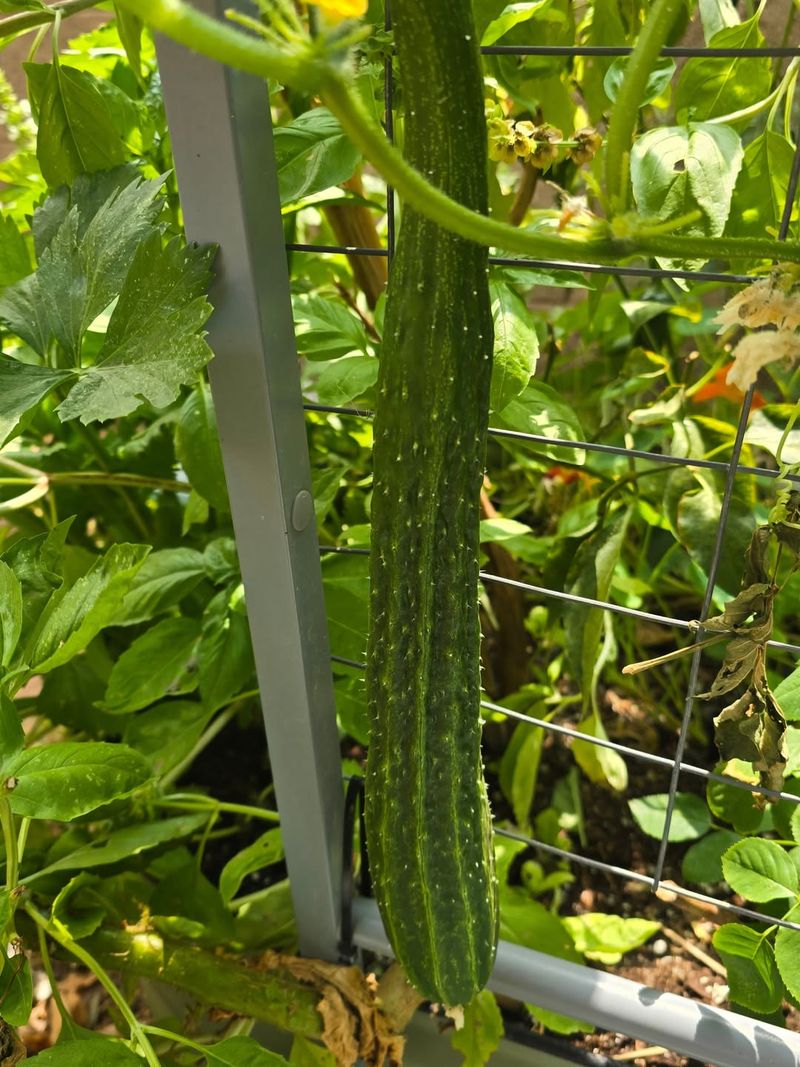
Most people who grow Armenian cucumbers the first time become loyal fans by the end of the season. Technically a muskmelon, it grows and tastes like a cucumber but handles Georgia heat far better than standard varieties.
Where regular cucumbers start struggling in July, Armenian cucumbers keep going strong well into August and sometimes September.
Fruits grow long, sometimes reaching eighteen inches or more, with pale green ridged skin and a mild, crisp flesh. Grown on the ground, they curl and become oddly shaped.
On a trellis, they hang straight and are much easier to spot and pick before they get oversized. A tall, sturdy support of at least five feet is worth the effort for this variety.
Plant after Georgia’s last frost when soil is fully warm. Seeds germinate quickly in warm conditions, often within five to seven days.
Vines are vigorous and will cover a trellis fast. Give plants plenty of room at the base, about twelve to eighteen inches between plants, so roots are not competing for water and nutrients in the same spot.
Check for fruit every day or two once plants start producing. Armenian cucumbers go from ideal to oversized quickly in warm weather.
Consistent harvesting keeps vines productive. Unlike standard cucumbers, they do not turn bitter when temperatures spike, which makes them one of the most reliable vertical crops available for Georgia summer gardens.
7. Indeterminate Tomatoes Produce Longer With Tall Cages Or Stakes
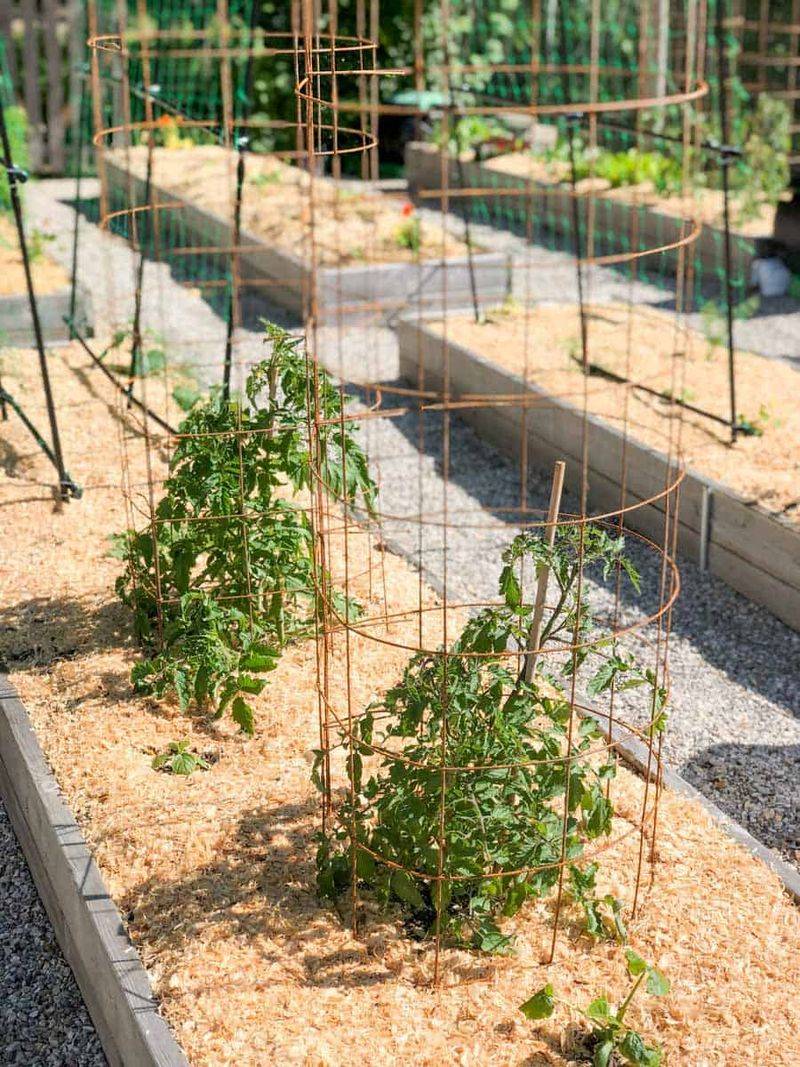
Standard tomato cages from the hardware store were not designed for indeterminate varieties. Those flimsy wire cones collapse by midsummer when a full-grown plant loaded with fruit leans against them.
Indeterminate tomatoes need real support, tall heavy cages, thick wooden stakes, or a Florida weave system using T-posts and twine.
Indeterminate varieties like Better Boy, Brandywine, and Cherokee Purple are popular across Georgia because they produce continuously rather than all at once.
A well-supported plant can reach six feet or taller and keep setting fruit from June through early fall. Without vertical support, that same plant becomes a sprawling mess that is hard to manage and more vulnerable to soil-borne disease.
Set your support structure in place at planting time, not after the plant has already grown. Driving stakes near established roots damages them and stresses the plant.
Tie stems loosely to stakes every eight to twelve inches as the plant grows. Soft garden tape or strips of old t-shirt work better than stiff ties that can cut into stems.
Prune suckers below the first flower cluster to direct energy into fruit production. In Georgia heat, afternoon shade can help prevent blossom drop during the hottest weeks of summer.
Water deeply and consistently, since irregular watering leads to blossom end rot. With proper support and care, indeterminate tomatoes are one of the most rewarding vertical crops Georgia yards can produce.
8. Luffa Gourds Grow Best With Heavy Support And Plenty Of Airflow
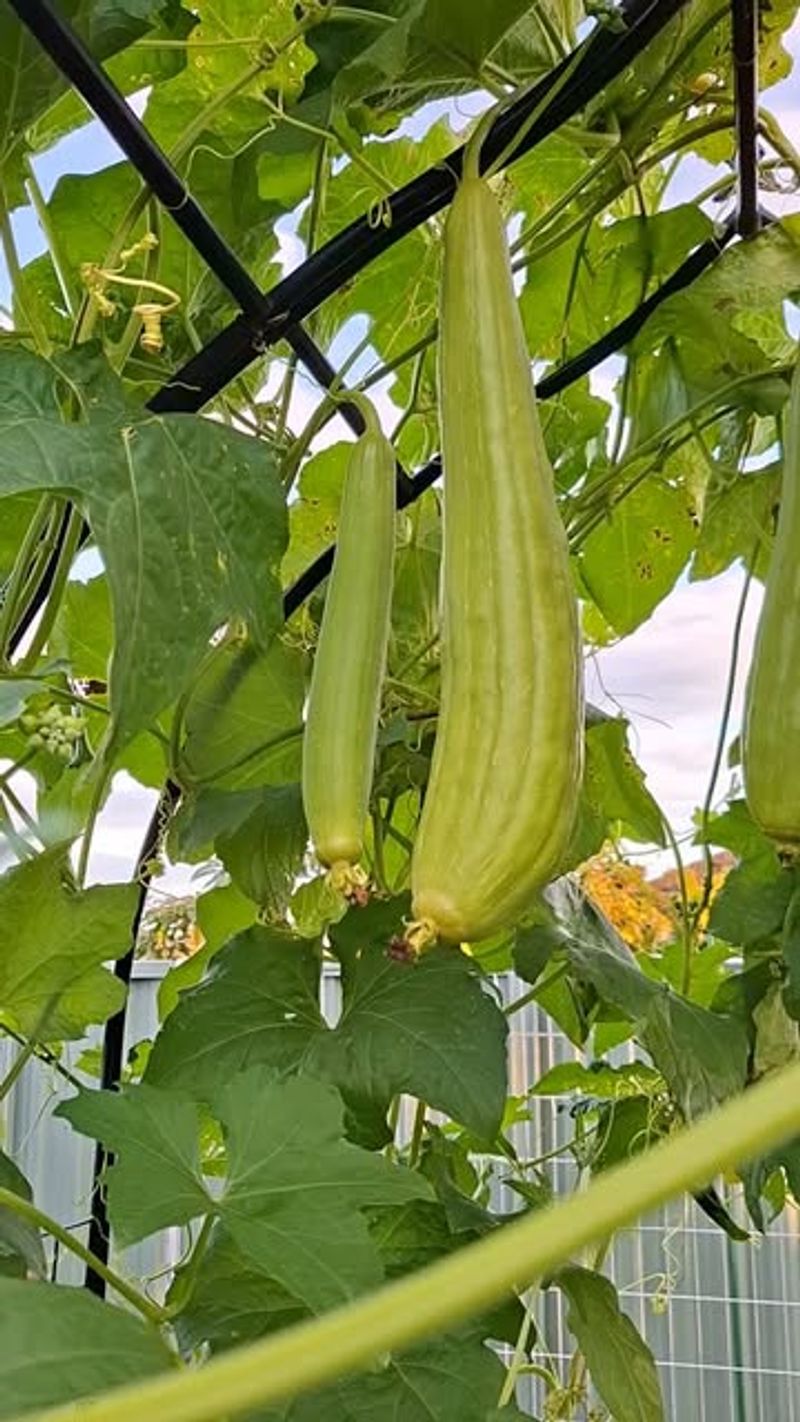
Growing your own luffa sponge sounds like a novelty until you actually try it, and then it becomes one of the most satisfying garden projects you will do. Luffa gourds are edible when harvested young, and when left to fully mature and dry, the fibrous interior becomes the natural scrubbing sponge found in bath and kitchen stores.
Georgia summers are nearly ideal for luffa because of the long, hot growing season. Luffa needs a full growing season of 150 to 200 days, which means starting seeds indoors in late February or March and transplanting after all frost risk passes.
In South Georgia, direct sowing in April can work, but in northern parts of the state, indoor starting is strongly recommended.
Vines grow aggressively, sometimes reaching twenty feet or more by late summer. A lightweight trellis will not handle the load.
A heavy pergola, thick cattle panel, or sturdy arbor gives luffa the foundation it needs. Good airflow around the vines helps reduce fungal issues that tend to develop in Georgia humidity during August and September.
Harvest gourds for eating when they are six to eight inches long and still firm. For sponges, leave them on the vine until the skin turns brown and dry.
Peel back the outer skin, shake out the seeds, and rinse the fibrous skeleton. It is a slow crop but an incredibly rewarding one for Georgia gardeners with enough space and a solid support structure.