How Georgia Gardeners Know Exactly When To Dig Up Summer Sweet Potatoes
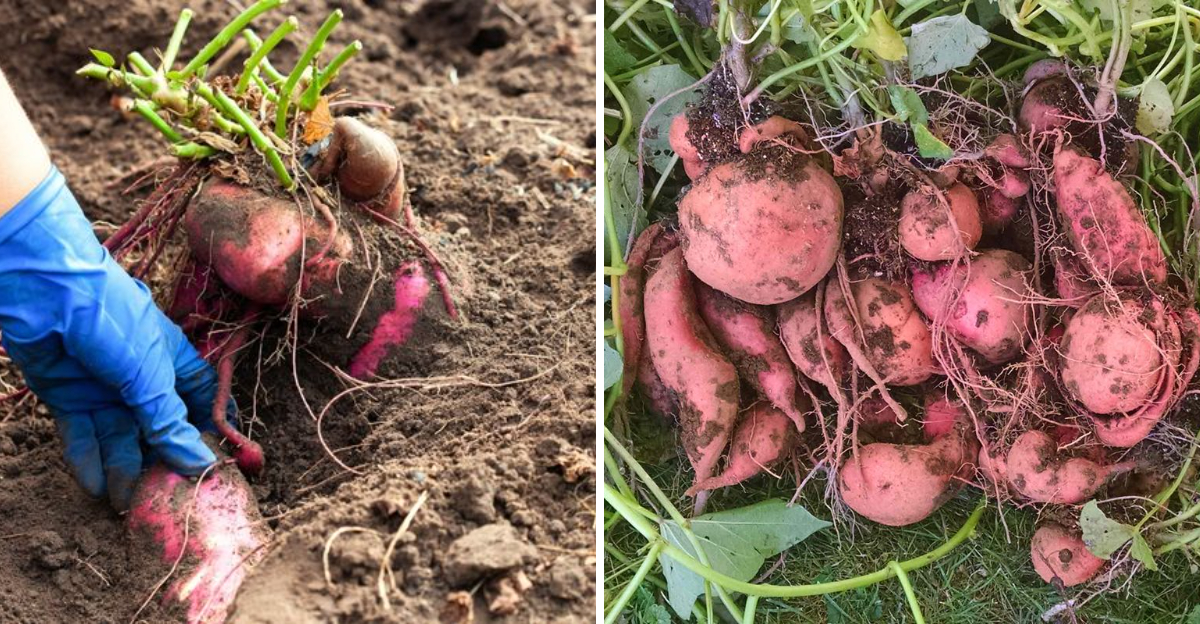
Sweet potatoes are one of those garden crops that make Georgia summers feel genuinely productive, vines sprawling enthusiastically across the bed, leaves lush and green, the whole setup looking like a real success.
The tricky part comes later, when it’s time to figure out what’s actually happening underground and whether those roots are ready to come up.
A calendar date alone won’t tell you much, and those impressive vines on the surface are not exactly reliable messengers about root development below.
Different cultivars mature at different rates, soil conditions and rainfall play a bigger role than most gardeners expect, and late summer weather varies enough across the state to make timing genuinely unpredictable.
Getting the harvest right comes down to a combination of knowing your expected maturity window, doing some test digging, and keeping a close eye on the weather as the Georgia growing season starts winding down.
1. Count The Days From Planting First
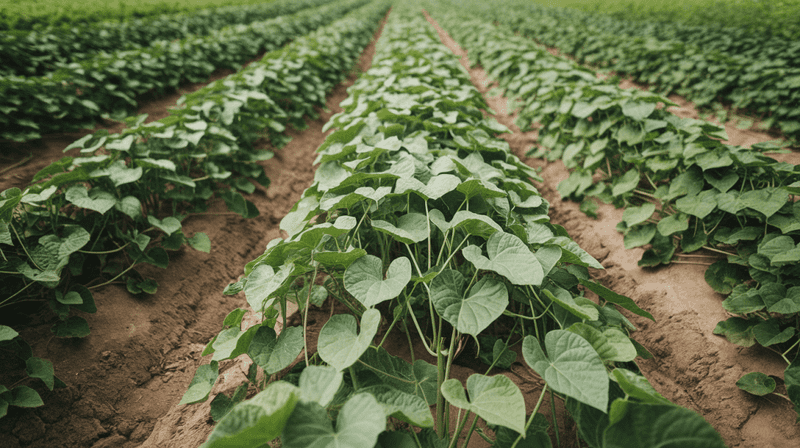
Flipping back through a garden journal to find the planting date is one of the first useful steps a sweet potato grower can take when harvest season approaches.
The number of days since transplanting slips into the ground gives a reasonable starting point for deciding when to begin closer inspection of the crop.
Most sweet potato cultivars grown in Georgia reach maturity somewhere within a window of roughly 90 to 120 days after planting, though that range is not a fixed rule that applies equally to every variety.
Beauregard, one of the most popular cultivars in Georgia home gardens, tends toward the shorter end of that window. Porto Rico and Jewel may follow slightly different timelines depending on the growing conditions that season.
Centennial is another variety with its own maturity pattern worth researching before planting.
Warm summers can push development along, but a cooler stretch in late summer or unusual rainfall can shift the timeline in either direction. Soil fertility and planting depth also play a role in how quickly storage roots develop.
Because of those variables, the day count should be treated as a signal to start paying closer attention rather than a firm deadline. Reaching 90 days does not mean the crop is ready, and passing 120 days does not mean it is overdue.
Use the maturity window to plan your first test-dig, not to schedule a single harvest day.
2. Test-Dig Before Harvesting The Whole Bed
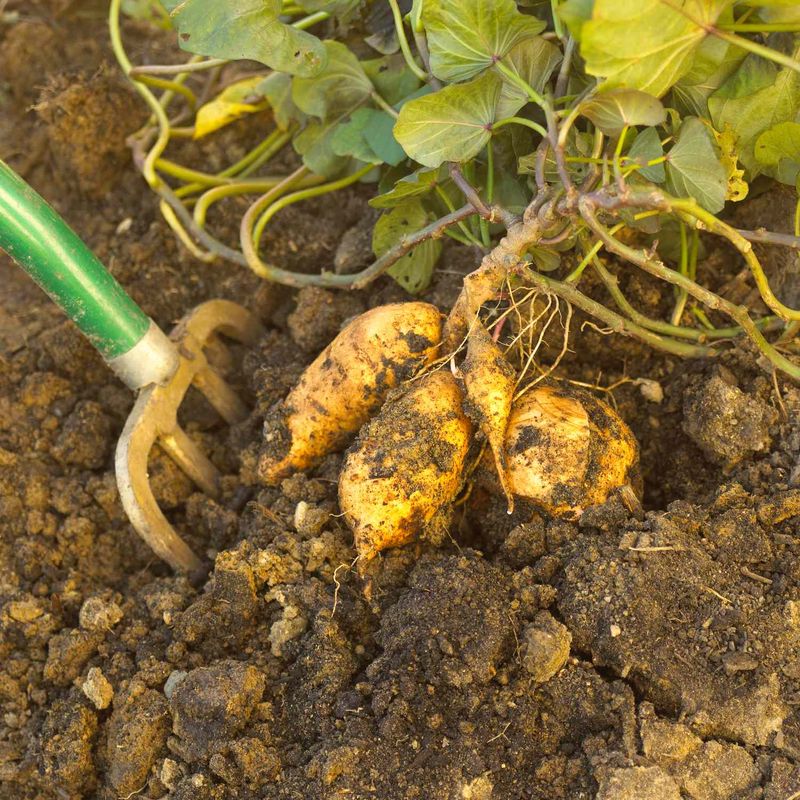
Before pulling up an entire bed of sweet potatoes, slipping a garden fork carefully into the soil near one plant and lifting it gently can tell you far more than studying the vines from above ever could.
Test-digging a representative sample plant gives a real look at what the storage roots actually look like at that point in the season.
This practice is one of the most practical ways Georgia gardeners can judge crop progress without committing to a full harvest before the roots are ready.
Choose a plant near the middle of the bed rather than one at the edge, since edge plants sometimes develop differently from those in the main planting area. Brush the soil away from the roots and take a careful look at their overall size and shape.
Your Georgia Garden Changes Every Week. Your Plan Should Too.
Gardening in Georgia changes quickly throughout the season. Every Friday you’ll receive a simple weekly plan showing exactly what to plant, prune, fertilize, harvest, and protect so you never miss the right timing.
One unusually large root or one small root does not tell the whole story, so check several roots from that same plant before drawing conclusions.
If the roots look undersized after the first test-dig, cover the area back up and wait another week or two before checking again.
If roots appear close to the size you were hoping for, it may be worth digging a second sample plant from a different spot in the bed to confirm what you found.
The underground crop matters far more than the appearance of the vines above, and test-digging is the clearest way to see what Georgia’s soil has been quietly producing all summer.
3. Root Size Gives The Clearest Harvest Clue
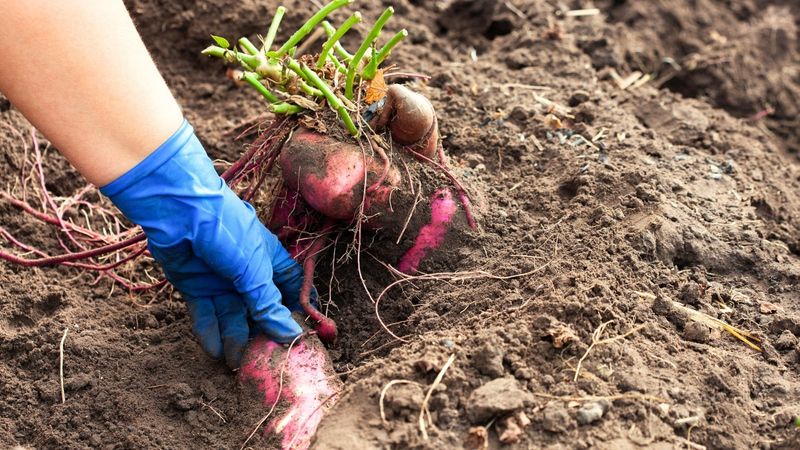
Pulling a root out of Georgia soil and actually measuring or eyeballing its diameter cuts through most of the guesswork that comes with sweet potato harvest timing.
Root size tends to give a clearer harvest clue than vine color, the number of days since planting, or any single visual sign above ground.
Storage roots that have reached roughly 2 to 3 inches in diameter are generally considered a good harvest size by many gardeners and horticultural guidelines, though preferred size can vary somewhat depending on the cultivar and what the gardener plans to do with the crop.
Keep in mind that not every root in the bed will reach the same diameter at the same time. Sweet potato storage roots naturally vary in size even within a single planting, so looking at the overall picture during a test-dig is more useful than focusing on just one root.
If most roots from a sample plant fall within a reasonable size range, that is a more meaningful data point than one outlier root that happens to be especially large or small.
Some gardeners prefer smaller, smoother roots for table use, while others wait for larger roots to develop. Neither approach is wrong as long as the crop is harvested before cold weather becomes a concern.
Handling the roots carefully during test-digging matters too, since sweet potato skins are tender at this stage and can scrape or bruise easily, which can affect how well they store later.
4. Fading Vines Can Signal Maturity Is Near
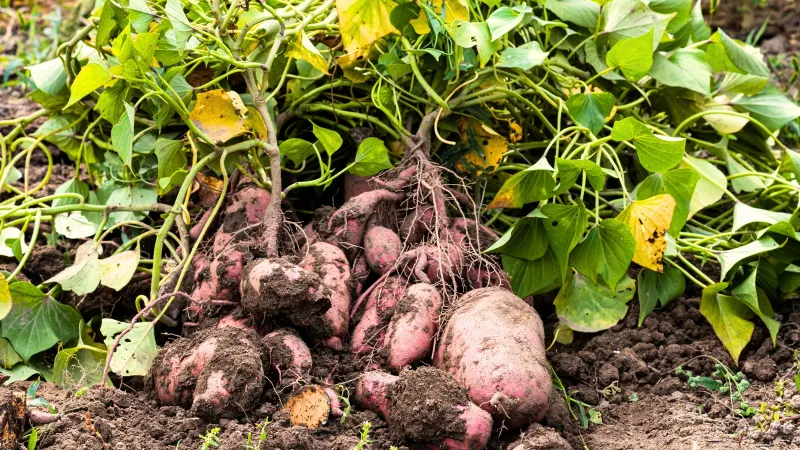
Late in the growing season, some Georgia gardeners notice that their sweet potato vines begin to look a little less vibrant than they did during midsummer.
Leaves may start to yellow or fade, and the overall appearance of the planting can shift from lush green to something a bit more tired-looking.
When that happens, it is worth taking note, because fading tops can be a supporting clue that the crop is moving toward maturity.
That said, vine appearance alone should not be treated as a reliable harvest signal. Healthy, deeply green vines do not mean the roots are still too small to harvest, and fading vines do not confirm that storage roots have reached a desirable size.
Environmental stress, dry conditions, or natural seasonal changes can all cause vines to look tired before the roots are actually ready. Conversely, vigorous green vines late in the season do not mean the crop needs more time underground.
Think of vine condition as one piece of a larger picture rather than the deciding factor. If the vines are beginning to fade and the day count is within the expected maturity window, that combination is a good reason to do a test-dig and check root size directly.
Georgia gardeners who rely too heavily on vine appearance without checking underground can either harvest too early or leave a mature crop in the ground longer than necessary. Let the roots themselves confirm what the vines seem to suggest.
5. Oversized Roots Mean You Waited Long Enough
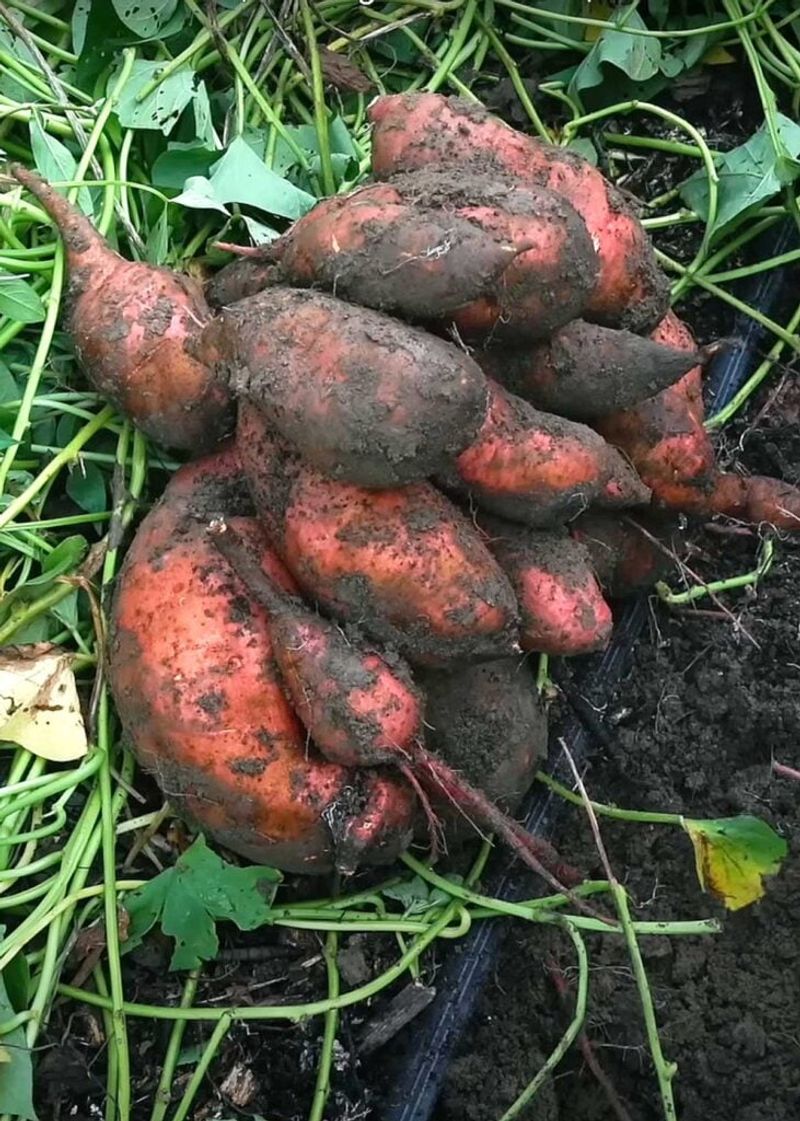
Finding a surprisingly large sweet potato during a test-dig can feel like a reward for patient gardening, but it also carries a practical message worth paying attention to.
Sweet potato storage roots will keep enlarging as long as warm soil conditions remain favorable, which means that in Georgia’s extended growing season, it is entirely possible to leave a crop underground past the point where most roots have already reached a useful harvest size.
Excessively large roots are not automatically a problem for every gardener, but size does come with some trade-offs. Very large sweet potatoes can develop a coarser texture and may not cook as evenly as medium-sized roots.
Under certain conditions, roots that remain underground after reaching full size can also begin to crack, particularly if heavy rainfall follows a drier stretch late in the season.
If test-digging reveals that roots have already grown well beyond the 2-to-3-inch diameter range you were targeting, that is a clear sign the crop has had enough time in the ground.
Vigorous vines that still look healthy above the soil surface can give the impression that the plant is still actively building root mass, but that appearance does not always reflect what is happening underground.
When roots are already at or past the size you want, there is little practical reason to delay the full harvest simply because the tops look lively. The underground evidence is the more reliable guide.
6. Harvest Before Georgia’s First Frost
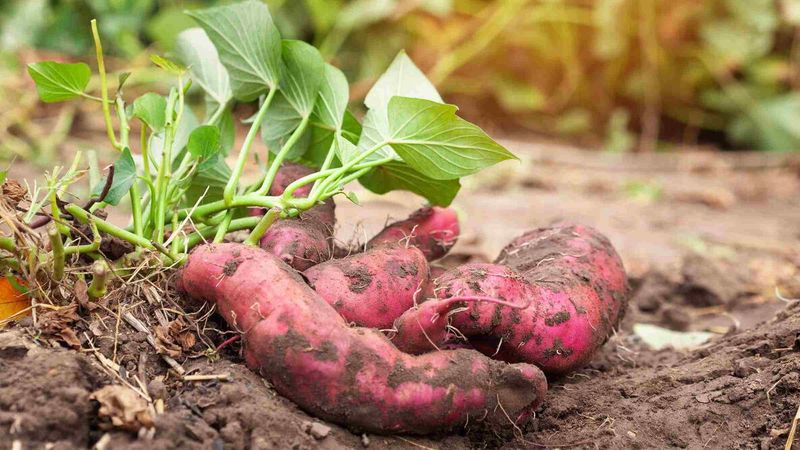
Across the state, the first frost of the season can arrive at very different times depending on where you garden.
North Georgia mountain communities may see frost as early as mid-October, while central areas typically see first frost sometime in late October or early November.
Gardeners in the south often have several more weeks before frost becomes a real concern. Because of those regional differences, there is no single statewide harvest deadline that applies to every sweet potato planting.
What matters most is monitoring your local forecast as the season moves into fall and planning to finish the harvest before frost reaches your garden.
Frost can damage sweet potato vines quickly, and once the tops are affected by cold, the roots can begin to deteriorate if left in the ground for too long afterward.
Harvesting mature roots while warm conditions still support good root quality is the practical goal.
Do not use the first frost date as the trigger to start thinking about harvest. By the time frost is imminent, the crop should already be mature and ideally in the process of being dug.
Check the expected first frost date for your specific area at the start of the season and work backward from there when planning your planting and harvest timeline.
Keeping an eye on the forecast during September and October gives Georgia gardeners enough lead time to finish harvesting before cold weather causes any setbacks.
7. Cold Soil Means Harvest Should Not Wait
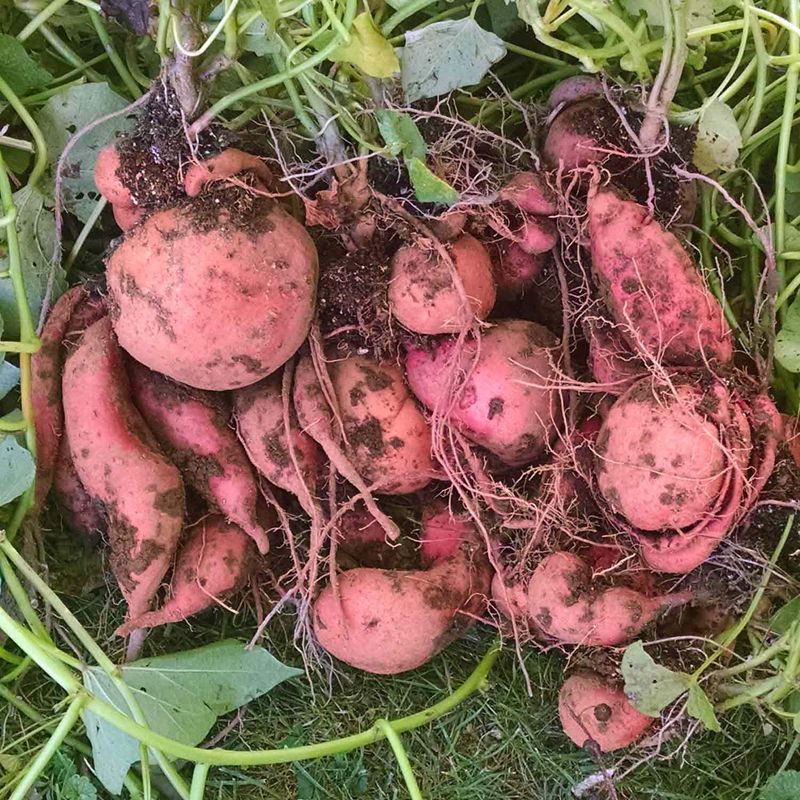
Air temperature and frost get most of the attention when Georgia gardeners think about cold-weather harvest deadlines, but soil temperature deserves just as much consideration.
Sweet potato storage roots sitting in soil that has dropped below about 50 degrees Fahrenheit can suffer cold injury even when a hard frost has not technically occurred yet.
That kind of cold exposure can reduce storage quality and make the roots more prone to decay after harvest.
Soil temperatures drop more gradually than air temperatures, which means the soil may stay warm enough for a while after the first cool nights of fall.
However, a prolonged stretch of cooler weather will eventually bring soil temperatures down, and gardeners in the northern part of the state will likely feel that shift earlier in the season than those gardening in central or south Georgia.
Monitoring soil temperature with a simple probe thermometer is an easy way to track this. Once soil readings begin approaching the 50-degree range, waiting any longer to harvest mature sweet potatoes introduces an unnecessary risk of root injury.
Leaving a crop underground through an extended cold spell, even without visible frost damage to the vines, can quietly reduce the quality of roots that might otherwise have stored well.
If the day count and root size suggest the crop is mature, and soil temperatures are beginning to fall, that combination makes a strong case for completing the harvest without further delay.
8. Reduce Water Before The Planned Dig
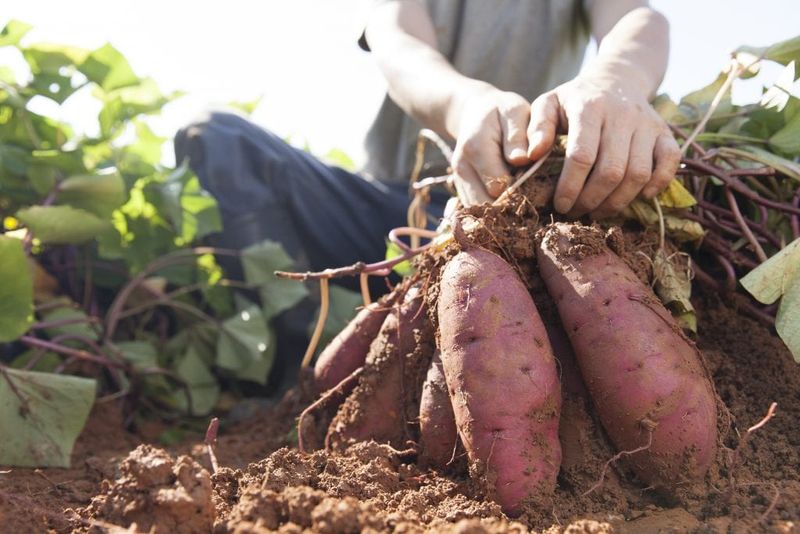
Once a Georgia gardener has a reasonable estimate of when the sweet potato crop is likely to be ready, one helpful preparation step is to pull back on supplemental irrigation about three to four weeks before the anticipated harvest date.
Reducing irrigation during this window can help lower the risk of root splitting, which sometimes occurs when roots take up a surge of water after a drier stretch late in the growing season.
This practice is most relevant when a gardener has control over irrigation through a drip system or soaker hoses.
Georgia’s summer and early fall weather does not always cooperate with this plan, and natural rainfall cannot be managed the way supplemental watering can.
The goal is not to stress the plants severely by cutting off all moisture, since that could cause its own problems. The idea is simply to avoid adding extra water on top of whatever rainfall the garden receives naturally during those final weeks before digging.
Reducing irrigation is a harvest-preparation step rather than a sign that the sweet potatoes are ready to dig. Gardeners who skip this step because of rainy conditions or limited irrigation control are not necessarily heading toward a poor harvest.
Think of it as a way to support root quality during the home stretch rather than a requirement.
Getting a clear sense of the expected harvest window comes first, and then adjusting irrigation habits fits into that plan as one more way to bring in the best possible crop.