Where California Gardeners Find Rare Native Plants Big Stores Rarely Carry
California native-plant shopping gets more interesting once the familiar nursery benches stop answering the question.
A garden may need a manzanita from a particular region, a small buckwheat for one dry corner, or a woodland perennial that never seems to appear beside the usual landscape shrubs.
The plant exists. Finding a healthy nursery-grown specimen is the harder part. That search can send gardeners well beyond the nearest chain store.
Some destinations feel like demonstration gardens with price tags tucked among the leaves. Others grow material for restoration projects, local habitats, or gardeners who know exactly which obscure species they have been hunting.
Hours can be unusual, inventory can change quickly, and one location that was useful years ago may no longer operate the same way. So where is the worthwhile detour?
The answer stretches from Southern California foothills to East Bay neighborhoods and Central Coast back roads, with each stop offering a different reason to arrive with measurements, a plant list, and enough trunk space for one unexpected discovery too.
1. Start At Theodore Payne Foundation
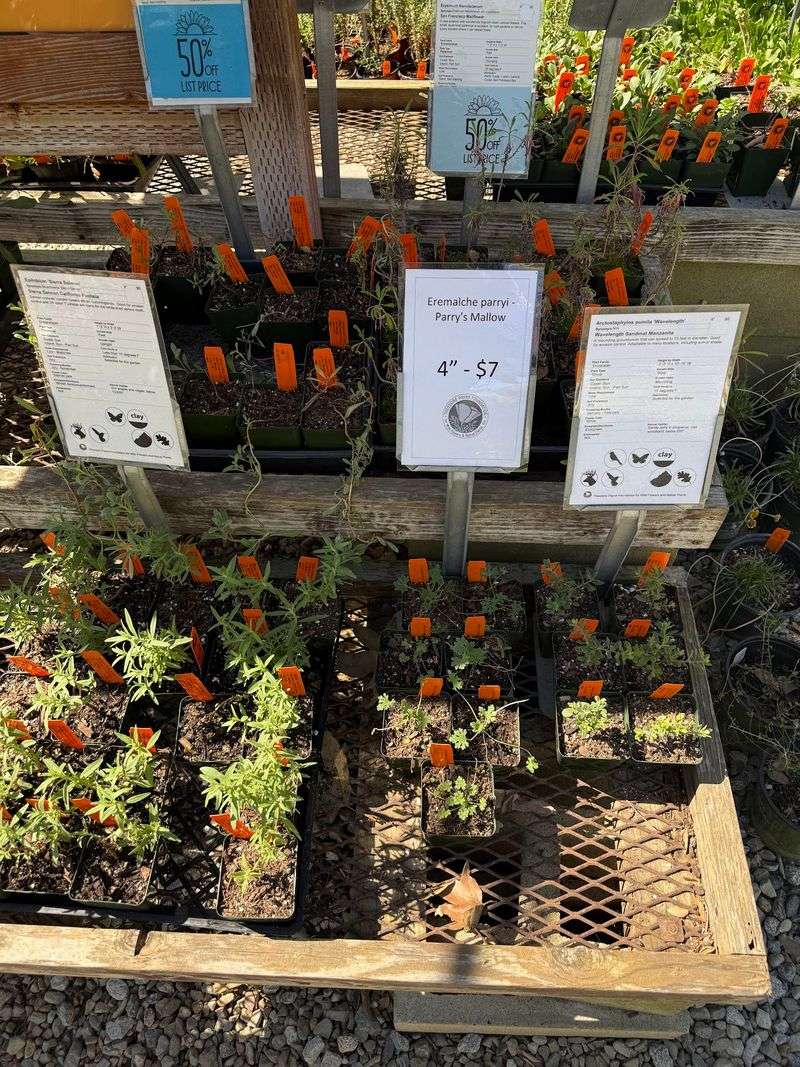
A native-plant trip in Los Angeles can turn into much more than a quick stop for a one-gallon shrub.
At 10459 Tuxford Street in Sun Valley, Theodore Payne Foundation combines a retail nursery with demonstration gardens, a seed store, and a 22-acre canyon setting.
The nursery grows California native plants from across the state and the California Floristic Province, including uncommon species, cultivars, grasses, vines, shrubs, trees, and seasonal wildflowers.
That breadth makes this a useful place for gardeners hunting beyond the standard toyon-and-ceanothus starter pack.
The displays also let you see mature plants doing real landscape jobs, from slope coverage and narrow beds to shade, pollinator habitat, and fire-wise planting.
A species that looks unimpressive in a nursery pot can make a much better argument once it has several years of growth behind it.
Current public hours are Tuesday through Saturday from 8:30 a.m. to 4:30 p.m., with Sunday and Monday closed. Online ordering for pickup is also available, and the nursery posts current inventory for shoppers chasing a specific plant.
Bring a list, but leave room for improvisation. This is the kind of nursery where “one groundcover” can quietly become a trunk full of plants and a completely redesigned side yard.
2. Browse California Flora Nursery
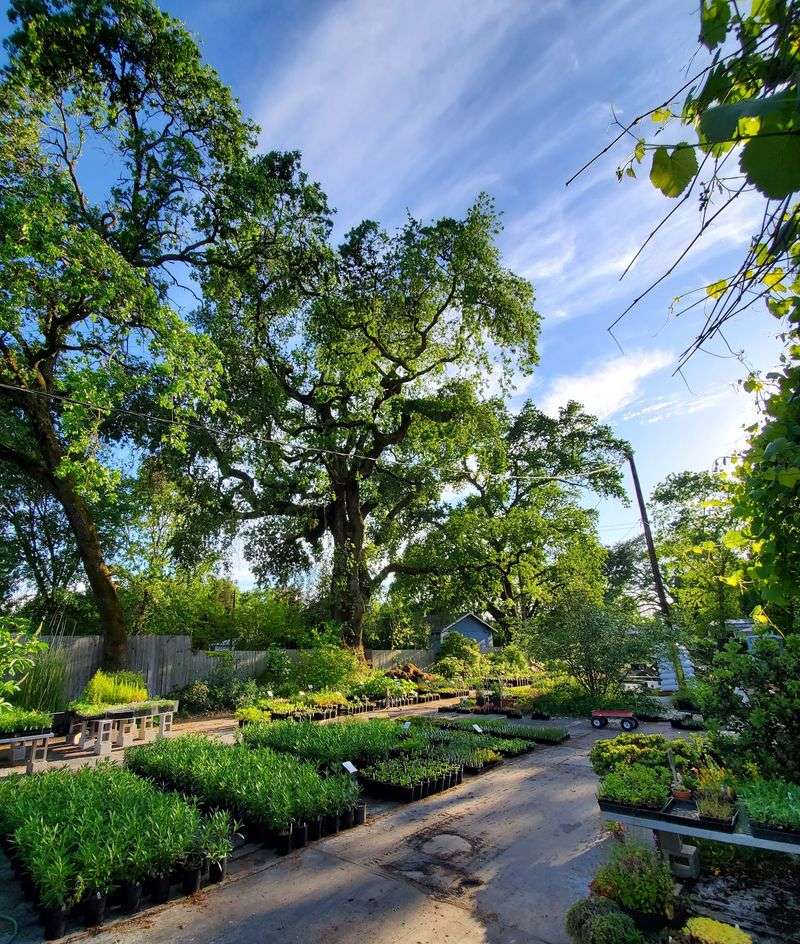
North Bay gardeners can make a much more focused shopping trip once they reach the small town of Fulton.
California Flora Nursery sits at 2990 Somers Street, Fulton, CA 95439, on a one-acre retail site devoted to California native and habitat-friendly plants.
The nursery focuses strongly on the North Bay while also propagating material from across the California Floristic Province, giving shoppers access to woody plants, perennials, grasses, ferns, and other choices that can be difficult to find in general garden centers.
August shoppers currently get summer and fall hours of 9 a.m. to 5 p.m. Monday through Friday and 10 a.m. to 4 p.m. on weekends.
The nursery stays open year-round, though winter hours shorten. It does not ship or offer mail order, so this one really is a destination rather than a website with a loading dock attached.
Your California Garden Changes Every Week. Your Plan Should Too.
Gardening in California changes quickly throughout the season. Every Friday you’ll receive a simple weekly plan showing exactly what to plant, prune, fertilize, harvest, and protect so you never miss the right timing.
Check inventory before making a special drive. The posted inventory is updated monthly, and specific plants can be placed on hold for up to two weeks.
Calling ahead is useful when one particular manzanita, fern, or uncommon perennial is the whole reason the car is heading toward Sonoma County.
The best part is the depth. A plant list that feels overly specific at a chain store starts sounding completely normal here.
3. Hunt Through East Bay Wilds
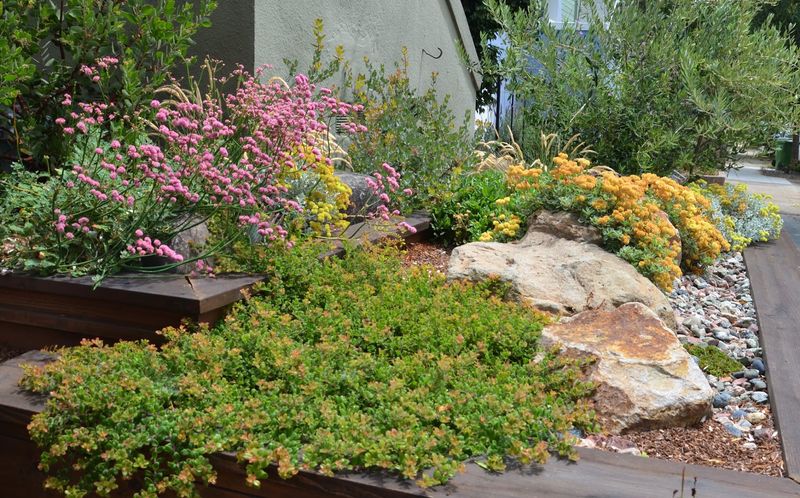
Oakland shoppers do not need to leave the city to reach a nursery where the inventory starts getting wonderfully specific.
East Bay Wilds operates at 2777 Foothill Boulevard, Oakland, CA 94601, near 28th Avenue in the Fruitvale District. Public shopping is currently scheduled on Fridays from 9:30 a.m. to 4 p.m.; visits at other times can be arranged by appointment.
That limited schedule is worth knowing before a spontaneous cross-town native-plant mission.
The online inventory is where this place becomes especially dangerous to anyone with an empty planting bed. It can be searched by scientific name, common name, or traits such as shade tolerance and butterfly value, and it covers hundreds of species.
The nursery also warns that plants can sell quickly and website quantities are not guaranteed, so a rare target deserves a same-day check.
Expect the list to wander far beyond the handful of natives commonly stocked at general garden centers. Current inventory pages include numerous manzanitas, native maples, ferns, buckwheats, perennials, and habitat plants in several container sizes.
That makes East Bay Wilds especially useful for gardeners building around a specific East Bay site rather than collecting plants by flower color alone. Bring sun exposure, soil notes, and mature-space measurements with you.
The trunk can handle impulse purchases. The future garden cannot always handle five unrelated impulse shrubs.
4. Check The Watershed Nursery Cooperative
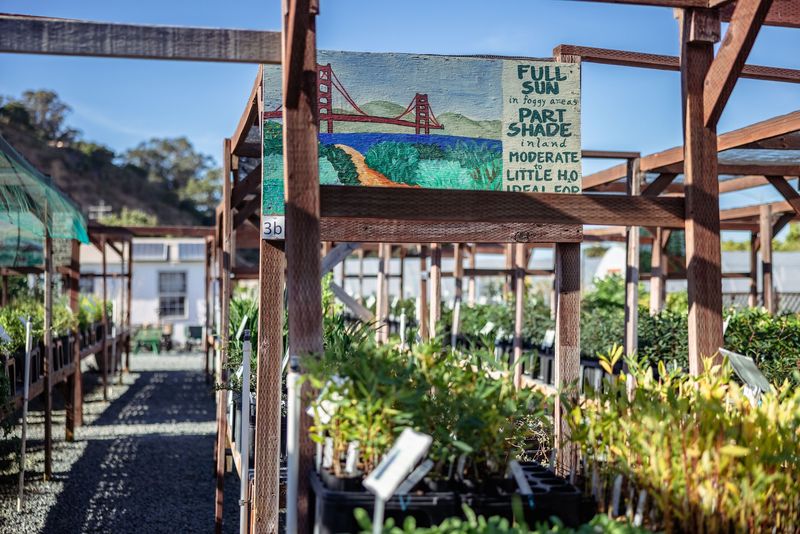
A restoration-minded nursery changes the shopping experience because the plant list starts with habitat function rather than curb appeal.
The Watershed Nursery Cooperative welcomes retail shoppers at 601 A Canal Boulevard, Richmond, CA 94804. Current hours are Tuesday through Sunday from 10 a.m. to 4 p.m., with Mondays and listed holidays closed.
The nursery carries hundreds of California native species and maintains a monthly availability list for gardeners who want to plan before driving to Point Richmond.
This is a particularly useful stop for rain gardens, habitat projects, riparian edges, difficult soil conditions, and landscapes that need more than a decorative shrub lineup.
The plant finder can filter choices by soil, water, light, and other characteristics, while the nursery’s restoration background includes site-specific plant material and specialized container stock.
Plants are sold at the nursery rather than shipped. Orders can be arranged for pickup, and local delivery is available within the broader Bay Area under the nursery’s current delivery terms.
That makes checking the latest availability especially useful before building a project around one hard-to-source species.
Home gardeners do not need a restoration contract to shop here. The retail nursery is open to the public.
Come with a problem to solve rather than a generic wish for “something native.” This is the kind of place where wet soil, seasonal flooding, slope exposure, or wildlife goals can narrow the plant list in a genuinely useful way.
5. Visit Oaktown Native Plant Nursery
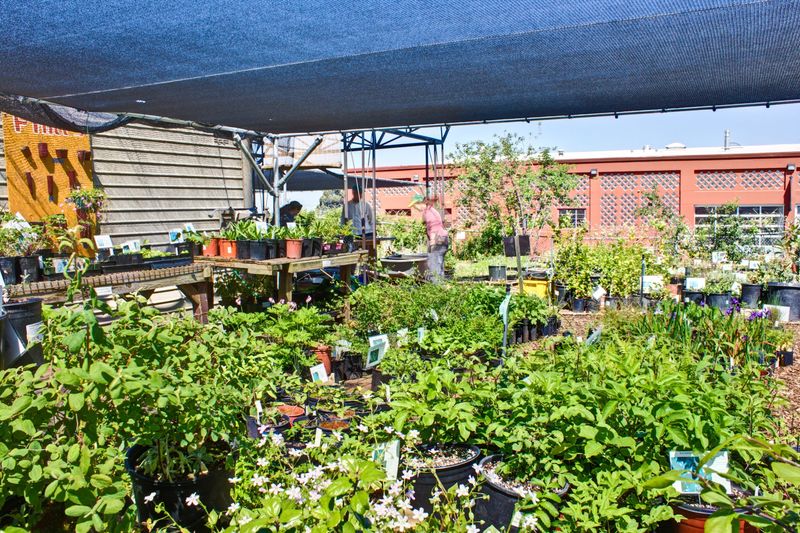
The name still says Oaktown, but the nursery itself has called Berkeley home for years.
Oaktown Native Plant Nursery is currently at 702 Channing Way, Berkeley, CA, where the retail yard is open Wednesday through Sunday from 10 a.m. to 5 p.m.
The business began in Oakland in 2002, later spent time at Alameda Point, and moved to its Berkeley location in 2010. That history explains the name without sending shoppers to the wrong side of town.
The nursery grows and sells California natives for home gardens, habitat work, restoration, and landscape projects.
Its long-running specialty has been plants tied to local habitats and microclimates, including material propagated from permitted site-specific seed and cuttings, while the present selection also reaches more broadly to give gardeners added color and diversity.
A searchable plant finder and inventory make advance planning easier, and current orders are held for one week after confirmation.
Inventory still moves, so a gardener crossing the Bay for one exact species should confirm it before turning the trip into a parking-space scavenger hunt.
This stop works especially well for urban gardeners trying to match a small Bay Area space to something more precise than “California native.”
Bring photos of the site and know where the afternoon sun lands. Rare plants are exciting. Rare plants placed in the wrong six square feet become expensive compost with excellent provenance.
6. Search Matilija Nursery For Unusual Natives
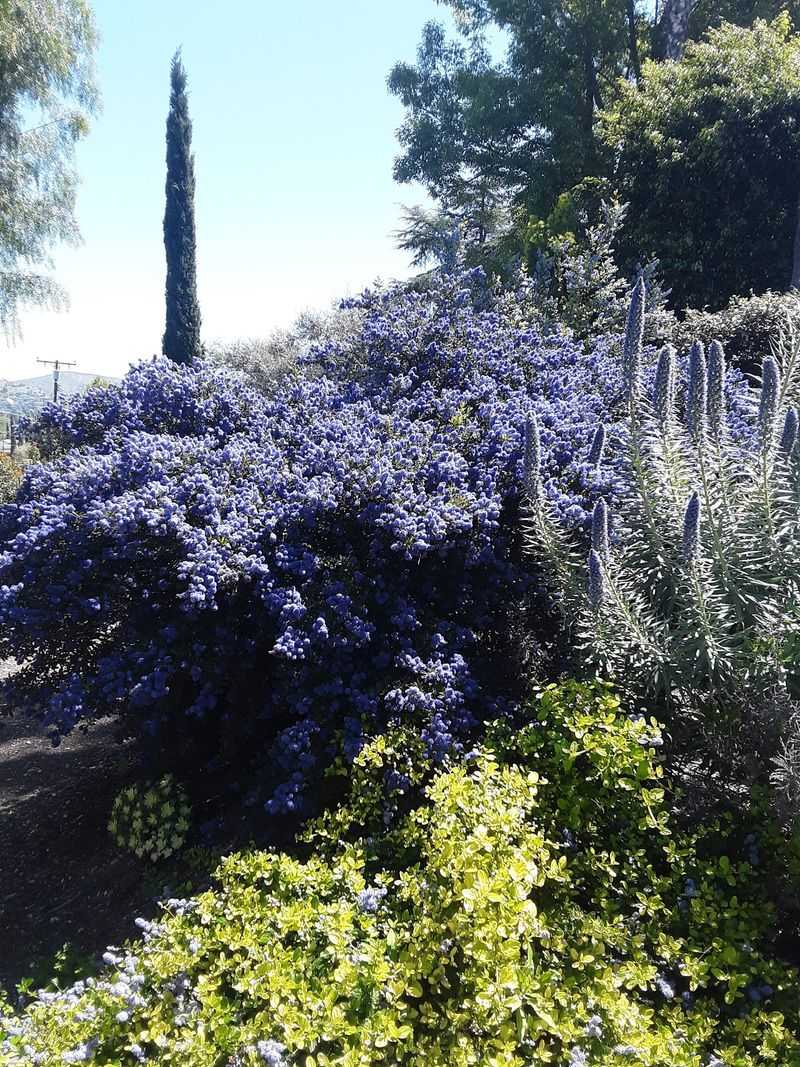
Ventura County gardeners looking for Southern California natives can aim the car toward Moorpark rather than settling for whatever survived the latest garden-center delivery.
Matilija Nursery is located at 8225 Waters Road, Moorpark, CA 93021. Current posted hours run from 8:30 a.m. to noon Monday through Thursday and 8:30 a.m. to 2 p.m. Friday and Saturday, with Sunday closed.
The nursery serves retail shoppers while also working in wholesale and restoration.
The current plant-availability system shows why a wishlist helps.
Its California native stock reaches across shrubs, perennials, grasses, trees, island plants, and regionally specific selections.
Quantities change, so treat the online list as a scouting tool rather than a promise that the last pot will wait patiently for Saturday.
The Moorpark location also makes site matching important.
A plant suited to a cool coast, Channel Island habitat, inland chaparral, or wetter mountain setting does not automatically want the same backyard conditions just because all four carry a California address.
Bring your sun exposure, drainage notes, and available width.
Rare-plant shopping gets much easier once “I want something unusual” becomes “I need a five-foot shrub for full sun and fast drainage.” The second sentence gives the nursery something useful to work with.
7. Make Time For Las Pilitas Nursery
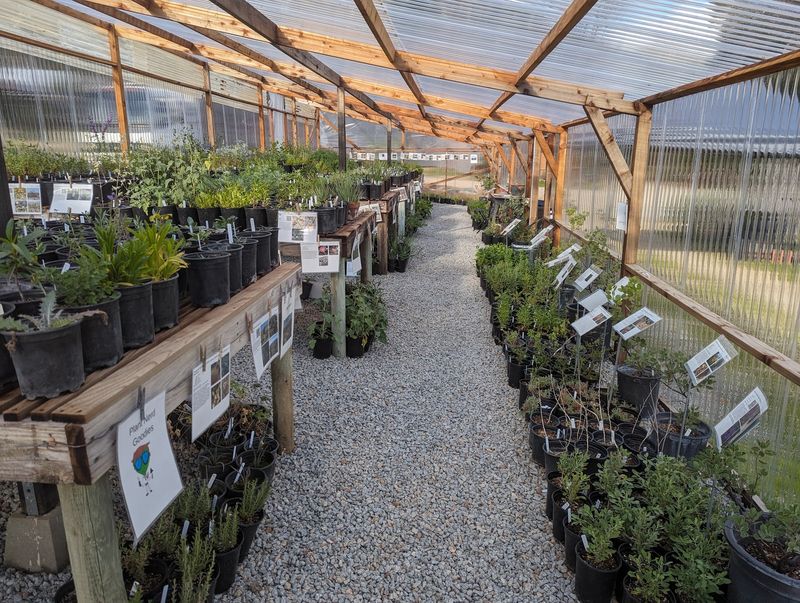
The Central Coast stop requires the most planning, partly because old nursery information still sends gardeners toward a location that closed years ago.
Las Pilitas Nursery’s active nursery is at 3232 Las Pilitas Road, Santa Margarita, CA 93453. The former Escondido location permanently closed in 2016, so current trips should be aimed at Santa Margarita rather than San Diego County.
The business grows California natives and maintains a large online plant catalog alongside its physical nursery.
August visitors should confirm access before starting the drive. Current information says in-person shopping generally operates on selected Saturdays from October through May, while shipping and scheduled pickup of online orders continue year-round.
The detailed seasonal calendar posted online does not yet provide a walk-in schedule for August 2026, making advance confirmation especially important right now.
The catalog is a destination of its own. The nursery has introduced more than 40 California native selections and hybrids into cultivation, and its plant information reaches across habitat types from dry inland landscapes to woodland and coastal conditions.
Plants can also be ordered for shipment within its current service area.
Use the database before filling a cart. Mature size, summer water, soil, and regional fit matter more than rarity alone.
A hard-to-find native is only a treasure when the yard can support it. Otherwise, it is just a very sophisticated way to make an expensive hole look disappointed.