A Small Blueberry Patch Can Give Virginia Gardeners Fresh Harvests For Years
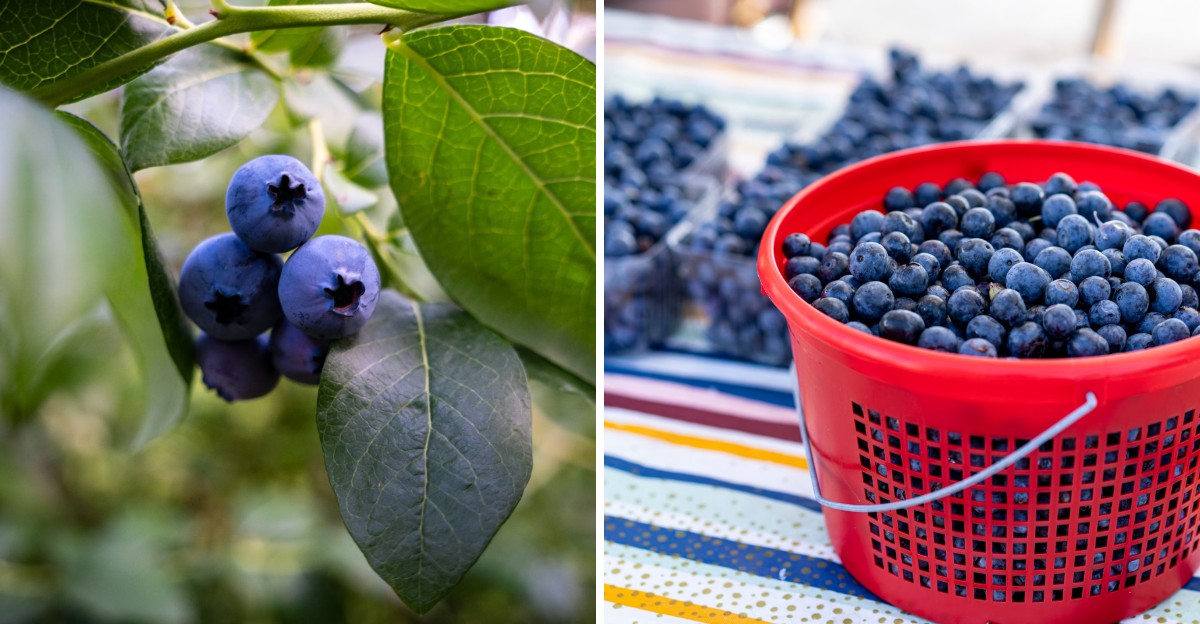
Those plastic clamshell berries often disappoint on flavor and value. You pay premium prices for fruit that can taste bland.
Picture stepping outside in June with a bowl in your hand. Warm berries burst against your tongue, sweet and sharply tangy.
Virginia gardeners can grow that harvest in a small corner. Plant compact highbush varieties beside your fence, and they can reward you for decades.
Soil in Virginia holds summer heat well into October, so roots settle fast. Roots planted now gain a head start before winter ever arrives.
Neighbors will raise an eyebrow at your shovel this week. In a few summers, they will be knocking at your door, asking for a bowl.
Blueberries need acidic soil, and sulfur starts correcting that, though it works over several months. Many nurseries discount shrubs in fall, too. Pick varieties ripening in sequence and the harvest stretches from late May into August.
A Few Shrubs Can Cut Your Grocery Berry Bill
Off-season grocery berries often travel thousands of miles before landing in your cart. Some flavor can fade on the long ride.
A single healthy blueberry bush can produce five to ten pounds of fruit each year once mature. Three or four shrubs can supply a good share of a family’s summer berries.
Better still, blueberries are perennial plants that keep going for a very long time. Many patches stay productive for thirty to fifty years with simple care.
Virginia sits in a sweet spot for this fruit, with cold winters and warm summers. Our climate lets gardeners grow several different kinds, depending on the region.
Think about the math for a moment. One pint at the store can cost four or five dollars in season.
A mature home bush can give you about eight to a dozen pints a season. That can add up to savings over time, once plant and soil costs are covered.
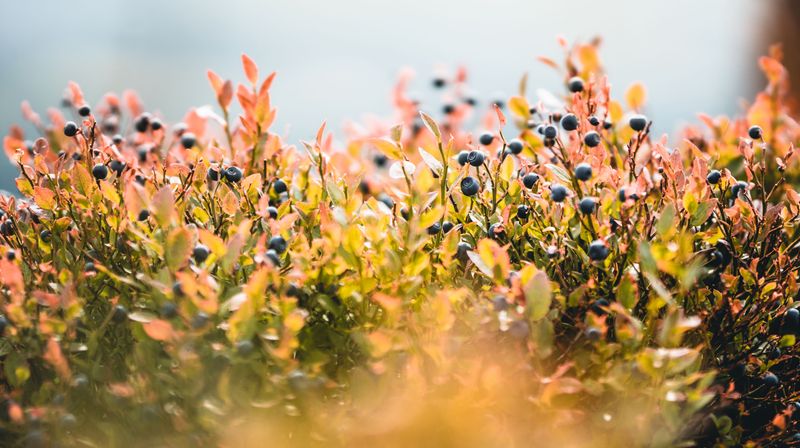
The plants are also handsome in the landscape. They offer white spring blossoms, summer fruit, and bright red fall leaves.
You can tuck them along a fence, beside a patio, or even in large containers. They work as both a food crop and a pretty hedge.
Small spaces are not a problem either. Even a strip of yard six feet wide can hold a tidy row of shrubs.
Southern Highbush, Rabbiteye And Northern Highbush For Most Regions Of Virginia
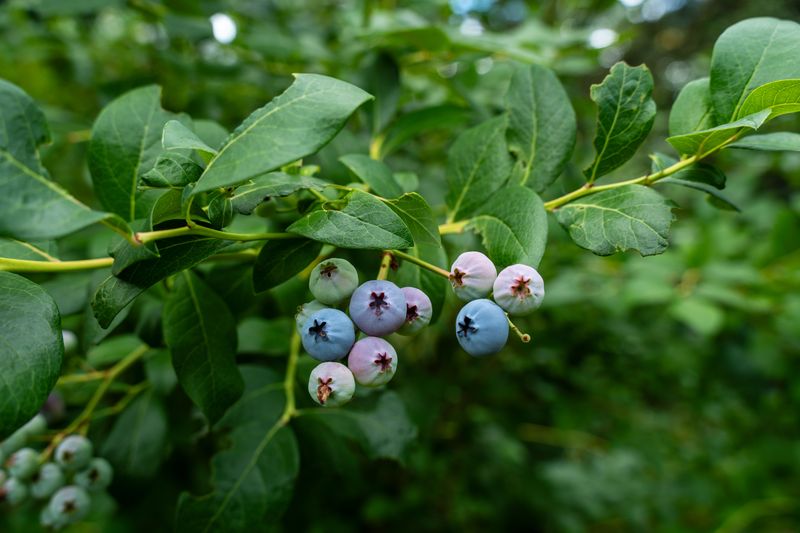
Picking a blueberry type is a bit like picking shoes. The right fit depends on where you live and how you plan to use them.
Northern highbush plants love cold winters and shine in the mountains and Shenandoah Valley. Varieties like Bluecrop and Duke produce big, sweet berries in early to midsummer.
Southern highbush types handle milder winters with fewer chilly hours. They suit the Tidewater area and southeastern Virginia, where winters stay fairly gentle.
Rabbiteye blueberries are the tough guys of the family. They tolerate heat, drought, and slightly higher pH better than their cousins.
Your Virginia Garden Changes Every Week. Your Plan Should Too.
Gardening in Virginia changes quickly throughout the season. Every Friday you’ll receive a simple weekly plan showing exactly what to plant, prune, fertilize, harvest, and protect so you never miss the right timing.
Rabbiteye plants also grow tall, sometimes reaching ten feet or more. Varieties like Powderblue, Tifblue, and Climax do well across much of central and eastern Virginia.
One quirky detail makes rabbiteyes special. The name comes from the pink color of unripe berries, which looks like a rabbit’s eye.
Here is a key tip for success with any type. Plant at least two different varieties of the same group for better pollination.
Cross-pollination leads to bigger berries and heavier crops. Rabbiteyes especially need a partner variety to set fruit well.
Mixing early, middle, and late varieties also stretches your harvest. You could be picking berries from late May into August.
Local nurseries and Virginia Cooperative Extension offices can suggest proven varieties for your county. Their advice is typically free and based on years of local testing.
October Planting And The Head Start It Gives
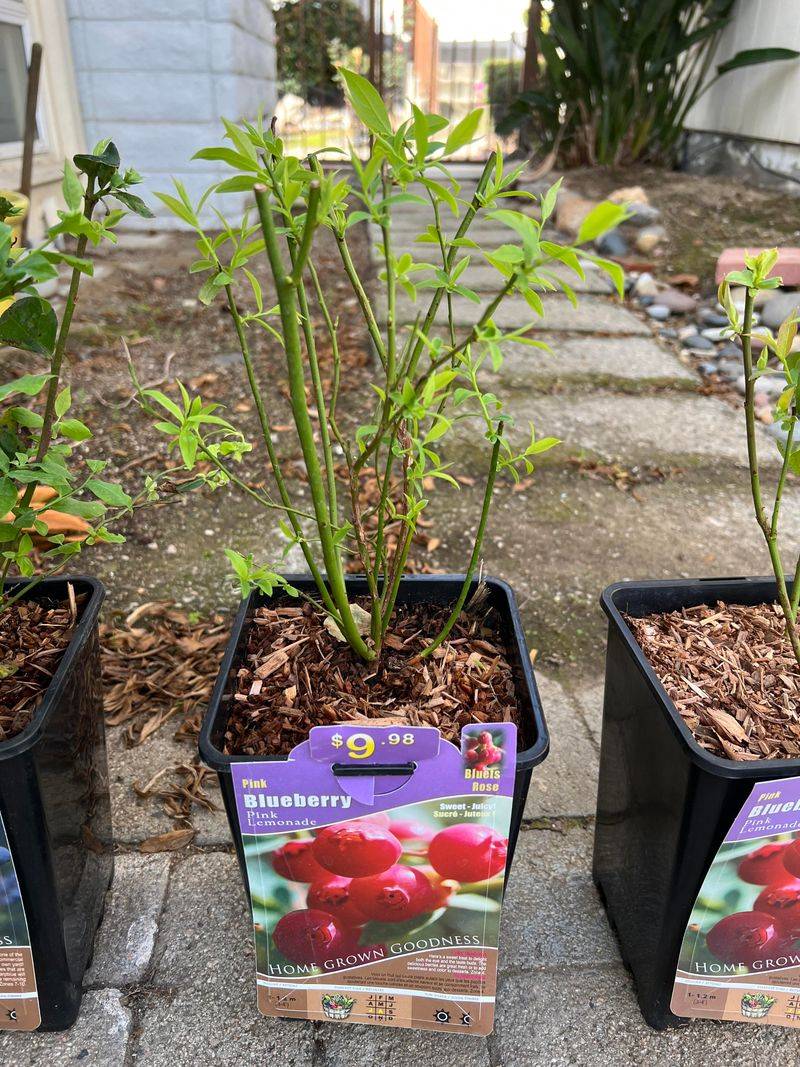
Most people think of spring as planting season. In milder parts of Virginia, though, fall often gives young blueberries an advantage.
October soil stays warm while the air cools down. That combination lets roots grow steadily without the stress of summer heat.
By spring, a fall-planted shrub has already settled into its new home. It can focus on fresh leaves and flowers instead of struggling to adjust.
Autumn rain helps too, so you water less often. Just check the soil weekly and soak it if it feels dry an inch down.
Choose two or three year old plants from a trusted nursery. They establish faster than tiny cuttings and fruit sooner.
Dig a hole about twice as wide as the pot but no deeper. Set the plant at the same depth it grew in the container.
Gently loosen circling roots with your fingers before planting. Those tangled roots can restrict the plant’s growth later if left alone.
Space highbush types about four to six feet apart. Rabbiteyes need more room, closer to six to eight feet.
Finish with a thick layer of pine bark or pine needle mulch. It keeps roots cozy through winter and holds moisture.
One more trick helps long term. Pinch off flowers for the first year so energy goes into strong roots.
The Soil Mistake That Trips Up New Growers
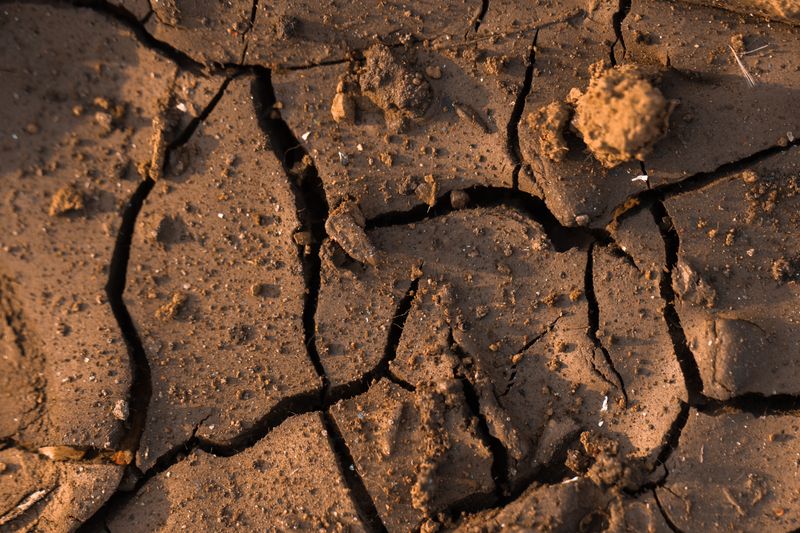
Some gardeners plant blueberries in ordinary yard soil and wonder why the leaves turn yellow. The culprit is usually soil acidity.
Blueberries need acidic soil with a pH between 4.5 and 5.5. Many yards sit above that range, especially near concrete foundations and walkways.
When soil is too sweet, the plant cannot absorb iron properly. Leaves turn pale yellow with green veins, and growth slows down.
A soil test is the smartest first step. Virginia Cooperative Extension offers affordable kits that give clear results and advice.
To lower pH, mix elemental sulfur into the planting area. Ideally, add it a few months ahead, since it works slowly. Give it time.
Peat moss helps acidify the soil, and aged pine bark loosens heavy clay. Blueberries have shallow, fine roots that struggle in soggy, packed ground.
Drainage matters as much as acidity. If your yard stays wet after rain, build a raised bed about a foot high.
Skip lime, wood ash, and mushroom compost around these plants. Each one pushes pH in the wrong direction. Fertilizer choice counts too.
Use products made for azaleas or rhododendrons, which suit acid-loving plants. Test again every couple of years, because pH can drift upward over time.
Mulch with pine bark or needles to hold moisture and block weeds. Water with rainwater when you can, since tap water may be alkaline. Getting the soil right early makes the rest easier and supports the plant’s long-term health.
Simple Yearly Care For Steady Harvests
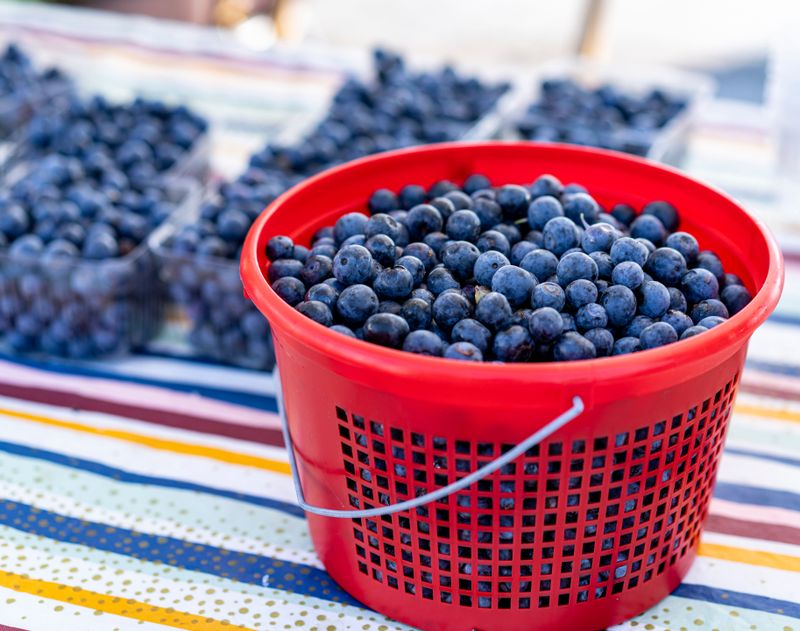
Good news for busy folks lives in the routine itself. Blueberries ask for only a handful of chores each year.
Pruning is the main job, done in late winter while plants sleep. Remove broken, crossing, or weak branches first.
After about five years, cut out one or two of the oldest canes each winter. Fresh young canes produce the best berries.
Watering keeps fruit plump and sweet. Aim for about an inch per week, especially during dry summer stretches.
Drip hoses work wonderfully because they deliver water right to shallow roots. They also keep leaves dry, which reduces disease.
Refresh mulch every spring to a depth of three or four inches. Pine needles, pine bark, or wood chips all work well.
Feed lightly in early spring and again after bloom. Too much fertilizer can burn the delicate roots.
Birds will want a share once berries turn blue. A simple netting cover can save most of your crop.
Drape the net over a frame just before fruit ripens. Remove it after harvest so birds do not get tangled.
Patience pays during the early years. Expect a small crop in year two or three and full harvests around year six. After that, each summer brings bowls of berries with very little extra work.
Decades Of Sweet Summers From One Backyard Patch
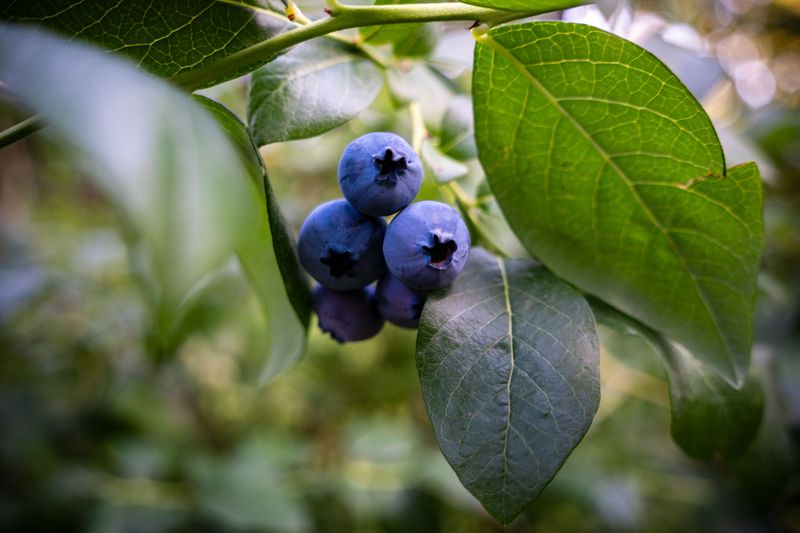
Many families plant a few bushes and enjoy them for decades. Picture grandkids racing to them every June with buckets in hand.
Blueberries can easily become a long-lived family fixture. Once established, a patch becomes a family tradition that outlasts fences and swing sets.
Homegrown berries taste different too. You pick them fully ripe, when sugars peak and flavor feels bright and deep.
Store berries are often shipped long distances. Blueberries do not get sweeter after picking, so fully ripe homegrown fruit tastes best.
Extra fruit freezes beautifully for winter. Spread berries on a tray, freeze them, then pour them into bags.
That frozen stash turns into pancakes, muffins, smoothies, and cobblers during cold months. It feels like opening a jar of summer.
Your patch also supports wildlife and pollinators. Bumblebees adore blueberry blossoms in early spring.
Fall brings another reward that many forget. The leaves glow red and orange, giving the yard a cozy October show. Well-kept blueberry bushes can keep fruiting for fifty years.
Planting a patch now is an investment in future summers. Each year the bushes grow bigger and the harvests grow richer.
Someday you may be the one handing buckets to young pickers. That is a pretty sweet legacy for a few small shrubs.