8 Ways To Help Your New York Garden Recover After The Heat
Heat doesn’t ask permission before it tests your garden. Your soil hardens early this season; patience follows fast.
Hardened earth looks hopeless, but your roots rarely agree. Leaves curl, stems dip, your colors fade. Worry wastes the only resource you actually need.
Setbacks look permanent until you look closer. Roots often endure what your leaves cannot.
Recovery starts the moment you stop second-guessing losses. Nothing about New York summers plays fair with your plants.
Queens backyards and Brooklyn rooftops share your math. Space never decides whether your garden pulls through. Strategy beats sympathy when your stems are already tired.
Momentum becomes the only thing you must protect now. Every tired leaf hides a decision you haven’t made. Small choices this week protect your harvest.
Timing counts more than effort in your New York July. Confidence, not comfort, gets your garden through August. Turn now, because your garden isn’t finished yet.
1. Watering Rehydrates Stressed Root Systems
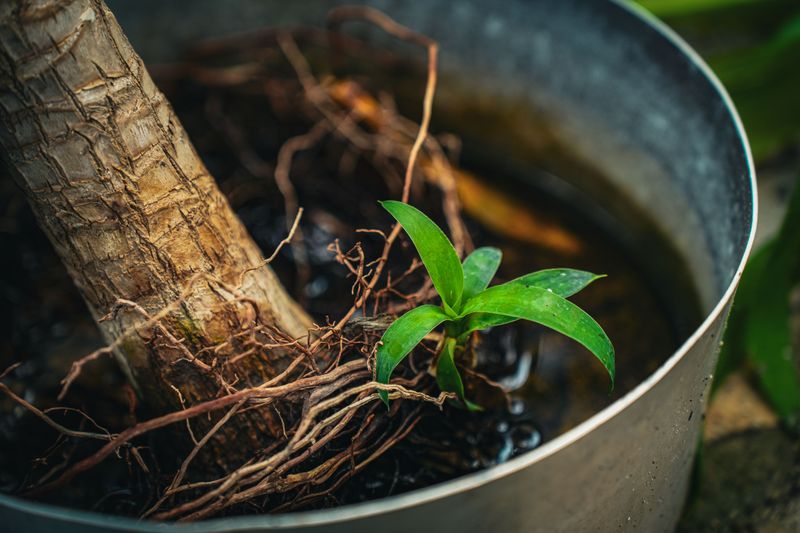
Roots are essentially your plant’s lifeline, and heat weakens them quickly. After a scorching stretch, those roots are desperate for a slow, deep drink.
Shallow watering is a common mistake many gardeners make after a heat wave. It cools the surface but leaves the roots still under-watered below.
The goal is to soak the soil at least six to eight inches deep. That depth is where the roots actually live and feed.
Morning watering is your best bet for helping your New York garden recover after the heat. It gives leaves time to dry before nightfall, cutting down on disease risk.
Avoid watering in the midday sun, because most of it just evaporates before reaching the roots. Early morning, before 9 a.m., is the golden window.
A soaker hose or drip system delivers water slowly right to the root zone. These tools can make recovery-season watering noticeably more efficient.
Check the soil moisture by sticking your finger two inches into the ground. If it feels dry, it is time to water again.
Stressed plants can actually be harmed by too much water just as easily as too little. Overwatering after heat stress can trigger root rot quickly.
Consistency matters more than volume here. Steady, regular watering over several days will rebuild moisture levels in the soil far better than one heavy flood.
Watch your plants closely for signs of recovery, like perky leaves and fresh growth. That is how you know the roots are drinking again.
2. Mulching Retains Moisture As Temperatures Drop
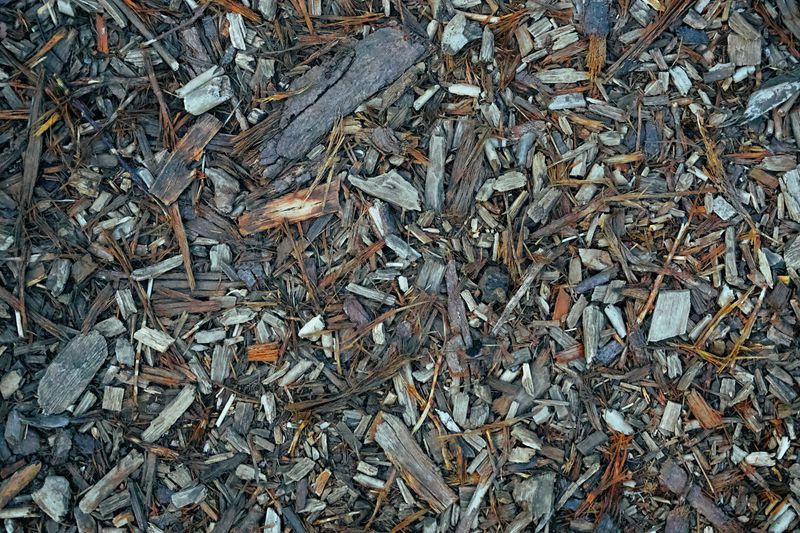
Picture this: you finally water your garden, then the afternoon sun bakes that moisture right back out of the soil. Mulch is the fix that stops that cycle cold.
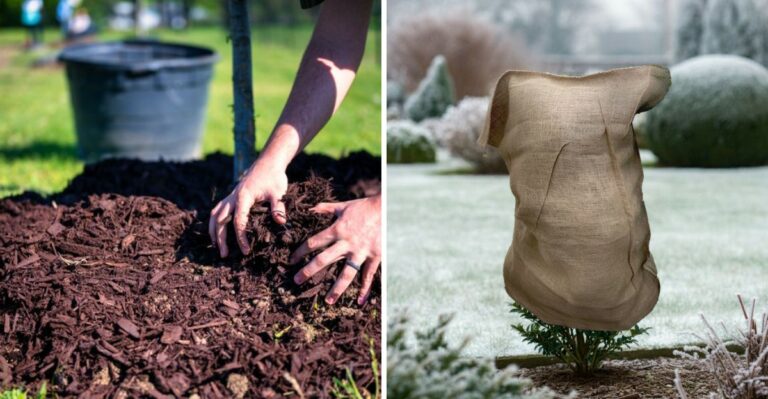
A two to three inch layer of organic mulch acts like a blanket over your soil. It keeps moisture locked in while also regulating soil temperature.
As New York nights start to cool after summer heat, that temperature regulation becomes even more valuable. Roots struggle with sudden swings between hot days and chilly nights.
Your New York Garden Changes Every Week. Your Plan Should Too.
Gardening in New York changes quickly throughout the season. Every Friday you’ll receive a simple weekly plan showing exactly what to plant, prune, fertilize, harvest, and protect so you never miss the right timing.
Shredded bark, straw, and wood chips are all solid mulch choices for a recovering garden. Each one breaks down over time, adding nutrients back into the soil.
Apply mulch around the base of plants, but keep it a few inches away from the stem. Mulch piled against stems can trap moisture and cause rot.
One overlooked benefit of mulch is weed suppression. Fewer weeds mean less competition for the water your stressed plants desperately need right now.
Fresh mulch also gives your garden beds a clean, polished look while they recover. A tidy garden feels more manageable, and that matters for your motivation too.
If your mulch layer broke down over summer, top it off now. Refreshing it before fall keeps your soil protected through the seasonal transition.
Helping your New York garden recover after the heat starts with protecting the ground itself. Mulch is one of the simplest and most effective tools you have.
Think of mulch as free insurance for everything you have already planted. A small bag from the garden center goes a long, long way.
3. Pruning Removes Heat-Scorched Foliage
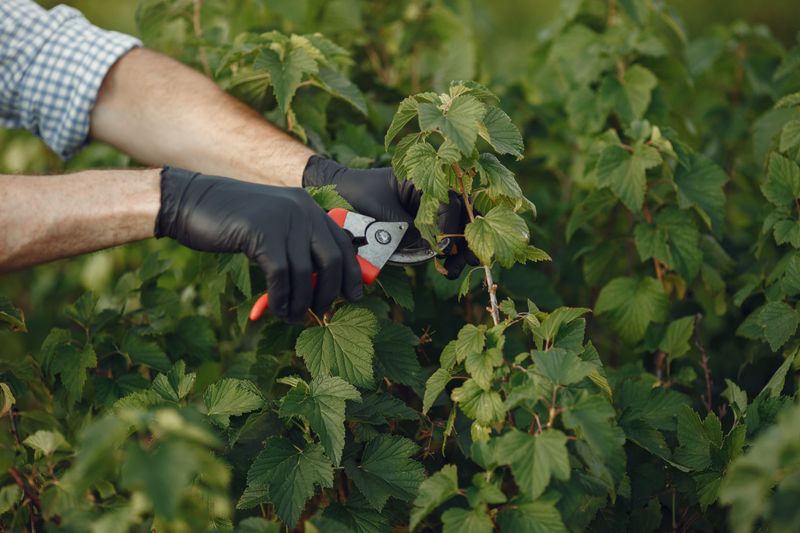
Brown, crispy leaves are not just ugly. They are actually pulling energy away from the parts of your plant that can still recover.
Pruning those damaged leaves and stems is one of the most empowering steps in post-heat garden care. It signals to the plant that it is time to redirect energy toward new growth.
Start by removing foliage that looks mostly brown or shriveled, as a general guide, not a strict measurement. Leaves that are only slightly damaged may still be photosynthesizing, so leave those for now.
Use clean, sharp pruning shears for every cut. Dull blades crush stems instead of cutting them cleanly, which opens the door to infection.
Wipe your blades with rubbing alcohol between plants to avoid spreading any disease. This is a small step that makes a big difference in garden health.
Cut just above a leaf node or bud whenever possible. That is where new growth will sprout from, so you want to protect that spot.
Do not prune more than one-third of any plant at once. Taking too much at once shocks the plant and slows recovery instead of speeding it up.
After pruning, give the plant a good drink of water and some light fertilizer. That combination helps trigger fresh, healthy growth within a week or two.
Helping your New York garden recover after the heat often means being a little ruthless with the scissors. Removing the old makes room for the new.
Stand back after pruning and you will likely feel a wave of relief. A cleaned-up plant looks ready to fight back, because it actually is.
4. Checking For Pests Thriving In Stress
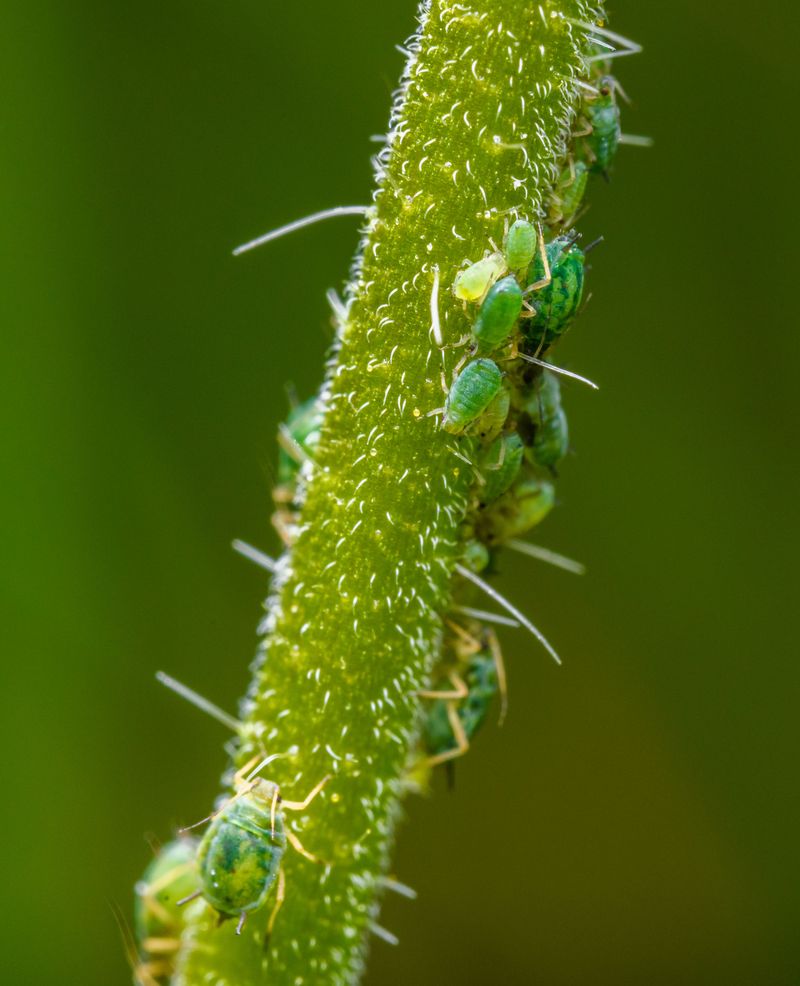
Stressed plants are basically a buffet sign for pests. Spider mites, aphids, and whiteflies target weakened foliage as if they have a radar for it.
After a heat wave, your garden’s natural defenses are down. That is exactly when pest populations increase quickly if you are not paying attention.
Flip leaves over and look at the undersides first. That is where most soft-bodied pests hide, feed, and lay their eggs.
Spider mites love hot, dry conditions and will show up as tiny specks with fine webbing on the leaves. A quick blast of water from the hose can knock them off.
Aphids cluster around new growth and flower buds, sucking out plant sap. They reproduce so fast that a small colony can double in size within days.
Insecticidal soap spray is generally safe and effective for most soft-bodied pests, though it can occasionally cause leaf burn on sensitive plants or when applied in direct sun, so test on a small area first.
Check your garden every two to three days during recovery season. Catching an infestation early keeps it from spreading further.
Do not forget to look at the soil surface too. Fungus gnats and other ground-level pests thrive in soil that has been repeatedly stressed and then over-watered.
Helping your New York garden recover after the heat means protecting it from opportunists. Pests are patient, so your inspection routine needs to be consistent.
A garden that survives heat stress only to fall to pests is a tough loss. Stay sharp, stay curious, and check those leaves often.
5. Fertilizing Supports Post-Heat Recovery
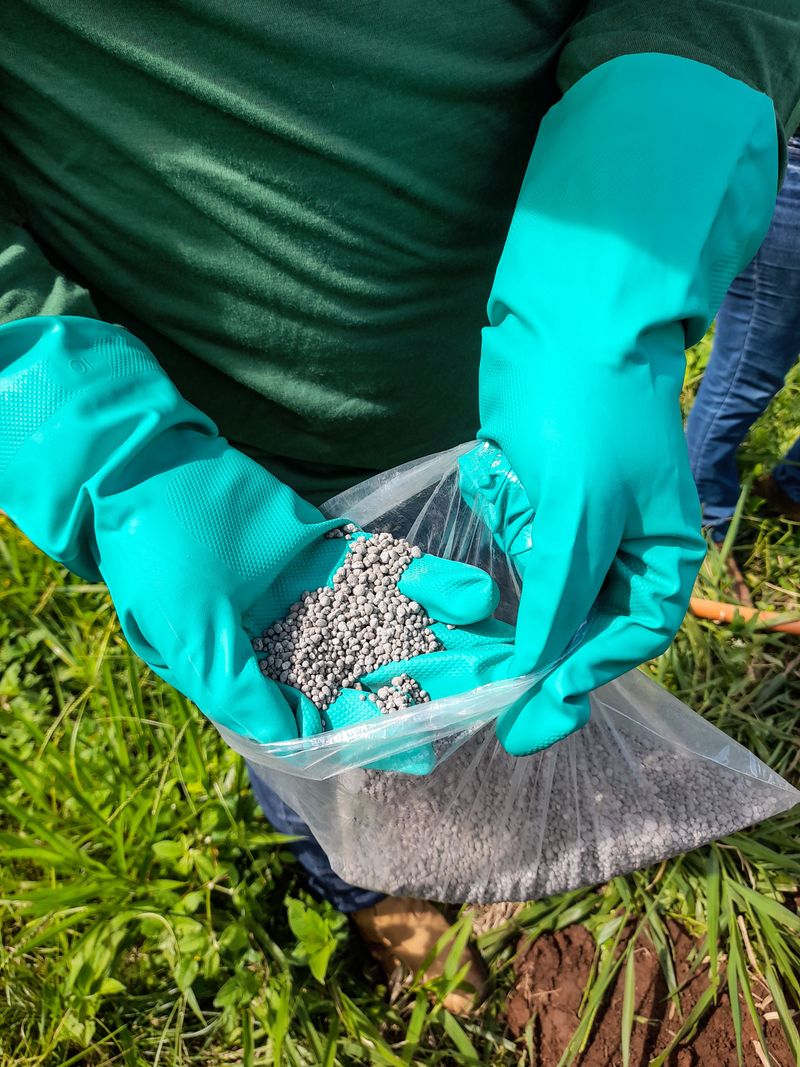
Think of fertilizer as a recovery smoothie for your garden. After weeks of heat stress, plants are running on empty and need a nutritional boost to rebuild.
The key is choosing the right fertilizer at the right time. A balanced, slow-release formula works best during recovery because it feeds plants steadily without overwhelming them.
Avoid high-nitrogen fertilizers right after a heat event. Too much nitrogen pushes fast, leafy growth that is actually more vulnerable to temperature stress.
A fertilizer with balanced N-P-K numbers, like 10-10-10, gives roots, stems, and leaves what they each need to recover. Balance is the word of the season here.
Liquid fertilizers absorb faster and are great for plants that look really depleted. They deliver nutrients directly through both roots and foliage for a quicker effect.
Always water your plants before applying fertilizer. Fertilizing dry, stressed roots can cause chemical burn, which is the last thing a struggling plant needs right now.
Compost tea is a gentler alternative that many gardeners swear by. It feeds the soil’s microbial ecosystem, which in turn supports healthier root systems long-term.
Do not fertilize more than once every two to three weeks during recovery. Patience here will reward you with stronger, more resilient growth over time.
Helping your New York garden recover after the heat is a process, not a one-day fix. Consistent, light feeding keeps momentum going without shocking the system.
Plants that get steady nutrition during recovery tend to come back fuller and more vibrant. Feed them well and they will reward you before fall arrives.
6. Aerating Improves Oxygen Flow To Roots
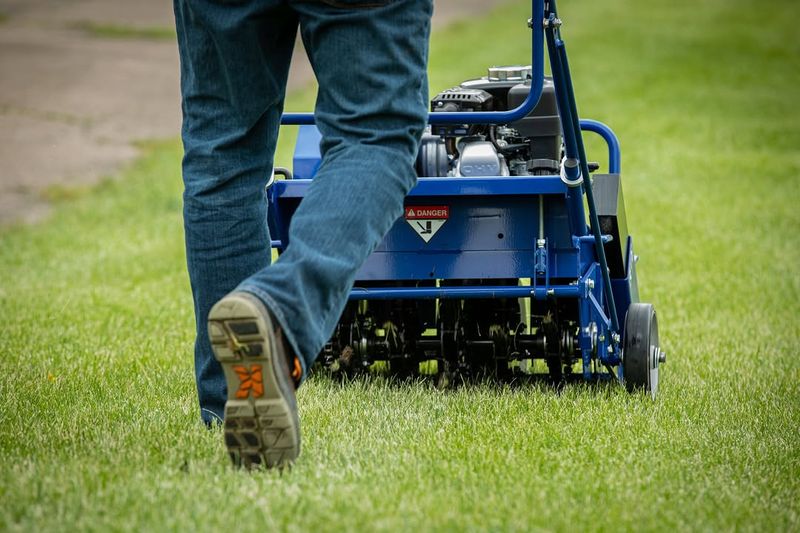
Compacted soil after a hot summer significantly restricts movement around your plant’s roots. No air gets in, no water moves through, and roots are starved of oxygen in place.
Aeration breaks up that compacted layer and lets oxygen, water, and nutrients flow freely again. It is one of the most underrated recovery steps in any garden.
A simple garden fork works perfectly for small beds and container gardens. Push it in about six inches deep, then wiggle it gently to open the soil without damaging roots.
For larger lawn areas, a manual or powered core aerator pulls small plugs of soil out of the ground. Those small holes allow air and water to penetrate deeply.
Aerate when the soil is slightly moist, not bone dry or soaking wet. Dry soil is too hard to penetrate, and saturated soil can compact further under pressure.
After aerating, top-dress with a thin layer of compost. The compost works down into those open channels and feeds the soil biology from the inside out.
Roots that have been oxygen-deprived all summer will respond quickly to aeration. You may notice new growth within a week or two of giving them breathing room.
Helping your New York garden recover after the heat means addressing problems you cannot always see. Root health is invisible but it controls everything above ground.
Do not skip this step just because it is not glamorous. Aeration is the kind of quiet, behind-the-scenes work that makes everything else you do more effective.
Healthy soil structure is the foundation of a thriving garden. Fix the ground first, and the plants will follow.
7. Monitoring For Fungal Growth
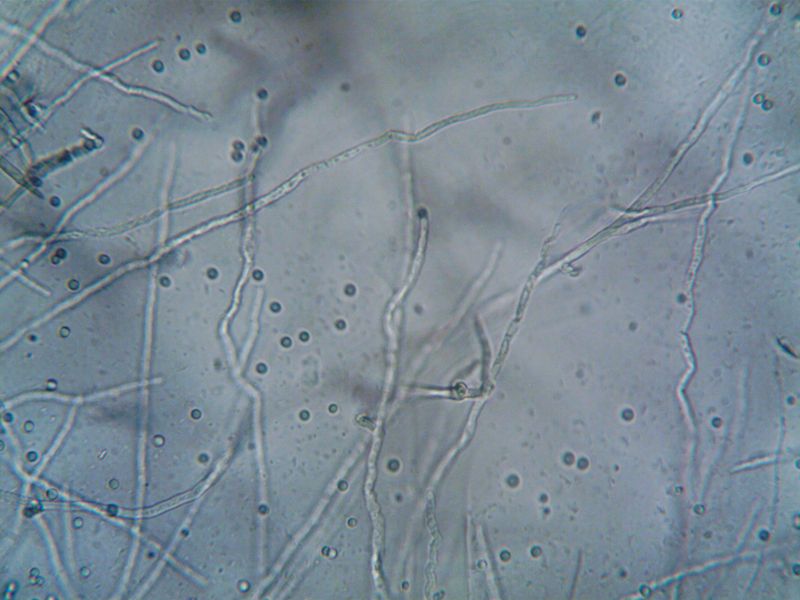
Fungal problems in a post-heat garden can develop quickly, sometimes within days. Warm nights, stressed plants, and inconsistent watering create ideal conditions for mold and mildew.
Powdery mildew is one of the most common fungal issues in New York gardens after summer heat. It shows up as a white, chalky coating on leaf surfaces.
Gray mold, or botrytis, is another fast mover that targets weakened stems and spent flower heads. It spreads through spores that travel easily on wind and water droplets.
Check your plants every few days and look closely at both sides of leaves. Catching fungal growth early is the difference between a quick fix and significant plant damage.
Remove any infected leaves or stems immediately and dispose of them away from the garden. Do not toss them in your compost pile, because the spores can survive and spread.
A diluted baking soda spray is a commonly used home remedy that may help slow powdery mildew in its earliest stages, though results vary and it works best combined with other prevention methods.
Neem oil is another natural option that works against a wide range of fungal problems. Apply it in the evening to avoid leaf burn and to give it time to absorb.
Improve air circulation by spacing out crowded plants and pruning dense interior foliage. Good airflow is the best long-term prevention for fungal issues in any garden.
Helping your New York garden recover after the heat means staying alert even after the worst days pass. Fungal threats often peak just as temperatures start to cool.
Stay observant and act quickly, since regular monitoring now prevents bigger problems later.
8. Shading Protects Tender Plants
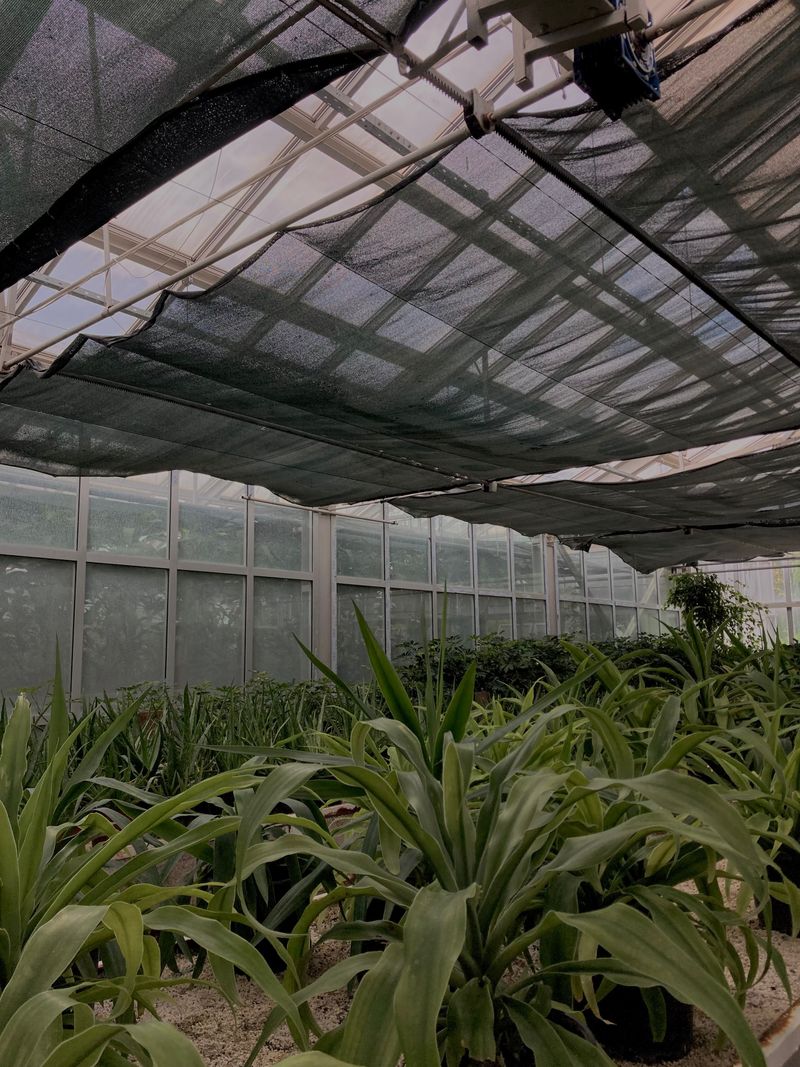
Not every plant is equipped to handle the full intensity of a New York summer. Tender herbs, leafy greens, and young transplants especially struggle when sun exposure remains intense.
Shade cloth is a gardener’s secret weapon for protecting plants that cannot tough it out on their own. A cloth rated for thirty to forty percent shade is ideal for most vegetables and flowers.
Install it on a simple frame of stakes or PVC pipe over your most vulnerable beds. It’s a quick, low-effort setup that can meaningfully speed up your plants’ recovery.
Even a temporary shade solution, like propping up an old bedsheet or outdoor umbrella, helps on the hottest afternoons. Afternoon sun between noon and four p.m. is the most damaging for stressed plants.
Shade also reduces the rate of water evaporation from both the soil and plant leaves. Less evaporation means you water less often, which saves time and your water bill.
Position shade structures on the south or west side of your garden for maximum afternoon protection. That is where the harshest sun angles hit during late summer.
Remove or roll back shade cloth on cooler, overcast days so plants still get the light they need. Too much shade for too long weakens growth just like too much sun does.
Seedlings and new transplants benefit most from shading during their first two weeks in the ground. That window is when they are most susceptible to heat damage.
Helping your New York garden recover after the heat sometimes means protecting existing plants. Protecting what you have left is just as important as pushing for new growth.
Give your tender plants a little shelter now, and they will reward you with a strong finish to the season.