9 Florida Flowers To Trim After They Fade In April
Think your Florida garden looks tired after April blooms fade? Think again.
A quick trim can spark a second show, boost color, and keep pests at bay. Why let spent flowers drain energy when a few snips can send strength back to roots and new buds?
Gardeners across the Sunshine State swear by this simple move, and the payoff feels like magic. You save time, cut waste, and stretch the season without extra cost.
Sound too good? It is not.
The right cuts at the right time turn droop into dazzle. Ready to trade wilt for wow?
Grab your shears and get set to revive these Florida favorites that bounce back fast after bloom. Your yard can steal the spotlight again, and your plants will thank you with fresh color, fuller growth, and a longer run of beauty that turns heads on every walk.
1. Azaleas Shine Then Need a Spring Trim
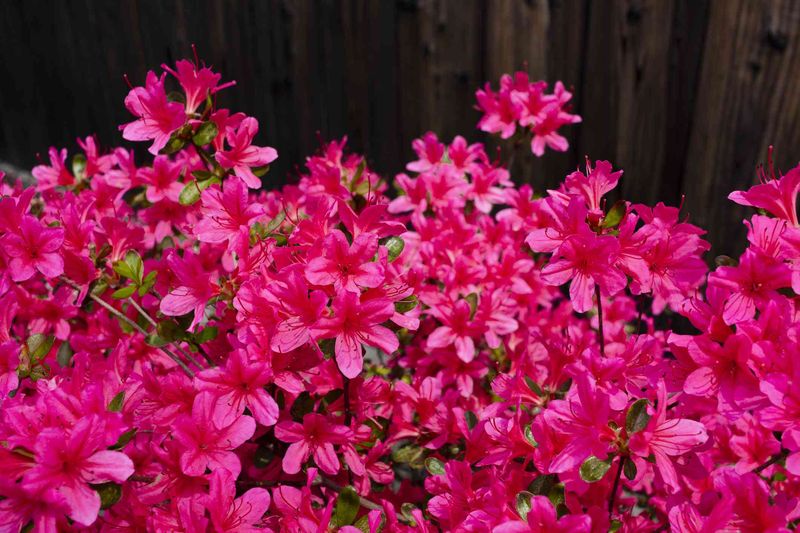
Few sights in a Florida spring garden are as stunning as azaleas in full bloom, but once those flowers start fading, it is time to act quickly.
According to University of Florida IFAS Extension, azaleas bloom on old wood, meaning the plant sets next year’s flower buds on the growth that forms right after this year’s blooms fade.
If you wait too long to prune, you risk cutting off those developing buds and losing your blooms for next spring.
The best window to prune azaleas in Florida is immediately after flowering, typically from late April into early May at the latest. Use clean, sharp pruning shears and remove spent flower clusters along with any crossing or overcrowded branches.
Keep your cuts light unless you are trying to reshape a very overgrown shrub.
Avoid heavy pruning that removes more than one-third of the plant at once, as this can stress the shrub during warming temperatures. Florida gardeners in the northern part of the state may have a slightly longer window than those in Central or South Florida.
Acting while nights are still mild gives your azaleas the best chance to push out strong new growth before summer heat arrives.
2. Pansies Thrive With Quick Deadheading
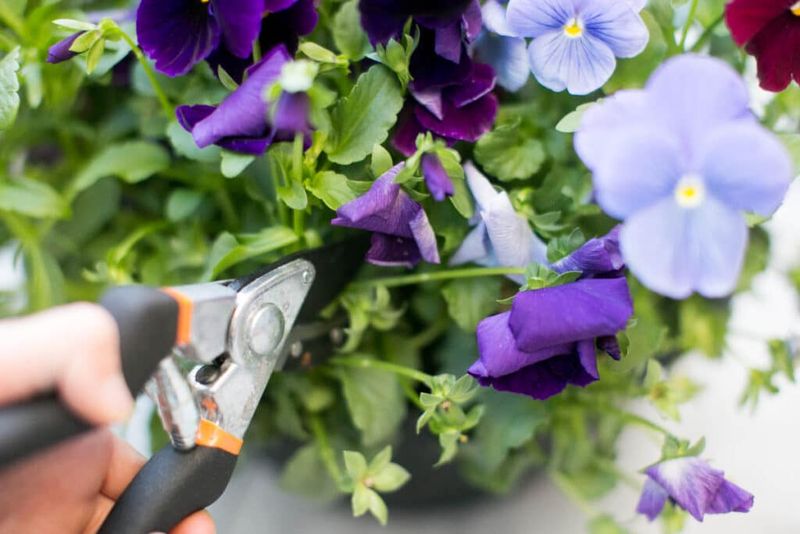
Pansies are cool-season favorites across Florida, and April is often the month when they start showing signs of fatigue as temperatures climb.
Removing spent blooms, a practice called deadheading, sends a clear signal to the plant to keep producing flowers rather than putting energy into forming seeds.
Even a few minutes of deadheading every week can noticeably extend the blooming window before summer heat takes over.
To deadhead pansies properly, pinch or snip the faded flower just below the bloom, removing the entire flower head and its short stem. Try to work through your pansy beds every few days in April, since the warming weather speeds up both blooming and fading.
Florida gardeners should keep a close eye on overnight temperatures, as pansies begin to struggle once nights stay consistently above 60 degrees Fahrenheit.
University of Florida IFAS Extension classifies pansies as cool-season annuals that naturally wind down as spring progresses in the state.
Your Florida Garden Changes Every Week. Your Plan Should Too.
Gardening in Florida changes quickly throughout the season. Every Friday you’ll receive a simple weekly plan showing exactly what to plant, prune, fertilize, harvest, and protect so you never miss the right timing.
Deadheading helps squeeze every last bloom out of the season before the plants need to be replaced with heat-tolerant summer options.
Keeping the bed tidy also reduces the chance of fungal issues, which can spread quickly in Florida’s increasingly humid April air.
3. Violas Rebound After a Light Snip
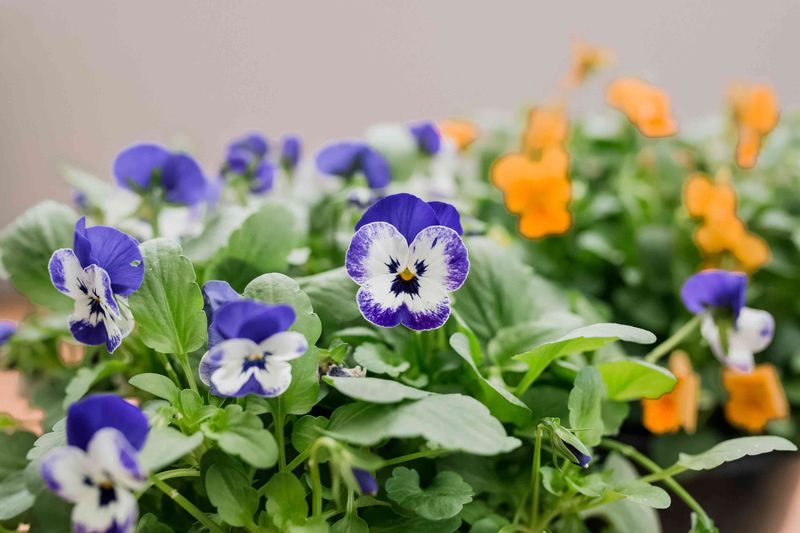
Closely related to pansies, violas tend to be tougher and more tolerant of warming spring temperatures, making them a go-to cool-season annual for Florida gardeners. That said, they still respond beautifully to frequent deadheading throughout April.
Removing faded blooms before they set seed keeps the plant’s energy focused on producing fresh flowers rather than wrapping up its reproductive cycle.
Violas produce smaller blooms than pansies, so deadheading can feel a bit more tedious, but the payoff is worth it. Run your fingers along each stem and pinch off any browning or wilted flowers at the base.
If the plant looks particularly leggy or tired, a light overall trim of about one-third of its height can refresh the whole plant and encourage a flush of new growth.
In Central and South Florida, April warmth arrives earlier, so viola gardeners in those regions should start deadheading more aggressively by early April. In North Florida, mild spring conditions can keep violas blooming well into late April with consistent care.
Florida-Friendly Landscaping principles encourage choosing the right plant for each season, and violas are a perfect example of a cool-season annual that rewards attentive, timely maintenance with a longer, more colorful display.
4. Petunias Bloom Better With Regular Trimming
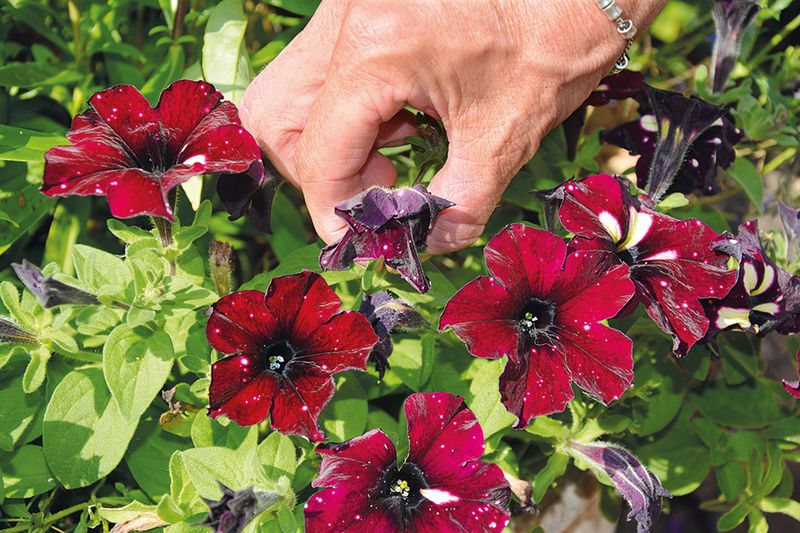
Walk through any Florida garden center in late winter and petunias are practically everywhere, and for good reason. They burst with color and fill containers and beds beautifully.
By April, though, many petunia plants start looking stretched out and tired, especially the large-flowered grandiflora types that tend to get leggy as temperatures rise.
Regular deadheading combined with occasional harder cutbacks keeps them looking full and flowering longer.
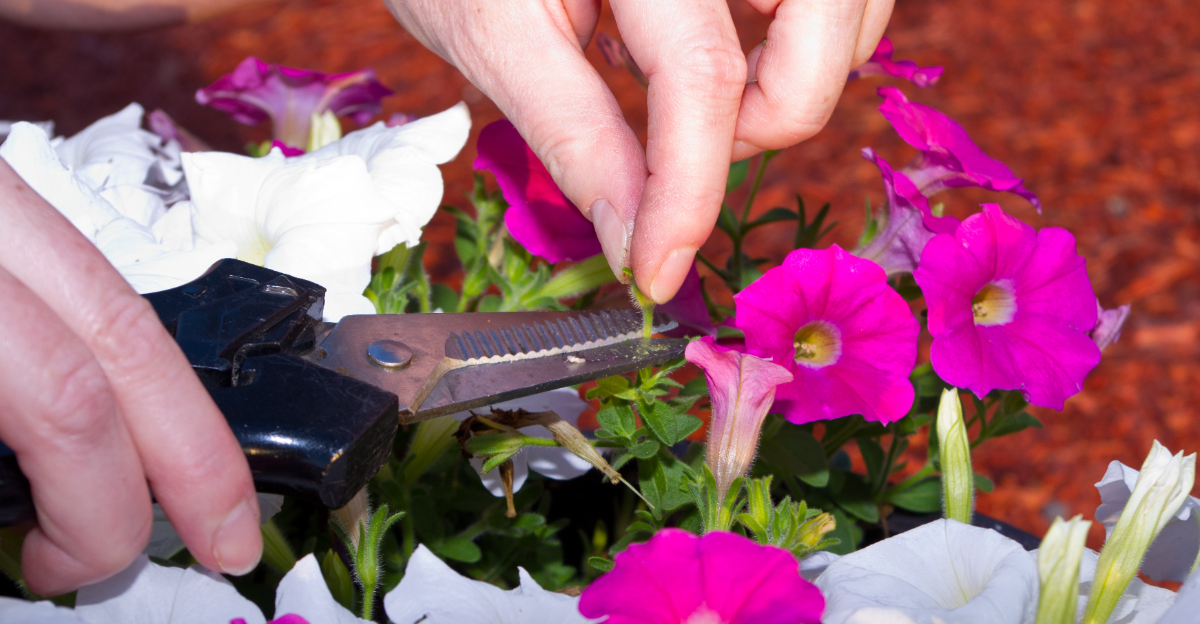
For standard deadheading, remove the spent bloom along with the swelling seed pod just behind it. Every few weeks in April, consider cutting leggy stems back by about one-third to encourage bushy new growth.
This is especially helpful for trailing petunias in hanging baskets, which can quickly become stringy without regular attention.
Florida gardeners should note that petunias are warm-season performers in many other states but behave more like cool-to-warm transition plants in Florida’s climate. They thrive in spring but often struggle once summer humidity and heat peak.
Keeping them trimmed through April gives them the best chance of lasting into May.
According to University of Florida IFAS Extension, maintaining good airflow through regular trimming also helps reduce botrytis and other fungal diseases that become more common as Florida’s wet season approaches.
5. Snapdragons Stay Bright With Simple Cuts
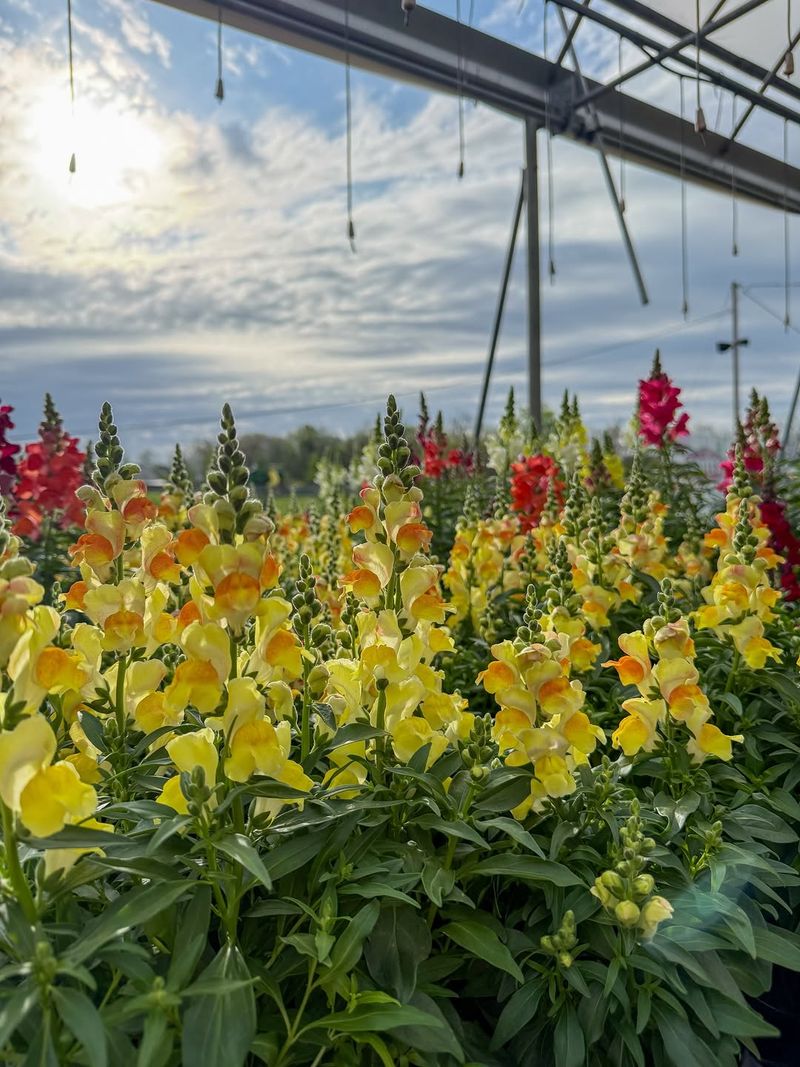
There is something almost architectural about snapdragons standing tall in a Florida spring garden, their colorful spikes rising above other cool-season flowers.
April is a critical month for these plants because Florida’s warming temperatures will eventually push them past their comfort zone.
The good news is that consistent deadheading can stretch their bloom season noticeably, giving you more color for longer before summer shuts them down.
When a snapdragon spike finishes blooming, cut it back to a set of healthy side shoots lower on the stem. This encourages the plant to branch out and send up new flower spikes rather than putting energy into seed production.
Avoid cutting all the way down to the base unless the entire stem looks unhealthy, since leaving healthy side growth gives the plant a faster rebound.
Snapdragons are cool-season annuals in Florida, according to IFAS Extension, and they genuinely prefer the mild temperatures of late winter and early spring.
Once April nights start staying warm consistently, even the most attentive deadheading will only delay the inevitable slowdown.
Still, gardeners who keep up with trimming through April often enjoy blooms well into the month. Keeping soil moisture consistent and avoiding overhead watering also helps snapdragons stay healthy and productive in Florida’s spring conditions.
6. Sweet Alyssum Keeps Going With a Shear
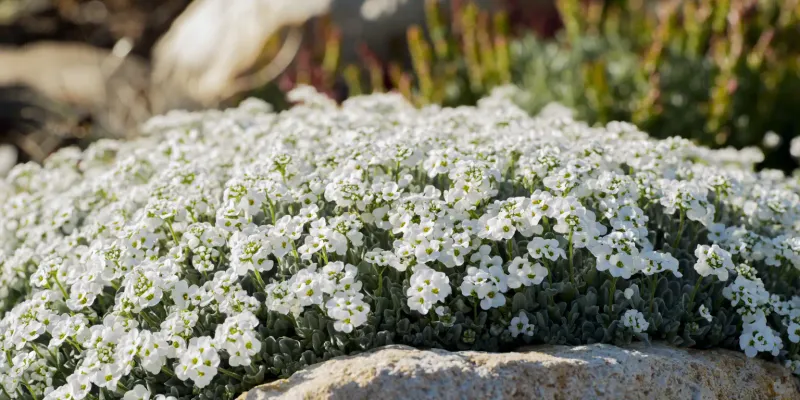
Sweet alyssum is one of those charming, low-growing plants that edges garden beds and spills over containers with clouds of tiny, honey-scented flowers. By April in Florida, a planting of alyssum that started strong in winter may begin to look sparse and faded.
A light shearing at this point can work wonders, giving the plant a fresh start and often triggering a second flush of blooms before the heat of late spring sets in.
To shear sweet alyssum, use a pair of garden scissors or hedge shears to cut the entire plant back by about one-third to one-half of its height. Do not worry about being too precise, since alyssum responds well to a general trim.
After shearing, water the plant well and add a light application of balanced fertilizer to support the new growth that follows.
In Florida, sweet alyssum performs best during the cooler months and naturally slows down as temperatures climb past 80 degrees Fahrenheit. An April shearing buys extra weeks of color before the plant fades out for the season.
Florida-Friendly Landscaping guidelines encourage using cool-season annuals like alyssum strategically to fill gaps in the garden while minimizing water and fertilizer use. A well-timed trim helps you get maximum value from every plant you put in the ground.
7. Dianthus Rebloom After a Quick Trim
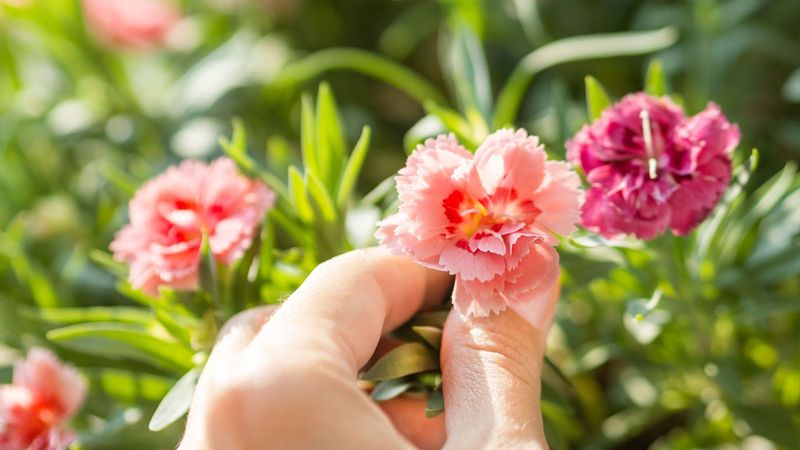
Gardeners who have grown dianthus know that these cheerful, spicy-scented flowers are among the most rewarding cool-season plants for Florida beds and borders. What many people do not realize is how much a simple trim after the first bloom cycle can boost repeat flowering.
Dianthus has a natural tendency to slow down once spent flowers start forming seeds, so removing those faded blooms quickly redirects energy back into producing new buds.
After the initial spring flush, use small pruning shears or scissors to snip off spent flower heads just above the nearest set of healthy leaves.
For plants that have finished a full bloom cycle and look a bit ragged, cutting the whole plant back by about one-third encourages a compact, tidy shape and sets the stage for another round of flowers.
This approach works especially well for perennial dianthus varieties that return year after year in Florida’s milder regions.
April is an ideal time for this trim in most parts of Florida because temperatures are still mild enough for strong regrowth. As the month progresses and warmth increases, keep an eye on soil moisture since dianthus prefers consistently moist but well-drained conditions.
University of Florida IFAS Extension notes that dianthus performs best in Florida during the cooler months, making timely April maintenance a smart way to extend its season.
8. Roses Bloom More When You Snip Spent Flowers
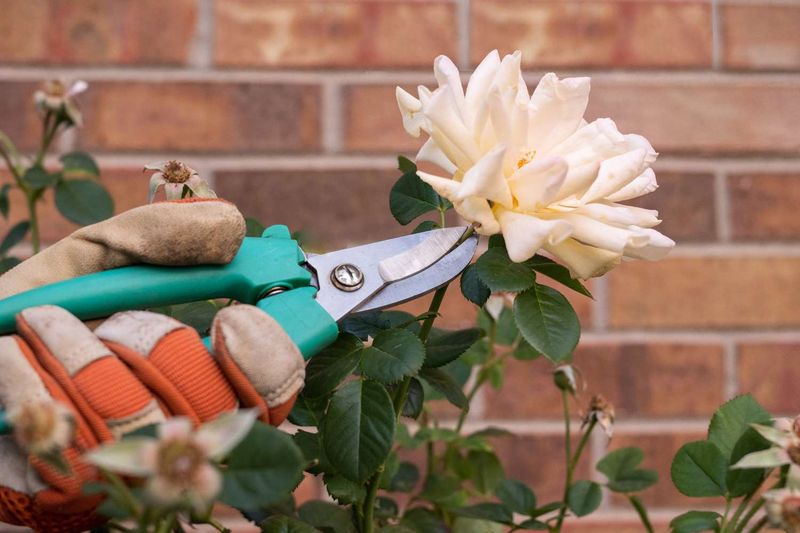
Roses are one of the most beloved plants in any garden, and Florida’s long growing season means they can reward attentive gardeners with nearly year-round blooms.
April is a particularly active month for roses in the state, and keeping up with deadheading during this time directly influences how many flowers you get through spring and into early summer.
Leaving spent blooms on the plant encourages it to put energy into forming rose hips rather than producing more flowers.
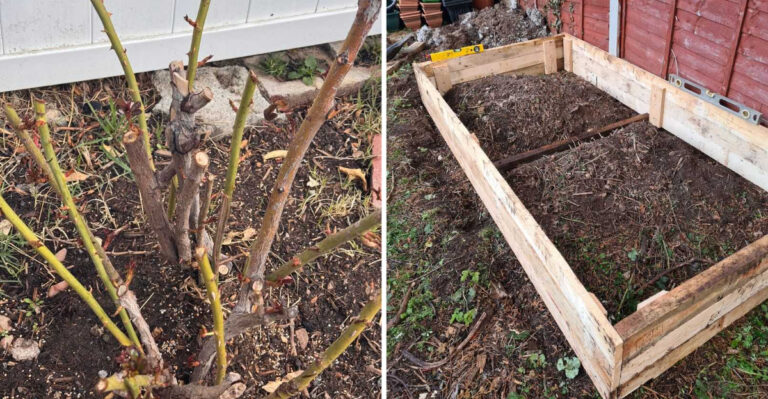
The proper technique for deadheading roses is to cut the spent stem back to just above the first set of five leaflets below the faded bloom. Make your cut at a 45-degree angle, slanting away from the bud eye, using clean and sharp pruning shears.
This small detail encourages healthy new cane growth and reduces the risk of disease entering through the cut.
Florida rose gardeners should also watch for signs of black spot and other fungal diseases that become more active as April humidity rises. Keeping foliage dry by watering at the base of the plant and trimming regularly to improve airflow both help manage these issues.
University of Florida IFAS Extension recommends selecting disease-resistant rose varieties suited to Florida’s climate for the best long-term results. Consistent deadheading throughout April keeps your roses looking their absolute best.
9. Gaillardia Keeps Flowering With Deadheading
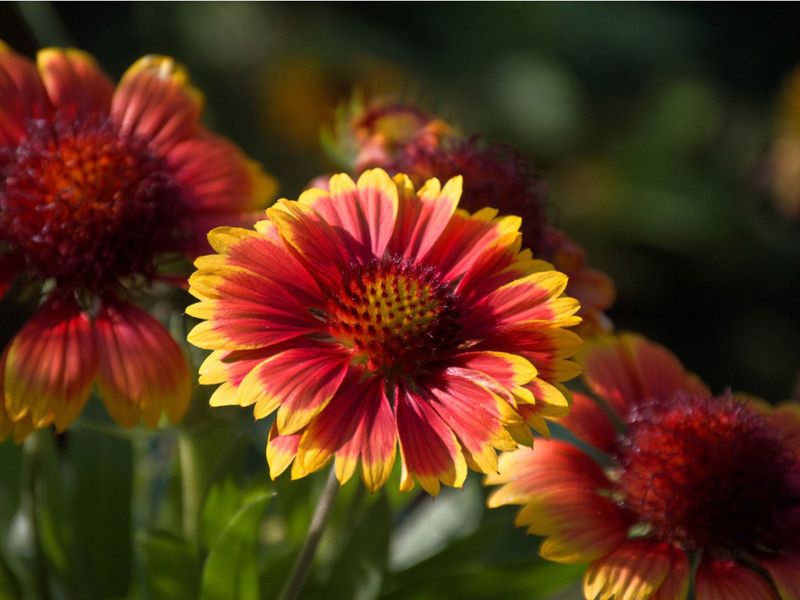
Bold, sunburst-colored and tough as nails, gaillardia is one of the best perennial wildflowers for Florida gardens. Also known as blanket flower, it thrives in heat, tolerates drought, and keeps producing blooms from spring well into fall when managed properly.
April is a great time to start a consistent deadheading routine, since removing spent flower heads before they fully form seeds encourages the plant to keep sending up fresh blooms throughout the growing season.
To deadhead gaillardia, cut the spent stem back to just above a set of healthy leaves or a side shoot. The plant responds quickly and often produces new buds within a week or two of a good trim.
For plants that have been blooming since late winter, an April cutback of about one-third of the plant’s overall height can also refresh its shape and encourage denser, more compact growth.
One interesting note worth mentioning: leaving a few spent flower heads on the plant occasionally benefits pollinators and seed-eating birds that visit Florida gardens.
You can strike a balance by deadheading most of the plant while leaving a small cluster of seed heads in a less visible spot.
University of Florida IFAS Extension supports gaillardia as an excellent Florida-Friendly Landscaping choice due to its low water needs and strong performance in the state’s sandy soils.