How North Carolina Gardeners Are Using Hairy Vetch To Fix Compacted Clay This Fall
Your shovel hits the ground and bounces right back like it just tried to dig through a brick patio. Welcome to autumn in a North Carolina clay bed, where the soil smells like fresh rain and feels like old pottery.
In spring, that red, sticky dirt clings to your boots like it has something to prove. By July, it cracks open like a dry riverbed.
Sound familiar? Here is the good news: a quiet helper is gaining attention among backyard growers this fall.
It costs a few dollars, asks for almost no muscle, and keeps working while you sleep under your winter blankets.
It will not work miracles overnight, but neighbors keep asking what is growing in those fuzzy green beds, and the answer might change how you plan your garden for years.
1. Why North Carolina Clay Needs A Living Helper
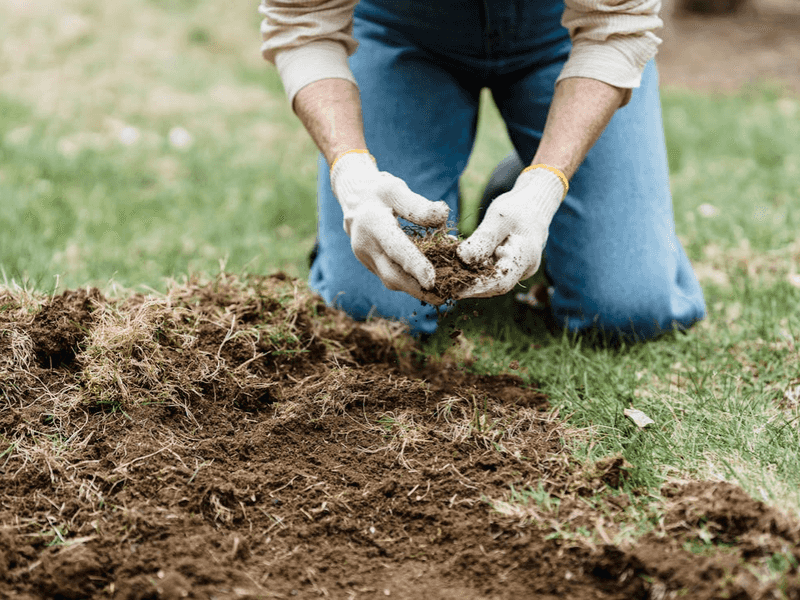
Red clay has a reputation across North Carolina, and most of it is earned. The tiny particles pack together tightly, leaving little room for air or water.
When rain falls, it often runs off instead of soaking in. Roots struggle to push through, so tomatoes and peppers end up short and thirsty by midsummer.
Hairy vetch offers a gentler approach than heavy tilling. It is a cool-season legume with a root system that works its way into small cracks over the winter months.
As roots grow and later break down, they leave small channels behind. Those channels can give water, worms, and future roots an easier path through the soil.
To be clear, vetch is not a miracle cure for compaction. Its biggest strength is the nitrogen it fixes, and its soil building effects add up gradually over several seasons.
Pairing it with a grain like cereal rye adds a second root system to the job, which is why many gardeners plant the two together.
Tilling clay over and over can make the problem worse. Machines crush soil crumbs and can create a hard layer called a plow pan just below the surface.
A cover crop works from the inside out instead. It feeds soil life, adds organic matter, and slowly changes the texture without breaking your back.
Some gardeners in the Piedmont region started trying vetch after a dry summer left their beds rock hard, and several report that the soil felt easier to work by the next spring. Results vary with soil, weather, and how many seasons you stick with it.
Farmers have long used hairy vetch as a green manure, which means a crop grown to be returned to the soil. Gardeners are simply borrowing a trick with a long track record.
2. Perfect Fall Planting Windows
Timing matters more than most folks expect with this crop. Plant too late, and the seedlings stay tiny before frost arrives.
Research and USDA guidance agree that earlier fall planting generally gives vetch more growth and more nitrogen than late planting. Think of the calendar as a guide rather than a deadline.
In the mountains of western North Carolina, late summer into mid-September is the typical window. Cooler nights come early there, so seeds need a head start.
Your North Carolina Garden Changes Every Week. Your Plan Should Too.
Gardening in North Carolina changes quickly throughout the season. Every Friday you’ll receive a simple weekly plan showing exactly what to plant, prune, fertilize, harvest, and protect so you never miss the right timing.
Piedmont gardeners around Raleigh, Greensboro, and Charlotte generally have more room, with planting running from mid-September into October. Down on the coastal plain, planting can stretch a little later because winters are milder.
A common rule of thumb is to sow at least four to six weeks before your first expected frost date. Late plantings, including anything going in near the end of October in the Piedmont, will grow less and fix less nitrogen, though they can still add organic matter.
Check your county Extension office for local frost dates and regional advice. Most offices post free charts online, and the staff love answering garden questions.
Seeds sprout best when the soil is mild rather than cold. If a hurricane remnant or tropical storm soaks your area, wait a few days.
Planting in muddy clay can smear the surface and seal it tighter.
Once the bed is damp but crumbly, you are ready to go. A light rain after sowing is the best gift the sky can give.
3. Prepping Stubborn Beds Before Seeding
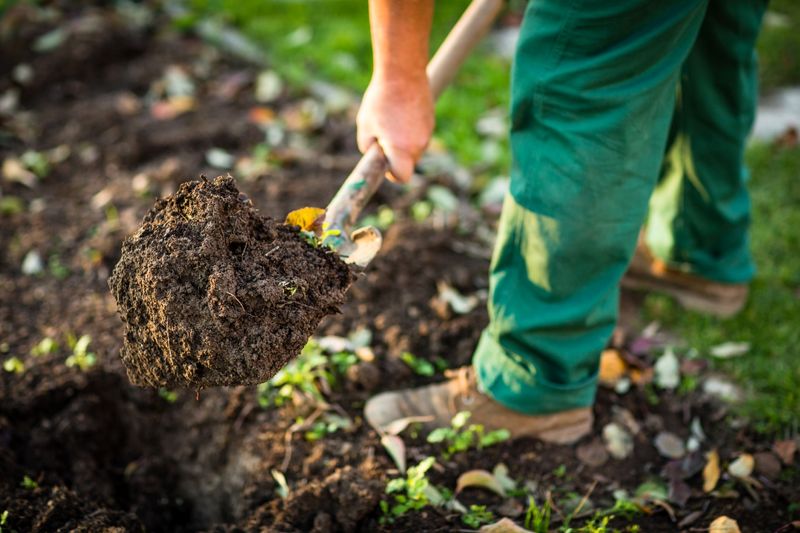
Good news first: you do not need ideal soil to start. Vetch is tough and forgiving, which makes it great for beginners.
Begin by pulling out spent summer plants like squash vines and bean stalks. Toss healthy ones into the compost pile and bag any that look sickly.
Next, rake the surface to break up the top crust. You only need about an inch of loose soil for seeds to make good contact.
Some gardeners use a broadfork for extra help. Push it in, rock it back gently, and move on without flipping the soil over.
Skip the heavy fertilizer for now. Vetch fixes much of its own nitrogen, so extra feeding mostly helps weeds grow instead.
A soil test is a smart step, though. The NC Department of Agriculture offers soil testing free from April through November, with a small $4 per sample fee from December through March, so testing now costs nothing.
Clay soils here often lean acidic. If your test shows a pH below 6.0, your report may recommend a little lime to help the vetch thrive.
Spread lime evenly and rake it in lightly. It works slowly, so adding it at planting time gives it all winter to do its job.
Finally, water the bed a day before sowing if the weather has been dry. Slightly moist soil makes the next step much easier.
4. The Inoculant Trick Gardeners Swear By
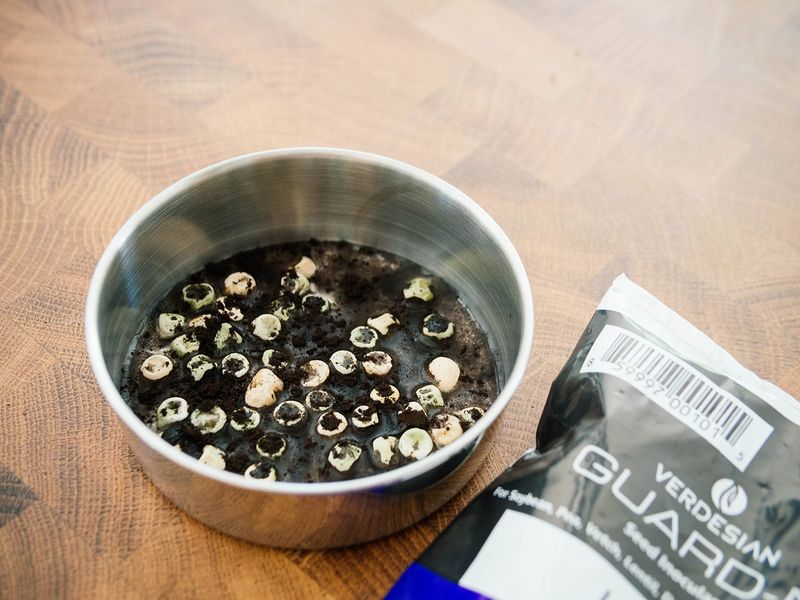
Ask a seasoned grower about vetch, and they will probably mention a black powder. That powder is called inoculant, and it is packed with helpful bacteria.
Those bacteria form tiny bumps on vetch roots called nodules. Inside them, the plant pulls nitrogen from the air and stores it in the soil.
Without the right bacteria, vetch still grows, but it makes far less nitrogen. Many clay beds in North Carolina have never hosted peas or vetch, so the microbes may be missing.
Using inoculant is easy and cheap. Lightly dampen your seeds with a splash of water, then sprinkle the powder over them and stir.
Make sure you buy the pea and vetch type. Different legumes need different bacteria, and a bean or clover mix will not do the same job.
Sow coated seeds the same day for best results. The bacteria are alive and do not like sitting in hot sun or a warm car.
Store leftover inoculant in the fridge. Check the expiration date, because older packets lose their strength over time.
Here is a fun way to check your success in spring. Gently dig up a plant and slice a root bump open.
A pink or red center means the nitrogen factory is working. Kids love this little science experiment, and it makes a great garden lesson.
5. Smart Seeding Rates For Small Yards

Most backyard plots do not need a giant bag of seed. A little goes a surprisingly long way.
For broadcasting by hand, a bit under half a pound per 1,000 square feet is a common recommendation. Research that included North Carolina sites found strong growth at fairly low seeding rates.
Follow the rate printed on your seed package, and sow slightly heavier if you are planting late, since later plantings need more seed to make up for slower growth. A typical 4 by 8 raised bed needs only a light sprinkle, so weigh a small amount of seed instead of grabbing a big handful.
Scatter seeds evenly, then rake them in about half an inch to an inch deep. Covering the seed protects it from hungry birds and drying wind.
Many North Carolina gardeners pair vetch with cereal rye or oats. The grain acts like a trellis for the vining vetch to climb on.
Rye also brings its own fibrous roots. Together, the two plants work at different depths in the soil, almost like a tag team.
When blending the two, use less of each than you would for a solo planting. Your seed package or local Extension office can suggest a ratio that suits your soil.
Hand spreaders are cheap and help a lot on larger lawns or plots. They throw seed more evenly than a tired arm can.
After seeding, firm the soil by walking over it or patting it with the back of a rake. Good contact helps seeds sip moisture.
Water gently if the forecast stays dry. Sprouts usually appear within one to two weeks in mild fall weather.
6. Winter Care Tips For North Carolina Vetch Beds
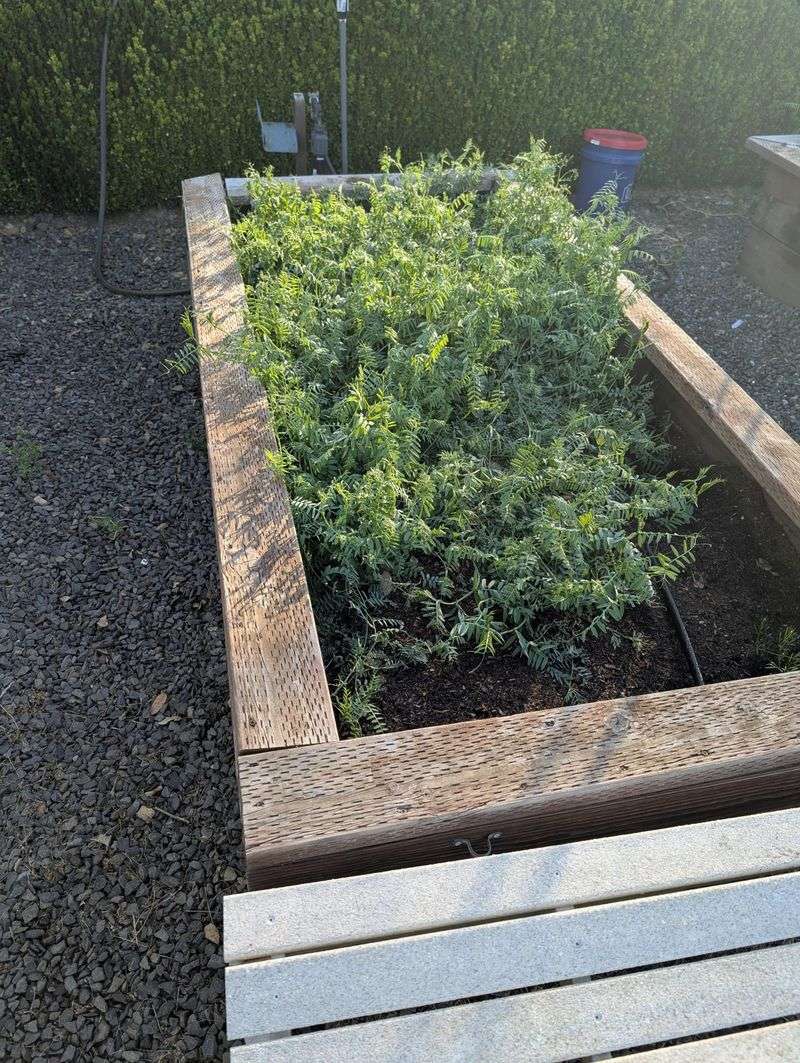
Once the seedlings are up, your work mostly stops. Honestly, that is one of the best parts of growing vetch.
Hairy vetch is known for its cold hardiness. It handles typical North Carolina winters, including mountain snow and coastal drizzle, without much fuss.
In December and January, plants may look small and flat. Do not worry, because most of the action is happening underground.
Roots keep inching through the clay on mild days. Each warm spell lets them stretch a bit deeper and wider.
Keep foot traffic off the beds when the ground is wet. Stepping on soggy clay can undo the loosening work the roots are doing.
Deer and rabbits sometimes nibble on vetch. A simple fence or a few strips of bird netting can protect young plants.
If a hard freeze hits right after sowing, tiny seedlings may struggle. Covering them with a light layer of straw helps hold in warmth.
Watering is rarely needed during winter here. Rain and occasional snow usually supply plenty of moisture for slow growth.
Think of these months as a resting season for you, not the soil. While you plan next year’s tomatoes, the vetch is quietly building a better home for them.
7. Spring Growth Spurts Surprise Gardeners
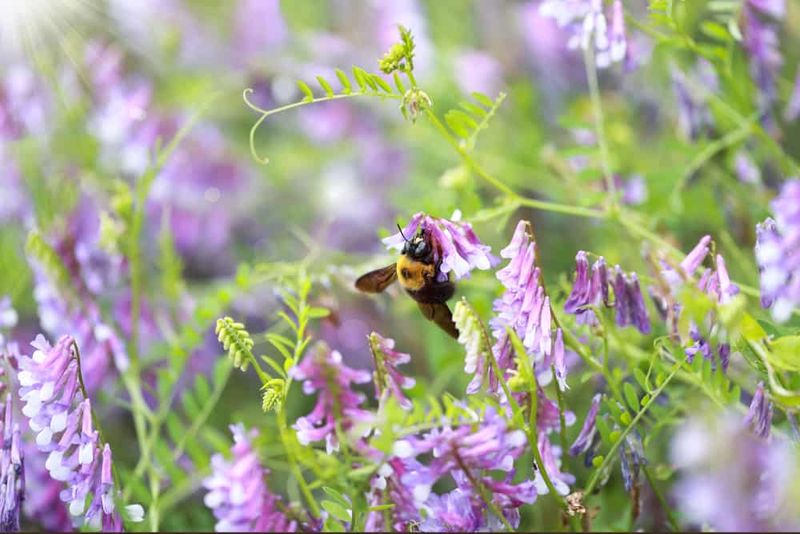
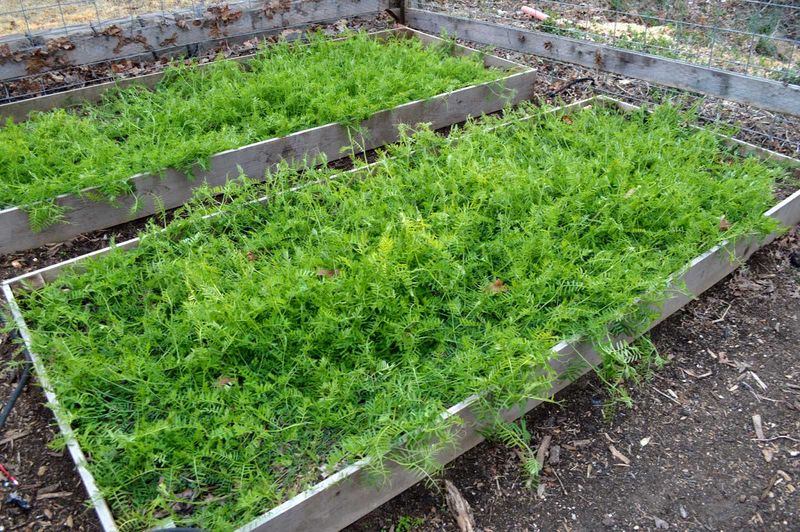
March rolls in, and suddenly those sleepy plants wake up fast. Gardeners often say their beds go from patchy to jungle in just a few weeks.
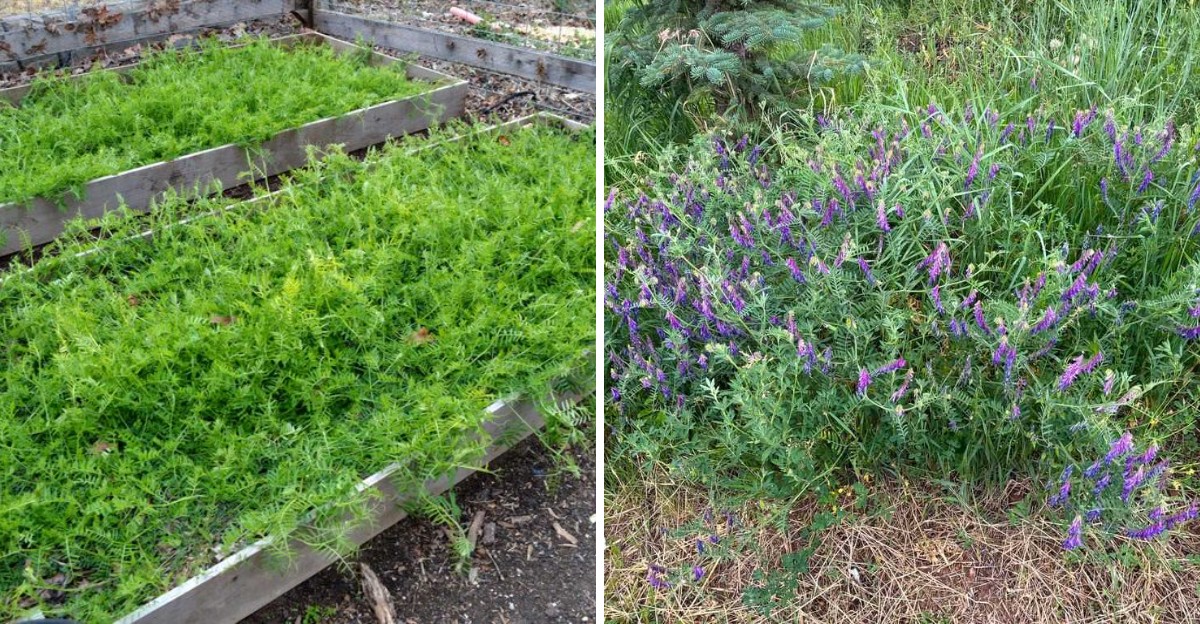
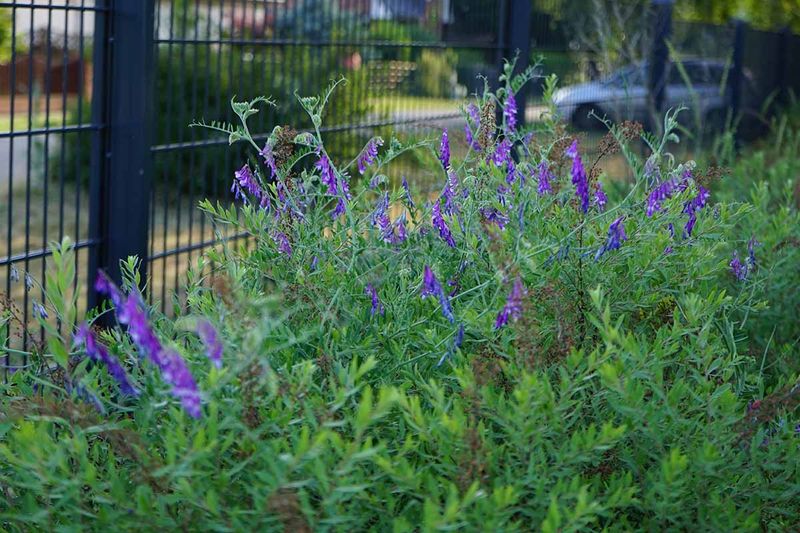
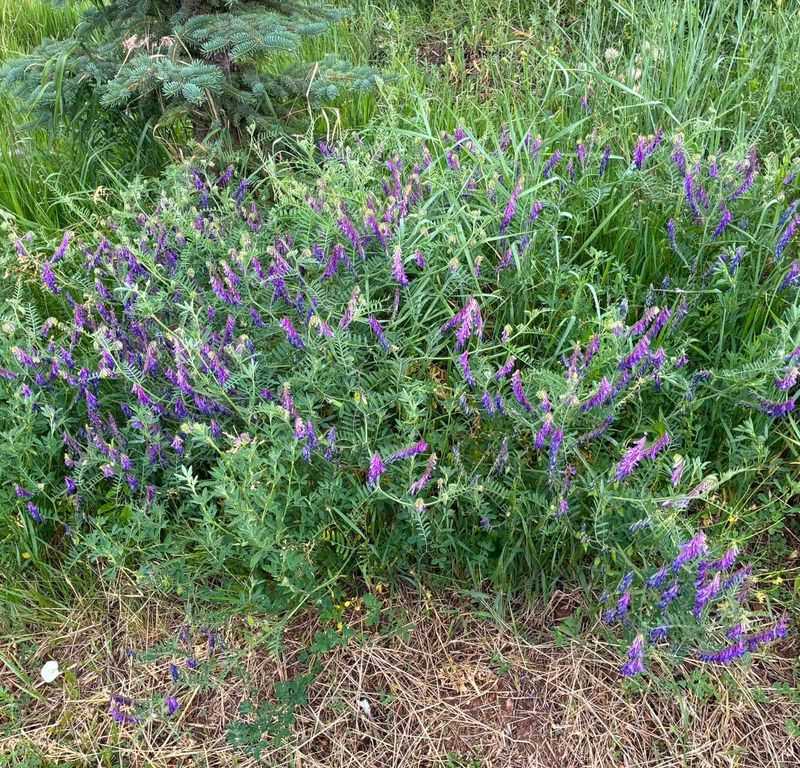
Vetch can grow two to three feet long or more by April. Its vines tangle together into a thick green mat dotted with purple flowers.
Those flowers are a favorite of bumblebees and other pollinators. Early spring food is scarce, so your cover crop becomes a busy little buffet.
Below ground, the payoff keeps growing too. According to USDA NRCS, hairy vetch can fix roughly 90 to 200 pounds of nitrogen per acre, though only part of that becomes available to the crop that follows.
For a home garden, that can mean less fertilizer later. Sweet corn and squash especially love that natural boost, while tomatoes do best with a lighter hand, since too much nitrogen can push leaves instead of fruit.
Roots also release compounds that can help bind clay particles into crumbs. Crumbly soil drains better and holds air, which roots need to breathe.
Earthworms tend to follow all that organic matter. Many gardeners notice more worms in beds where cover crops have been growing.
Take a few photos each week to track progress. It is fun to compare a cracked October bed with a lush April carpet.
Keep an eye on the calendar, though. The next step depends on catching the plants at just the right moment.
8. Ending The Cover Crop The North Carolina Way
Timing the finish is where many beginners stumble. Cut too early, and the vetch may bounce back like a stubborn houseguest.
The sweet spot comes when about half the plants are in full bloom. In much of North Carolina, that lands between mid-April and early May.
At this stage, vetch has stored the most nitrogen. It also loses its ability to regrow after being cut low.
Small gardens can be handled with hedge shears or a string trimmer. Cut the plants close to the ground and let them fall in place.
Some growers prefer the roll-and-crimp method. They lay a board on the plants and step on it, bending and crushing the stems.
Leave the cut material on top as mulch. It shades out weeds, keeps clay from crusting, and slowly feeds the soil.
Wait about two to three weeks before planting into the bed. The fresh residue needs time to settle and start breaking down.
When it is time to plant, pull back a small spot in the mulch. Tuck in your transplant and slide the mulch back around it.
Avoid letting vetch drop mature seeds. Hard seeds can sprout for years and pop up in places you would rather keep tidy.
9. Real Results From North Carolina Backyards
Stories from real gardens tell the best tale. Gardeners who stick with cover crops often describe soil that feels easier to dig, with a shovel that slides in more smoothly than it used to.
That shift does not happen overnight. Most people see small gains the first year and bigger changes after two or three seasons.
Common wins include water that drains more easily after storms. Some gardeners notice puddles lingering for less time than they used to.
Plants often grow deeper roots as well. That can help them handle hot, dry stretches in July without wilting as quickly.
Many families also spend less money on bagged fertilizer. The nitrogen stored by vetch can feed hungry crops well into summer.
To get the most from your effort, repeat the cycle each fall. Rotate vetch with other cover crops like crimson clover for variety.
Adding compost on top each spring speeds things up too. Organic matter and roots together are a powerful team against tough clay.
Keep a simple garden journal. Note planting dates, bloom dates, and how easily you can dig each spring.
Over time, those notes show clear progress. Gardeners across North Carolina share tips just like these at seed swaps and Extension workshops.
Give vetch one fall season to prove itself. Your boots, your back, and your tomatoes will likely thank you.