7 North Carolina Perennials That Grow Back Stronger After A Dry Year
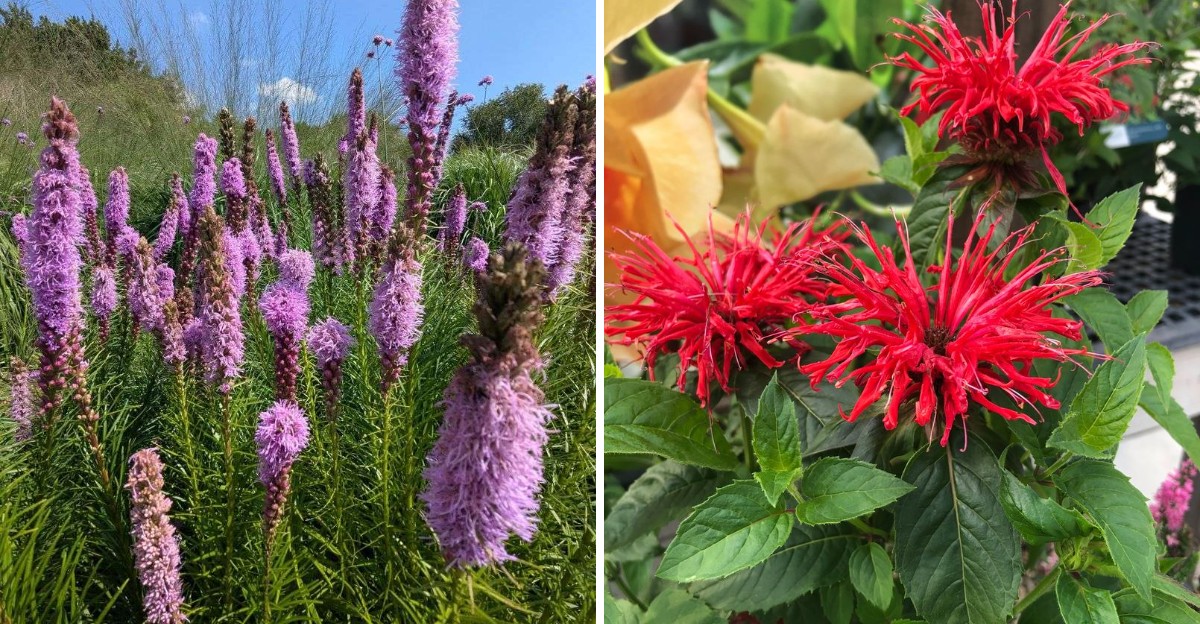
A dry growing season can leave a garden looking rough, but some North Carolina perennials are built to handle drought stress and come back even stronger once conditions improve.
These plants have developed deep root systems or other natural adaptations that help them survive extended dry stretches without permanent damage, often rewarding gardeners with a fuller, more resilient display the following year.
Knowing which perennials fall into this category can help North Carolina gardeners plan smarter, especially in years when rainfall is unpredictable.
Seven standout perennials prove that a rough season isn’t always a setback, and can actually set the stage for a stronger comeback the next time around.
1. Purple Coneflower
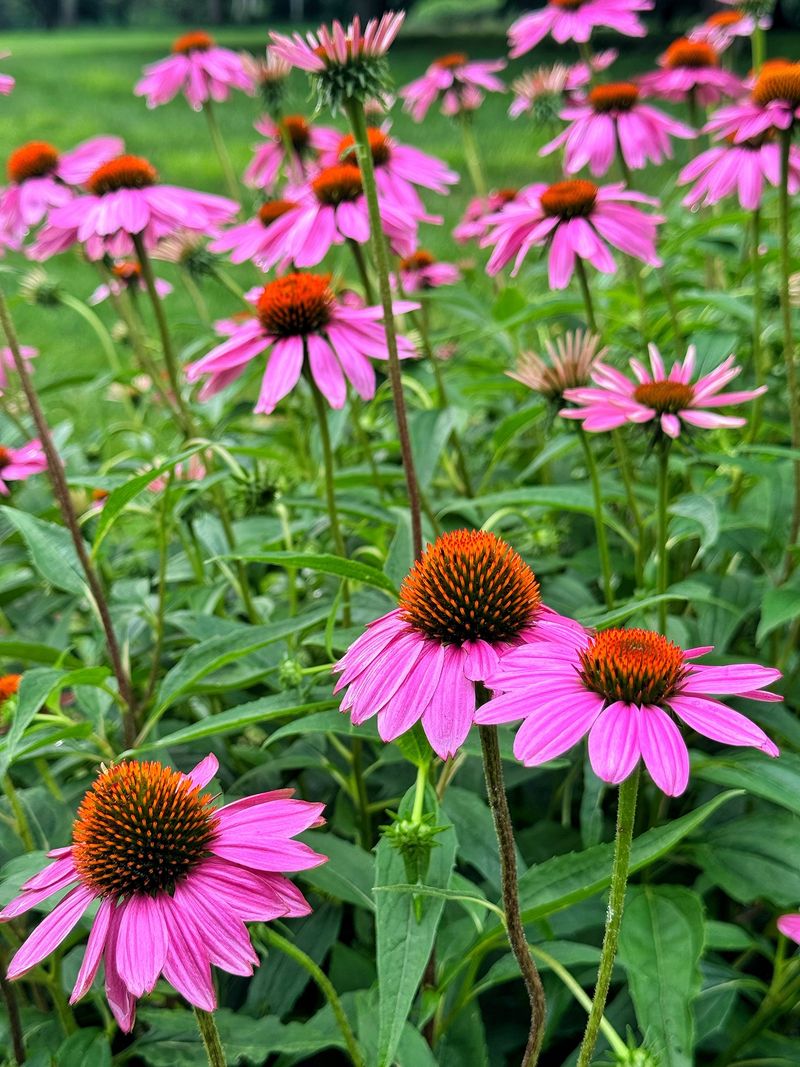
Few plants handle a tough summer as calmly as purple coneflower. Once its roots settle in, this native beauty barely flinches when the rain stops for weeks.
The secret lives underground. Purple coneflower grows a deep, sturdy root system that reaches far below the surface to find water that shorter roots miss.
During a dry stretch, the plant pulls from those hidden reserves and keeps standing tall while thirstier flowers wilt.
Because it stores so much energy in those roots, an established coneflower can bounce back after a dry year with even more blooms. It rests when things get harsh, then wakes up strong when the weather turns kind again.
Gardeners across North Carolina love it for the daisy-shaped flowers with drooping pink-purple petals and spiky orange centers. Bees and butterflies visit all summer, and finches happily pick at the seed heads in fall.
To help it thrive, plant coneflower in full sun and well-drained soil. Water it regularly during the first season so those roots grow deep, then step back and let it toughen up on its own.
Skip the heavy fertilizer, since these plants actually prefer lean conditions and can flop over when pampered too much. Leaving the dried seed heads through winter feeds birds and adds interest.
Fun fact: purple coneflower is the plant behind echinacea, an herb people have used for generations. That mix of beauty, wildlife value, and grit makes it a smart first choice for any dry-year garden.
2. Black Eyed Susan
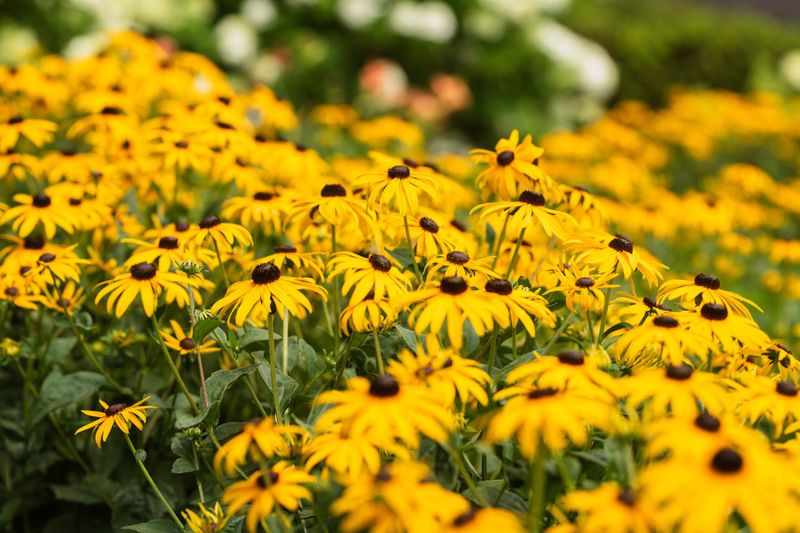
Bright, cheerful, and nearly impossible to discourage, black eyed Susan lights up gardens when the weather turns brutal. While other flowers droop, this golden bloomer keeps grinning at the sun.
Heat simply does not bother it. Black eyed Susan grew up in open meadows where full sun and dry soil are normal, so North Carolina summers feel like home. Once its roots take hold, it needs very little help to keep going.
The plant spreads a wide, fibrous root system that soaks up whatever moisture it can find. That network lets it survive long dry spells and then return the following year, often with even more of those sunny yellow flowers.
Each bloom shows off golden petals wrapped around a dark chocolate-brown center, which is where the name comes from. Butterflies and bees flock to them, and the seed heads later feed hungry songbirds.
Your North Carolina Garden Changes Every Week. Your Plan Should Too.
Gardening in North Carolina changes quickly throughout the season. Every Friday you’ll receive a simple weekly plan showing exactly what to plant, prune, fertilize, harvest, and protect so you never miss the right timing.
Plant black eyed Susan in a spot with plenty of sunshine and soil that drains well. Give it water while it is young, then let it grow tougher on its own as the season goes on.
It also spreads by self-seeding, so a single planting can slowly fill an empty corner with color. If you want to control the spread, just snip off some seed heads before they scatter.
Low effort and high reward, this flower proves that a plant can be both easygoing and stunning. After a dry year, expect it to return brighter than ever.
3. Butterfly Weed
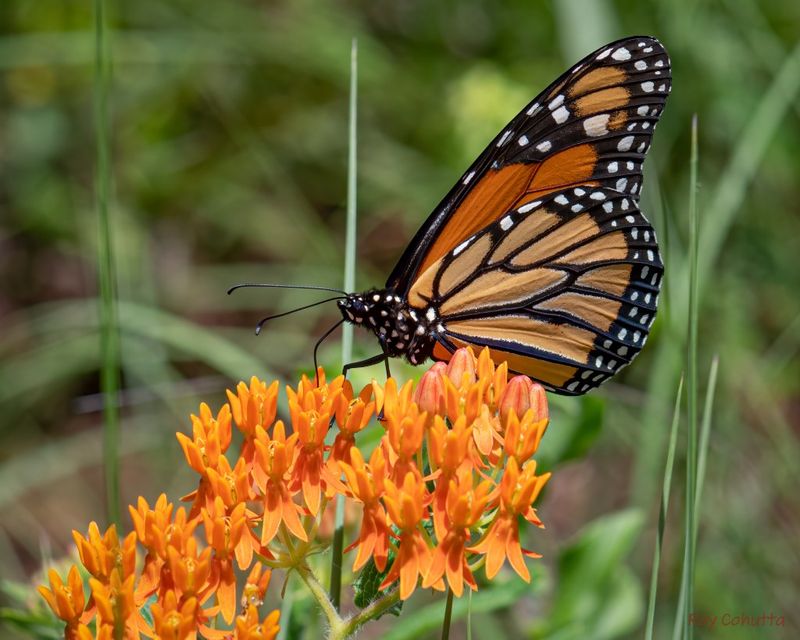
Do not let the humble name fool you. Butterfly weed bursts into fiery orange clusters that look like they belong in a fancy flower shop, yet it thrives in the driest, sunniest spots you can offer.
This plant is a member of the milkweed family, and it comes ready for hardship. A single long taproot drills straight down into the soil, tapping into moisture that stays hidden even during a stretch without rain.
That deep root is also the reason butterfly weed dislikes being moved. Once it settles in, it stays put and grows tougher every year, returning reliably after a dry season that would flatten weaker plants.
Its biggest claim to fame is its role as a monarch host plant. Monarch caterpillars feed on the leaves, so growing butterfly weed gives these famous orange butterflies a place to raise their young.
Adult butterflies, bees, and other pollinators crowd around the nectar-rich flowers all summer long. The blooms glow in shades of bright orange, and some varieties lean toward yellow or red.
To grow it well, choose a sunny, well-drained location and avoid rich, soggy soil. Water lightly at first, then leave it alone, since too much moisture is more of a problem than too little.
Patience pays off here. Butterfly weed can be slow to appear in spring, so mark its spot to avoid disturbing it. Give it time, and you will earn a low-care plant that helps monarchs and shrugs off drought.
4. Coreopsis
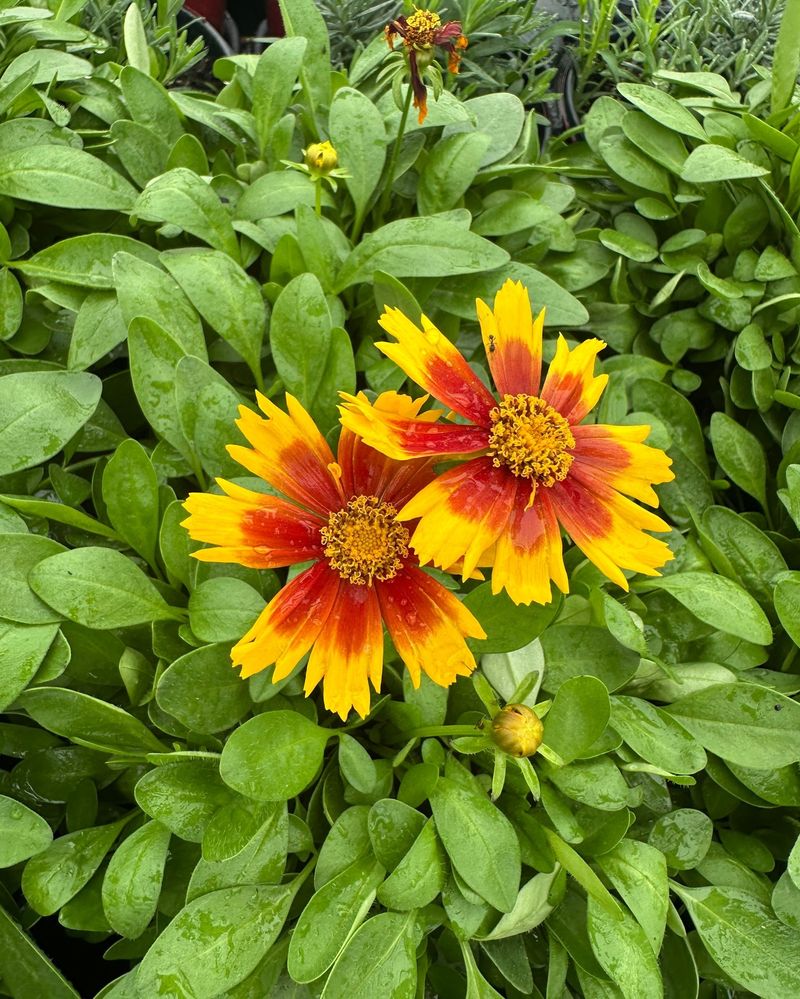
If you want a flower that keeps blooming while asking for almost nothing, coreopsis is your plant. This sunny performer scatters cheerful gold and yellow blossoms across the garden from early summer well into fall.
Toughness is built into its nature. Coreopsis handles heat and dry soil with ease, making it a favorite for North Carolina gardeners who would rather relax than fuss over watering cans.
After a dry spell, it rebounds quickly. A light trim of the spent flowers, called deadheading in the garden world, encourages a fresh wave of blooms and keeps the plant looking tidy and full.
The long blooming period is a big part of its charm. Many perennials flower for just a few weeks, but coreopsis stretches its show across months, giving your yard steady color when summer gets harsh.
Pollinators adore it. Bees and butterflies drop by for the nectar, and later the seeds attract small birds looking for a snack.
Growing coreopsis is refreshingly simple. Plant it in full sun with well-drained soil, water it while it is getting established, and then let it fend for itself.
It comes in many forms, from delicate thread-leaf types to broader-petaled varieties, so there is a style for nearly any garden. Some kinds even spread gently to fill in bare spots over time.
For beginners and busy folks alike, coreopsis delivers big rewards with little effort. Plant it once, enjoy months of color, and watch it return each year stronger and just as bright.
5. Blazing Star
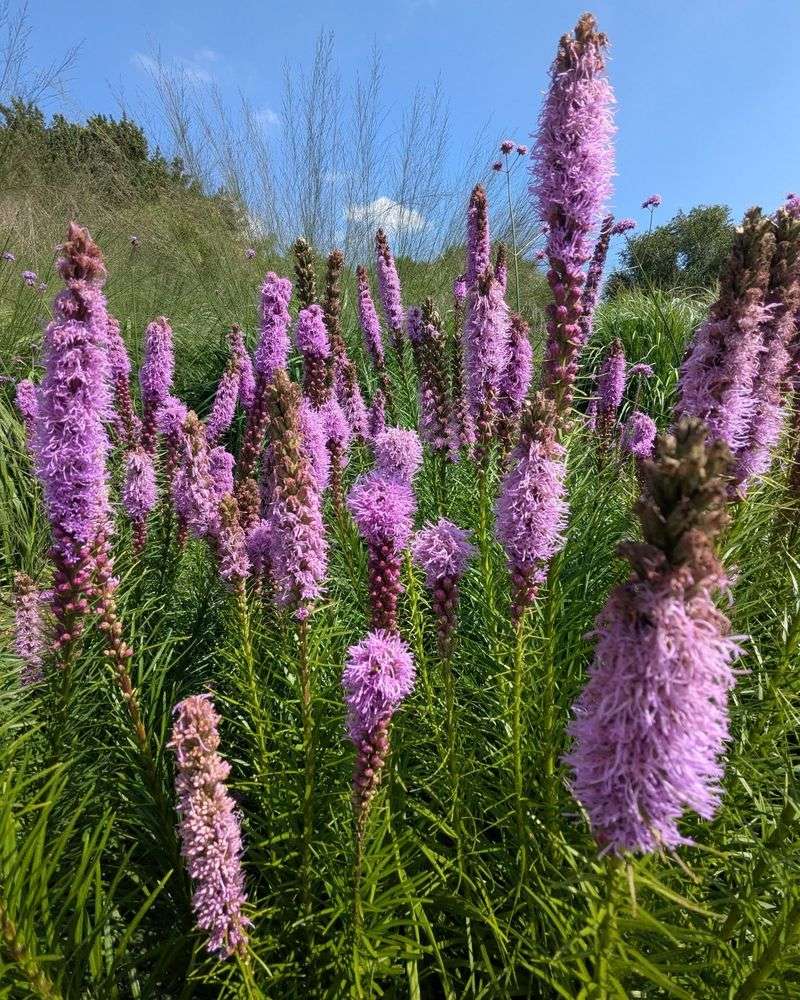
Standing tall like purple candles, blazing star adds bold vertical drama to any garden. Its fuzzy spikes bloom from the top down, which is a fun twist most flowers never pull off.
Underground, this plant carries a clever survival trick. Blazing star grows from a corm, a round storage structure that holds water and energy like a natural pantry. When dry weather hits, the plant lives off those reserves and waits for better days.
That built-in supply is why it handles sunny, dry sites so well. Full sun and lean soil suit it perfectly, and it returns each year with fresh spikes reaching skyward.
Timing is another reason gardeners treasure it. Blazing star often blooms in late summer, right when many other flowers are fading, giving pollinators a fresh source of food when they need it most.
Butterflies especially love these purple towers, and bees crowd the blooms all day. The tall spikes also make excellent cut flowers for a vase indoors.
To grow it, plant the corms in a sunny spot with soil that drains well, since soggy ground is its main weakness. Water lightly while it settles in, then let it manage on its own.
Because the stems grow so tall, a little shelter from strong wind helps keep them upright. In a group planting, they lean on each other and stand proud.
Also known as liatris, blazing star brings height, movement, and late-season color that makes a dry-year garden feel full and alive.
6. Bee Balm
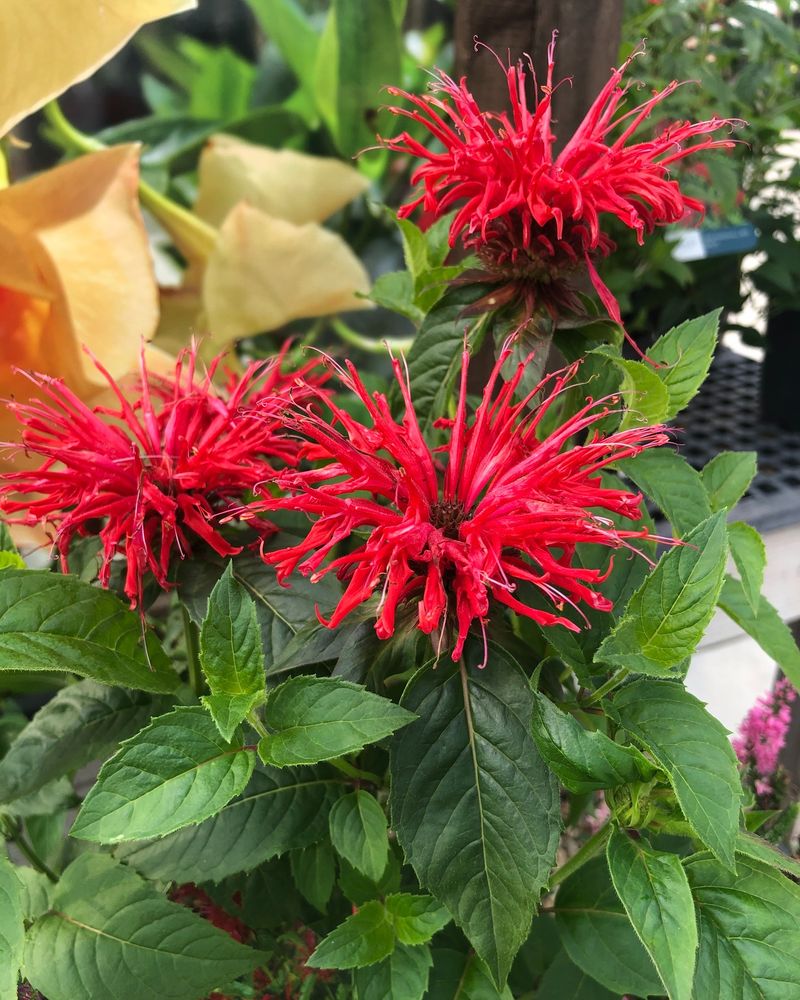
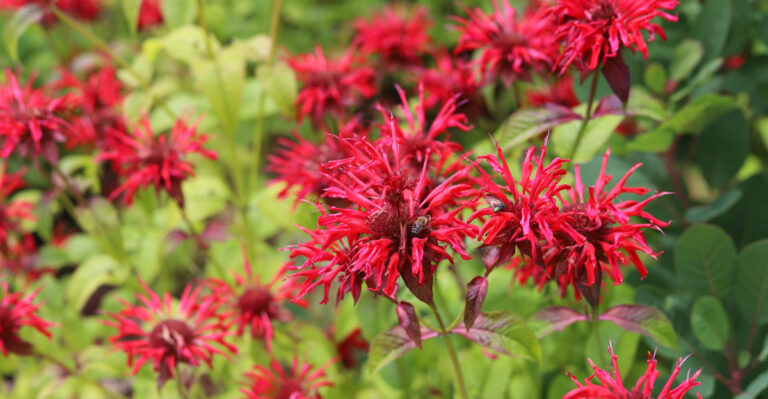
Wild, shaggy, and buzzing with life, bee balm brings a party to the garden. Its ragged red, pink, or purple blooms look like little fireworks frozen in midair.
Though it enjoys a good drink, bee balm can recover nicely from dry periods when you plant it in the right place. A little afternoon shade and rich soil help it push through tough stretches and come back the next year.
Location makes all the difference in North Carolina, where humid air can lead to a powdery white coating on the leaves. Giving each plant room to breathe keeps that problem in check.
Good air circulation is the trick. Space your plants apart so breezes can move between them, and the leaves stay healthier all season long.
The rewards are hard to beat. Bees swarm the flowers, and hummingbirds zip in for the sweet nectar, turning your yard into a lively wildlife stop.
Bee balm belongs to the mint family, so it spreads by underground runners and can fill a bed quickly. If it wanders too far, simply dig up the extra clumps and share them with friends.
Plant it in full sun to part shade with soil that holds a bit of moisture, then trim it back after blooming to encourage fresh growth. The leaves smell wonderful when brushed.
Fun fact: people once used bee balm to brew a fragrant tea. With its color, scent, and pollinator power, it earns its place in any lively garden.
7. Autumn Joy Sedum
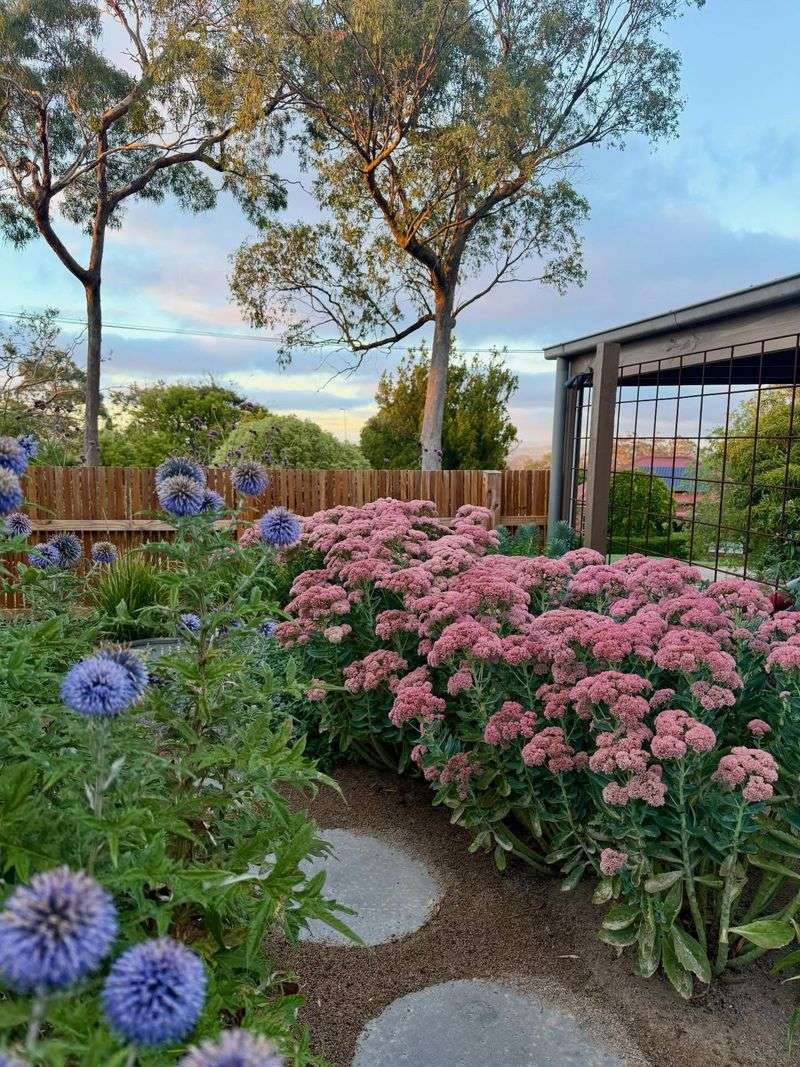
Cool, calm, and always dressed for the occasion, Autumn Joy sedum barely notices when the rain takes a break. Its thick, juicy leaves give it a superpower most flowers can only dream about.
Those plump leaves work like tiny water tanks. Sedum stores moisture inside them, so during a dry spell the plant sips from its own supply instead of wilting like its thirsty neighbors.
This clever adaptation is why sedum stays fresh and green when much of the garden looks tired. Heat and drought roll right off it, and it returns each year without any drama.
The show gets even better in late summer and fall. Broccoli-like flower clusters start out pale green, shift to dusty pink, and then deepen to a rich rusty red as the season winds down.
Pollinators appreciate the timing. Bees and butterflies gather on the flat flower heads for a late meal when other blooms are scarce.
Growing Autumn Joy could not be easier. Give it full sun and well-drained soil, water it a little at the start, and then mostly leave it alone.
Too much kindness can actually make it flop, so skip the extra fertilizer and heavy watering. Lean, dry conditions keep the stems sturdy and upright.
Even in winter, the dried flower heads hold their shape and catch frost beautifully, adding structure to a sleepy garden. For a plant that looks great while doing so little, Autumn Joy sedum is tough to beat.