What North Carolina Garden Beds Need This Fall For Better Blooms Next Year
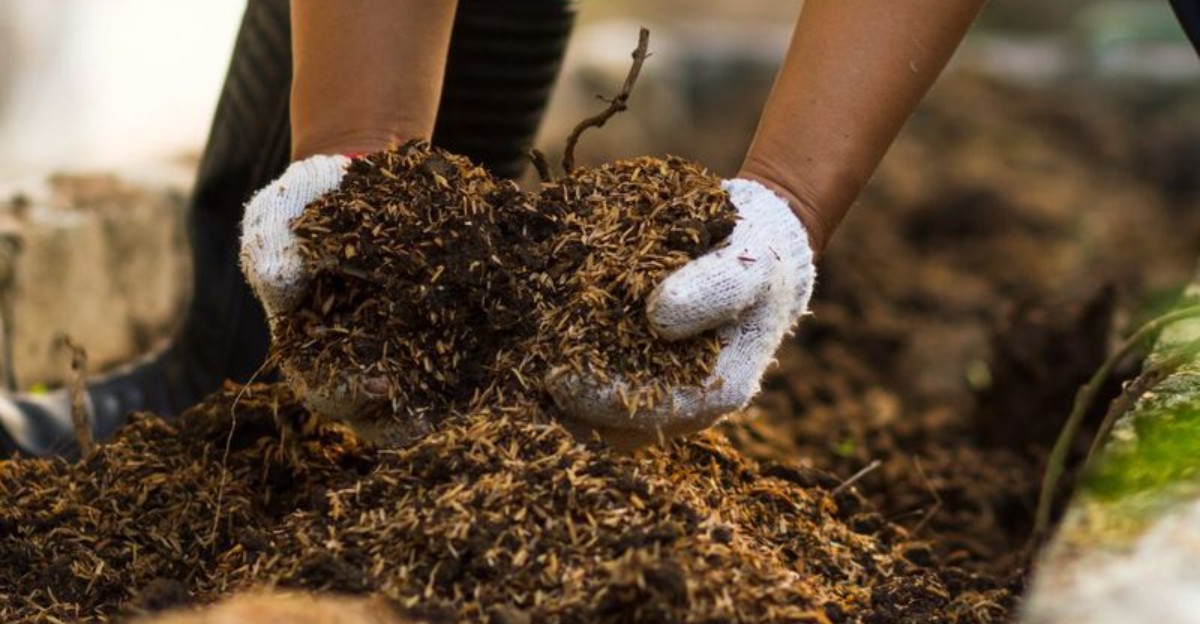
The best bloom displays do not start in spring. They start right now, in the quiet weeks of fall. Roots keep growing as the soil cools, and plants quietly prepare for the months ahead.
What you do in your beds this season shapes how they perform when warm weather returns. North Carolina’s long, mild autumn gives you extra time to work. Many gardeners spend it cleaning up and stop there.
But beds often need something more. The soil, the cover, and the timing all play a part. A small investment now can mean fuller plants, stronger stems, and more flowers next year.
Skip the right step and spring may look thin. Do it well and your garden wakes up ready to impress.
1. A Soil Test And Lime If Needed
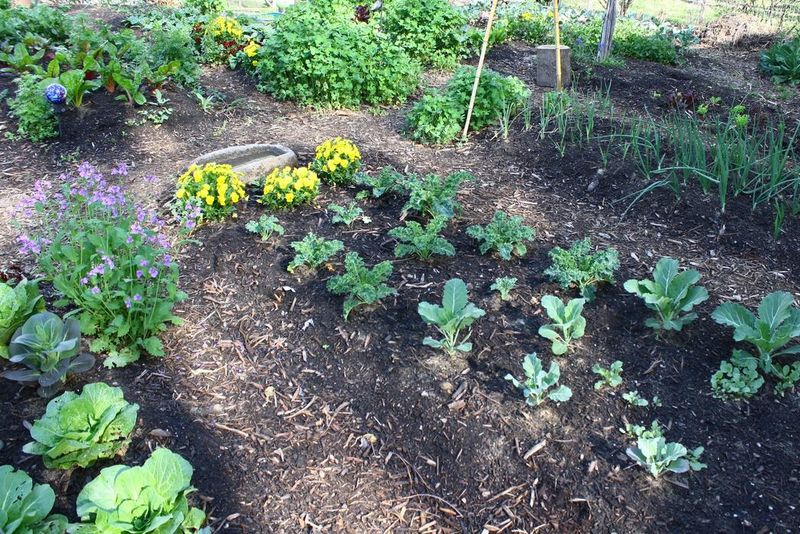
Guessing what your soil needs is a bit like cooking with a blindfold on. A soil test takes away the mystery, and fall is one of the smartest times to do it. The results tell you exactly what your flower beds are missing.
Soil pH and nutrient levels have a huge effect on how well flowers bloom. When soil is too acidic, plants struggle to take up the food they need, even if it is right there in the ground. Lime fixes acidic soil, but it works slowly.
Spreading it in fall gives it several months to react before plants start growing in spring.
Getting started is easy. Stop by your local Cooperative Extension office and pick up free soil sample boxes and forms. Then grab a clean trowel and dig small scoops from several spots in each bed, about four to six inches deep.
Mix the scoops for each bed in a bucket, fill a box, and label it clearly. Next, mail or drop off the boxes at the North Carolina Department of Agriculture soil testing lab in Raleigh. Timing matters here.
Samples sent in fall usually avoid the small fee the lab charges during its busy winter season, so you save a little money too.
Once your report arrives, follow its advice for lime and fertilizer. Resist the urge to add extra just in case, since too much can cause new problems.
Much of North Carolina has naturally acidic soil, from the red clay of the Piedmont to the sandy ground near the coast. That makes testing especially helpful here. A few minutes of digging now can mean stronger plants and far more flowers when spring arrives.
2. A Fresh Layer Of Compost
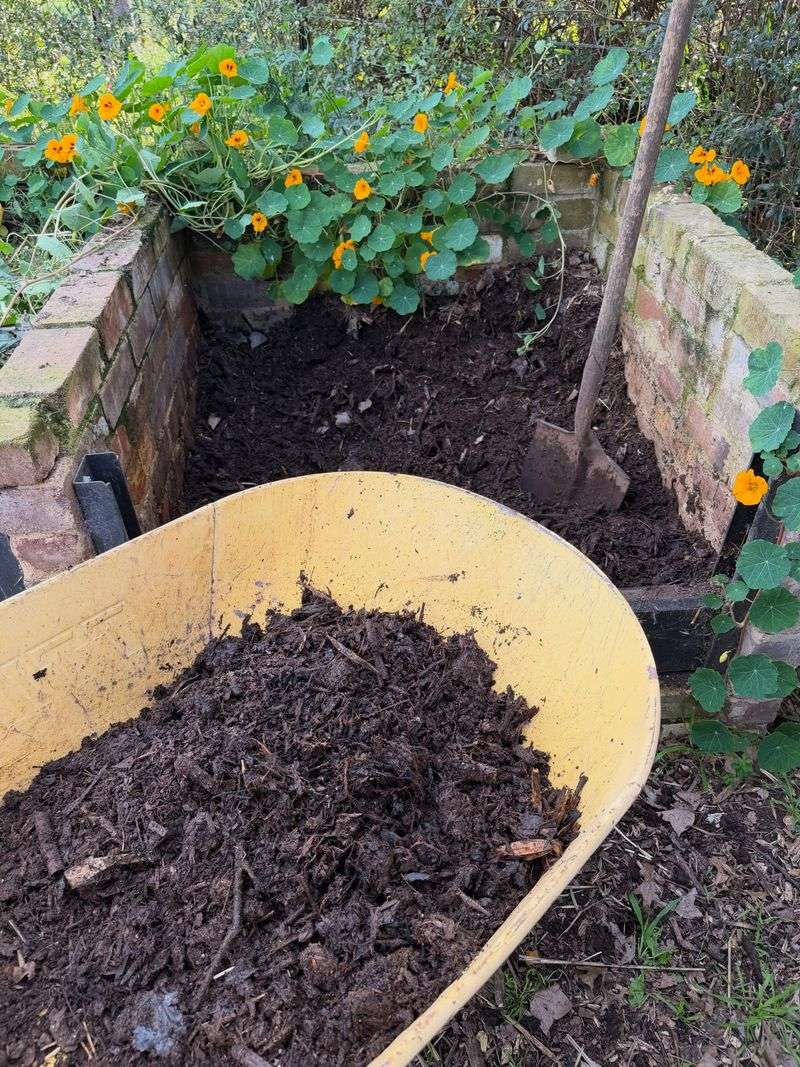
Ask any longtime gardener for their secret, and there is a good chance the answer will be compost. It is not fancy or expensive. Still, few things do more for a flower bed than a fresh layer added each fall.
Compost is packed with organic matter, and that changes how soil behaves. In heavy clay, it opens up tiny spaces so water can drain instead of sitting around plant roots. In sandy soil, it acts like a sponge, helping the ground hold on to both moisture and nutrients.
Your North Carolina Garden Changes Every Week. Your Plan Should Too.
Gardening in North Carolina changes quickly throughout the season. Every Friday you’ll receive a simple weekly plan showing exactly what to plant, prune, fertilize, harvest, and protect so you never miss the right timing.
There is more going on underground, too. Compost feeds earthworms, fungi, and helpful microbes. Those tiny workers keep busy through mild winter days, breaking down material and building better soil while your plants rest.
Spreading it is simple. Lay down about 1 to 2 inches of finished compost across your beds. Finished compost looks dark and crumbly and smells earthy, not sour.
In open areas where nothing is growing, you can work it lightly into the top few inches with a garden fork.
Around established plants, just leave it on the surface. Rain, worms, and time will carry it down into the soil for you. Be careful not to pile compost against plant crowns, though, because that can hold too much moisture and invite rot.
Here in North Carolina, the warm and humid weather breaks down organic matter surprisingly fast. A layer you added two years ago may be mostly gone by now. That is why a yearly top-up makes such a difference.
Think of it as a fall snack for your soil that pays you back with healthier plants and brighter blooms.
3. Dividing Crowded Perennials
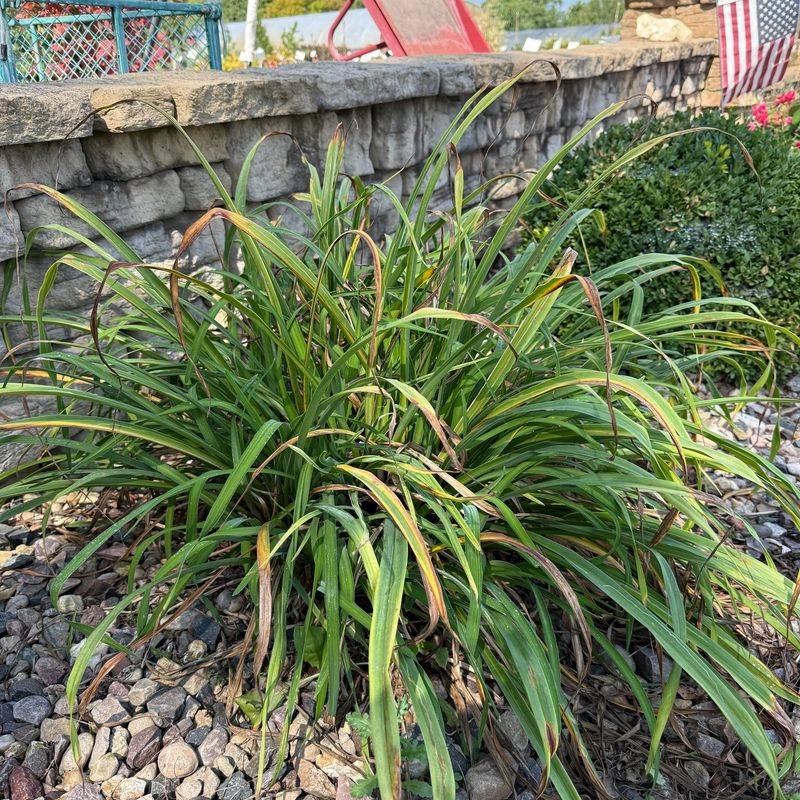
Remember that daylily clump that used to be covered in flowers? If it now has lots of leaves but only a few blooms, it may simply be too crowded. Splitting it up can bring back the show.
Perennials grow wider every year. After a while, the center of the clump gets packed with roots that compete for water, food, and space. Fewer flowers are often the first sign.
Dividing them in fall, while the soil is still warm, gives each new piece time to grow fresh roots before winter sets in.
Early fall is the best time to divide plants that bloom in spring and summer. Daylilies, hostas, Shasta daisies, and black-eyed Susans all handle the job well. Water the plant a day ahead so the roots are easier to work with.
Dig around the whole clump and lift it out of the ground. Then use a sharp spade or garden knife to cut it into sections, making sure each piece has healthy roots and a few shoots. Tough clumps sometimes need two garden forks pushed in back to back and pried apart.
Replant each division at the same depth it grew before, mixing a little compost into the hole. Water well right away and keep the soil moist for the next few weeks. Extra pieces make great gifts for friends and neighbors.
One exception is worth remembering. Fall bloomers like asters should wait until spring, so they can finish flowering in peace.
North Carolina’s mild fall weather is a big help here. Divisions get several comfortable weeks to settle in, and they often return next year stronger than ever.
4. Spring Bulbs Planted At The Right Time
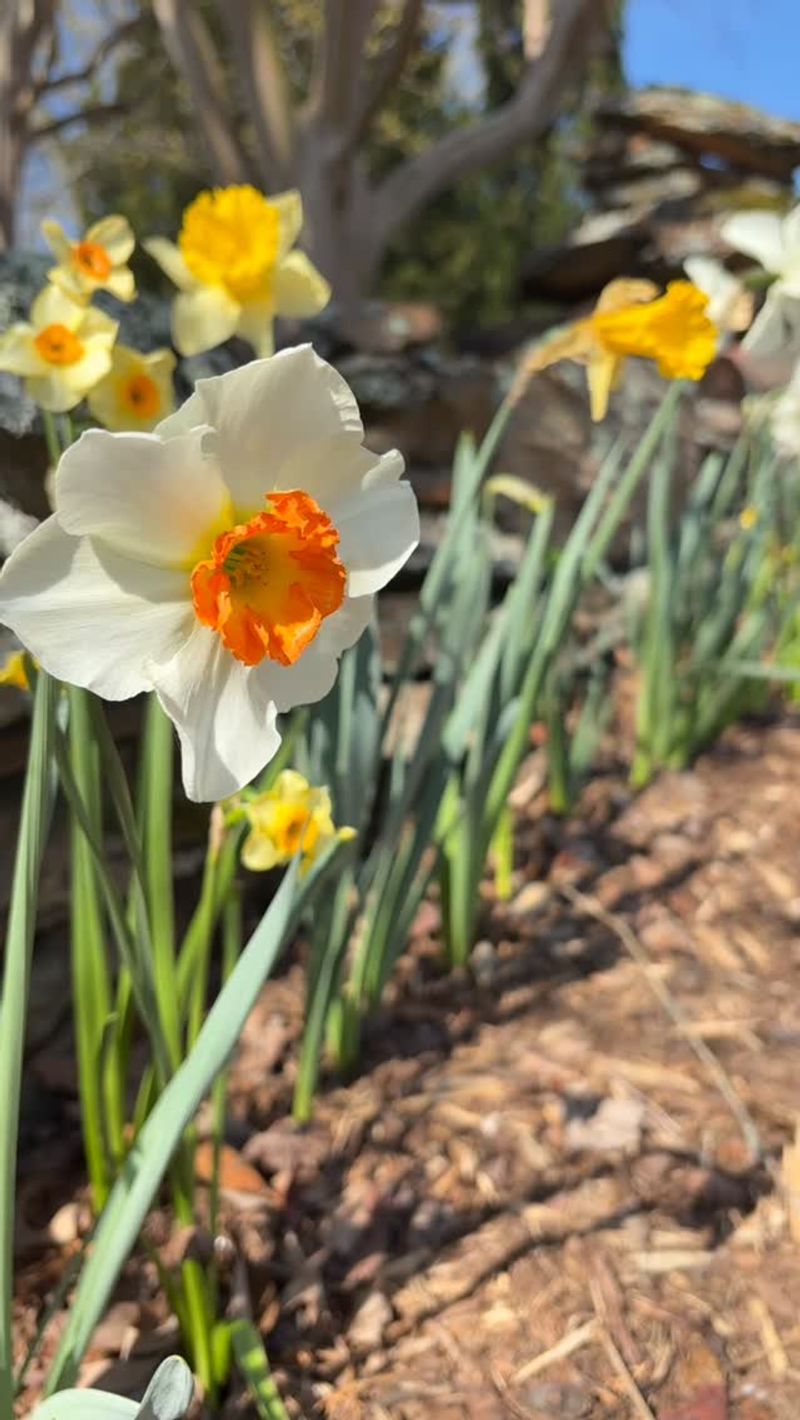
Few things feel as hopeful as dropping a dry, papery bulb into cold ground. It looks like nothing much now. Come March, though, that little bulb can turn into a cheerful yellow daffodil.
Spring bulbs like daffodils, tulips, and crocus need a stretch of cool soil and winter cold before they can bloom.
During that chilly time, they grow roots and get ready for spring. Without it, most of them will not flower well, so fall planting is the only way to enjoy their color next year.
Timing makes a big difference. Daffodils can go in from October into November. Tulips are pickier and prefer cooler soil, so in much of the state, November or December is the sweet spot.
A simple soil thermometer can help, since many experts suggest waiting until soil drops below about 60 degrees.
Depth matters too. A good rule is to plant bulbs about two to three times as deep as they are tall. Set them with the pointy end facing up, cover them with soil, and water once to settle them in.
Choose spots with good drainage. Bulbs sitting in soggy ground tend to rot before they ever bloom. Raised beds and gentle slopes are great choices if your yard has heavy clay.
This advice matters a lot in North Carolina. Our early fall soil can stay warm for weeks, and bulbs planted too soon are more likely to rot.
Daffodils are also a smart pick because squirrels and deer usually leave them alone. Waiting a little longer pays off with a much brighter spring.
5. A Targeted Cleanup That Removes Disease
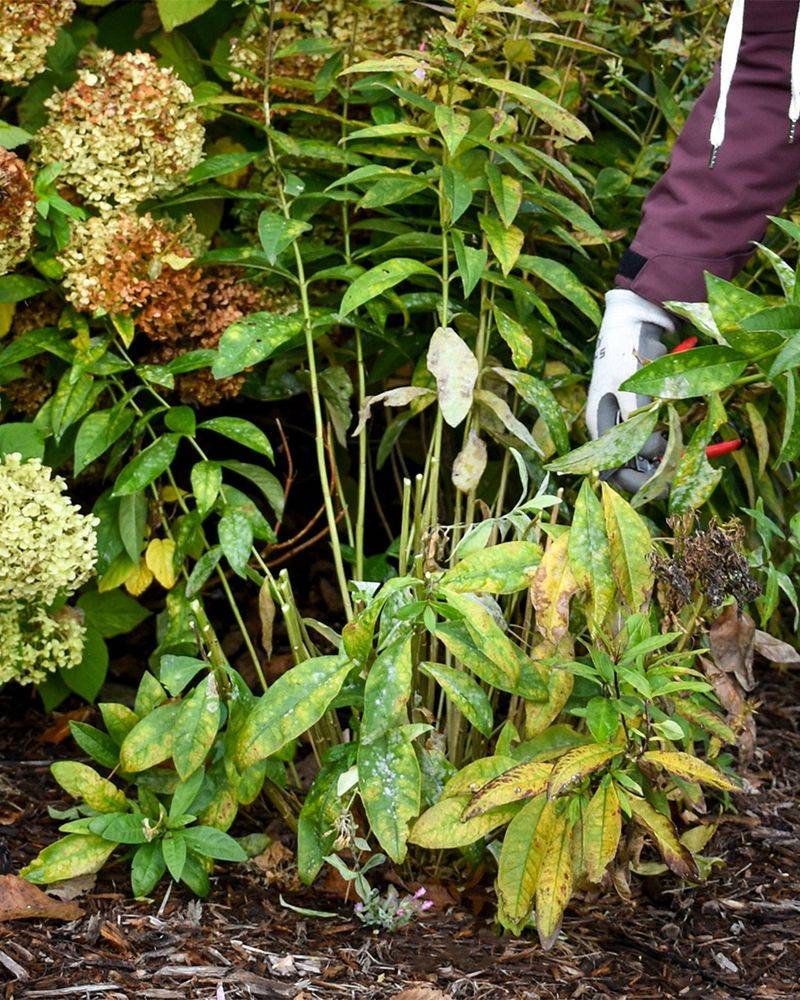
Not every fall cleanup needs to strip a garden bare. In fact, the best approach is a little more careful. Remove the trouble, and leave the good stuff for wildlife.
Plant diseases are sneaky. Leaves and stems with powdery mildew, leaf spot, or black spot can hold on to spores all winter. When spring weather warms up, those spores are ready to spread to fresh new growth.
Taking out sick foliage now breaks that cycle before it starts. Start with plants that often struggle. Peonies, phlox, bee balm, and roses are common targets for disease. Cut back any spotted or powdery leaves and stems, and gather up fallen rose leaves too.
Put everything in a bag for the trash instead of your compost pile, since home piles rarely get hot enough to destroy disease.
Weeds deserve attention as well. Pull them before they drop seeds, or you could face hundreds of new ones next year. A quick pass after a rain makes the job much easier.
Now for the fun part. Healthy stems and seed heads can stay right where they are. Coneflowers and black-eyed Susans offer seeds that goldfinches love, while ornamental grasses add winter beauty and shelter for helpful insects.
Many native bees rest inside hollow stems through the cold months. Wait until late winter to cut those plants back, just before new growth appears.
North Carolina’s humid weather gives plant diseases an easy ride from one year to the next. A smart, targeted cleanup keeps those problems in check while still feeding birds and protecting the creatures that help your garden grow.
6. Mulch To Protect Roots And Block Weeds
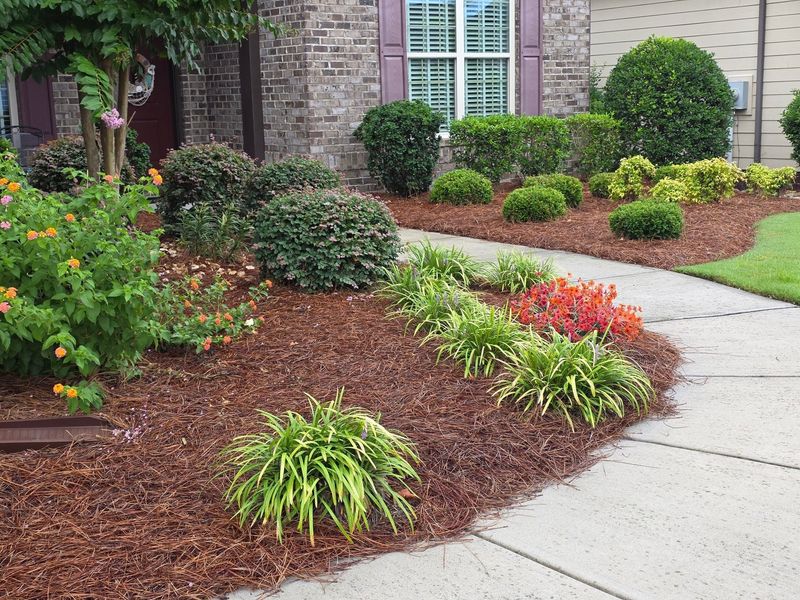
Think of mulch as a cozy blanket for your garden beds. It keeps roots comfortable, holds in water, and quietly fights weeds all winter long. Fall is a perfect time to tuck your beds in.
Winter in North Carolina often swings back and forth between freezing nights and warm afternoons. That constant freezing and thawing can push shallow roots right out of the ground.
A layer of mulch evens out soil temperatures and protects roots from those swings. It also holds moisture during dry fall spells.
Weeds are the other big reason to mulch now. Many winter weeds sprout in fall, not spring. Mulch shades the soil, which makes it much harder for their seeds to get started.
Before you spread anything, pull the weeds that have already popped up. Mulch will not stop weeds that are already growing, and they can push right through it.
Next, spread 2 to 3 inches of mulch across the bed. Pine straw, shredded hardwood, and pine bark all work well and are easy to find around the state.
Keep mulch a few inches away from plant stems and crowns, since piling it up against them can lead to rot and pests.
If your beds already have mulch, check how thick it is. Simply top up the thin spots instead of adding a fresh pile on top of an old, deep layer. Too much mulch can smother roots and keep water from soaking in.
Henbit and chickweed are two of the most common winter weeds in North Carolina. They sprout in fall and can carpet bare beds by spring. A good mulch layer now saves hours of weeding later.
7. New Perennials And Shrubs Planted In Fall
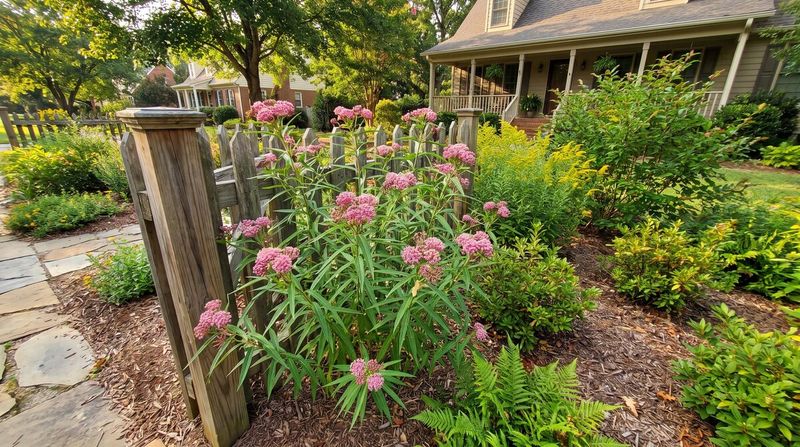
Garden centers often have great sales in fall, and smart shoppers know a secret. Fall is not just a good time to plant. In North Carolina, it may be the very best time of all.
The reason comes down to temperature. Soil stays warm well into autumn, while the air turns cool and comfortable. New plants can focus their energy on growing roots instead of pushing out leaves or fighting summer heat.
Roots keep growing through fall and even during mild winter weather. Compare that to spring planting.
Plants set out in April have only a few weeks before hot, dry summer days arrive. Fall-planted perennials and shrubs get a head start, so they are better established and bloom more strongly the following year.
Aim to plant from September through November. Dig a hole about twice as wide as the root ball but no deeper, and set the plant at the same level it grew in its pot. Gently loosen any circling roots before planting.
Watering is the key to success. Give new plants a deep soak right after planting, then keep watering regularly until they are established. Even in cool weather, dry spells can stress young roots, so check the soil with your finger every few days.
Spread mulch around the root zone to hold moisture and keep soil temperatures steady. Hold off on fertilizer until spring, since feeding now can push tender growth that cold weather may damage.
Across North Carolina, fall is widely known as the top season for planting perennials, shrubs, and trees. Add a few new favorites now, and next year’s beds will thank you with a fuller, brighter display.