How North Carolina Gardeners Keep Stink Bugs From Taking Over Summer Crops
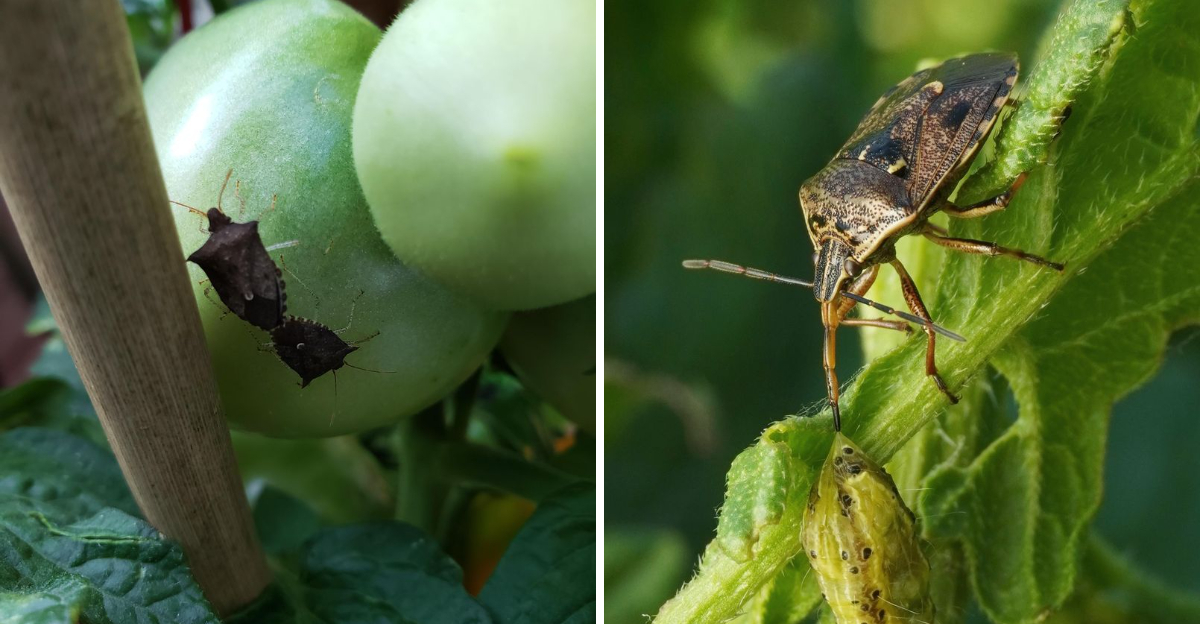
Your tomatoes looked perfect last week.
Now something has been at them overnight, and the damage is unlike anything you have seen before. Sunken spots, discolored patches, fruit that looks fine from a distance and completely wrong up close.
You did not see it coming. Neither did most North Carolina gardeners the first time the brown marmorated stink bug showed up in their rows.
This pest does not announce itself. It feeds quietly, moves fast, and multiplies before most people realize what is happening.
The frustrating part is that by the time the damage becomes obvious, the population has already grown well past what a casual response can handle.
But here is what changes everything: stink bugs are actually predictable. They have patterns, preferences, and habits that work against them once you know what to look for.
The difference between a gardener who loses half a summer harvest and one who barely notices the pressure often comes down to eight specific habits applied consistently through the season.
Do you know which mistakes are making your garden an easier target right now?
1. Scout Plants Before Damage Spreads
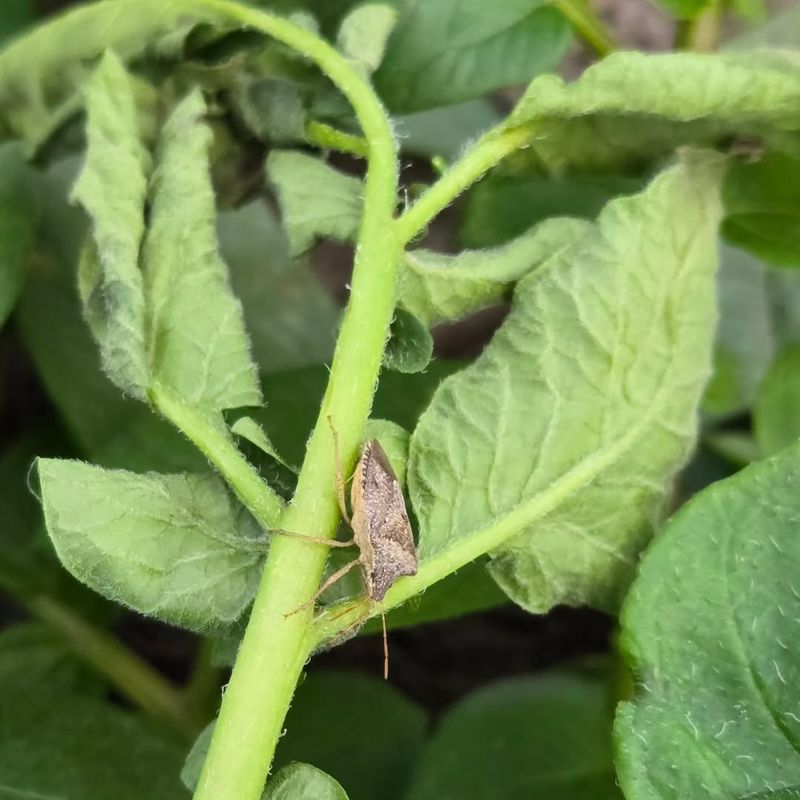
Catching a problem before it becomes a disaster is the whole game with stink bugs.
These pests are sneaky feeders, and by the time you notice wilted fruit or strange discoloration, a small population has already grown into a much bigger one.
Regular scouting is your first and most powerful line of defense in any summer garden.
Walk your rows at least twice a week during July and August, which is peak feeding season across most of North Carolina.
Pay close attention to tomatoes, peppers, okra, and beans first, since these are the crops stink bugs hit hardest. Look for sunken, corky spots on tomato skin, or misshapen peppers that stopped developing correctly.
Early scouting does not require fancy tools.
A slow, focused walk with good eyes is enough. Bring a jar of soapy water with you so you can drop bugs in as you find them.
Checking five to ten plants per row and recording what you find helps you track whether populations are growing or staying manageable.
Morning scouting works best because bugs are slower in cooler temperatures and easier to spot before they retreat into dense foliage.
Here is the thing most gardeners skip: writing down what you find on each walk. That record tells you whether your situation is improving or escalating, which completely changes how you respond.
Make a habit of it, and you will catch infestations early enough to respond without panic.
Consistent scouting is the superpower that separates gardeners who lose their crops from those who save them.
2. Check Leaf Undersides For Eggs
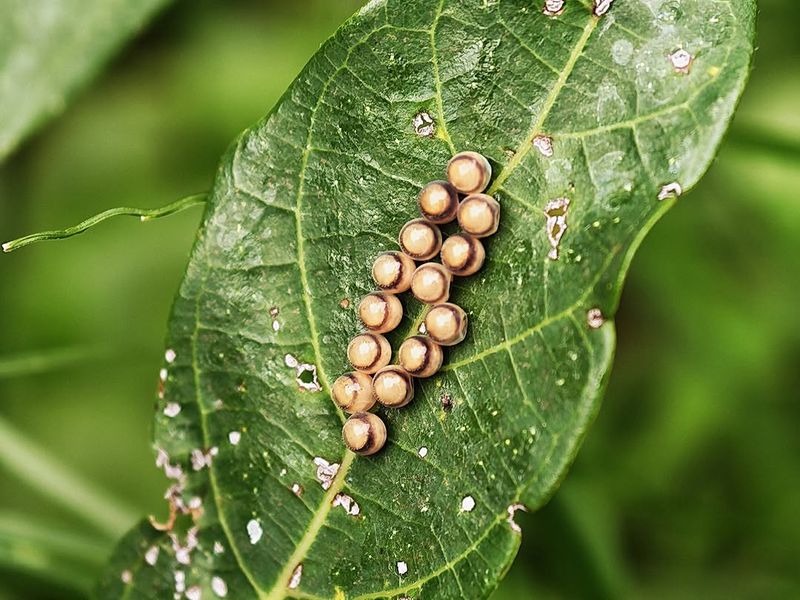
Many gardeners never flip a leaf over, and that is exactly what stink bugs are counting on.
Egg clusters hide on the undersides of leaves in tidy, barrel-shaped rows, often described as looking like tiny pale green or white barrels lined up in groups of twenty to thirty.
Spotting them before they hatch is one of the most effective ways to reduce the next wave of feeding damage.
Your North Carolina Garden Changes Every Week. Your Plan Should Too.
Gardening in North Carolina changes quickly throughout the season. Every Friday you’ll receive a simple weekly plan showing exactly what to plant, prune, fertilize, harvest, and protect so you never miss the right timing.
Brown marmorated stink bug eggs are laid from late spring through midsummer in North Carolina.
Females can produce multiple batches throughout the season, which means one overlooked cluster can turn into dozens of nymphs within a few weeks.
Checking leaf undersides during your regular scouting walks adds only a few minutes but makes a significant difference in what you find.
Focus your egg checks on broad-leafed crops like beans, okra, and squash, where females prefer to lay.
When you find a cluster, remove the entire leaf section or gently scrape the eggs into soapy water. Crushing them in place also works. Do not leave removed eggs on the soil surface, since some may still develop.
A good magnifying glass helps if small details are tricky to see.
Teaching kids or garden helpers to look for the distinctive egg pattern turns scouting into a team effort that actually covers more ground.
Finding eggs feels oddly satisfying, like catching a problem before it even begins. That early catch is worth far more than any treatment applied after the damage is already done.
3. Remove Nymphs While They Cluster
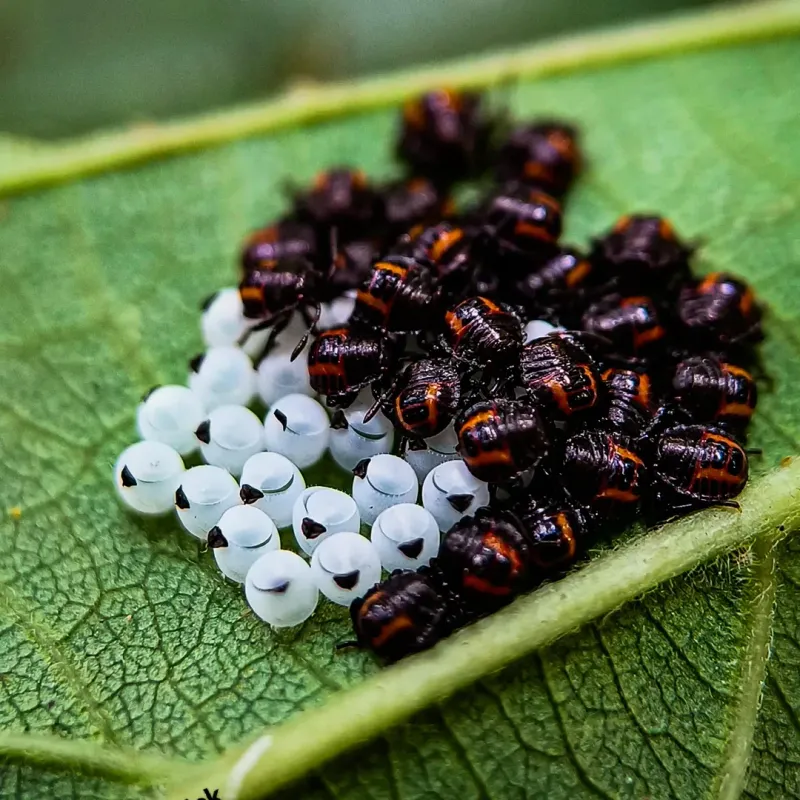
Young stink bugs have one behavior that works entirely in your favor.
For the first few days after hatching, nymphs stay bunched tightly together near their egg mass. That clustering habit makes them far easier to catch and remove than adult bugs, which scatter the moment they sense movement or vibration.
Stink bug nymphs look different from adults.
Early instars are reddish-orange and black, almost striking in appearance. As they grow through five development stages, they gradually take on a more recognizable shield shape.
But during those early clustered days, a single cup of soapy water can remove an entire hatching group in seconds.
Hold your container directly under the cluster and give the stem a gentle tap. Nymphs will drop straight in.
This method requires no chemicals, no sprays, and no risk to the beneficial insects working nearby.
Physical removal is consistently recommended as a first-choice strategy for small and moderate infestations in home vegetable gardens.
Timing matters here. Check plants every few days during peak hatching periods in June and July.
Once nymphs begin spreading out across the plant, removal becomes harder and less effective.
A cluster caught on day two or three is a problem solved before it multiplies. The earlier you act, the less catching up you have to do later in the season when your garden is already stretched thin managing heat and water.
4. Use Row Cover Before Bloom Time
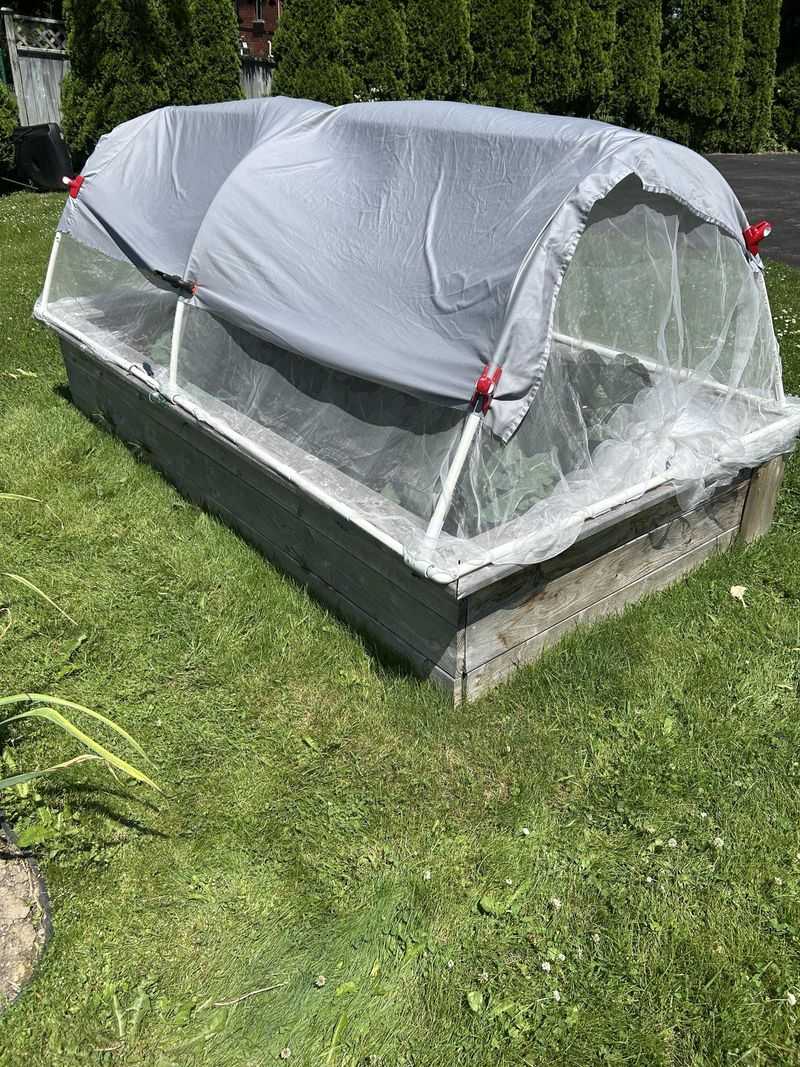
Floating row cover is one of the most underrated tools in a North Carolina summer garden.
When applied before stink bugs begin actively moving into crops, it creates a physical barrier that keeps adults and nymphs off your plants without any chemical input at all.
The key is timing, because row cover has one important limitation that changes everything.
Covers must come off once plants begin to flower.
Most summer vegetables need pollinators to set fruit, and row cover blocks bees just as effectively as it blocks pests.
Apply covers when transplants go in or when direct-seeded crops are just emerging, then remove them once you see the first flower buds forming.
Use lightweight spunbonded fabric rated for insect exclusion rather than frost protection.
Heavier fabric traps too much heat in a North Carolina summer and can stress plants faster than bugs would. Secure edges with soil, rocks, or garden staples so bugs cannot crawl underneath.
Even a small gap invites entry, and stink bugs are remarkably good at finding small gaps.
Row cover works particularly well for early-season plantings of pepper transplants and bean rows before the garden warms up and stink bug populations peak.
Once removed for pollination, shift your strategy to scouting and hand removal.
A well-timed cover can give your crops a head start that makes the rest of the season easier to manage.
5. Keep Weedy Edges From Hiding Bugs
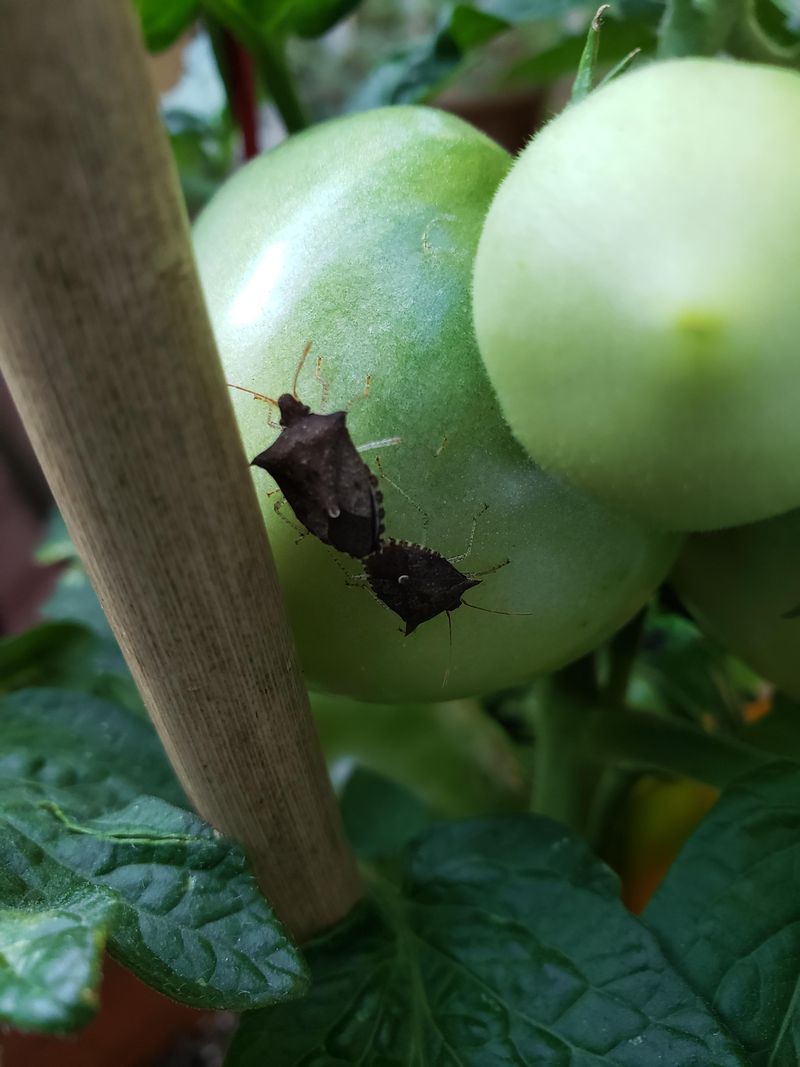
Stink bugs do not live exclusively in your vegetable beds.
They spend a surprising amount of time in the rough, weedy edges surrounding gardens, using dense vegetation as shelter between feeding trips.
That unmowed strip along your fence line or the patch of wild plants near the compost bin is not just untidy. It is a staging area.
Research has consistently shown that stink bugs move from wooded and weedy borders into garden crops as populations grow and food sources shift through the season.
Keeping a buffer zone of shorter, managed vegetation around your garden reduces the number of bugs that make that trip into your rows on any given day.
You do not need a perfectly manicured lawn surrounding your garden.
Simply mowing or trimming weedy edges regularly, pulling tall grasses near fence lines, and clearing brush piles close to beds makes a real difference. Stink bugs prefer cover.
Remove the cover, and they have less reason to linger near your crops.
Be thoughtful about which plants you remove, though.
Some flowering weeds support beneficial insects that prey on garden pests. A simple rule is to keep tall, dense vegetation at least ten feet from your garden beds when possible.
Managing borders is not glamorous work, but it is one of those steady habits that quietly reduces pressure across the whole season.
Fewer hiding spots means fewer surprise infestations appearing seemingly out of nowhere on a warm July morning.
6. Harvest Ripe Produce Before Feeding Builds
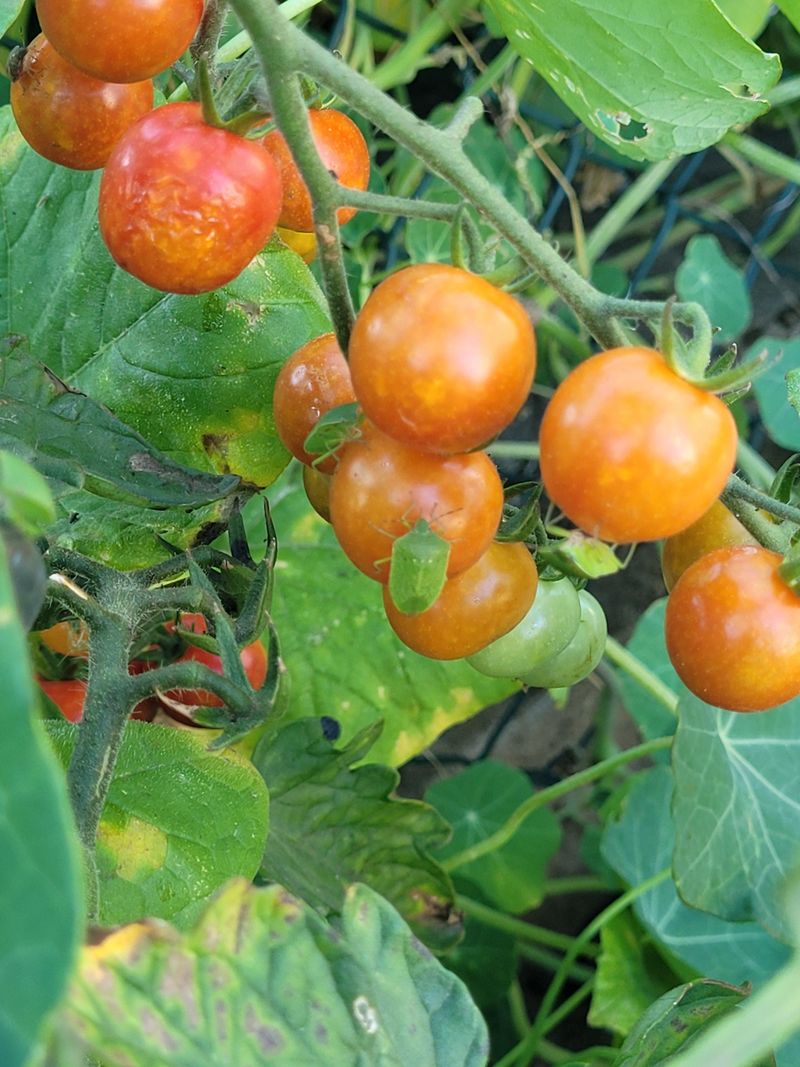
Ripe fruit sitting on the vine is an open invitation.
Stink bugs are drawn to the sugars and softening tissue of mature produce, and leaving tomatoes, peppers, or beans on the plant past their prime gives bugs an easy, concentrated food source that encourages more feeding activity in that area of your garden.
Harvesting promptly is one of the simplest and most overlooked management strategies available.
Pick tomatoes as soon as they reach full color or just slightly before, since they will ripen fine on a countertop away from bugs.
Beans should be pulled before pods yellow. Okra harvested young is better eating anyway, and it removes the feeding target before stink bugs have a chance to cluster on maturing pods.
Overripe or damaged fruit left on plants also attracts other pests and can accelerate disease.
Removing it during your regular scouting walks keeps the garden cleaner overall and reduces the signals that draw bugs in from surrounding areas.
Drop damaged fruit into a sealed bag rather than leaving it on the ground nearby.
This strategy works best when combined with consistent scouting.
You will notice which parts of your garden are getting the most feeding pressure, and you can prioritize harvesting in those areas first.
A garden with little overripe fruit sitting around simply holds less appeal to foraging stink bugs moving through your property looking for their next meal.
7. Protect Beneficial Insects From Broad Sprays
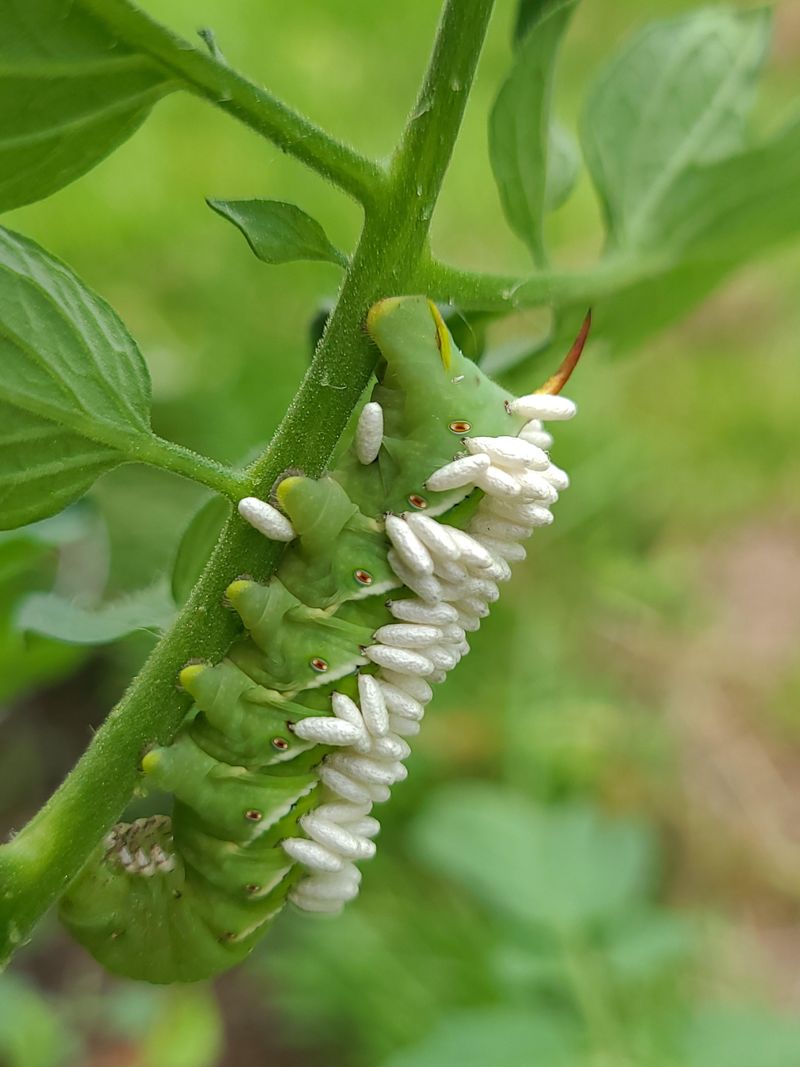
Before reaching for any spray bottle, it helps to know who else is living in your garden.
Parasitic wasps, spined soldier bugs, assassin bugs, and predatory stink bug species all work in North Carolina vegetable gardens, feeding on pest populations and keeping things more balanced than many gardeners realize.
Broad-spectrum treatments can wipe out these allies just as thoroughly as the pests you are targeting.
Even sprays labeled as organic, such as pyrethrin-based products, are non-selective.
They affect a wide range of insects, including the beneficial ones that took all season to establish in your garden.
Once you disrupt that community, it takes time to rebuild, and during that gap, pest populations often surge without natural pressure to slow them down.
Treating only specific, confirmed problem areas rather than spraying entire rows or beds is consistently the smarter approach.
Spot treatments reduce the exposure footprint and leave most of your garden’s insect community intact.
If a spray is truly necessary, apply it in the early morning or evening when pollinators are less active and temperatures are cooler.
Planting flowers like marigolds, zinnias, or dill near vegetable beds attracts and supports beneficial insects throughout the season.
A garden that hosts natural predators handles pest pressure more gracefully over time.
Protecting that community is not just environmentally responsible. It is also practical, and it costs you absolutely nothing to maintain once it is established.
8. Match The Bug Before Treating
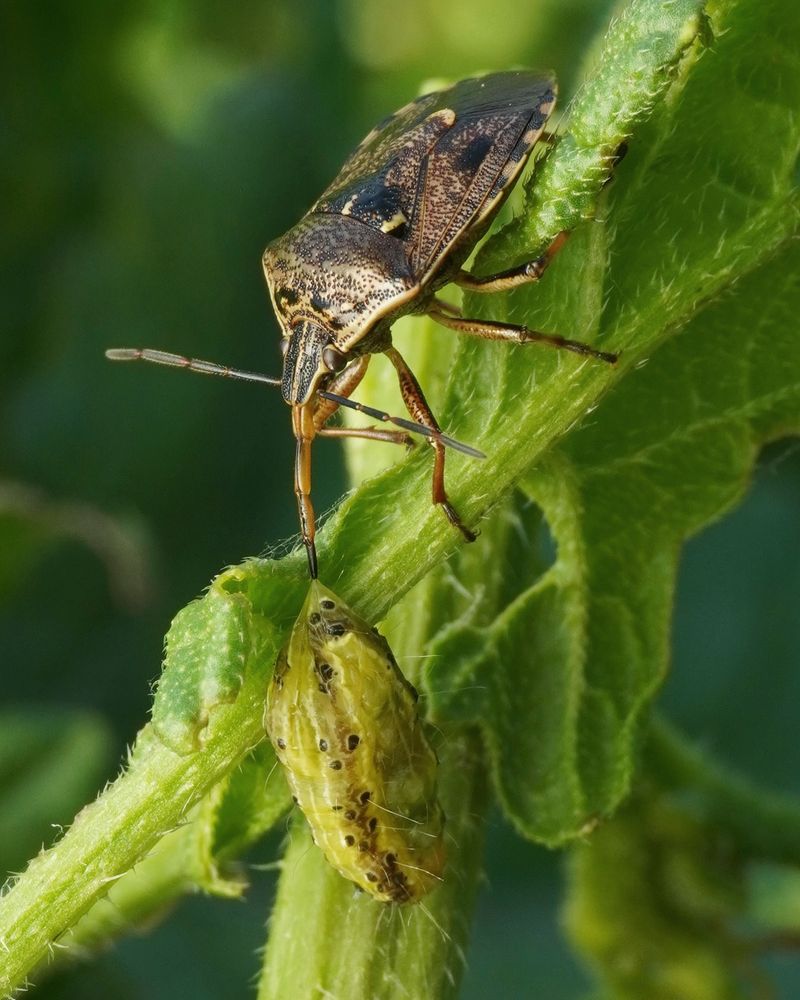
Not every shield-shaped bug in your garden is a stink bug, and not every stink bug is the brown marmorated species causing most of the crop damage in North Carolina.
Jumping to treatment without confirming what you are actually dealing with wastes time, money, and can harm insects that are genuinely helping your garden do better.
The brown marmorated stink bug has a few reliable identification markers.
Look for alternating light and dark bands along the edge of the abdomen, a mottled brown and gray back, and smooth shoulder edges without the pointed tips seen on some native stink bug species.
The spined soldier bug, a beneficial predator, looks similar but has a distinctly pointed shoulder on each side of its shield-shaped body.
When you find a bug you are unsure about, take a photo and compare it against pest identification resources before doing anything else.
Correct identification is not optional. It is the foundation of any smart management decision.
Treating for the wrong bug, or treating when populations are too low to justify action, creates unnecessary disruption in the garden ecosystem.
Low numbers of stink bugs on healthy plants may not require any response beyond continued scouting.
Patience and accurate identification together are a strategy.
Knowing your pest before acting is the kind of calm, confident move that keeps a summer garden producing well past the moment many gardeners give up.