How Often To Water A Christmas Cactus In A Georgia Home This Month
In the wild, this famous holiday bloomer grows high in treetops, clinging to mossy branches with its roots barely touching soil. It drinks from rain and moisture in the air, along with nutrients from bits of leaf litter caught in the bark.
I still find that wonderfully strange for a plant sitting on so many kitchen windowsills.
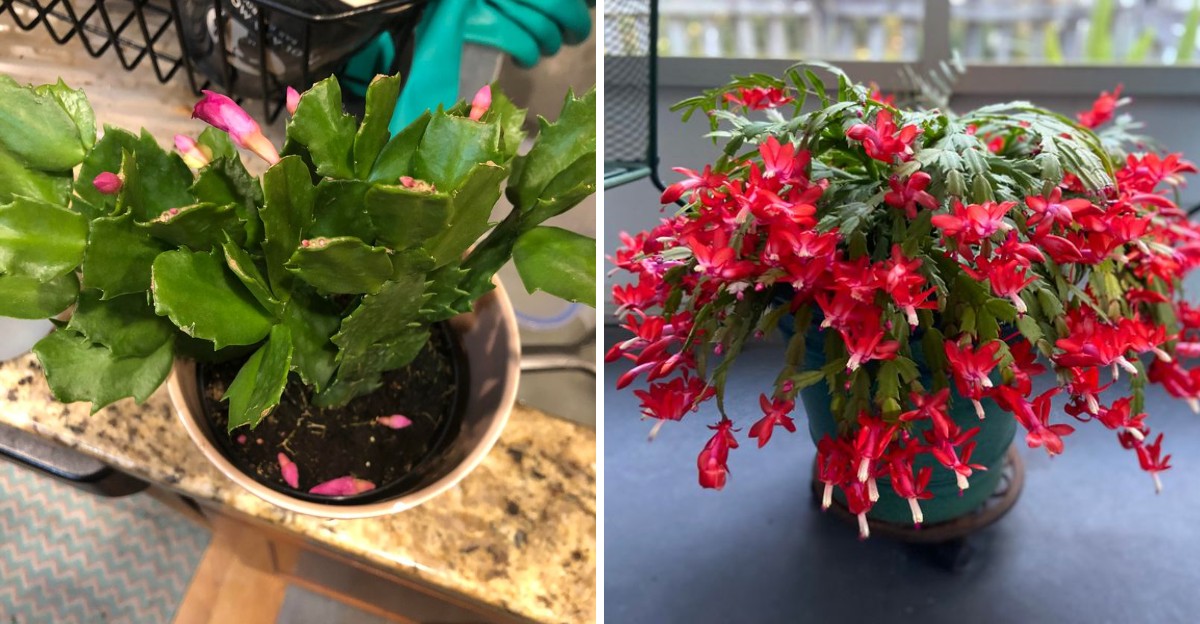
Right now, plenty of pots in Georgia homes are packed with tiny pink buds. Furnaces are humming, and indoor air is drying out fast.
That combination can turn a simple watering routine into a guessing game.
I have lost more buds to a heavy hand with the watering can than to forgetting a drink. You need a rhythm that matches what your plant is doing this month.
The schedule might be easier than you expect.
Getting that watering rhythm right could be the difference between a pot full of holiday blooms and buds that drop before they open.
1. Those Little Buds On Your Christmas Cactus Change The Whole Watering Plan
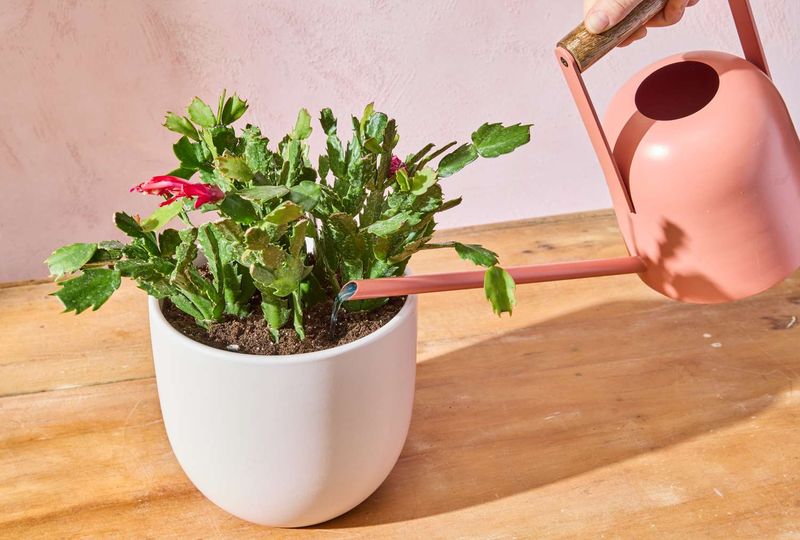
Tiny buds at the stem tips are your plant’s way of announcing a change in plans. Before those buds appear, a Christmas cactus actually likes a slightly drier stretch.
Letting the top of the soil dry out more between drinks helps nudge it toward blooming.
Once buds show up, the rules shift. Developing flowers need steady moisture, so the goal becomes lightly damp soil, not dry and not soggy.
Swinging between bone dry and drenched is one of the top reasons buds drop before they open.
In most homes this month, that works out to watering roughly once every 7 to 10 days. Small pots, sunny windows, and warm rooms dry out faster, so some plants may want water closer to weekly.
Larger pots in cooler spots can often stretch longer.
I like to think of the buds as a little timer. When they first appear, I start checking the soil more often.
When they swell and show color, I stay extra consistent.
A quick look at the stem tips tells you which stage you are in. That one glance guides almost every watering decision you will make before the holidays arrive in full swing.
2. Your Finger Makes A Better Moisture Meter Than Any Calendar
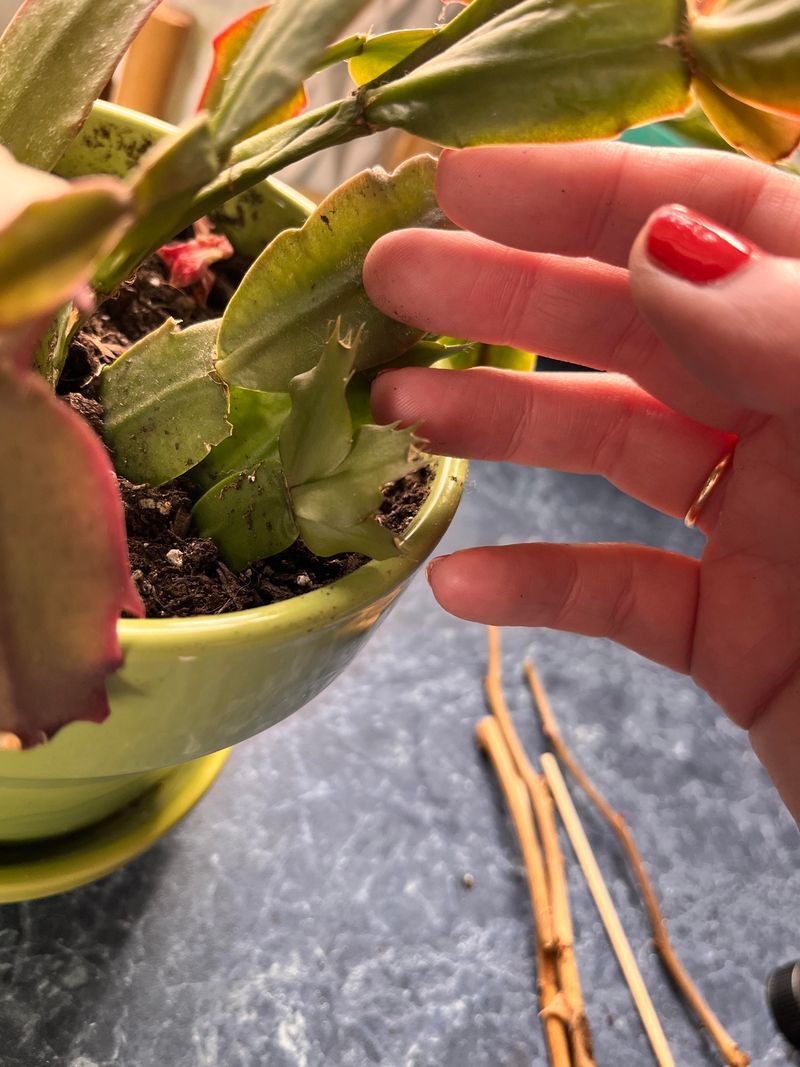
Calendars are handy for birthdays, but plants do not read them. The most reliable watering tool for a Christmas cactus is the finger you already have.
Push it about an inch into the potting mix and pay attention to what you feel.
If that top inch feels dry, it is time to water. If it still feels cool and damp, wait a few days and check again.
University of Georgia Extension guidance points to this same idea: water when the surface starts to dry.
When you do water, go for a thorough soak. Pour slowly until water runs out of the drainage hole, so the whole root ball gets a drink.
Shallow sips leave the lower roots thirsty.
Next, check the saucer after about 15 to 30 minutes. Dump out any water that collected there, because roots sitting in a puddle can rot quickly.
One more tip from my own kitchen: room-temperature water is kinder than icy tap water. Cold water can shock a plant that is busy building flowers.
Filling a pitcher the night before solves that easily and gives you a reminder to check the soil.
3. Limp, Soggy Christmas Cactus Stems Are Asking You To Back Off
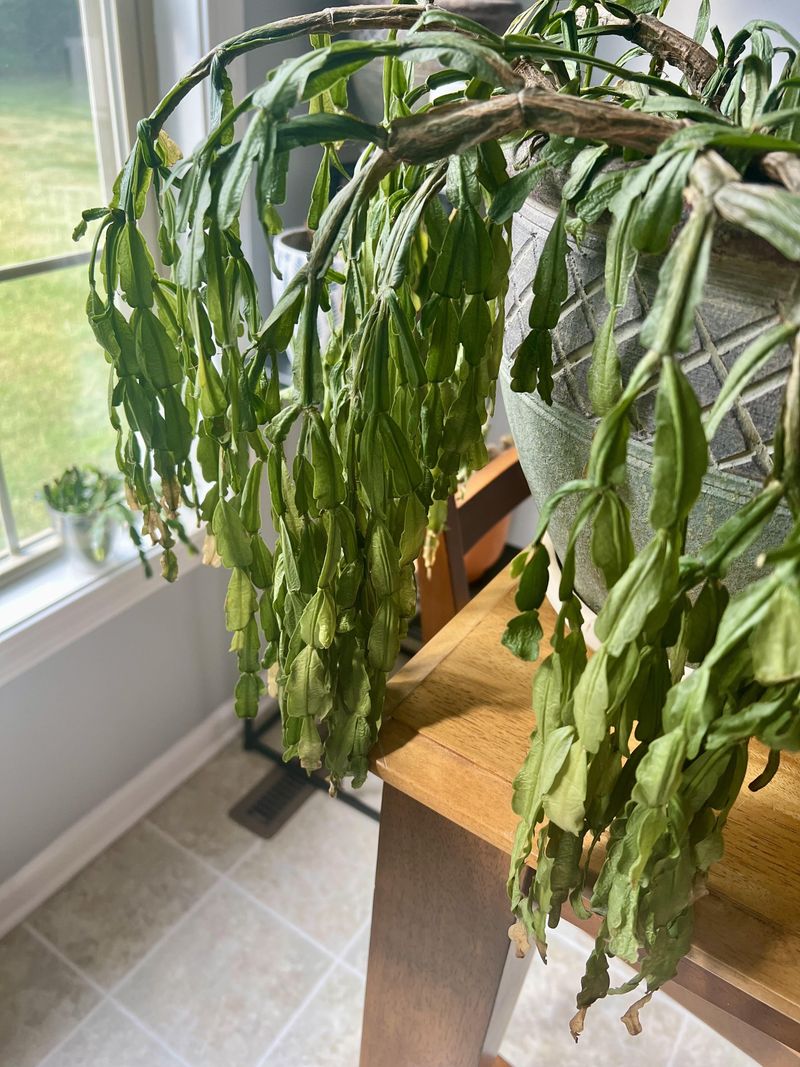
Overwatering causes far more trouble for this plant than a missed drink. That surprises a lot of people, since the plant comes from a rainforest.
Remember, though, it grows on tree branches where water drains away in minutes.
Watch for segments that turn soft, limp, or yellow. Some may develop dark spots near the base, and the whole plant can look floppy even though the soil is wet.
A sour or musty smell from the pot is another warning.
Those signs often point to root rot. Fungi thrive in waterlogged soil with little air, and the roots turn brown and mushy instead of firm and pale.
If you suspect trouble, stop watering and let the mix dry noticeably. For a severe case, slide the plant out and look at the roots.
Trim away mushy sections with clean scissors and repot into fresh, fast-draining mix.
Healthy stems that are taken early can also be rooted as cuttings. Let a few segments callus for a day, then tuck them into slightly moist mix.
It is a smart backup plan, and you may end up with gifts for friends next year.
4. Dry Furnace Air Can Shrivel Christmas Cactus Segments
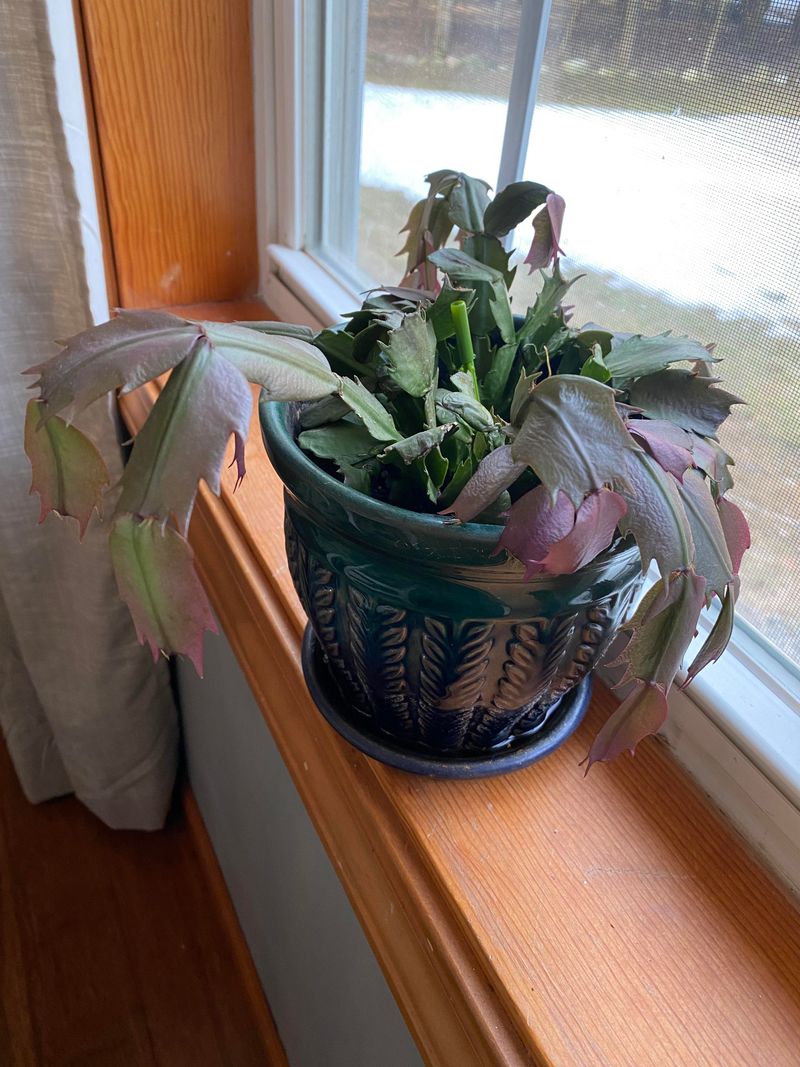
Once the heat kicks on, indoor air in many homes gets surprisingly dry. Georgia can feel muggy outdoors for much of the year, yet a heated living room in late fall can drop well below what this plant enjoys.
Christmas cactus prefers moderate humidity, somewhere around 50 percent or a bit higher. Dry air pulls moisture from the flat stems, and you may see slight wrinkling or shriveled segments.
Buds can also drop when the air is too parched.
Wrinkled stems can fool you into watering more. Check the soil first.
If it is damp but the stems still look thin, dry air is the more likely culprit.
A pebble tray offers an easy fix. Fill a shallow tray with gravel and water, then set the pot on top so it sits above the waterline.
As the water evaporates, it adds moisture right around the leaves.
Grouping houseplants together helps too, since they release moisture as a team. A small cool-mist humidifier works well in a dry room.
I skip misting because the effect fades fast and wet stems in cool rooms invite disease.
5. Long Dark Nights And A Cool Room Get Christmas Cactus Blooms Going
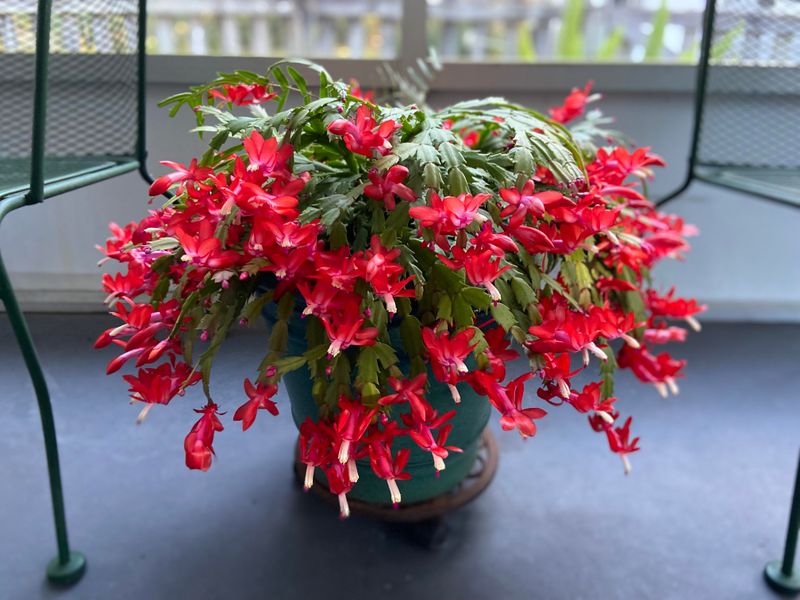
Darkness is the secret ingredient most people overlook. Christmas cactus is a short-day plant, which means long, uninterrupted nights help trigger flower buds.
Extension experts commonly recommend about 12 to 14 hours of darkness each night for around six weeks.
Cool temperatures work alongside the dark. Nights between roughly 50 and 60 degrees Fahrenheit strongly encourage budding.
In fact, when temperatures stay that cool, the plant can set buds even without perfect darkness.
This connects directly to watering. A cooler room means the soil dries more slowly, so you will water less often than you might in a warm, bright kitchen.
Check with your finger rather than assuming.
A spare bedroom or a cool corner away from lamps makes a great spot. Even a porch light or TV glow at night can confuse the plant during bud setting.
Some gardeners simply cover it with a box overnight.
Watch the weather if your pot spent fall outside. North Georgia mountains see frost much earlier than Savannah or Valdosta.
Bring plants indoors before temperatures dip near freezing, since the stems are sensitive to frost.
6. Moving A Budding Christmas Cactus Can Make Flowers Drop
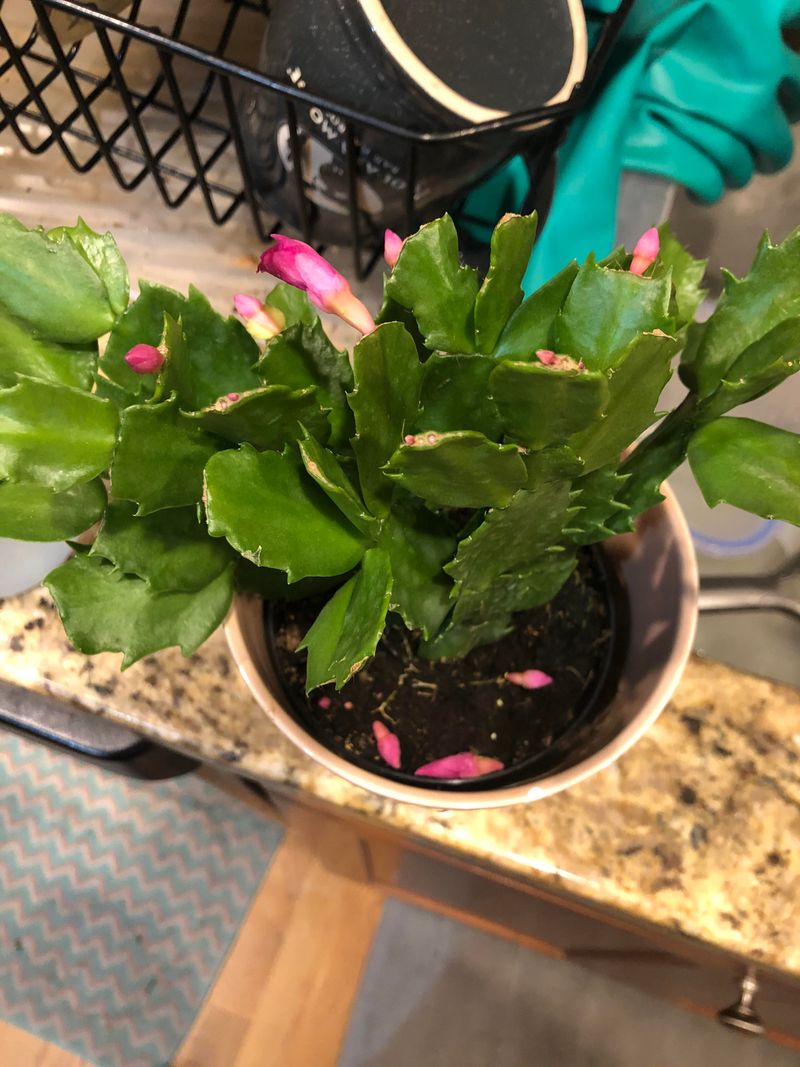
Bud drop feels like a betrayal. You do everything right, and then a few plump buds land on the table overnight.
The usual cause is sudden change.
Once buds have formed, Christmas cactus prefers a stable routine. Moving it to a new room, setting it beside a heat vent, or parking it near a drafty door can all trigger dropping.
So can big swings in watering, light, or temperature.
Choose one good spot and let it settle in. Bright, indirect light works best, like an east window or a few feet back from a sunny south window.
Harsh afternoon sun can scorch the stems.
Keep your watering steady during this stretch as well. Pick a day to check the soil, and stick with that habit so the plant is not flipping between extremes.
Many folks love moving the plant to a holiday table for guests. If you must, wait until most flowers are open, then move it carefully.
Fully opened blooms handle relocation better than tight buds.
A little patience pays off with a bloom show that can last several weeks.
7. Skip The Fertilizer And Plan Christmas Cactus Care For Spring
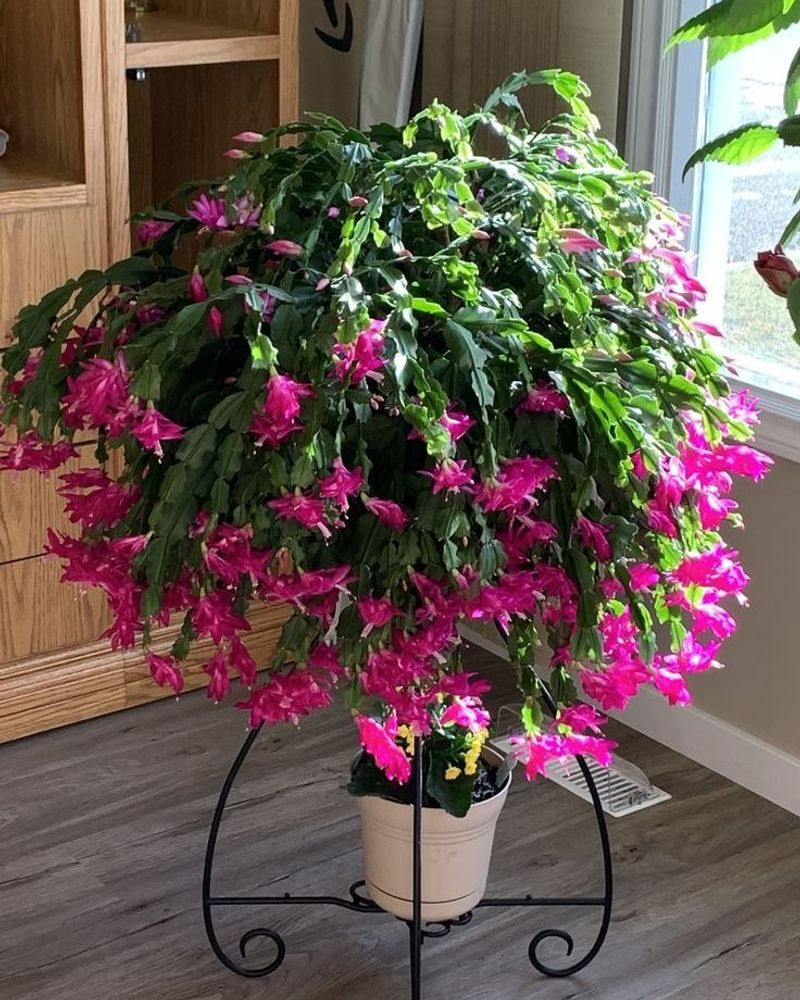
Hold the plant food for now. During bud set and bloom, fertilizer is not needed, and many experts suggest pausing feeding through fall and winter.
The plant is focused on flowers, not new leafy growth.
Here is a simple plan for the coming months. Through bloom, keep the soil lightly moist and check it about once a week.
After flowers fade, let it rest with slightly less water for several weeks.
When new growth shows up in spring, start feeding with a balanced houseplant fertilizer about once a month. That is also the best time to repot if roots are crowded, although this plant actually likes being a little snug.
Many Georgia gardeners move their pots to a shaded porch for summer. Bright shade outdoors builds sturdy stems.
Just bring the plant back inside before cold nights arrive.
Fun fact: many plants sold as Christmas cactus are really Thanksgiving cactus, with pointed, claw-like stem edges. Care is nearly the same for both.
Either way, steady water, cool dark nights, and a calm spot can reward you with flowers for decades, often passed from one generation to the next.