How To Pick A Fresh Christmas Tree From A Pennsylvania Tree Farm
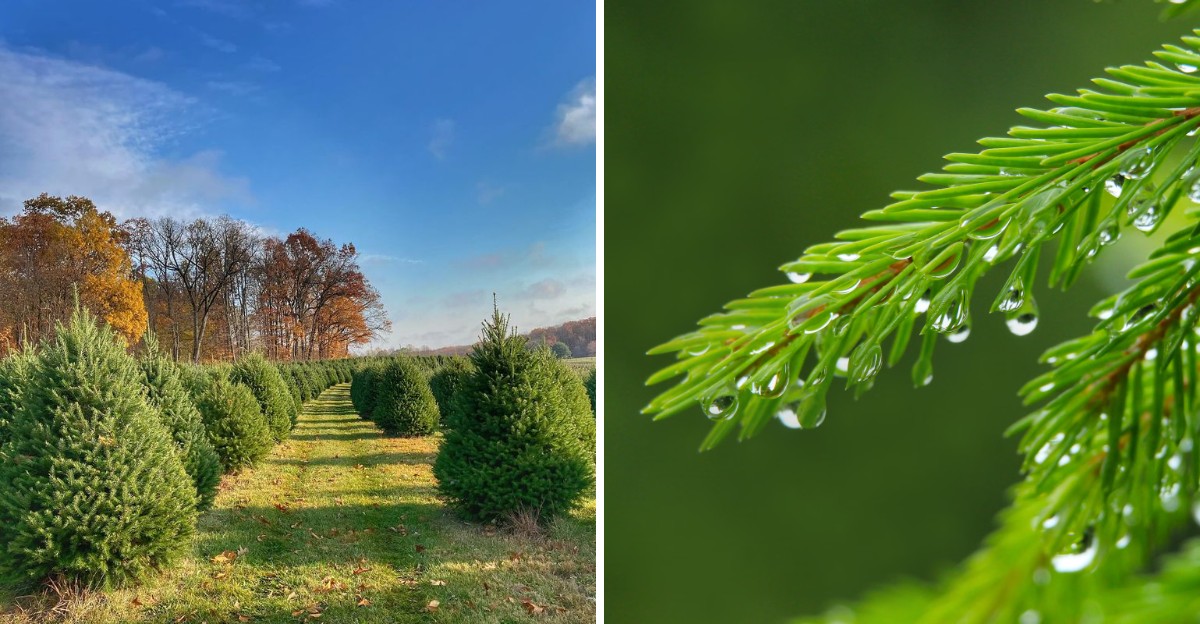
Indiana County, Pennsylvania, calls itself the Christmas Tree Capital of the World. The title traces back to a local nursery that began shipping evergreens across the country in the early 1900s.
I used to grab the first green tree I saw at a farm. Then mine started shedding needles before New Year’s, and I felt a little cheated. To my surprise, the problem started in the field, long before I hung a single ornament.
Believe it or not, a fresh tree can drink about a gallon of water in its first day indoors. That thirst tells you a lot about how alive it still is. Most of us never check, and the trees quietly pay the price.
A few quick tests can separate a sturdy beauty from a brittle letdown. The tricks are simple enough for kids to try.
1. Those Evergreen Needles Hold A Secret Freshness Clue
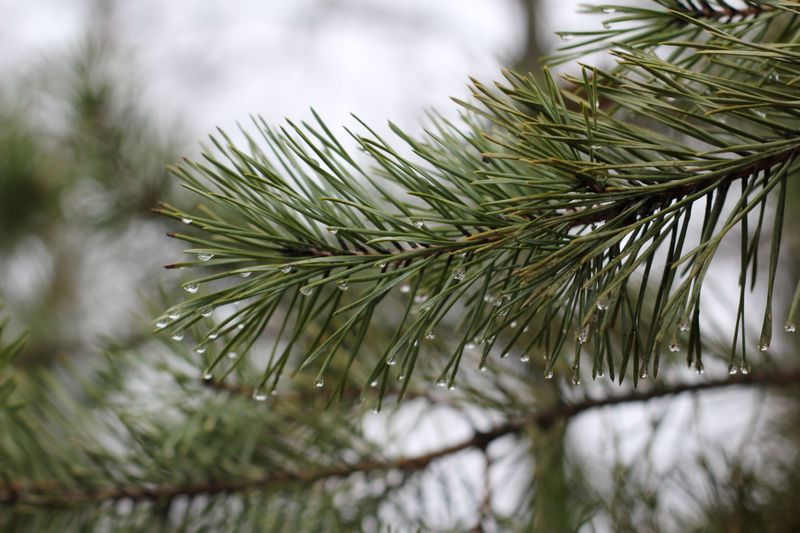
My favorite trick takes about three seconds. Pinch a single needle between your fingers and bend it gently.
A fresh fir needle should bend without snapping, a lot like a soft plastic straw. Pine needles should feel flexible too. If the needle breaks with a crisp little snap, that tree is already losing moisture, even if it still looks green.
Color can fool you, since many trees keep their shade for days after they start drying out. So trust your fingers more than your eyes.
Penn State Extension and the National Christmas Tree Association both point to needle flexibility as one of the clearest freshness signs.
Next, grab a branch and slowly pull your hand toward you. Very few green needles should come off. A handful of brown needles from deep inside the tree is normal, because evergreens shed older inner needles every year.
Green needles raining down are a different story. That usually means the tree was cut too early or stored poorly. At a choose-and-cut farm, the tree is still rooted, so this test mostly helps at pre-cut lots on the property.
Give the trunk a gentle bounce on the ground, too. A healthy tree holds its outer needles firmly in place.
2. Cutting Your Own Tree Gives You The Freshest Pick In The Field
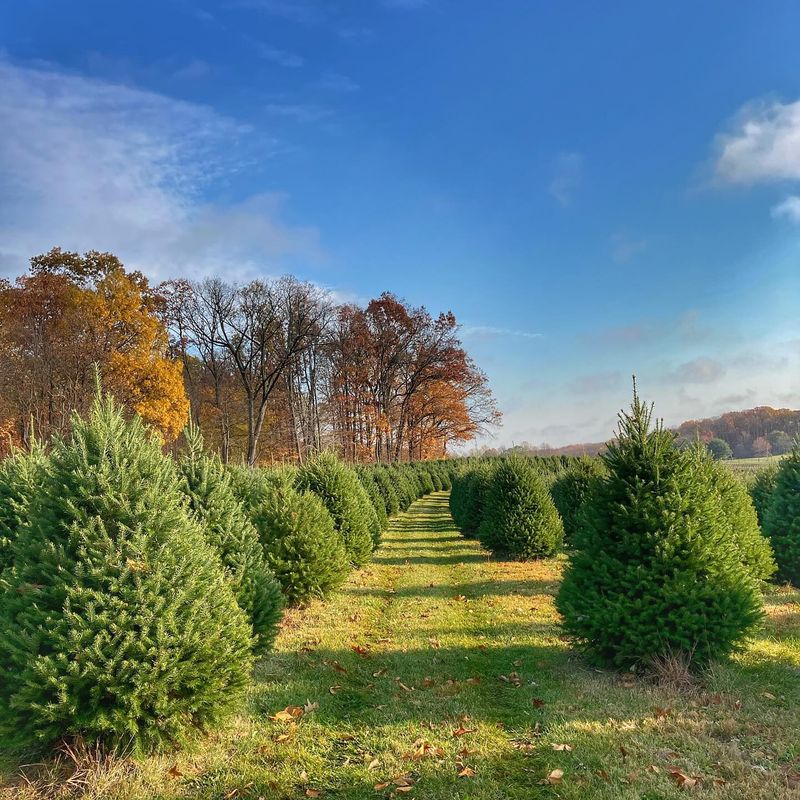
Nothing beats a tree that was growing in the soil ten minutes ago. That freshness is the biggest perk of a choose-and-cut farm.
Pre-cut trees on retail lots may have been harvested weeks earlier, sometimes in another state.
They can still be fine, but you rarely know their full story. When you saw your own tree, you control the clock from the very first cut.
Pennsylvania has hundreds of farms that welcome families, and many open the day after Thanksgiving. The Pennsylvania Christmas Tree Growers Association lists member farms by county, which makes it easy to find one nearby.
Timing matters, too. Picking your tree in late November or early December gives you the best selection, and a properly watered tree can stay attractive for about four to five weeks indoors.
Cutting late in the season works well if you want the tree up only for the holidays. Just remember that popular sizes and shapes can thin out quickly.
Ask the staff when they plan to close for the season. Some farms sell out of tall trees by mid-December. A quick phone call or website check saves you a muddy drive and a lot of disappointment in the car.
3. Fraser Fir, Douglas Fir, Or Blue Spruce Changes How Long It Lasts
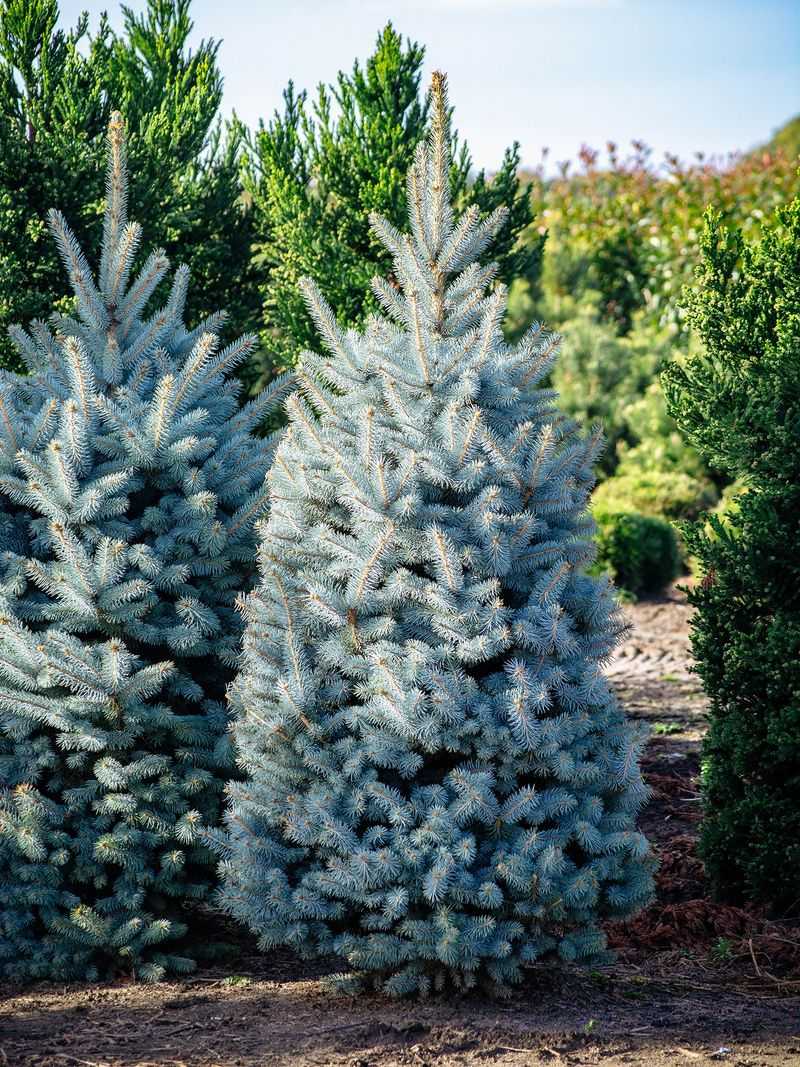
Every evergreen has its own personality, and some simply hang onto their needles longer than others. Picking the right type sets you up for success before you even check freshness.
Fraser fir is a crowd favorite for good reason. Its needles stay put well, its branches are stiff enough for heavy ornaments, and it smells wonderful. Concolor fir offers a citrusy scent and soft, bluish needles that hold up nicely too.
Douglas fir has a sweet fragrance and a full, fluffy look. It holds needles fairly well, though its softer branches prefer lighter decorations.
Colorado blue spruce looks striking with its silvery color and strong branches. The catch is sharp needles, so maybe skip it if you have curious toddlers.
White pine is soft and friendly to touch, with long needles and very little scent. It has weaker branches, so keep the ornaments small.
Canaan fir is another popular choice across Pennsylvania farms. It looks a lot like Fraser fir and often handles the state’s heavier clay soils better.
Ask the farmer which trees grow best on their land, because growers love sharing that kind of detail.
4. A Tape Measure Saves You From A Ceiling-Scraping Christmas Tree

Open fields play tricks on your eyes. A tree that looks perfectly sized under a big Pennsylvania sky can suddenly brush your living room ceiling.
Measure your ceiling height before you leave home. Then subtract the height of your tree stand and leave room for the topper. Most folks need about a foot of space above the tree for a star or angel.
Measure the floor area, too. A seven-foot fir can easily spread five feet wide at the bottom, which crowds a small room fast.
Bring that tape measure to the farm. Many farms mark heights on poles or tags, but checking yourself takes only a moment. I like to stand next to a tree and compare it to my own height as a quick reality check.
Look at the trunk while you are down there. It should be straight enough to fit your stand without awkward leaning.
Also check that the bottom few inches of trunk are clear of branches so the stand clamps can grip properly.
Measuring might feel fussy in the moment. Trust me, it beats trimming a sappy tree in your driveway.
5. Muddy Boots And A Sturdy Saw Make The Farm Trip Easier
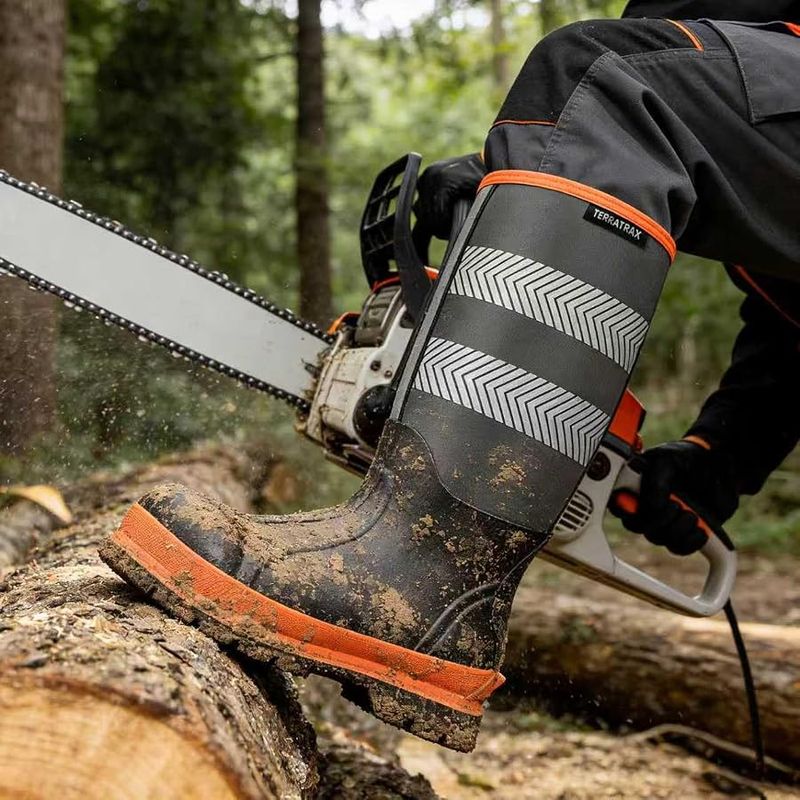
Pennsylvania tree fields in December can be frozen solid one weekend and sloppy with mud the next. Dressing for both saves the day.
Wear waterproof boots with good tread, plus gloves to protect your hands from sap and prickly needles. Layers help, because sawing a tree warms you up faster than you expect.
Most farms lend saws, but some families bring their own bow saw for a sharper blade. Check the farm website first, since rules vary.
Cut the tree low, close to the ground, and keep the cut fairly level. Having a helper gently pull the tree away from the saw stops the blade from pinching.
Here is where teamwork pays off. One person cuts while another steadies the trunk, and kids can help carry lighter tools.
Pack an old tarp or blanket, too. It makes dragging the tree easier and protects your car from sap.
Many farms offer a shaker that removes loose needles and a baler that wraps the tree in netting. Say yes to both. The netting makes loading far easier, and you will find fewer stray needles across your floor later.
6. Keep That Netted Tree Shaded On The Ride Home
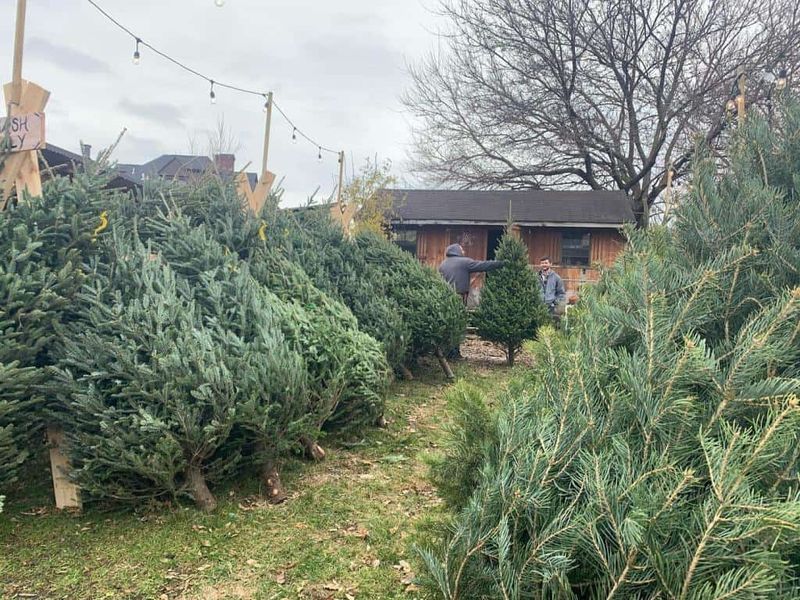
The ride home matters more than many people realize. Wind and sun can pull moisture from needles surprisingly fast.
Point the trunk toward the front of the car when you tie it on the roof. This way the branches fold back smoothly instead of catching the wind like a sail. Use strong rope or ratchet straps, and tug firmly to make sure nothing shifts.
Highway speeds act like a giant hair dryer on your tree. Many growers suggest keeping it wrapped in netting or a tarp for the drive to cut down on drying.
Not ready to set it up right away? Keep the tree in a cool, shaded spot like a garage or a sheltered porch.
Stand the trunk in a bucket of water while it waits. A few hours of storage is fine, but a fresh cut is still needed before the tree goes into its stand indoors.
One more tip from experience: lay an old sheet across the roof before loading. It protects the paint and catches sticky sap drips, which are surprisingly stubborn to scrub off later.
7. A Fresh Trunk Cut Lets Your Christmas Tree Drink Again
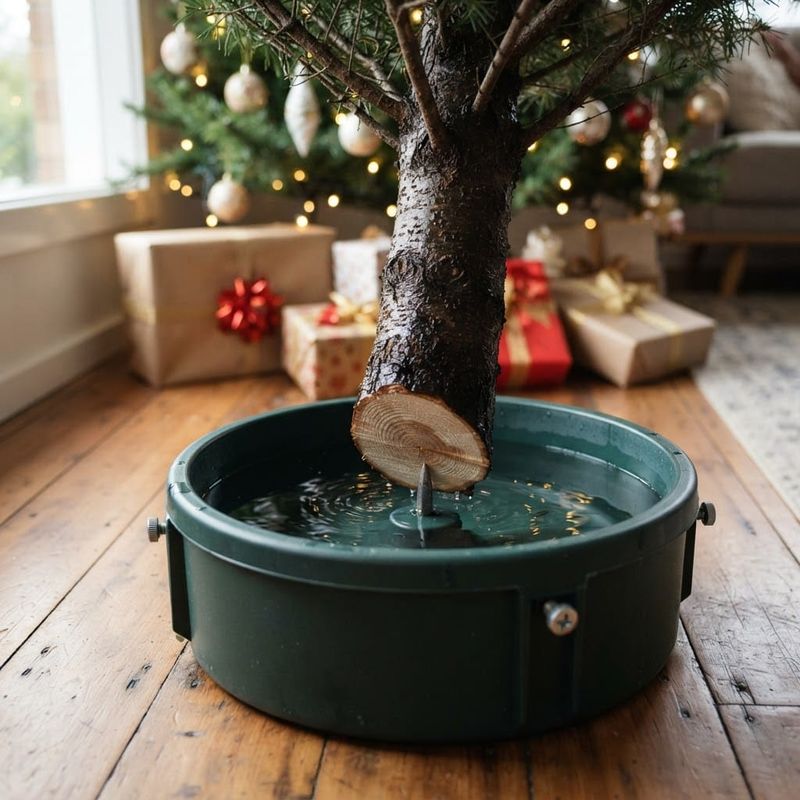
Sap works a bit like a natural bandage. Within a few hours of cutting, it can seal the trunk and block water from moving up into the branches.
Right before setting up your tree, saw about half an inch to an inch off the bottom. A straight cut works best. Research from tree experts shows that angled cuts or drilled holes do not help the tree drink more.
Get the tree into water quickly after that fresh cut. Experts often suggest doing it within several hours, and sooner is better.
Choose a stand that holds plenty of water. A common rule says one quart of water for every inch of trunk width. A trunk four inches across needs about a gallon.
Skip the sugar, aspirin, and fancy additives. Studies from university researchers found plain tap water works just as well, and some mixtures can even slow water uptake.
Do not shave the bark off to fit a narrow stand. The outer layers carry most of the water. Find a stand that fits the trunk instead.
8. A Daily Water Check Keeps Pennsylvania Fir Needles Fragrant For Weeks
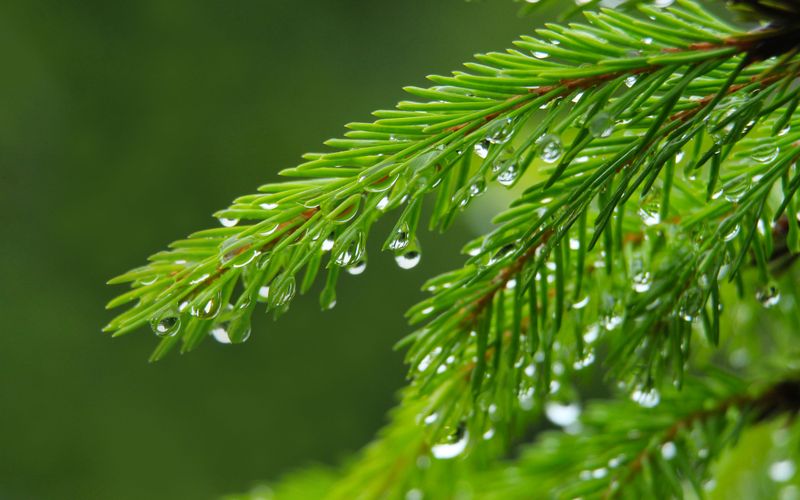
Think of your tree as a thirsty houseguest. During the first few days, it may gulp water faster than you would believe.
Check the stand every morning, and refill it before the water falls below the trunk base. If the base dries out, sap can seal it again, and the tree may stop drinking.
A small watering can or pitcher kept nearby makes this chore quick. Kids often love being the official tree waterer.
Placement helps a lot. Keep the tree away from fireplaces, heating vents, radiators, and sunny windows that dry the needles faster.
LED lights stay much cooler than older bulbs, which helps the tree hold moisture. Check light strands for frayed wires, and turn them off at night or when you leave home.
Watch for warning signs as the weeks go by. Needles that feel brittle or fall in clumps mean the tree is drying and should come down soon.
When the season ends, many Pennsylvania towns collect trees for mulch or wildlife habitat. Your fragrant fir can give back long after the ornaments are packed away.