Why Fall Is The Best Time To Add Lime To Georgia’s Acidic Red Clay
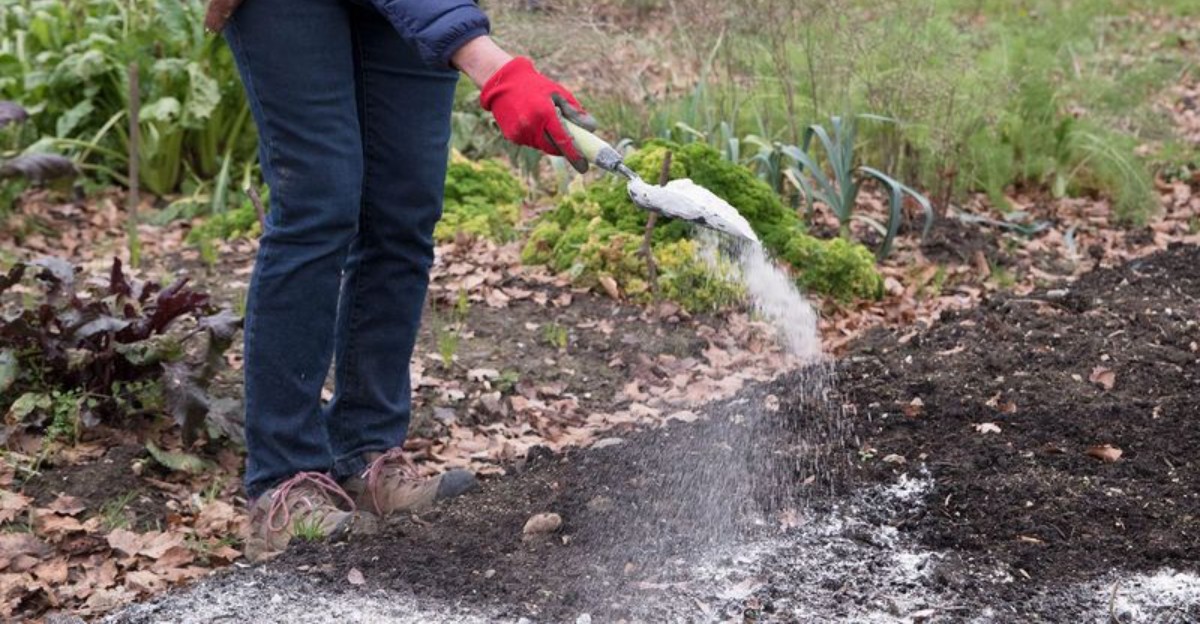
That rusty red color under your shoes comes from iron oxide, the same compound that makes rust on an old wheelbarrow. Pretty soil, right?
Yet much of it is quietly sour enough to starve your plants.
I learned this the hard way. My tomatoes sulked all summer, even though I fed them like royalty.
The fertilizer was there, but the roots could not reach much of it.
Georgia gets around 50 inches of rain a year in many areas. All that water slowly rinses calcium and magnesium out of the ground.
Over thousands of years, the result is clay that leans acidic almost everywhere you dig.
The fix is cheap, dusty, and a little boring to spread. It also works slower than most gardeners expect.
Getting the timing right matters just as much as choosing the right amount, especially when you’re trying to improve your soil before spring.
1. That Rusty Red Clay Is Hiding A Sour Secret
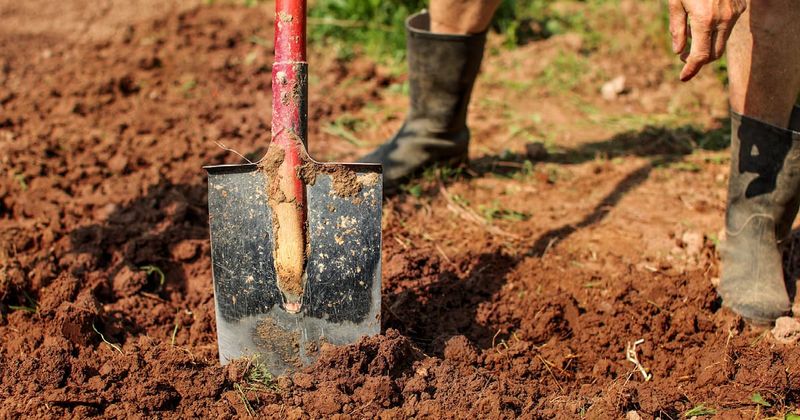
Grab a handful of red clay after a rain and you will feel how sticky and dense it is. That brick-red color looks rich, but it comes from iron oxide coating the soil particles.
Many of these soils belong to a group scientists call Ultisols, which formed through long weathering in a warm, wet climate.
Rain is the quiet culprit here. Year after year, water moves down through the ground and carries away calcium, magnesium, and potassium.
What stays behind is more hydrogen and aluminum, and those push the soil pH lower.
University of Georgia Extension notes that many soils in the state test well below the pH most lawns and vegetables prefer. Readings in the 5.0 to 5.5 range are common, and some spots dip even lower.
Most garden vegetables and turfgrasses grow best somewhere around 6.0 to 6.5.
Fertilizer and organic matter add to the slide too. Nitrogen fertilizers, especially ammonium types, produce acid as soil microbes break them down.
So even a yard that tested fine five years ago can drift sour again.
Knowing this changes how you look at that red dirt. It is not bad soil.
It simply needs a little help to balance out.
2. Lime Spread In Autumn Gets A Head Start On Spring Planting
Patience is the whole secret with lime. Ground limestone dissolves slowly, and extension specialists often say it needs about three months or more to noticeably raise pH.
Full results can take six months to a year.
That timeline is exactly why fall wins. Spread lime in October or November, and it has the whole winter to react with the soil.
By the time you plant tomatoes or your warm-season grass greens up in spring, the pH has already shifted.
Compare that with liming in April. Your new transplants would spend their most important growing weeks in soil that is still too sour.
You would be paying for lime that has barely started working.
Winter weather pitches in as well. Steady rain helps move dissolved lime into the soil, and in north Georgia, freezing and thawing can open tiny cracks for it to slip into.
Gardens in south Georgia see fewer freezes, but the winter rain still helps.
I like to think of fall liming as setting the table early. The work is done months ahead, so spring is about planting, not waiting.
One afternoon with a spreader now can shape your whole next season.
3. A Soil Test Bag From UGA Extension Tells You How Much Lime
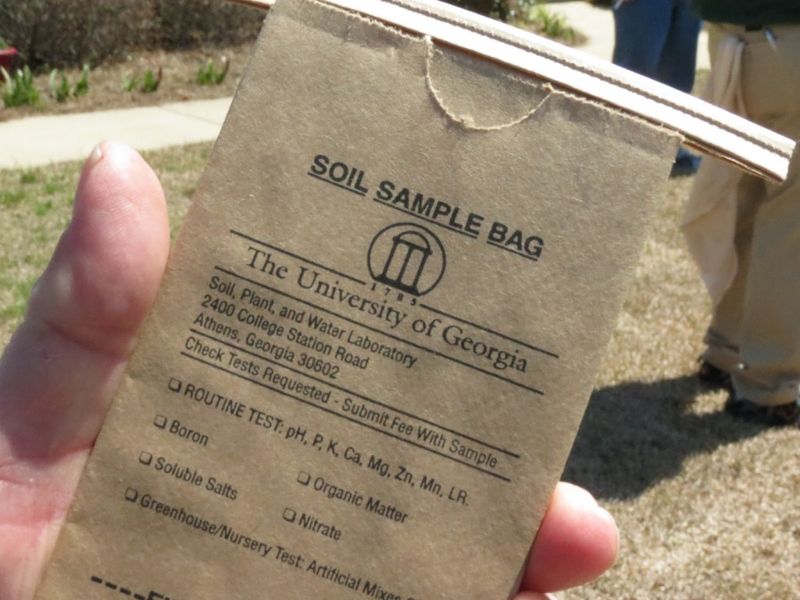
Guessing is the most expensive way to lime. A soil test takes the mystery out, and in this state it is easy and cheap.
Your county UGA Extension office sells sample bags and sends them to the university lab in Athens.
Collecting a sample takes about fifteen minutes. Use a clean trowel or soil probe and take small slices from 10 to 15 spots across the area.
Dig about 4 inches deep for lawns and around 6 inches for gardens, then mix it all in a plastic bucket.
Fill the bag with that blended soil and label it with the crop you plan to grow. The report gives your pH, nutrient levels, and an exact lime rate.
Results often arrive within a week or two.
Fall is a smart time to test because labs are less busy than in spring. You also get your numbers back with plenty of time to spread lime before winter.
That timing fits the slow chemistry perfectly.
Test separate areas separately. Your lawn, vegetable bed, and azalea border may need very different things.
Plan to retest every two to three years so you can track how the soil changes.
4. Sour Soil Locks Fertilizer Away From Hungry Roots
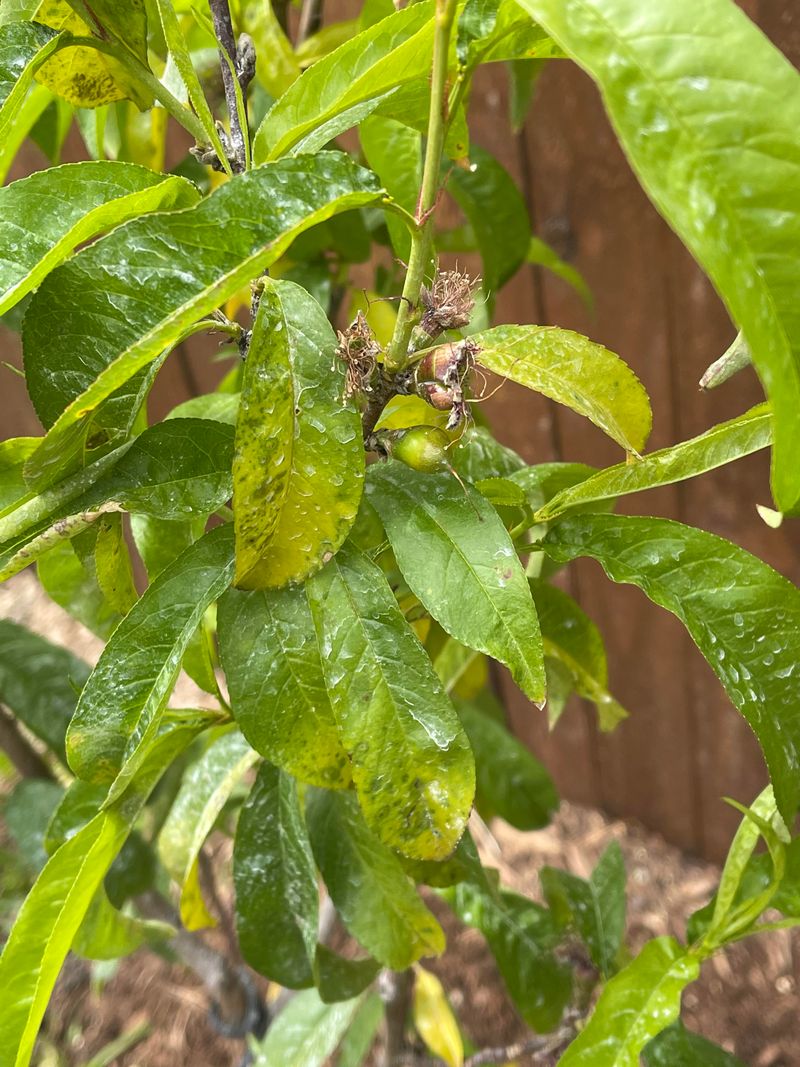
Pale leaves, stubby roots, and fertilizer that seems to vanish are classic clues. Low pH changes how nutrients behave in the ground.
Phosphorus is one of the first to get trapped, binding tightly with iron and aluminum in acidic clay.
Calcium and magnesium also run short, since rain has already rinsed much of them away. Nitrogen and potassium work less efficiently too.
You can keep adding fertilizer, but plants struggle to use it.
There is a second problem lurking below. When pH falls under about 5.0 to 5.5, aluminum becomes more soluble and can harm young root tips.
Manganese can also reach levels that bother sensitive plants.
Roots that are stunted cannot explore much soil. That means less water and fewer nutrients, which shows up fast during a hot Georgia summer.
A plant with a shallow root system wilts quicker than one with deep, healthy roots.
Soil life suffers as well. Many helpful bacteria, including those that help beans and clover fix nitrogen, prefer soil closer to neutral.
Raising pH with lime helps these tiny workers get busy again, and that boosts the whole garden.
5. Crushed Limestone Works Like A Slow Antacid For Clay
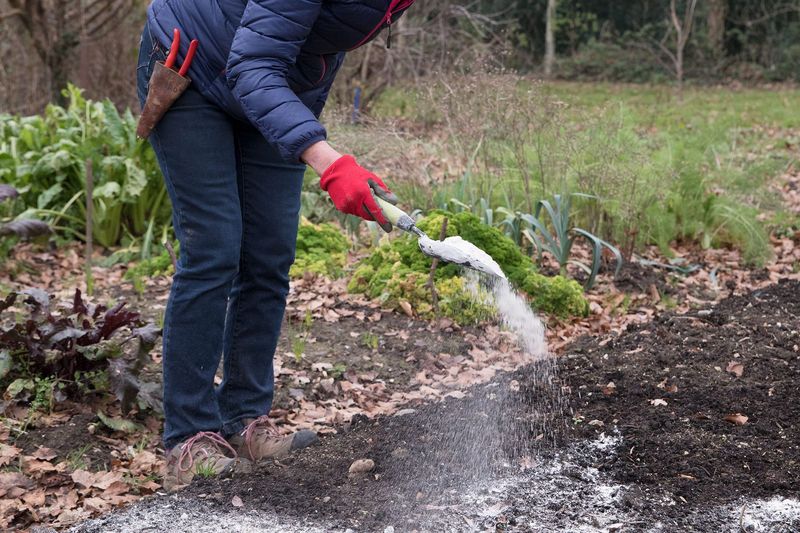
Garden lime is simply ground-up limestone rock. The main ingredient is calcium carbonate, the same compound found in seashells and some antacid tablets.
That comparison is pretty fitting, since both calm down acid.
Once lime touches moist soil, it slowly dissolves. The carbonate part reacts with hydrogen ions and pulls them out of the system.
Calcium then takes their place on clay particles, and the pH gradually rises.
Aluminum gets tamed in the process too. As pH climbs, aluminum turns into forms that plants mostly cannot absorb.
Roots can grow longer and stronger without that stress.
Particle size matters a lot. Finely ground lime reacts faster because more surface area touches the soil.
Coarse chunks may take years to break down, which is why quality bags list how fine the material is.
Here is a fun bit of trivia. Farmers in Europe were spreading crushed limestone and chalk on fields well over a thousand years ago, long before anyone understood pH.
They just knew crops grew better afterward.
So lime is not a fertilizer in the usual sense. It fixes the soil conditions so the fertilizer you add can finally do its job.
6. Dolomitic Or Calcitic Pellets Make Sense For Different Yards
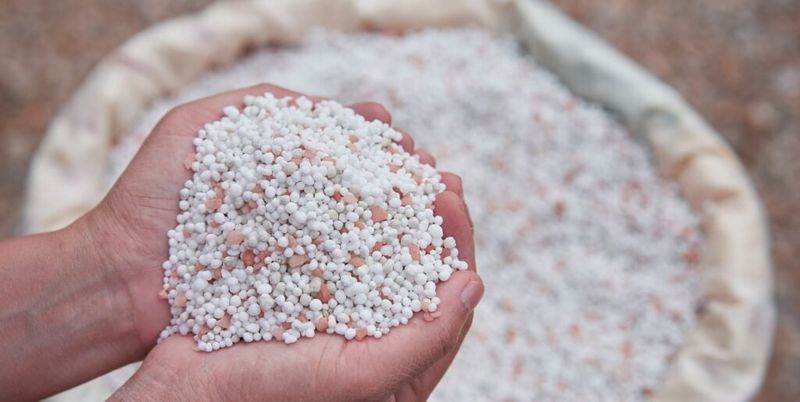
Walk into any Georgia garden center and you will likely see bags labeled dolomitic lime. That type contains both calcium carbonate and magnesium carbonate.
Calcitic lime, sometimes just called ag lime, is mostly calcium.
Your soil test helps you choose. If the report shows low magnesium, dolomitic lime is a great pick because it fixes both problems in one pass.
Sandy soils in the Coastal Plain are often short on magnesium, so dolomitic is especially handy there.
If magnesium is already plentiful, calcitic lime may be the better match. Adding extra magnesium you do not need can throw the balance off over time.
Ask your county agent if the numbers confuse you.
Form matters for home gardeners. Pelletized lime is finely ground limestone pressed into small pellets that flow nicely through spreaders.
It makes far less dust than powder, and the pellets break apart once they get wet.
Skip hydrated lime and quicklime for routine yard use. They act fast, but they are caustic and can burn skin and plants.
Regular ground or pelletized limestone is gentler, cheaper per pound in most cases, and does the job well with a little time.
7. Your Spreader And Garden Fork Make Lime Work Better
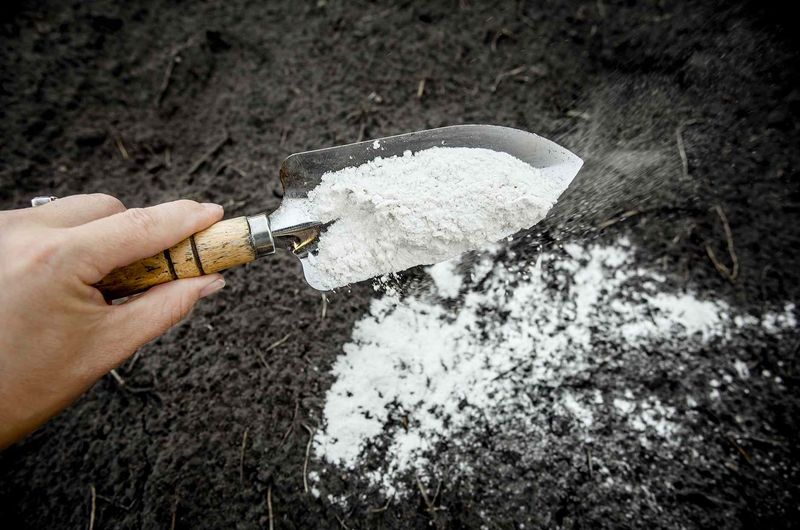
Spreading lime is one of the easiest chores on the fall list. Start by checking your soil test rate, which is often given in pounds per 1,000 square feet.
Measure your area so you buy the right number of bags.
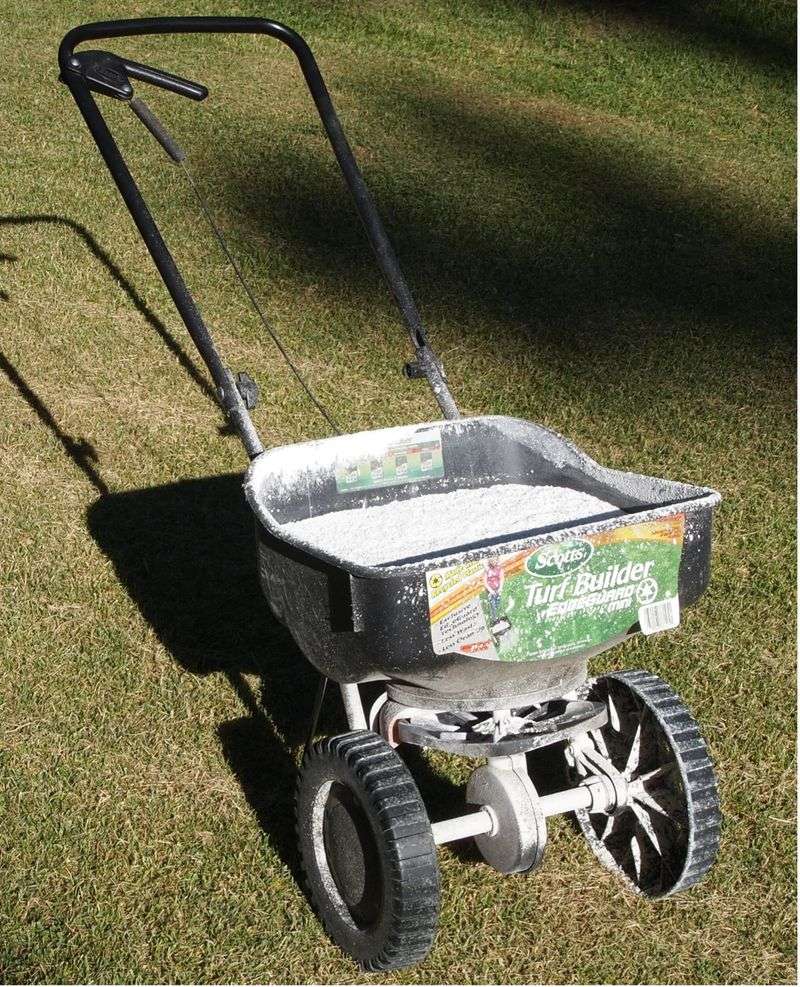
For lawns, use a drop or broadcast spreader on a dry day. Many extension guides suggest applying half the amount walking north to south and half walking east to west.
That crisscross pattern helps prevent streaks.
Lime moves slowly downward in established turf. Core aerating before you spread gives it little holes to drop into.
Afterward, a light watering settles the dust and starts the reaction.
Vegetable beds are even better candidates for fall work. Spread lime evenly, then mix it into the top 6 inches with a fork or tiller.
Mixing puts lime right where roots will grow, which speeds results.
Large rates should be split. Many guides recommend capping lawn applications at around 50 pounds per 1,000 square feet at once.
If your test calls for more, add the rest in late winter or spring.
Wear gloves and a dust mask, especially with powder. Clean your spreader afterward, since lime residue can clog parts.
8. Blueberries And Azaleas Would Rather Skip The Lime Altogether
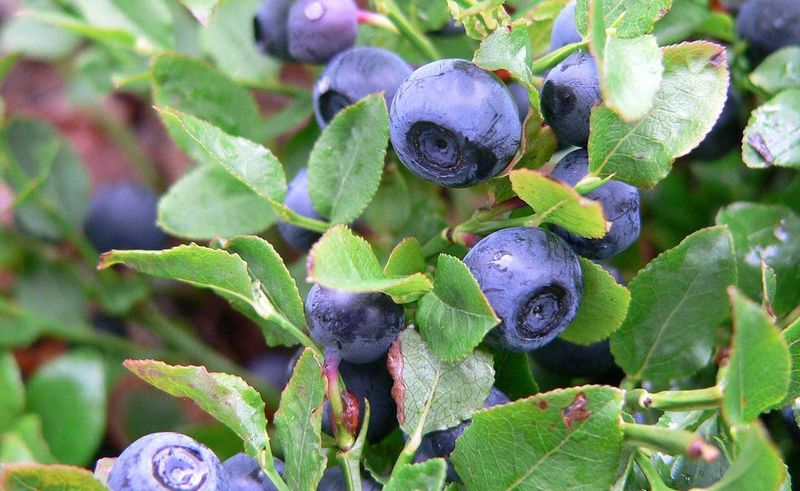
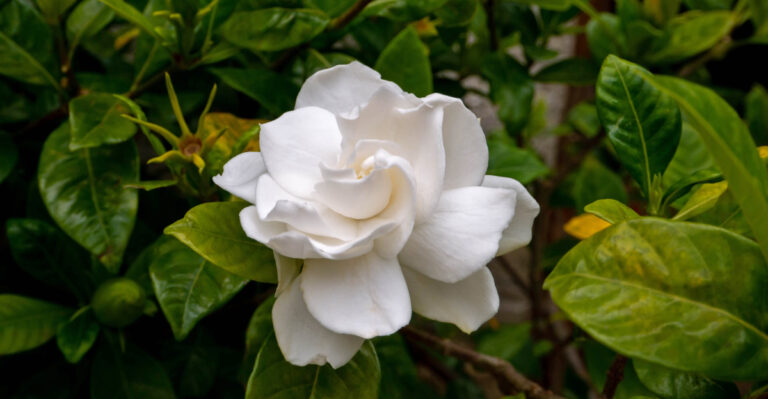
Not every plant wants sweeter soil. Blueberries, azaleas, camellias, and gardenias actually prefer acidic ground.
Blueberries do best around pH 4.5 to 5.5, which plenty of red clay already offers.
Liming near these shrubs can cause trouble. Leaves may turn yellow between the veins, a sign of iron deficiency triggered by higher pH.
Keep your spreader well away from their beds.
Overliming is another real risk elsewhere. Push the pH too high and micronutrients like iron, manganese, and zinc become harder for plants to use.
Fixing soil that is too alkaline is much slower and trickier than raising pH.
Centipedegrass deserves a special note in the South. It likes somewhat acidic soil, and extension experts warn that liming it above about 6.0 can lead to yellowing.
Always follow the test, not a neighbor’s routine.
The best long-term habit is simple. Test every two to three years, lime only when the numbers say so, and spread it in fall when you can.
Your plants get steady, balanced soil, and you save money on products they would never use.
That small rhythm turns stubborn red clay into a dependable home for your garden.