How Oregon Gardeners Should Water Hydrangeas During Dry Summer Weeks
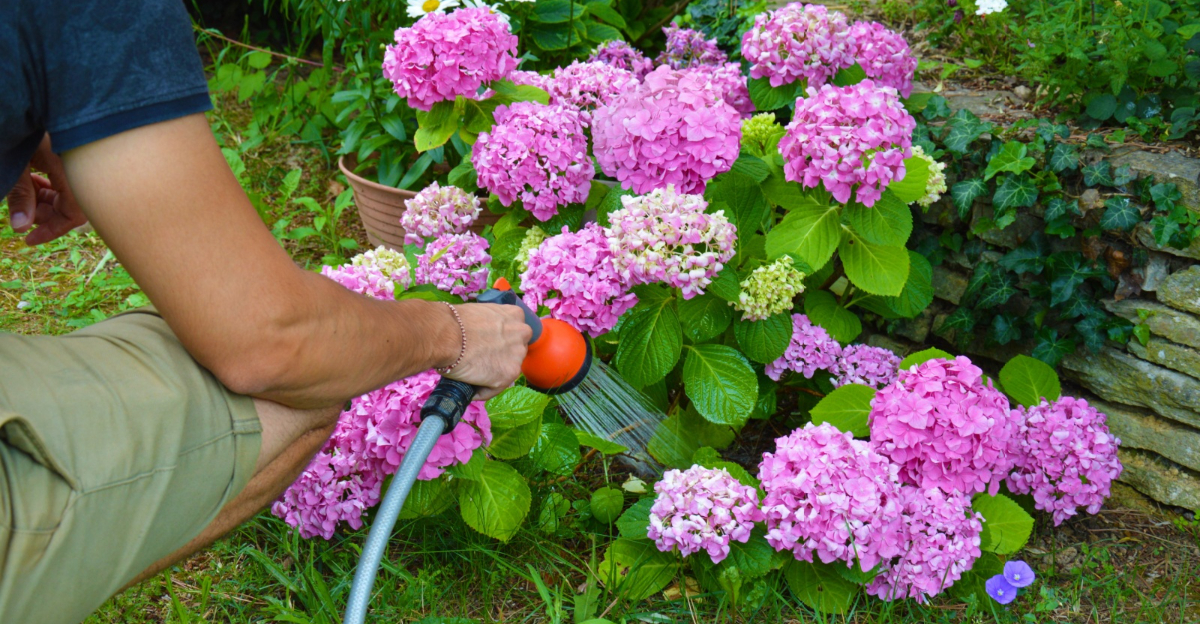
Nothing stops an Oregon gardener in their tracks quite like a hydrangea that looked absolutely stunning at breakfast and is dramatically drooping by early afternoon. It feels urgent, it looks terrible, and it sends most people straight for the garden hose.
Oregon summers have a specific talent for catching hydrangea growers off guard, mostly because the shift from wet winter soil to genuinely dry summer conditions happens faster than you expect.
Suddenly those roots that had plenty of moisture for months are working a lot harder to stay hydrated.
The good news is that hydrangeas are not particularly complicated once you understand what they are actually asking for.
Deep, consistent moisture in well-drained soil is the goal, and getting that balance right makes an enormous difference in how your plants perform through the driest part of the season.
1. Water Deeply Before Dry Heat Builds
Dry Oregon summers can sneak up on gardeners faster than expected, especially after a cool, wet spring that kept the soil moist for months.
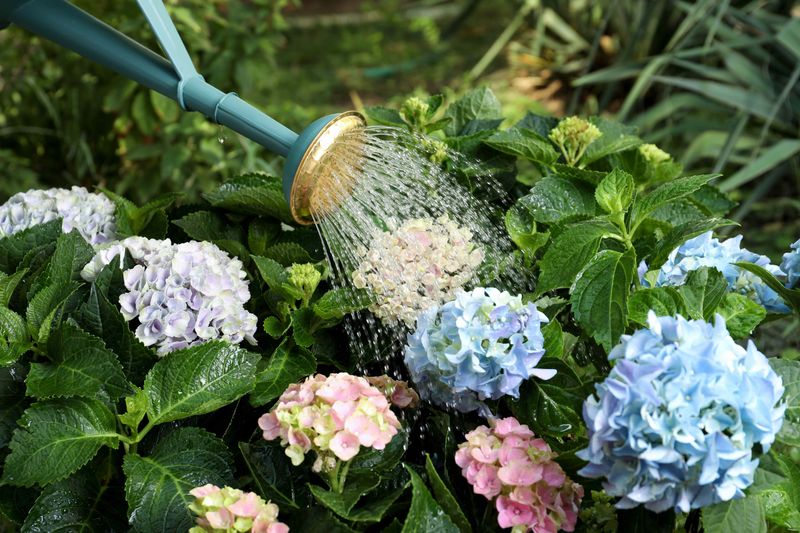
Watering before hot weather arrives gives moisture the time it needs to move down through the soil and reach the root zone where hydrangeas actually drink from.
A quick surface splash may look helpful, but it rarely penetrates deep enough to make a difference during a stretch of warm, dry days.
Early morning is a good window for deep watering because temperatures are cooler and less water is lost to evaporation before it can soak in.
Watering slowly and steadily near the base of the plant lets the soil absorb moisture gradually rather than letting it run off.
Aim to wet the soil several inches down so roots can access it throughout the day.
Bigleaf hydrangeas, which are among the most common in Oregon landscapes, are especially sensitive to dry spells and can show stress quickly when moisture runs low.
Getting ahead of the heat by watering thoroughly before a dry stretch begins gives plants a better chance of staying upright and blooming without added stress from the sun.
2. Keep Soil Evenly Moist, Not Soggy
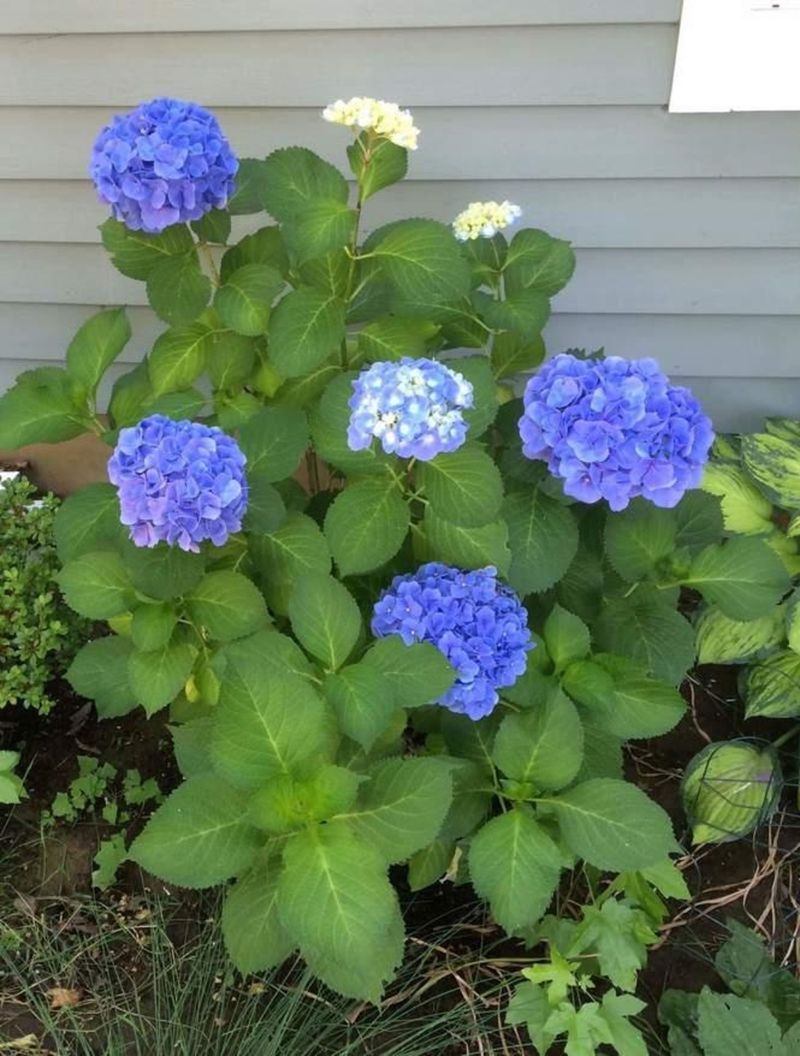
Finding the balance between moist and waterlogged is one of the most common challenges Oregon hydrangea growers face during summer.
Hydrangeas need steady moisture to support their large leaves and flower heads, but roots sitting in soggy soil can develop problems that weaken the plant over time.
Well-drained soil that holds some moisture without puddling is the sweet spot these plants grow best in.
Heavy clay soils, which are common in parts of Oregon’s Willamette Valley, can hold too much water if overwatered, while sandy or loamy soils may drain faster and dry out more quickly between waterings.
Understanding your soil type helps you figure out how often to water rather than guessing.
Amending soil with compost over time can help improve drainage in clay and water retention in sandy ground.
Oakleaf hydrangeas tend to handle slightly drier conditions better than bigleaf varieties, but even they appreciate consistent moisture during Oregon’s dry summer weeks.
Your Oregon Garden Changes Every Week. Your Plan Should Too.
Gardening in Oregon changes quickly throughout the season. Every Friday you’ll receive a simple weekly plan showing exactly what to plant, prune, fertilize, harvest, and protect so you never miss the right timing.
Panicle hydrangeas are also more drought-tolerant once established, though young plants still benefit from regular watering.
Keeping soil evenly moist means checking in regularly rather than following a rigid watering calendar that ignores what the soil is actually doing.
3. Check The Soil Before You Water Again
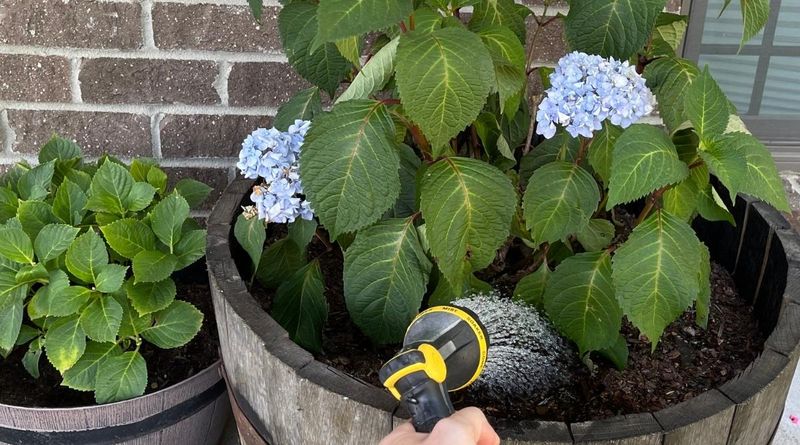
Pressing a finger about an inch or two into the soil near a hydrangea is one of the simplest and most reliable ways to decide whether it is time to water again. If the soil feels moist at that depth, the plant likely has what it needs for now.
If it feels dry or barely damp, that is a good sign that watering would be helpful before the plant shows visible stress.
Relying only on a watering calendar can lead to either overwatering or underwatering, since Oregon summer weather shifts from week to week.
A cloudy stretch with cooler temperatures may mean the soil holds moisture longer, while a run of hot, sunny days can dry things out faster than expected.
Checking the soil takes the guesswork out of the routine and helps you respond to what is actually happening in the garden.
A simple soil moisture probe or meter can also be useful for gardeners who want a more precise reading, especially in raised beds or containers where moisture levels can change quickly.
The goal is not to water on a strict schedule but to water when the plant and soil are ready for it.
Consistent checking builds a habit that keeps hydrangeas healthier through Oregon’s unpredictable dry spells.
4. Use Drip Irrigation Near The Root Zone
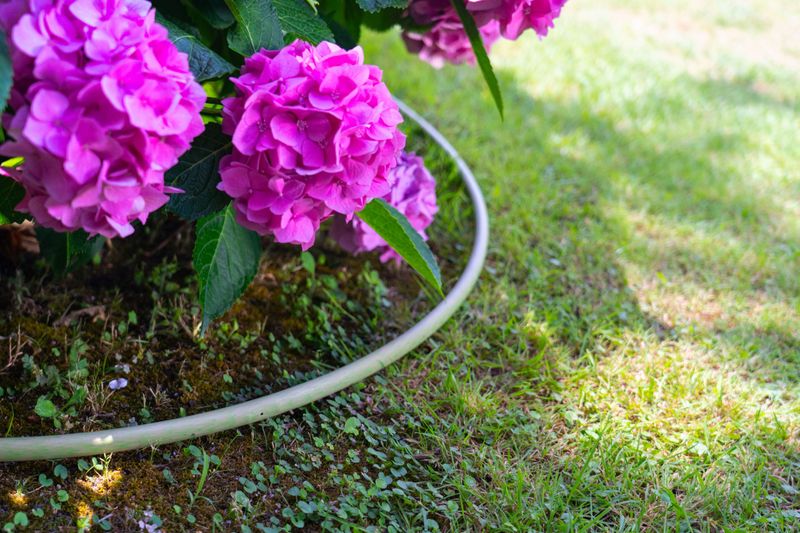
Drip irrigation has become a popular watering method for Oregon gardeners who want to use water efficiently during dry summer months.
Rather than spraying water over the entire plant or surrounding area, drip lines deliver moisture slowly and directly near the base of the plant, right where the roots are most active.
This targeted approach reduces water waste and helps keep moisture in the root zone where hydrangeas need it most.
Overhead watering can wet hydrangea leaves and flowers, which may contribute to fungal issues during warm, humid stretches. Drip irrigation avoids this by keeping foliage dry while still delivering steady moisture to the soil.
It also works well in shaded borders and foundation beds where access with a hose can be tricky or where water pressure varies.
Setting up a simple drip system with a timer can take much of the daily decision-making out of summer watering, especially during busy weeks or short trips away from home.
Emitters should be placed a few inches from the main stem rather than directly against it to encourage roots to spread outward.
Checking drip lines periodically to make sure emitters are not clogged helps ensure the system is actually delivering water where it is supposed to go throughout Oregon’s dry summer season.
5. Mulch To Help Hold Summer Moisture
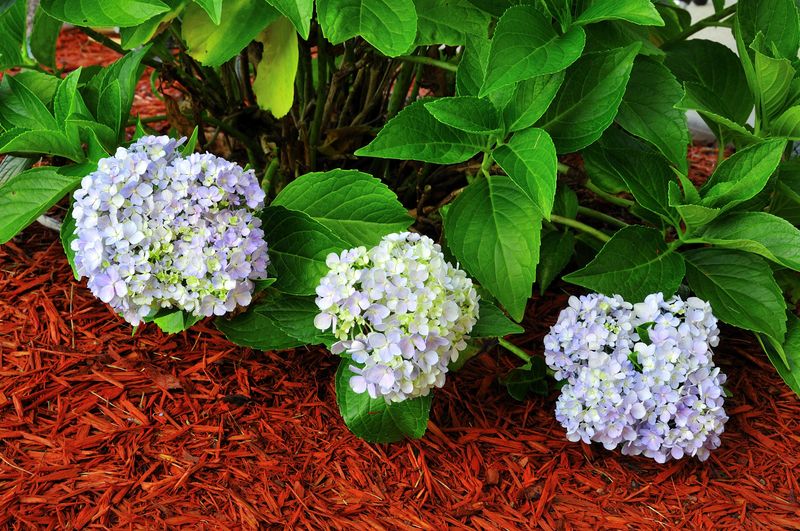
Mulch is one of the most practical tools an Oregon gardener can use to slow down soil moisture loss during dry summer weeks.
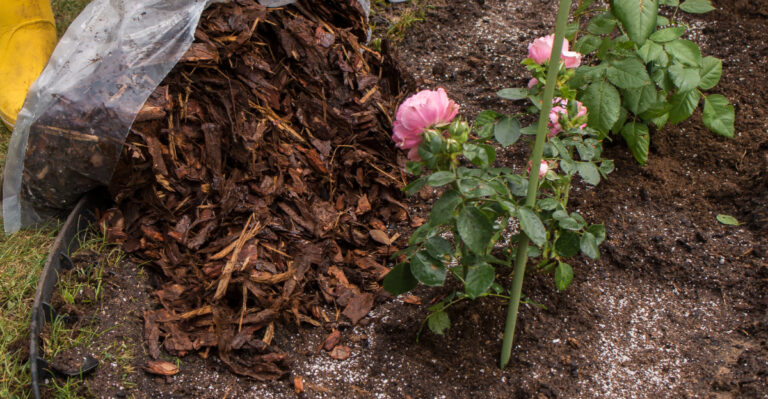
A two-to-three-inch layer of organic mulch spread around the base of a hydrangea helps insulate the soil, slow evaporation, and keep roots cooler on warm afternoons.
Wood chips, shredded bark, or compost all work well and gradually break down to add organic matter to the soil over time.
Keeping mulch pulled back a few inches from the main stem is an important detail that is easy to overlook. When mulch presses directly against the stem, it can trap moisture around the base in a way that may encourage rot or pest issues.
A small gap between the mulch and the stem gives the plant room to breathe while still providing the moisture-holding benefits across the rest of the root area.
In Oregon gardens where summer soil can shift from moist to dry within just a few days of warm weather, mulch can noticeably reduce how often watering is needed.
It also helps moderate soil temperature swings between cool mornings and warm afternoons.
Refreshing mulch each spring before the dry season begins keeps the layer effective and gives hydrangea roots better protection heading into summer.
6. Watch Droopy Leaves For Water Stress
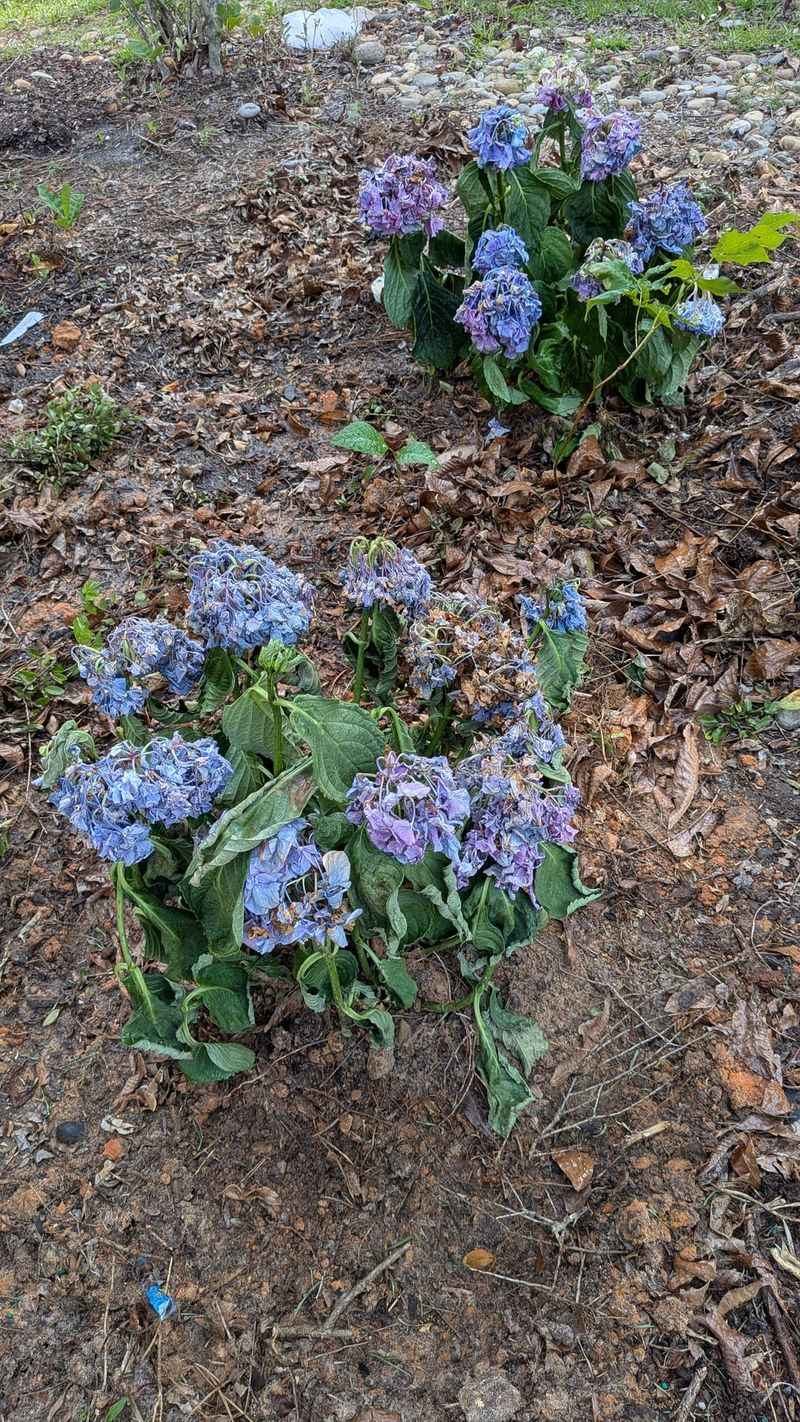
Drooping hydrangea leaves are one of the most visible signs that a plant may be running low on moisture.
When leaves lose their firm, upright posture and begin to hang or curl slightly inward, it often means the plant is under water stress and struggling to move enough moisture from roots to leaves.
Catching this early and responding with a slow, deep watering near the root zone can help leaves recover within a few hours on mild days.
Bigleaf hydrangeas are especially expressive about moisture stress, with their large leaves making any wilting very easy to spot from across the yard.
Watching for this drooping pattern during Oregon’s dry summer stretches gives gardeners a reliable visual cue to act on, even without checking the soil first.
If the leaves perk back up after watering, that is a strong signal that moisture was the issue.
Not every case of drooping means the soil is dry, though. Some afternoon wilt can happen on very hot days even when the soil still holds reasonable moisture, because the plant loses water through its leaves faster than roots can replace it.
Checking the soil alongside watching the leaves gives a more complete picture and helps avoid overwatering in response to what may be temporary heat wilt rather than true drought stress.
7. Do Not Mistake Heat Wilt For Dry Soil
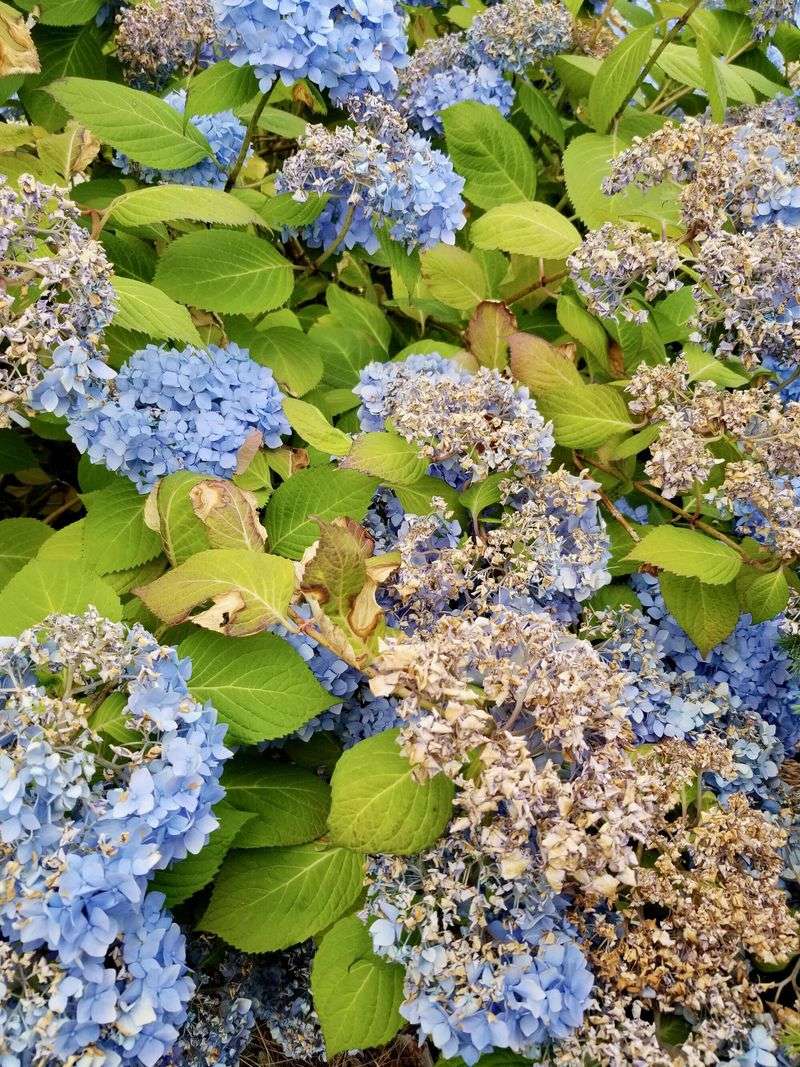
On the hottest afternoons of an Oregon summer, hydrangeas sometimes droop even when the soil has plenty of moisture.
This is called heat wilt, and it happens because the plant loses water through its leaves more quickly than its root system can supply it during intense heat.
The drooping looks very similar to drought stress, which can lead gardeners to water again when the soil does not actually need more moisture yet.
Adding water to already moist soil does not help and can push roots toward soggy conditions that cause more harm than the wilt itself. A better approach is to check the soil first before reaching for the hose.
If the soil still feels moist a couple of inches down, the plant is likely experiencing heat wilt and may recover on its own as temperatures cool in the evening.
Panicle hydrangeas tend to handle afternoon heat better than bigleaf varieties, but even they can show some wilt during an unusually hot Oregon stretch.
Providing afternoon shade with a shade cloth or positioning hydrangeas near taller shrubs or structures can reduce how much heat stress the plant absorbs during the warmest hours.
Learning to tell the difference between heat wilt and genuine drought stress is one of the most useful skills an Oregon hydrangea grower can develop over a season or two of close observation.
8. Give Container Hydrangeas Extra Attention
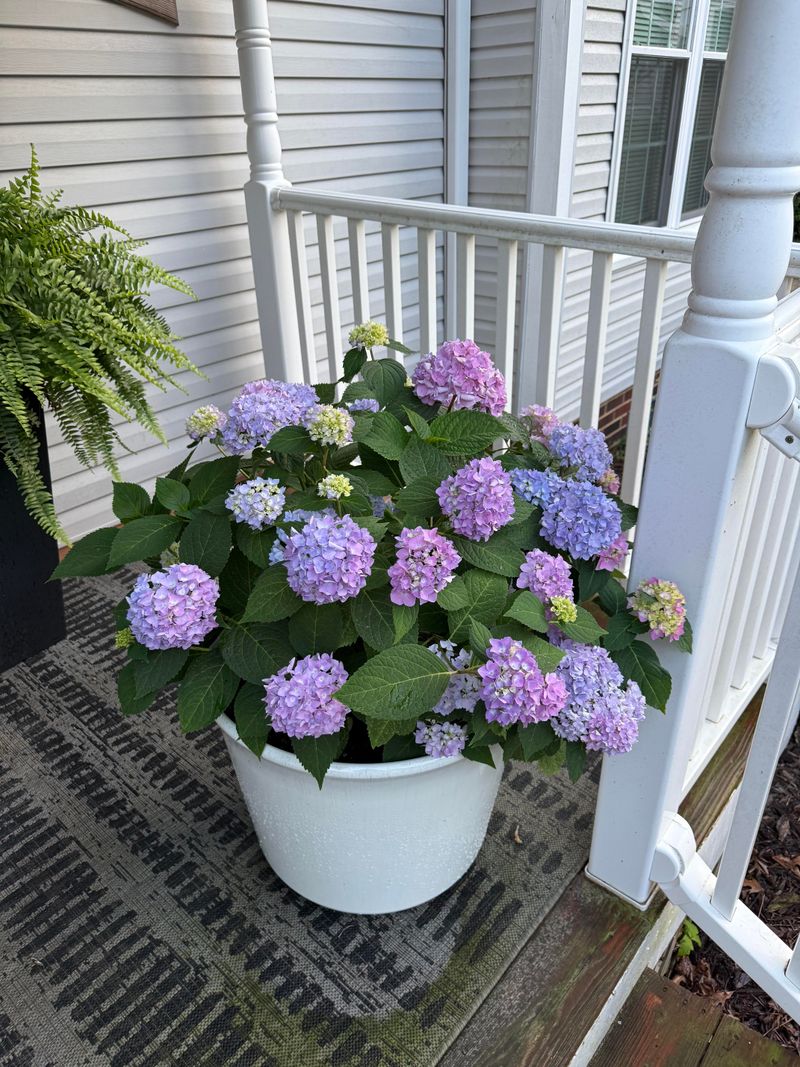
Container hydrangeas face a different set of challenges than their in-ground counterparts, mainly because pots dry out much faster than garden beds during Oregon’s warm summer weeks.
The limited soil volume in a container holds less moisture to begin with, and heat from the pot walls and surrounding patio surface can speed up evaporation significantly on sunny afternoons.
Checking container soil more frequently than in-ground plantings, sometimes daily during hot stretches, helps prevent moisture from dropping too low between waterings.
When watering a potted hydrangea, water slowly until it drains from the bottom of the pot, which helps ensure the entire root ball gets moistened rather than just the top layer of soil.
Letting only the surface get wet can leave lower roots dry even when the top of the container looks moist.
Emptying saucers after watering prevents roots from sitting in standing water, which containers can be prone to if drainage holes are partially blocked.
Choosing a container with adequate drainage holes and using a well-draining potting mix rather than heavy garden soil gives container hydrangeas a better start.
Moving pots to a shadier spot during extreme heat can also reduce how quickly moisture evaporates.
Oregon patios and decks can get quite warm in July and August, so a little extra attention to container hydrangeas during dry spells goes a long way toward keeping them healthy and blooming.
9. Protect Roots Before A Heat Wave
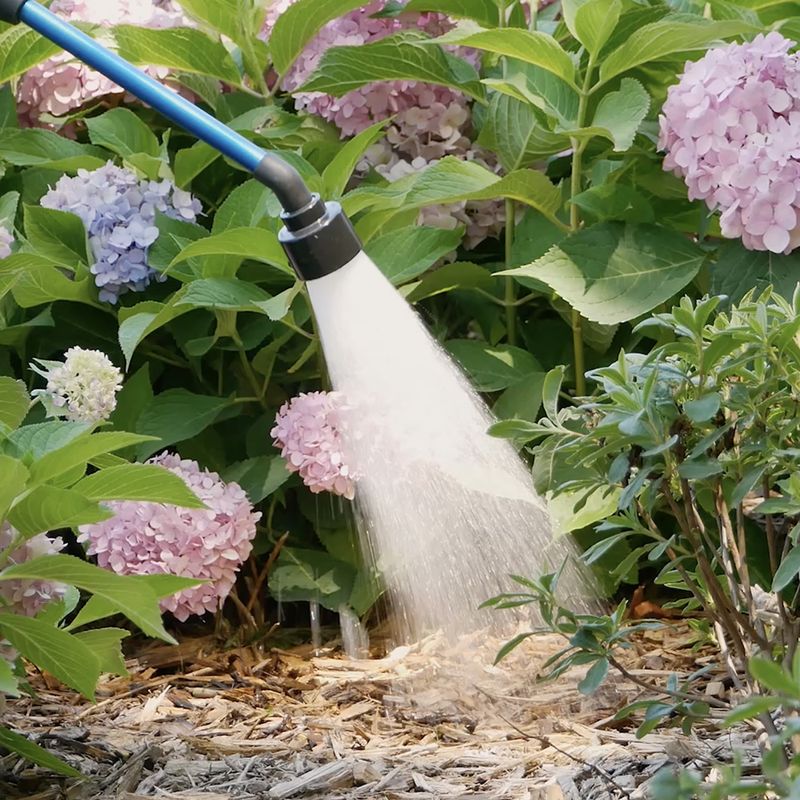
Getting ahead of a heat wave is far more effective than trying to rescue a stressed hydrangea after the heat has already set in.
When Oregon weather forecasts show several days of high temperatures approaching, watering deeply the day before the heat arrives can give roots access to stored moisture throughout the hot stretch.
Waiting until plants look stressed during extreme heat means the root zone may already be significantly dry and harder to rehydrate quickly.
Adding a fresh layer of mulch before a heat wave provides an extra buffer for soil temperature and moisture retention.
Even a couple of extra inches of wood chip mulch spread around the base of the plant can make a noticeable difference in how long the soil stays cool and moist during several consecutive hot days.
This preparation step takes only a few minutes but can help hydrangeas come through a heat event in much better shape.
For gardeners with multiple hydrangeas in Oregon landscapes, prioritizing plants in sunnier spots or containers during pre-heat-wave prep makes good sense, since those plants face more exposure.
Shaded border hydrangeas may need less preparation than those growing in open beds with afternoon sun.
Thinking ahead and acting before the heat arrives is one of the most practical habits a hydrangea grower in Oregon can develop for summer care.
10. Adjust Watering For Sun, Shade, And Soil
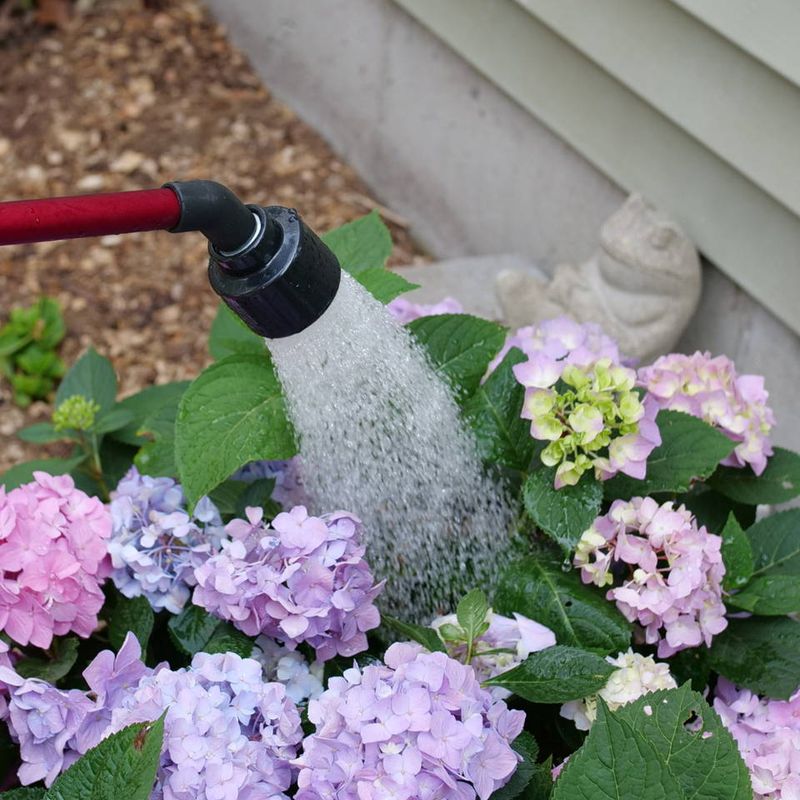
Not every hydrangea in an Oregon garden has the same watering needs, and recognizing those differences helps gardeners use water more thoughtfully during dry stretches.
A bigleaf hydrangea growing in a shaded north-facing border holds onto moisture longer than one planted in an open bed with afternoon sun, simply because shade reduces evaporation and keeps soil temperatures lower throughout the day.
Watering the shaded plant as frequently as the sun-exposed one can lead to soggy conditions that roots do not appreciate.
Soil type plays an equally important role. Sandy or gravelly soils drain quickly and may need more frequent watering, while heavier clay soils hold moisture longer but can become compacted and slow to absorb water if allowed to dry out completely.
Knowing which type of soil your hydrangeas are growing in helps set realistic expectations for how often to water during Oregon’s dry summer weeks.
Plant size and age also factor in. Younger or recently transplanted hydrangeas have smaller root systems and need more consistent moisture than well-established shrubs with deep, spreading roots.
A large, mature oakleaf hydrangea in a shaded Oregon garden bed may need far less attention than a young panicle hydrangea in a sunny mixed border.
Tailoring your watering approach to each plant’s specific situation rather than treating them all the same produces better results across the whole garden.