The Native Ohio Prairie Plant That Outperforms Black-Eyed Susans In Heat
Black-eyed Susans earn their place in Ohio gardens. Reliable, cheerful, and tough enough to handle most of what an Ohio summer throws at them.
But push into the real heat of July and August and even black-eyed Susans start showing their limits in ways that a certain prairie native simply does not. This plant came from the same open, sun-baked, drought-prone landscapes that shaped black-eyed Susans.
It just built a deeper tolerance for the conditions both plants face when Ohio summer stops being polite. Pollinators respond to it with the kind of enthusiasm that makes a garden feel genuinely alive.
It holds its color through heat that fades other flowers. And it comes back every year with more presence than the season before.
Prairie plants have a track record that garden center staples rarely match when conditions get difficult. This one makes that case better than almost any other.
1. Choose Butterfly Weed When Heat Makes Black-Eyed Susans Fade
A bed that bakes beside a driveway needs more than cheerful color to make it through July. Black-eyed Susans are tough plants, and they perform well across many sunny borders in this state.
But in sites where heat builds relentlessly and soil stays dry, they can look tired by midsummer. Their stems may flop, and their blooms can fade faster than expected.
Butterfly weed handles those same conditions with noticeably more composure. Its stems stay upright in dry heat, and the plant does not rely on extra moisture to keep going once established.
That distinction matters in full-sun beds with fast-draining soil and no irrigation.
The comparison is site-specific, not a blanket verdict. Black-eyed Susans still thrive in many gardens across Ohio, including average sunny beds with decent moisture.
Butterfly weed earns its edge in the most heat-heavy sites, where lean, dry soil and unrelenting sun make conditions challenging. Choosing between them comes down to reading your specific spot honestly.
If your bed drains fast, faces south or west, and gets no afternoon shade, butterfly weed may simply be the more practical fit for that location.
2. Plant It In Full Sun Where Soil Drains Fast
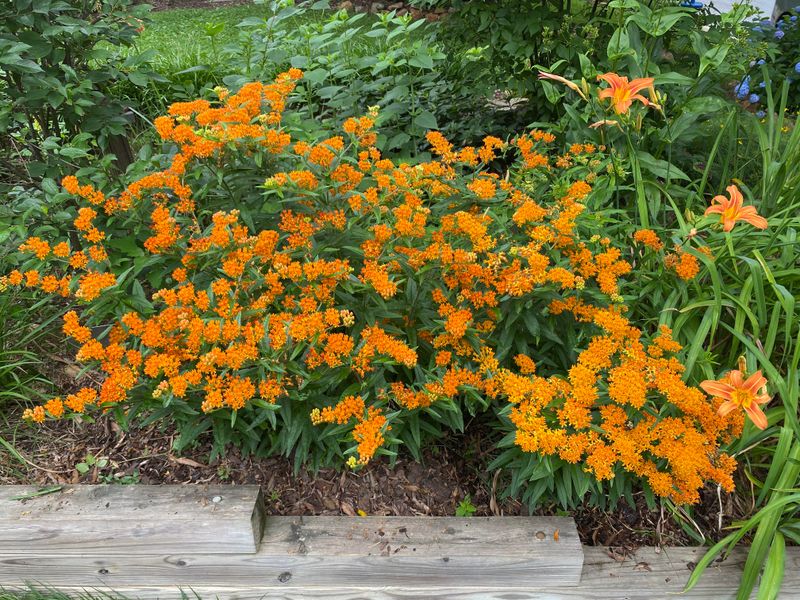
Placement shapes everything for this plant. Butterfly weed performs best when it receives at least six hours of direct sun daily.
Eight hours or more is even better in most home landscapes. Reduced sun leads to weaker stems, fewer blooms, and a plant that never quite reaches its potential.
Drainage matters just as much as sunlight, and gardeners sometimes overlook that detail. Butterfly weed does not tolerate soggy ground.
Roots sitting in wet soil, especially through winter, can cause the plant to fail. Sandy loam, gravelly soil, or naturally lean ground suits it far better than heavy clay that holds water after rain.
Before planting, take a moment to observe how quickly your bed drains after a heavy rain. If puddles linger for more than an hour or two, that spot is not the right home for butterfly weed.
Raised beds or slopes with natural drainage work well. Low spots that collect runoff should be avoided entirely.
Your Ohio Garden Changes Every Week. Your Plan Should Too.
Gardening in Ohio changes quickly throughout the season. Every Friday you’ll receive a simple weekly plan showing exactly what to plant, prune, fertilize, harvest, and protect so you never miss the right timing.
The ideal site is one where excess water moves through quickly and the surface dries out between rain events. That combination of full sun and sharp drainage gives butterfly weed the foundation it needs to establish and perform well over time.
3. Let Deep Roots Handle Dry Summer Weather
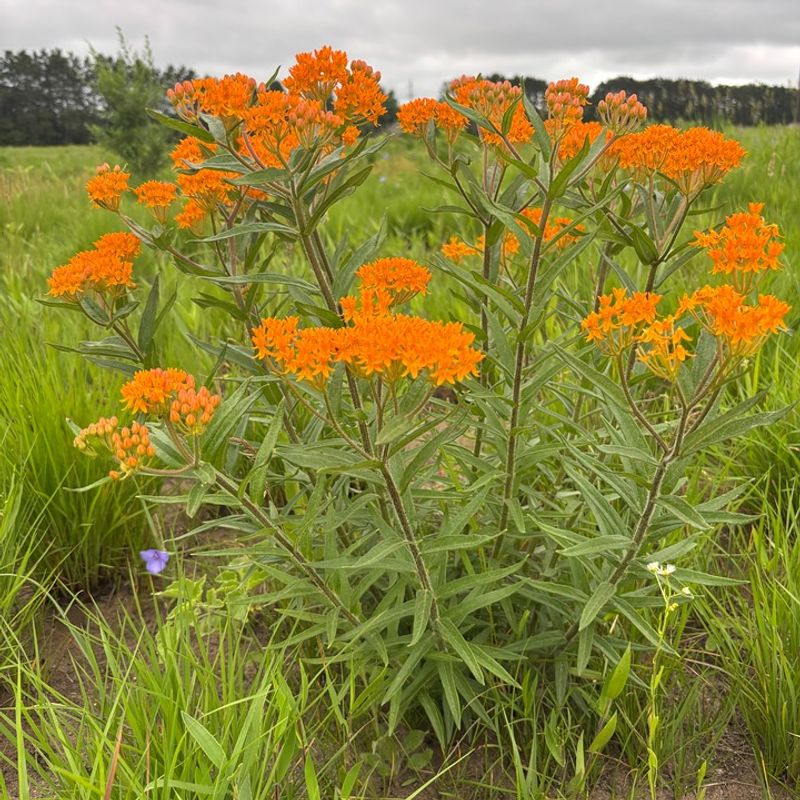
One of the most remarkable things about butterfly weed is what happens underground. Over its first growing season, the plant develops a thick, fleshy taproot that pushes deep into the soil.
That root system is the reason established plants handle dry summer spells so much better than many other perennials in sunny beds.
The taproot reaches moisture levels that shallow-rooted plants simply cannot access during dry stretches. Once those roots are settled, butterfly weed can go longer between waterings without showing stress.
Stems stay upright, leaves stay green, and blooms continue without the wilting that signals trouble in more moisture-dependent plants.
First-year plants have not yet built that deep root system, so they need more attention during dry spells. Skipping water checks on new plants in July or August can set them back significantly.
Think of the first season as an investment period. You are helping the plant build the underground structure that will carry it through future summers with less help from you.
By the second or third year, a well-placed butterfly weed becomes noticeably more self-sufficient during dry summer weather in Ohio. That is especially clear compared to plants with shallower root systems growing in the same bed.
4. Skip Rich Wet Soil That Weakens The Plant
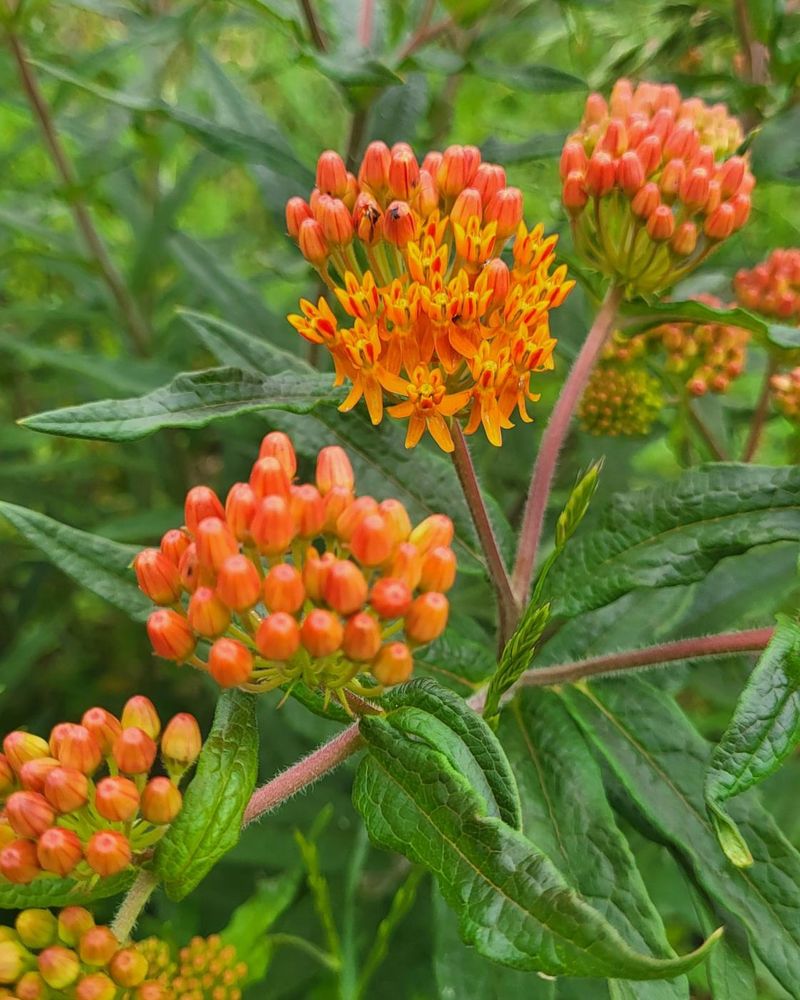
Gardeners who enrich every bed with compost before planting sometimes find that butterfly weed disappoints them. That outcome is not a mystery.
This plant evolved on lean, open prairies where soil fertility was naturally low. Giving it the same rich, heavily amended bed you might prepare for tomatoes or dahlias sends it in the wrong direction.
In overly fertile soil, butterfly weed tends to put energy into leafy growth rather than sturdy stems and flowers. Plants can become floppy and weak, which looks nothing like the upright, compact form this species shows in its preferred lean conditions.
Wet, nutrient-heavy soil also increases the risk of root problems, especially in poorly drained spots.
The practical advice here is to resist the urge to improve the soil too much before planting butterfly weed. If your native soil is sandy, gravelly, or naturally low in organic matter, plant directly into it without heavy amendments.
A site that would frustrate most vegetable gardeners is often exactly what butterfly weed wants. Skip the bagged compost for this one.
Let the soil be a little rough, a little dry, and a little lean. That is the environment where butterfly weed does its best work over the long term.
5. Use Orange Blooms For Strong Mid-Summer Color
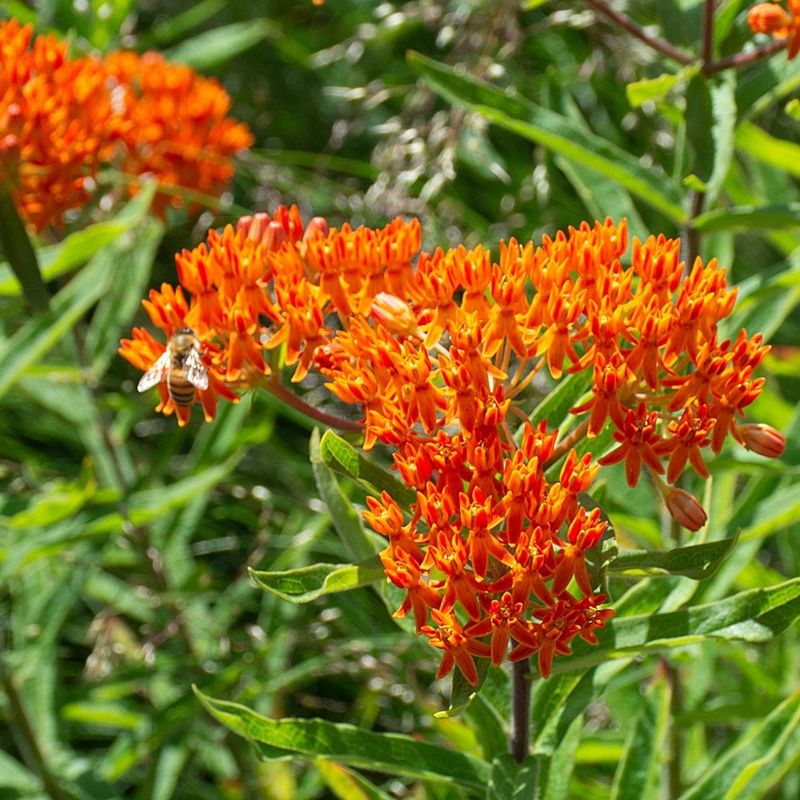
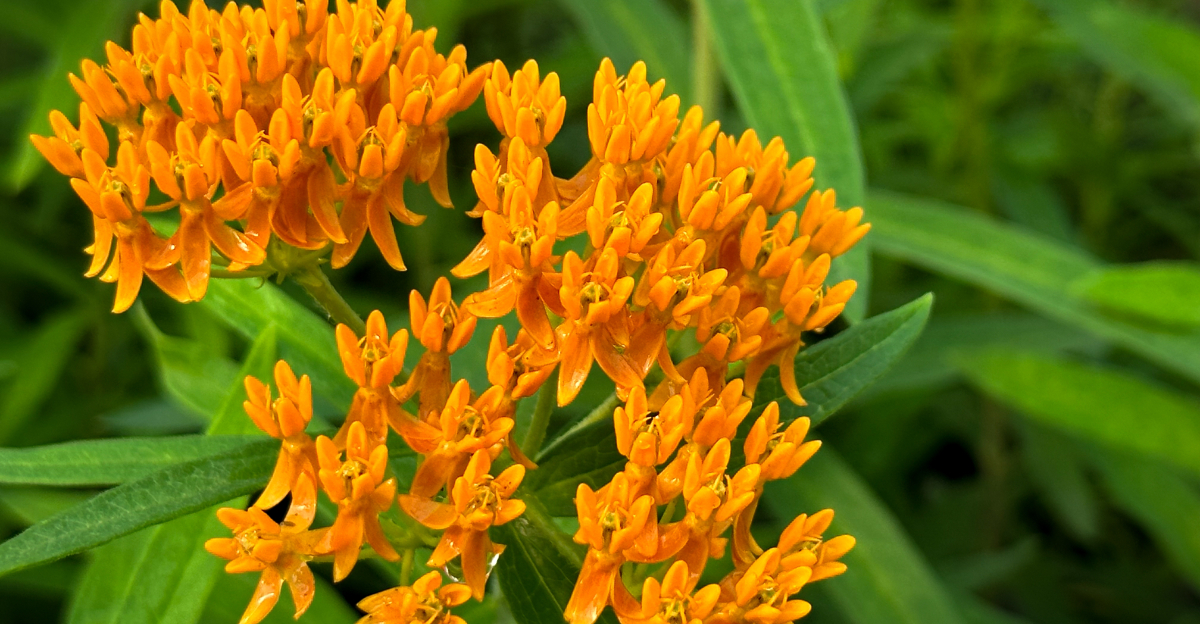
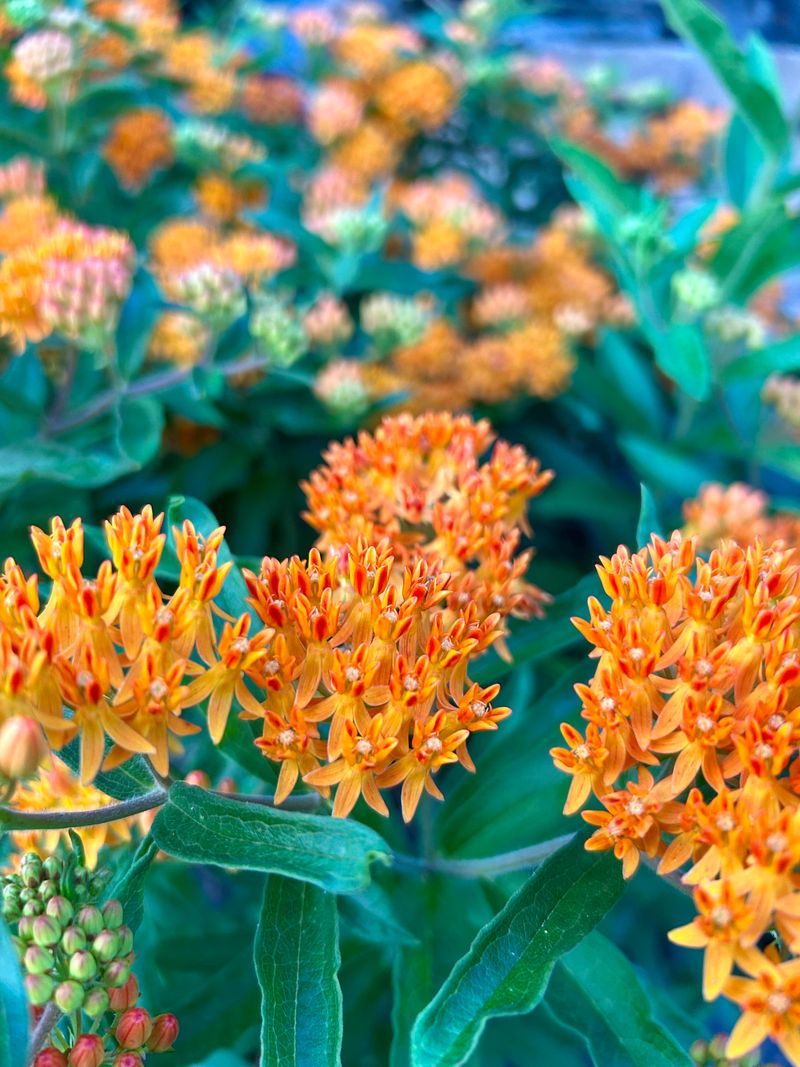
Few native plants deliver orange color as reliably as butterfly weed in a full-sun summer bed. The blooms are flat-topped clusters made up of many small individual flowers, and the orange is intense enough to stand out from a distance.
It reads as a warm, saturated color in the landscape rather than a soft or pastel tone.
Bloom timing generally falls between June and August across most of this state, with peak flowering often landing in July. The exact timing shifts slightly depending on local conditions, site exposure, and seasonal temperatures.
Plants in warmer southern regions may bloom a bit earlier than those in cooler northern areas.
The bloom period lasts several weeks rather than the entire summer. Pairing butterfly weed with other natives that flower at different times helps maintain color continuity in the bed.
After the main flush of bloom, seed pods develop and add visual interest of their own kind. The pods eventually split open and release seeds with silky fibers that drift on late-summer breezes.
That seed display extends the plant’s seasonal interest well beyond the flowering period. It gives the bed something to look at even after the orange blooms have finished for the year.
6. Give Young Plants Water Until Roots Settle
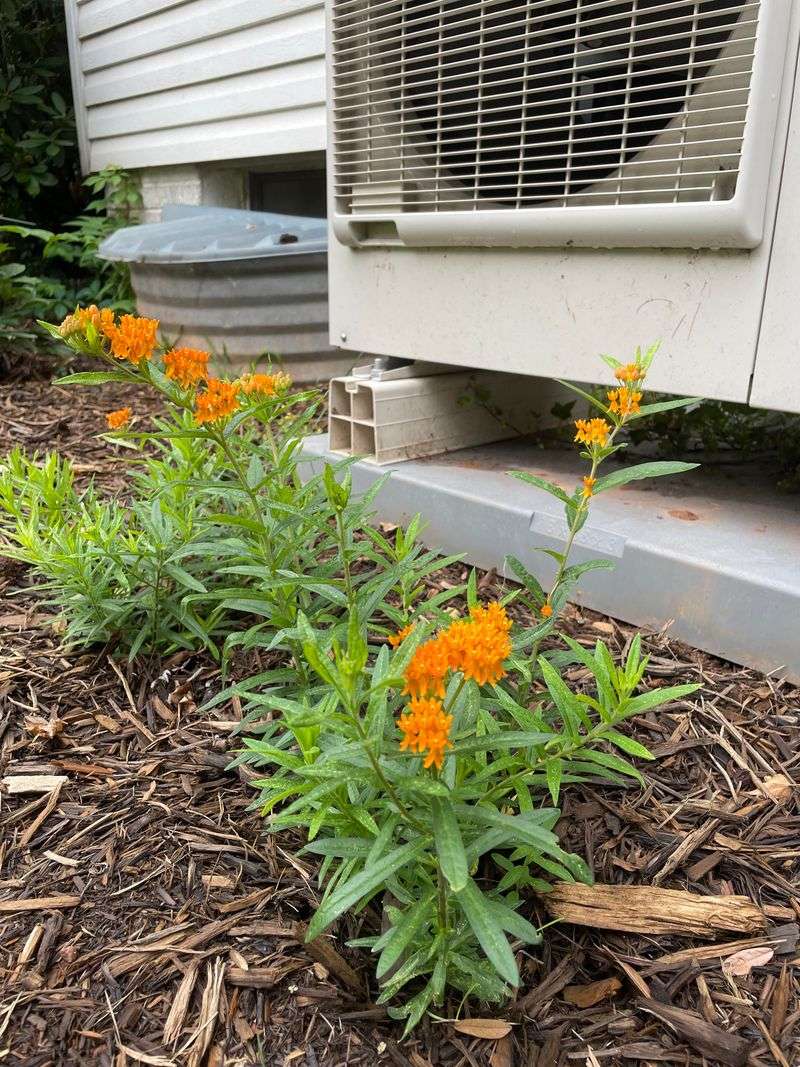
A newly-planted butterfly weed looks small and unassuming for most of its first season. That is not a sign of trouble.
The plant is spending its early energy building roots rather than producing showy top growth. Understanding that pattern helps new gardeners resist the urge to overwater or to assume something is wrong.
During the first summer, check soil moisture regularly, especially during dry stretches that last more than a week. Water deeply when the top inch or two of soil feels dry.
Allow the soil to dry somewhat between waterings rather than keeping it consistently moist. Soggy conditions hurt the plant even during establishment.
Deep, infrequent watering encourages roots to reach downward, which is exactly the growth habit you want to develop. Shallow, frequent watering keeps roots near the surface and produces a plant that stays dependent on regular irrigation.
By the end of the first growing season, a well-watered but not overwatered plant should have enough root development to handle short dry spells on its own.
By the second season, the need for supplemental watering drops considerably in most sites with decent natural drainage.
Patience during year one pays off in a noticeably more resilient plant from year two onward.
7. Avoid Moving Butterfly Weed Once It Is Established
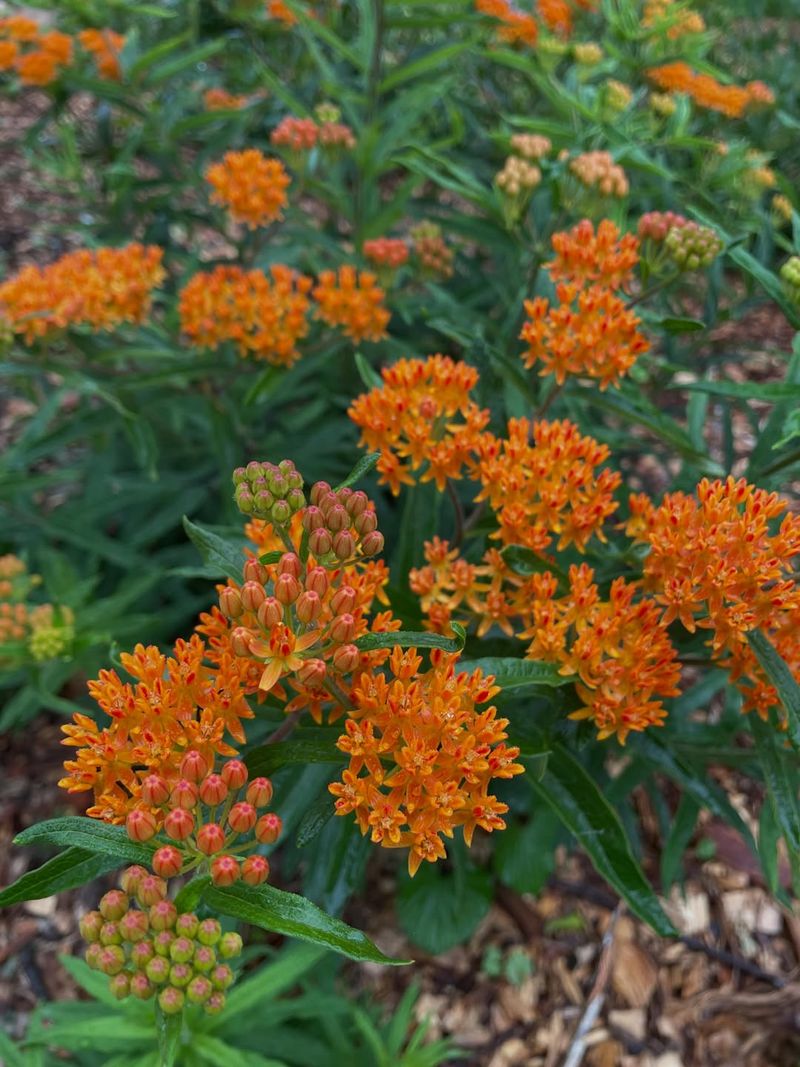
Choosing the right spot before planting matters more with butterfly weed than with most perennials. The deep taproot that makes this plant so effective in dry summer heat also makes established plants difficult to move successfully.
Attempting to dig and relocate a mature plant usually damages the root enough to set the plant back severely.
Young plants transplant more successfully than older ones, but even first-year plants can struggle if moved during warm, dry weather. If you start with a nursery container, plant it in its permanent location right away.
Avoid temporary staging spots with the plan to move it later. That approach rarely ends well with this species.
Take time before planting to evaluate the site honestly. Check sun exposure at different times of day.
Observe how the soil drains after rain. Consider whether nearby plants might eventually shade the spot as they mature.
A little extra thought before the plant goes in the ground saves a lot of frustration later. Butterfly weed rewards patience and good site selection with years of reliable performance.
Ohio gardeners who pick the right spot from the start and leave the plant undisturbed tend to have the best results with this native prairie species over the long term.
8. Pair It With Other Heat-Tough Prairie Natives
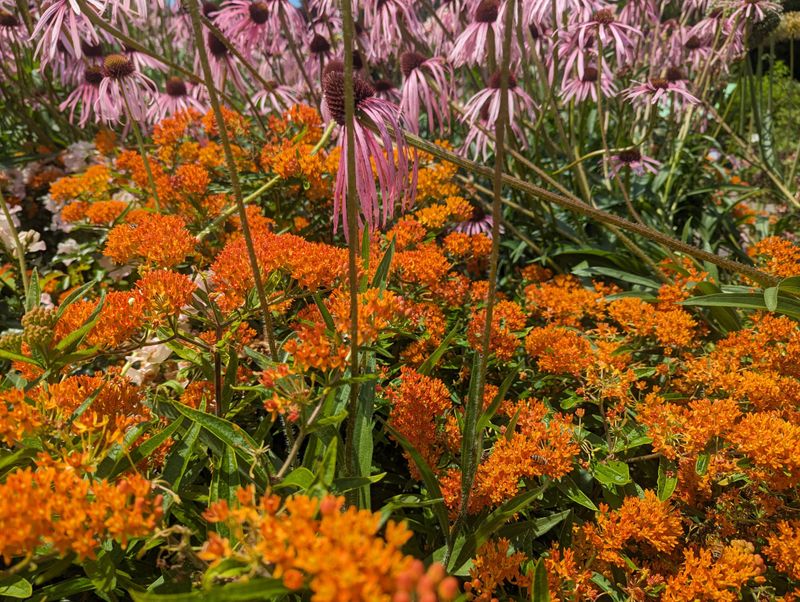
A sunny, dry border comes together beautifully when butterfly weed shares space with other natives that prefer the same conditions. Matching plants by site needs rather than just appearance is the most reliable approach to a low-input prairie-style planting.
When every plant in the bed wants the same sun, drainage, and lean soil, the design takes care of itself more naturally.
Little bluestem is a strong companion. This native grass turns copper and red in fall while offering fine texture that contrasts nicely with the bold orange of butterfly weed blooms.
Purple coneflower brings pink-purple color in mid to late summer and handles dry, sunny sites well. Blazing star adds vertical purple flower spikes that bloom around the same time as butterfly weed or slightly after, extending the color season.
Wild bergamot is another option worth considering. It blooms in lavender-pink tones in early to midsummer and attracts a wide range of native bees.
Prairie dropseed, a fine-textured native grass, works well as a low edging plant along the front of the bed. All of these species share butterfly weed’s preference for full sun and well-drained soil.
Grouping them together creates a planting that looks intentional, supports native wildlife, and holds up well through hot, dry summers in this state.